The contrast could hardly be greater. While a possible opening for peace can be glimpsed, Europe still seems most concerned with how the continuation of the war is to be financed.
Donald Trump has sharply criticised Ukraine’s attacks on Russian oil refineries. He believes the attacks are pushing energy prices up and claims that Zelensky is harder to negotiate with than Putin.
That does not mean Trump has created peace. But his statements raise a big question: why have European leaders spent so much political energy on military escalation and so little on developing a realistic path to the negotiating table?
The war has roots going back to 2014 and escalated dramatically in February 2022. Since then, enormous sums have been spent, cities destroyed and millions of people have had their lives torn apart. Yet the same political recipe continues. More weapons, more money and new sanctions.
Where are the results? Where is the peace plan?
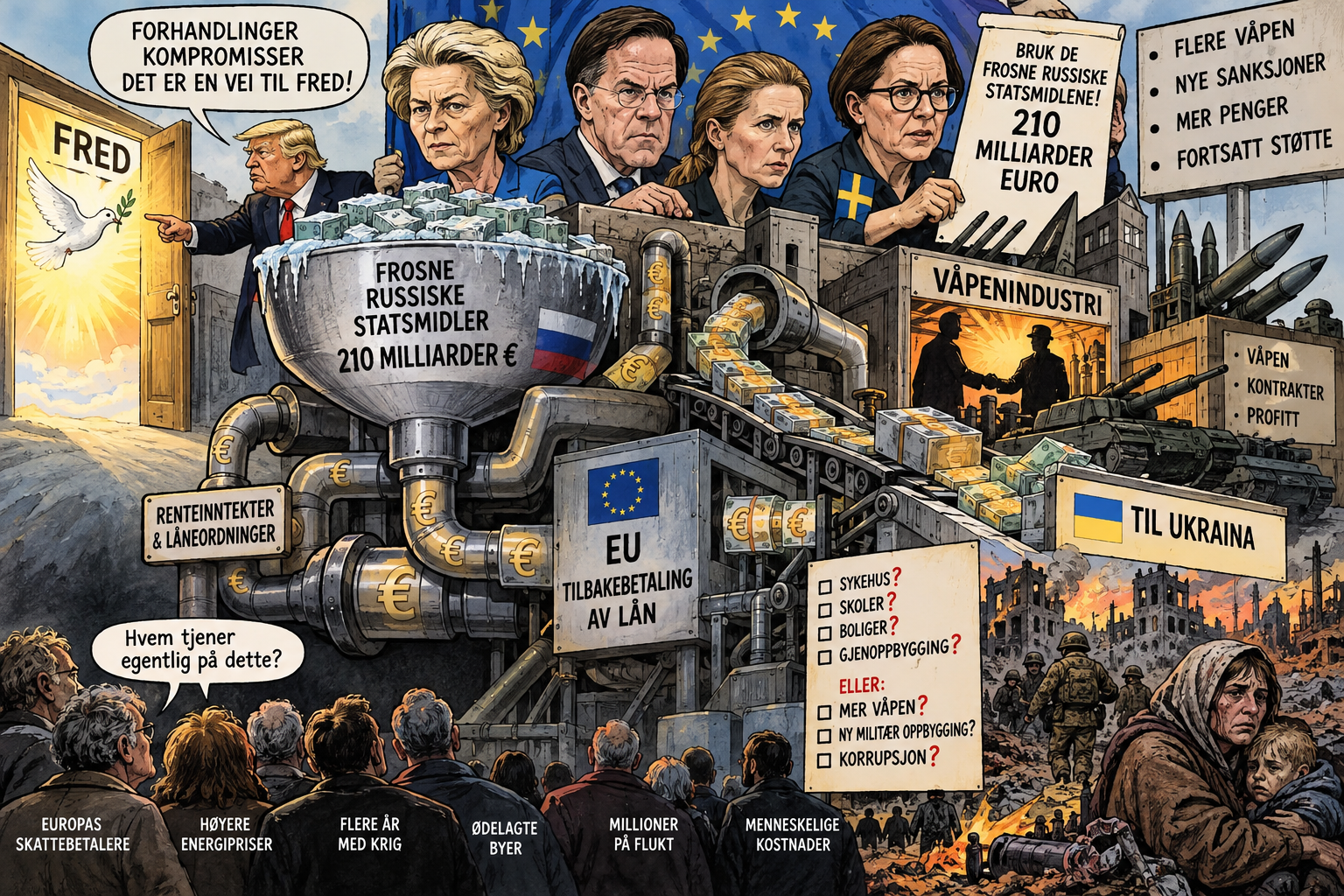
In the midst of this, Sweden’s Foreign Minister Maria Malmer Stenergard is pushing for the EU to use the frozen Russian state assets for Ukraine. This concerns around 210 billion euros in Russian central bank reserves immobilised in Europe.
The justification is that Russia should pay for the destruction. Claims for war reparations may be justified, but that does not automatically give European politicians the right to dispose of another state’s reserves.
Freezing assets is one thing. Confiscating them is something quite different.
In my view, confiscation without a clear legal basis would be politically legitimised theft. That the act may be wrapped in complicated financial arrangements does not change the fundamental question of property rights and state immunity.
But there is an even more remarkable question.
Are the Russian billions really going to the people of Ukraine, or will they in reality be used to repay loans that the EU and other Western countries have already given?
This is not merely a hypothetical issue. The EU has already established arrangements in which windfall profits (read: interest) from frozen Russian state assets are used to service and repay loans to Ukraine.
This creates a financial merry-go-round that deserves far greater public attention.
The EU and other Western countries lend money to Ukraine. Ukraine spends considerable sums on military equipment. The European defence industry may win large contracts. Revenues from Russian state assets then help repay the loans.
Who are actually the financial winners in this construction?
And what happens to the money that is actually transferred to Ukraine? Will it build hospitals, schools and homes, or will large sums go to a new military build-up?
Ukraine has documented problems with corruption, including in public procurement. That does not mean the money will necessarily be misused. But when sums of this magnitude are being discussed, the requirements for independent oversight should be absolute.
Who will monitor the flows of money? Who will scrutinise the arms contracts? And how will the funds be prevented from disappearing through overpricing, political connections and corruption?
These should be central questions before Europe’s leaders commit even larger sums.
At the same time, we must ask why the frozen billions are not to a greater extent considered as a possible element of a future peace agreement, with legally anchored arrangements for compensation and reconstruction.
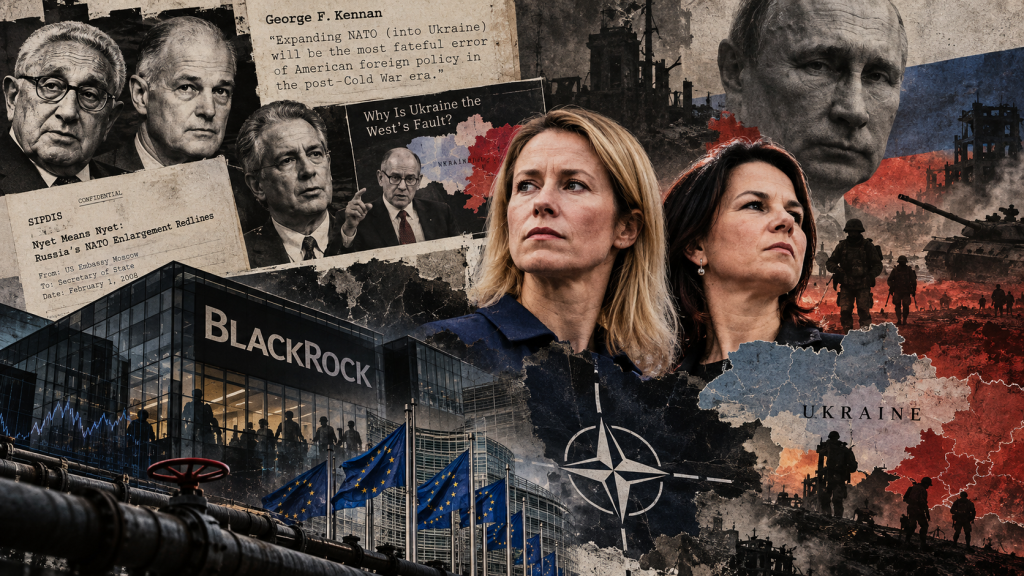
Ursula von der Leyen, Kaja Kallas and Mark Rutte constantly talk about strength, security and the necessity of continued support. But where is the concrete plan to end the war?
And where does Norway stand?
Jonas Gahr Støre and Espen Barth Eide continue the billion-krone appropriations and support for the European line. But where is Norway’s independent peace initiative? Where is the will to use Norwegian diplomatic experience to bring the parties closer to the negotiating table?
Norway once had ambitions of being a nation of peace. Now political prestige seems increasingly tied to the size of the appropriations rather than the results of diplomacy.
It is entirely possible to support Ukraine’s right to security and at the same time demand a far more active peace policy. It is also possible to hold Russia accountable for war damage without setting aside fundamental legal principles.
Trump has not yet delivered peace. Russia continues its attacks, and Ukraine has legitimate security interests. A lasting agreement requires both parties to accept real obligations.
But if Washington can now open the door to new talks, Europe should help develop that opportunity rather than turning even more financial questions into obstacles.
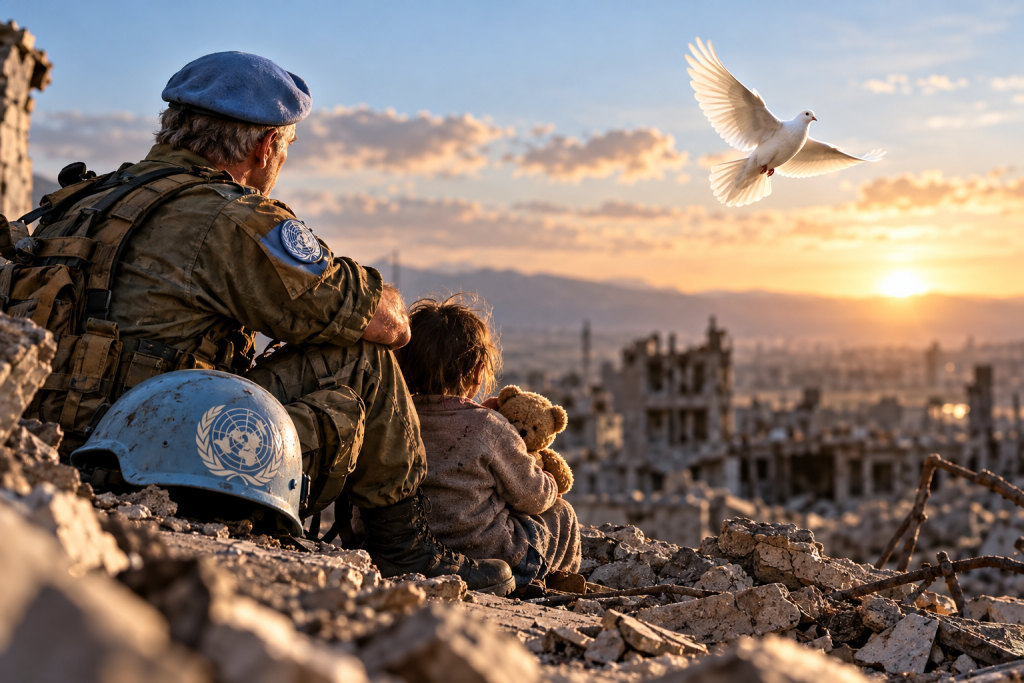
For the greatest costs of war are not measured in euros or dollars. Destroyed buildings can be rebuilt. But children who grow up in fear, families who lose their loved ones and soldiers who carry trauma for the rest of their lives cannot be repaired with new billion-euro appropriations.
It is these people who pay the price.
Peace requires negotiations, compromises and security guarantees. It also requires politicians who dare to acknowledge that military power alone cannot create lasting security.
Perhaps we are finally glimpsing a ray of hope for peace. But then Europe must stop treating the war as a financial project without a clear political end.
For if the war is financed with loans, the arms industry gets the contracts and Russian assets are used to pay the bill, we must ask the most uncomfortable question of all: who actually has an interest in the war ending?