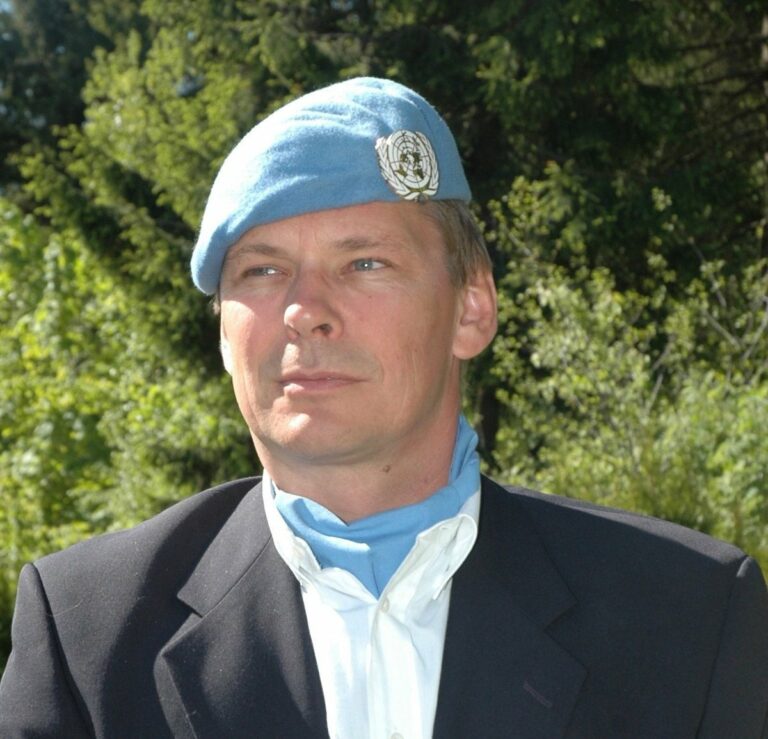
After seventy years, I have had enough of this double standard.
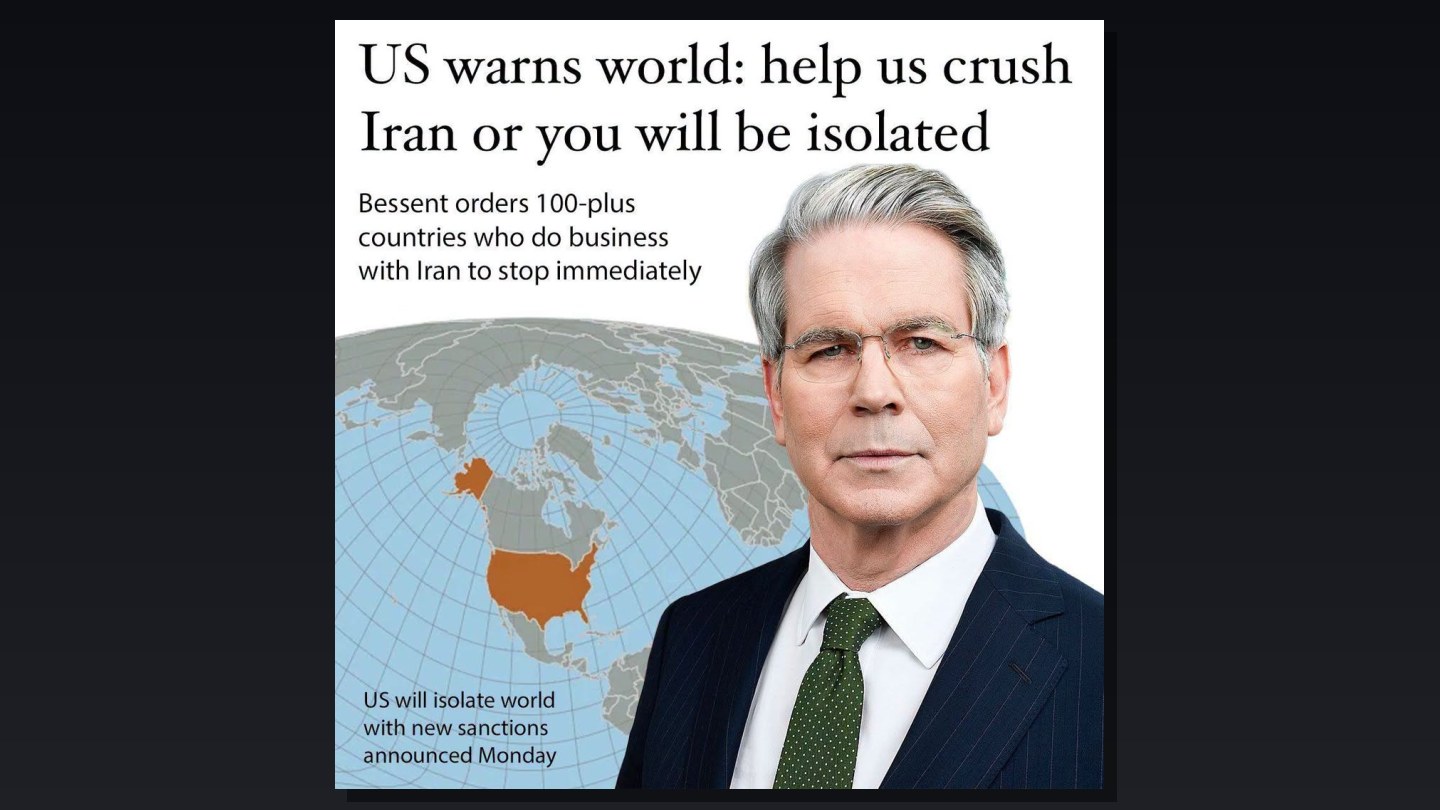
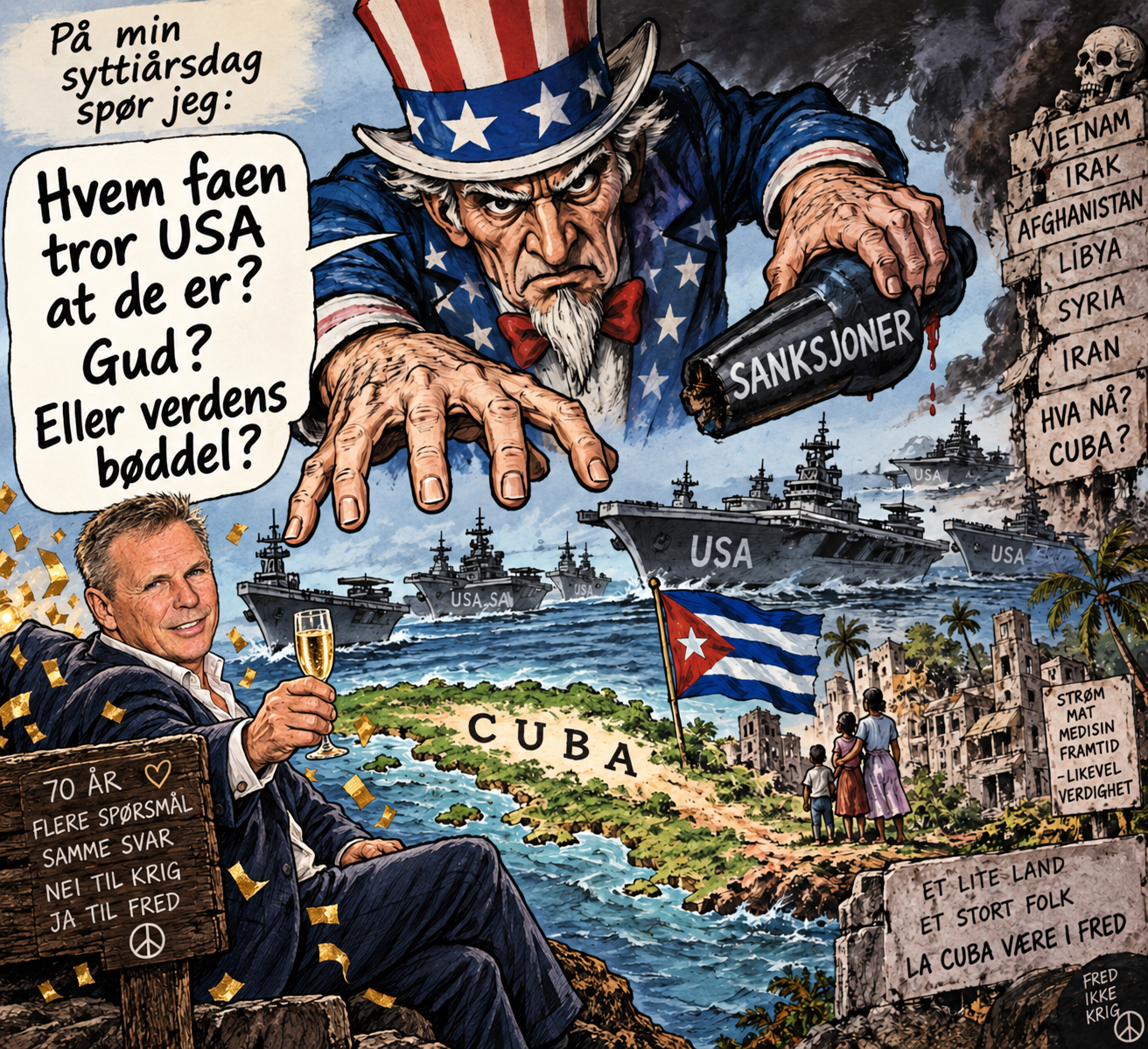
Cuba is once again under ever harsher American pressure. New sanctions have been imposed, access to oil has been severely hit, and the country’s economic problems have become even more serious. Power cuts, transport problems and shortages of essential goods do not only affect the politicians in Havana. They affect ordinary people. Children. The elderly. The sick. Families who have no influence over great-power politics in Washington.
Yet this is called merely sanctions.
I call it economic warfare.
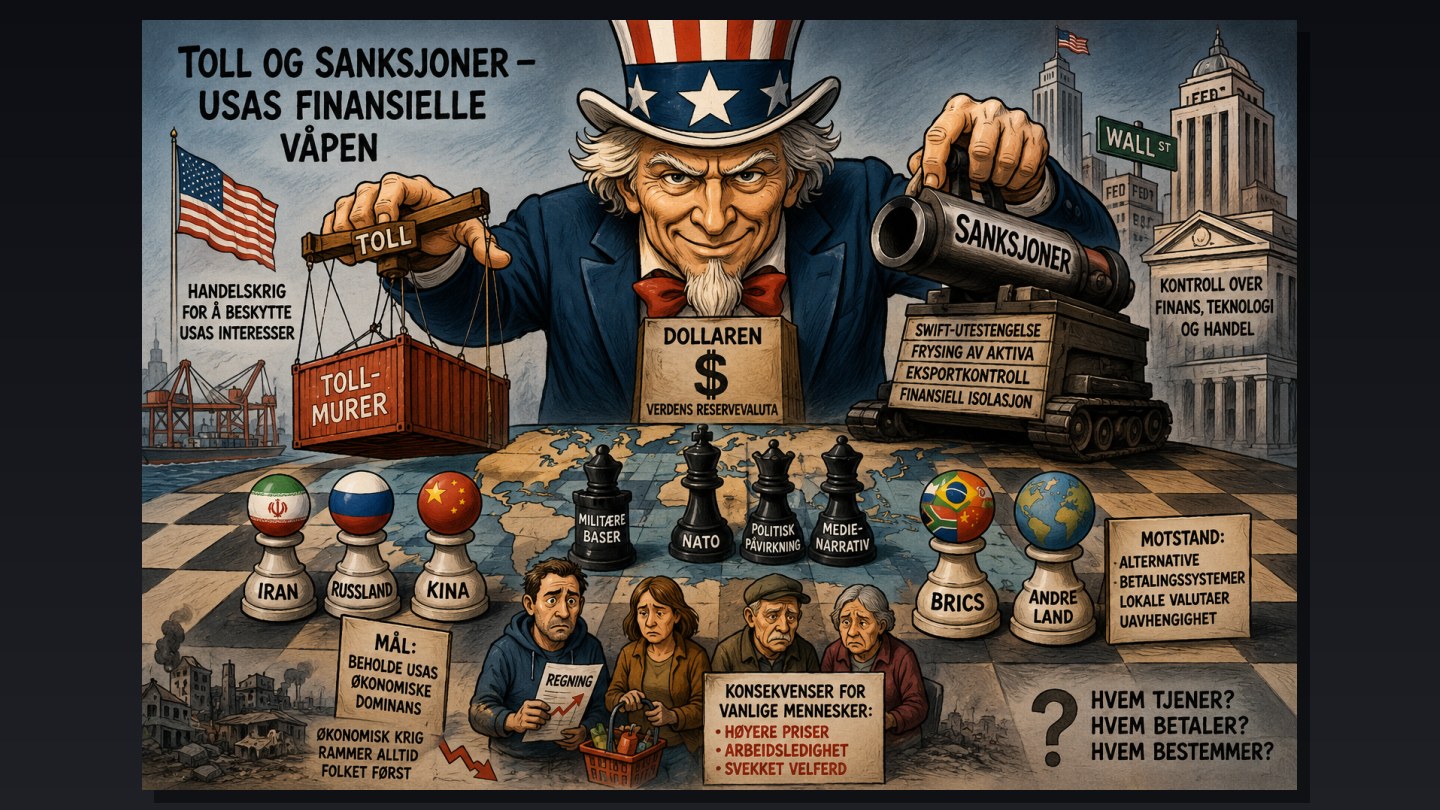
When the world’s strongest state uses its economic and financial power to make life harder for millions of people in a small country because it does not like the government there, it is no longer a matter of diplomacy. It is the use of force. And the question becomes ever harder to avoid: who the hell does the United States think it is? God, who can decide which governments other peoples should have? Or the world’s executioner, punishing those who refuse to bow their heads?
Washington says, of course, that it is the regime that is to be targeted. It is the same lie we have heard for decades. Saddam Hussein was to be targeted in Iraq. The Taliban were to be targeted in Afghanistan. Gaddafi was to be removed in Libya. Iran is to be pressured. Cuba is to be broken.
But it is almost always ordinary people who pay.
They are the ones who lose their electricity. They are the ones who lose their medicines. They are the ones who lose their jobs. They are the ones who bury their dead.
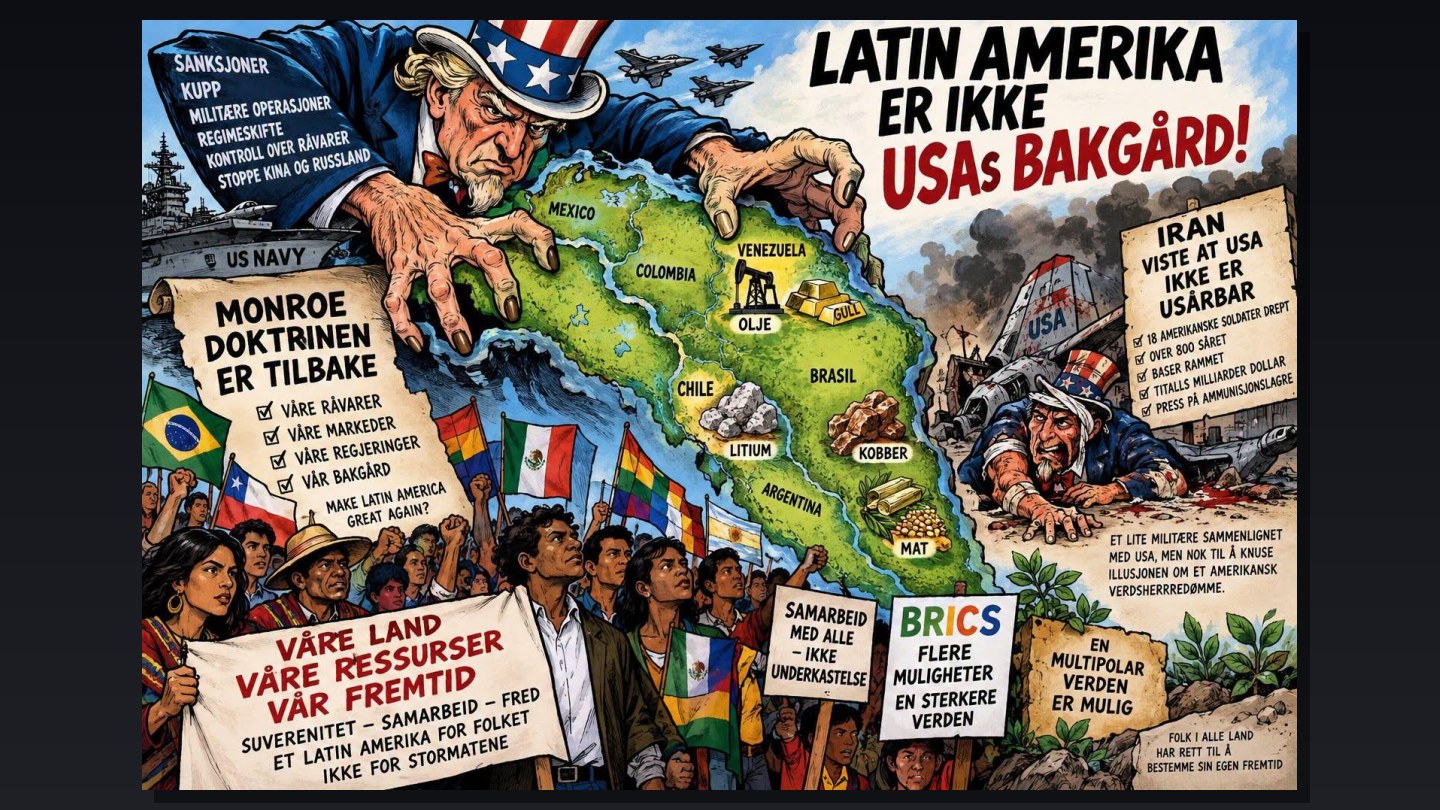
Cuba is no military threat to the United States. It is a small Caribbean state with major economic problems. Yet the world’s most powerful military power behaves as if Havana were about to march on Washington. At the same time, American military activity in the Caribbean is increasing. American warships operate in the area, and American forces carry out lethal strikes against vessels they claim are linked to drug crime.
Let me be clear about one thing: there is still no publicly confirmed order for an American invasion of Cuba. But Cubans need no conspiracy theory to fear American use of force. They only need to know their own history.
The US tried to overthrow the Cuban government through the Bay of Pigs in 1961. The CIA conducted covert operations against the country. Washington has used economic blockade and sanctions for generations. And the Guantánamo base still sits on Cuban territory as a symbol of a power relationship the US would never accept if the situation were reversed.
What would Americans say if Chinese warships lay off Florida? What would Washington say if Beijing tried to halt American oil imports, finance regime change and force a new political system on the United States?
They would call it aggression.
When the US does it to others, it is called promoting democracy.
It is precisely this double standard that undermines the whole notion of a rules-based world order. Rules that apply only when they suit the strongest are not rules. They are power politics disguised as morality.
I have lived through the Vietnam War, Iraq, Afghanistan, Libya and a long series of other conflicts in which Western leaders have explained again and again that military force was necessary for freedom, democracy and security. The results have far too often been dead civilians, destroyed countries, millions of refugees and new generations of hatred and trauma.
And yet we do it again.
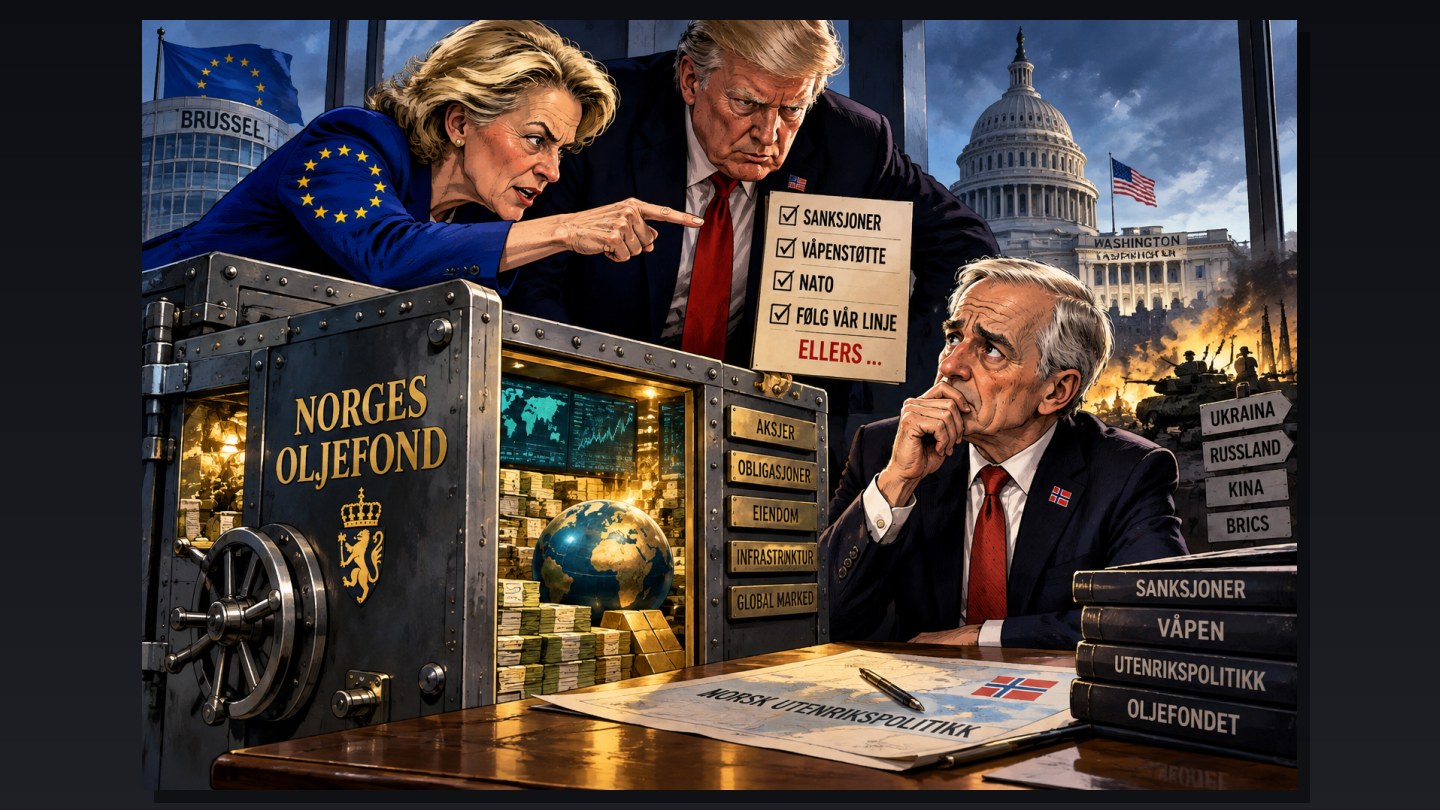
On my seventieth birthday I have less patience with leaders who talk about peace while preparing for war. I have less patience with politicians who talk about human rights while defending collective punishment through sanctions. I have less patience with media that repeat the language of the great powers without asking the simplest questions.
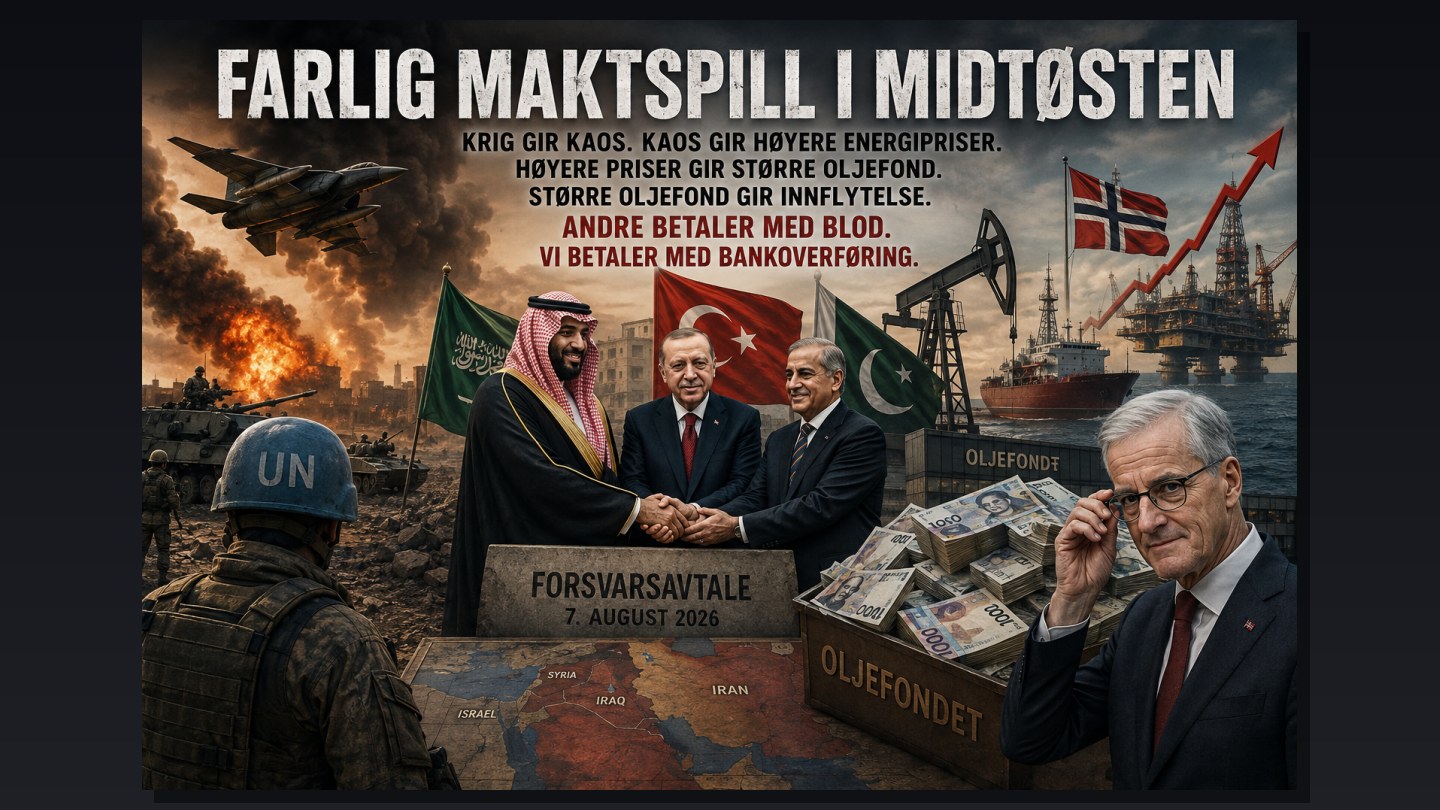
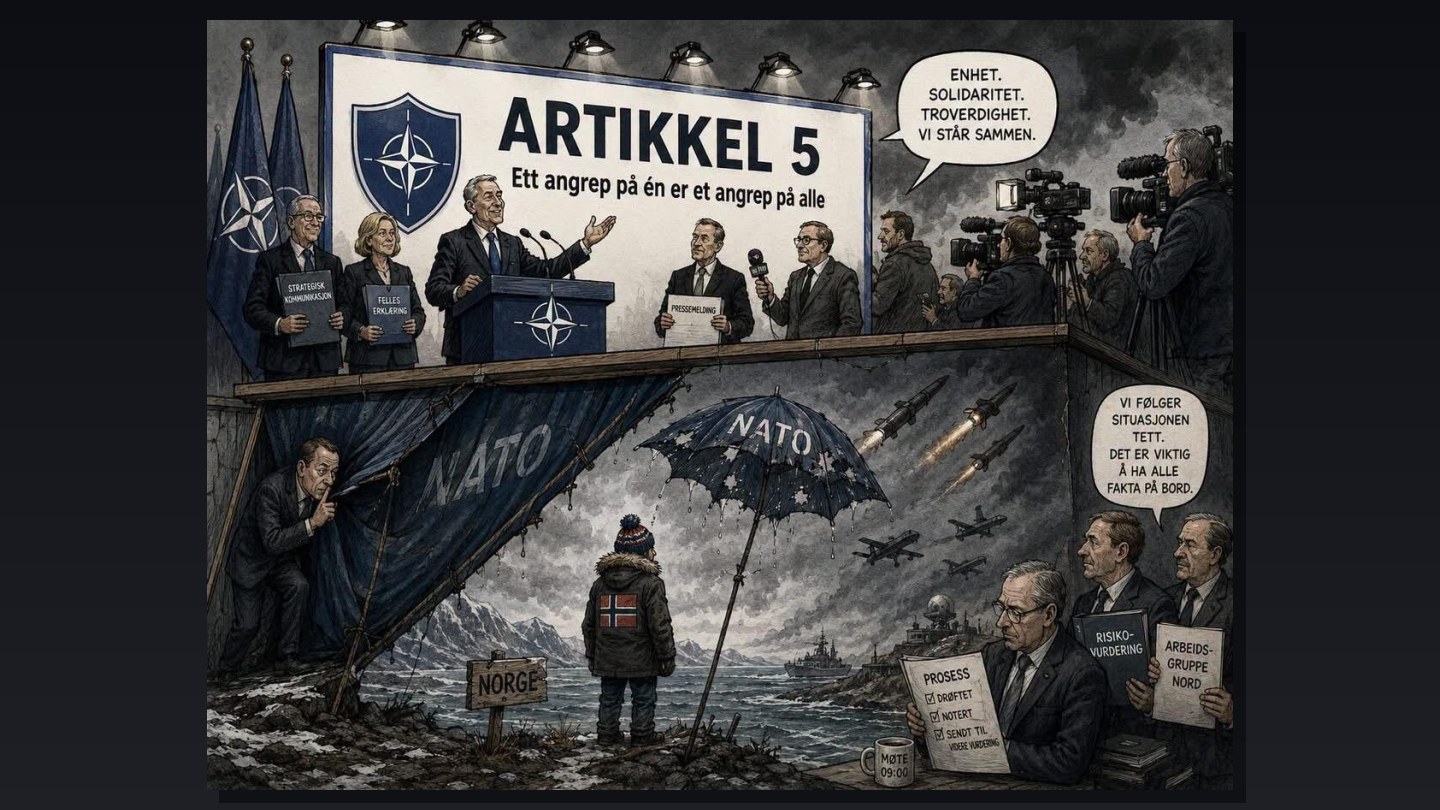
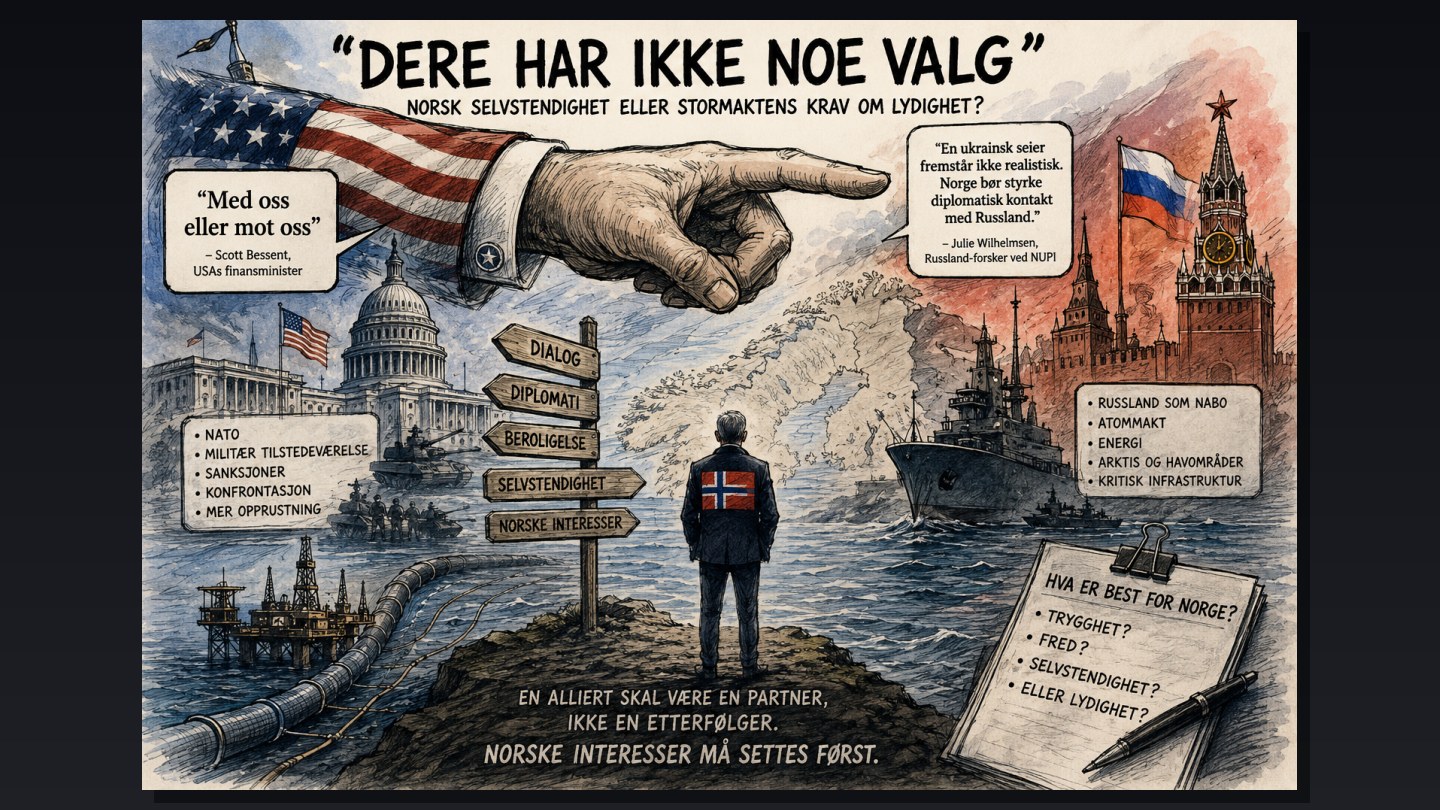
I have seen what war does to people. That is why I will not stay silent when I believe that the US, NATO, Norway or others are moving in the wrong direction.
Seventy years does not mean the voice should grow weaker.
For me it means the opposite.
I have less to prove but more to say. And I will say it for as long as I can: the United States is not God. The United States does not own Cuba. The United States does not own the Caribbean. The United States does not own the world.
If the Americans really believe Cubans deserve freedom, they can start by ceasing to punish them collectively.
Lift the pressure. Talk to Cuba. Respect the country’s sovereignty.
And let Cubans decide Cuba’s future for themselves.
For the greatest threat to the world order is not always the small countries that refuse to bow.
Sometimes it is the great powers who believe they stand above the law.