Dan-Viggo Bergtun
Veterans Affairs & Security Policy
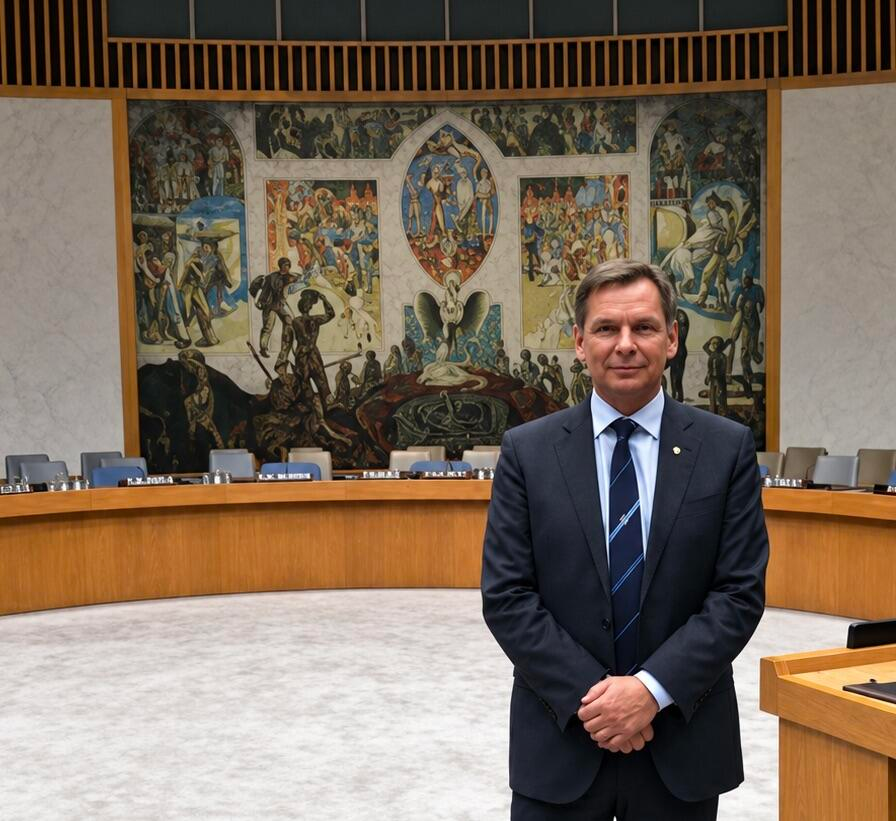
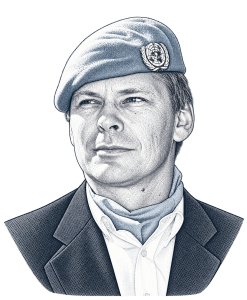
Dan-Viggo Bergtun (b. 1956) is a Norwegian veteran, writer and international veterans’ leader.
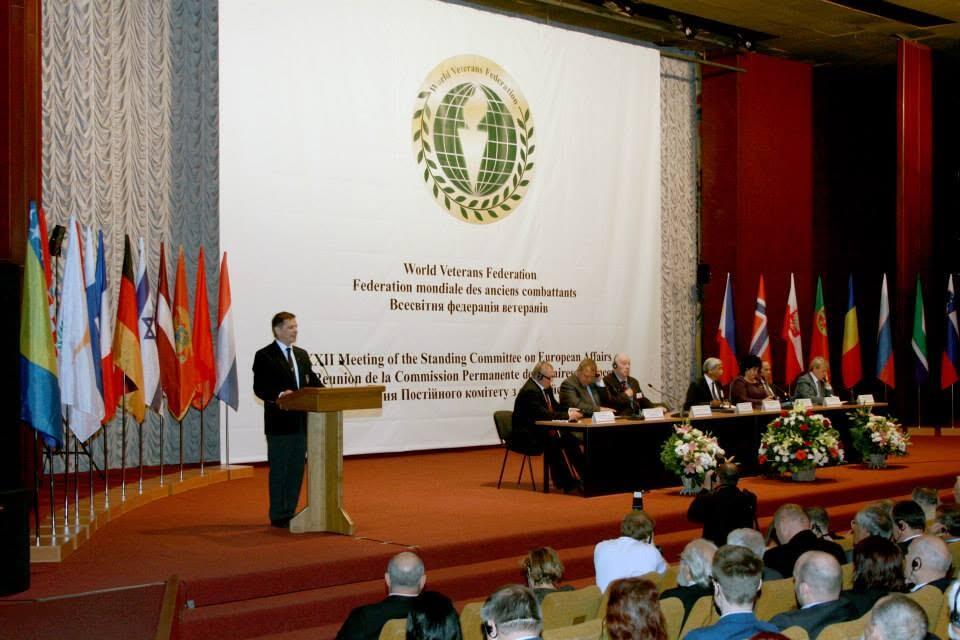
With a long record of military service — including UN operations — he has devoted himself since 1978 to veterans’ rights, peace and security policy, and the social and humanitarian situation of veterans. As former president and now honorary president of the World Veterans Federation — with member associations in more than 120 countries, representing some 60 million veterans — Bergtun has been one of the few Norwegians with global influence in the veterans’ field.
War · Politics
49 articles0 videos
Norway cannot keep telling ordinary people that everyone is equal before the law, while cases surrounding the country’s most privileged family create an ever stronger impression that some people move in a different reality from the rest of us.
A question of trust
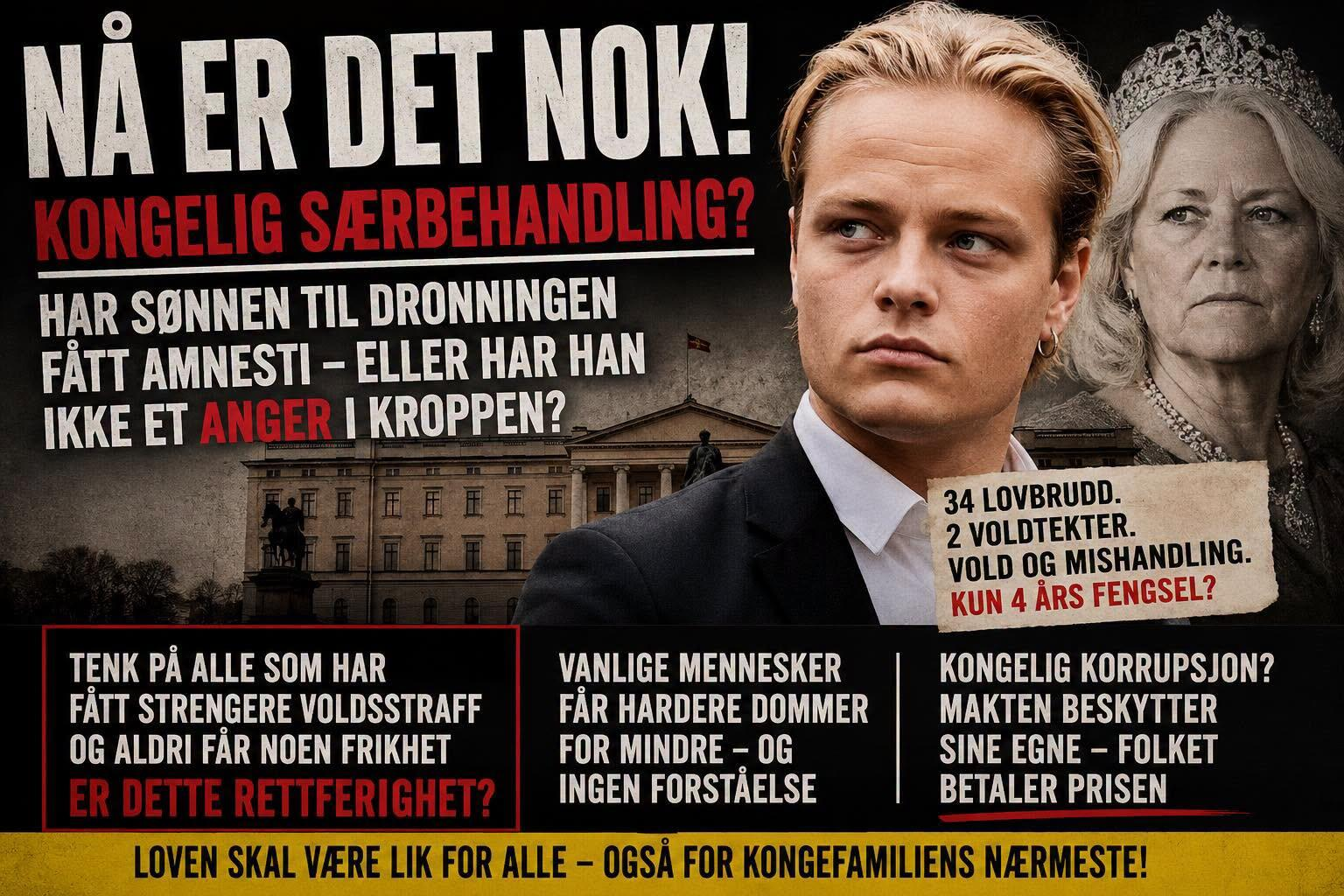
Marius Borg Høiby has not been granted amnesty. He has not been pardoned. But that is not the point either. The point is what this whole case does to trust in the rule of law, the royal house and the notion that name, family and social position should not matter when serious acts are to have consequences.
How many ordinary Norwegians have received harsh sentences for violence, threats and abuse without the public spending months explaining how difficult their lives have been? How many are in prison while their mother or father is seriously ill? How many lose contact with their children, lose their jobs and have their lives ruined, without any central public figures lifting a finger to explain how stressful the situation is?
For them the brutal rule applies: you did it. Now you take the consequences.
It must be the same when the person concerned grew up at Skaugum.
This is exactly where the power elite must understand how serious this case is. It is not enough to hide behind solemn phrases about privacy and difficult family situations. When a case is this serious and comes this close to the royal house, it also becomes a question of institutional trust.
The royal house is no ordinary family
The royal house is not an ordinary family. It is funded by the public, represents the state and enjoys a position no other Norwegian family can dream of. With privileges comes the responsibility to withstand critical scrutiny.
That is why it provokes when ordinary people feel that those in power are always met with more explanations, more understanding and a bigger apparatus around them than people without connections.
I am not saying the courts are corrupt. Nor am I saying the royal house has influenced the case. There is no documentation that provides a basis for asserting anything like that. But if large parts of the population start asking whether there is a royal discount in Norwegian society, the establishment should be far more worried than it appears to be.
For trust disappears long before corruption can be proven.
Trust disappears when people experience unequal treatment. It disappears when the children of the powerful receive different public treatment from the children of ordinary people. It disappears when the elite speaks warmly of equality, responsibility and justice, while people get the impression that entirely different mechanisms kick in when scandal hits the top layer of society.
What about the victims?
That question should ring louder than all the discussions about the burdens on the royal family.
People who have been subjected to violence and abuse must live with the consequences long after the press photographers have packed up. They can be left with fear, sleep problems, broken relationships and a life that is never quite the same again.
Yet they risk disappearing in the shadow of the royal drama.
That is unacceptable.
Remorse must be shown in action
We must also be able to ask what responsibility and remorse really mean. I cannot know what Marius Borg Høiby feels. No outsider can know what goes on inside another person. But remorse must ultimately show itself through action, accountability and a willingness to face the consequences of what one has done.
It cannot just be a question of words.
In recent years Norway has made punishment for violence, abuse and sexual assault an important political issue. Society cannot then suddenly become vague and cautious when the case comes close to the royal family.
On the contrary.
Equality before the law put to the test
This is precisely where the principle of equality before the law must be tested.
For the rule of law does not prove its strength when it convicts the poor, the unemployed or the man without connections. It proves its strength when it treats people with power, money and status exactly like everyone else.
If we cannot do that, we have a serious democratic problem.
The future of the monarchy
The royal house should also understand that this is about its own future. The monarchy does not exist because some people are born better than others. It exists because a majority of the population still trusts the institution.
That trust is not eternal.
It can be squandered.
If people begin to see the royal house as a closed upper class that demands respect, money and privileges, while expecting entirely different understanding when problems hit its own family, the question of the monarchy’s future will become ever more legitimate.
What kind of Norway do we want to be?
This is therefore not only about Marius Borg Høiby.
It is about what kind of Norway we want to be.
A country where the law stands above the family name, or a country where it still matters who your parents are.
A country where power is scrutinised, or a country where power is protected.
A country where the victims are at the centre, or a country where we are primarily concerned about the burden on the elite.
Enough is enough.
If the words “everyone is equal before the law” are still to have any value in Norway, they must apply all the way up to the gates of Skaugum.
Otherwise they are just a beautiful lie we tell the people.