The established main conclusion is that 19 hijackers linked to al-Qaeda carried out the attacks, and that Osama bin Laden’s organisation was behind them. There is extensive documentation of this. But that is not the same as saying that all questions about financing, support networks and intelligence failures have been answered.
Take the famous “28 pages” from the congressional inquiry, which were long classified. They dealt with, among other things, possible links between some of the hijackers and people with Saudi connections. Further FBI material has since been made public. This does not prove that the Saudi government organised the terrorist attack. But it shows why questions about the hijackers’ network and who may have helped them cannot simply be dismissed.
Then there is WTC 7. The building was not hit by any plane, but collapsed later the same day after extensive fires and damage. The American investigative body NIST concluded that fire led to a chain of structural failures that triggered the collapse. Critics have disputed this explanation for years. This is not proof of controlled demolition, but it should still be legitimate to discuss both the official explanation and the criticism of it.
The same applies to intelligence. Before 11 September, US authorities had received several warnings about al-Qaeda and the possibility of attacks on the United States. The famous presidential briefing of August 2001 bore the headline “Bin Ladin Determined to Strike in US”. Yet the system failed catastrophically.
But the truly great catastrophe began after the toxic dust had settled over Manhattan — the toxic dust that has since killed more people than was assumed.
Then the “War on Terror” was launched. Afghanistan was invaded. Then came Iraq, even though Iraq was not behind 9/11. Claims about Iraqi weapons of mass destruction were used as a central argument for the 2003 invasion. Those weapons were never found.
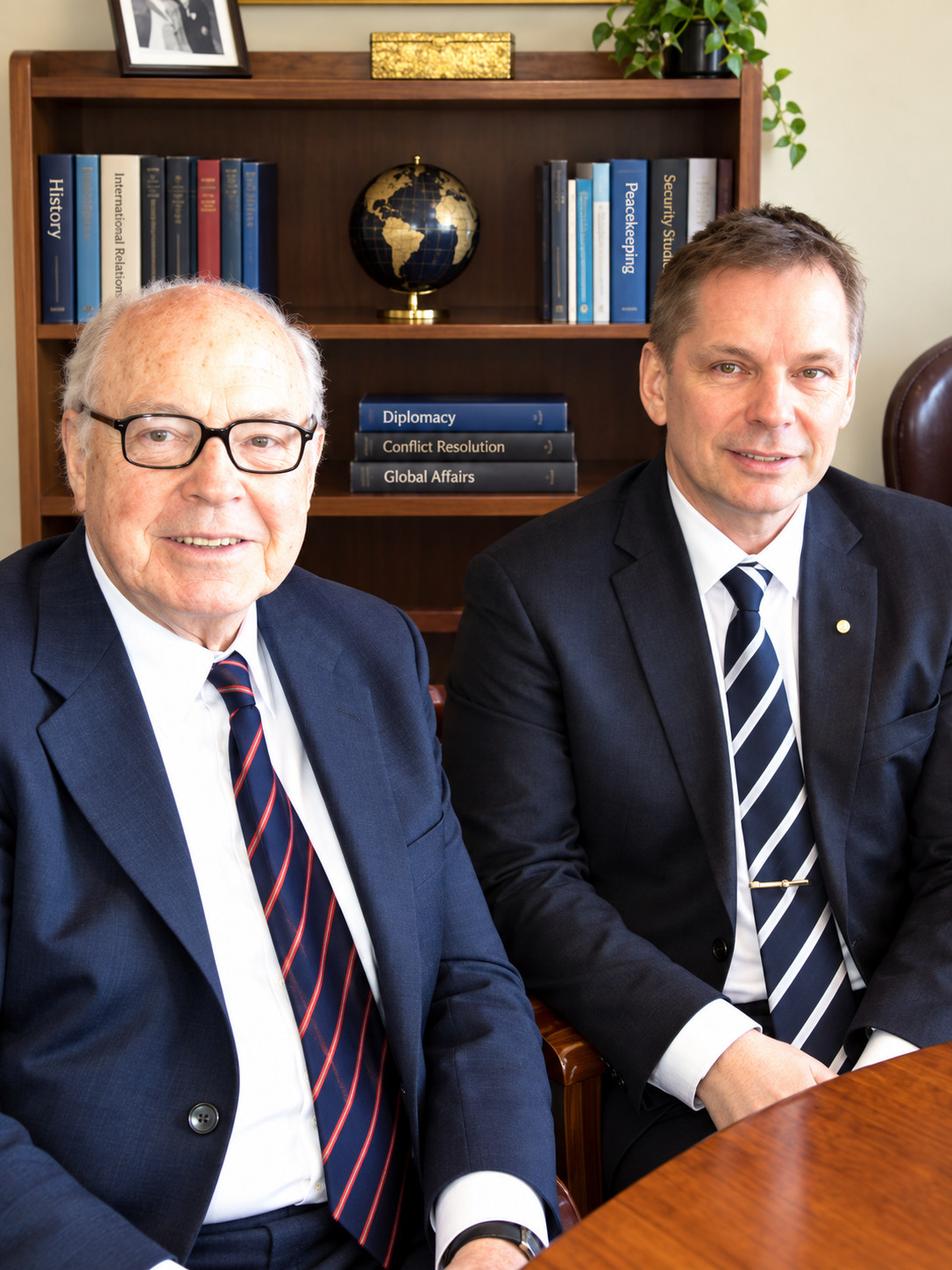
Here Hans Blix must be mentioned.
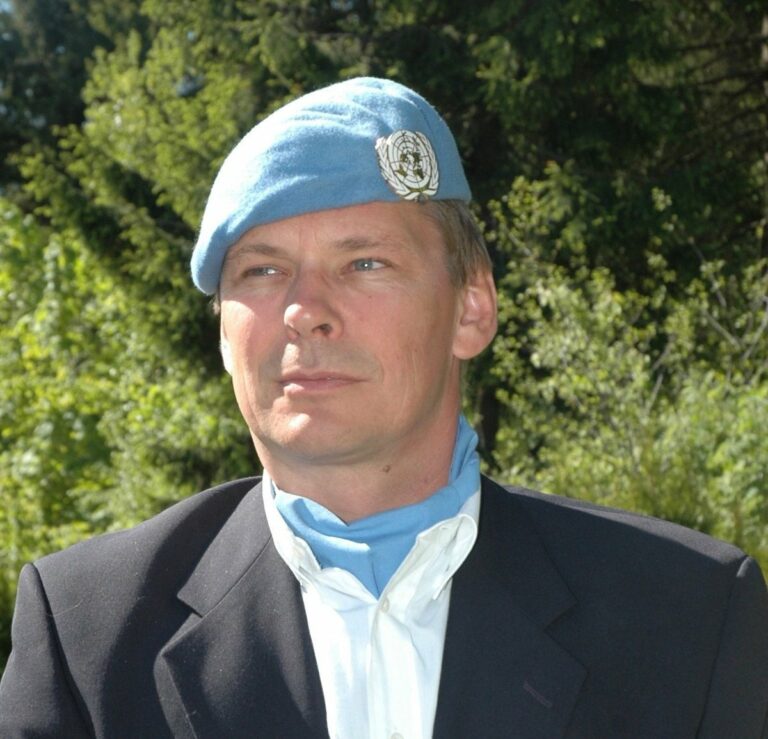
I myself worked with Hans Blix over several years and experienced how uncompromisingly he insisted on facts, inspections and documentation. He refused to confirm a narrative about Iraqi weapons of mass destruction when the evidence did not hold up. Precisely for that reason, he was subjected to massive criticism in much of the West and portrayed as naive, weak or an obstacle to action.
In hindsight, this should be deeply embarrassing.
Blix asked for more time for inspections. The war hawks claimed that dangerous weapons stockpiles had already been proven. Who turned out to be right? The weapons used to justify the war were never found.
Blix was not the problem. The problem was that he stood in the way of a war narrative that was already politically desired.
That is one of the most serious lessons we can learn from Iraq. Once those in power have decided on war, anyone who asks for documentation can quickly be branded as difficult, disloyal or naive. I saw this at close quarters through my work with Hans Blix.
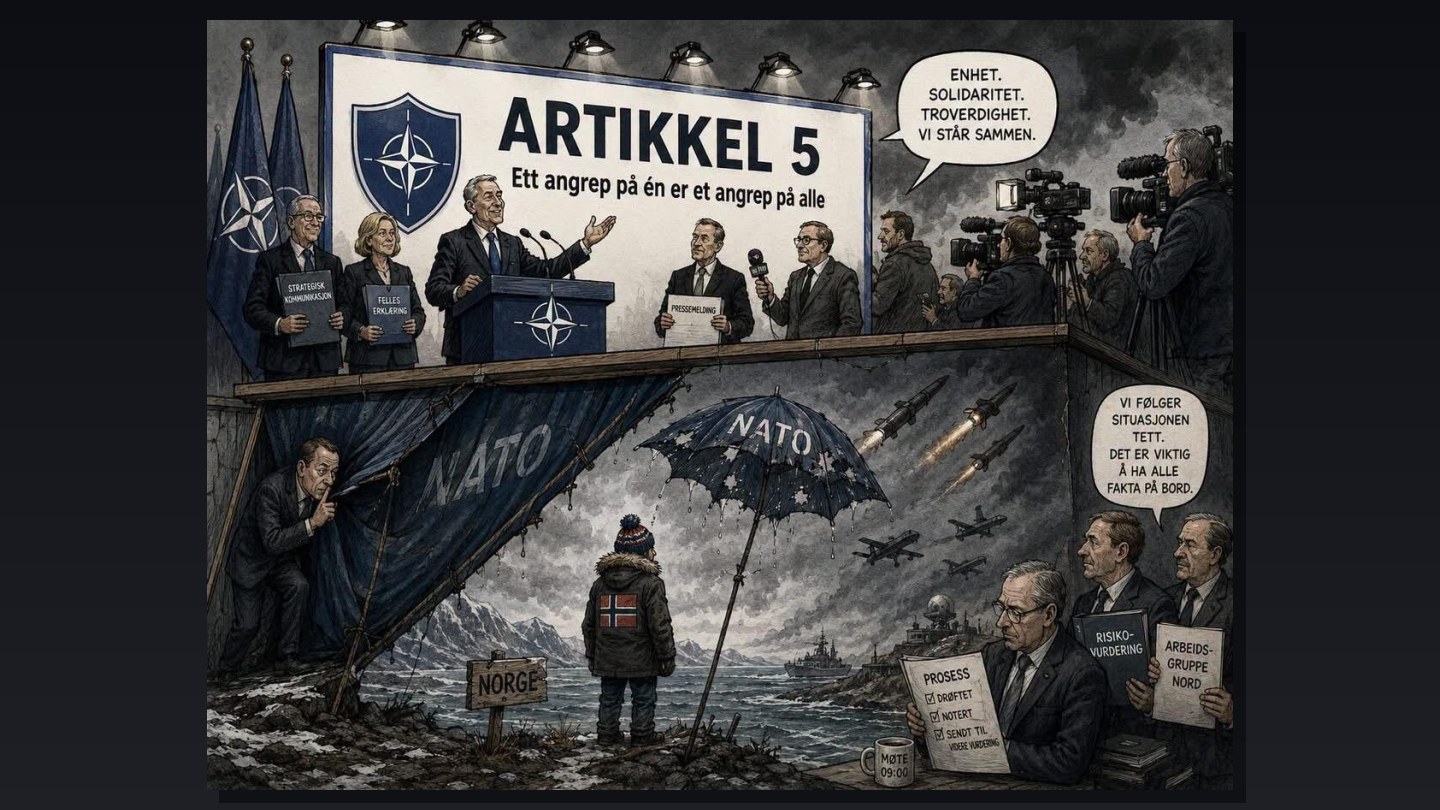
Norway was also drawn into the new reality. After 9/11, NATO’s Article 5 was activated for the first time. Norwegian forces were sent to Afghanistan, and Norway took part in the international warfare for many years. Our politicians told us this was about our security and the fight against terrorism.
In hindsight, we must be able to ask whether Norway was in reality tricked into a far larger American war strategy.
At the same time, our own politicians do not escape responsibility. Norwegian governments and the Storting had a duty to ask critical questions. Did they? Or did loyalty to Washington and NATO weigh more heavily than the need to scrutinise the grounds for war?
The bill was enormous.
Brown University’s Costs of War project has calculated at least around 940,000 direct deaths in the main war zones after 9/11. When indirect deaths resulting from disease, hunger, destroyed health systems and infrastructure are included, the project has estimated at least 4.5 million dead.
Compare this with the almost 3,000 people killed on 11 September — though every life counts.
The terrorist attack was horrific. But the response to terror developed into a catastrophe of an entirely different order of magnitude.
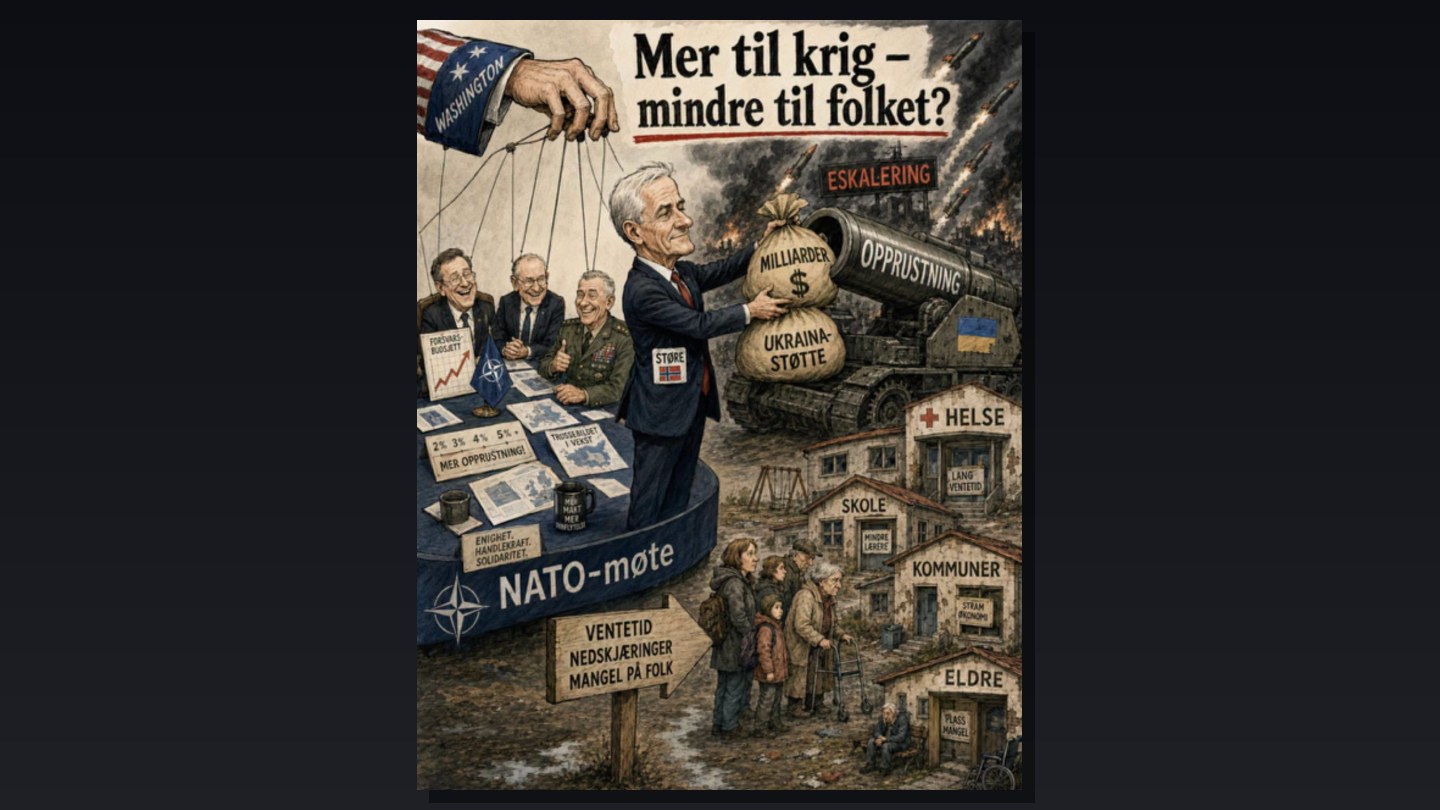
Millions were killed directly or indirectly. Millions were driven from their homes. Countries were destabilised. Torture, secret prisons, drone warfare and mass surveillance became part of the new security-policy reality. At the same time, the defence industry and security apparatus grew enormously.
Who really profited from the “War on Terror”?
This does not mean that the US authorities were behind 9/11, but the fact that the terrorist attack was used to legitimise policies and wars that went far beyond finding and punishing the people who planned the mass murder does seem suspicious.
And Norway followed.
Twenty-five years on, we should therefore not only focus on who was behind 9/11. We should find out who helped the terrorists, why the warning signs were not acted upon, why so much information was kept secret, why Iraq was dragged into a war it had not triggered, why attempts were made to marginalise Hans Blix, and why Norway lined up so loyally.
Almost 3,000 people died on 11 September 2001. Millions may have died as a direct and indirect result of the wars that followed.
That is the darkest legacy of 9/11.
The terrorists struck the United States that September morning. The West responded with wars that struck people for decades. And Norway must dare to ask itself whether we were led into these wars on grounds we should never have accepted.
Photo: Dan Viggo Bergtun with the former Swedish foreign minister and UN weapons inspector Hans Blix.