Dan-Viggo Bergtun
Veterans Affairs & Security Policy
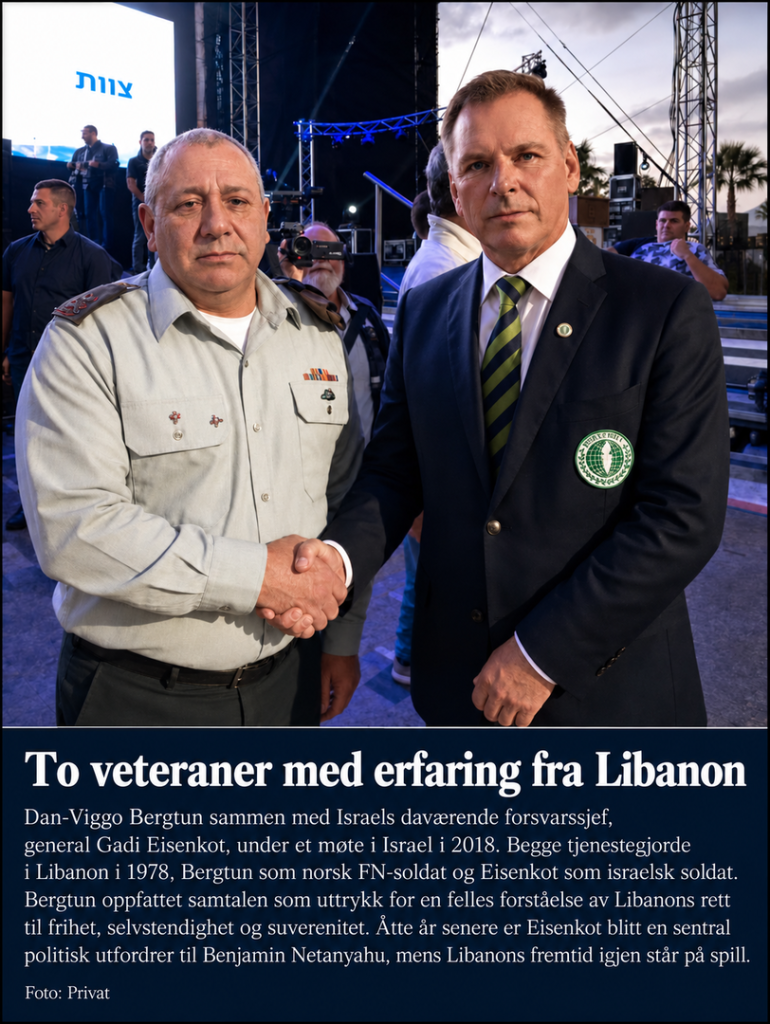
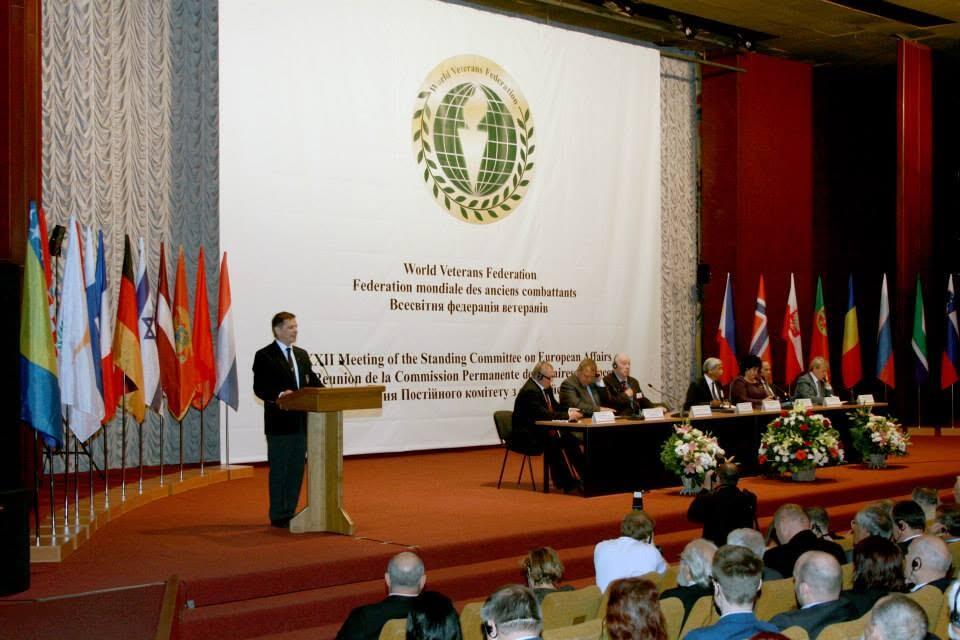
Dan-Viggo Bergtun (b. 1956) is a Norwegian veteran, writer and international veterans’ leader.
With a long record of military service — including UN operations — he has devoted himself since 1978 to veterans’ rights, peace and security policy, and the social and humanitarian situation of veterans. As former president and now honorary president of the World Veterans Federation — with member associations in more than 120 countries, representing some 60 million veterans — Bergtun has been one of the few Norwegians with global influence in the veterans’ field.
War · Politics
This did not happen overnight. It is the result of many years of economic pressure, political discontent and a growing gap between the authorities and the population.
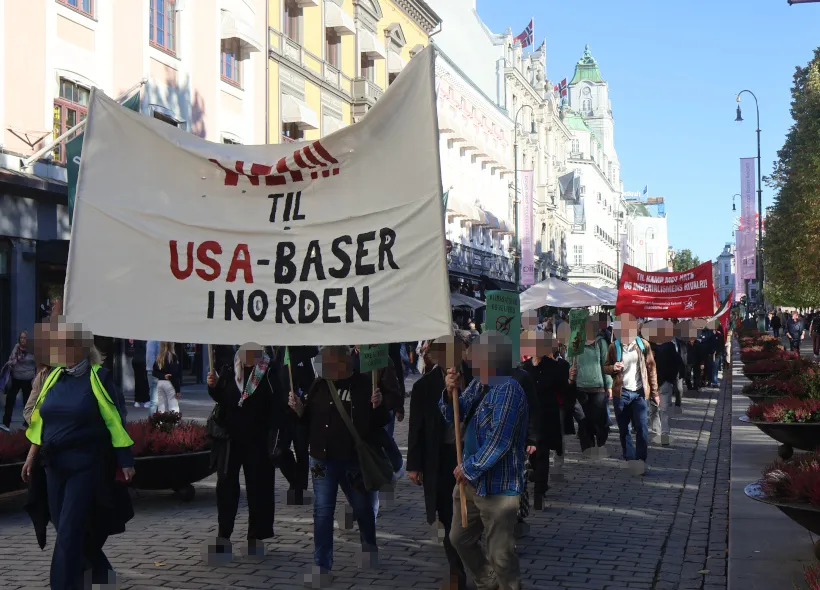
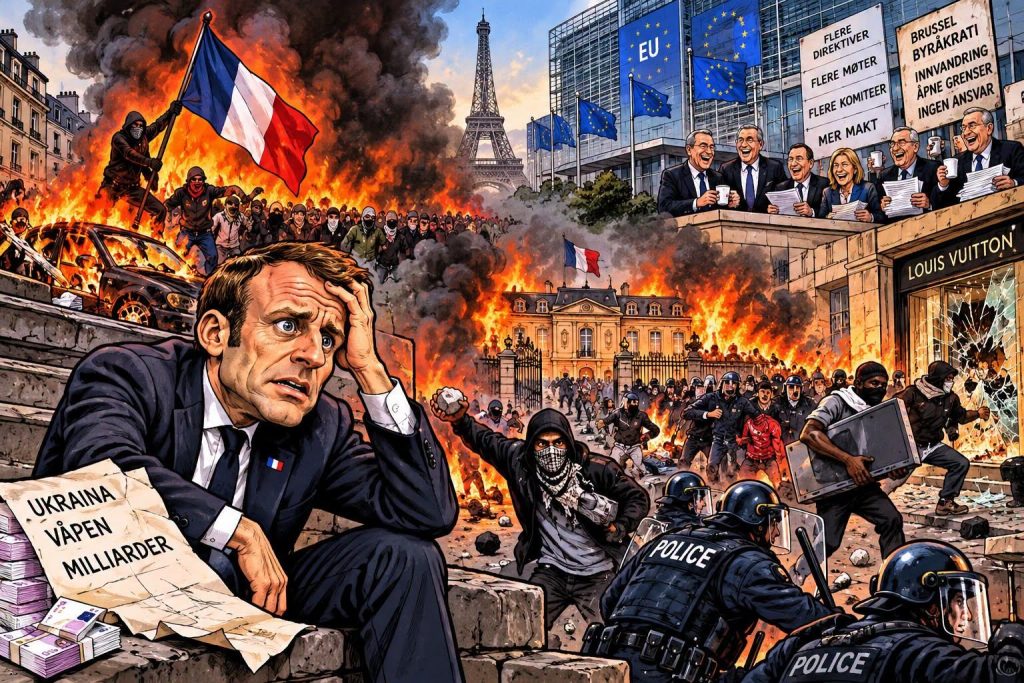
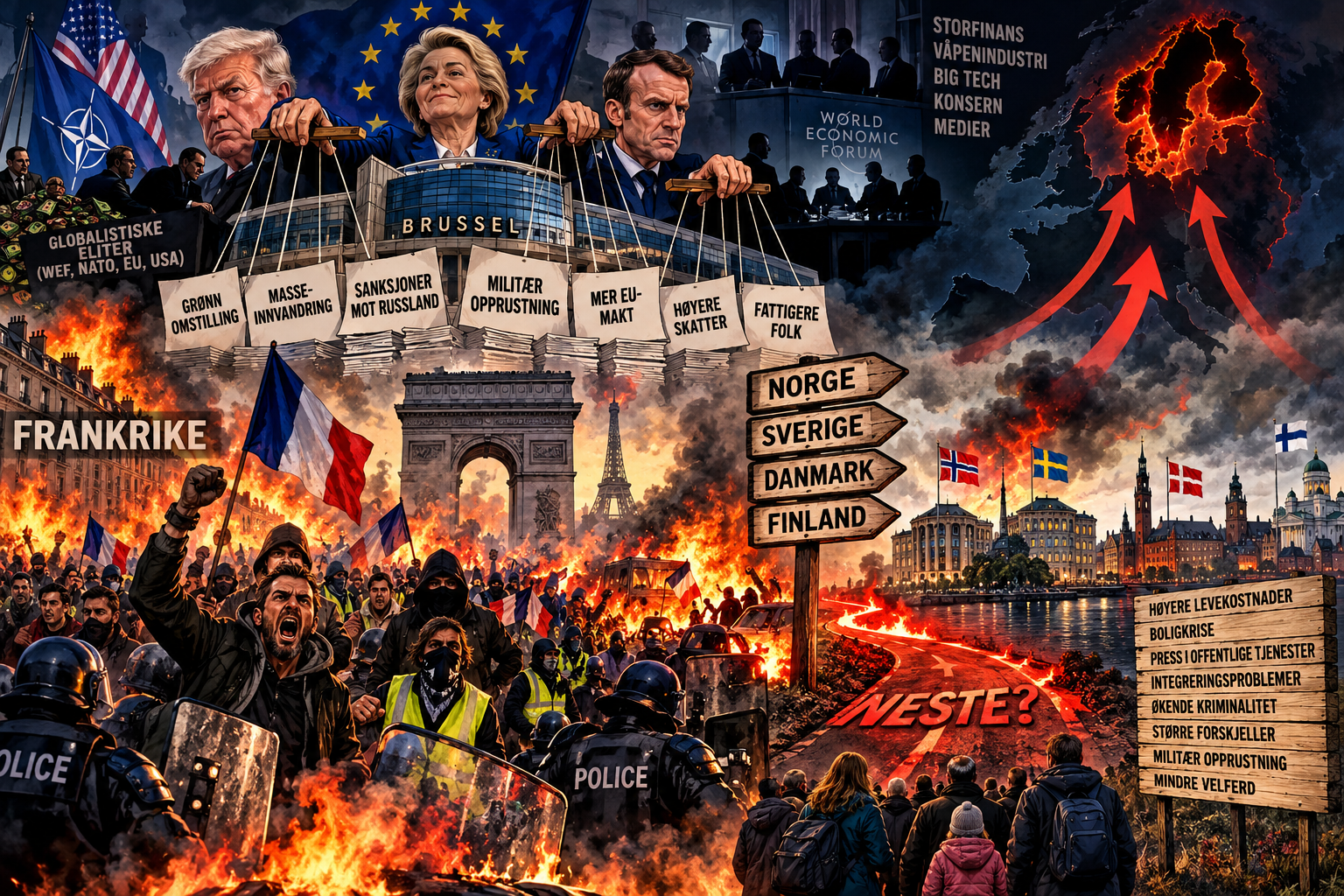
The latest protests in France began among school pupils in September 2026. A shortage of teachers, poor school conditions and insufficient public funding triggered demonstrations and school blockades. Students, trade unions, workers and the old Yellow Vests protest movement then joined the mobilisation.
Among the organisations that have contributed to the protests are the CGT and Solidaires trade unions, pupil and student organisations, and various local protest groups. There is no evidence of a single secret organisation directing the entire uprising. What is clear, however, is that different groups have come together in shared discontent with the government’s policies.
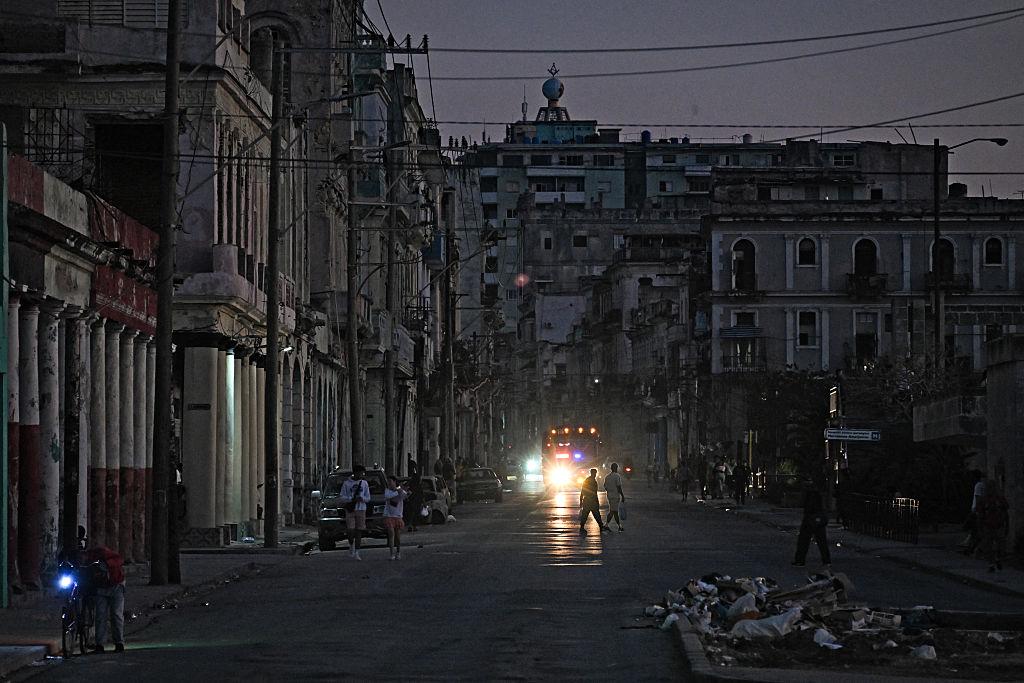
During the demonstrations on 17 October, parts of the protests developed into serious riots. The French authorities have blamed far-left groups and criminals for some of the violence. Most demonstrators, however, have protested peacefully. That distinction is crucial to understanding who is actually behind the destruction.
But political responsibility for the state of society cannot be shifted onto the demonstrators.
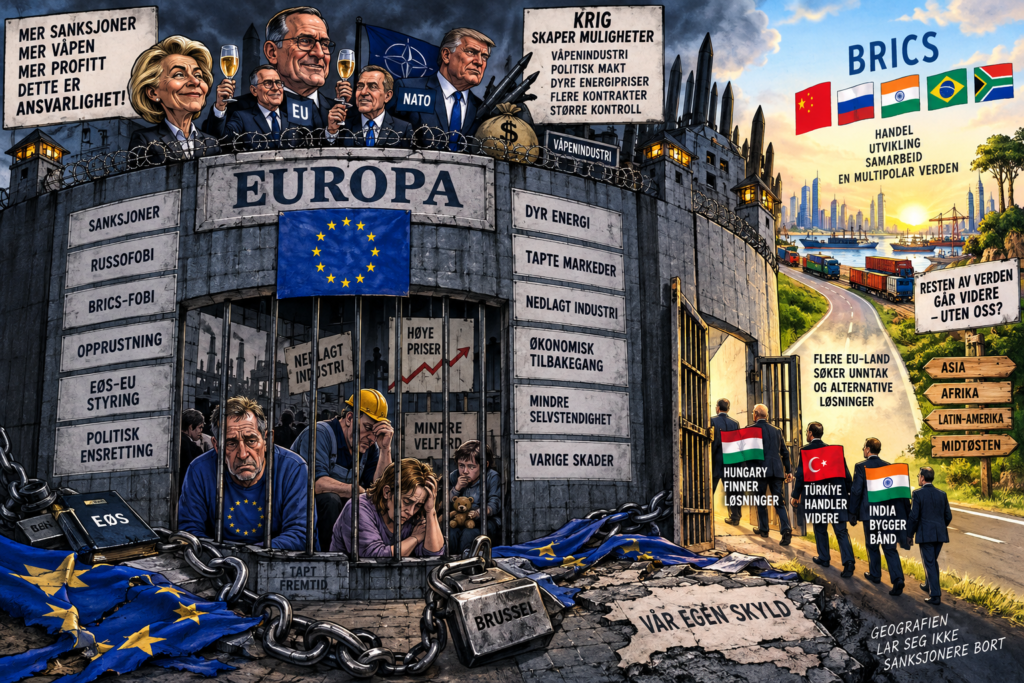
President Emmanuel Macron and successive French governments have for years had to deal with growing economic and social tensions. At the same time, the EU has developed an ever more extensive body of rules and an economic policy that directly constrains member states’ room for manoeuvre.
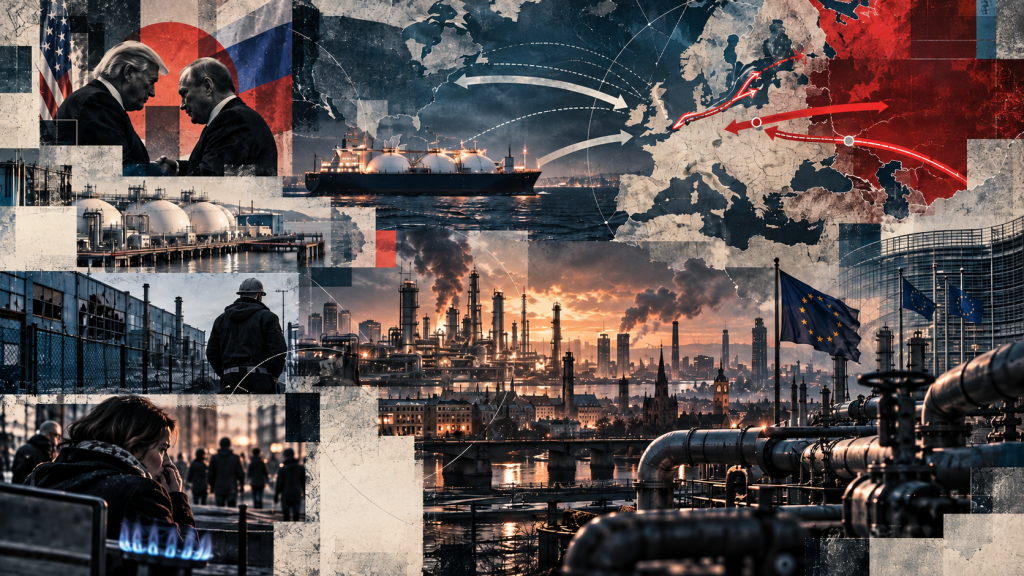
Brussels talks about climate targets, the green transition, digitalisation, sanctions and military rearmament. Ordinary people are concerned about their electricity bills, food prices, housing costs and their children’s future.
When these realities drift ever further apart, a dangerous political distance emerges.
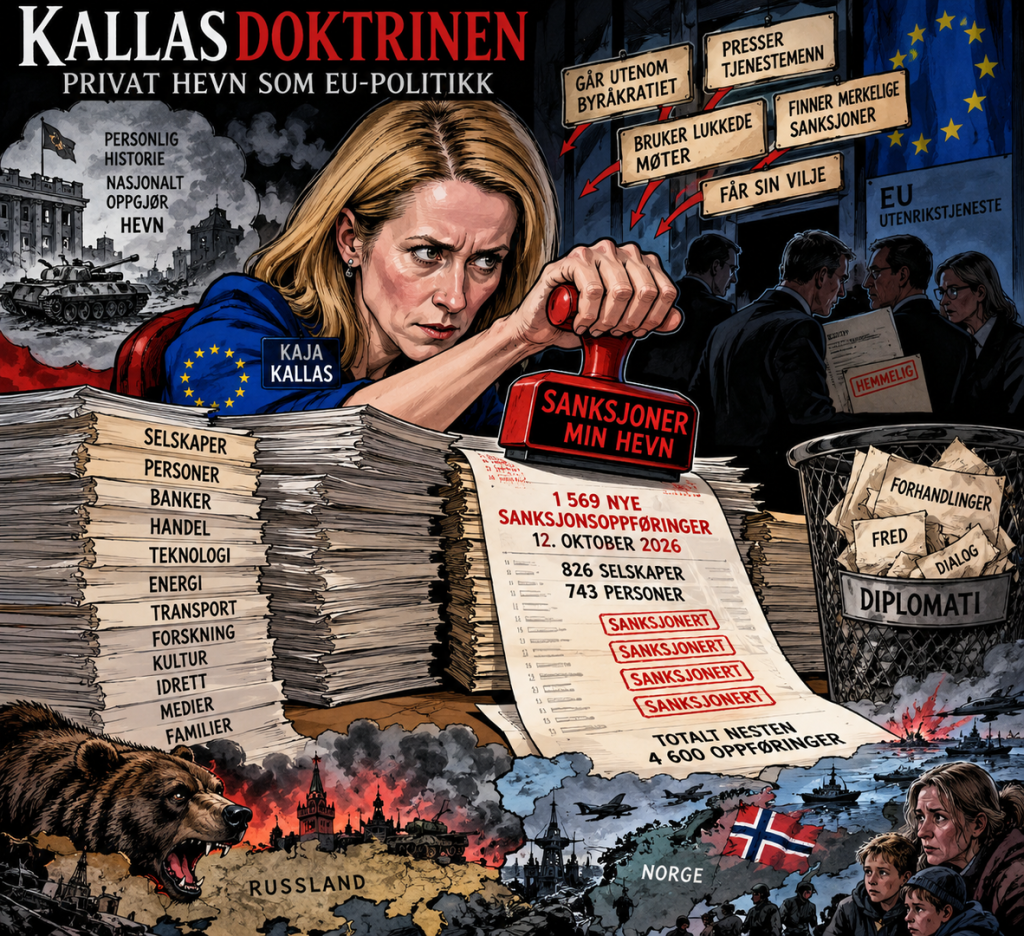
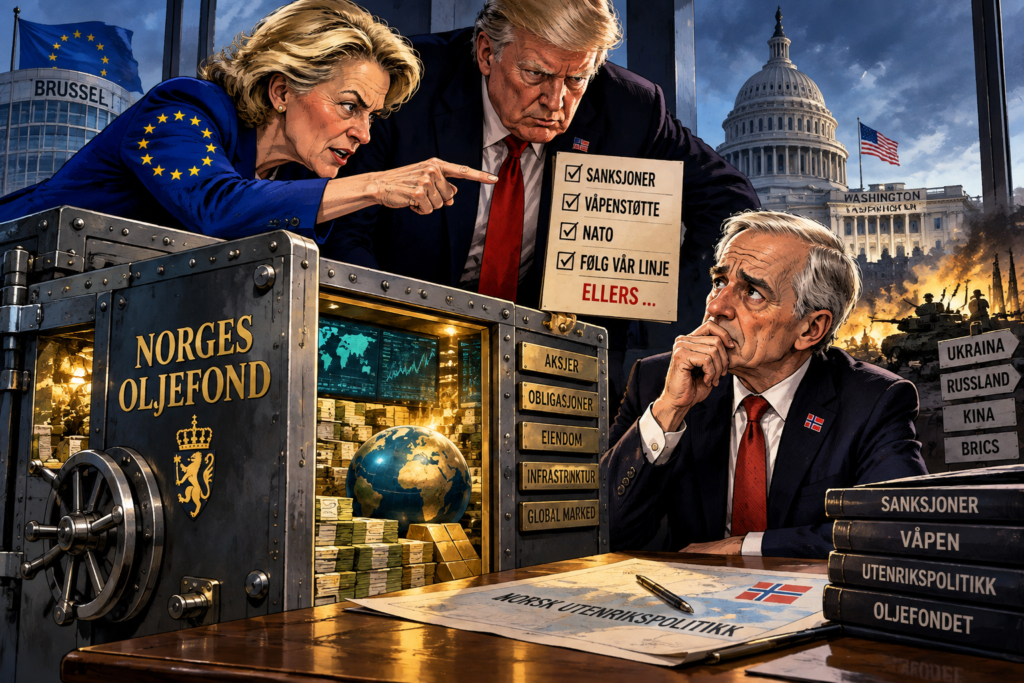
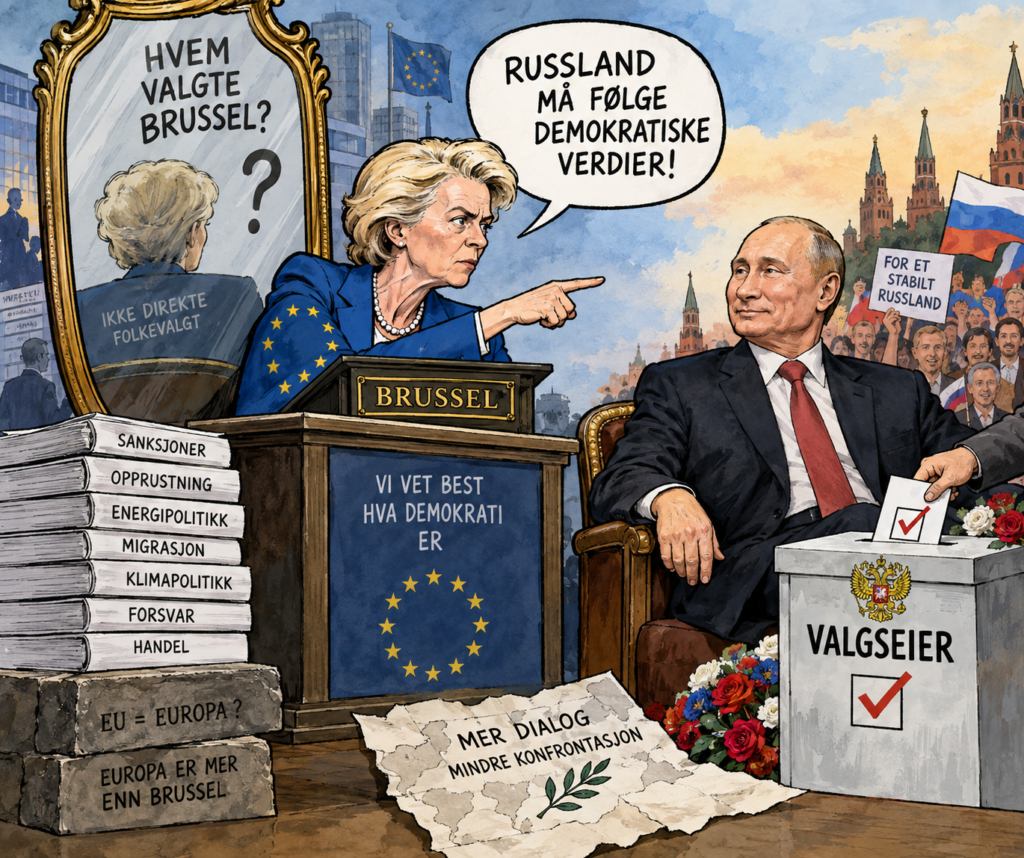
European Commission President Ursula von der Leyen, for her part, has placed much of the blame for Europe’s unrest and economic problems on Russia. She points in particular to Russia’s invasion of Ukraine, the energy crisis and what she describes as Russian pressure on European societies. Russia has undoubtedly contributed to greater uncertainty in Europe, but it is too simple to explain all the social unrest by Russian influence alone.
When the authorities use Russia as the main explanation for protests, high prices and political discontent, they risk overlooking the domestic causes. Economic inequality, failing public services, a housing crisis and lack of trust in politicians do not disappear because responsibility is placed outside Europe’s borders.
France is not the only country experiencing this. Italy, Belgium, Portugal and Spain have also seen demonstrations. The causes vary, but economic insecurity, housing problems and dissatisfaction with public priorities are recurring themes.
“The Nordic countries must now grasp how serious this is”
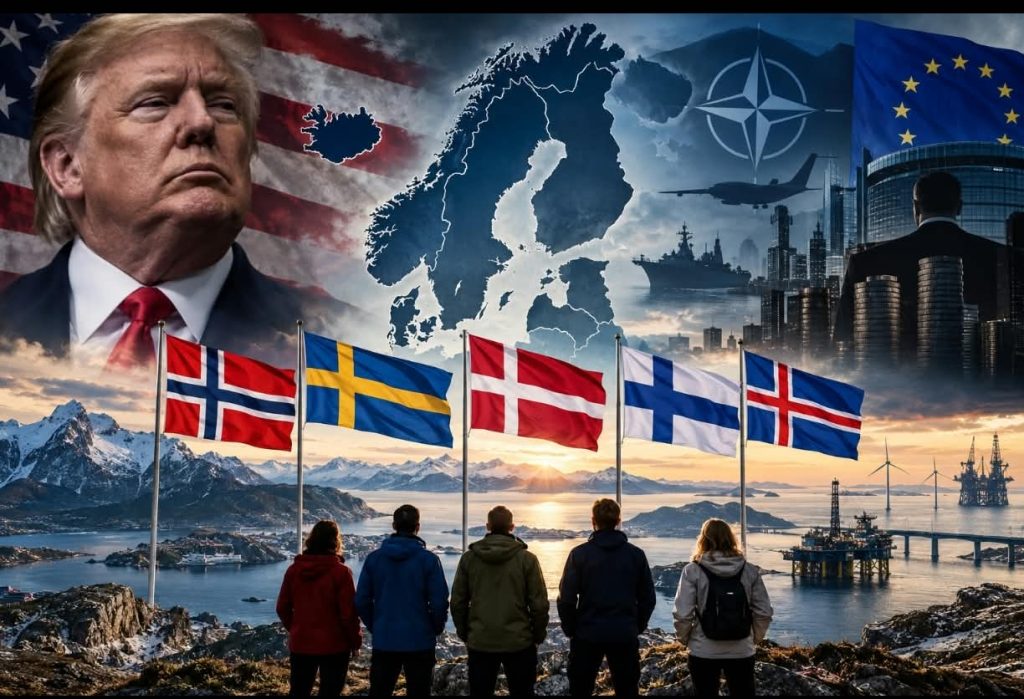
Norway, Sweden, Denmark and Finland are not immune to the same social tensions. We do have strong democratic institutions and comprehensive welfare systems, but here too there are economic burdens, integration challenges and growing concern about the future.
Sweden has for several years struggled with serious gang crime, shootings and explosions. Denmark has introduced a stricter immigration policy. Finland has experienced economic austerity and political conflicts over welfare and public spending.
Norway has its own developments, with strained municipal finances, a high cost of living, growing inequality and ever-greater expectations of public services.
These are not identical problems, but they show that the Nordic countries cannot take social stability for granted either.
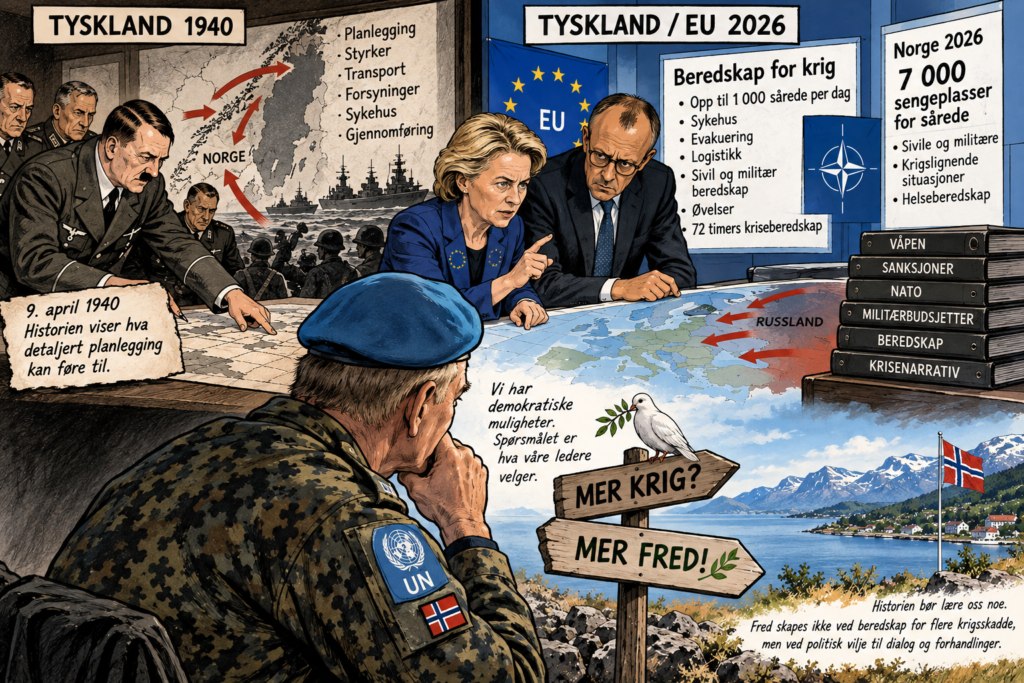
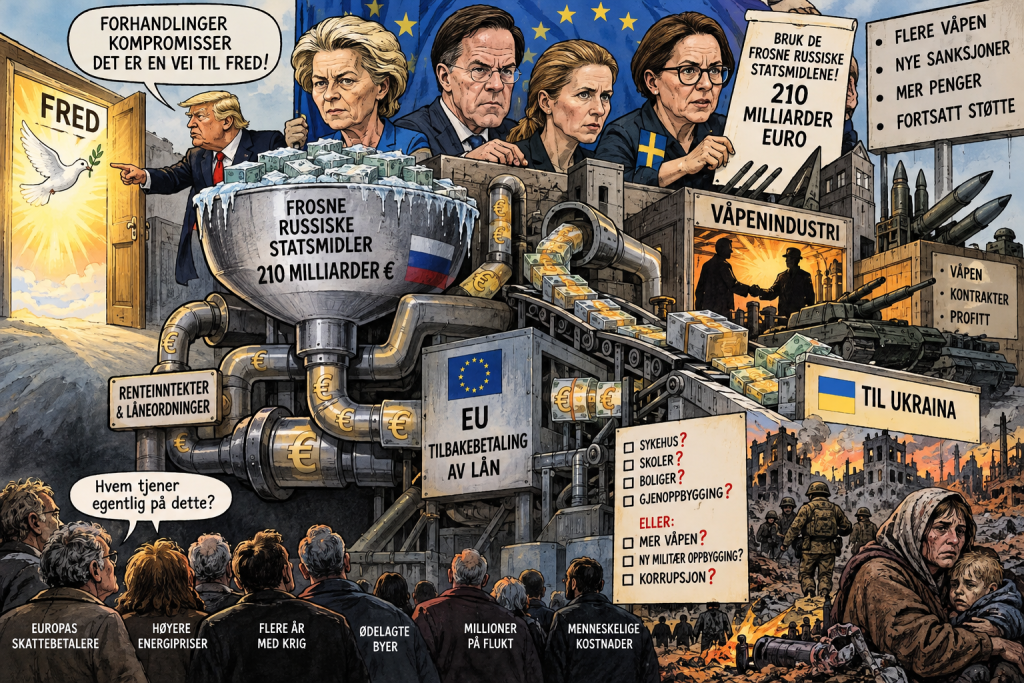
At the same time, European governments have prioritised extensive military rearmament following Russia’s invasion of Ukraine in February 2022. Security is necessary, but military investment does not relieve politicians of responsibility for welfare, the economy and social security.
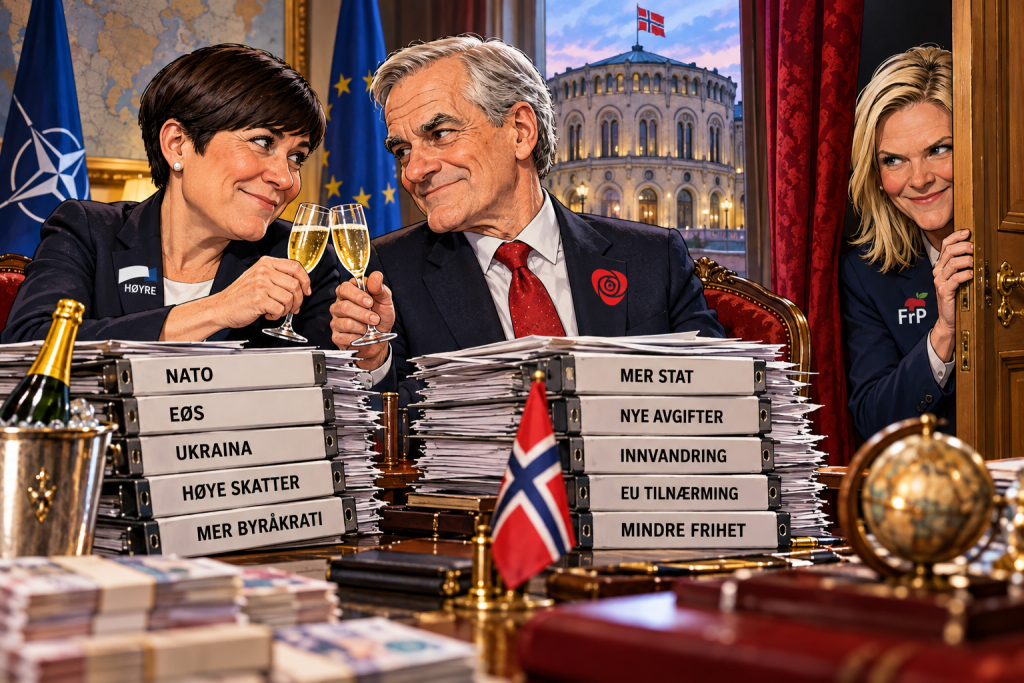
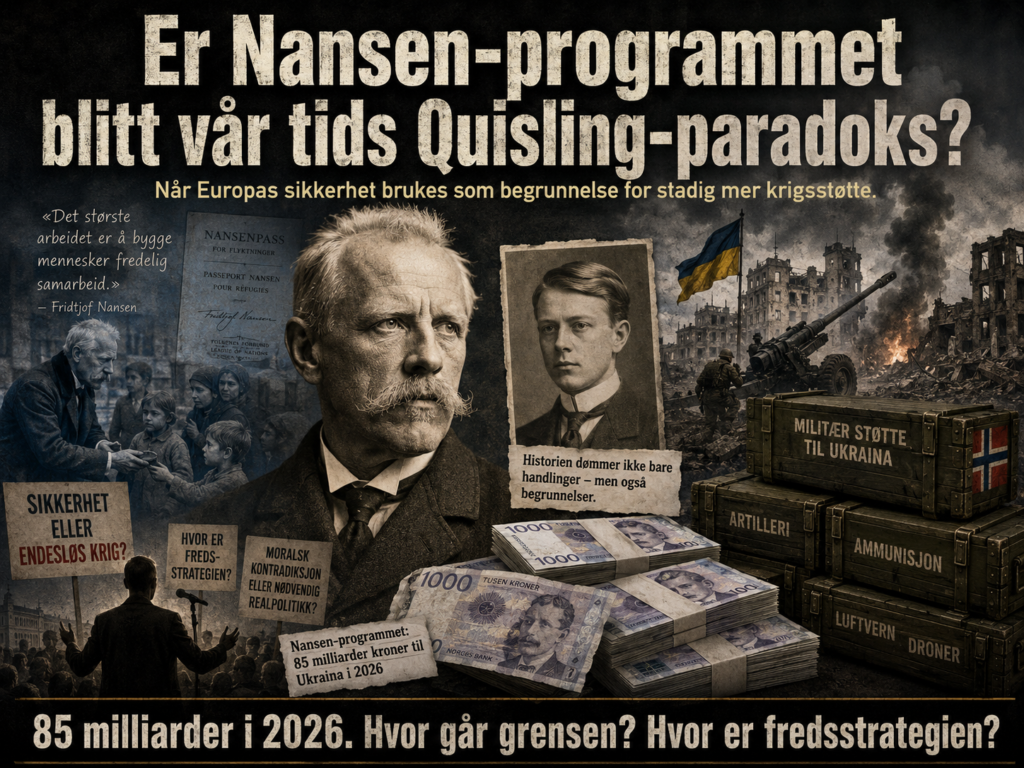
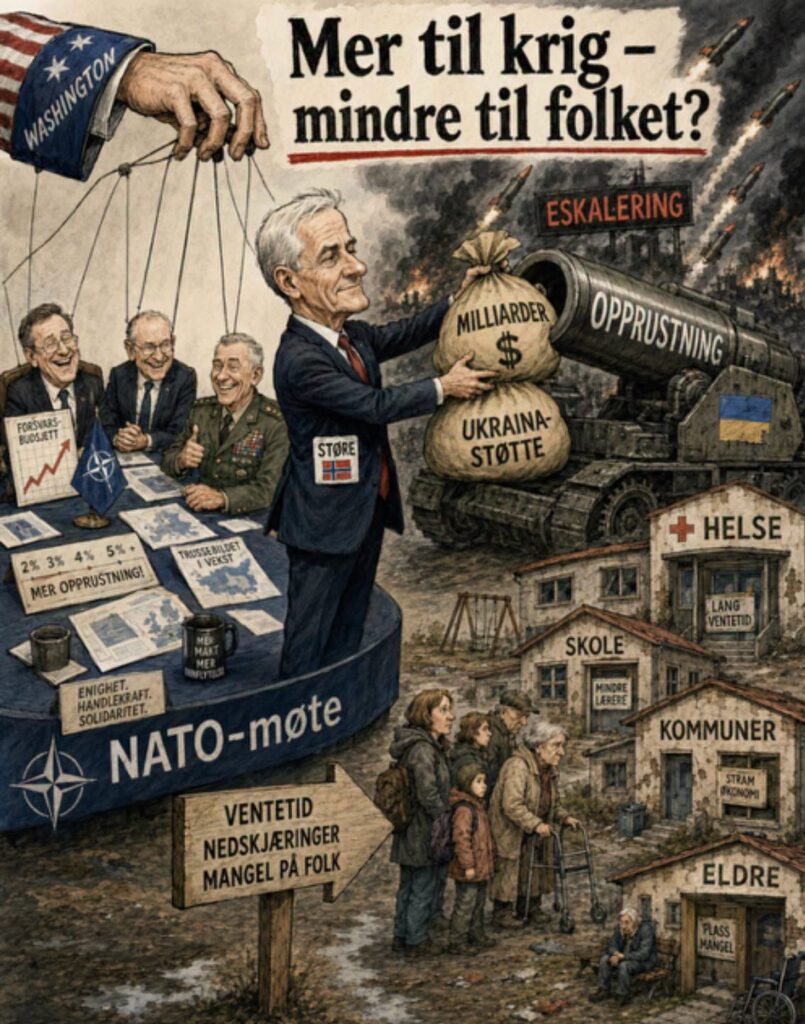
The Norwegian authorities must be able to explain how rising defence spending, international commitments and support for Ukraine are to be financed without weakening basic services.
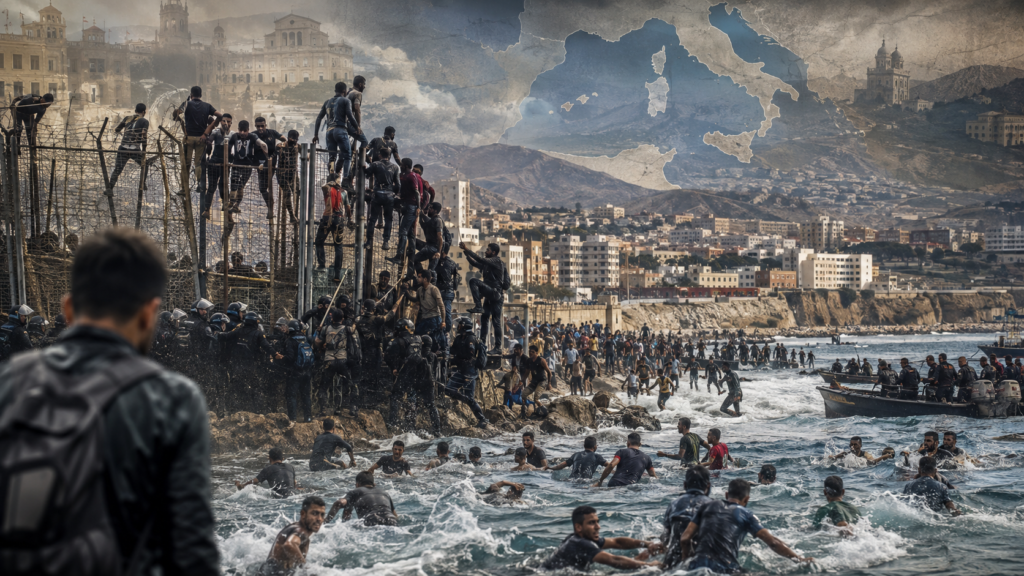
Immigration policy, too, must be open to frank discussion. Inadequate integration, social exclusion and crime can create serious conflicts if the authorities fail to secure rights, obligations and safety alike. Responsibility for political decisions lies with those who govern, not with entire population groups.
“What is happening in France now may be a harbinger of developments in the Nordic countries.”
That does not mean that widespread riots are inevitable. But history shows that economic frustration and political distrust can develop into serious unrest when problems are allowed to grow over time.
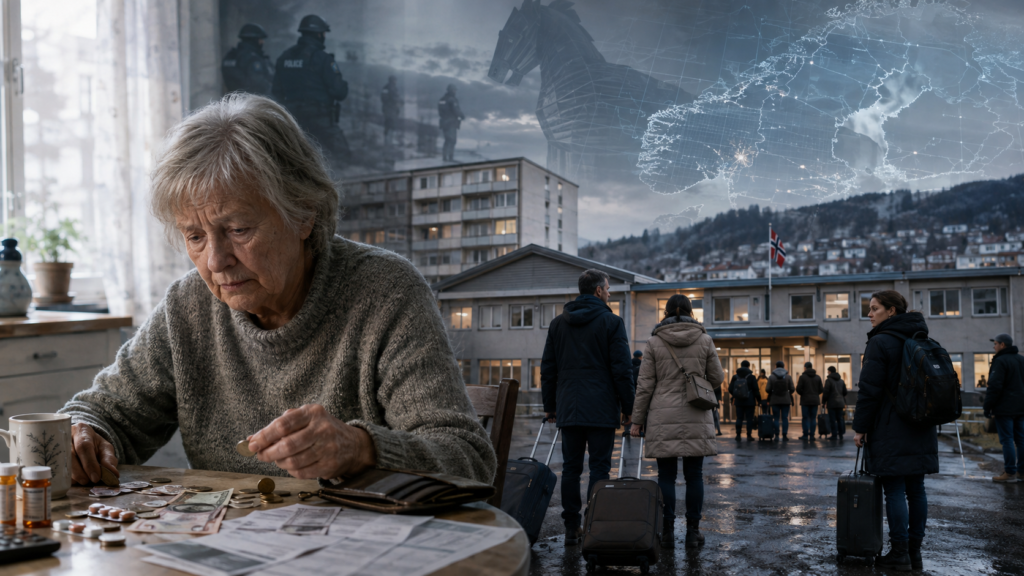
Norway has economic resources that many European countries can only dream of. Precisely for that reason, it will be difficult to explain to citizens why elderly care, schools and other essential services must be weakened if the state at the same time finds room for ever new and costly priorities.
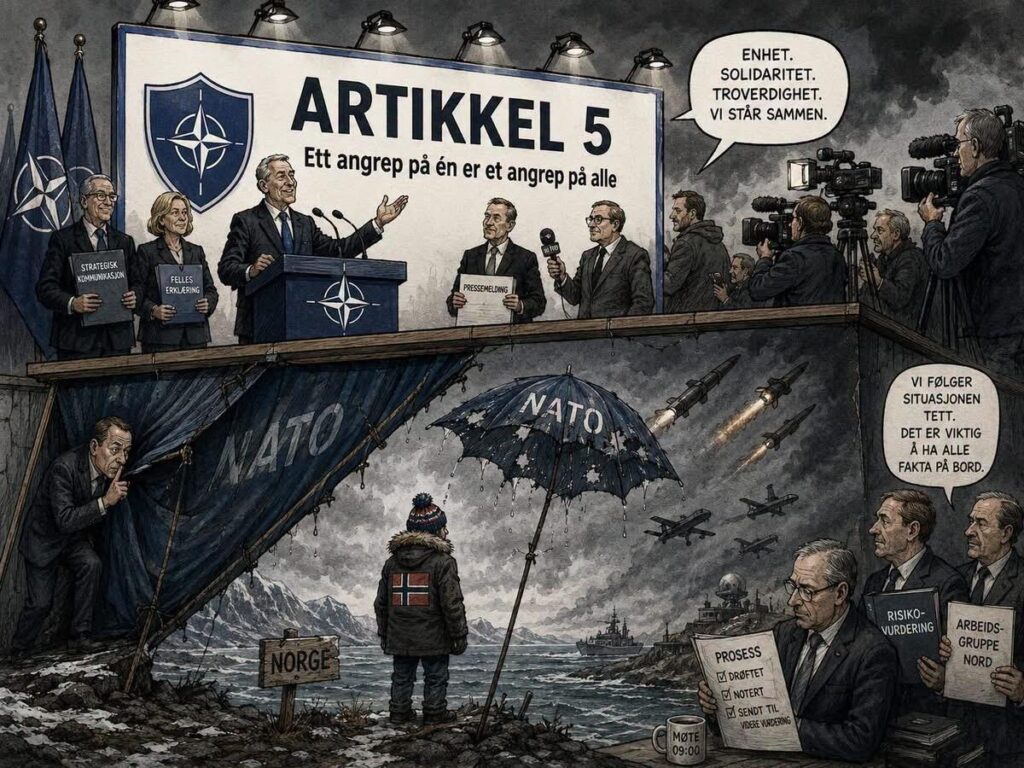
Political responsibility cannot be dispersed among municipalities, governments, the EU, NATO, Russia and international agreements.
Norwegian politicians must take responsibility for their own decisions.
Europe is already in a serious period of social unrest. The Nordic countries could be affected if the same problems are allowed to develop without political solutions.
The greatest danger is not that people demonstrate. The greatest danger arises when large parts of the population lose faith that democracy can solve their problems.
France has given Europe a powerful warning.
Norway and our Nordic neighbours must take it seriously before frustration here, too, moves from the kitchen table into the streets.