
This time, the entire population can be drawn into the surveillance apparatus.
When everyone is supposed to report
The authorities ask us to be vigilant. We are to watch out for “suspicious circumstances”, notice unusual activity and report it if something seems wrong. It sounds responsible. No one can be against concrete information about sabotage, espionage, terrorism or serious crime being reported.
The problem is that the word “suspicious” can cover almost anything.
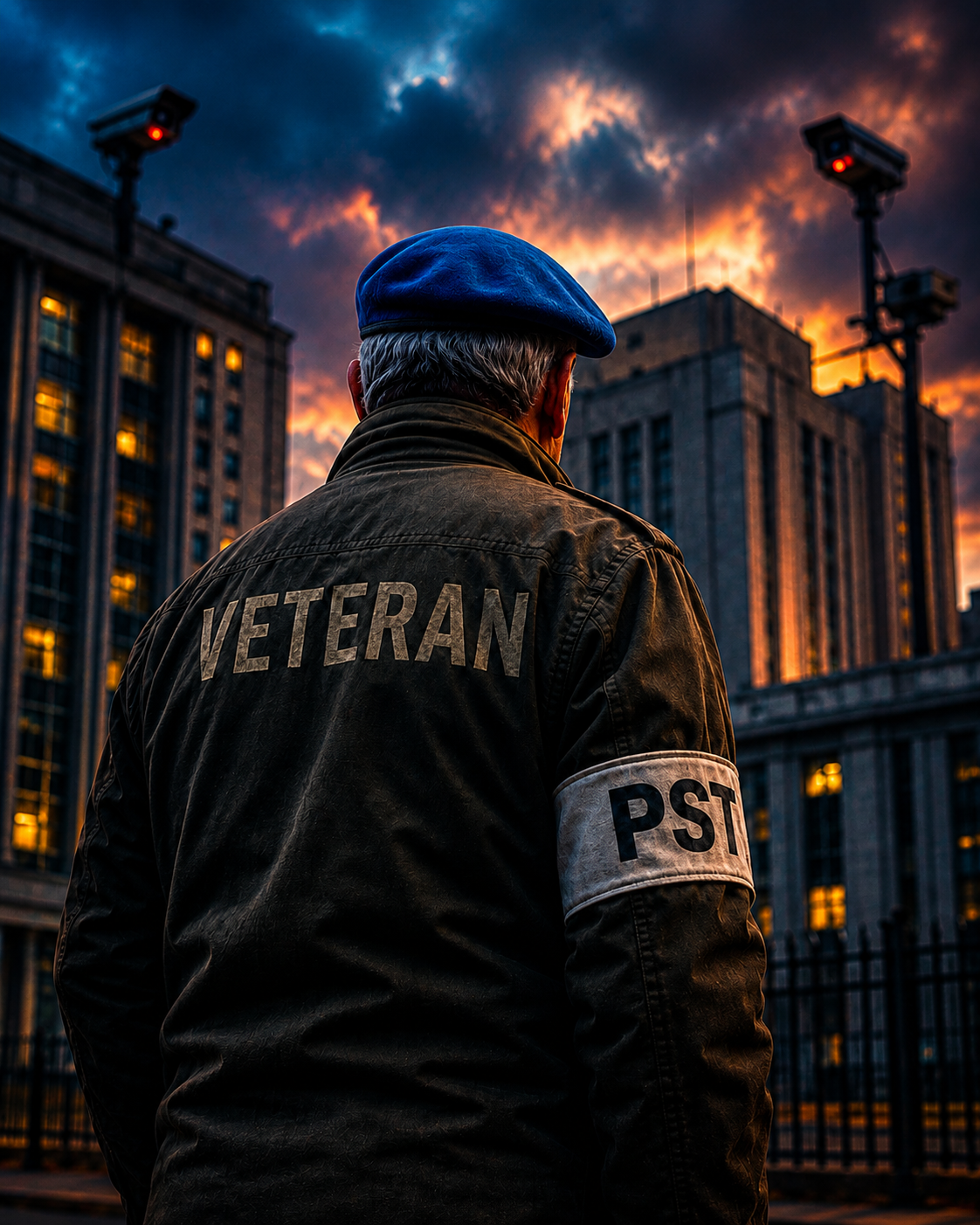
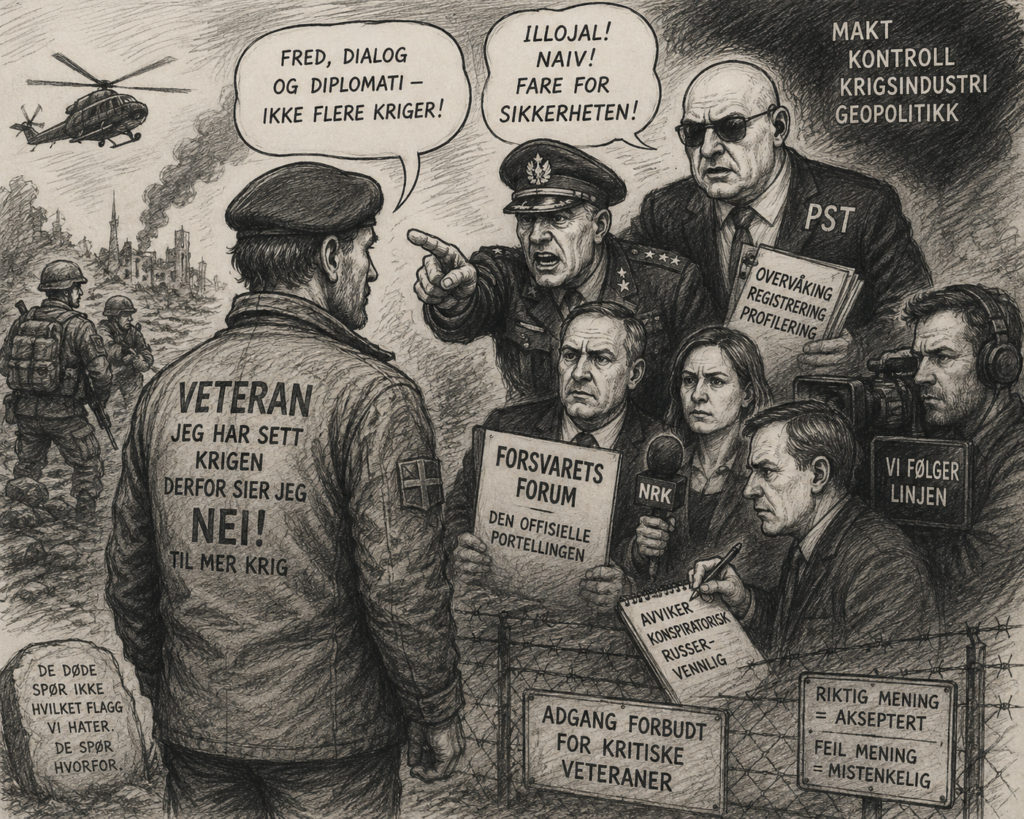
Once fear takes hold, a photograph, a trip abroad, contact with people in other countries, a political meeting or a critical opinion piece can be interpreted as something dangerous. A neighbour can report a neighbour. A colleague can report a colleague. And former military personnel can report a veteran because they dislike the questions he asks.
Reported to PST
I know this is not just a theoretical possibility.
A veterans’ organisation made up of people with backgrounds as former employees of the Norwegian Armed Forces tipped off PST, the Norwegian Police Security Service, about my activities. The background was, among other things, that I had publicly asked whether we in Norway were becoming infected with Russophobia.
I did not call for violence. I planned no sabotage. I passed on no military secrets. I had written an opinion piece and raised a legitimate political question about how fear, enemy images and demonisation affect Norwegian society.
Nevertheless, I was summoned by PST.
It is worth pausing on this.
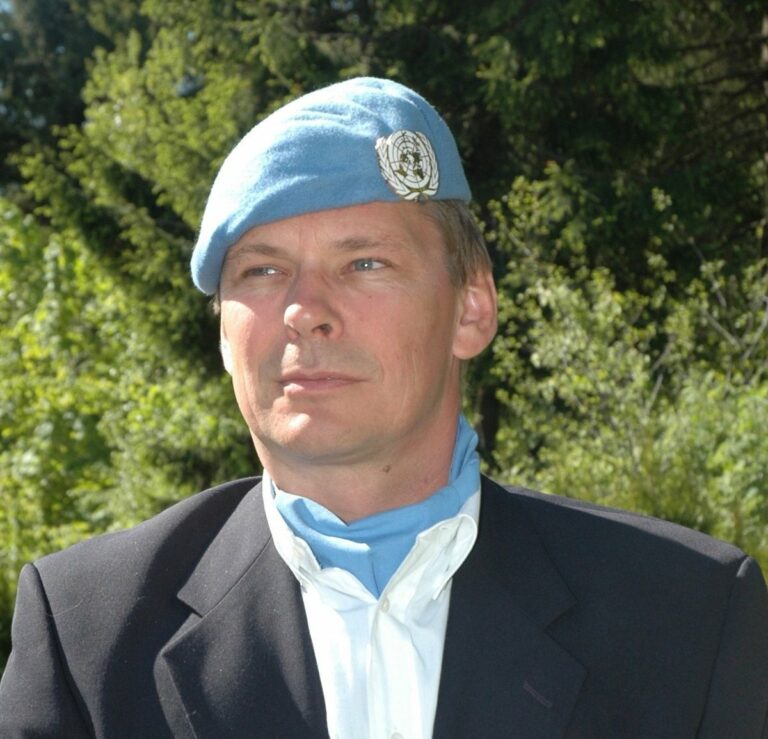
A Norwegian veteran with long experience of international veterans’ work and peace work was reported to the security service by people from a veterans’ organisation with a military background. Not because of a crime, but following an opinion piece and political statements.
It says something about how short the road can be from political disagreement to security suspicion.
Who can you trust?
It also says something else: one should be very conscious of who one is talking to.
In an environment marked by security thinking, military backgrounds and strong political fronts, a private conversation, a critical remark or a question can be passed on in a completely different context. Words can be taken out of context. Reflections can be presented as attitudes. Political criticism can be interpreted as loyalty to a foreign state.
It creates a society in which people begin to weigh every word.
Who can I trust? Who is noting what I say? Who is passing the conversation on? Who thinks disagreement should be reported to the authorities?
When such questions arise among veterans and former colleagues, we have moved into dangerous territory.
Stay Behind – the history
The original Stay Behind organisation was established after the Second World War. If Norway were occupied, secret networks were to remain behind enemy lines. They were to gather information, maintain communications, help with evacuation and prepare resistance.
But such networks also had a darker side. In several countries, political circles were monitored, and people with the “wrong” opinions could be regarded as security problems. Communists, trade unionists, peace activists and other critics of the system risked being registered.
Stay Behind could thus become more than preparedness against a future occupier. Its gaze could also be turned on the country’s own citizens.
Now the mindset is returning in a more effective form.
Occupation preparedness in a digital age
Norway still has statutory occupation preparedness. The Intelligence Service must be able to gather and transmit information from a wholly or partly occupied Norway. A country must of course be prepared if it is attacked.
But today’s technology makes the line between necessary preparedness and surveillance of one’s own citizens increasingly blurred.
The old informant needed a secret contact, a codebook or a radio transmitter. The modern informant needs only a mobile phone.
A name, a screenshot, a photograph or a vague suspicion can be passed on in seconds. The person reported may never know exactly what was said, what wording was used, or how the information was assessed.
This creates a serious democratic challenge.
When the state has the technology and the registers, while citizens are encouraged to submit suspicions, a society emerges in which everyone can become a watcher and everyone can be watched.
A Stasi-like society?
There is something uncomfortably Stasi-like about it.
The Stasi built its system on informants. The state could not be everywhere, but it could get neighbours, colleagues, friends and fellow members of organisations to report. The result was not only surveillance. It was distrust between people.
It is precisely this distrust we must prevent.
Disagreement is not espionage
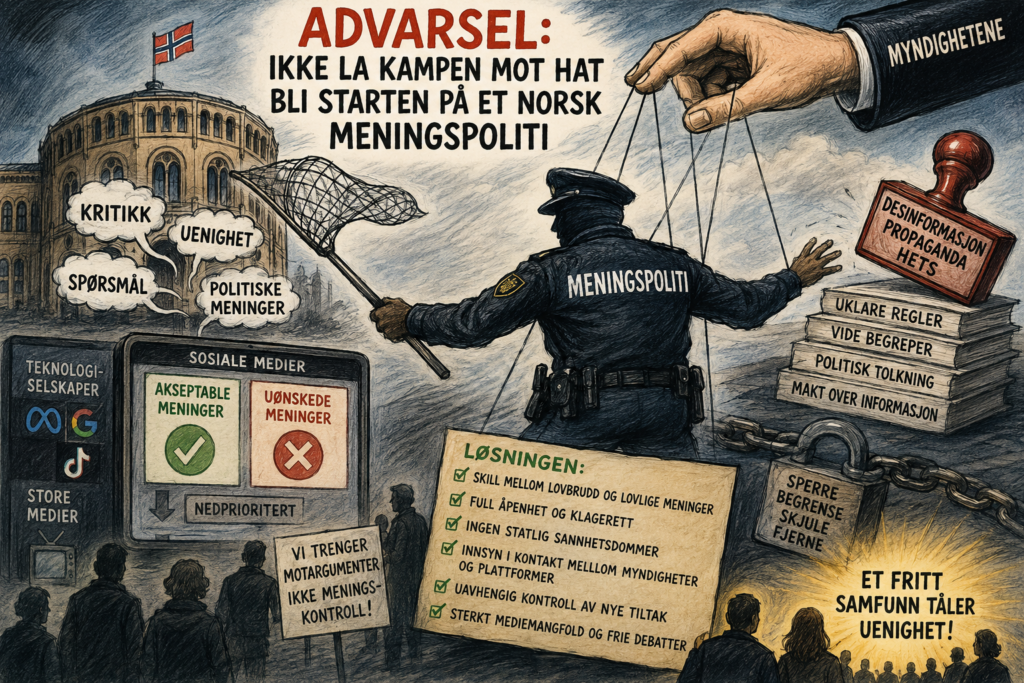
Concrete threats to the country must be reported and investigated. But political disagreement is not espionage. Criticism of NATO is not treason. Contact with Russians is not in itself suspicious. And asking whether Russophobia has gained a foothold in Norway is not the same as working for the Russian authorities.
A democracy must be able to tolerate such questions.
PST must be able to distinguish between a real security threat and a critical participant in public debate. Veterans’ organisations must also ask themselves whether their role is to promote camaraderie, care and open debate, or to report people with dissenting opinions to the security service.
My experience has taught me something uncomfortable: it is not always strangers one must be most careful with. Sometimes the suspicion comes from people one thought belonged to the same community.
That is why it is important to know who you are talking to.
Not because we should fall silent, but because the culture of informing may already be closer than we like to think.
Stay Behind is back in a new version. This time the informant is not necessarily sitting behind a curtain or at a secret radio transmitter.
He may be sitting next to you at a veterans’ meeting, nodding during the conversation and later calling PST.
Se og hør mer
Videoer, klipp og innslag knyttet til temaet.