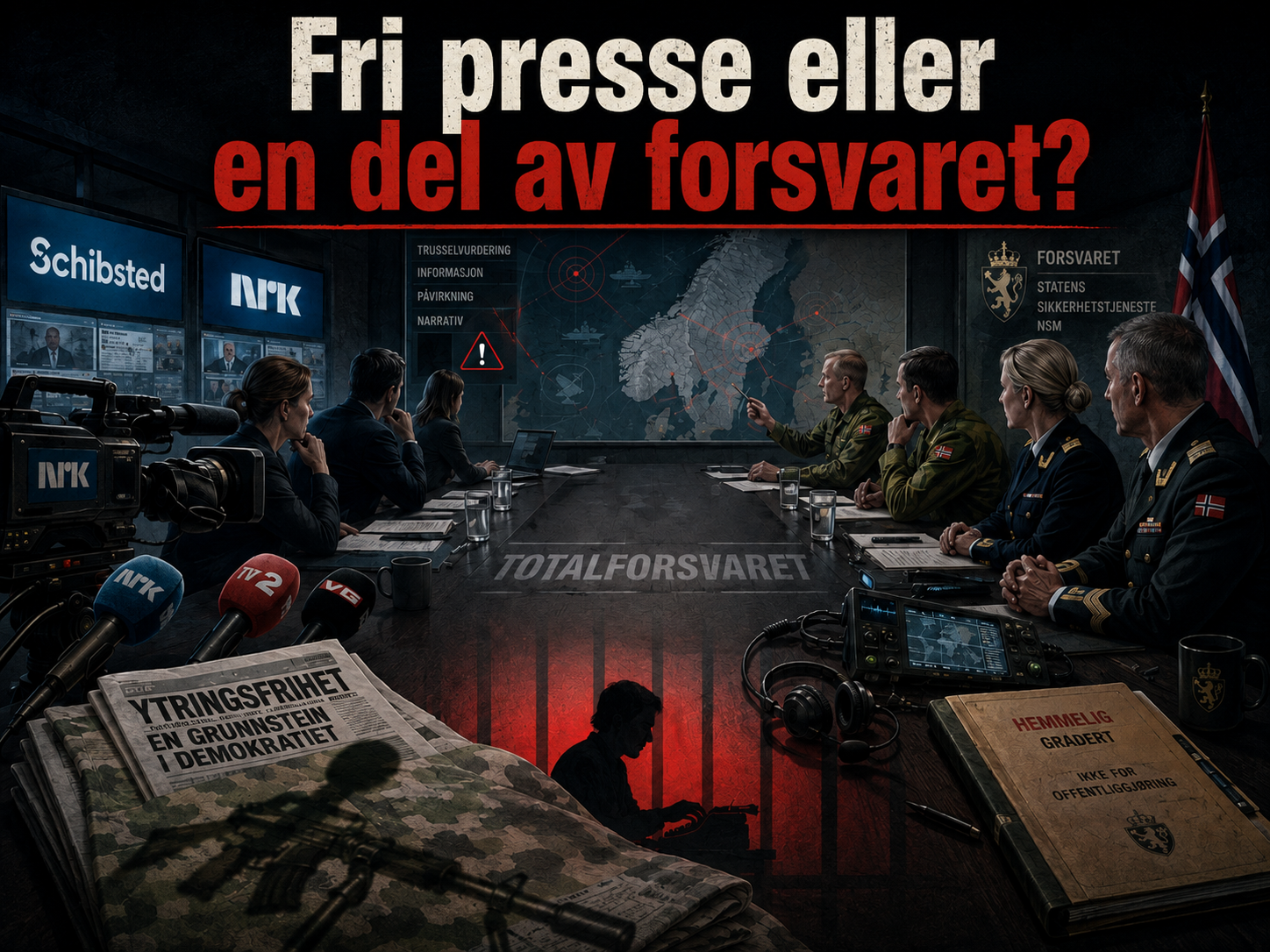
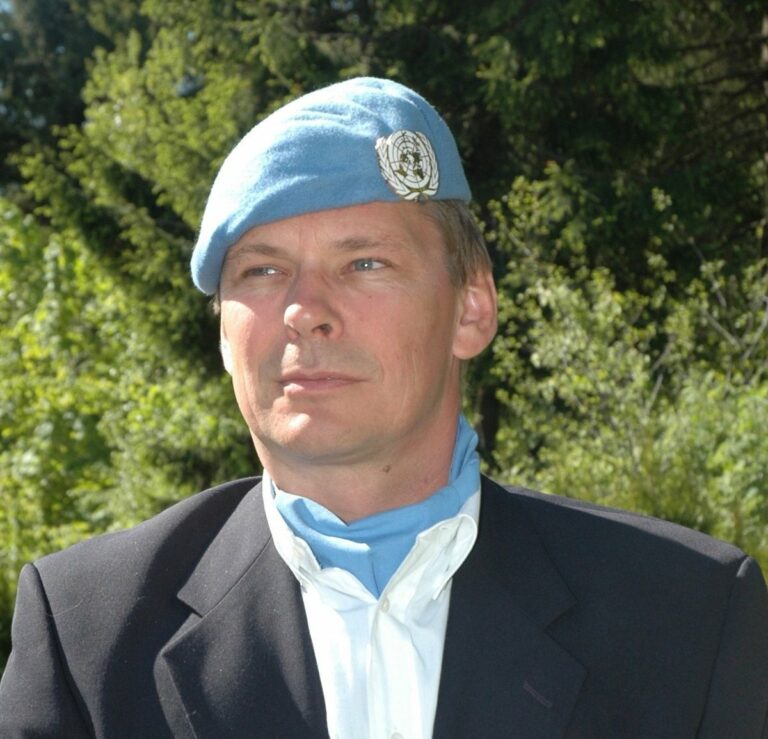
I react strongly to the signals from Arendalsuka that the large editor-led media want a clearer place in Norway’s preparedness and total defence. The justification is the war in Ukraine, increased geopolitical unrest, digital threats, propaganda and disinformation. All of these are real challenges. But when the answer is that the press should be tied more closely to total defence, while at the same time discussing how social media and information flows are to be handled, the warning lights should be flashing.
History’s warning
History also gives us a serious reminder. In coups d’état and military coups, control over radio, television, newspapers and other channels of communication has often been among the first objectives of those who want to seize power. This is down to something fundamental: whoever controls information gains enormous influence over how the population understands what is happening. I am of course not comparing Norwegian total defence to a military coup in that sense. The point is that history shows why the distance between political and military power on the one hand and a free press on the other is so important to protect.
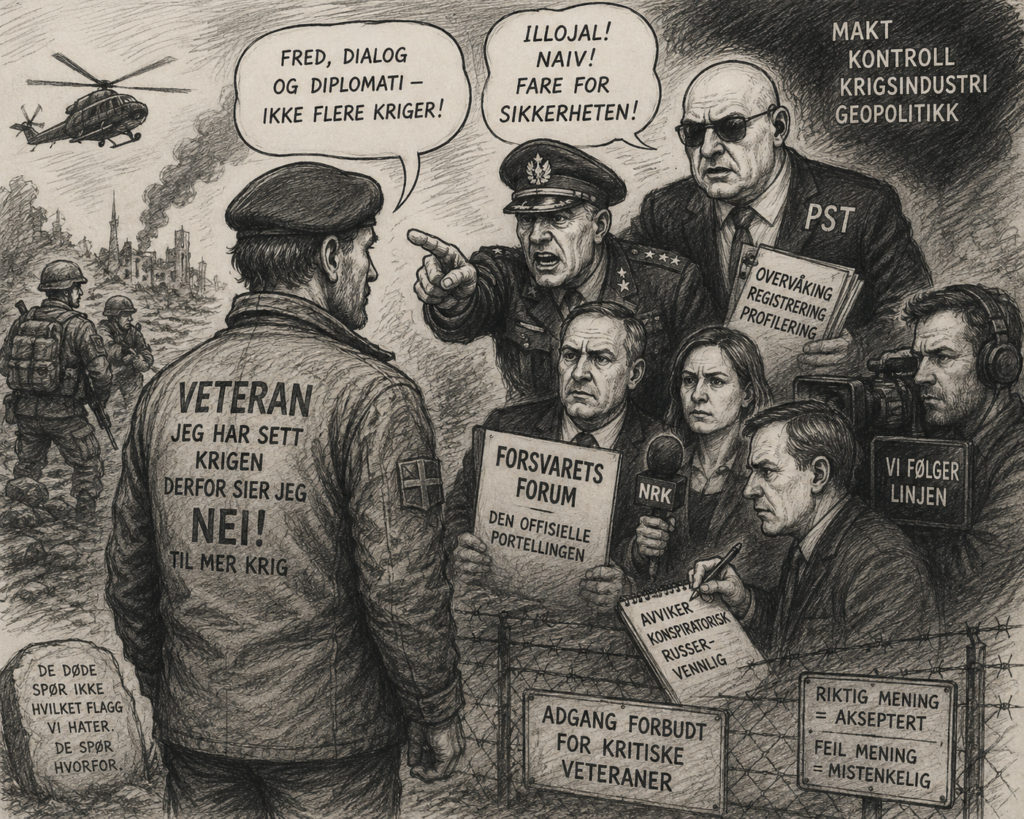
That is why I am worried when the media themselves want to move closer to total defence. The so-called free press should stand outside and ask questions. It should investigate the government, the armed forces, NATO, the intelligence services and Norwegian decisions. It should not start to see itself as part of the same team. For what happens the day the concern for “national resilience” conflicts with the journalist’s duty to publish information that is uncomfortable for the authorities?
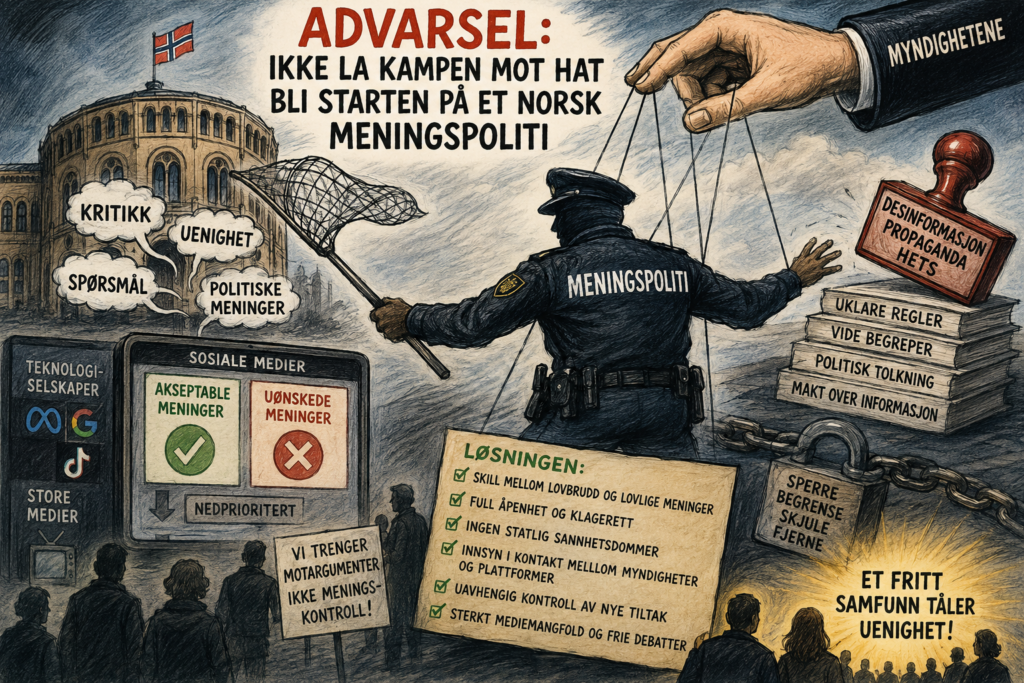
Who decides what disinformation is?
The war in Ukraine has made this question even more important. In Norway, the terms “disinformation”, “Russian narratives” and “influence operations” have taken up ever more space in public debate. There is no doubt that both Ukraine and Russia engage in propaganda and influence. So do other states. That is precisely why the press must examine all sides, not become part of a system that defines in advance which narratives are acceptable.
For who is to decide what disinformation is? The government? The armed forces? The intelligence service? NATO? The EU? NRK? VG? Aftenposten? Fact-checkers? Or the international tech companies that decide what millions of people see on Facebook, YouTube and other social media?
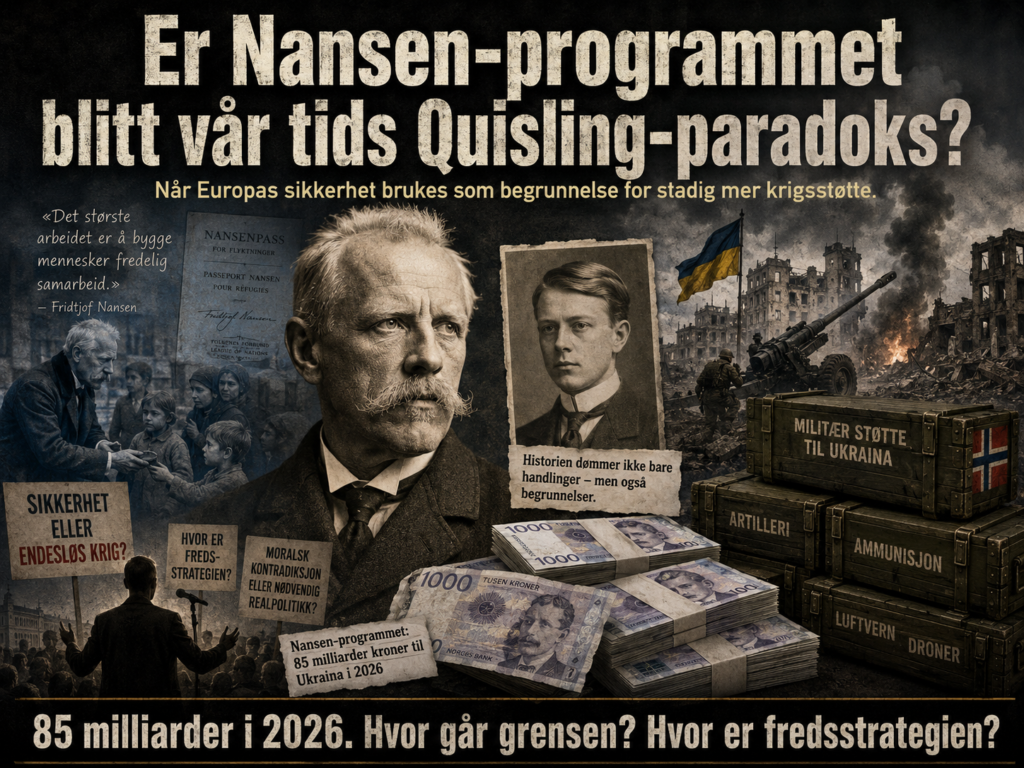
I believe the Norwegian debate about Ukraine has already become too narrow. If one questions arms deliveries, billion-kroner support, sanctions, NATO strategy or the possibility of peace negotiations, one is far too easily met with suspicion of repeating Russian arguments. But an argument does not become wrong because Russia also uses it. It must be assessed on the basis of facts.
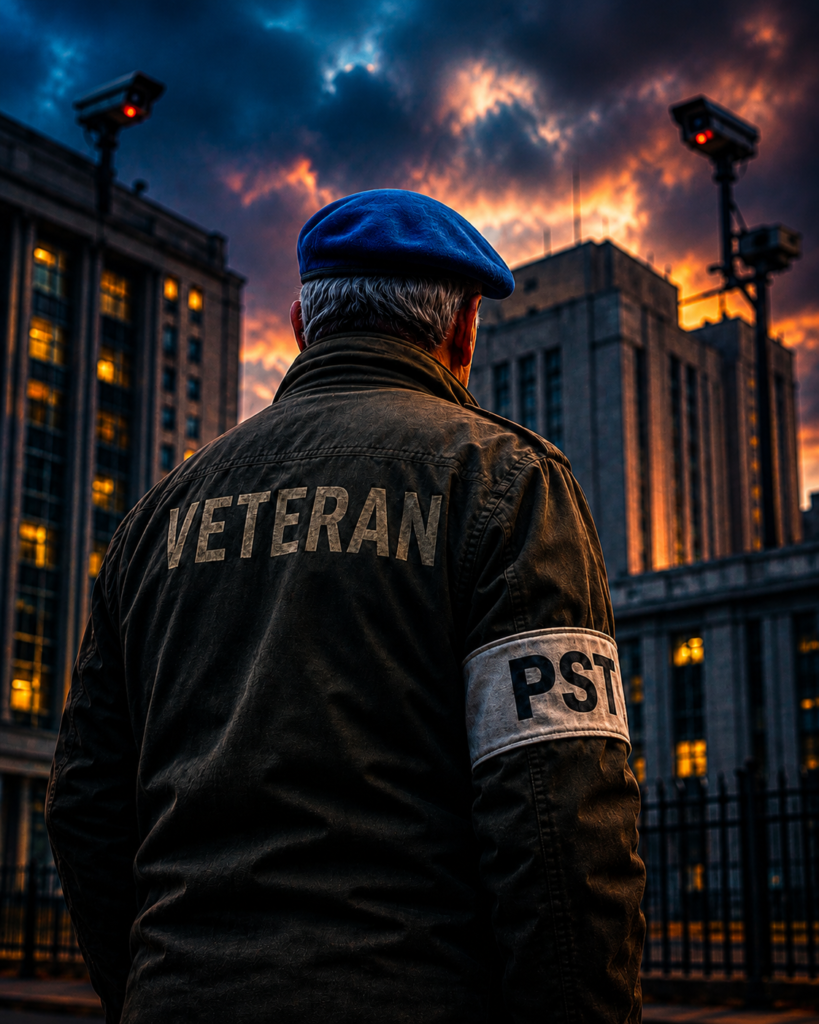
Through a long life in veterans’ work, I have seen how important this is. War is precisely the moment when society needs more critical questions, not fewer. When the guns speak, far too many people stop thinking. Then we need journalists who refuse to march in step, not a press that feels responsible for protecting the authorities’ preferred understanding of reality.
Social media and the limits of control
This also applies to social media. Of course Facebook, X, YouTube and other platforms are full of lies, propaganda, manipulation and poor source criticism. But they have also given ordinary people a historic opportunity to challenge those in power. Veterans, researchers, diplomats, journalists and citizens can publish views without having to pass through the eye of the editors’ needle. That makes public debate more chaotic, but also harder to control.
That is exactly why we should be on guard when the desire to “fight disinformation” slides into a desire to steer social media. It may start with fake accounts and obvious influence operations. But where is the line? Should criticism of Norway’s Ukraine policy get less reach because it can be used by Russia? Should posts arguing for peace negotiations be labelled problematic narratives? Should the authorities or the media decide which analyses Norwegians should be exposed to?
Can the press scrutinise its own partners?
We must also ask another serious question. If VG, Aftenposten or NRK become more closely tied to total defence, what happens if a journalist discovers serious errors in Norway’s arms support to Ukraine? What if billion-kroner sums cannot be properly documented? What if the armed forces have given the Storting or the public a misleading picture of the situation? Should this be published regardless of whether the revelation might “weaken the will to defend”?
The answer must be yes. Otherwise the press has lost its most important integrity and function.
I want media that scrutinise Russia relentlessly. But I also want media that scrutinise Ukraine, NATO, the US and the Norwegian authorities with exactly the same critical force. Journalism should not be decided by who are our friends and who are our enemies. Facts must be facts even when they are uncomfortable for our own side.
A principled boundary in democracy
The discussions at Arendalsuka should therefore be taken far more seriously than as a question of practical preparedness. This is about principled boundaries in democracy. The state needs a total defence. But democracy also needs institutions that stand outside total defence and scrutinise it.
History has taught us why those in power have always understood the importance of controlling newspapers, radio and television. In our time we must add Facebook, X, YouTube and the rest of the digital public sphere to that list.
That lesson should not lead us to pull the media into the power apparatus. It should lead us to protect the distance between them even more strongly.
A free press or part of the defence? In my view, that is exactly the question we must now ask. For if the state, the armed forces, the security services and the largest media houses eventually sit on the same side of the table and together are to protect Norway from “wrong information”, we are left with a far more serious question:
Who will then scrutinise them?
Se og hør mer
Videoer, klipp og innslag knyttet til temaet.