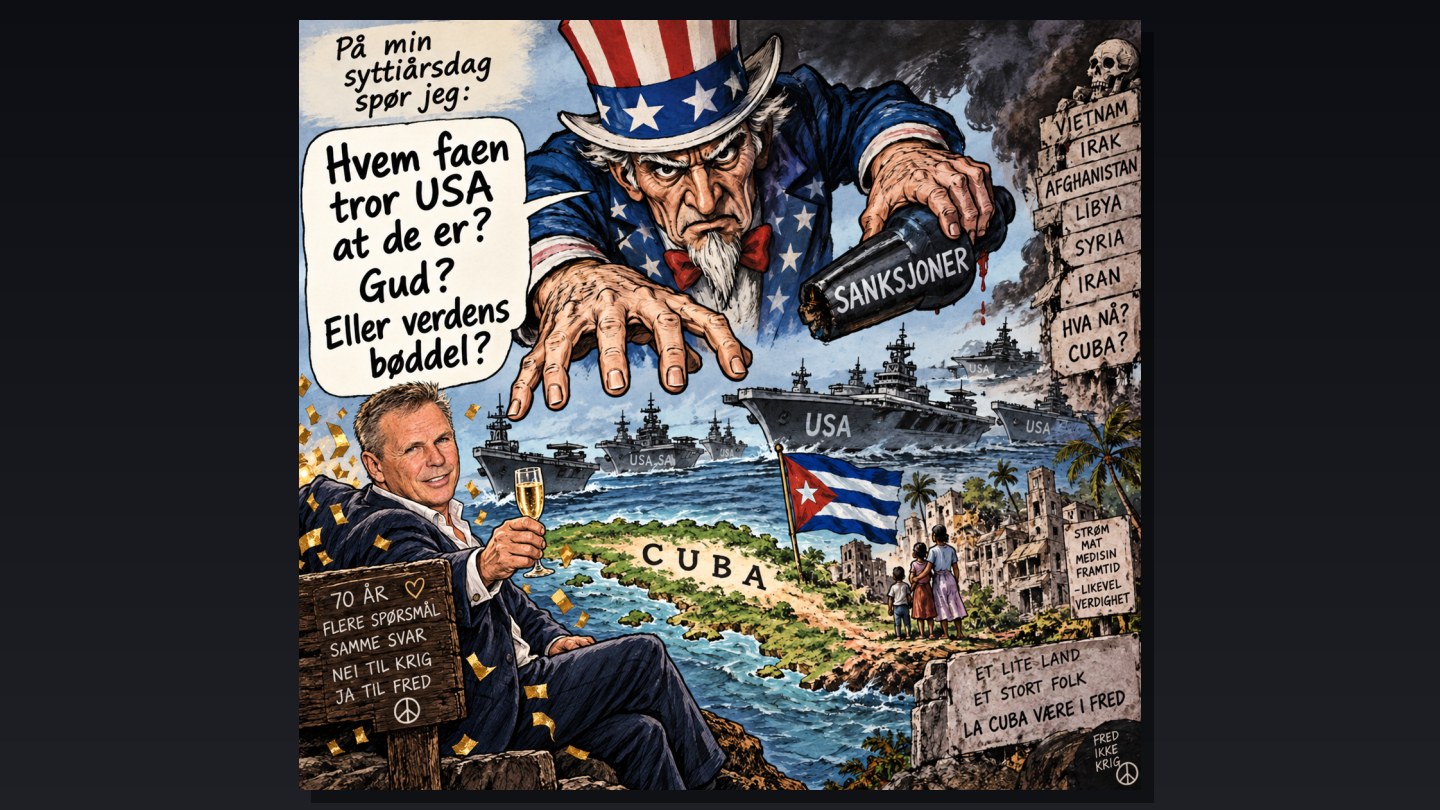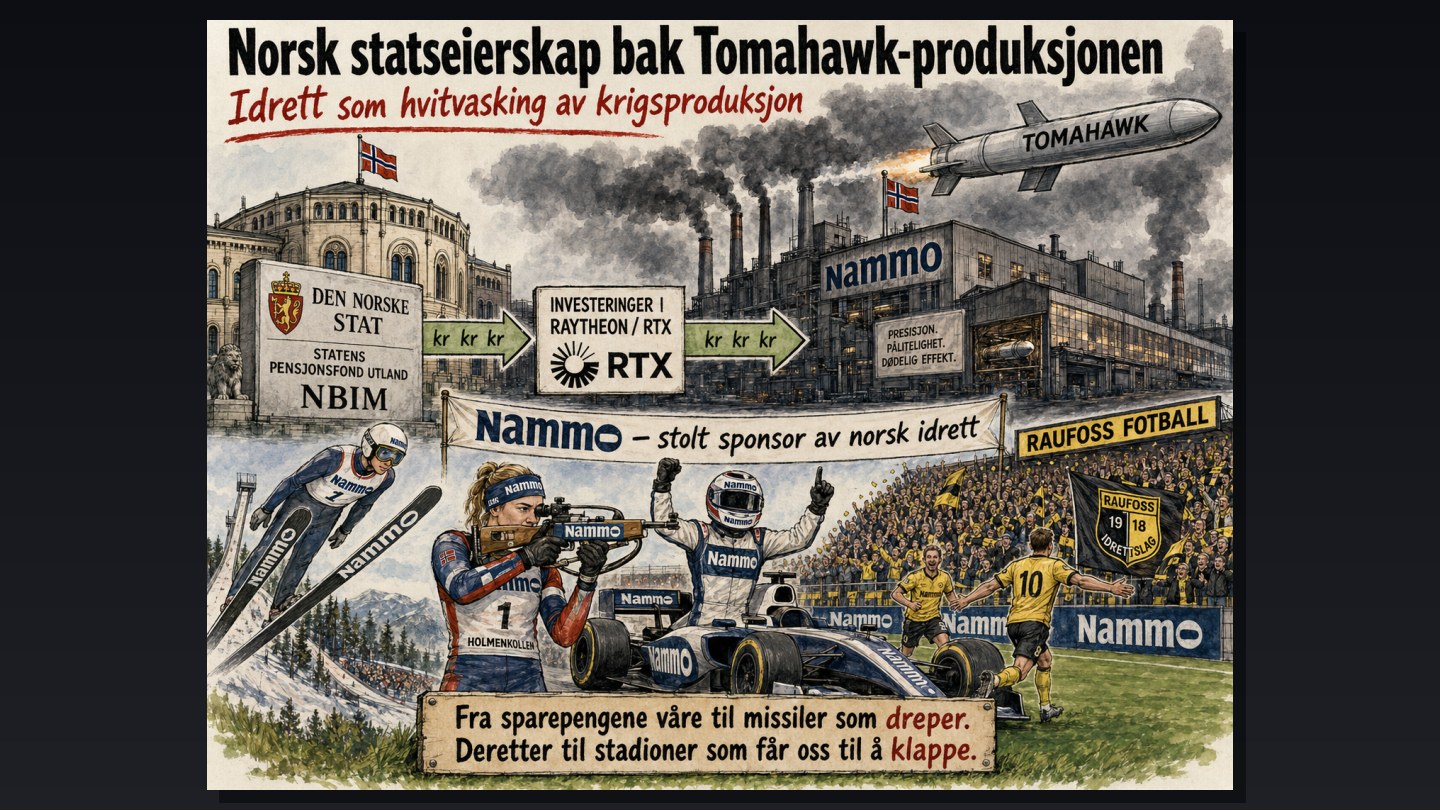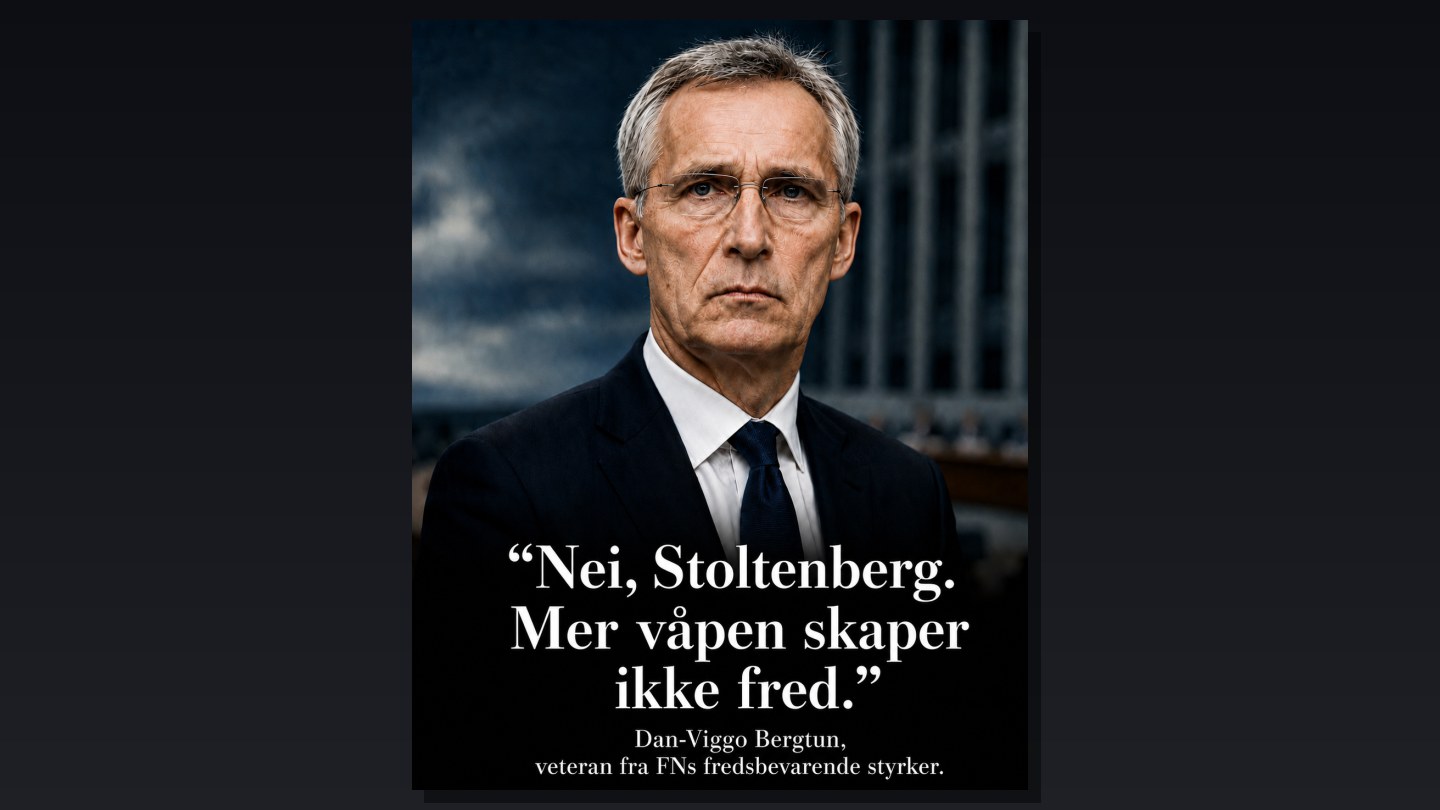
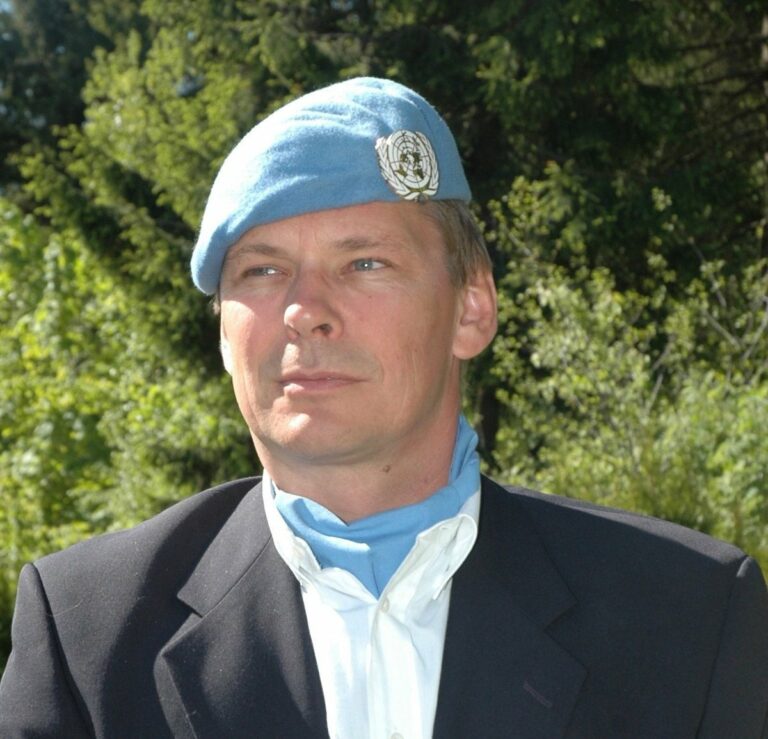
As a former UN soldier in the region, I am seriously concerned. I have seen what the Middle East’s power games mean once the political formulations are over and the weapons take over. It is not heads of state, oil companies, the arms industry or financial markets that are left in the ruins. It is ordinary people.
That is why I also react to Norway’s role.
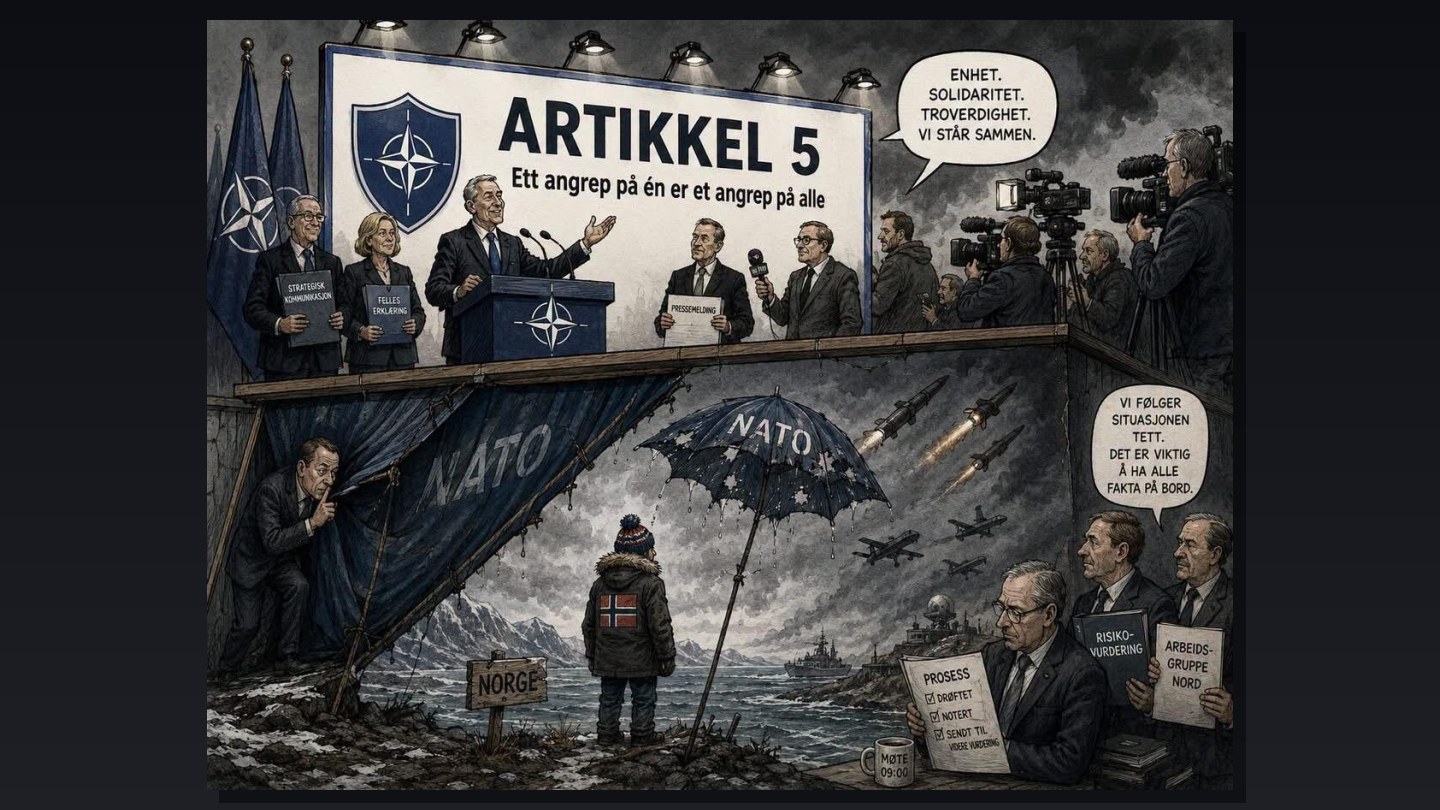
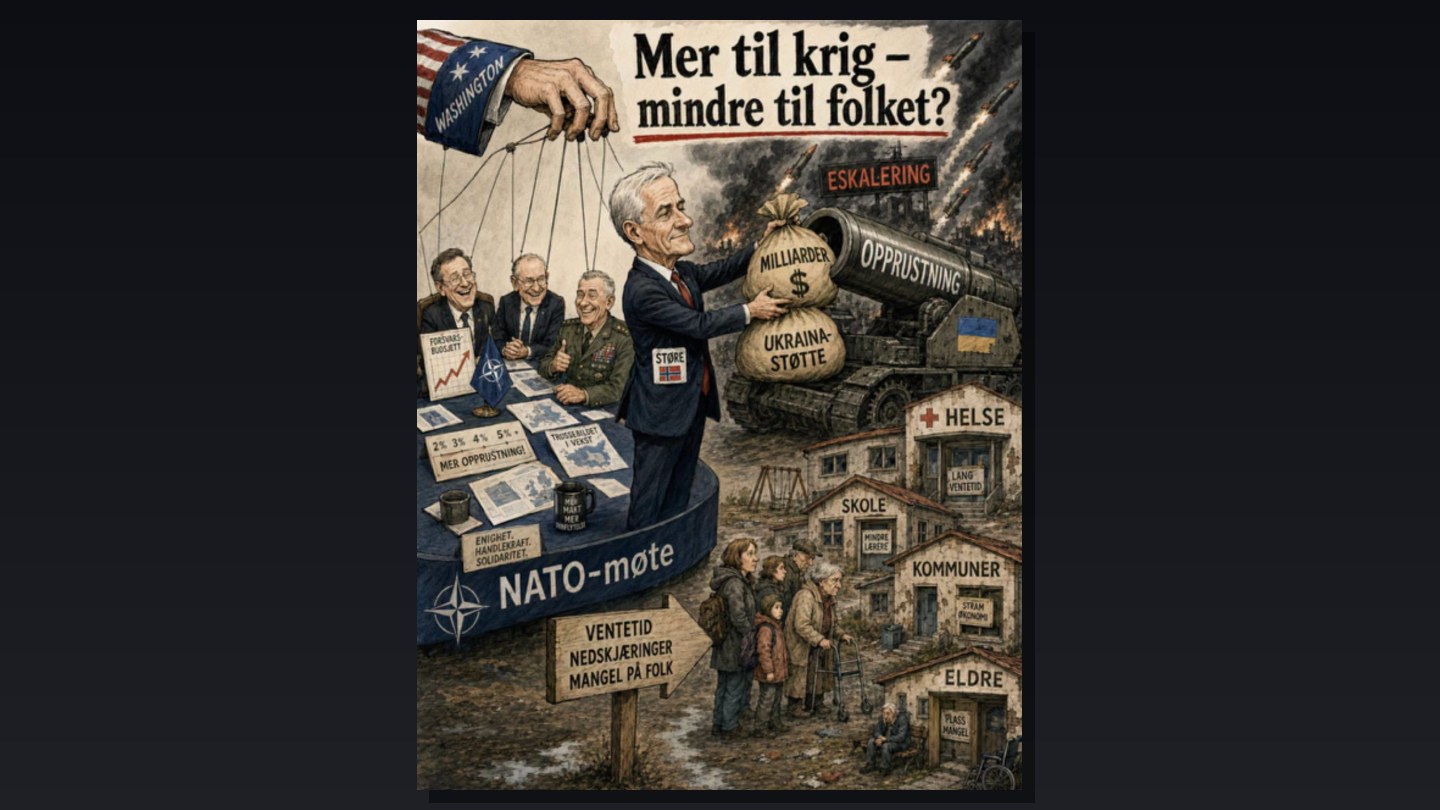
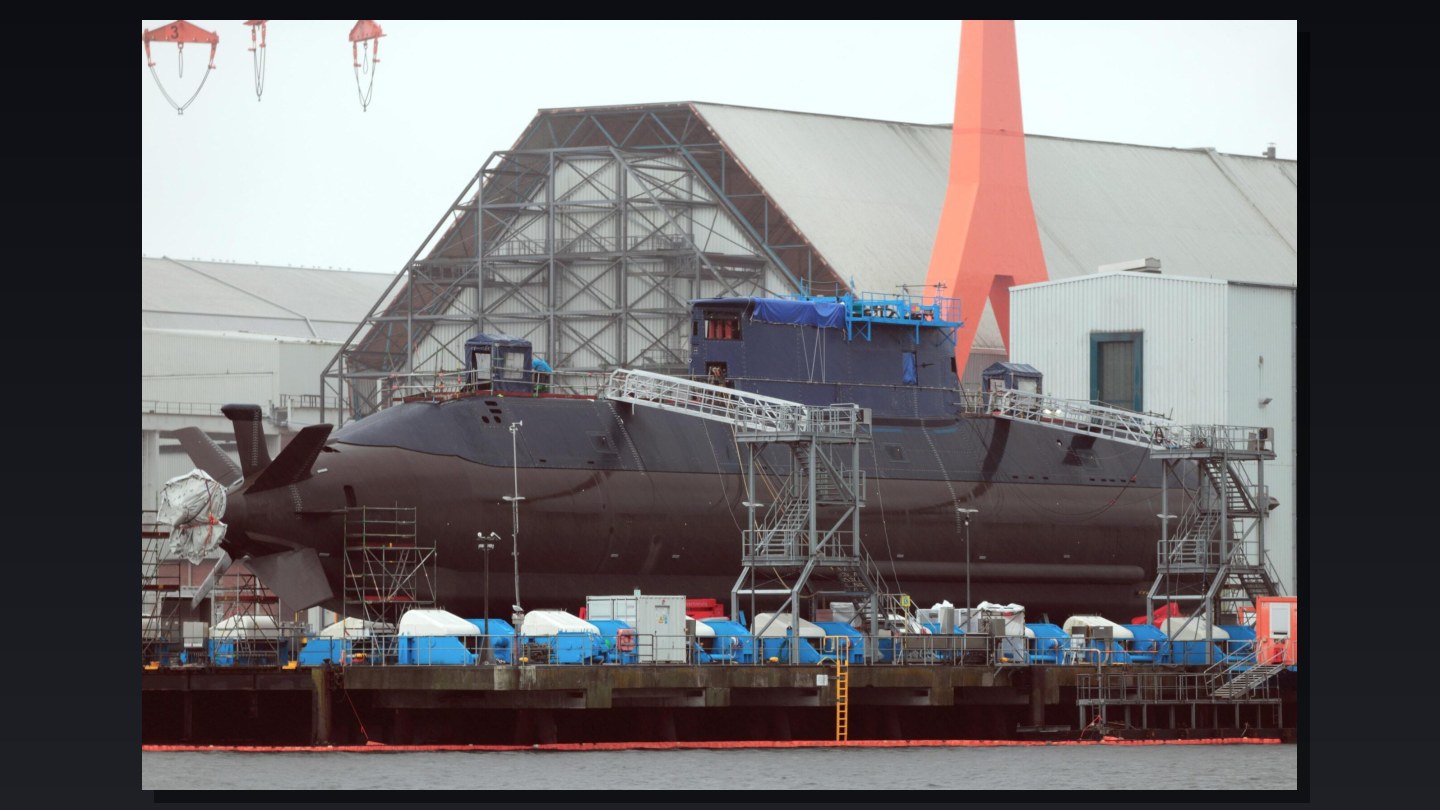
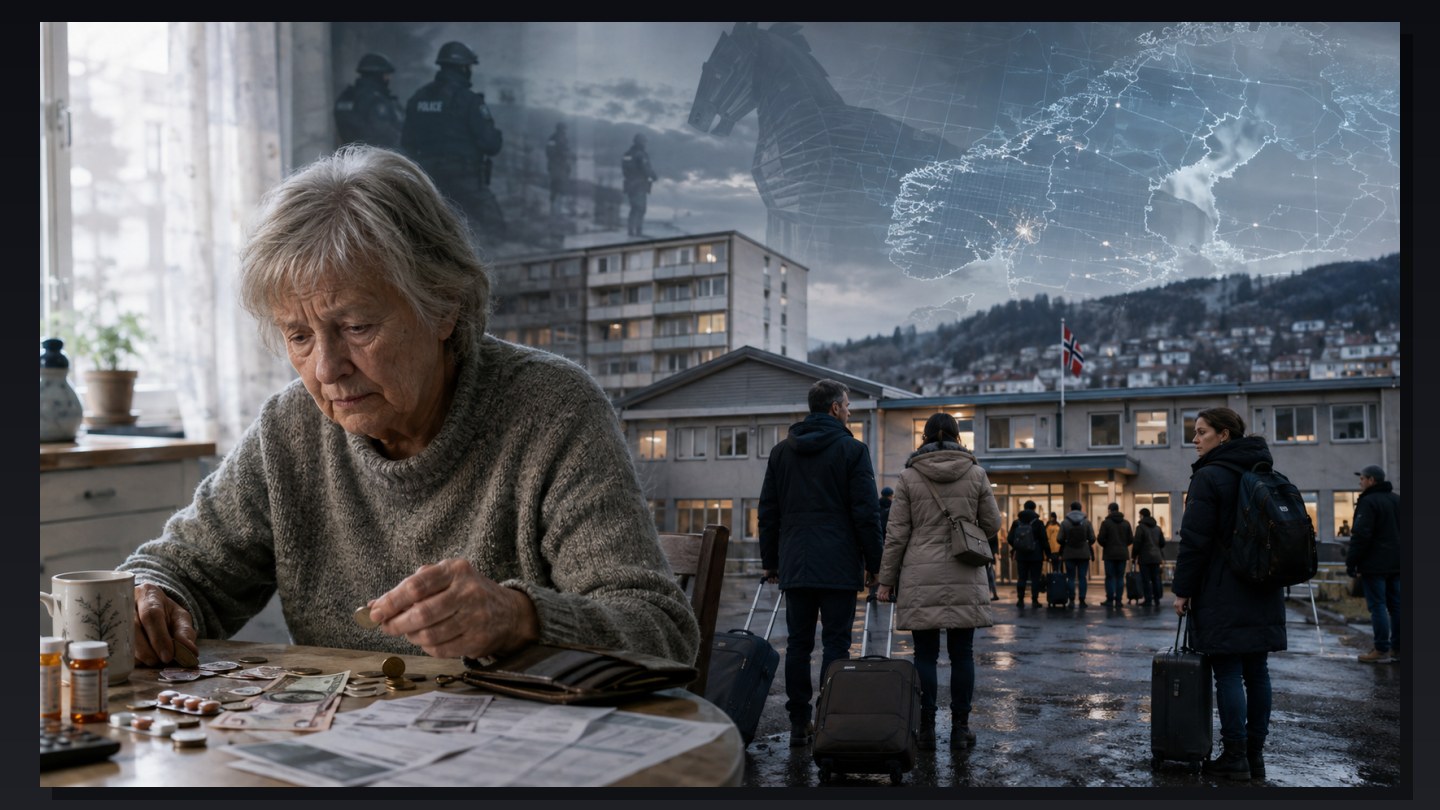
We still like to portray Norwegian foreign policy as especially moral. I believe reality increasingly tells a different story. Norway has become a war nation. We are rearming, buying ever more advanced weapons, tying ourselves more closely to the US and NATO and taking part in security-policy thinking in which military strength is ever more often presented as the solution to political problems.
And at the same time, Norway earns enormous sums when the world becomes unstable.
This is the uncomfortable connection Norwegian politicians should dare to discuss.
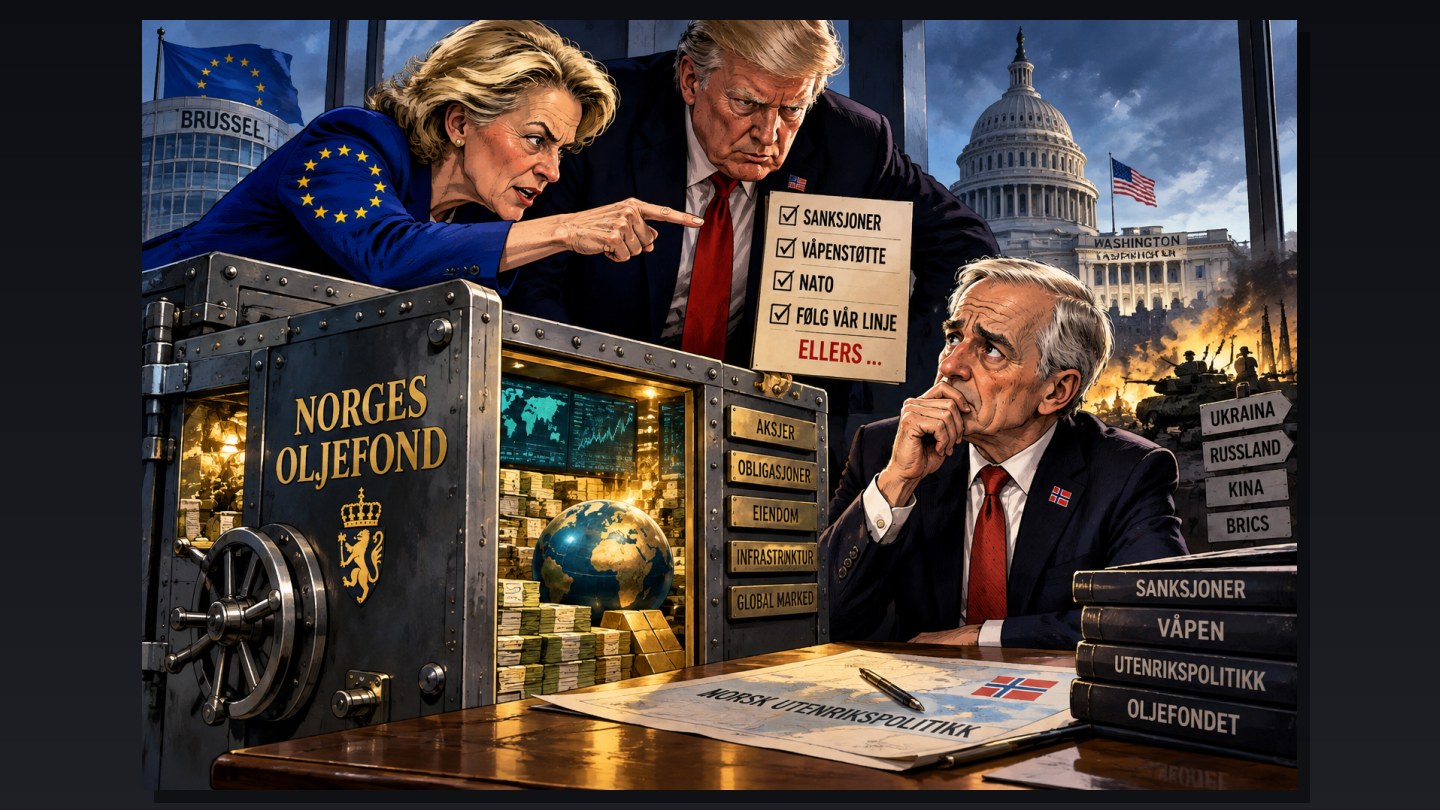
When war and geopolitical turmoil hit Europe’s energy supply, oil and gas prices can rise. Norway is a major energy exporter. The state receives greater revenue, Norwegian energy companies earn more, and enormous value flows into an economy that already has the world’s largest sovereign wealth fund.
I am not claiming that there is a government document stating that Norway wants war in order to make money. But it is both legitimate and necessary to ask a far more uncomfortable question: does Norway have economic interests that mean our political leaders do not feel the consequences of war in the same way as the countries that pay the bill?
For Norway, geopolitical turmoil can mean billions in revenue.
For the family in Beirut, Tehran, Gaza or other parts of the region, the same turmoil can mean their home disappears.
It is a moral contrast that is hardly ever talked about.
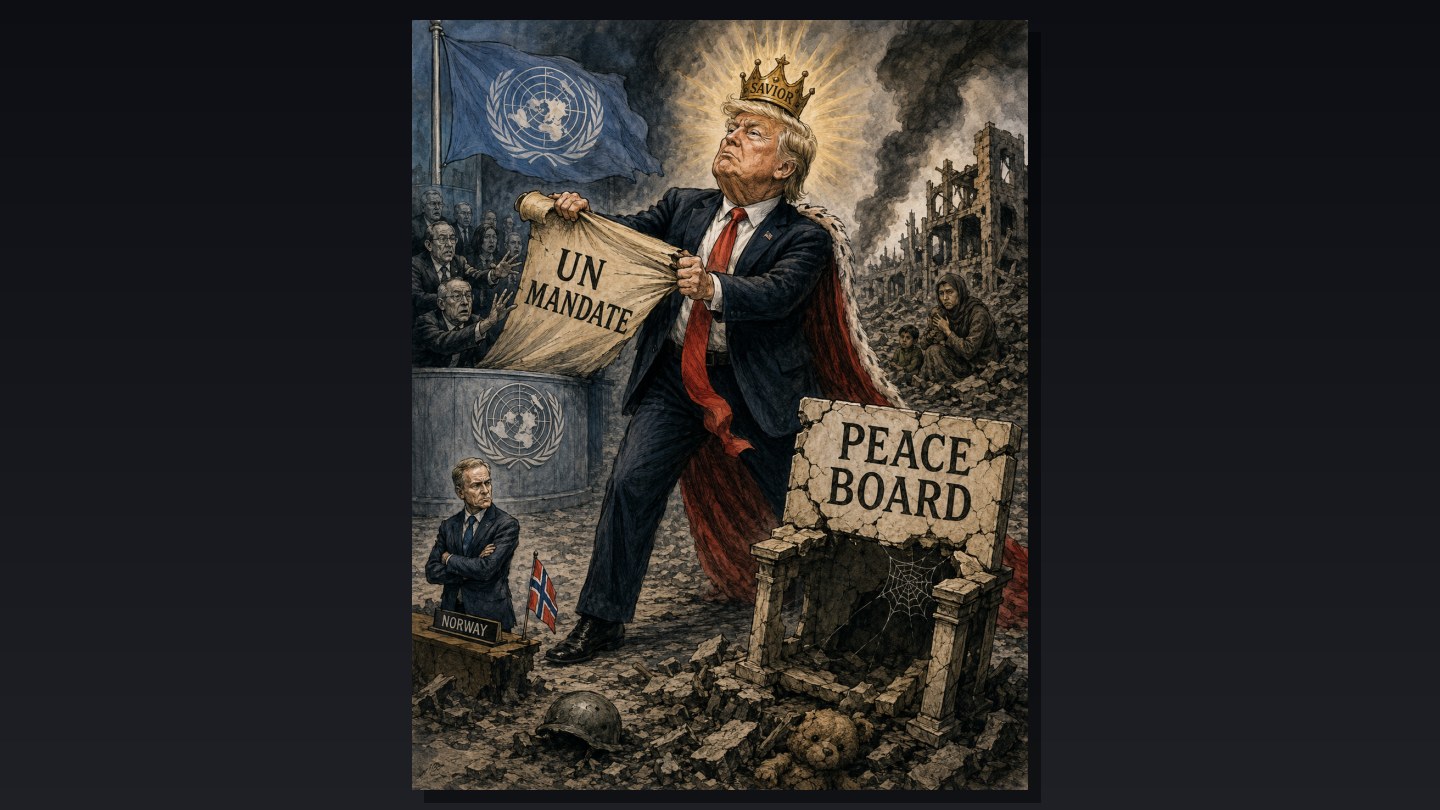
At the same time, part of Norway’s enormous economic strength is used internationally through aid, funds, organisations and multilateral institutions, while Norwegian governments work actively for influence and positions in the UN system and other international forums. Of course Norway should participate internationally. But we must also be able to ask where the line runs between solidarity and the purchase of political influence.
Have we ended up with a foreign policy in which the oil and gas billions are used to sustain the notion that little Norway should still sit at the table and tell the rest of the world how it should be organised?
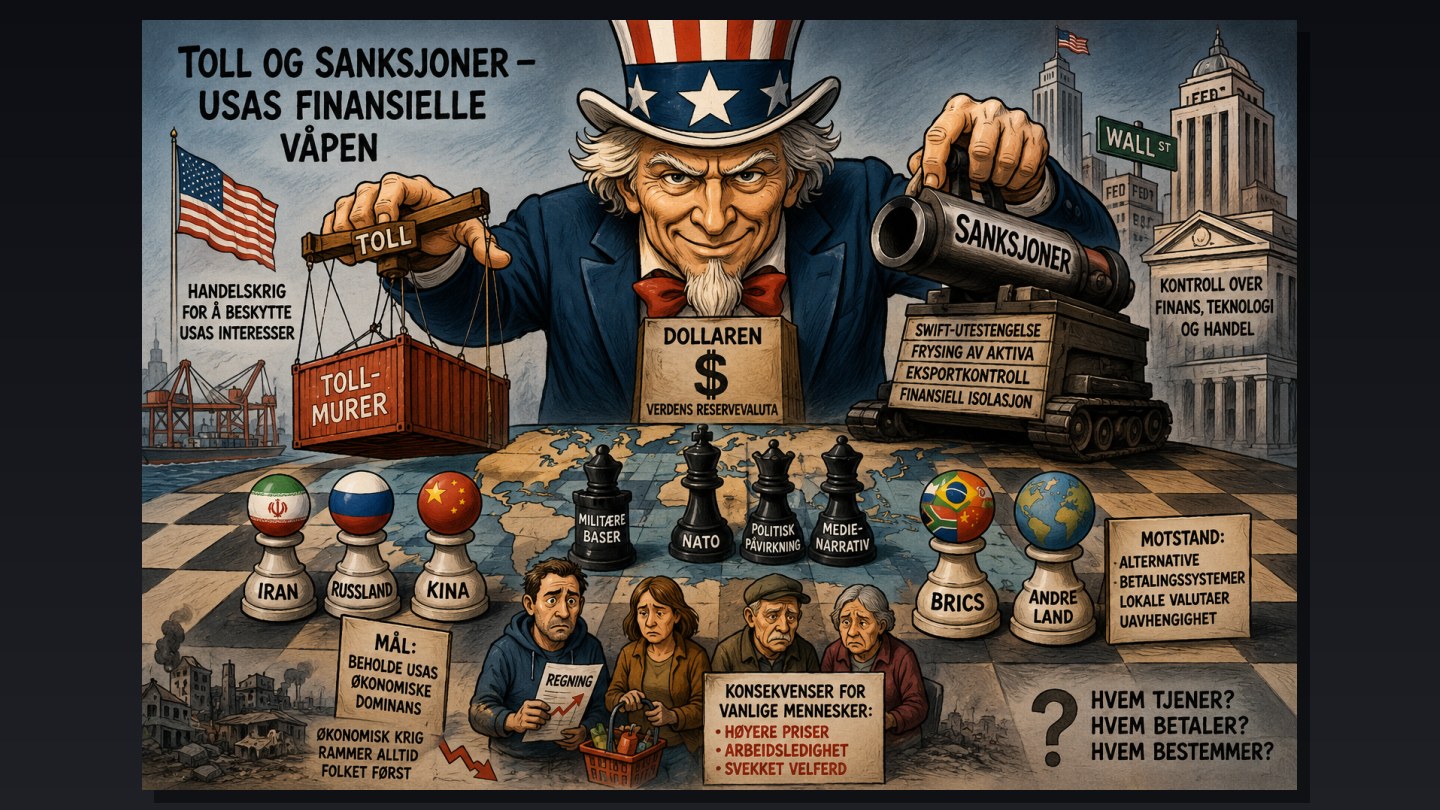
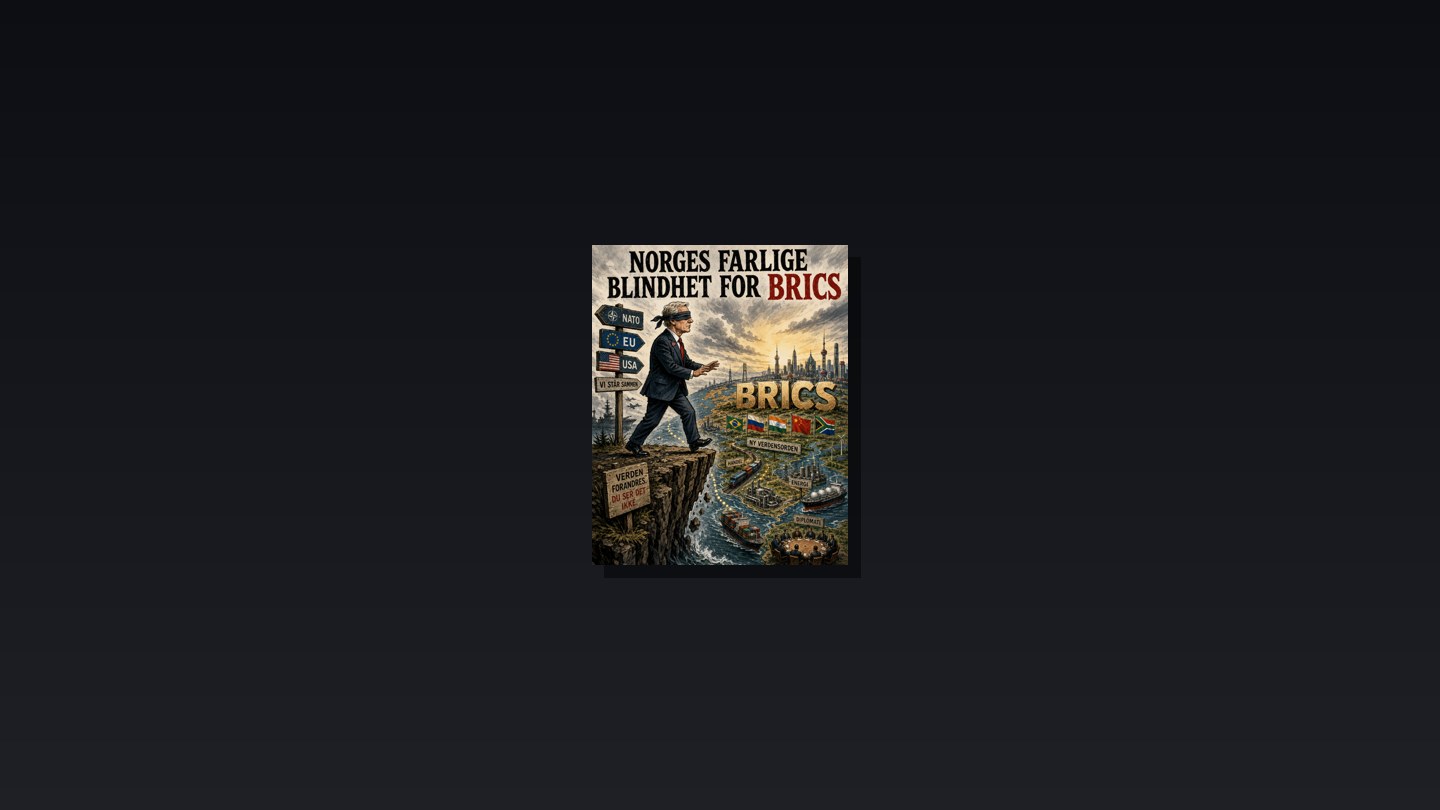
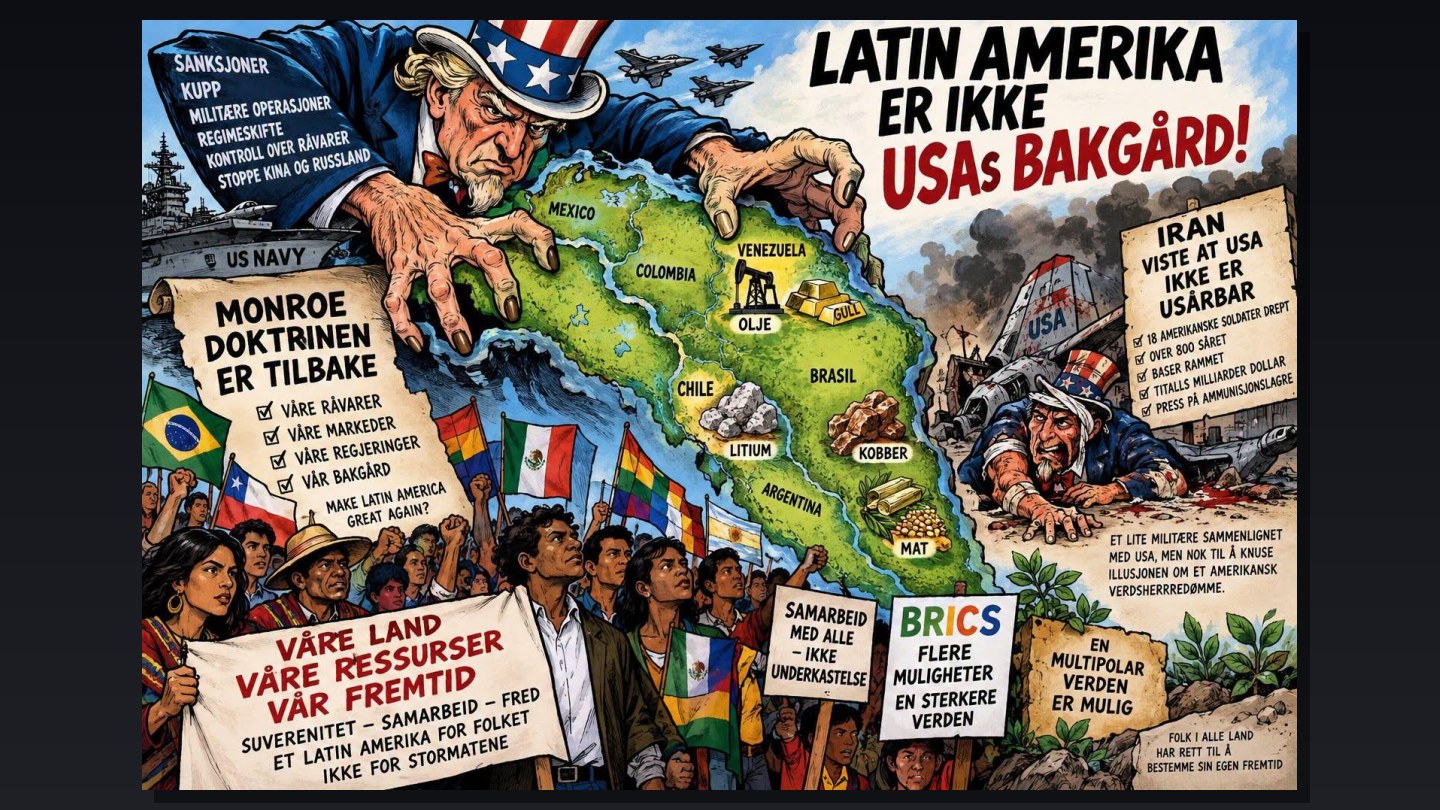
Because the world is changing fast. Saudi Arabia is looking east. Turkey pursues its own great-power policy. Pakistan has strong ties with China. BRICS is growing. New trade links, payment systems and security cooperation are challenging a world order long dominated by the US and the West.
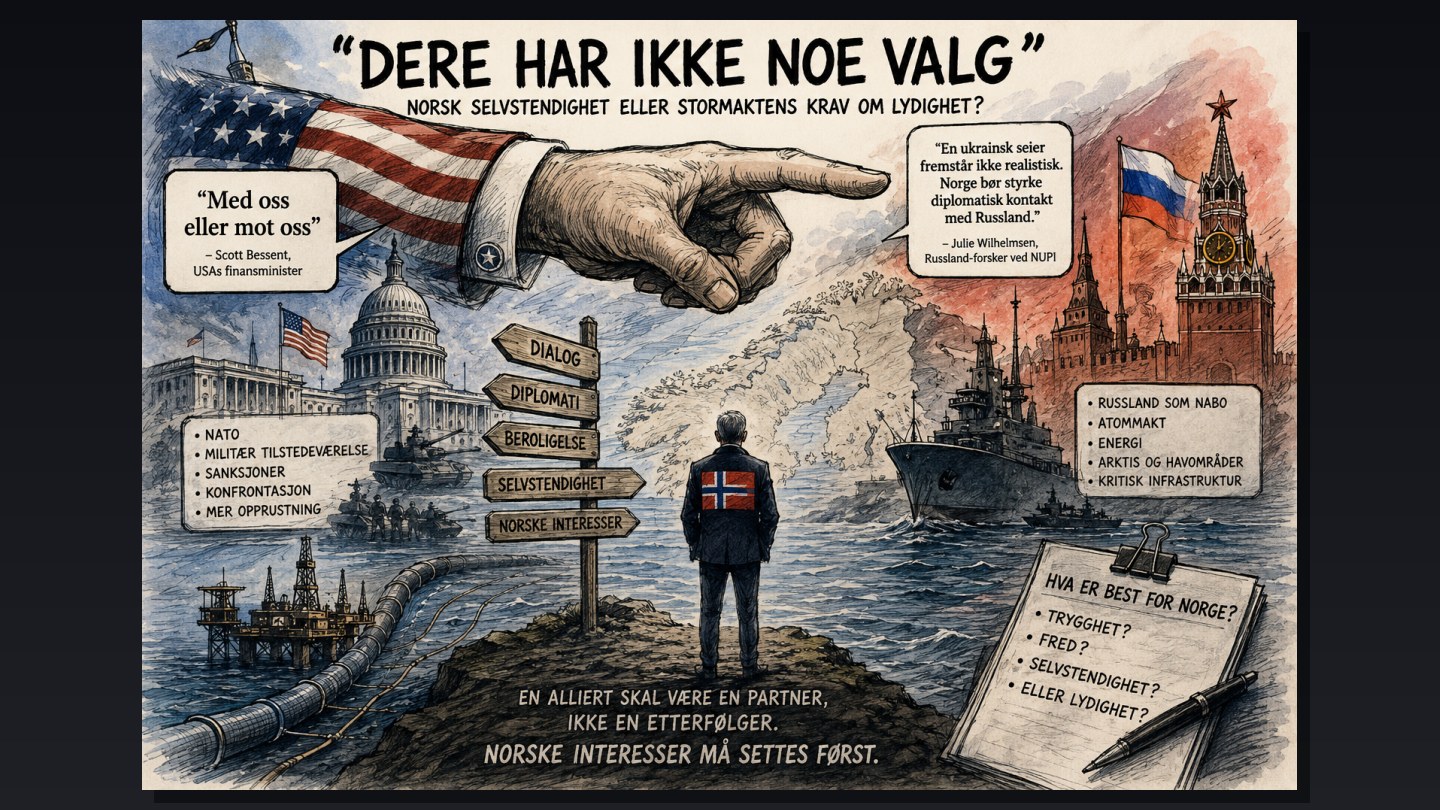
Yet at the same time Norway is tying itself ever more tightly to Washington.
This is what makes Norwegian policy so short-sighted.
While other countries try to spread their risk and build ties in several directions, Norway is putting ever more of its security-policy eggs in the American basket.
And the Middle East may once again be where the consequences show.
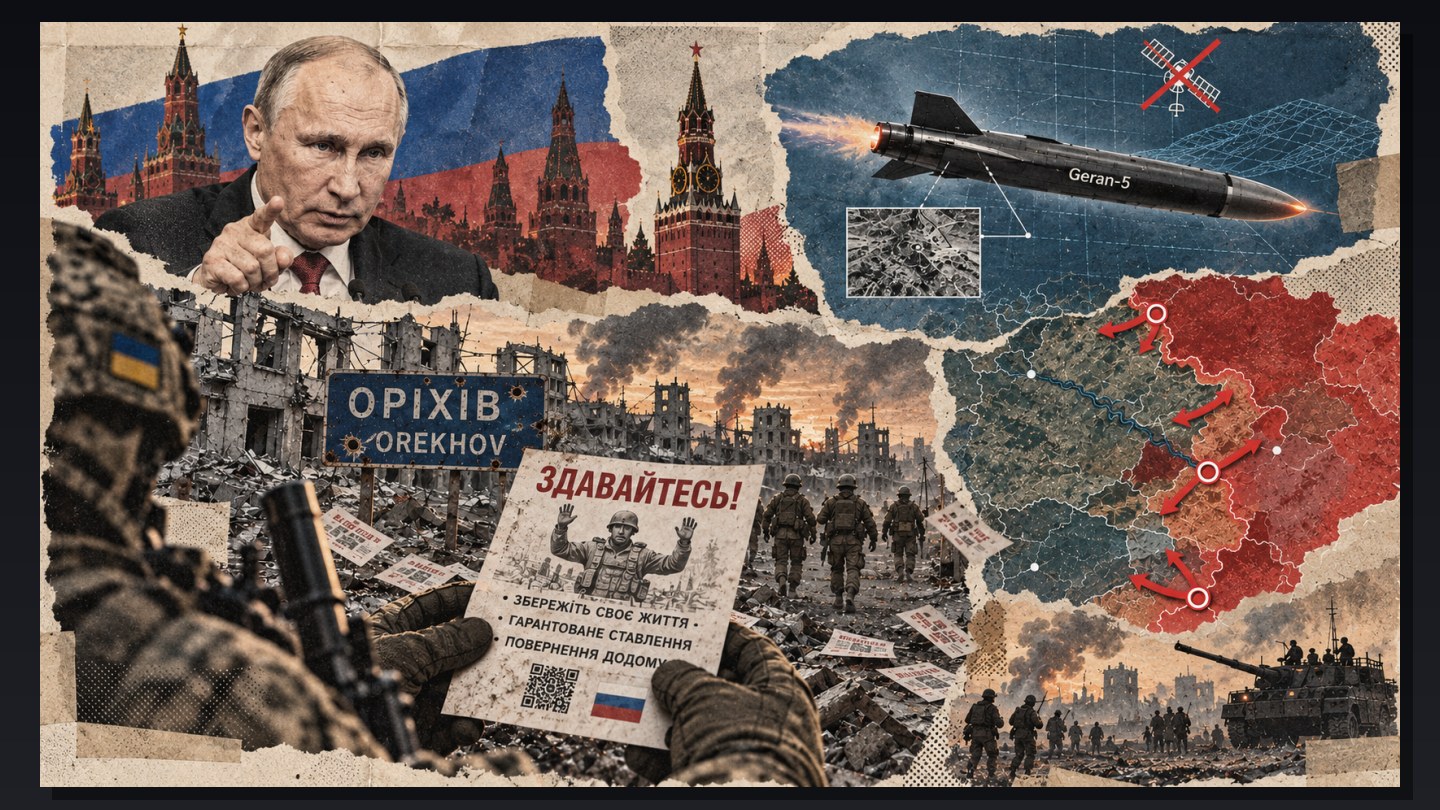
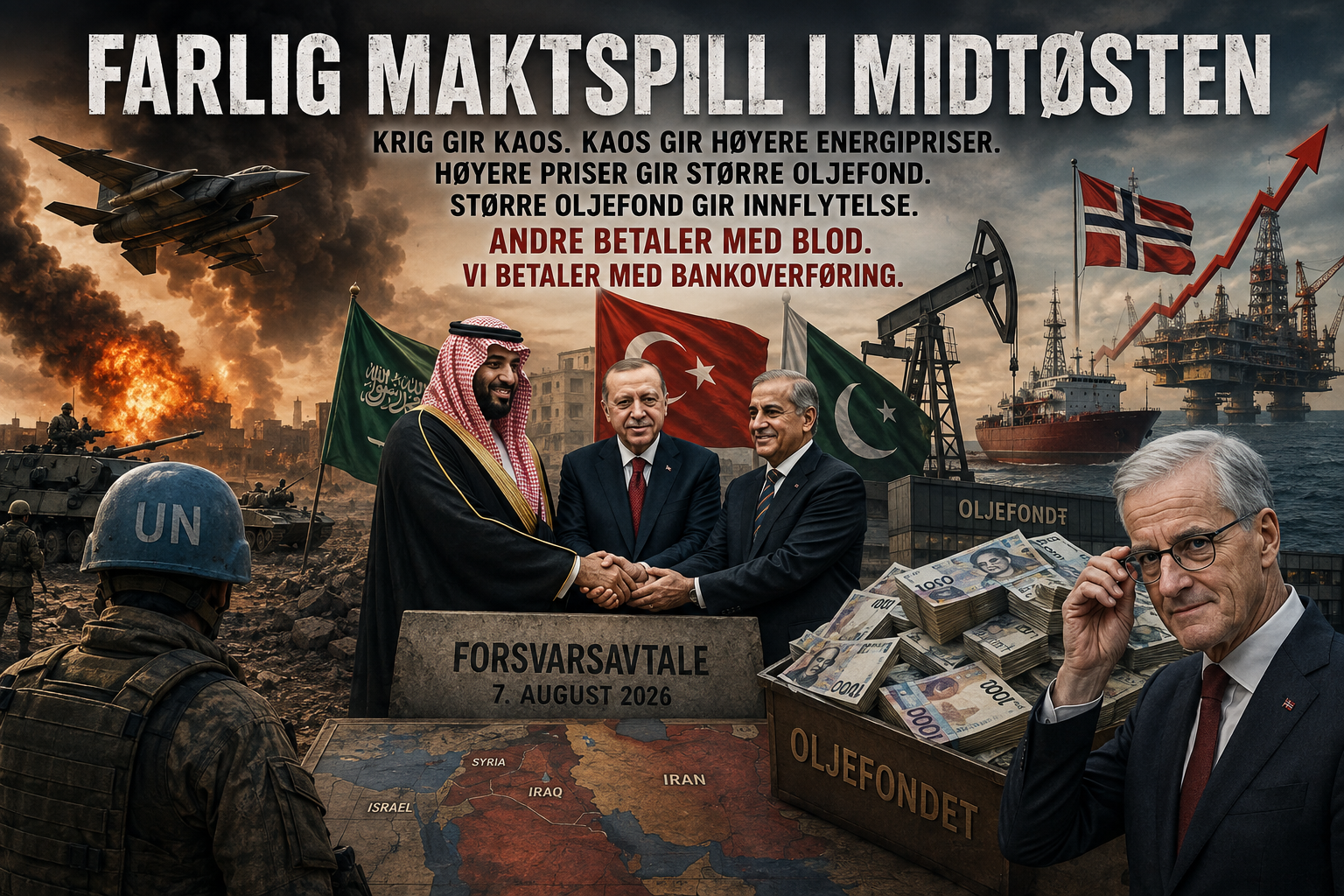
A new military bloc made up of Saudi Arabia, Turkey and Pakistan could dramatically affect relations with Iran, Israel and the Gulf states. Pakistan also brings nuclear weapons into the strategic backdrop. That makes miscalculations more dangerous than ever.
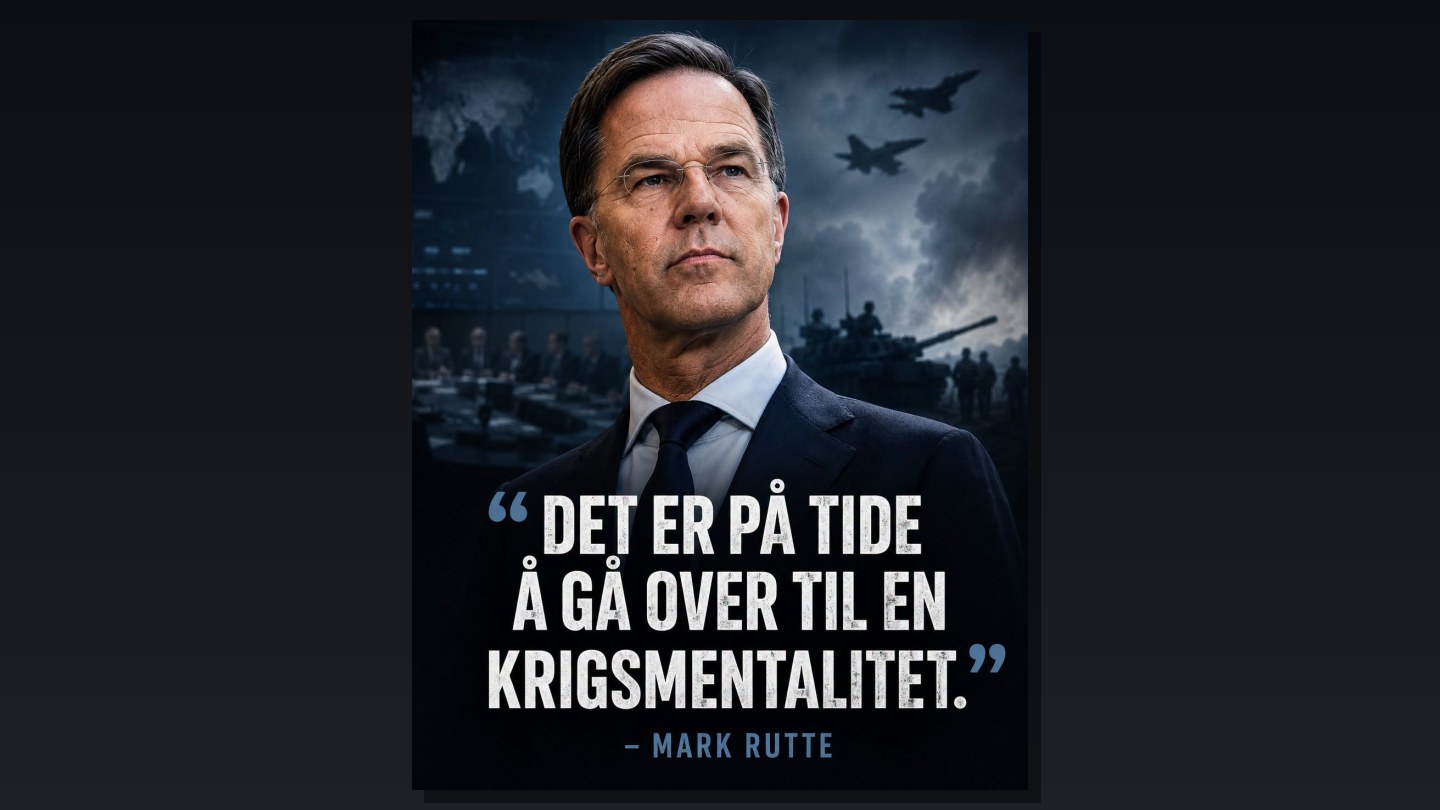
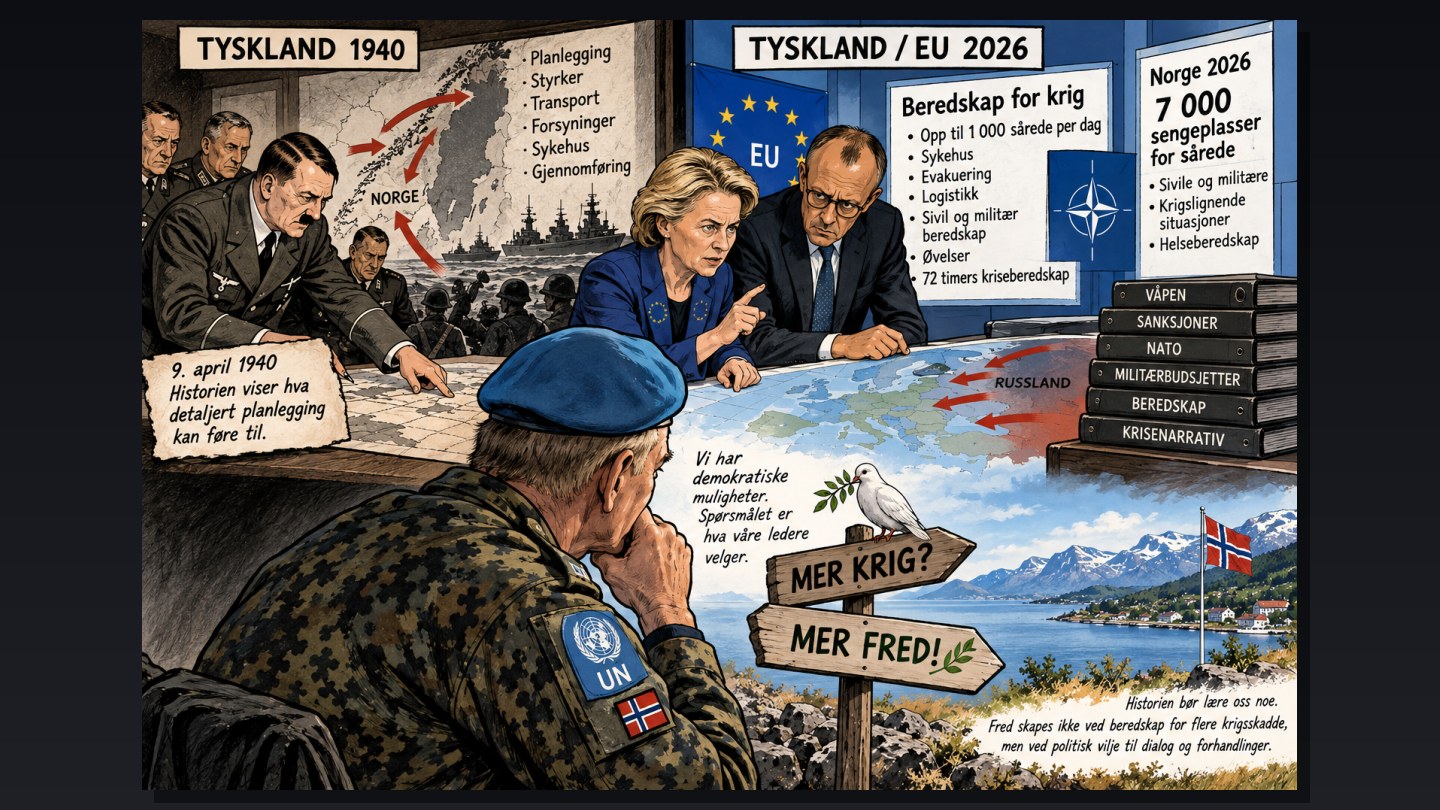
As a former UN soldier, I find it hard to understand politicians who talk about ever more rearmament as if it almost automatically creates security. More weapons also means more weapons that can be used. More military alliances means more countries that can be dragged in if one conflict explodes.
Norway should therefore be extremely cautious about applauding new military blocs, no matter who organises them.
But we should also take a look at ourselves.
Because when war comes, Norway can earn billions from energy, invest its wealth through the Oil Fund, hand out money internationally and at the same time use our economic weight to secure political influence.
Others pay with blood.
We risk paying by bank transfer.
It is time to ask how long Norway can profit from an unstable world while at the same time standing first in line when the moral finger is to be raised.