That is not freedom. It is power politics.
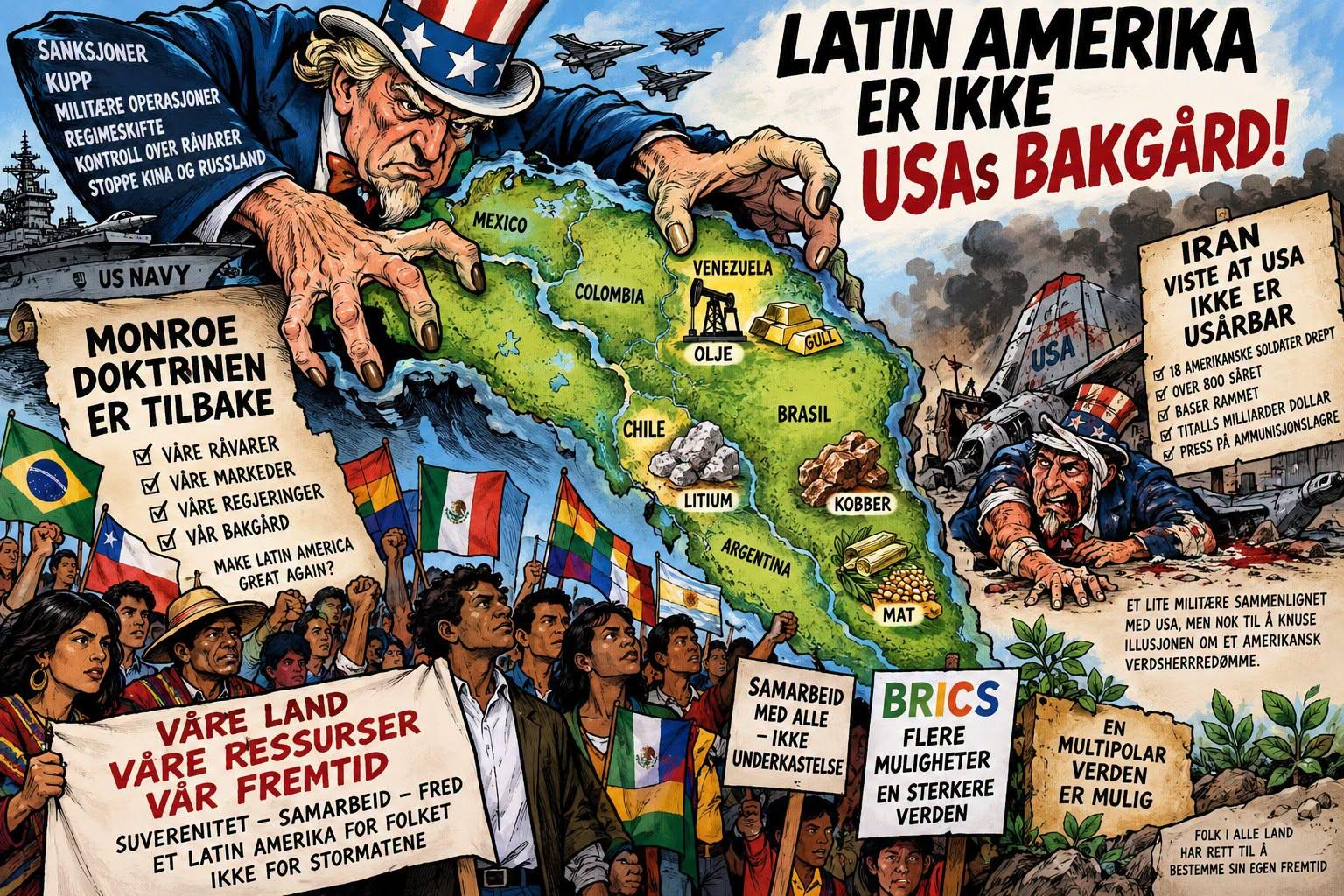
Venezuela shows how far Washington is willing to go. Nicolás Maduro was abducted in an American military operation. What followed was the American theft of Venezuela’s oil. Washington has also sought full access to the country’s gold and mineral resources. At the same time, China, Russia, drug cartels and American security are used as justifications for an ever more aggressive policy in the region.
Perhaps one need not call this theft to understand what is going on. When a great power uses military force against another country and then gains increasing control over the wealth that lies beneath the ground, the rest of the world should pay very close attention.
Venezuela’s oil belongs to Venezuelans. Venezuela’s gold belongs to Venezuelans. Full stop.
But Venezuela is only part of the picture. Chile has copper and lithium. Brazil has enormous natural resources and is a central power in BRICS. China has become an important trading partner for large parts of Latin America. More and more countries want more economic legs to stand on and wish to trade with the US, China, Europe and the rest of the world alike.
This is what Washington has trouble accepting.
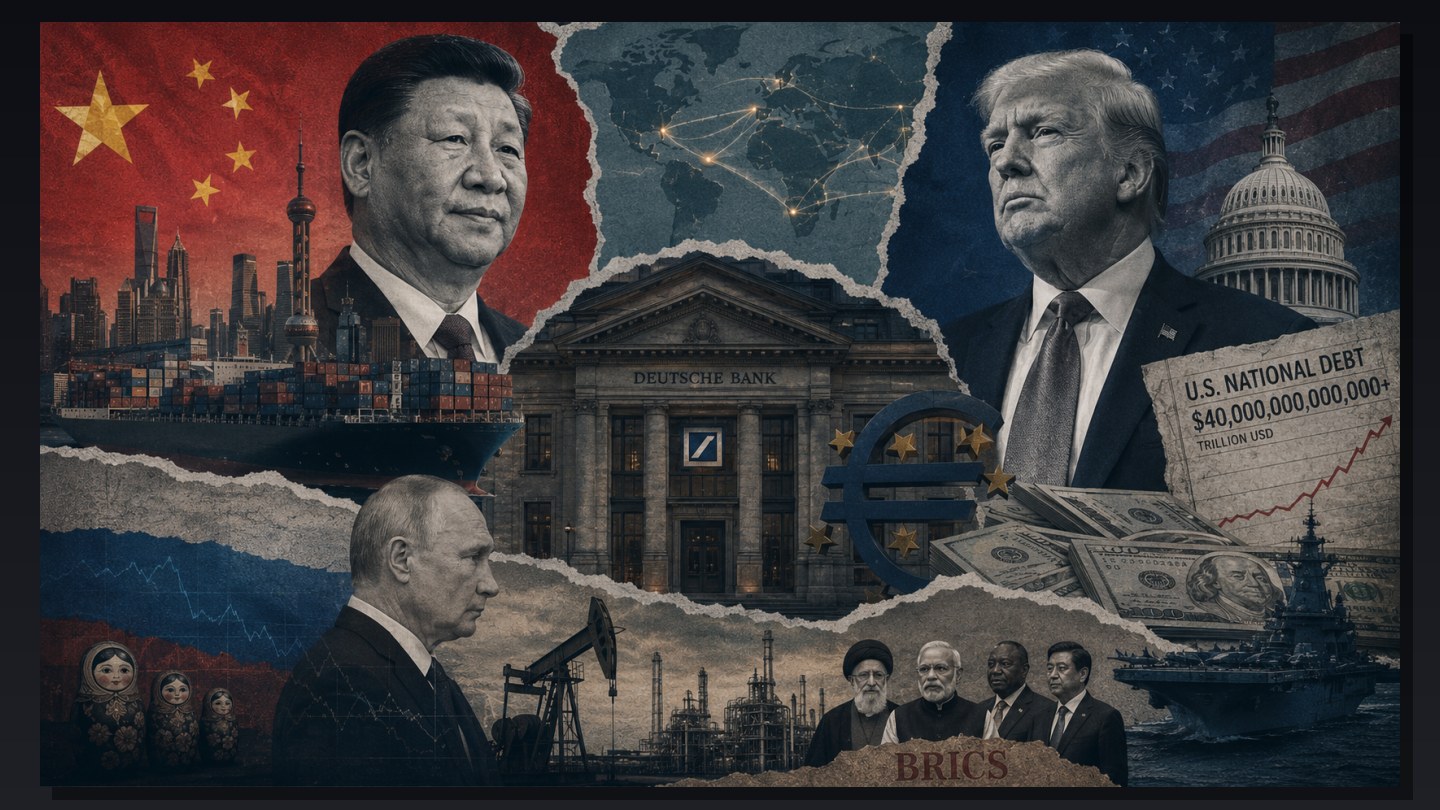
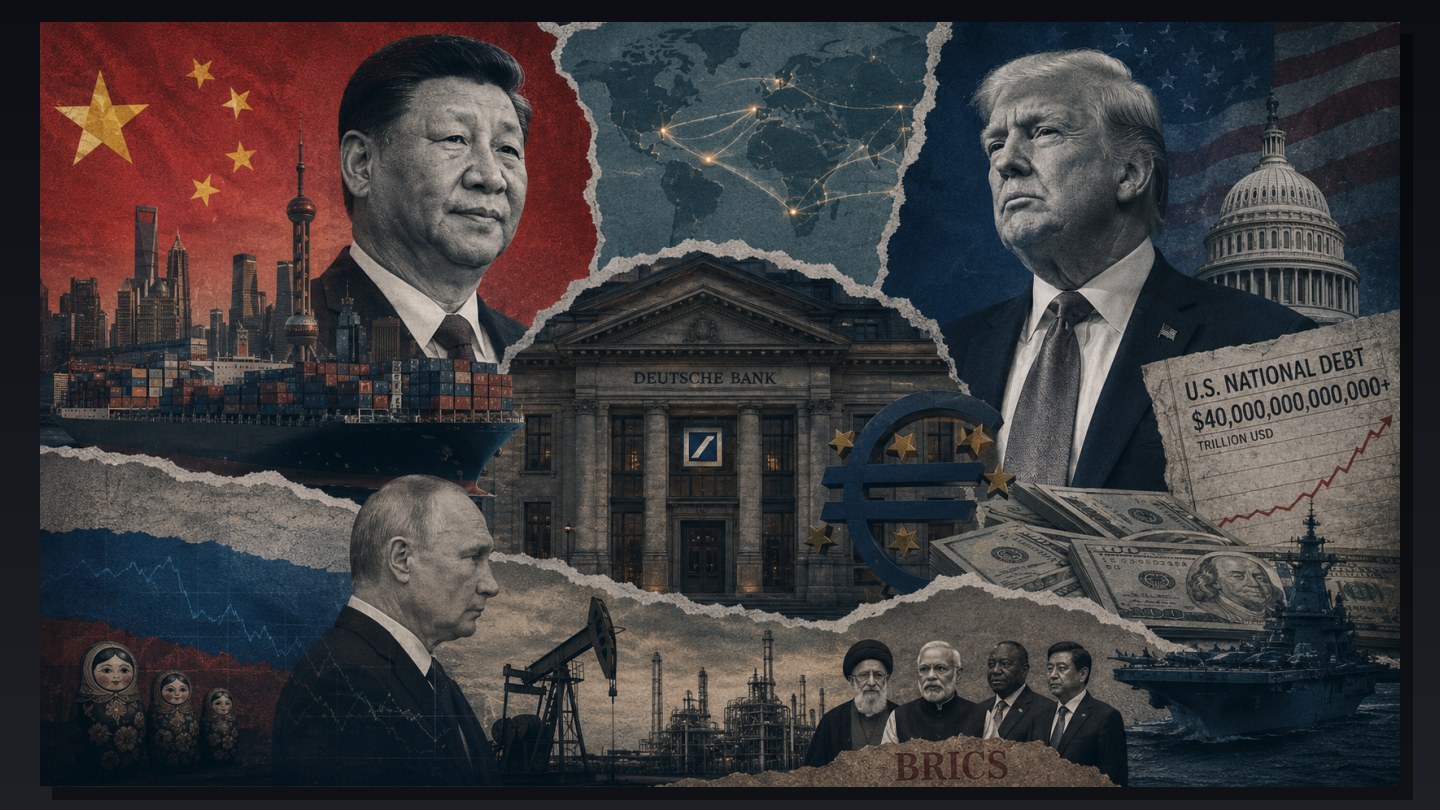
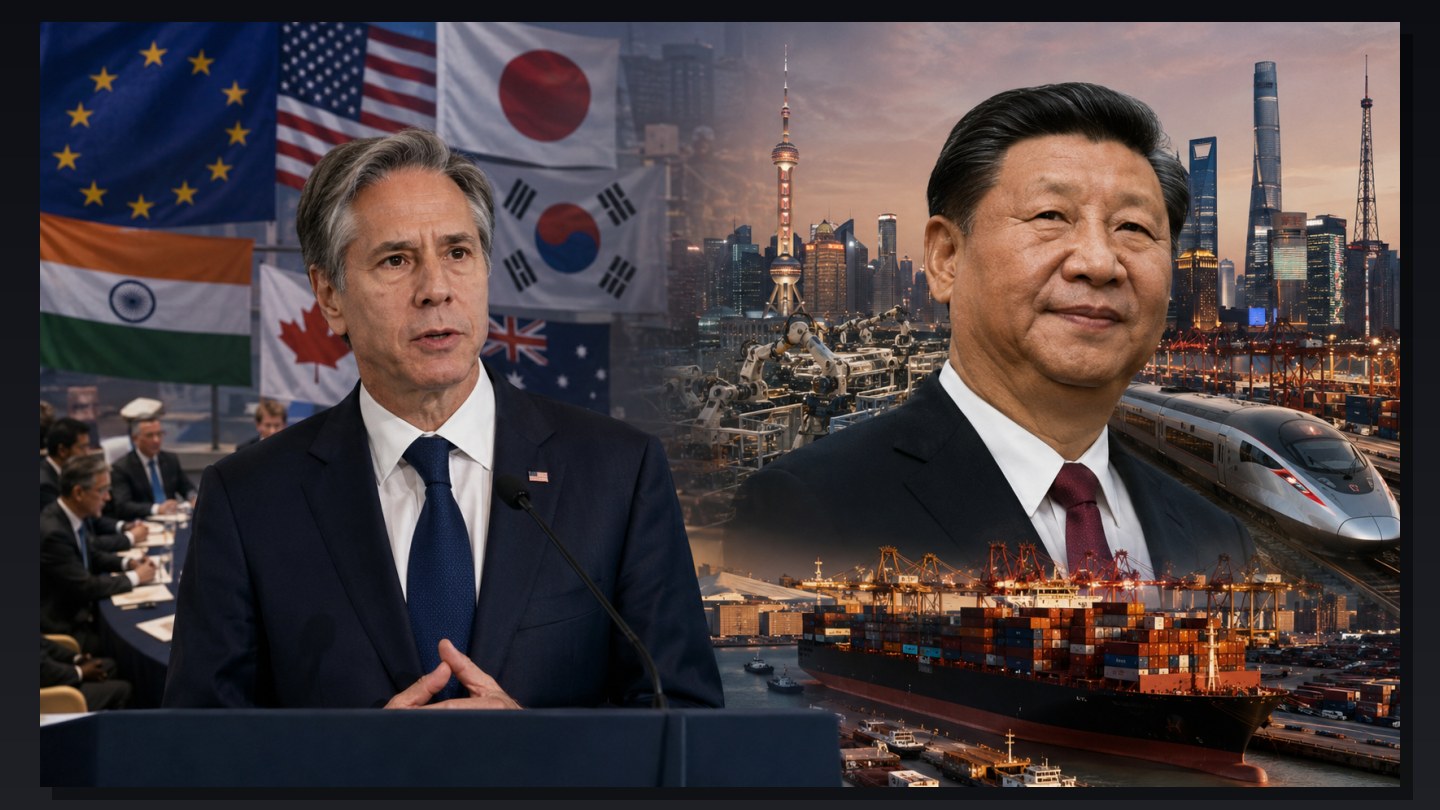
BRICS represents something far bigger than a collection of countries. The cooperation has become an expression of a world in which Washington can no longer define the rules of the game on its own. Brazil sits at the centre of this development. China is an economic giant. Russia, India and the other BRICS countries represent an alternative power structure that challenges the notion that the world’s political and economic centre of gravity must forever lie in Washington and with America’s closest allies.
Latin America should therefore not let itself be intimidated by American rhetoric about a military power no one can challenge.
The war against Iran has already shown why such boasting must be treated with great scepticism. Iran is militarily and economically far smaller than the United States, yet it has inflicted considerable costs on the American war machine. US authorities report a few American soldiers killed and more than 800 wounded — figures that are probably considerably higher. American bases have been hit. The war has cost tens of billions of dollars, and the Pentagon has had to deal with pressure on its stocks of advanced weapons and air-defence missiles.
The US was not knocked out. But the notion of a virtually invulnerable American military machine had a harsh encounter with reality.
That is an important point.
The world’s most expensive military is not the same as world domination. Aircraft carriers, bombers and enormous defence budgets provide tremendous military striking power, but they do not make the US omnipotent. Afghanistan should have taught Washington that. Iraq should have taught Washington that. Iran demonstrates once again how costly it becomes when political leaders believe technological superiority automatically means political victory.
Nor does Latin America consist of defenceless colonies.
Brazil, Mexico, Colombia and Chile are sovereign states. Several of them have already voiced opposition to the American use of force in Venezuela. They have populations, economies, resources and international connections that make it impossible to treat the whole continent as an American backyard without enormous political and economic consequences.
Washington also risks achieving the opposite of what it wants.
The harder the US pushes countries to keep them away from China, Russia and BRICS, the more attractive it may become to build alternative connections. Sanctions can create new trade routes. Threats can create new alliances. Military interference can make the desire for independence even stronger.
Chile knows its history. The US worked actively against Salvador Allende’s government before the 1973 coup and later supported the Pinochet regime. All of Latin America carries historical experience of American interventions, coups, covert operations and economic pressure.
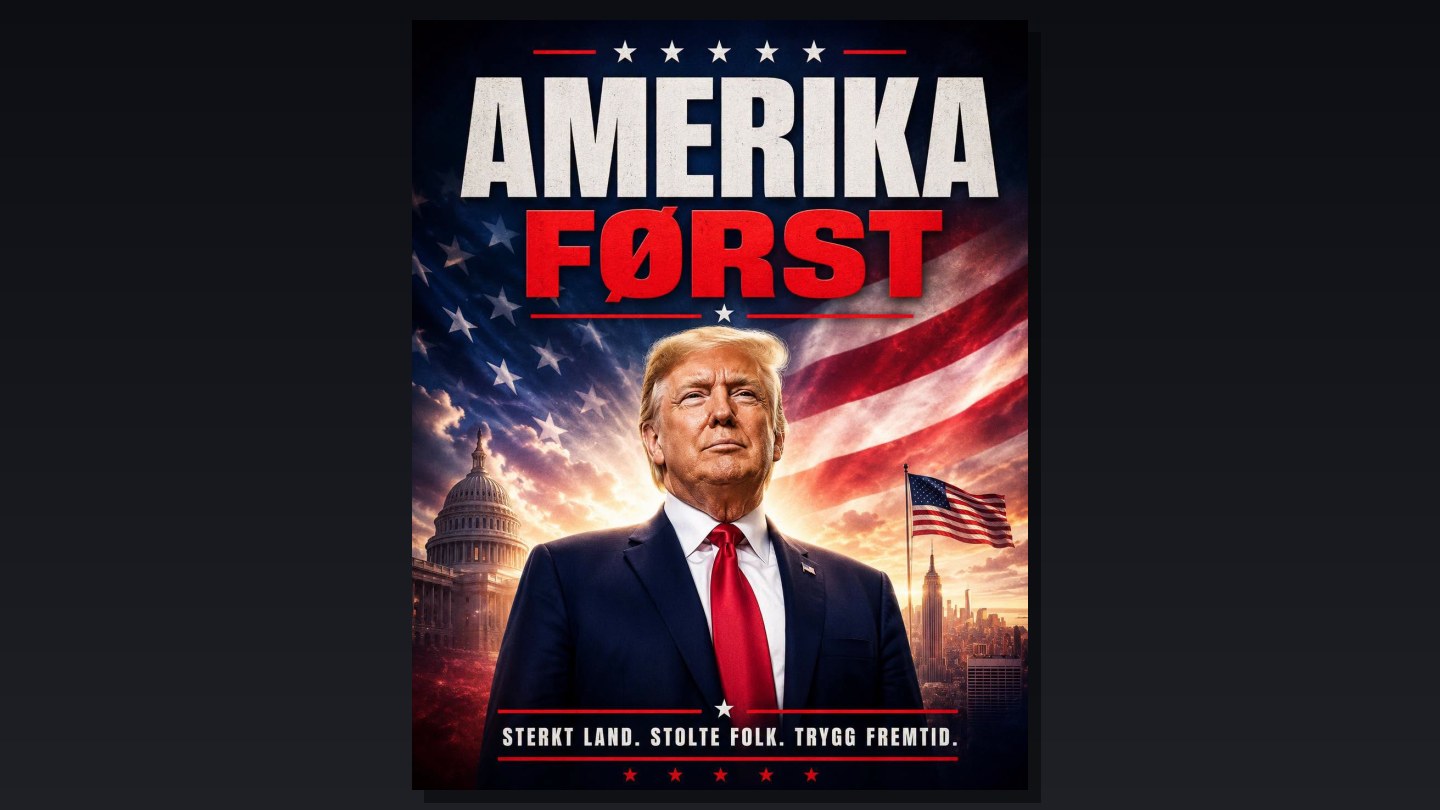
That is why the new Monroe Doctrine is so dangerous.
China shall not own Latin America. Russia shall not own Latin America. But that conclusion does not give the United States any right to do so either.
There is no God-given American right to Venezuela’s oil, Venezuela’s gold, Chile’s lithium or Brazil’s raw materials.
Nor is there any American world domination.
There is a great power with enormous military and economic capacity, but also with limitations that become ever clearer when it tries to impose its will far beyond its own borders.
Latin America therefore has no reason to kneel.
The continent’s countries can stand together on a far simpler principle: our countries, our resources, our trading partners, our future.
Washington does not rule Latin America.