Many scholars expected that nuclear weapons would make a direct clash between great powers unthinkable, and that any world war would be fought by proxy. That is the war we have.
The map of a world war
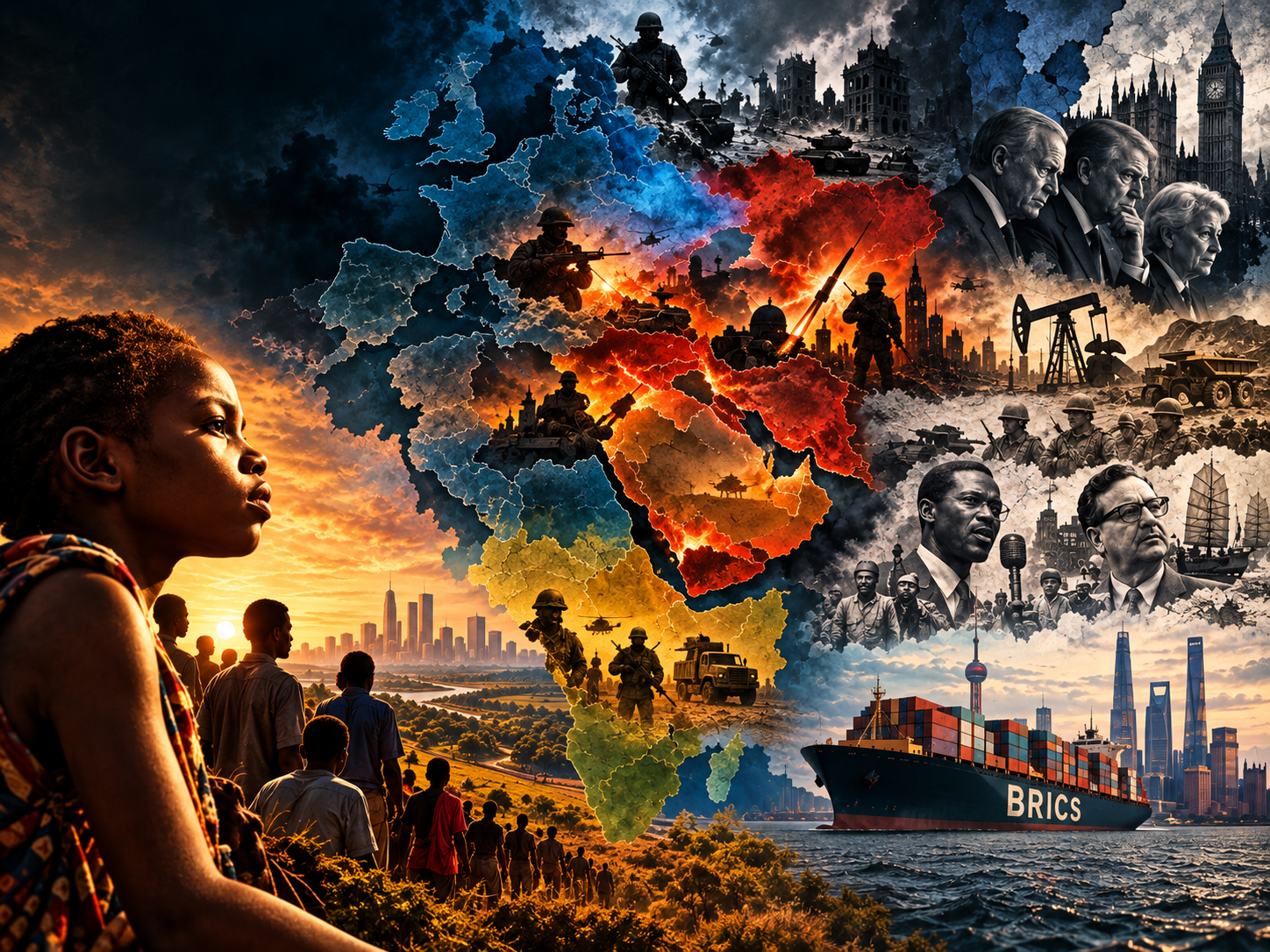
In West Asia, Saudi Arabia is fighting Yemen’s Ansarallah, widely regarded as an Iranian proxy. Israel is fighting Hezbollah in Lebanon and Hamas in Palestine. The United States and Iran are in open confrontation, as are Iran and Israel. There are skirmishes in Iraq and Syria, and reported Iranian strikes on US bases in Jordan, Bahrain and Kuwait, alongside attacks in Qatar and the UAE. Numerous West Asian countries are already touched by hot war.
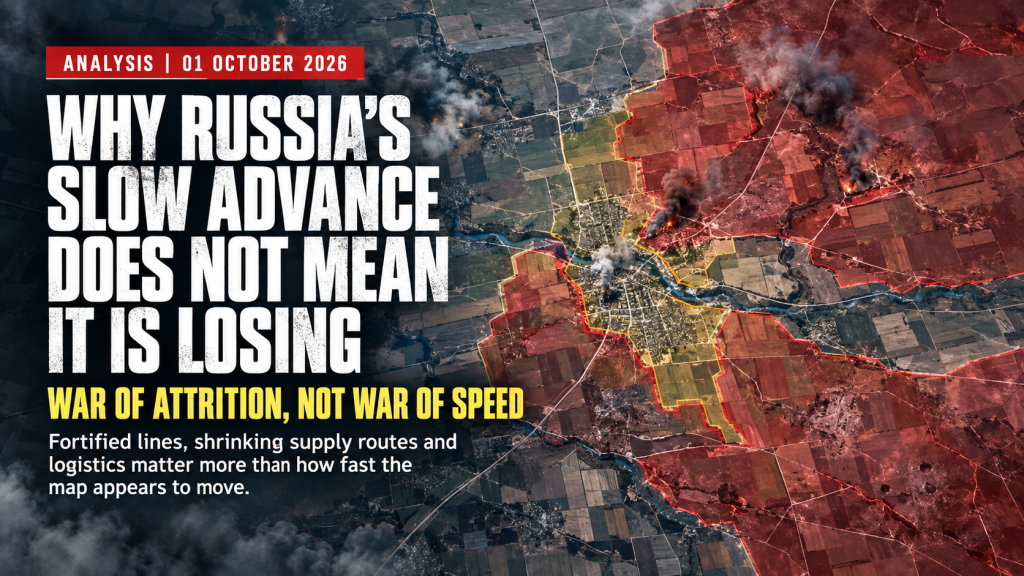
In Eastern Europe, Russia and the United States are fighting through Ukraine, which lets both avoid a nuclear confrontation.
In Africa, the Sahel states are fighting Islamist militant groups. Several of those governments accuse France of sustaining the militants as revenge for being expelled, along with the French companies that extracted the region’s resources.
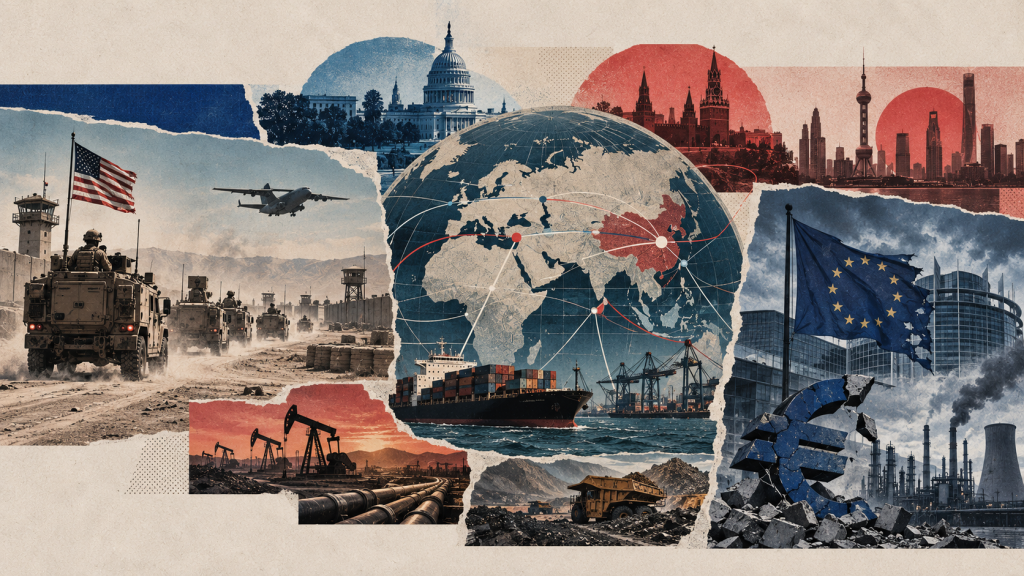
Taken together, this is a single global conflict that we have broken into separate stories.
Soft life versus freedom
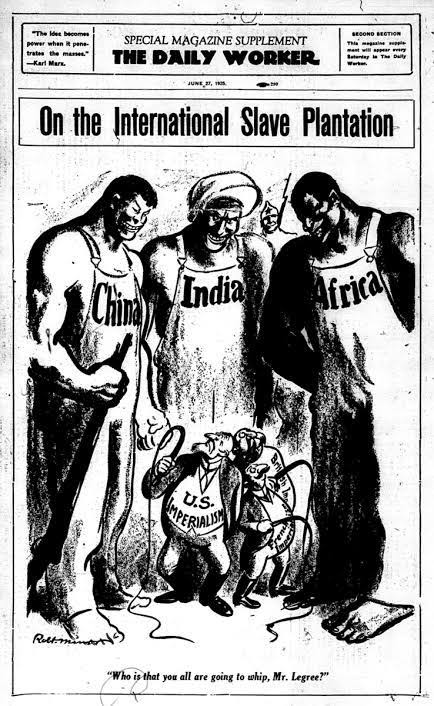
Underneath these wars is a contest over who gets to live comfortably. For roughly four hundred years, Europe built its wealth by taking resources from the rest of the world. Britain, in the same period, established settler societies in Canada, what became the United States, Australia and South Africa, and later facilitated Jewish settlement in Palestine. South Africa’s majority proved impossible to absorb, and the settler project there changed course. Palestine today is proving the same kind of obstacle.
After the Second World War, Britain was spent and passed the role of global hegemon to the United States, partly out of fear that the Soviet Union would fill the vacuum. The Cold War followed, and after the Soviet collapse came an American unipolar moment in which US military power guarded European companies extracting resources abroad.
Iran shows how this worked. When Iran moved to take control of its own oil, the British were pushed out, and Britain and America engineered the 1953 coup to restore the old order. Later, the US backed Saddam Hussein through the eight-year war on Iran, a war in which Iraq used chemical weapons against Iranian soldiers and civilians. Iran survived, and has lived under American sanctions and recurring European sanctions ever since.
Sanctions and military bases are how the soft life in the West has been maintained at the expense of everyone else. Countries that asked for a fairer share of their own land and resources were refused, and those that pressed the point paid for it. Congo and Cuba still do.
The turning point
The rise of BRICS, and the 2023 summit in particular, marked the point at which this order began to be openly challenged. Everyone on Earth is now touched by the war, directly or through prices. It will get worse before it gets better.
Europe’s problem
Europe understands that Russian and Iranian victories threaten its way of life. A system built on taking from everyone and leaving them with nothing cannot survive these wars.
Consider what the American position means. Washington wants to preserve its military presence in the Middle East, while Iran seeks to end it. If those bases go, Western companies lose the guarantee of protection that lets them operate. Europe must then renegotiate its contracts or leave. In a world without China, it might have renegotiated and stayed. But Europe has killed too many people in the global South, and the memory is long.
We have not forgotten that Patrice Lumumba’s body was dissolved in acid, and that only a tooth survived to be returned to his family. Chile has not forgotten the overthrow and death of Allende and what Pinochet brought. China has not forgotten being forced to accept British opium, and being bombed when it resisted.
Europe has no place in the world that is coming.
That is why Europe cannot afford a Russian military victory in Ukraine. When the war ends, European governments must face declining economies and explain to their voters what the investment in Ukraine bought. Without African resources and cheap Russian energy and fertiliser, Europe suffers.
The ending
The war will likely end with the US military leaving the global South, and with Western extraction companies leaving after it. It may take thirty years. But the outcome is already written in the stars.
Se og hør mer
Videoer, klipp og innslag knyttet til temaet.