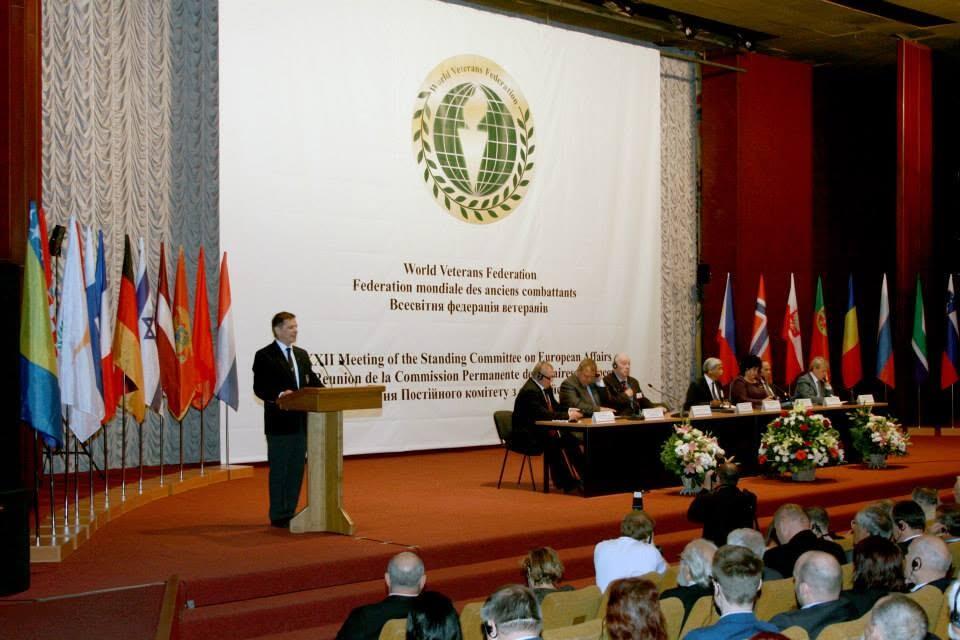
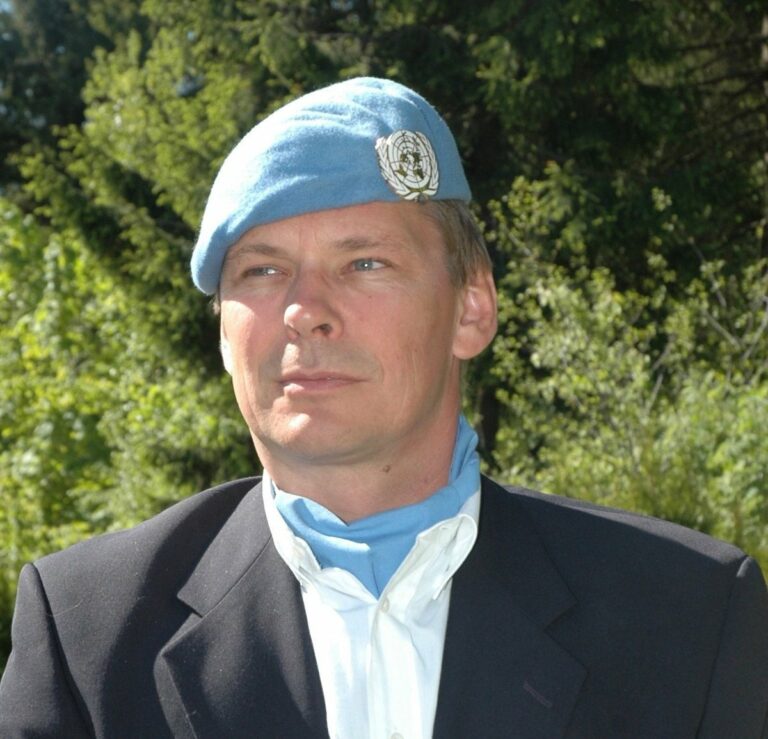
In 2011, I chaired a European veterans’ conference in Kyiv, Ukraine. Even then, we raised a question that today seems more relevant than ever. Was Europe in the process of forgetting its own history? Had we forgotten what happens when great powers push their security interests ever closer to each other’s borders?
At the time, I stressed the need to be wary of further NATO expansion. Not because I wanted a weak Europe, but because I feared that a policy without sufficient understanding of history could create new conflicts. As a former UN soldier and international veterans’ leader, I had seen what war does to people. I therefore believed that Europe’s security had to be built through dialogue and mutual respect, not through ever-new military dividing lines.
Fifteen years later, I have to ask: What did we actually learn from history?
Over the centuries, Russia has experienced devastating invasions from the west. Napoleon marched on Moscow in 1812, and Hitler’s armies attacked the Soviet Union in 1941. The territories that today make up Ukraine have repeatedly been a battlefield for European great powers. Millions of people lost their lives during the Second World War, and the memories still live strongly in Russian society and security thinking.
This naturally gives no one the right to invade Ukraine. But if we refuse to understand how historical experiences shape Russian security policy, we make ourselves incapable of understanding the background to the conflict.
After the collapse of the Soviet Union, Europe had a historic opportunity. The Warsaw Pact had been dissolved, the Cold War was over and the possibility of a new European security order lay open. Nevertheless, NATO continued its expansion eastward.
When Europe chose NATO expansion over a common security order
For the Eastern European countries, membership was about protection from Russian dominance. For Russia, the development was perceived as an ever-greater military threat. It was precisely this contradiction that I believed we had to take seriously at the veterans’ conference in Kyiv in 2011.
As early as 2008, NATO had declared that Ukraine and Georgia would one day become members. Was this really a wise decision? Had anyone considered what long-term consequences it could have for Europe’s security?
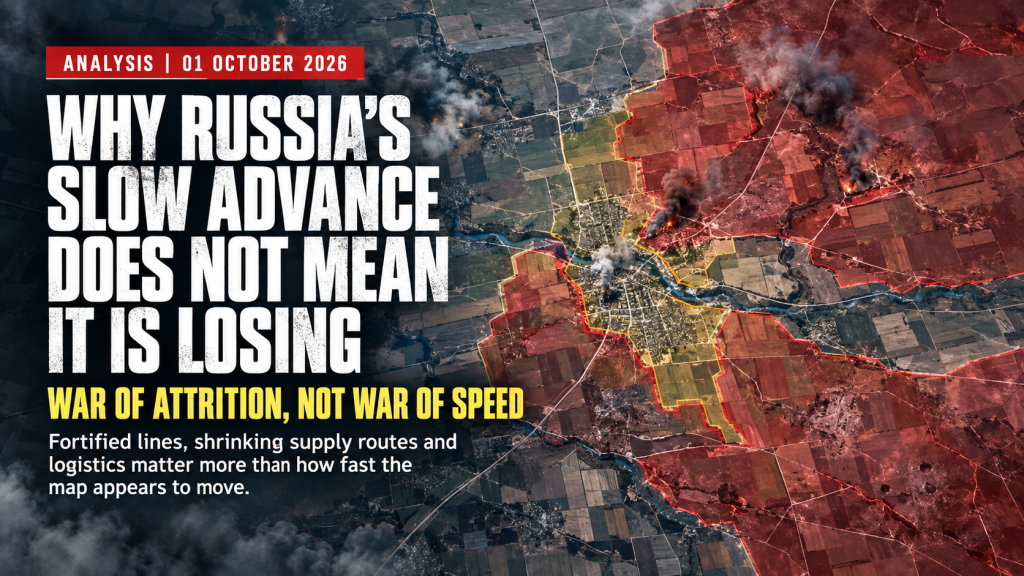
Then came 2014. The protests on the Maidan, the fall of the president, Russia’s annexation of Crimea and the war in Donbas. Ukraine became the centre of an increasingly dangerous conflict between Russian and Western security interests. At the same time, Ukrainians’ own right to decide their country’s future came under enormous pressure.
The Minsk agreements were supposed to bring peace, but failed. Trust disappeared, and diplomatic opportunities were lost. In February 2022, the war that began in 2014 escalated dramatically when Russia launched its full-scale invasion.
In the spring of 2022, Russian and Ukrainian negotiators met in Istanbul. Neutrality, security guarantees and possible solutions were discussed. The negotiations did not succeed. There is still disagreement about why they broke down.
But why were diplomatic solutions not given even greater attention? How many people could have been spared suffering if the negotiations had succeeded?
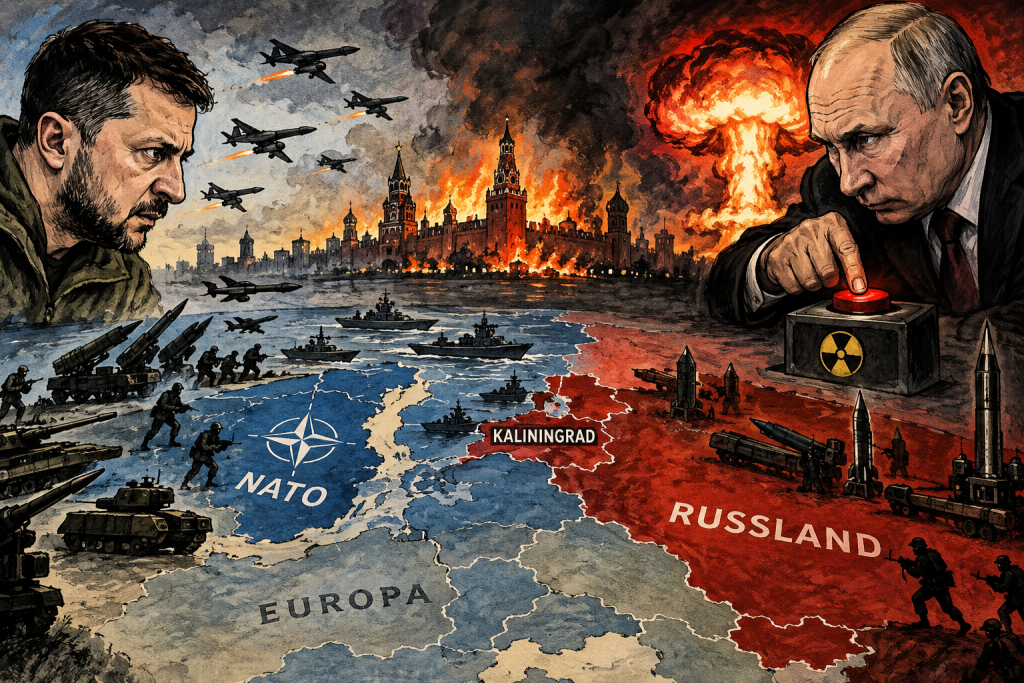
Today, European leaders talk more and more about rearmament, weapons production, military threats and the need to prepare the population for war. Peace is mentioned, but far too rarely discussed as a concrete political process.
I find this development deeply worrying.
As a UN veteran from Lebanon in 1978, and through my international work with veterans, I have met people who have paid the real price for political misjudgements. War is not a game of strategy. It is broken families, traumatised soldiers, dead children and communities that may take generations to rebuild.
That is why my thoughts return to the veterans’ conference in Kyiv in 2011. We discussed the importance of preserving the lessons of history. I warned that further NATO expansion could contribute to new tensions. Not because war was inevitable, but because peace requires political wisdom and the ability to understand the fears of the other side as well.
This does not mean that Russia can be absolved of responsibility for its own actions. But it does mean that Europe’s leaders must also dare to examine their own decisions.
Norway should be among the countries working for a new European security dialogue. We should be asking how we can reduce confrontation rather than simply preparing for it to grow.
I warned against this development in Kyiv in 2011. Today, I wish my concerns had proved unfounded.
For the most tragic thing about history is not that people make mistakes. It is that we keep repeating them, even when we know the consequences.
Peace is not created by forgetting history. Peace is created by learning from it.