This way, they avoid the difficult questions.
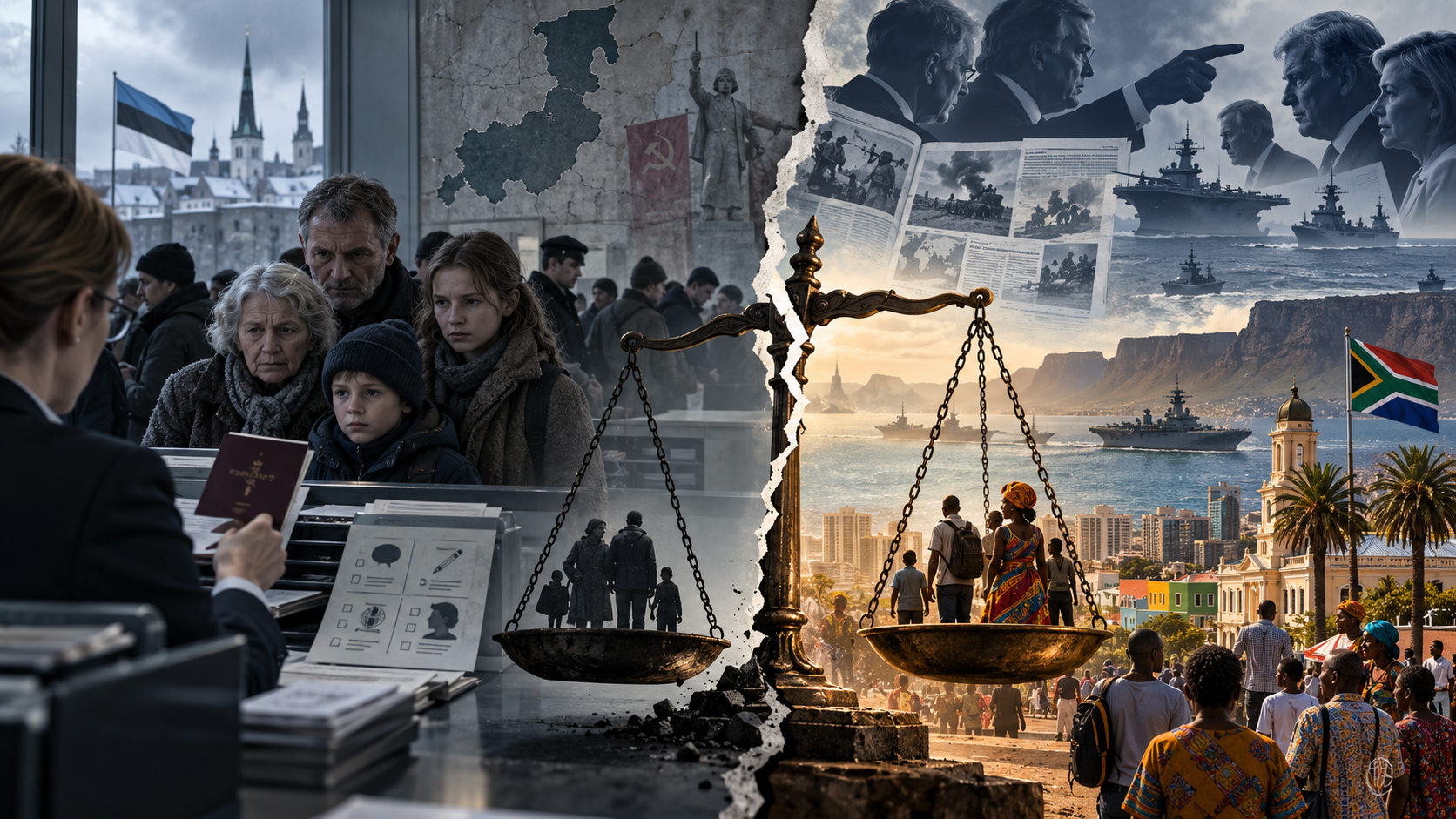
Let’s take Estonia for example.
For context (especially to my African friends) Soviet Union was one huge territory that was basically one country. People moved freely and could reside anywhere in USSR. So Russians moved around and settled anywhere in USSR.
The Soviet collapse. When USSR collapsed and new countries emerged, many Russians found themselves in these new countries.
Some where in Moldova, Ukraine, Georgia, Estonia and so on. Now these new countries immediately made laws to govern their countries post Soviet era.
Some countries advocated for one language policy. Estonia is one of them. In Estonia, if you are Russian and want citizenship, you write an Estonian language proficiency exam.
If you fail, you are not granted citizenship. Some countries took this further, in Ukraine, Russian is totally banned now since I think 2019 or 2022. But Ukraine tried to ban it since 2014 after the US backed coup.
I’m South African. We have our native language(s). And we also have English and Afrikaans as official languages. Afrikaans is an offshoot of Dutch.
If we use Estonian standards, we can say all descendants of British and Dutch settlers needs to write an exam in Zulu (one of the most spoken native languages) or write in any language dominated in the province (state) they reside in, and if they fail, they are not granted South African citizenship.
I can promise you that if that law would be passed today, tomorrow every publication in the west will be writing about it saying it’s ethnic cleansing. Next week, US aircraft carriers would be patrolling our waters.
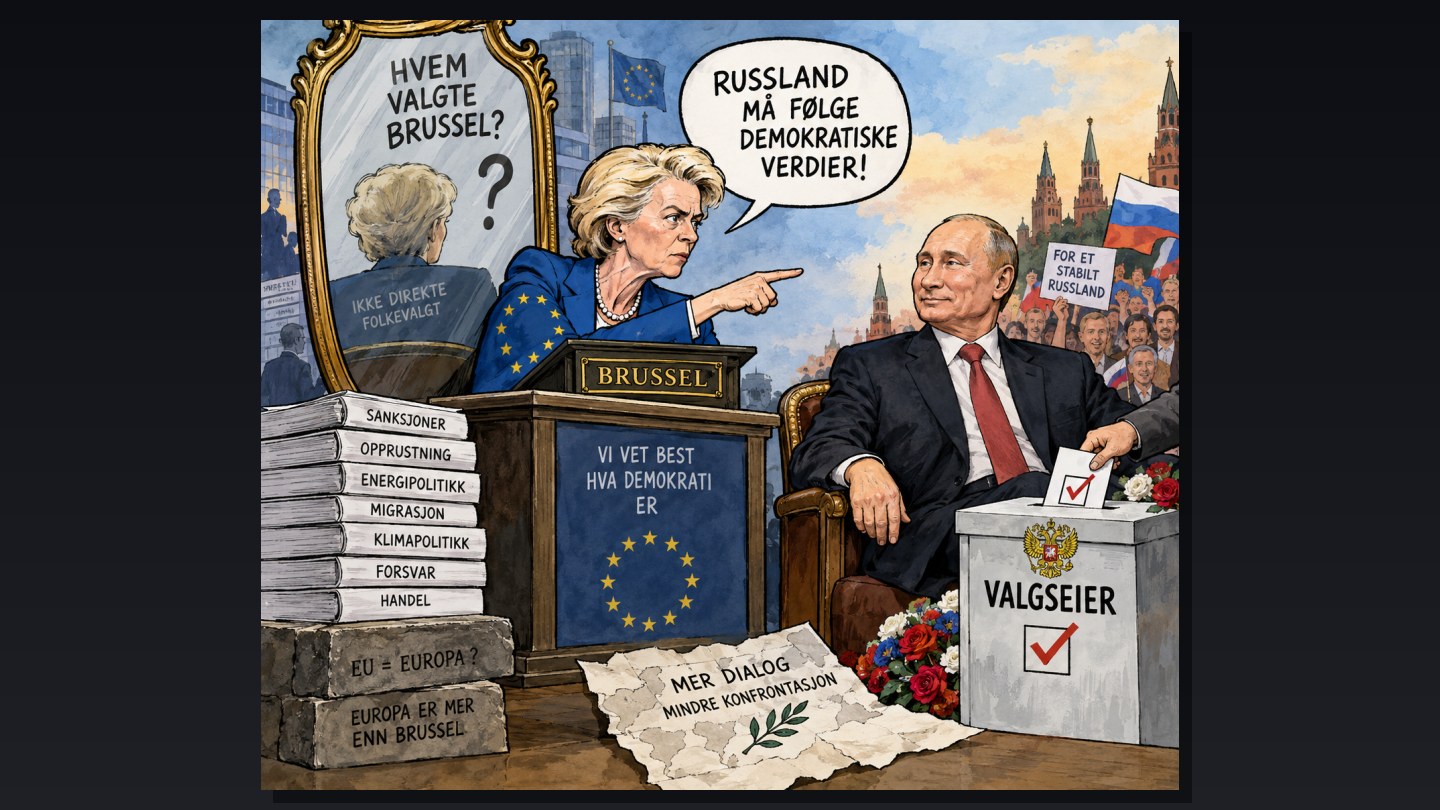
So what I notice is that because the west cannot argue real facts as they know their hypocrisy, it’s easier to say it’s “Russian propaganda” and close the argument than having to face facts that double standards are applied.
They will tell you Russia has imperial ambitions without telling you the harsh realities Russians face in those countries that popped up in 1991.