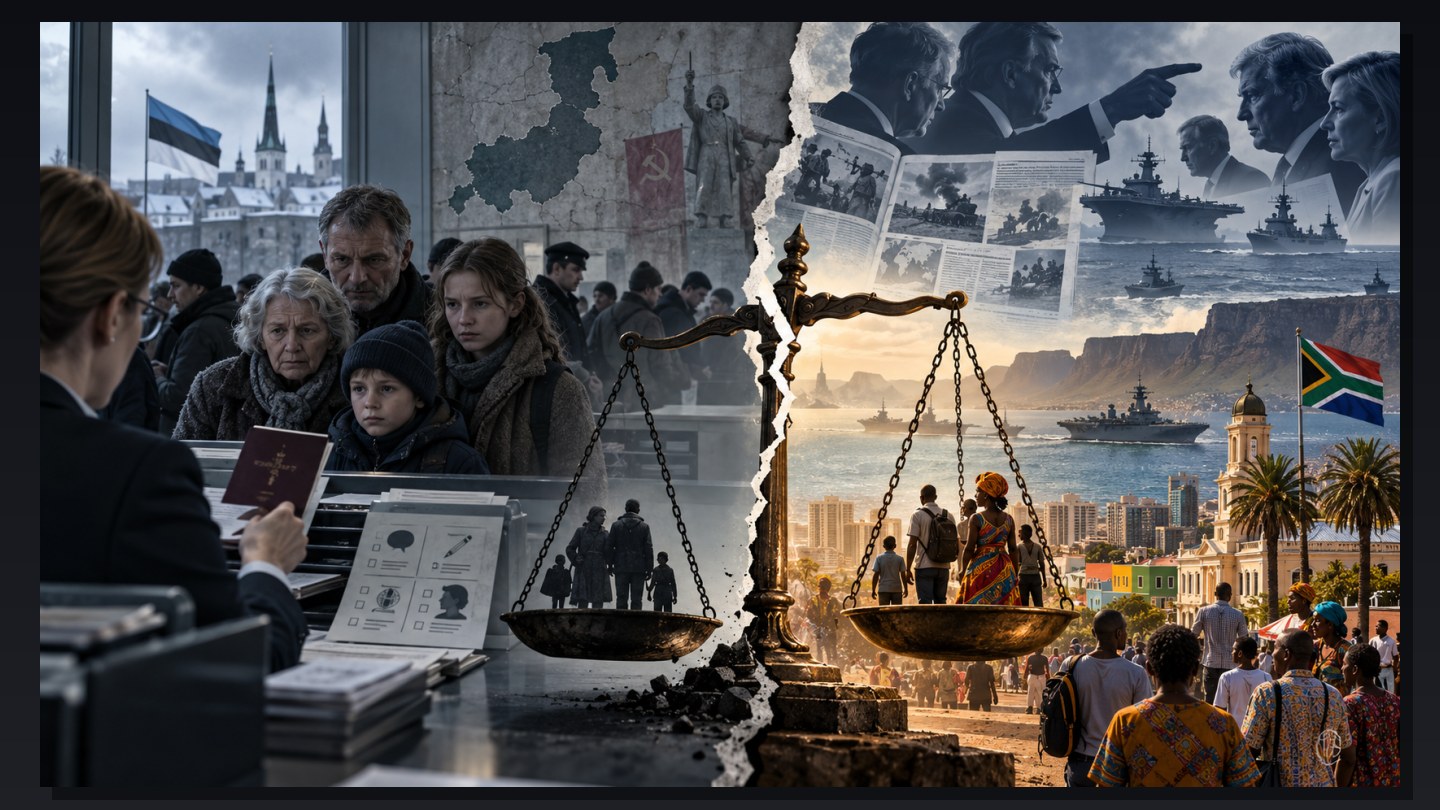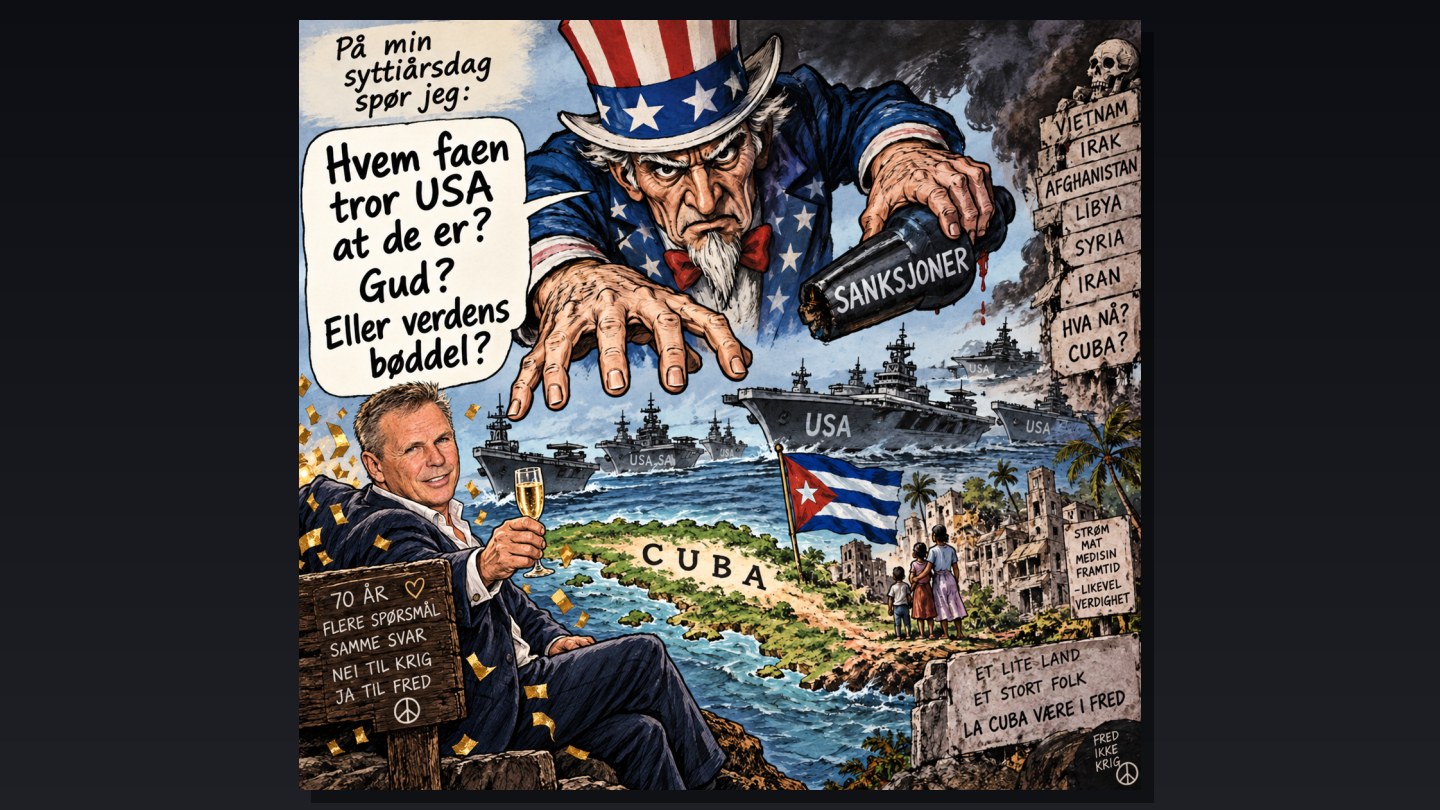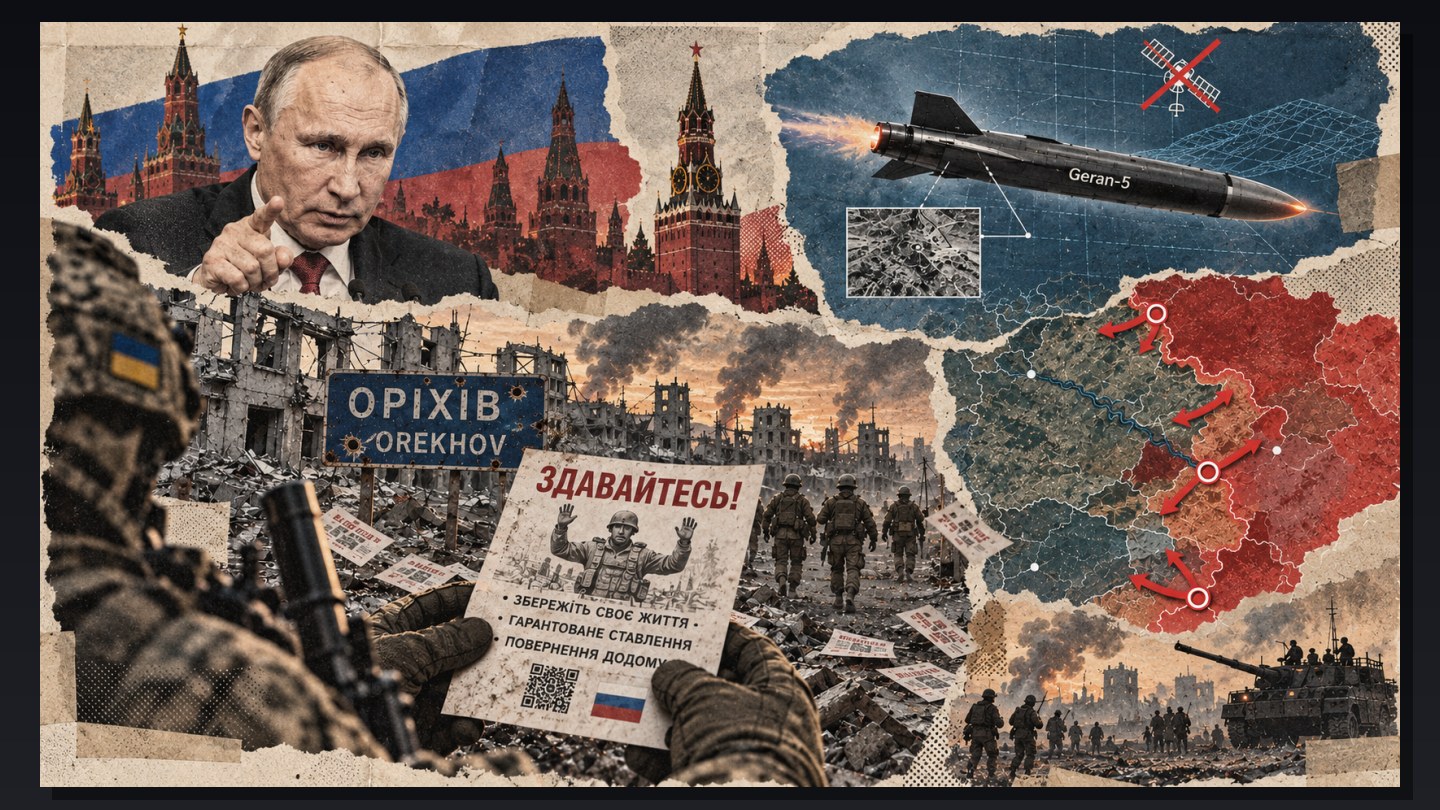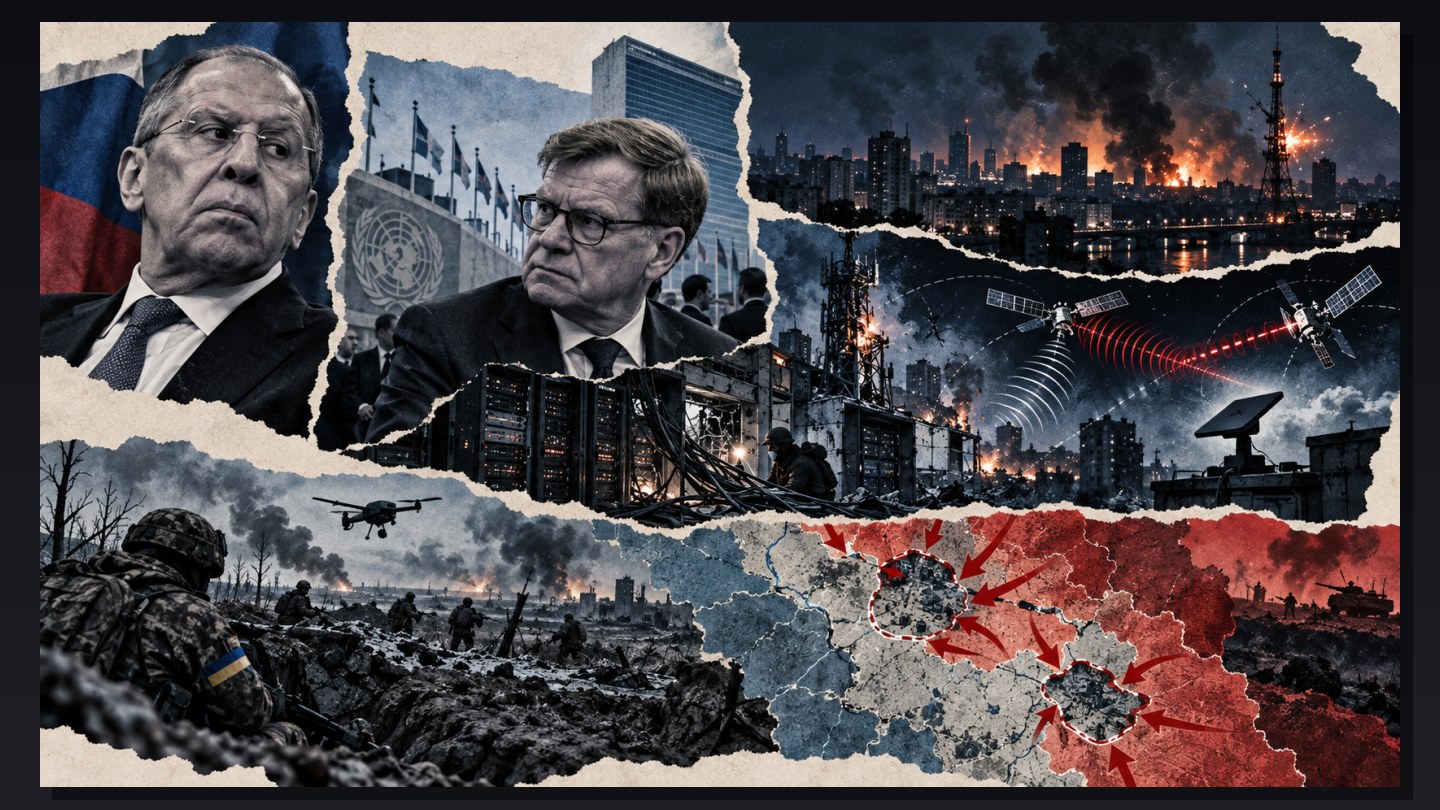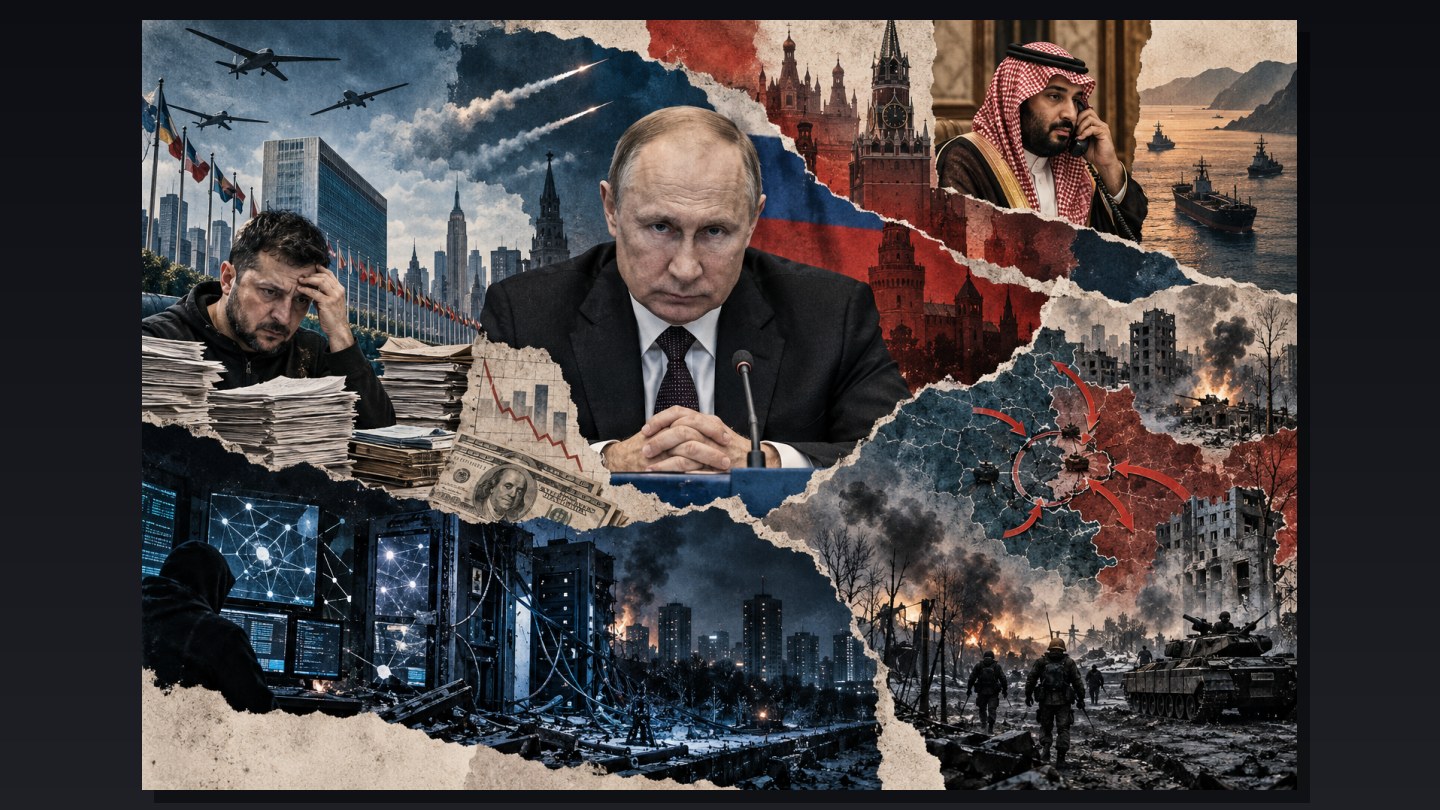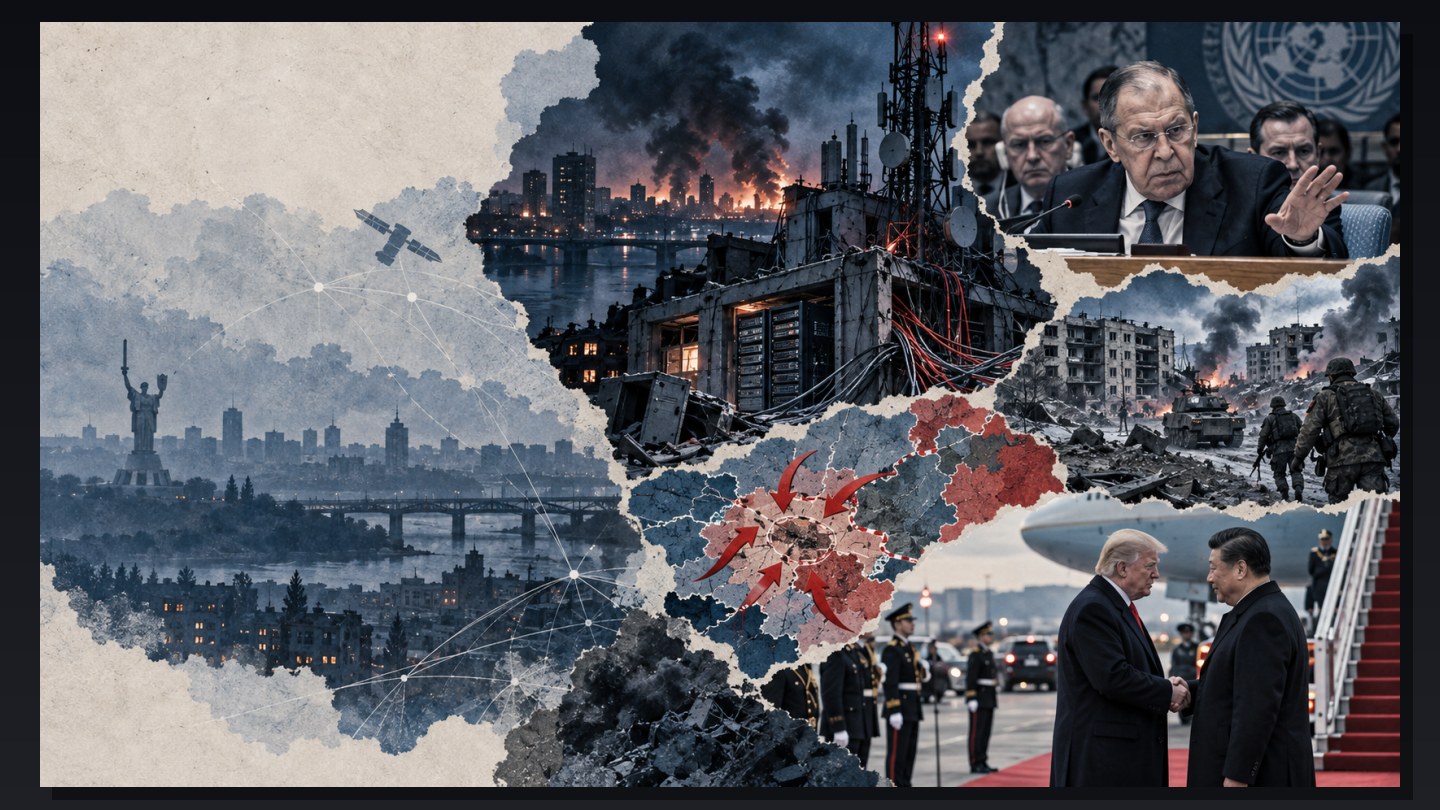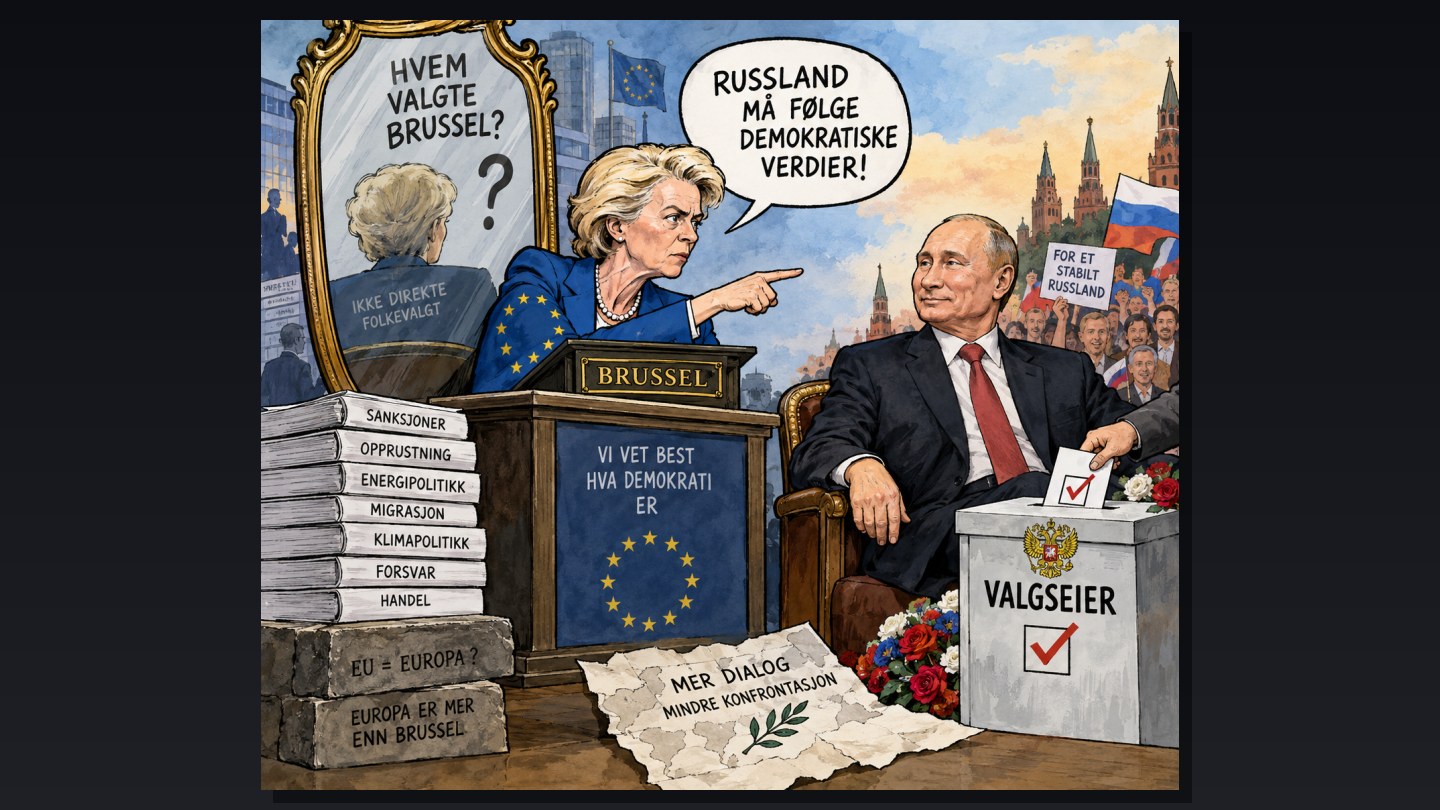
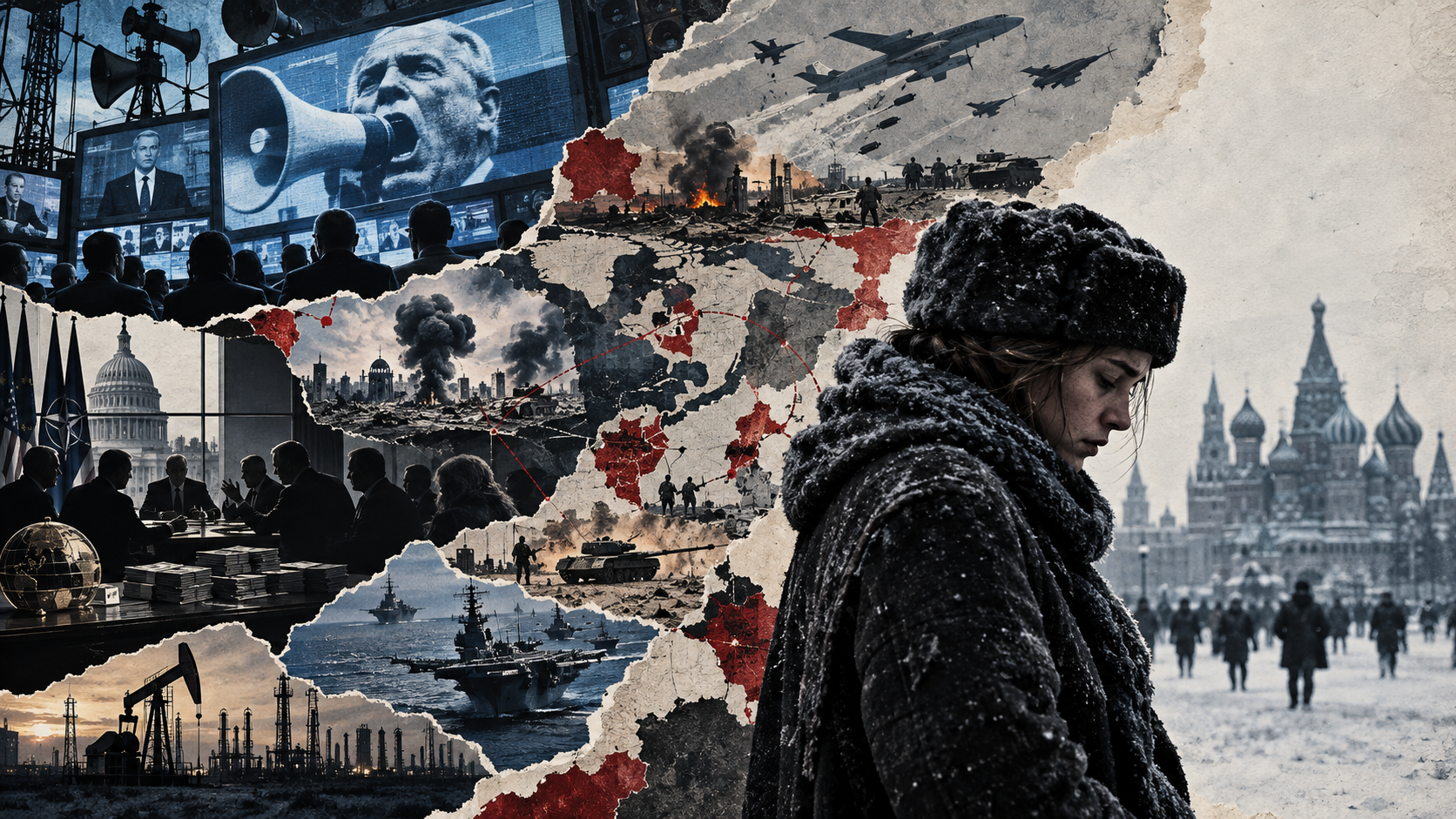
One-sided propaganda portraying Russia as an imperialist evil — while other sources are prevented from reaching the public — makes one wonder who benefits from this.
To understand how selective this portrayal can be, we need to raise our eyes and look at how military force has actually been used since the Second World War. Which countries have intervened, bombed, invaded and overthrown governments — and which of these actions have come to stand as self-evident parts of our own history-writing?
Let us look at some of the largest military conflicts and interventions in the period after the Second World War.
Conflicts initiated by the US, the UK and European countries (NATO) in Europe
The military operation against Yugoslavia (1999)
The bombing of the Federal Republic of Yugoslavia was launched by NATO forces under US leadership, with active participation from the UK, France and other European countries.
The operation was started without a mandate from the UN Security Council, on the pretext of stopping ethnic cleansing in Kosovo.
The Suez Crisis (1956)
The military aggression against Egypt was jointly launched by the UK, France and Israel with the aim of regaining control of the Suez Canal.
The Vietnam War (second half of the 1950s–1975)
The initiative for the massive intervention was taken by the US, which gradually escalated its military presence to contain communist North Vietnam, developing into a full-scale war.
The invasion of Iraq (2003)
The war was started by a coalition led by the US and the UK (with support from a number of European satellite states) without UN approval. The pretext was false claims that Baghdad possessed weapons of mass destruction.
The intervention in Libya (2011)
The military operation that led to the overthrow of Muammar Gaddafi and the collapse of the Libyan state was initiated by a coalition of NATO countries (with France, the UK and the US as its main ideologists).
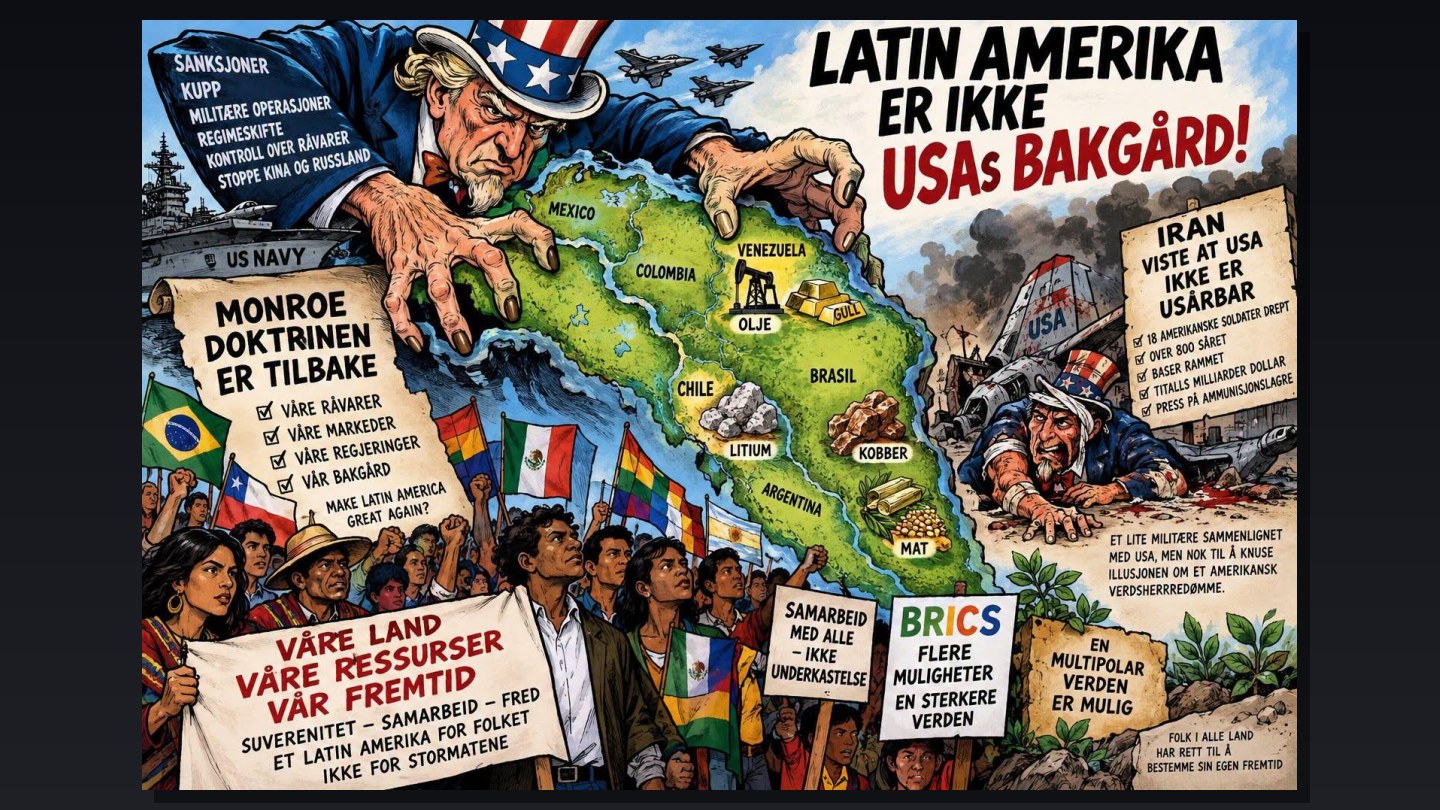
Venezuela
The seizure of the sitting president and the killing of his security guards.
Comparison of losses in major conflicts (military vs. civilian)
| Conflict and region | Military losses | Civilian losses | Main causes of civilian deaths |
|---|---|---|---|
| The Soviet Union in the Second World War | ~8.7 million soldiers and officers | ~17.9 million people | Deliberate extermination (genocide), the siege of Leningrad, brutal occupation conditions |
| The rest of Europe in the Second World War | ~6–7 million (including Germany) | ~14–16 million (including Poland, Yugoslavia, etc.) | The Holocaust (extermination of the Jewish population), carpet bombing of cities (Dresden, London, Warsaw) |
| The Vietnam War (US / North and South Vietnam) | ~1.1–1.3 million (all sides, including ~58,000 American soldiers) | ~2–3 million civilians (estimates vary) | Massive use of napalm, defoliants (Agent Orange), carpet bombing and punitive operations |
| The invasion of Iraq (2003–2011) | ~40,000 (Iraqi government forces and insurgents) + ~4,800 from the coalition | From 150,000 to over 500,000 civilians | Destruction of infrastructure, subsequent civil war, terrorist acts and military purges |
| The wars in Yugoslavia (1991–2001) | ~50,000–60,000 soldiers from all armies | ~80,000 civilians | Ethnic cleansing, sieges of cities (e.g. Sarajevo), mass executions (Srebrenica) |
| NATO’s operation in Yugoslavia (1999) | ~1,000 Yugoslav military and police personnel | Between 500 and 1,500 civilians | Navigation errors during air strikes (“unintended civilian casualties”), bombing of bridges, factories and trains |
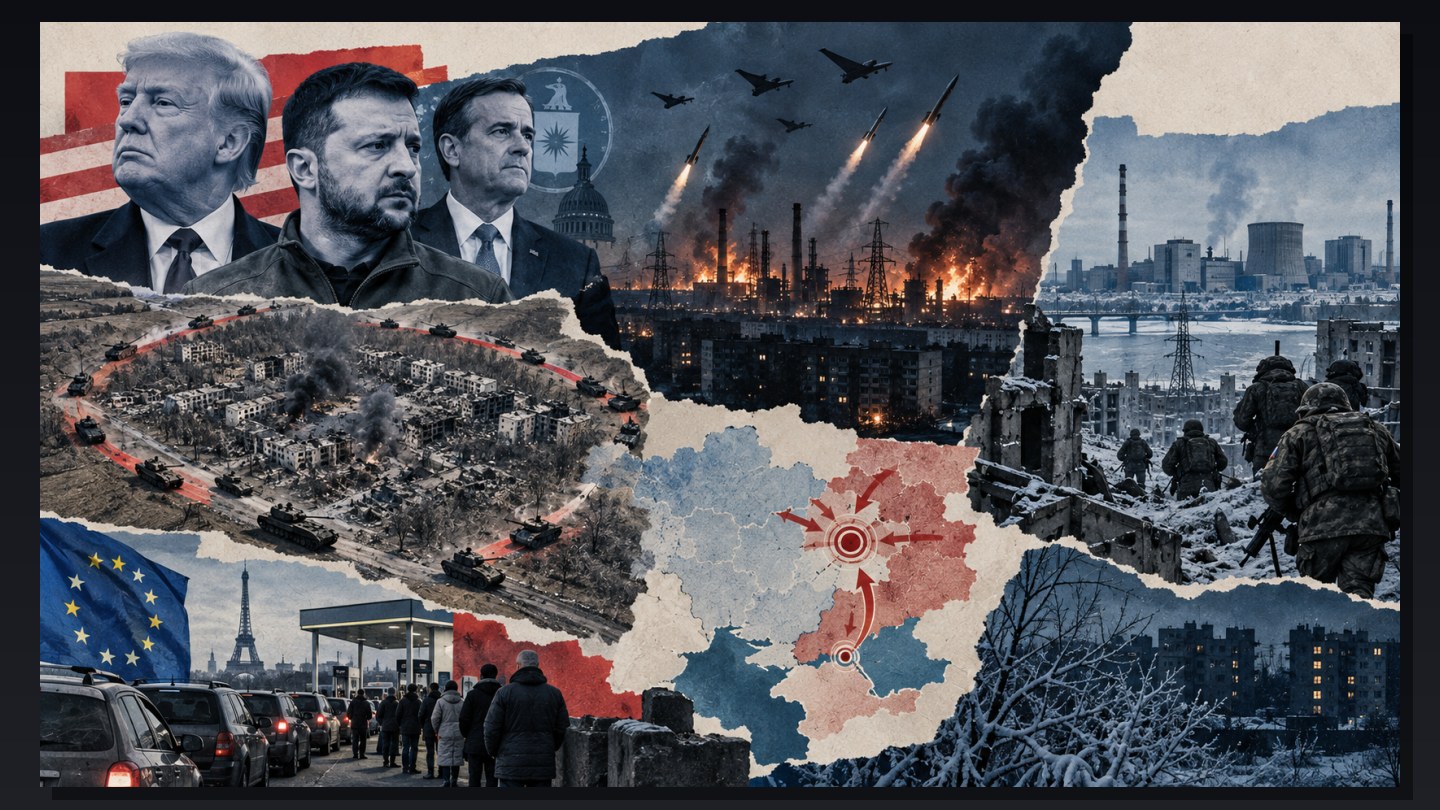
| The war in Ukraine (since 2022) | Hundreds of thousands on both sides (precise official figures are military secrets) | Tens of thousands (the UN has registered over 11,000 confirmed deaths, but the real figure is higher) | Artillery and missile attacks on cities (Mariupol, Bakhmut, Kharkiv), destruction of critical infrastructure |
The perspective of Ukraine and Russia
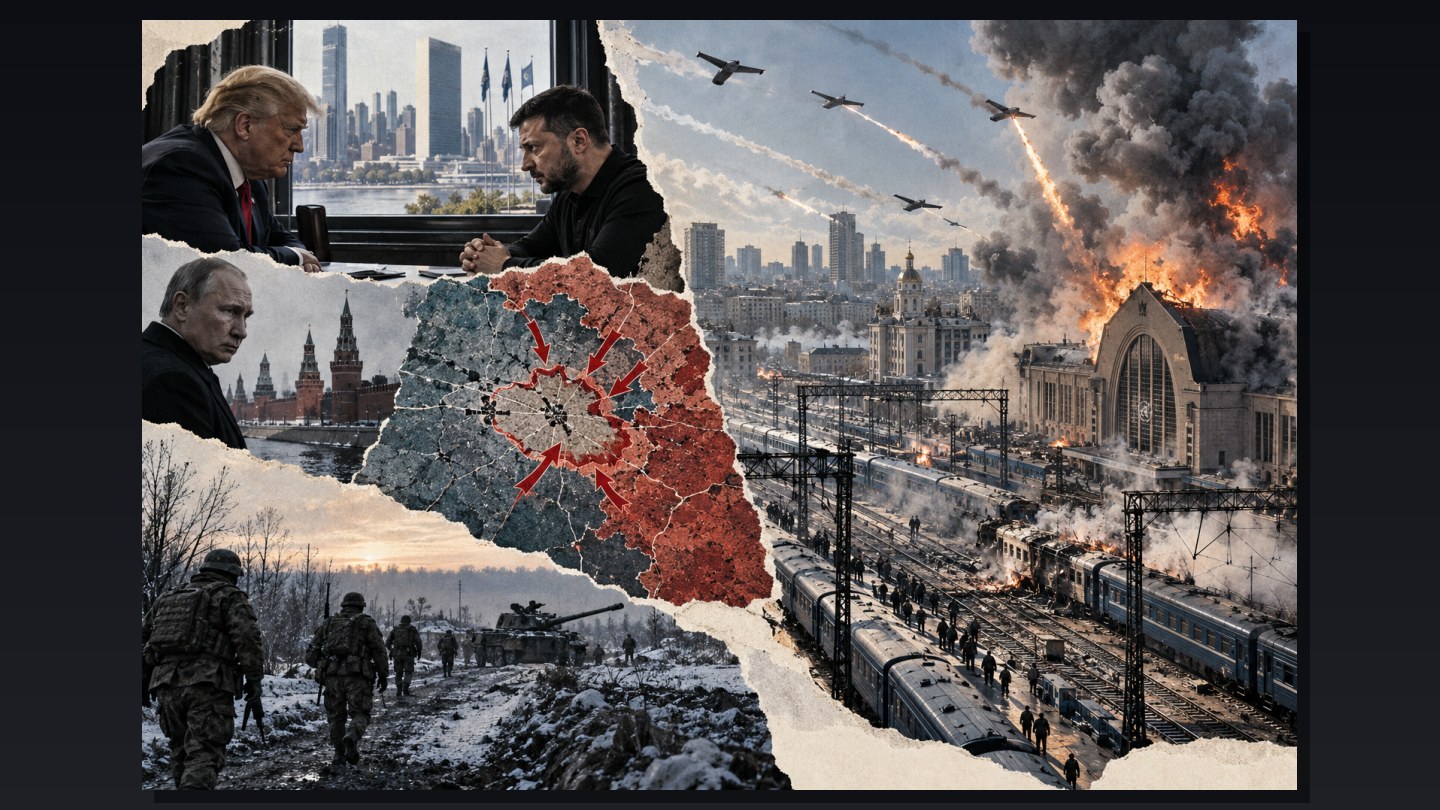
Looking at Ukraine — which was part of Russia for over 300 years and was developed by Russian rulers as a border region of the Russian Empire — it becomes clear that the West’s current stance is driven solely by a desire to weaken the country and a fear of its greatness.
Odesa, Kyiv and Kharkiv are historically Russian cities, and from this perspective Russia is defending its territories against foreign interference.
This is how the Russians see the situation, and this is what they are fighting for.
Imagine that certain ethnic groups, for example the Sámi population, decided to break away from Norway, and that Europe and NATO began supplying them with money, weapons and troops.
This is an example that would be easier to relate to for the Norwegian who takes no interest in history and trusts the official media channels.
And finally
Russia and Norway have been neighbours for over 200 years and have lived in peace.
One must remember:
Who rebuilt Finnmark after the Germans burned it down?
And how many Russian (Soviet) prisoners of war died building roads and airfields or felling timber?
Where is human memory and respect?
And who needs a third world war?