The contrast is becoming absurd.
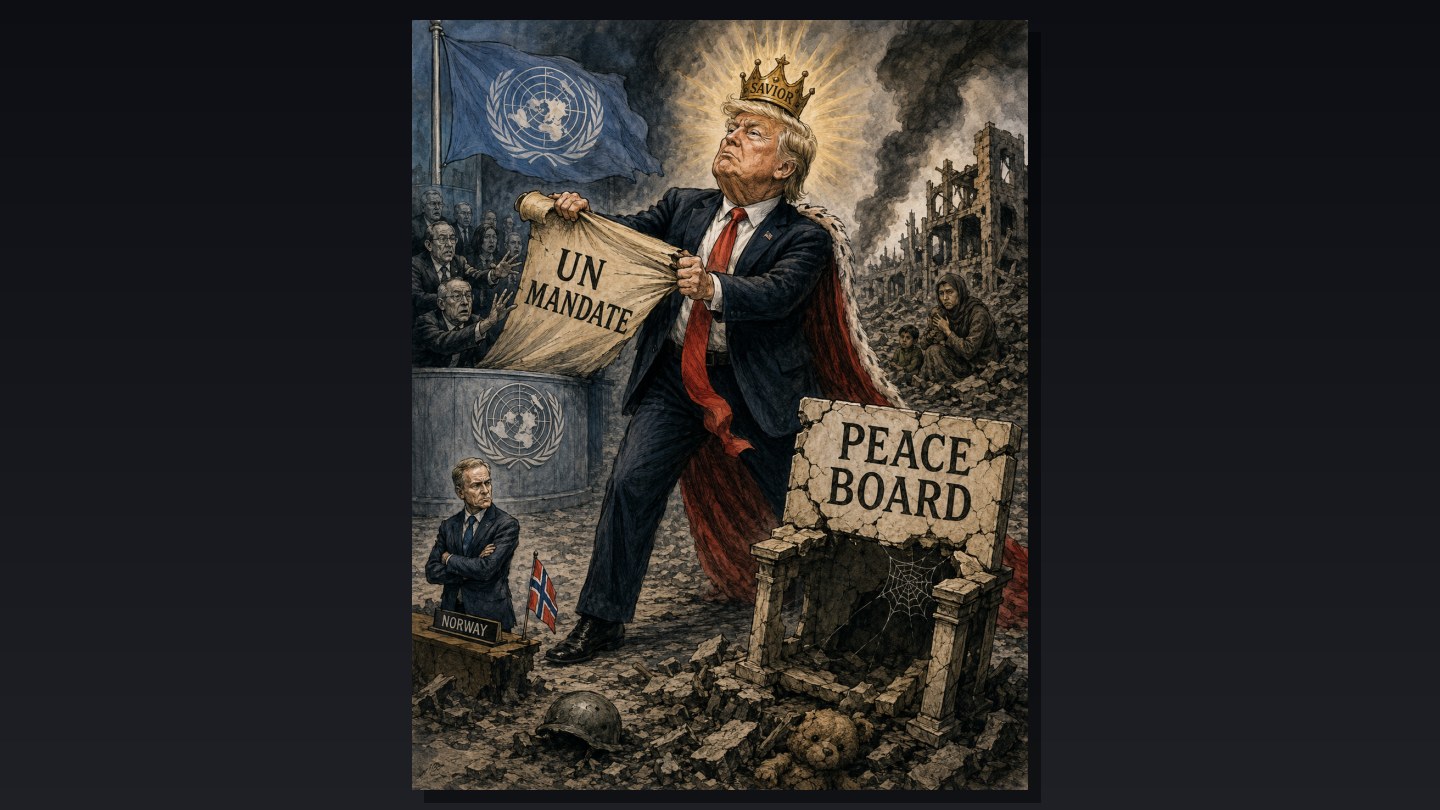
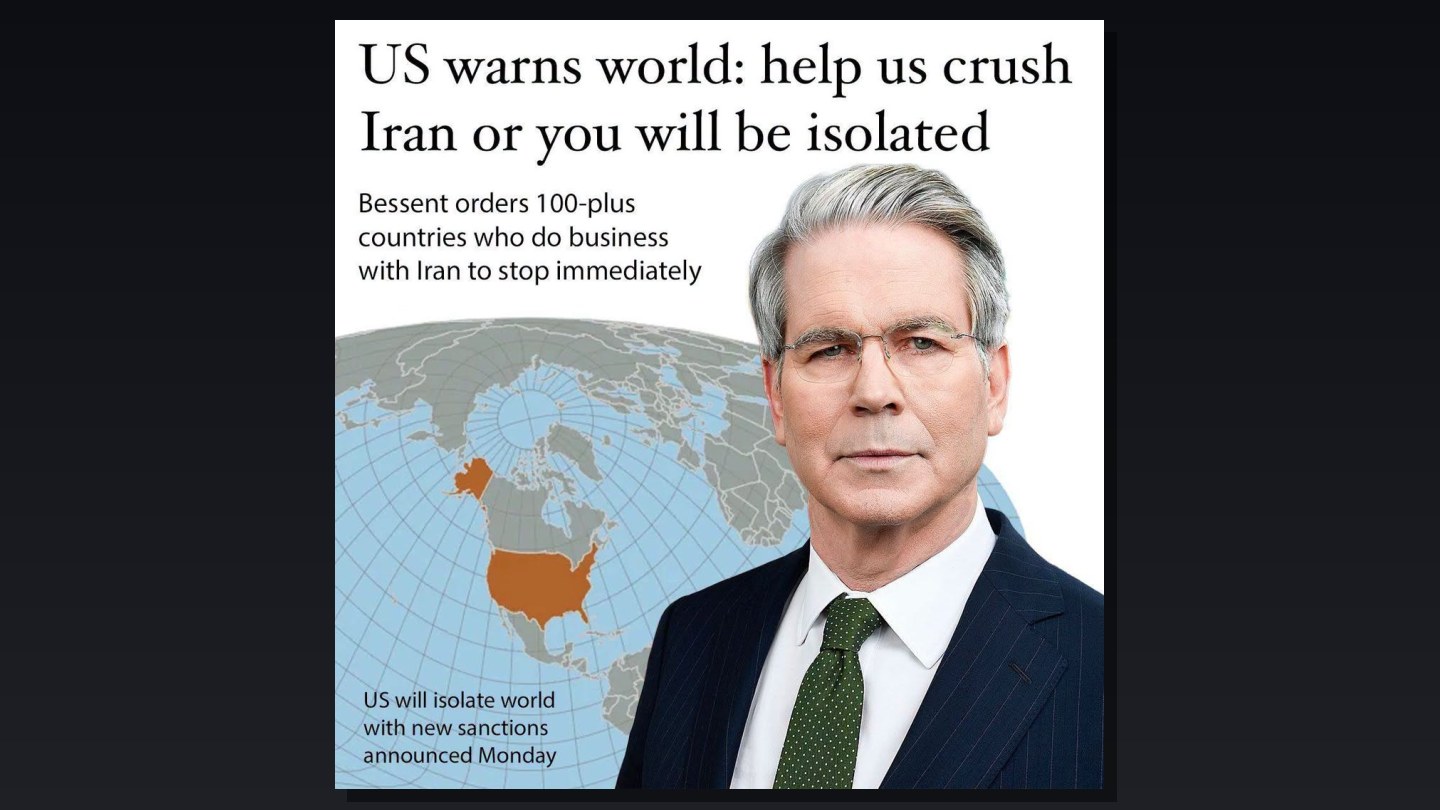
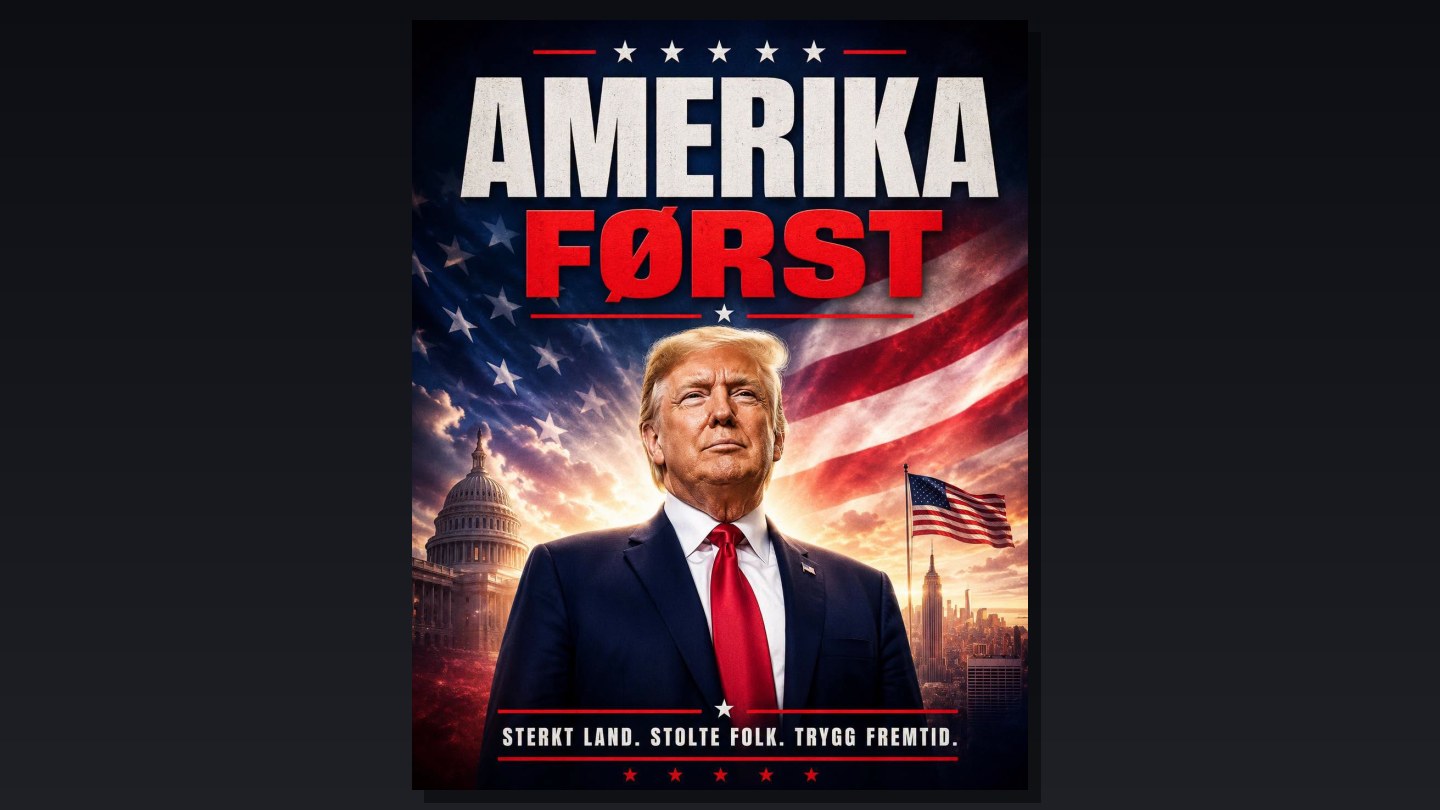
Donald Trump’s speech made this absurdity almost complete. The US president used the UN rostrum to talk about America’s sovereign military strength and warned that the United States could obliterate Iran if there is no peace agreement.
Think about how insane this really is. The president of the world’s most powerful military power stands in the building created to prevent another world war and talks about the possible obliteration of another state. I find the speech bizarre, but Trump is not the disease itself. He is rather a brutal symptom of a world order in which the great powers increasingly believe that their own military strength gives them a special right to define the rules of the game.
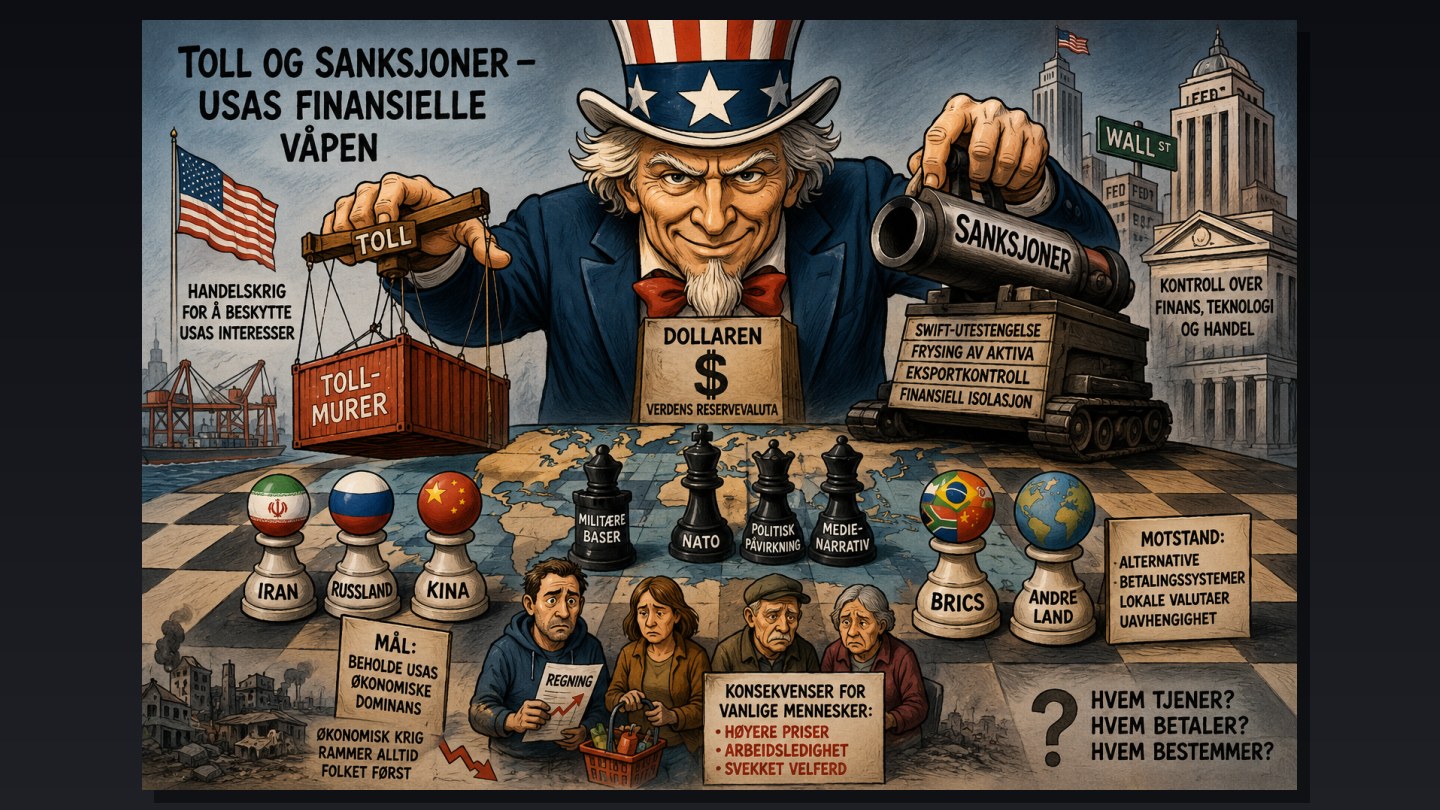
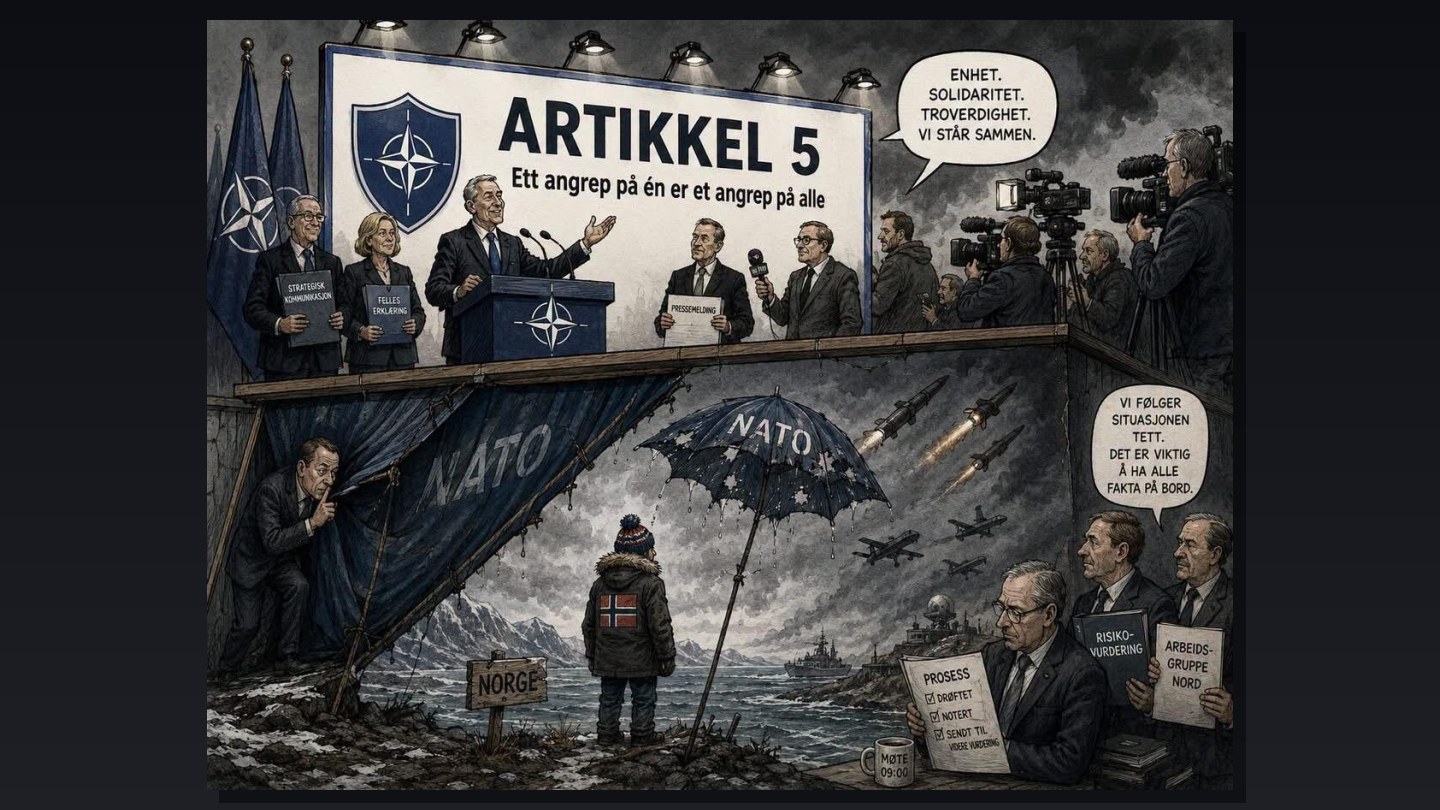
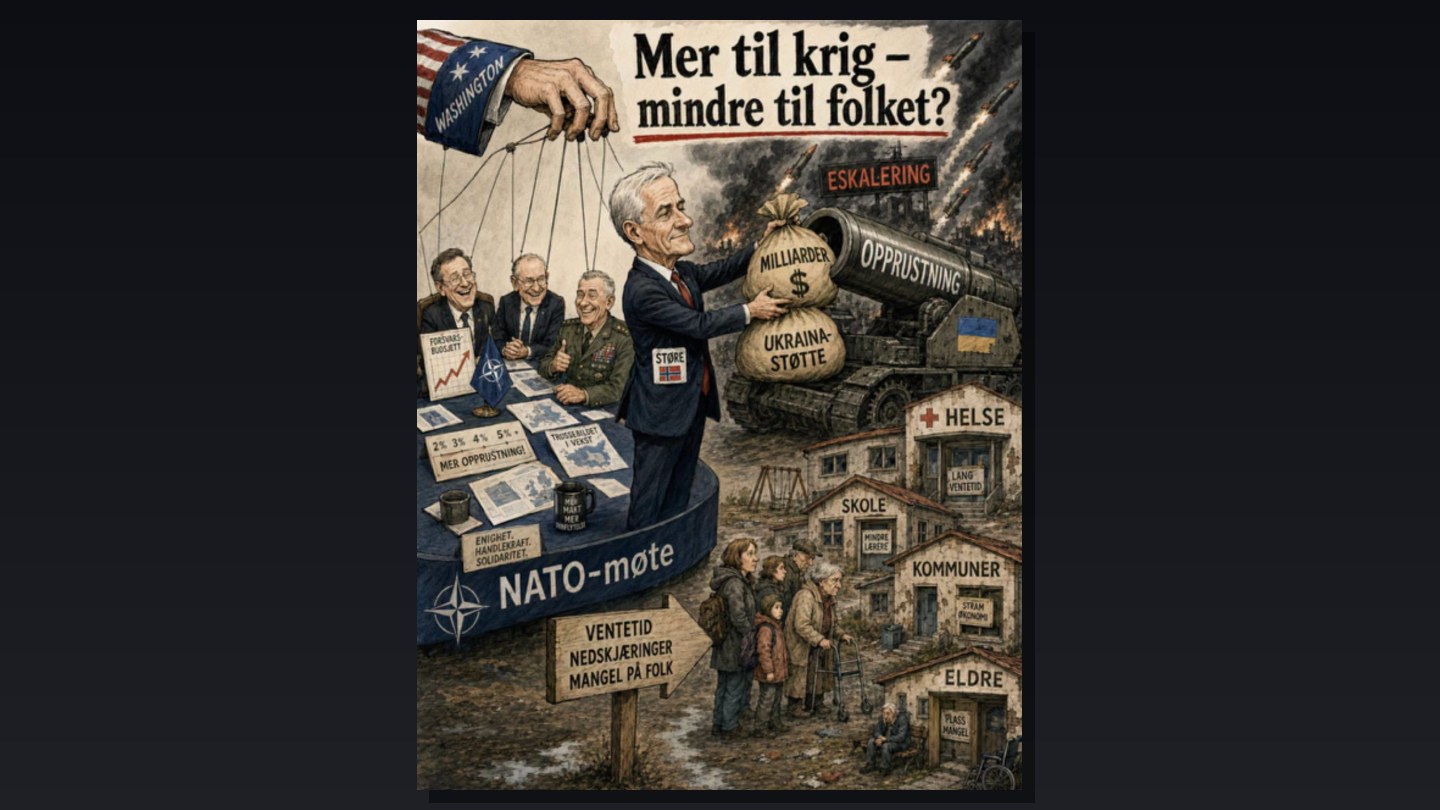
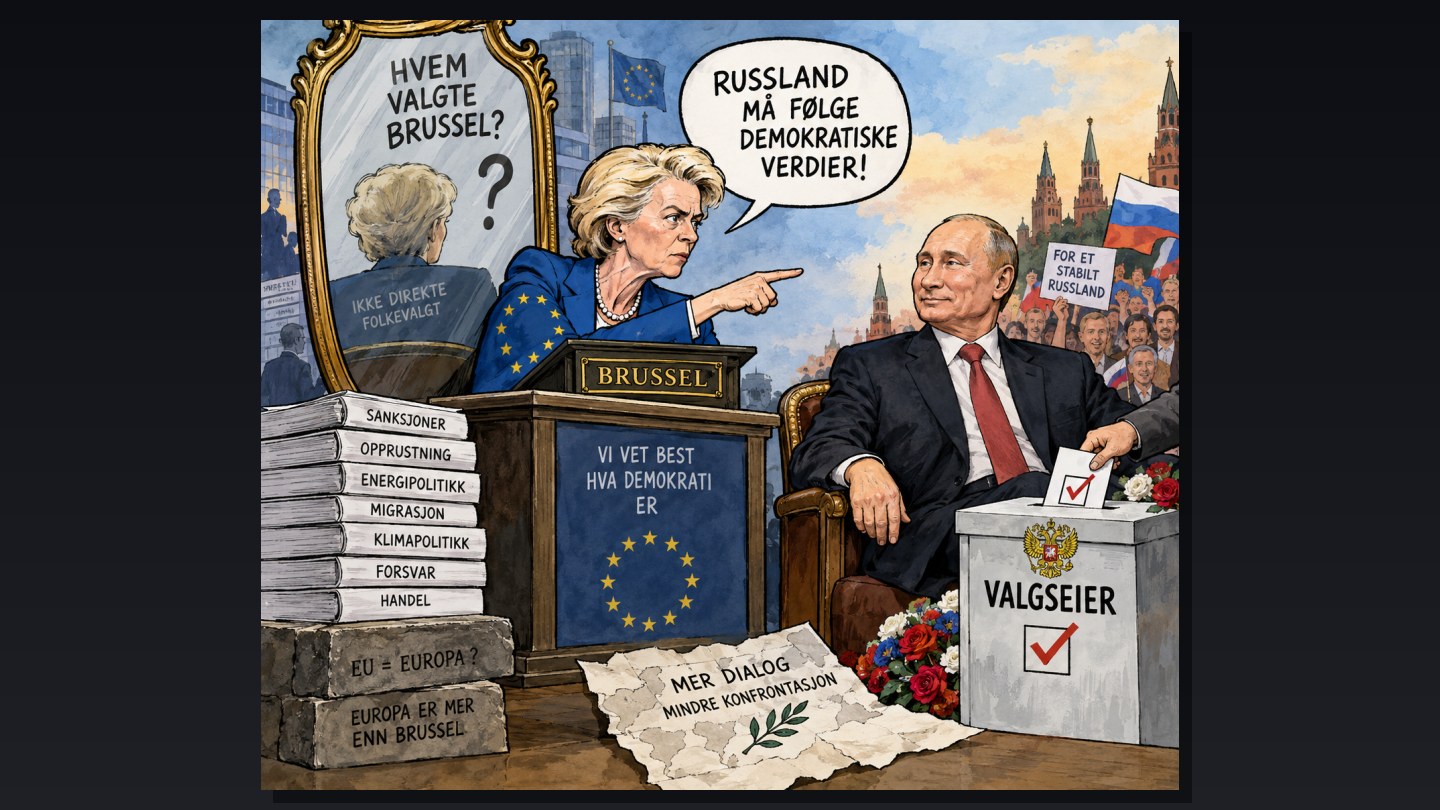
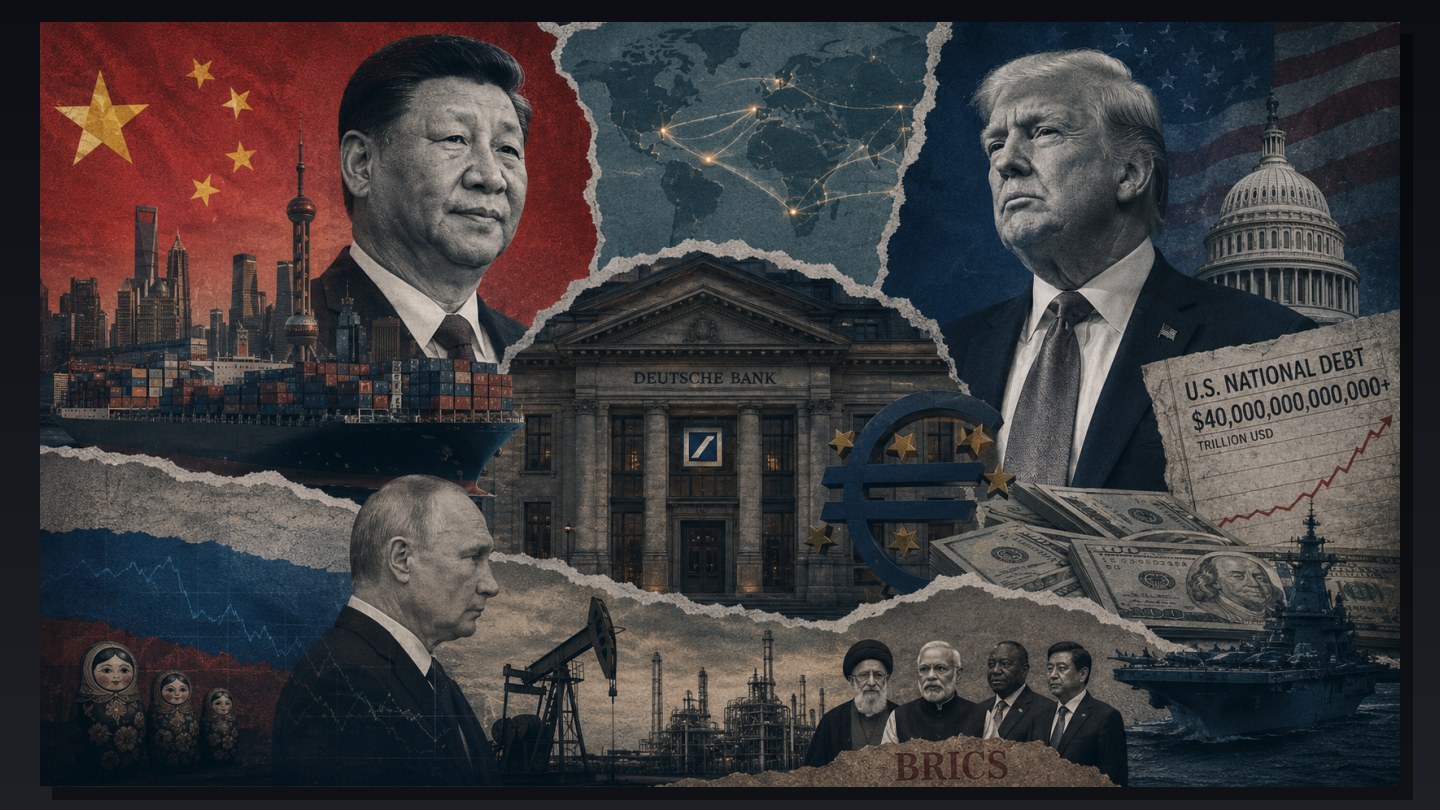
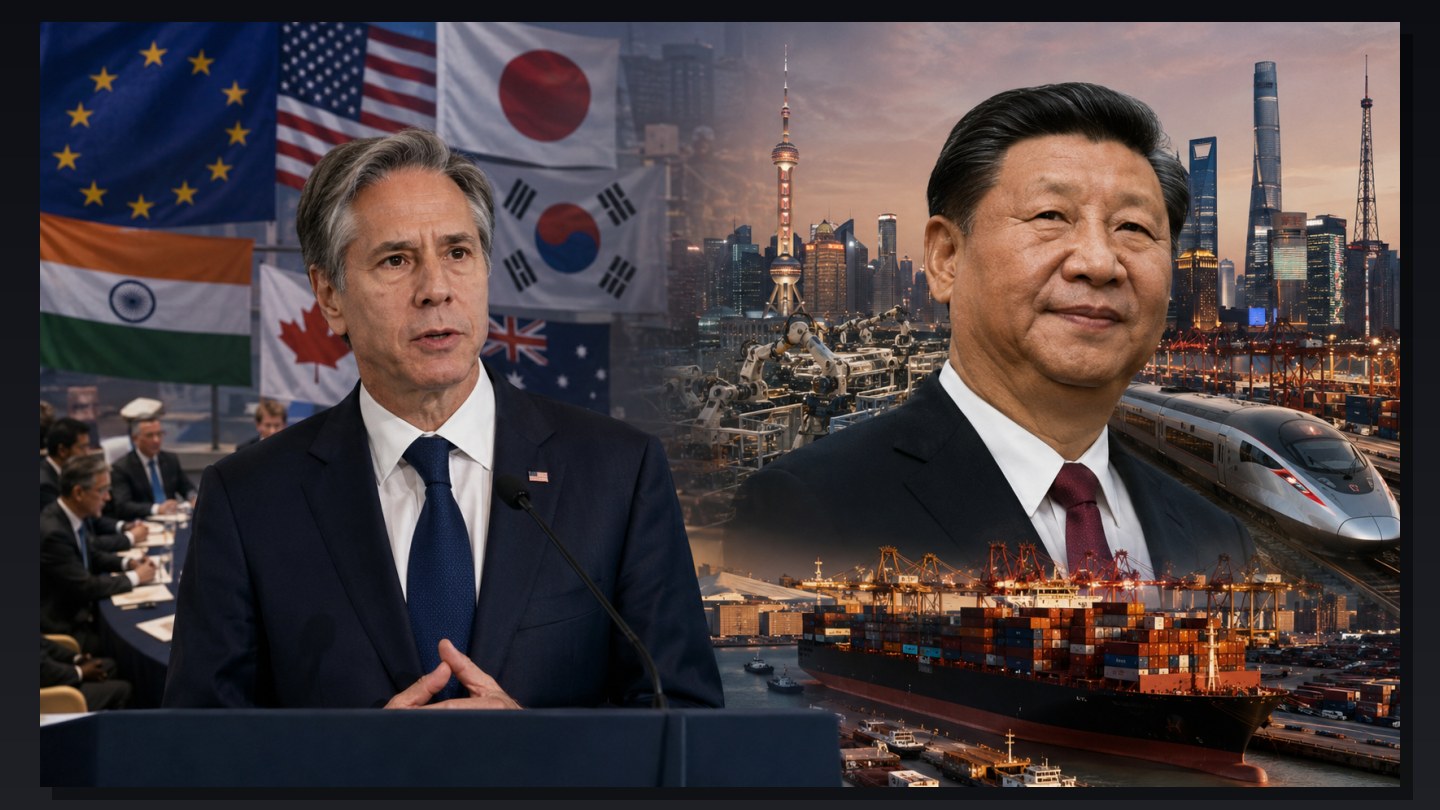
The US does it its way. Russia does it its way. China is building its military and economic power. European countries are rearming. NATO is strengthening its military capacity.
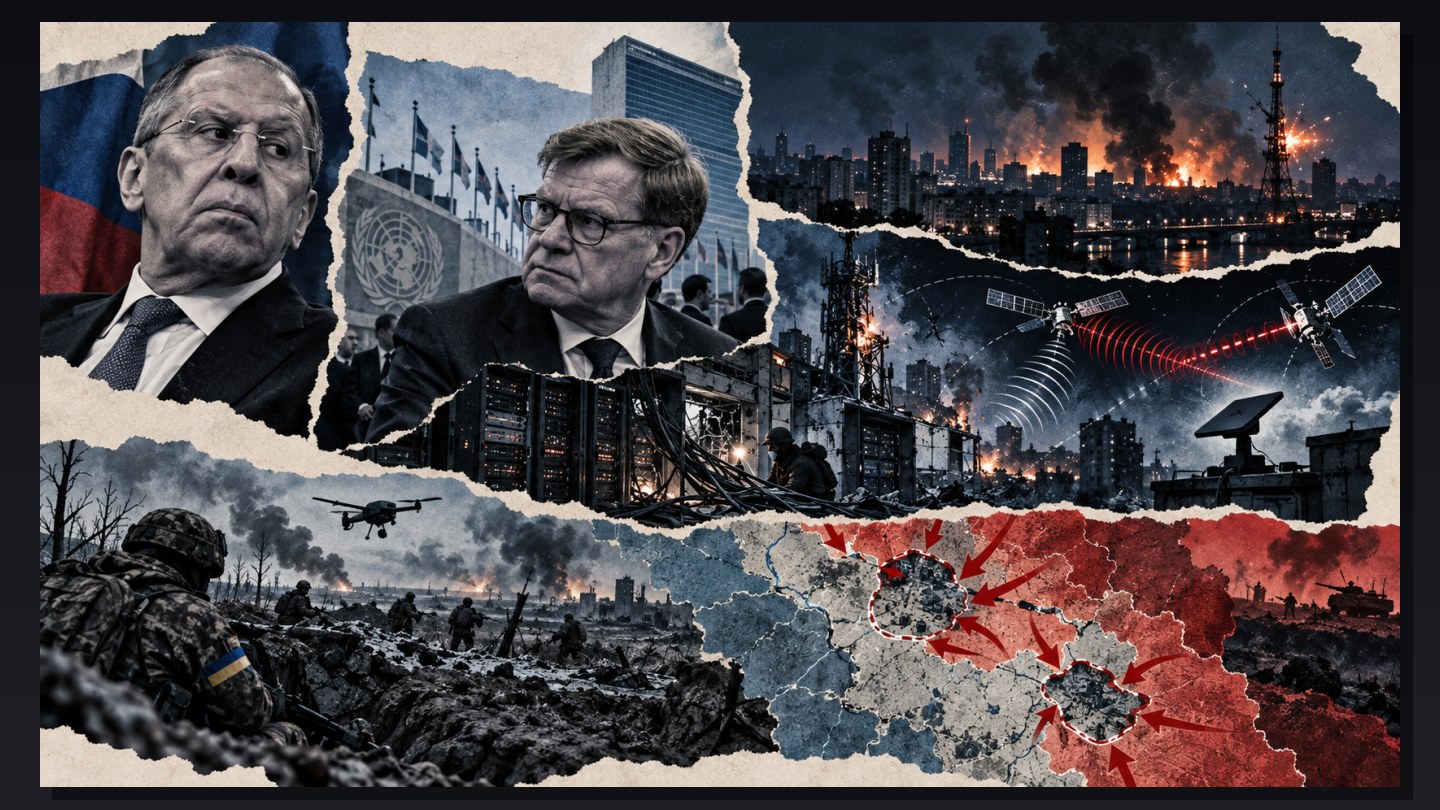
Russia and NATO stand in hard opposition to each other. The war that began in 2014 and escalated in 2022 continues to claim human lives. The Middle East is marked by war and deep conflicts. At the same time, the world is being filled with ever more weapons. Everyone says they want peace. Almost everyone is at the same time preparing for more war.
It is this political schizophrenia that the UN is now trying to survive.
Secretary-General António Guterres uses words like dialogue, de-escalation, cooperation and international law. He warns that the world’s fault lines are deepening. But what use are words if the great powers only listen to the UN when the organisation says what they want to hear?
The UN risks being reduced to the world’s most expensive podium.
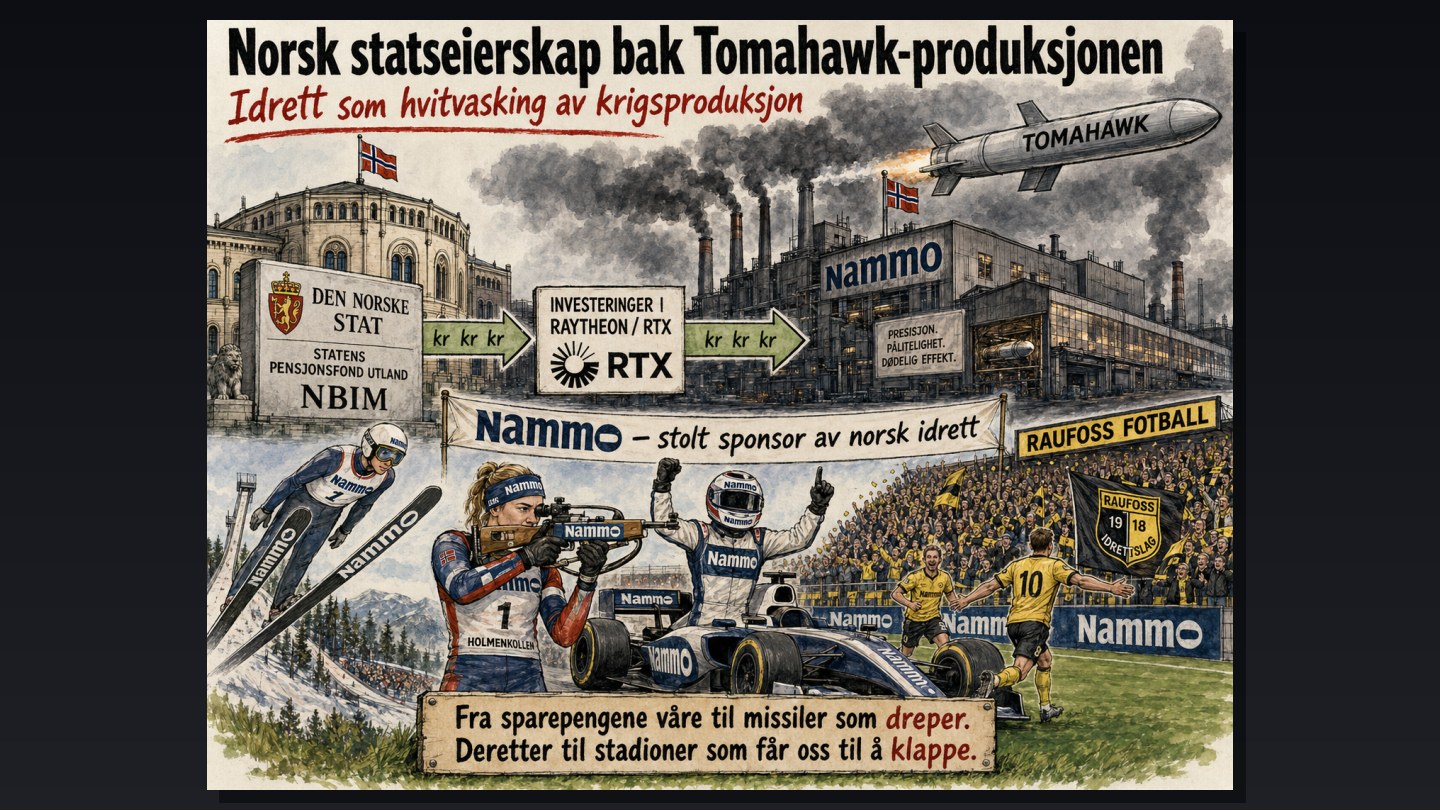
The heads of state arrive. The motorcades drive through Manhattan. Security guards fill the streets. The speeches are delivered. There is applause. There is condemnation. There is solemn talk of peace. Then the delegations go home and the arms factories continue production.
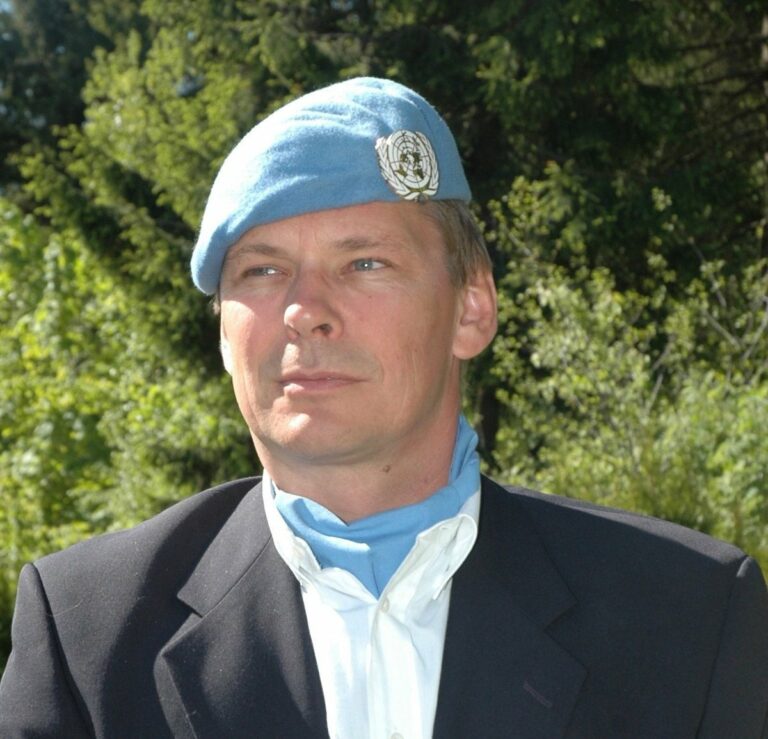
As a former UN soldier, this is painful to watch.
I have seen what war means once the political phrasing is gone. War is not maps on a screen. War is not strategic missiles and military analyses. War is blood. It is terror. It is dead people. It is children losing their parents and parents burying their children. It is soldiers coming home with memories they will never be rid of.
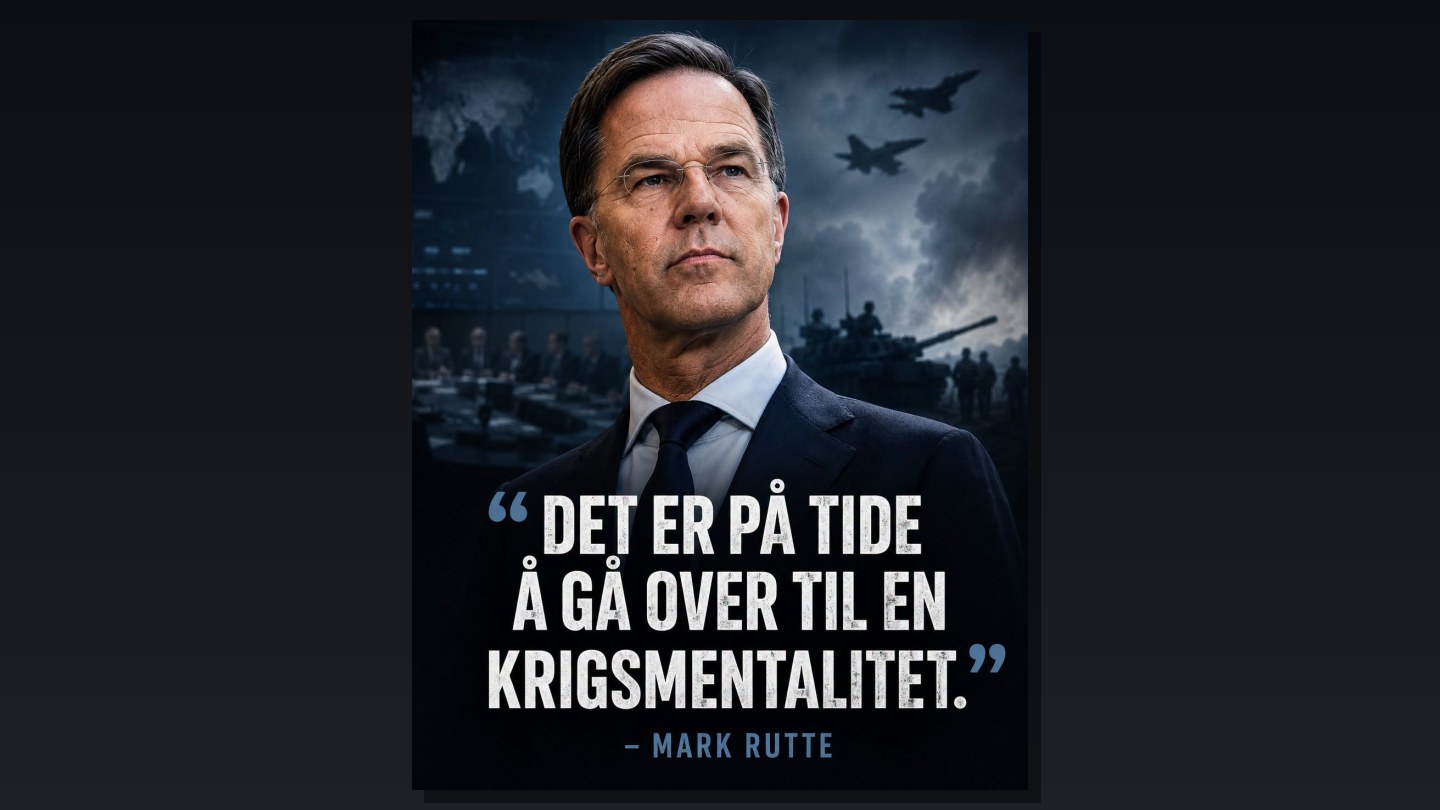
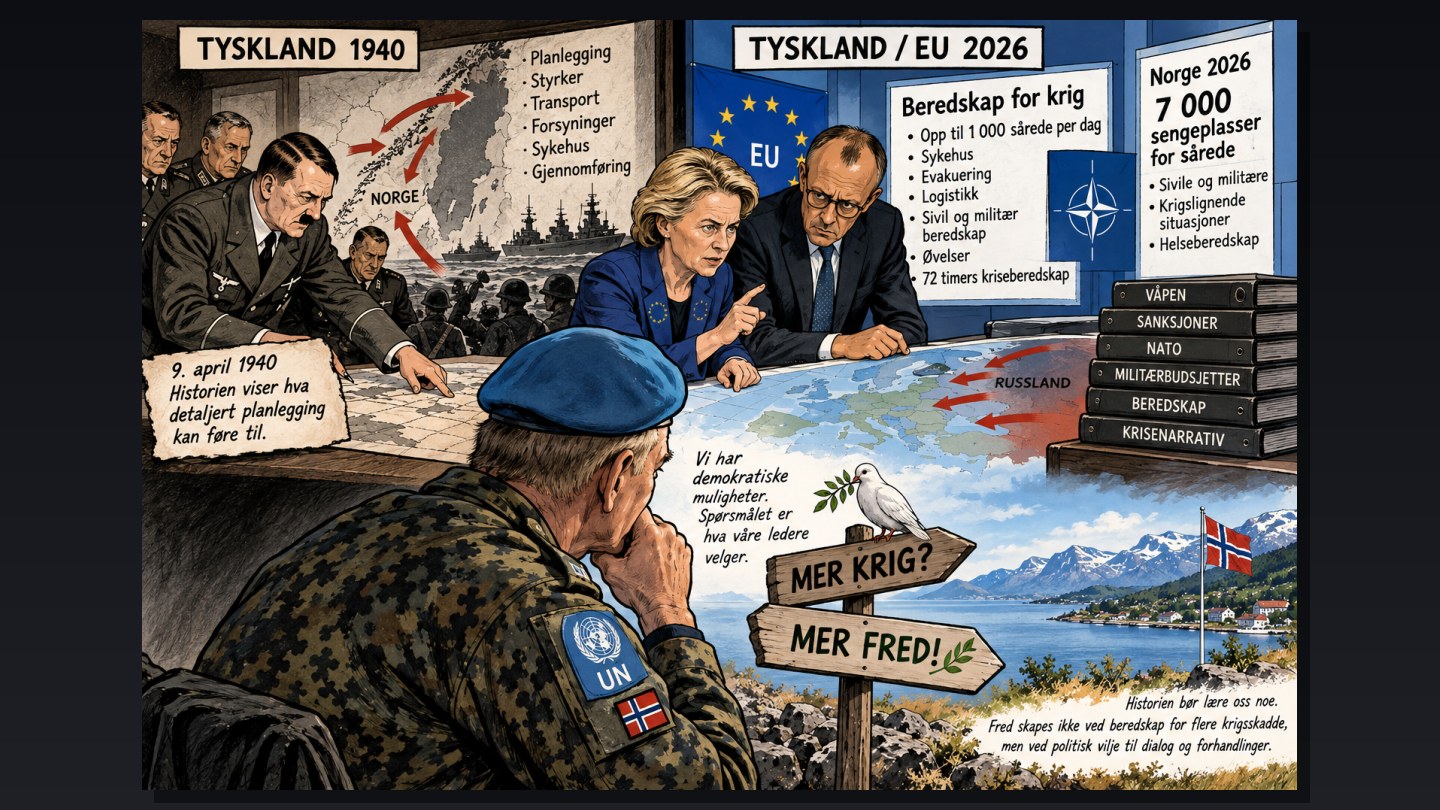
Yet more and more European politicians, including many Norwegian ones, talk about war preparedness as if it has almost become a normal political condition.
It is not normal. It is a defeat.
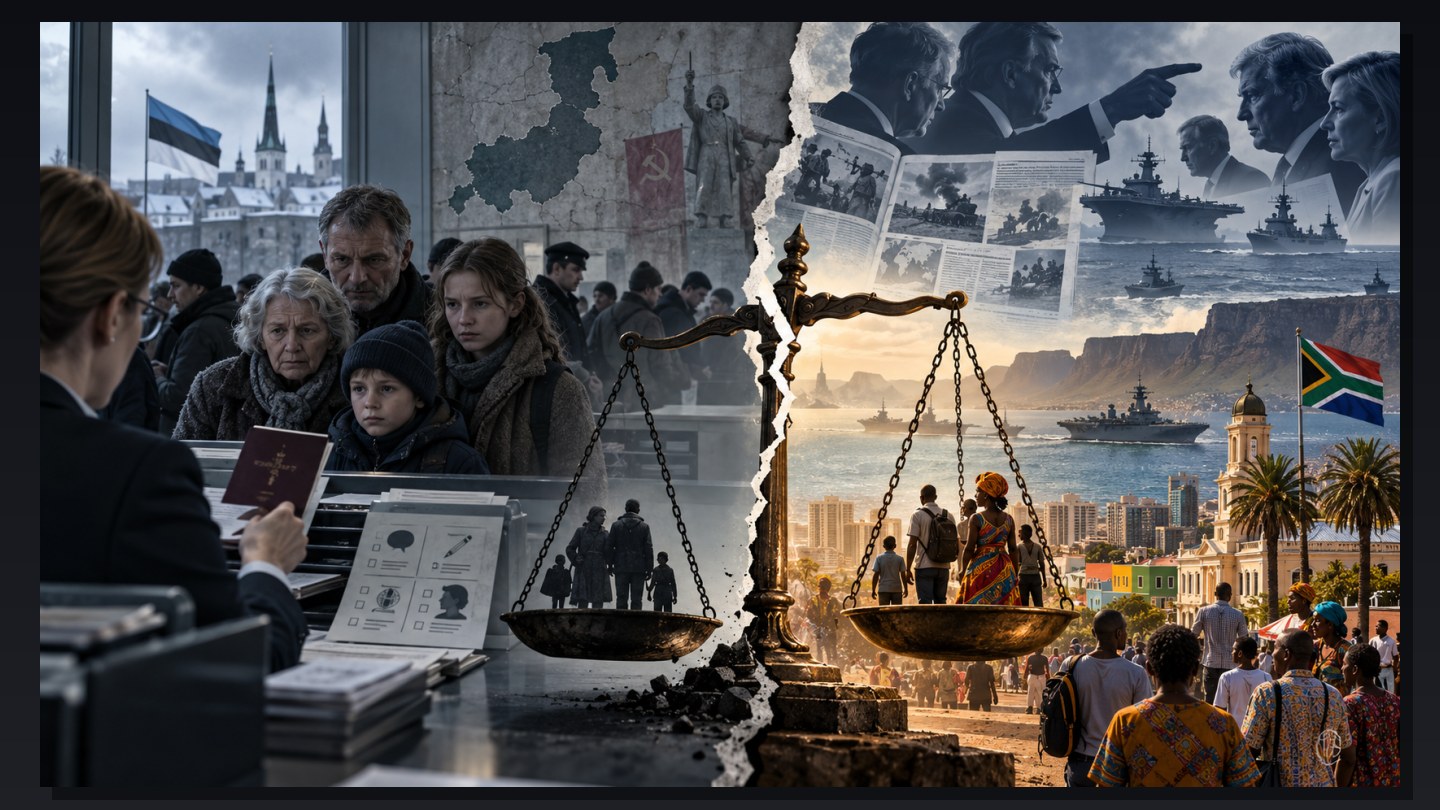
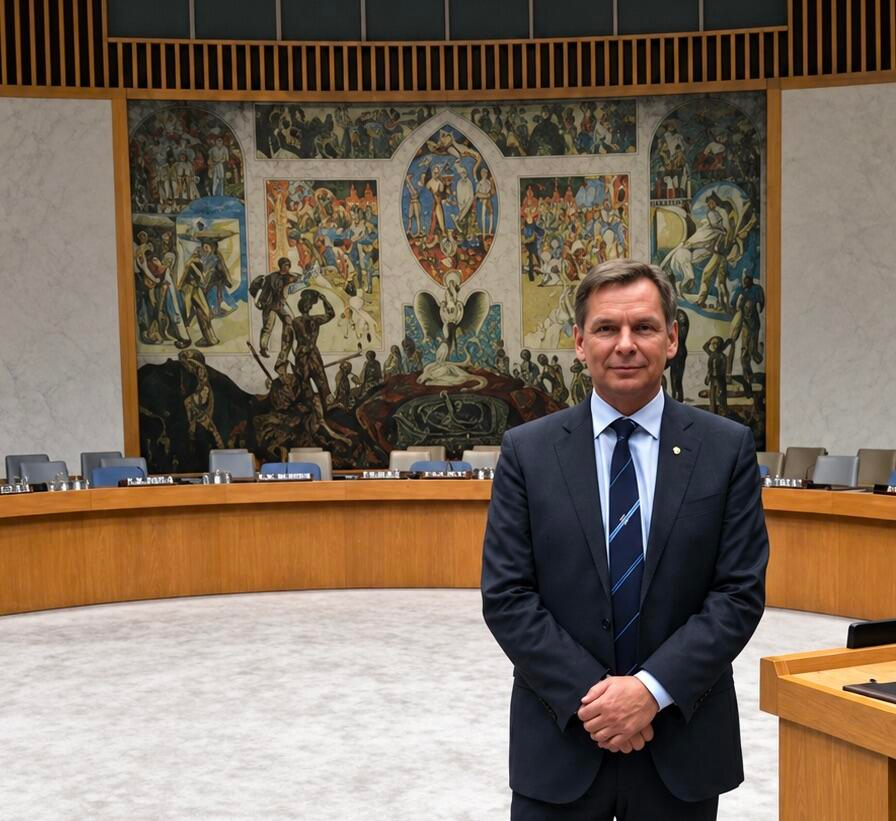
And in the middle of all this sit five states with a power that shows how outdated the UN system has become. The US, Russia, China, the United Kingdom and France have permanent seats and veto rights on the Security Council. When their own interests are at stake, the system can be paralysed. Meanwhile, Africa and India still have no permanent representation on the council.
The world in 2026 is not the same as the world in 1945. It has changed radically and continues to do so day by day.
India has more than 1.4 billion people. Africa has around 1.5 billion. BRICS has grown in importance. The Global South rightly demands greater influence over the institutions meant to regulate the world order. Yet the victors of the Second World War still sit with privileges constructed for a world that is long gone. An internal UN revolution is needed.
How long do the great powers think this can go on?
Oh no, the UN does not need yet another committee writing yet another report that ends up in yet another drawer. The UN needs a reform of power. The Security Council must be reformed. The Global South must get greater representation. The veto must be discussed. Diplomacy must regain its status. Peace negotiations must be treated as political strength, not weakness.
And Norway should be among the countries demanding this most loudly.
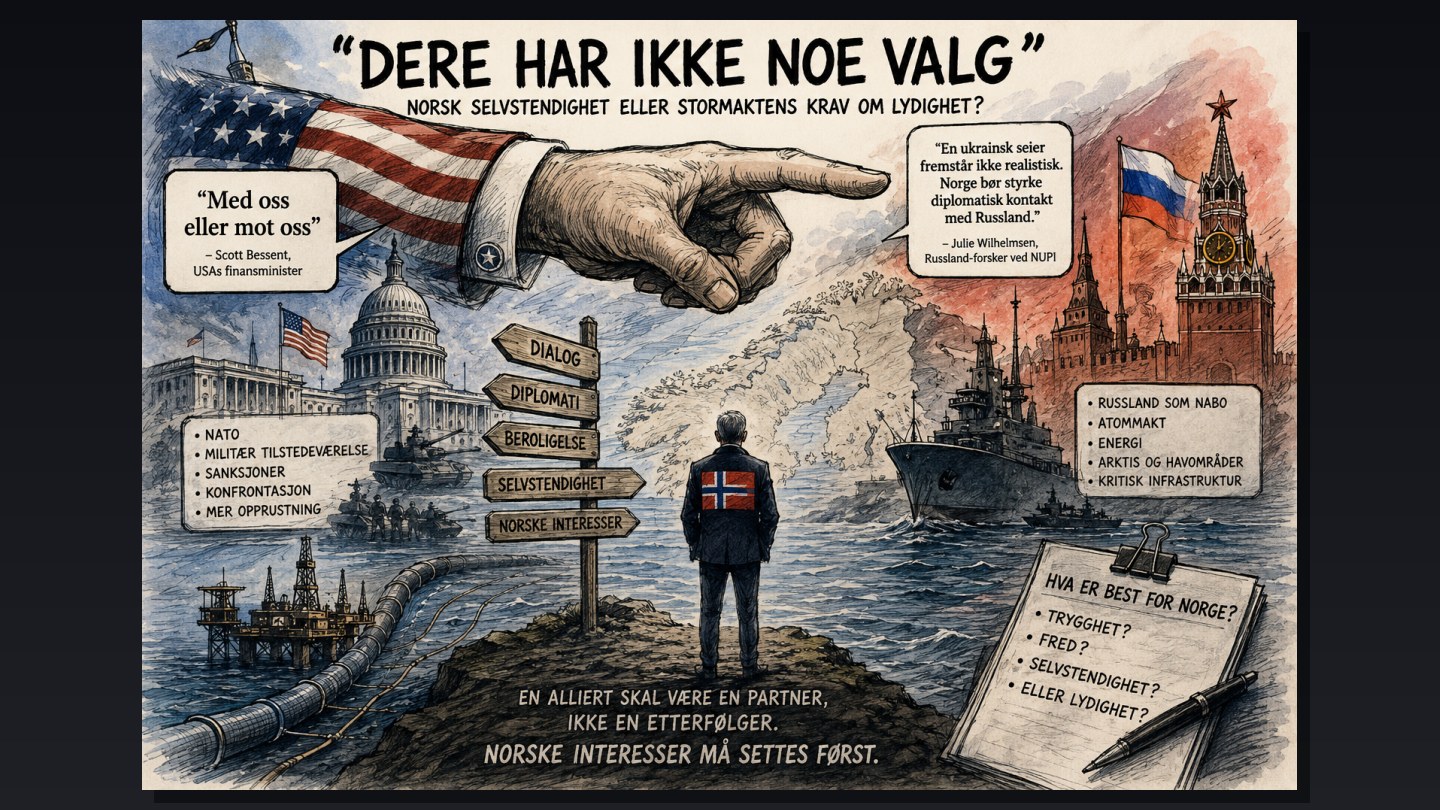
We still like to tell the story of Norway as a nation of peace. Then we should also dare to ask what a nation of peace should actually do when the world is arming itself for ever new confrontations. Should we just follow the current, or should we use our diplomatic tradition to demand talks, even with countries we deeply disagree with?
Because peace is not made between friends. Peace must be negotiated between enemies. That was the whole point of the UN.
That is why Trump’s speech is so revealing. When the president of the world’s strongest military power can stand at the UN rostrum and talk about the possible obliteration of another country, while the UN pleads for dialogue and de-escalation, we have a picture of how dangerous the situation has become.
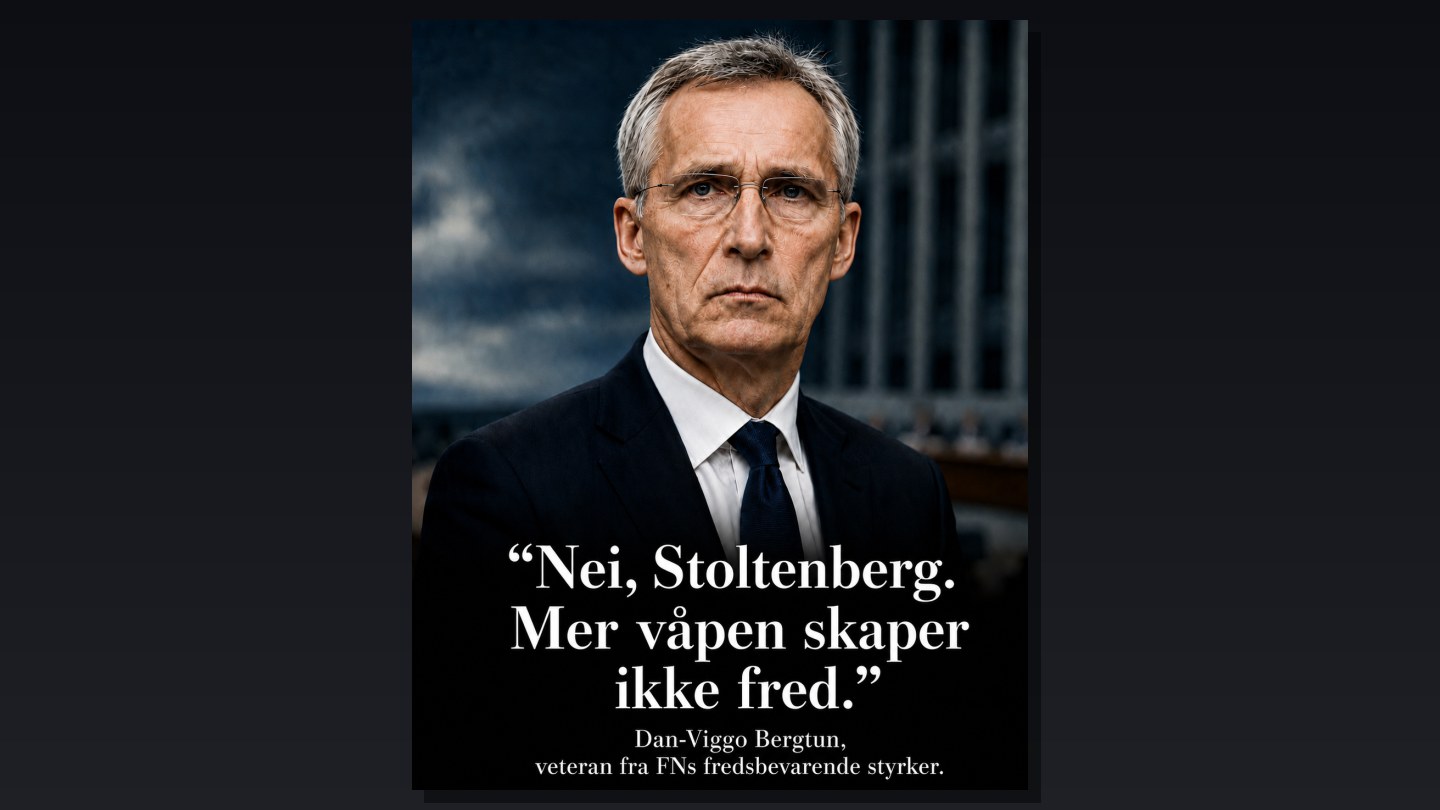
But let us not make Trump the only scapegoat. The problem is bigger than one American president. The problem is an international culture of power in which ever more countries believe that security is created first and foremost through more weapons, bigger military budgets and stronger threats, as Stoltenberg says.
History should have taught us where this road can end.
The UN was created because humanity had already tried a world where might came before right and military strength decided conflicts. It ended in world war.
Now the UN once again stands crying out for peace while the great powers talk about weapons, power and obliteration.
If the world does not soon begin to listen, the question may become far bigger than whether the UN survives.
The question may become whether we manage to find our way back to peace before the great powers make it impossible.