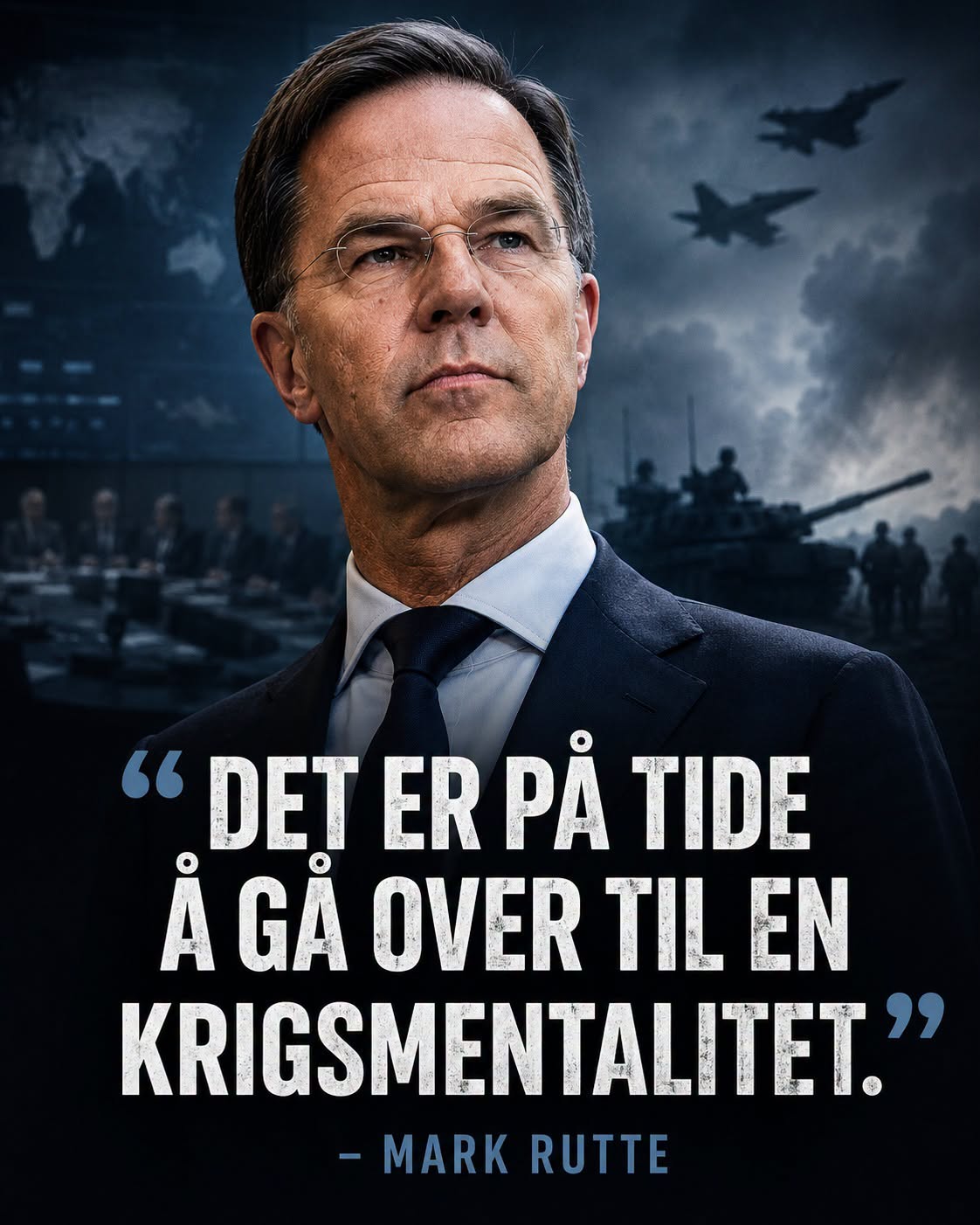
The question is brutal, but necessary. For when NATO’s Secretary General speaks, he does not speak as a peace mediator. He speaks as a director of rearmament, the arms industry and permanent war readiness.
Rutte did not come into NATO as an independent peacemaker. He came in as a seasoned power politician from Europe’s innermost corridors. He has not brought with him a language of negotiation, détente or peace. He has brought a language of management, discipline, budgets, weapons production and obedience. That is precisely what makes him dangerous.
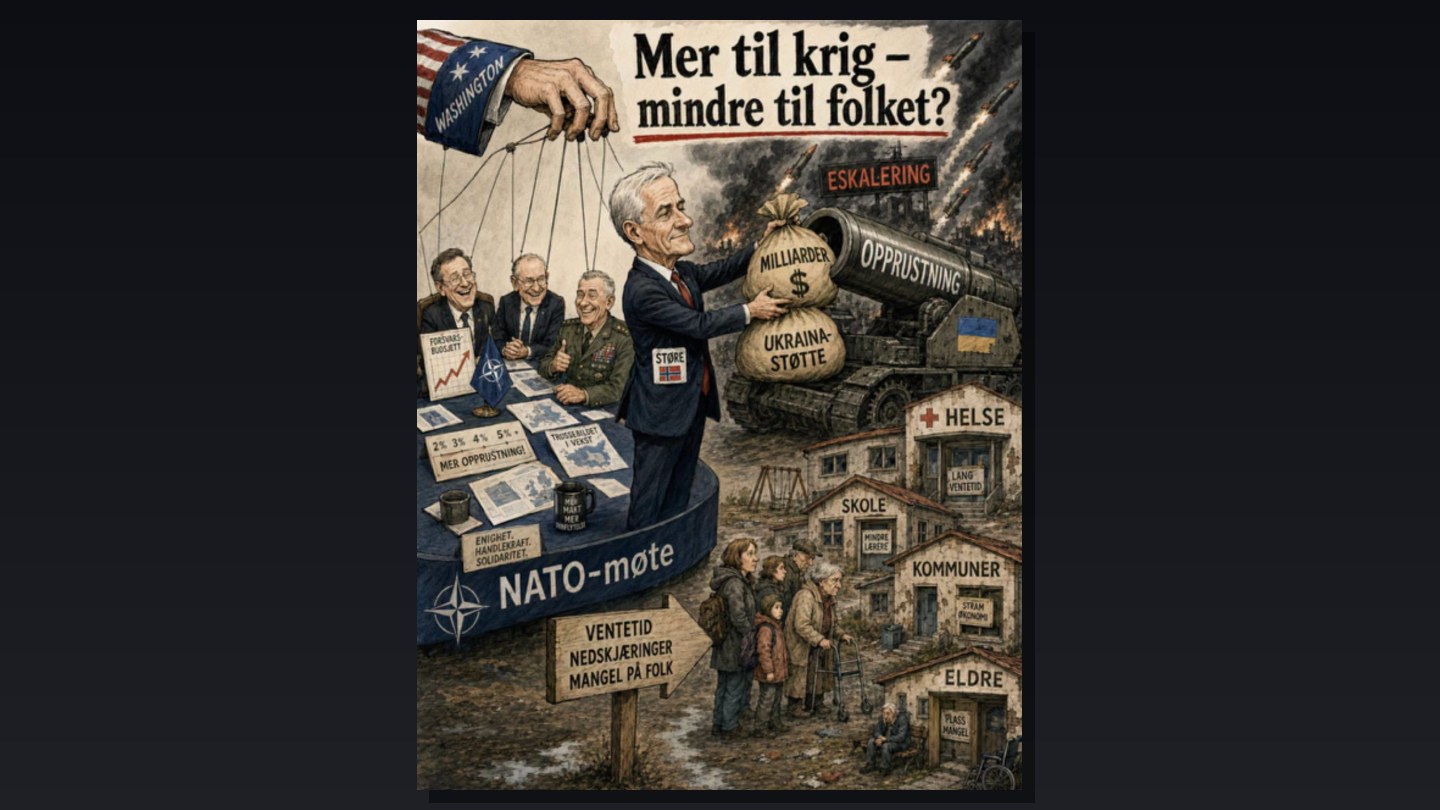
NATO calls itself a defensive alliance. But what we are now seeing is something far more comprehensive. When country after country is pressured to spend enormous shares of its national economy on weapons, military infrastructure, ammunition, cyber systems and war readiness, it is no longer just defence policy. It is a restructuring of society. Power is shifted from democratically chosen priorities to a military system that constantly demands more.
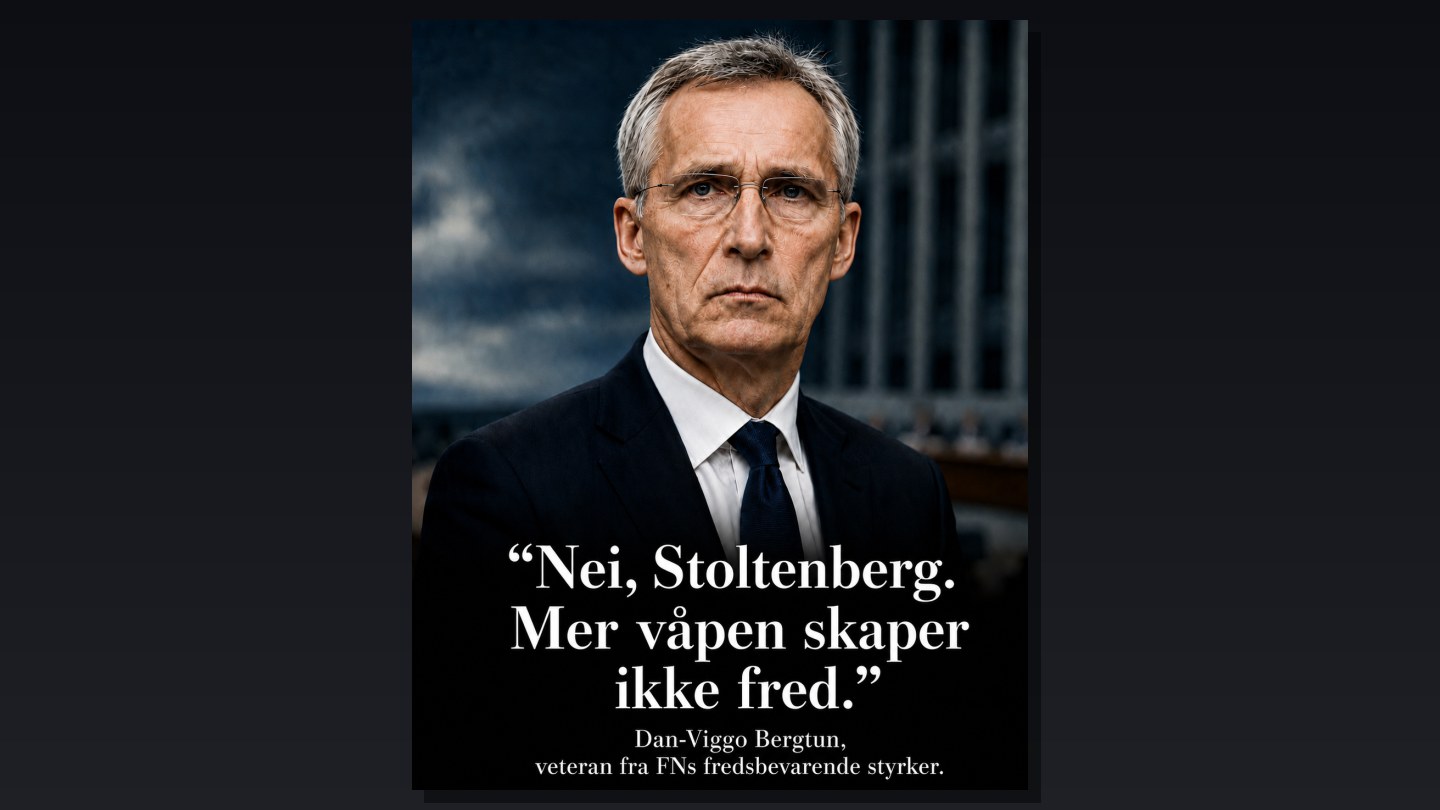
Rutte has become more fascistic in expression and method than Stoltenberg was at his worst. Stoltenberg sold NATO with a soft voice, a serious expression and social-democratic packaging. He called rearmament responsibility. He called submission unity. He called American war policy European security. But Rutte has torn off the velvet gloves. He no longer speaks like a political leader. He speaks like the commander of a war economy.
Where Stoltenberg tiptoed Europe into war thinking, Rutte marches straight in with his boots on. He demands more money, more weapons, more production, more obedience and less doubt. He behaves as if Europe’s peoples were not citizens but resources. As if our tax money, our ports, our roads, our industry, our young people and our future state budgets already belonged to NATO. This is not ordinary defence policy. This is a political occupation of democracy’s priorities.
The most frightening thing is not only what Rutte says. It is the tone. The cold security tone in which everything is made necessary, inevitable and morally mandatory. This is how power speaks when it no longer wants to discuss. This is how systems speak that have made up their minds before the people get a say. This is how authoritarian forms of government grow — not necessarily with swastikas and brown shirts, but with ties, summits, press conferences and demands for billions.
And here we must dare to use the strong words. Fascism does not always begin with boots in the streets. It can come in a suit. It can come through the language of security. It can come through demands for unity. It can come through the condemnation of everyone who asks questions. It can come when peace becomes suspect, when negotiations are portrayed as weakness, and when doubt is treated as disloyalty.
Rutte appears as NATO’s new war administrator. He is not there to create peace. He is there to organise fear. He is there to discipline Europe. He is there to make the people accept that welfare must give way, that democratic debate must be muted, that critics must be cast under suspicion, and that the whole of society must be arranged according to military needs. Then we are no longer just in a defensive alliance. Then we are on our way into a militarised system of obedience.
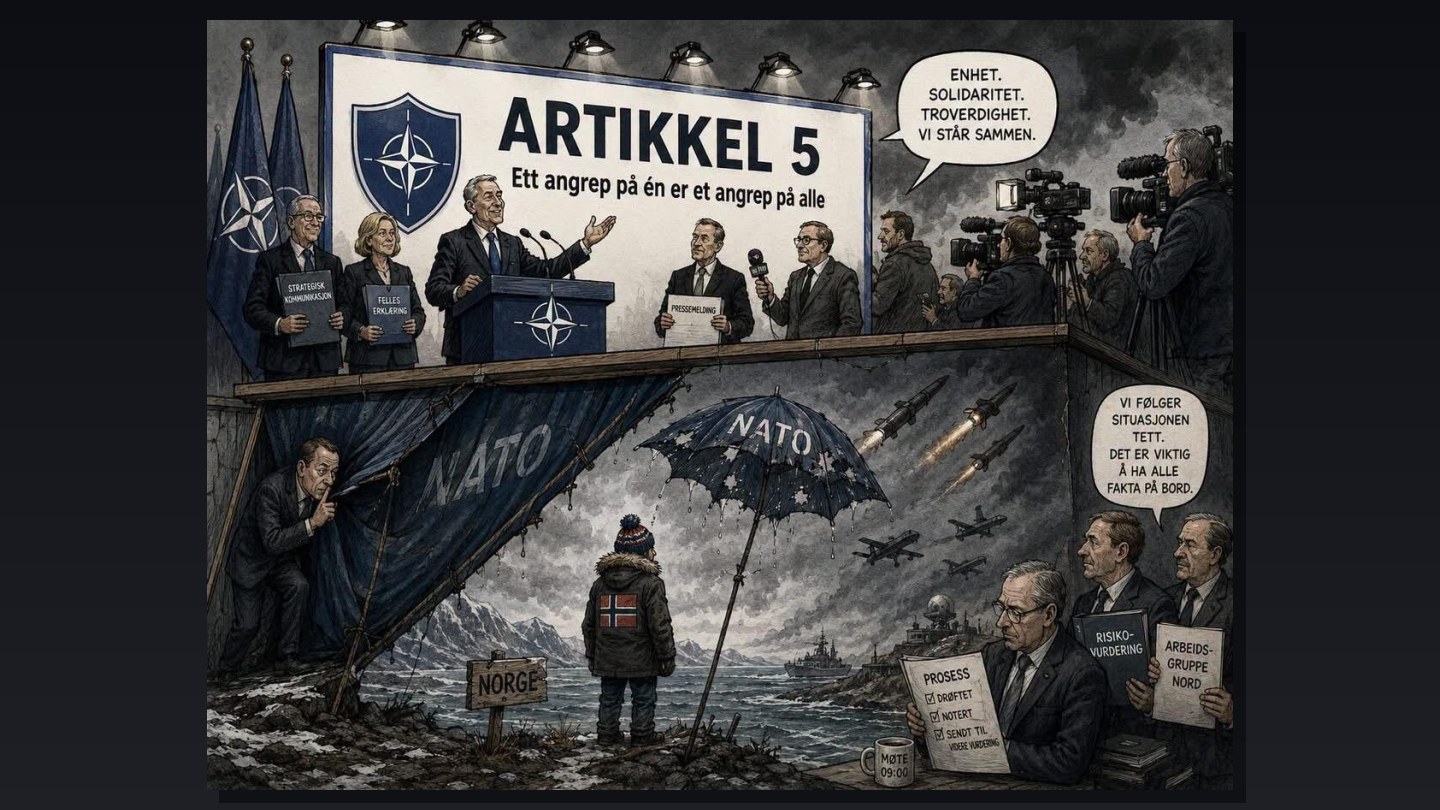
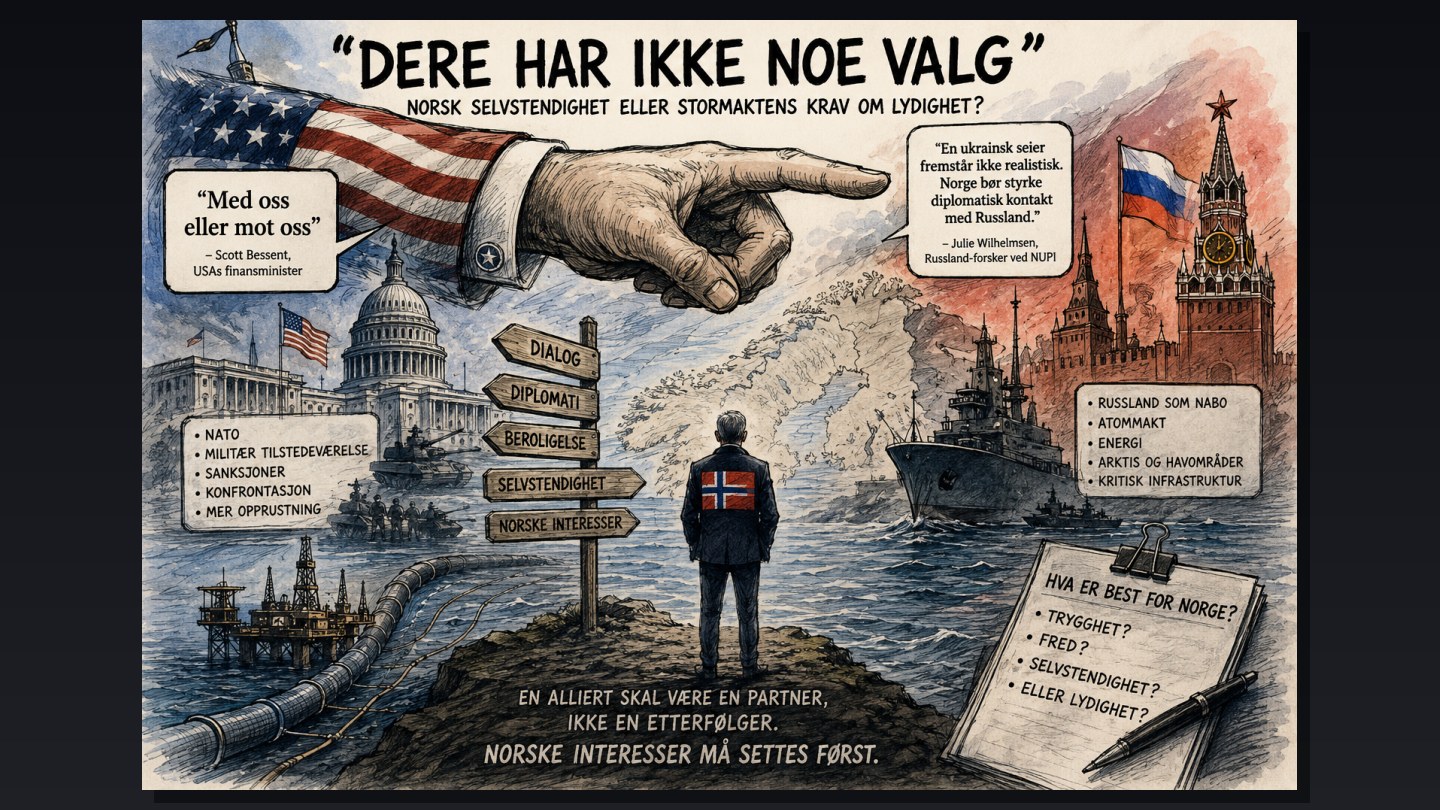
Norway must understand what this means. When NATO demands more, it is Norwegian schools, nursing homes, hospitals, municipalities, pensioners and ordinary families who end up with the bill. When NATO defines the threat, it also defines the policy. When NATO defines the policy, popular government is weakened. And when our own politicians simply nod along, we have a democratic problem far greater than they dare admit.
Stoltenberg was bad enough. He made NATO more political, more expansive and more tightly bound to American interests. But Rutte takes this further. He gives it a harder form, a more brutal economic direction and a more dangerous ideological nerve. He is not just Secretary General. He appears as the figurehead of a Europe that is to be forced to think war before it is allowed to think peace.
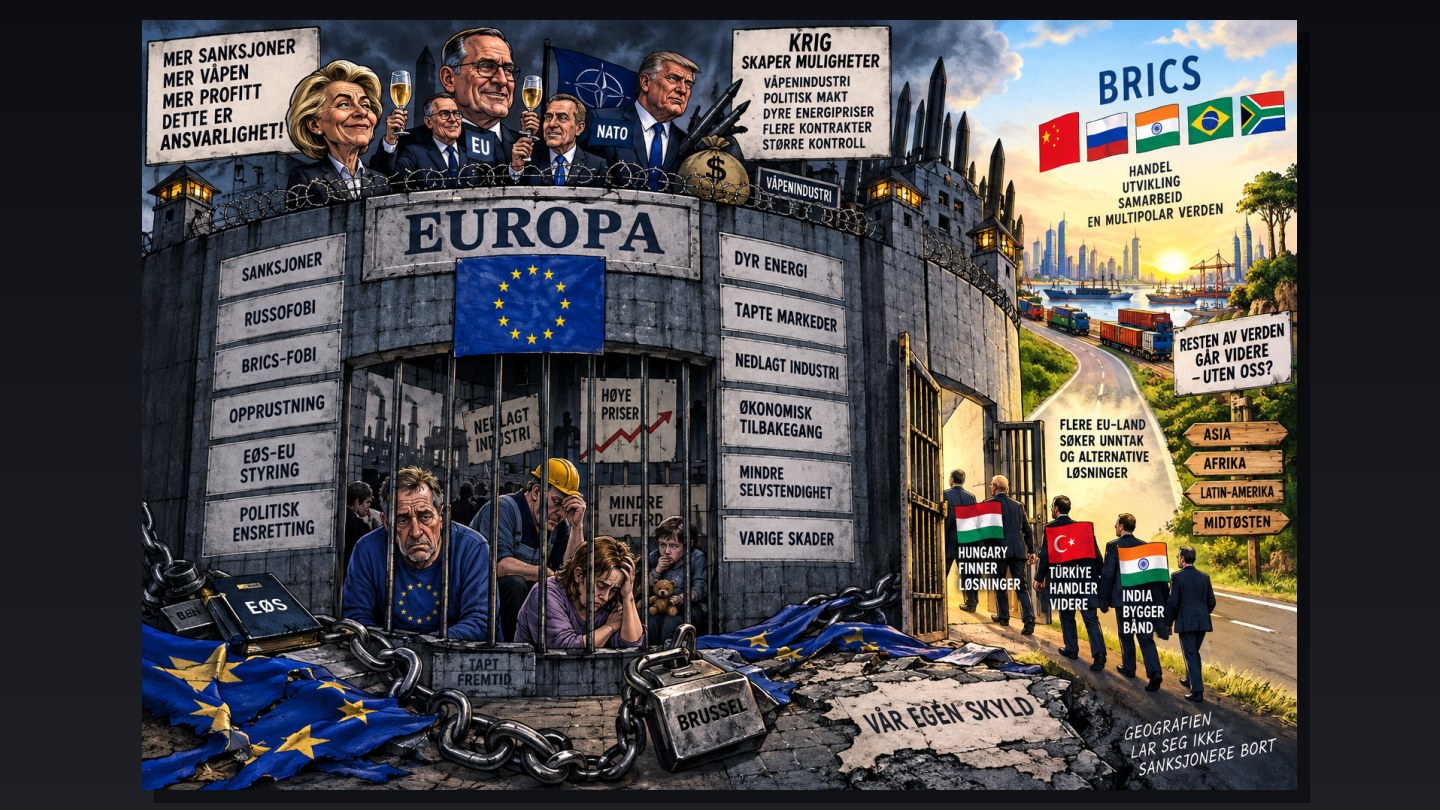
Is Rutte a puppet of a world order, or is he just dangerously stupid? Perhaps the answer is that the difference no longer matters much. For the result will be the same. Europe is driven deeper into rearmament, fear, obedience and confrontation. The arms industry cheers. The bureaucrats gain more power. The politicians hide behind NATO. The people get the bill.
That is why Norway must say stop. Not cautiously. Not diplomatically. But clearly. We must not let Rutte, NATO, the EU or American strategy circles make Norway a pawn in a game we do not control. We must not let the war economy eat up welfare. We must not let uniformed mindsets take over democracy. And we must not let a man at NATO headquarters define what Norwegian children are to grow up fearing.
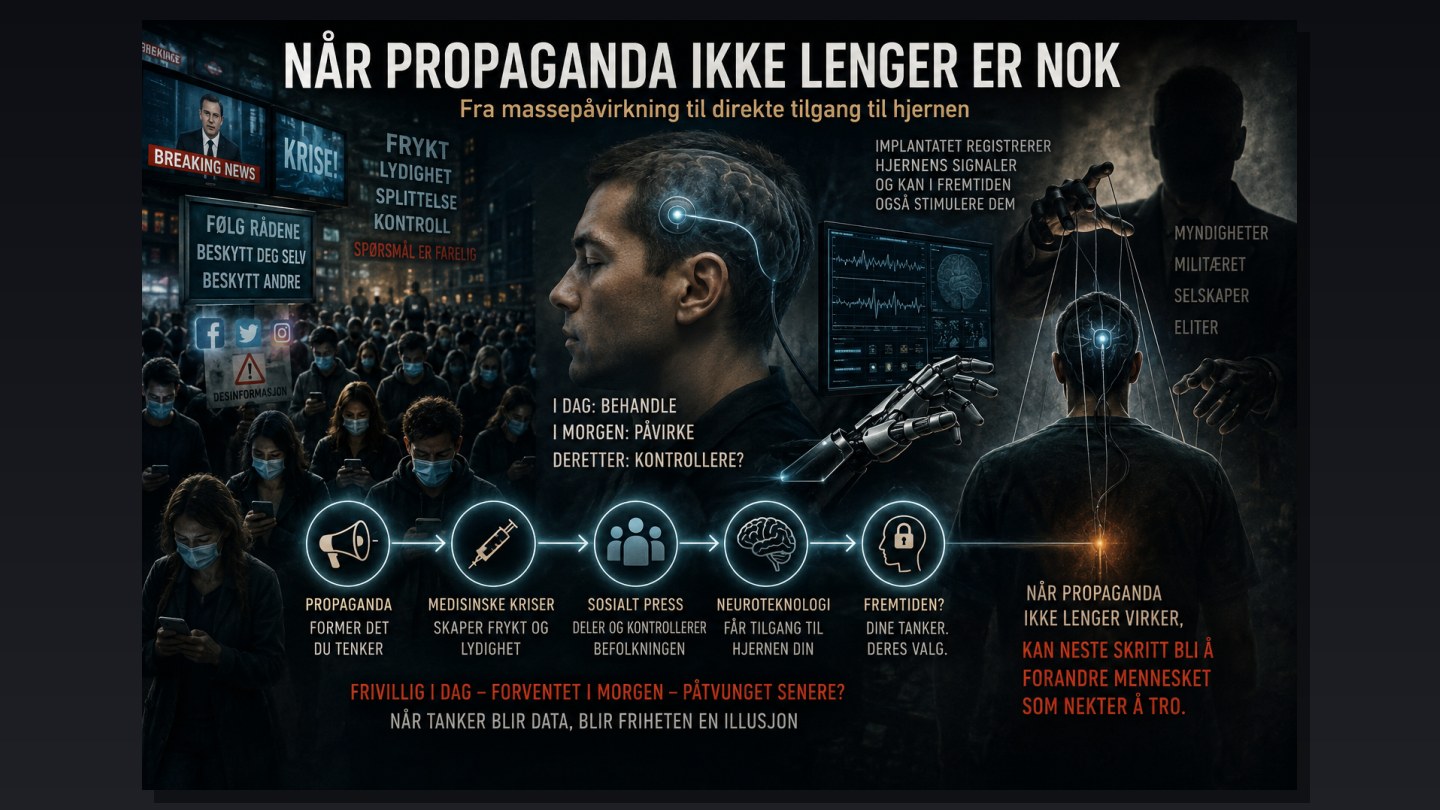
Rutte is not just stricter than Stoltenberg. He is more dangerous. Because he represents the next phase: from propaganda to control, from rearmament to the reshaping of society, from democracy to obedience. It is the old shadow of fascism in a new NATO uniform. And it must be exposed before it becomes normal.