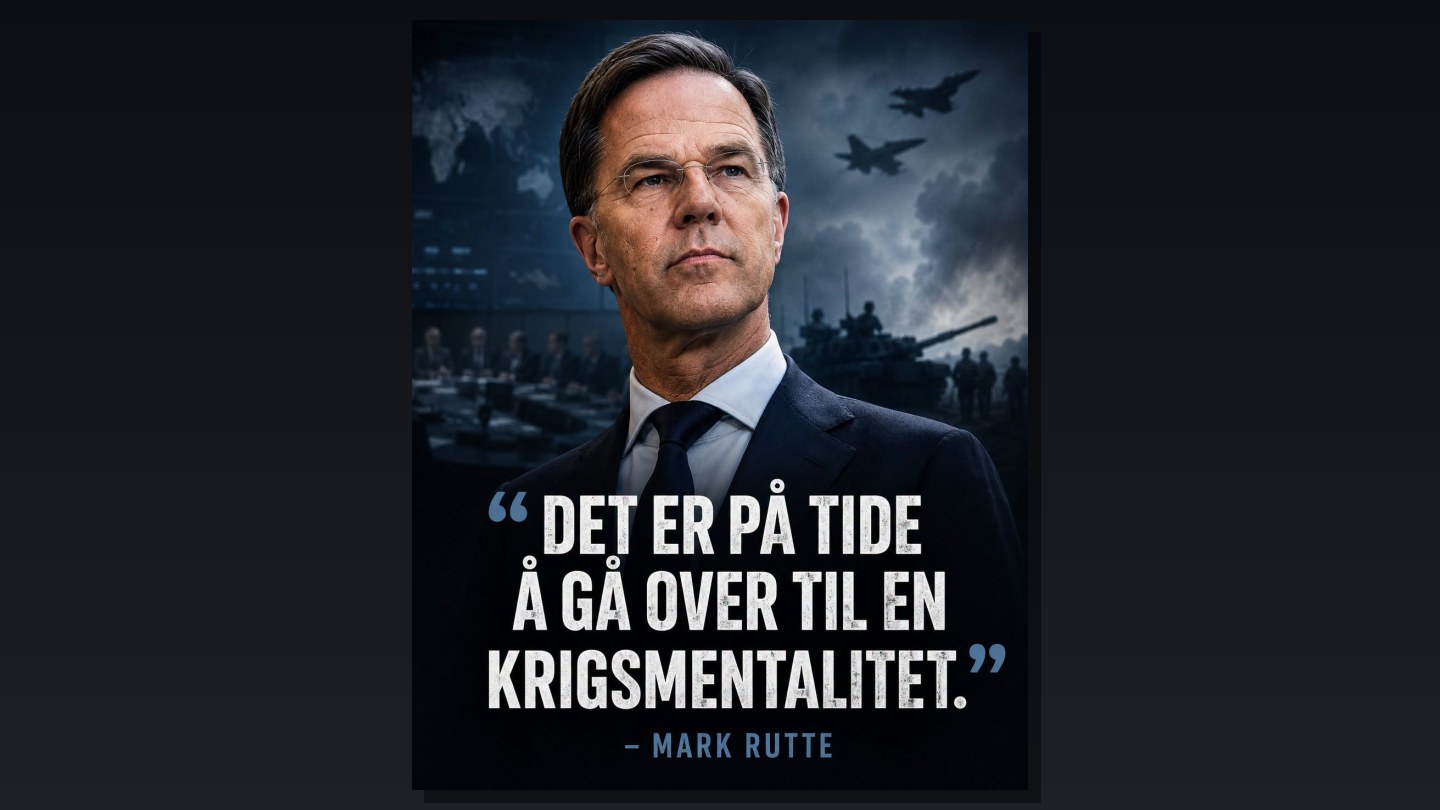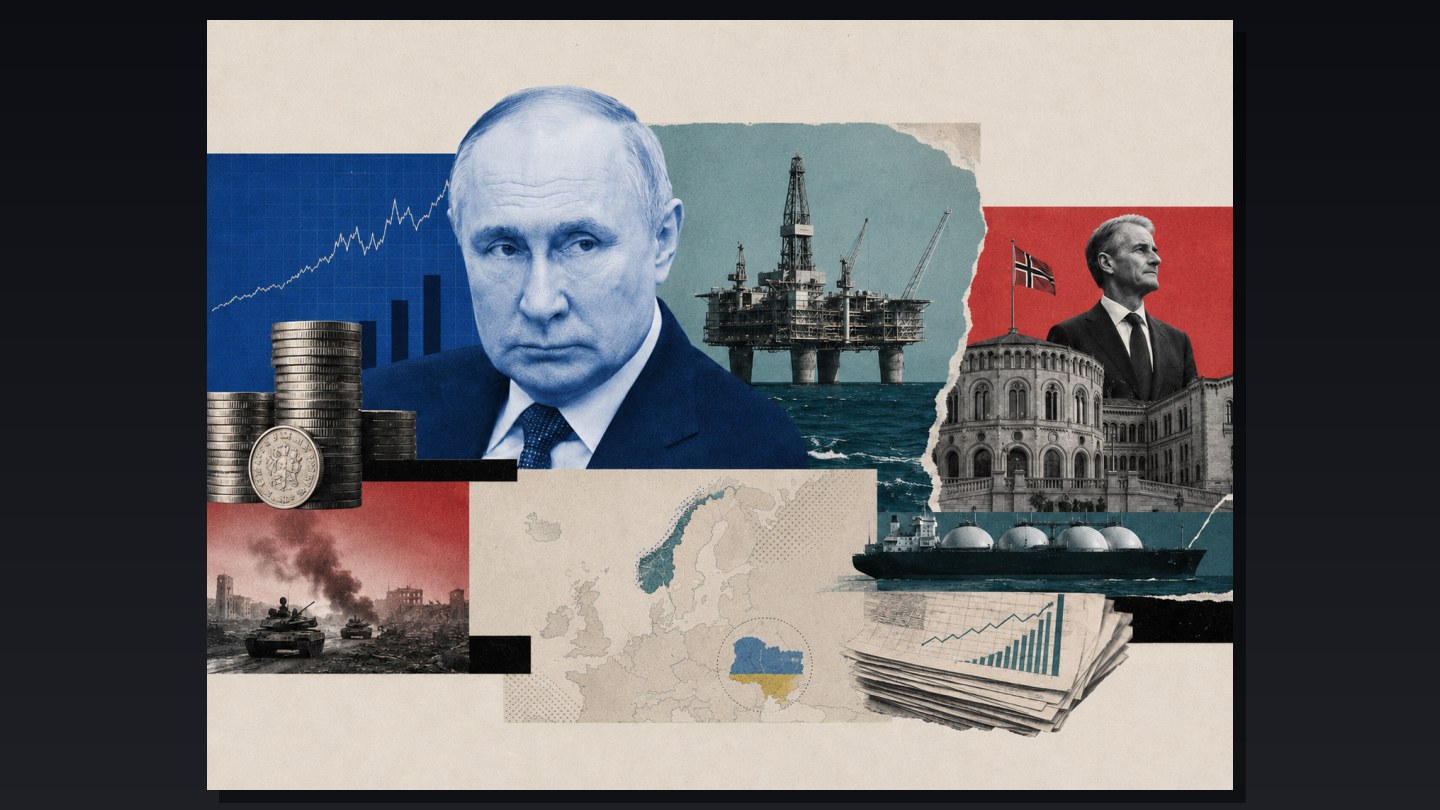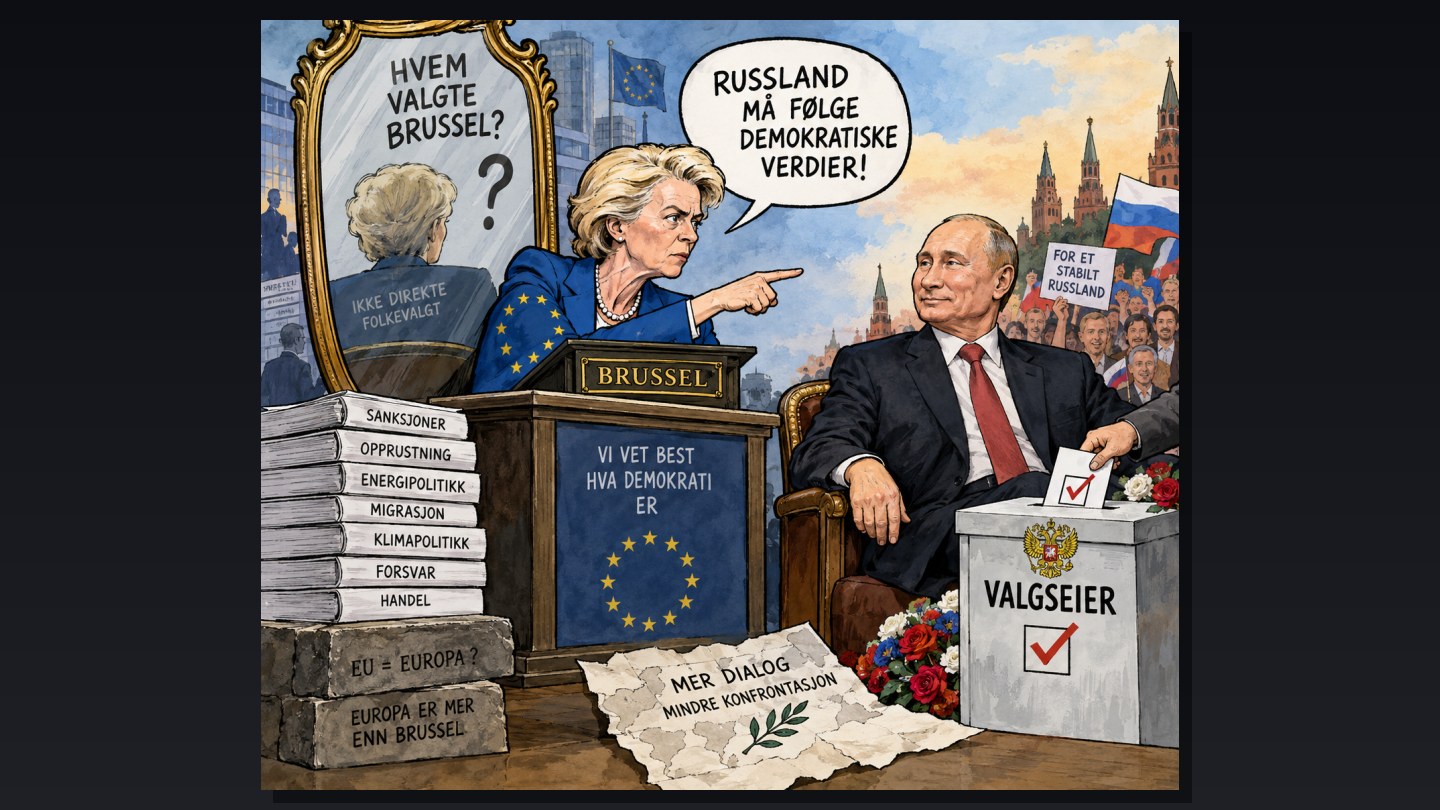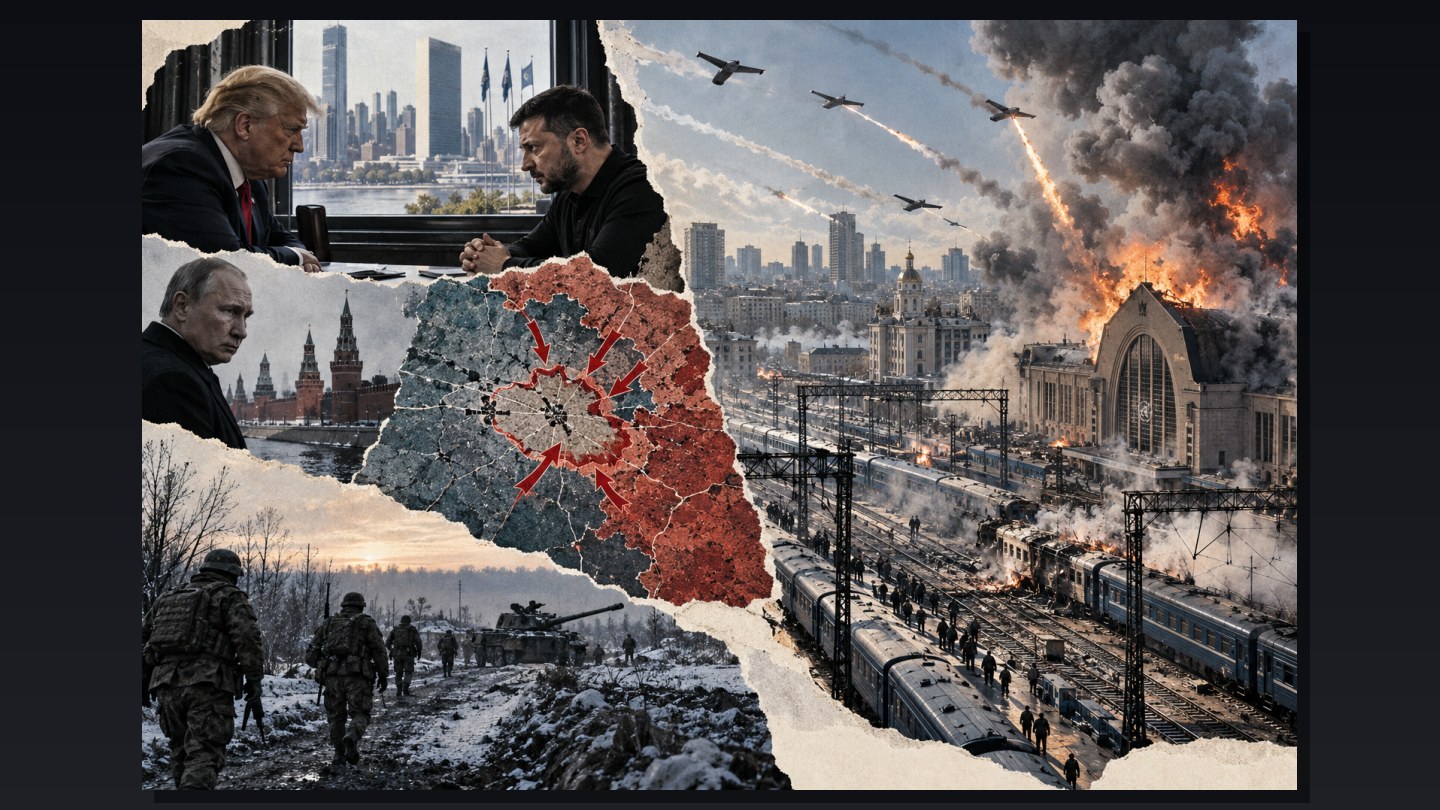
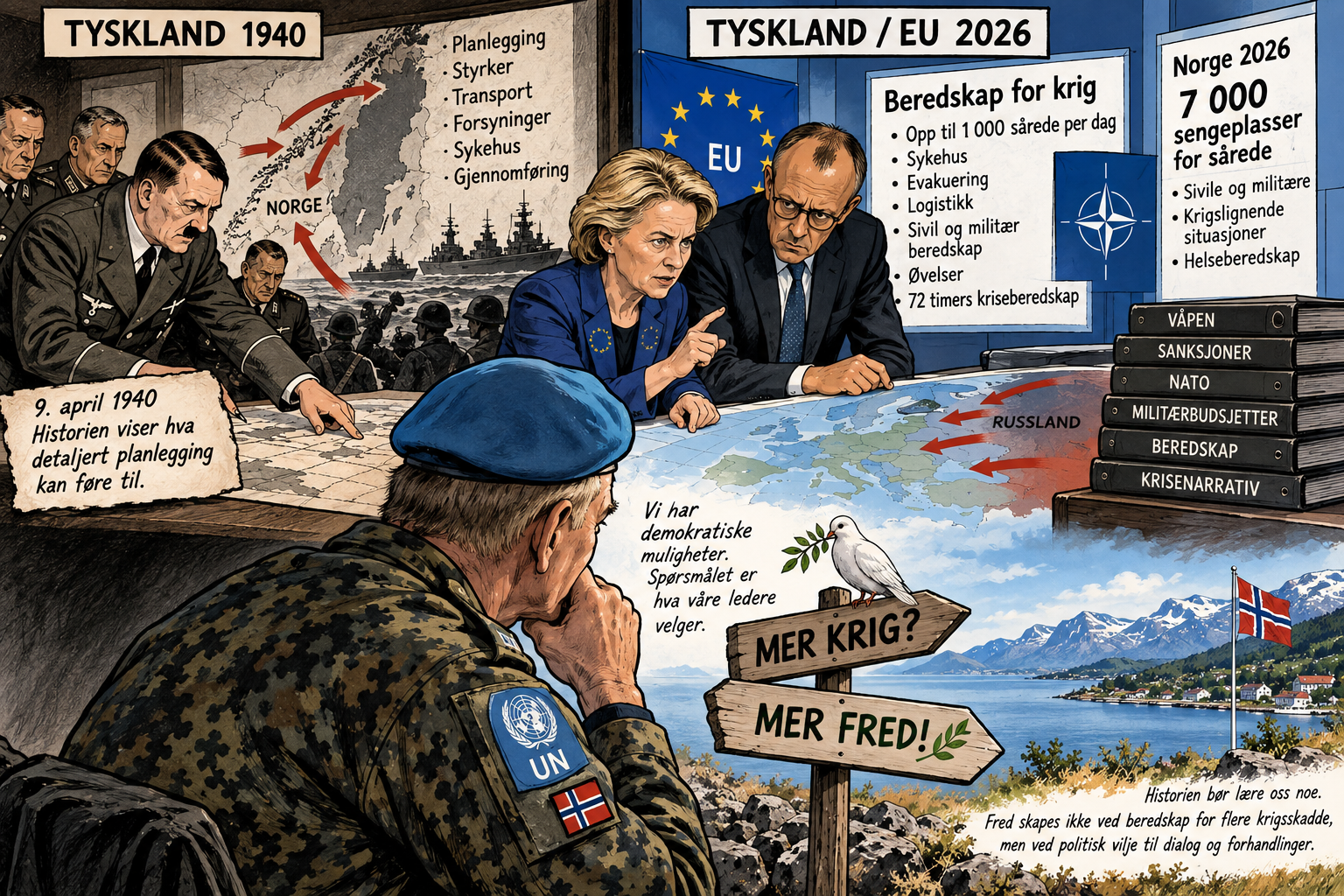
Germany is one example. The Bundeswehr works with up to 1,000 wounded per day as a planning assumption in a larger conflict. Military and civilian health systems are to be prepared to deal with the consequences should catastrophe come.
Think about what 1,000 war casualties every single day actually means. These are not pieces on a military map. They are people with shrapnel wounds, shattered bodies, burns and destroyed limbs. They are people who may never walk again. And behind them stand parents, spouses and children. On top of that come the psychological injuries that cannot be counted on an operating table.
For a Norwegian, it is impossible to read about extensive German war planning without history coming to mind. Before the attack on Denmark and Norway on 9 April 1940, Germany carried out extensive military planning for Operation Weserübung. The planning staff was established at the beginning of February 1940. The German leadership planned forces, organisation, supplies, transport and the execution itself before the attack came. This is historically documented. It does not, of course, mean that today’s democratic Germany can be compared politically with Hitler’s dictatorship, or that today’s preparedness plans are plans for an attack. That would be historically wrong. But history teaches us something else that is still relevant: when states begin to organise society’s resources around the possibility of a major war, the population should follow very closely where policy is heading.
That is exactly why I react. History must not be misused, but nor must it be forgotten.
Norway is following the same European trend in preparedness. The government has asked hospitals and municipalities to strengthen their plans for war and war-like situations. The health service is to plan to make around 7,000 beds available for the wounded, both civilian and military. This does not mean that the government expects war in Norway tomorrow. But it shows how serious the scenarios are that the authorities now believe the health service must be able to handle.
At the same time, the EU is moving ahead with its Preparedness Union Strategy. It covers stronger civilian and military preparedness, emergency stockpiles, health preparedness, critical infrastructure, exercises and closer civil-military cooperation. The strategy applies to several types of crisis, not only war. Nevertheless, military conflict has become a more prominent part of Europe’s preparedness thinking.
I do not dispute the need for preparedness. I dispute the imbalance.
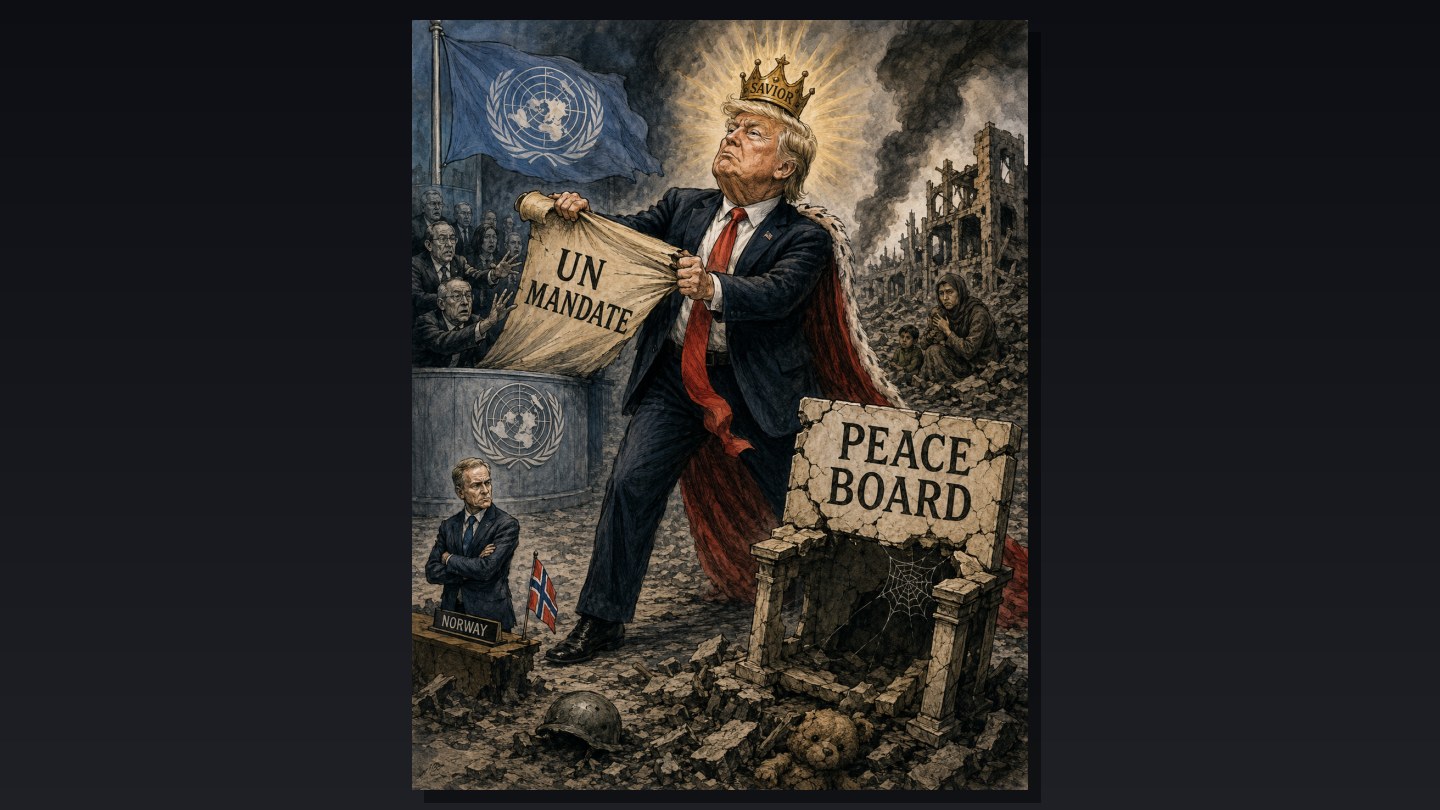
For where is Europe’s equally comprehensive preparedness for peace?
Where are the plans, with the same level of detail, for diplomacy, arms control and conflict prevention? Where is the political mobilisation to restore channels of communication between Russia and Europe? Where are the summits working day and night to reduce the risk of a military confrontation spiralling out of control?
We count hospital beds. We calculate the number of wounded. We train for evacuation. We build up military mobility. We increase defence budgets.
But who is counting the peace initiatives?
As a medic, I learned that war looks completely different when you stand by the stretcher than when you sit around a conference table. When the wounded person lies in front of you, the grand strategic words disappear. What remains is the blood, the pain, the fear and the human being.
That is why this development worries me deeply.
Democracy gives us other tools than weapons. We have diplomacy. We have negotiations. We have international organisations. We have arms control. We have the opportunity to talk to states we profoundly disagree with. In fact, diplomacy matters most precisely when the differences are greatest.
Europe must be prepared should war come. But Europe’s foremost political task must be to ensure that it never comes.
When Germany can calculate how many wounded its hospitals must be able to receive each day, and Norway can plan thousands of beds for war casualties, we must be able to demand answers that are at least as concrete to a far more important question:
What are our political leaders doing to prevent these people from ever ending up on the stretcher?
I have seen enough of the reality of war to know which kind of preparedness I would most like to have.
Preparedness for peace.