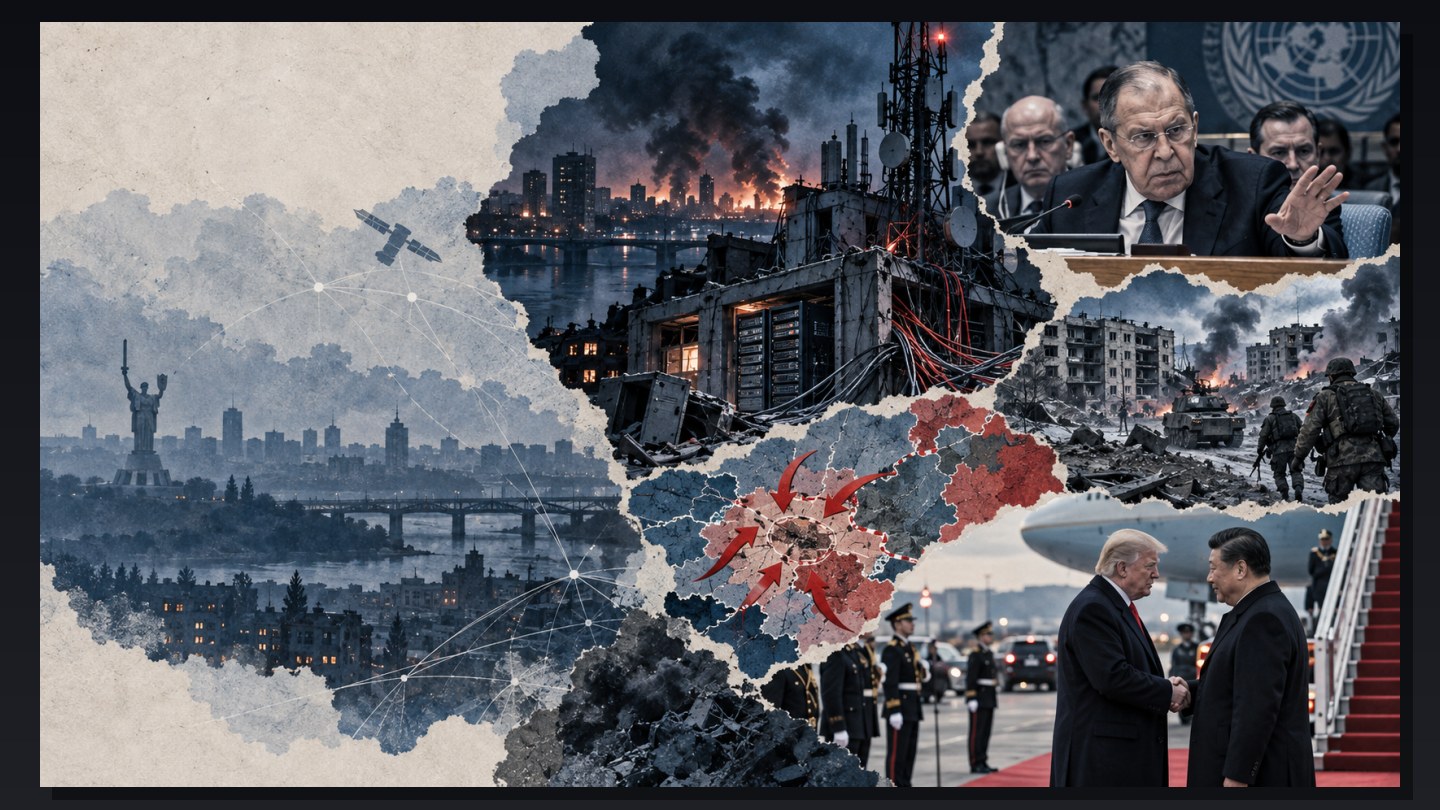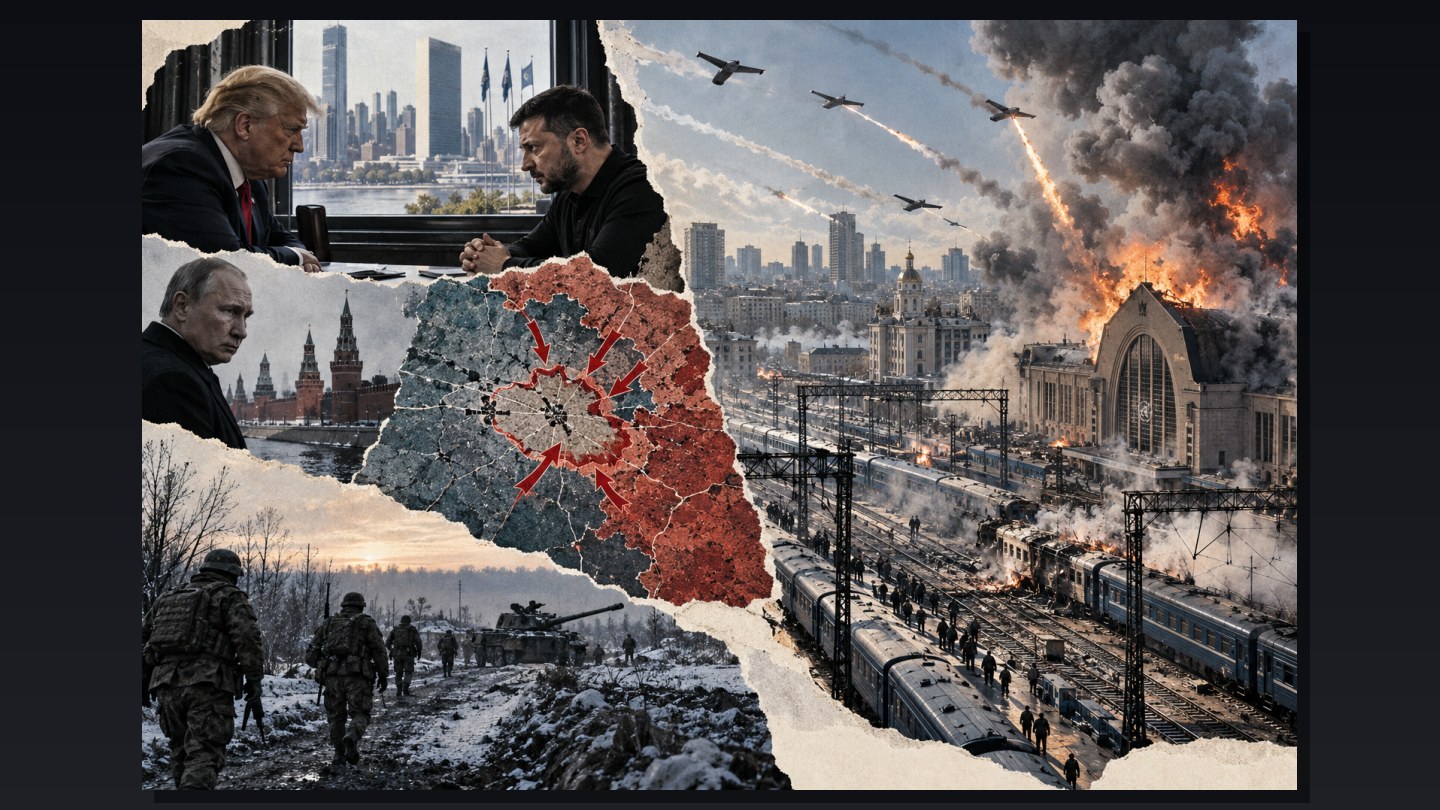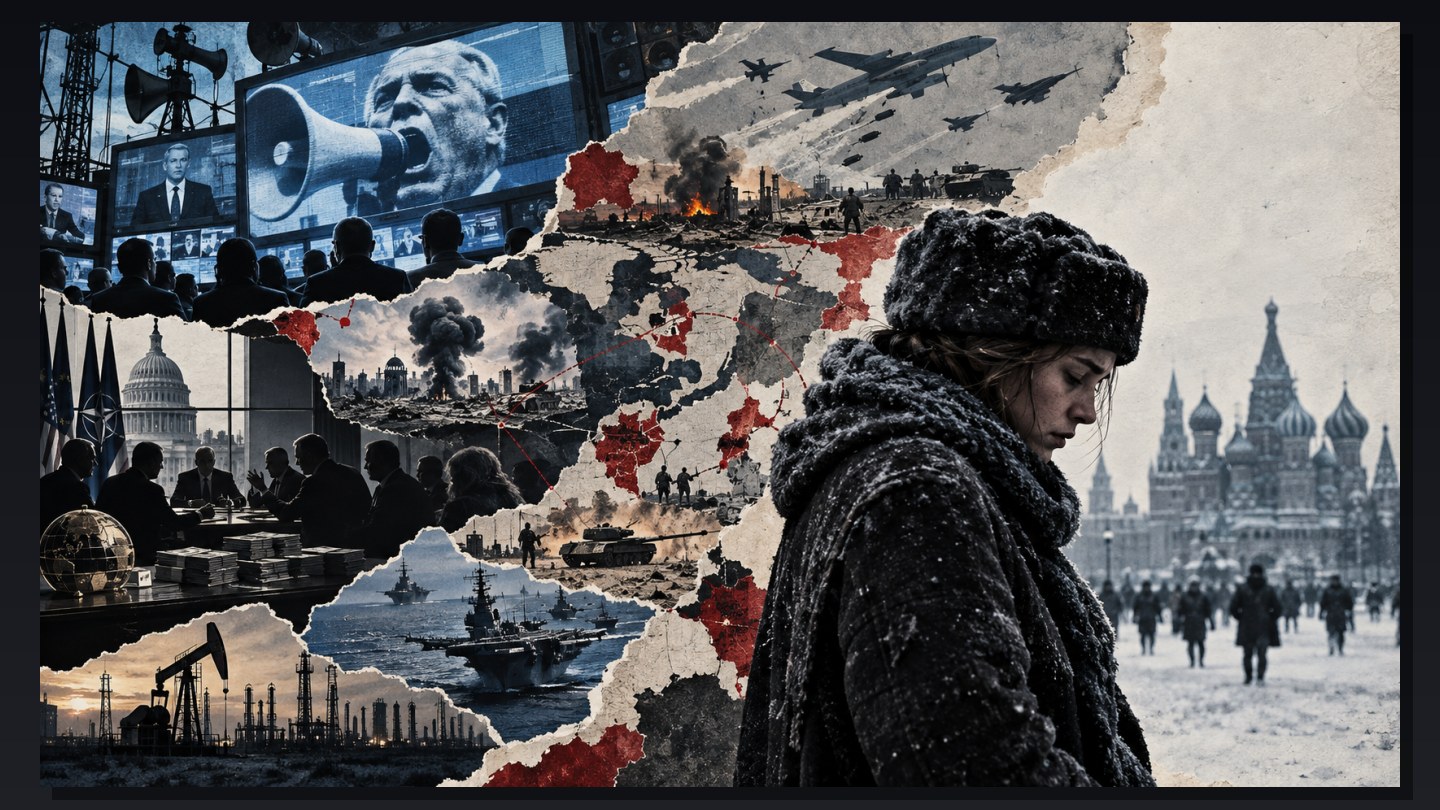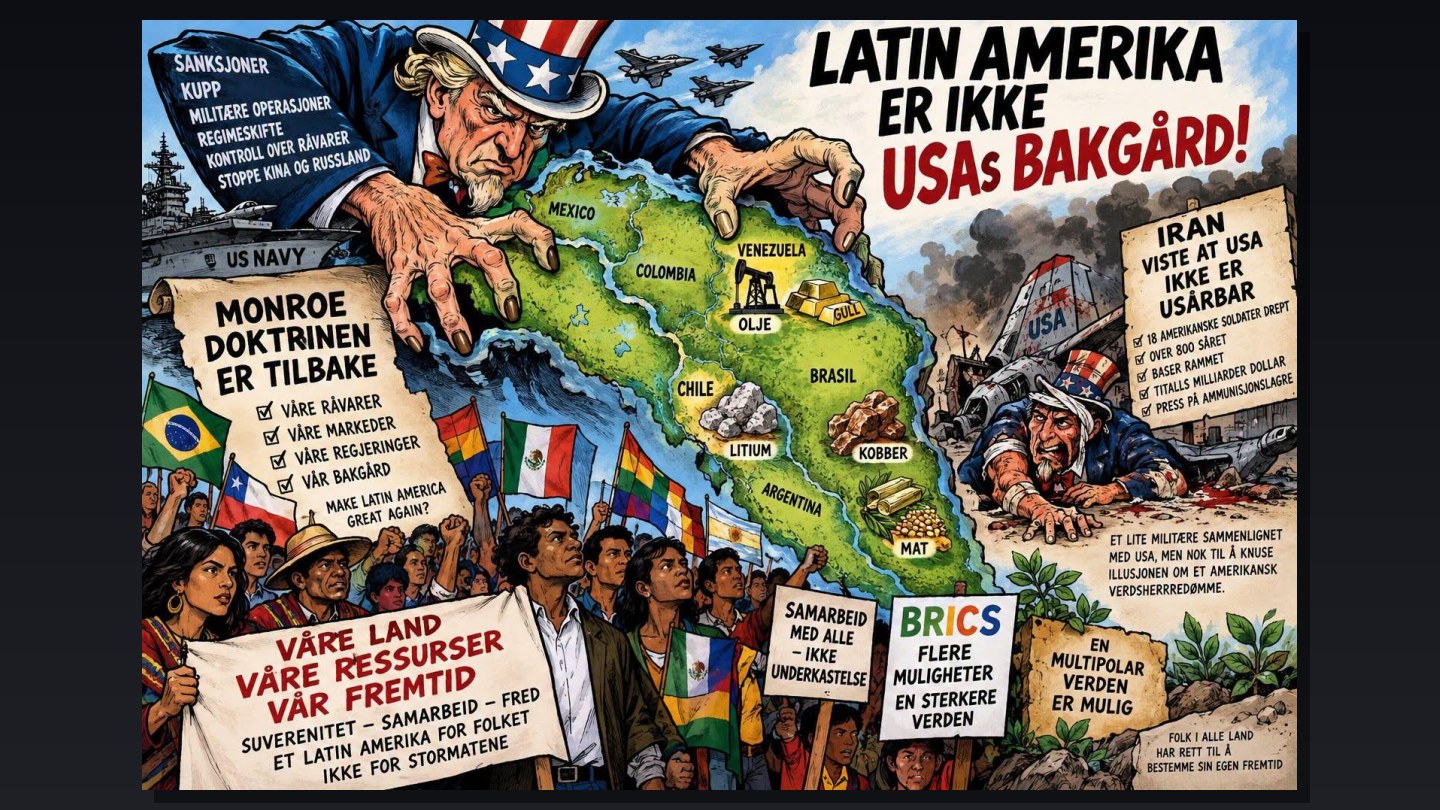
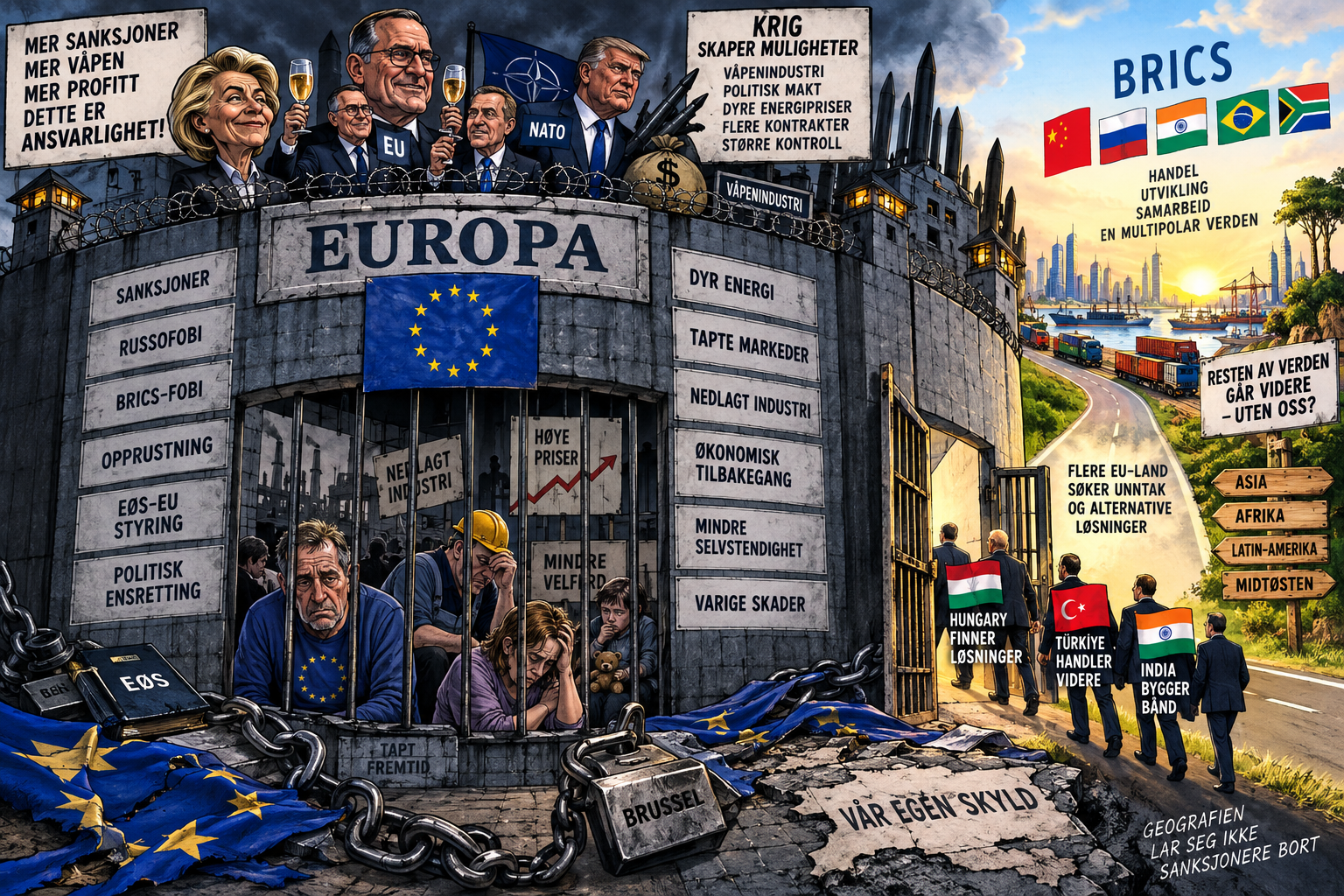
We have built our own prison and call it solidarity.
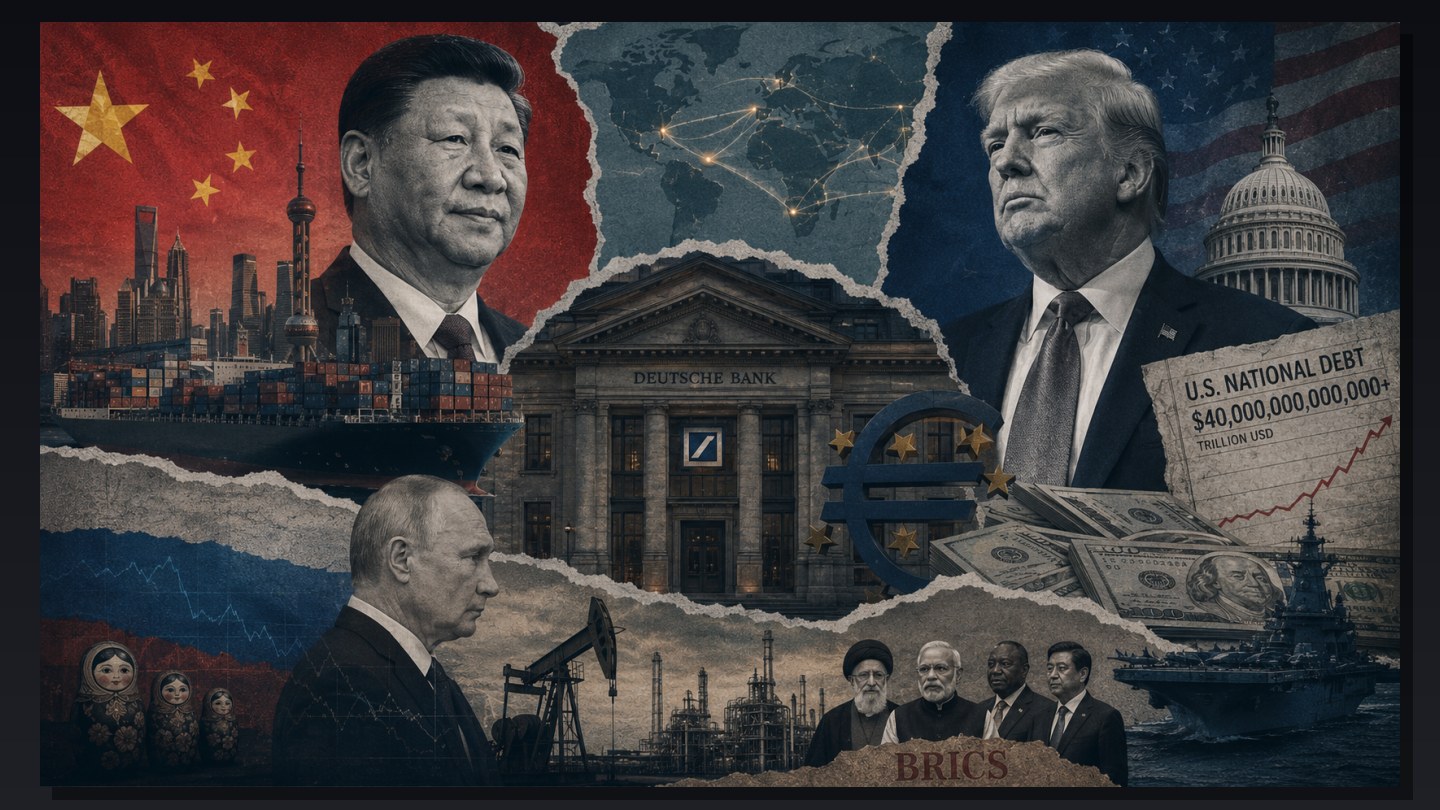
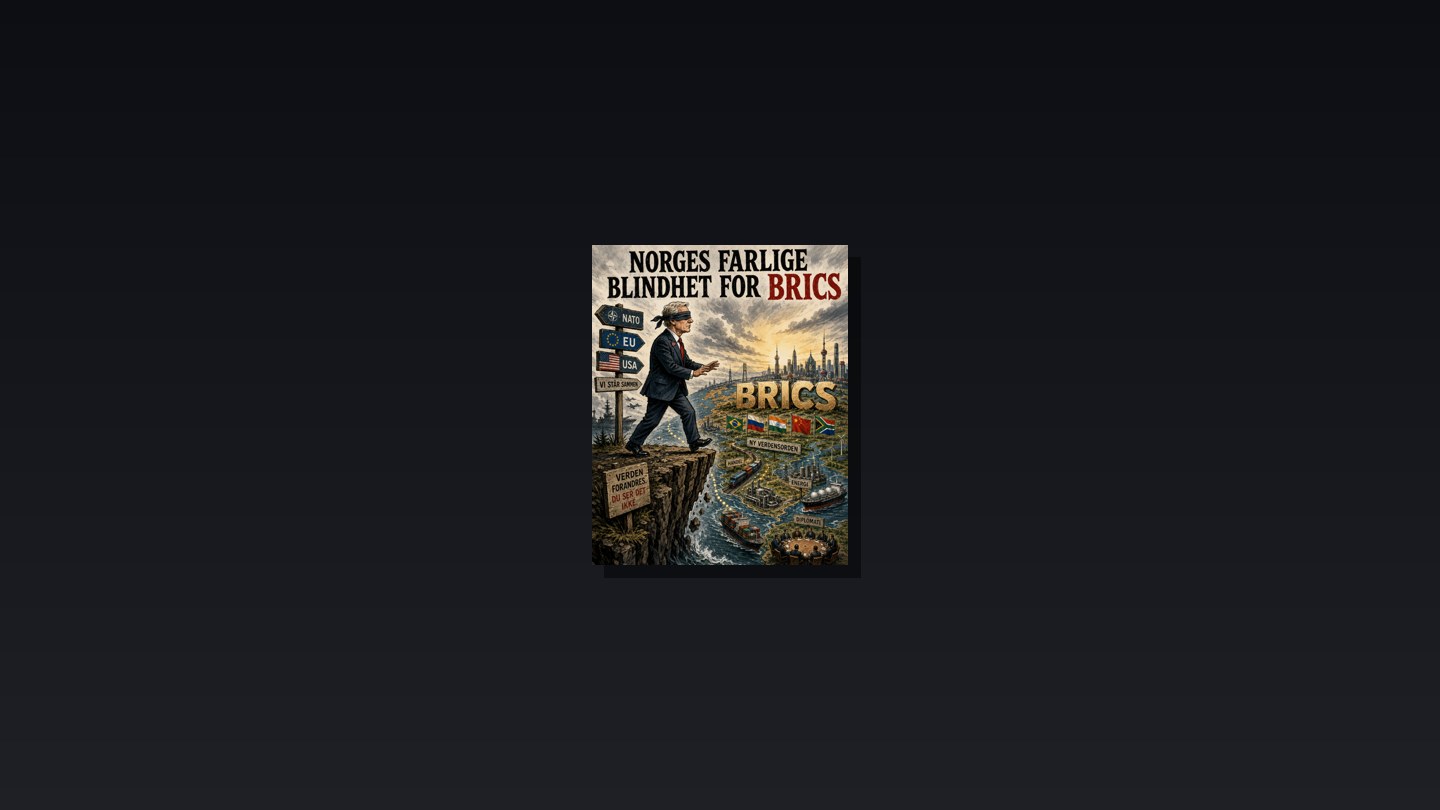
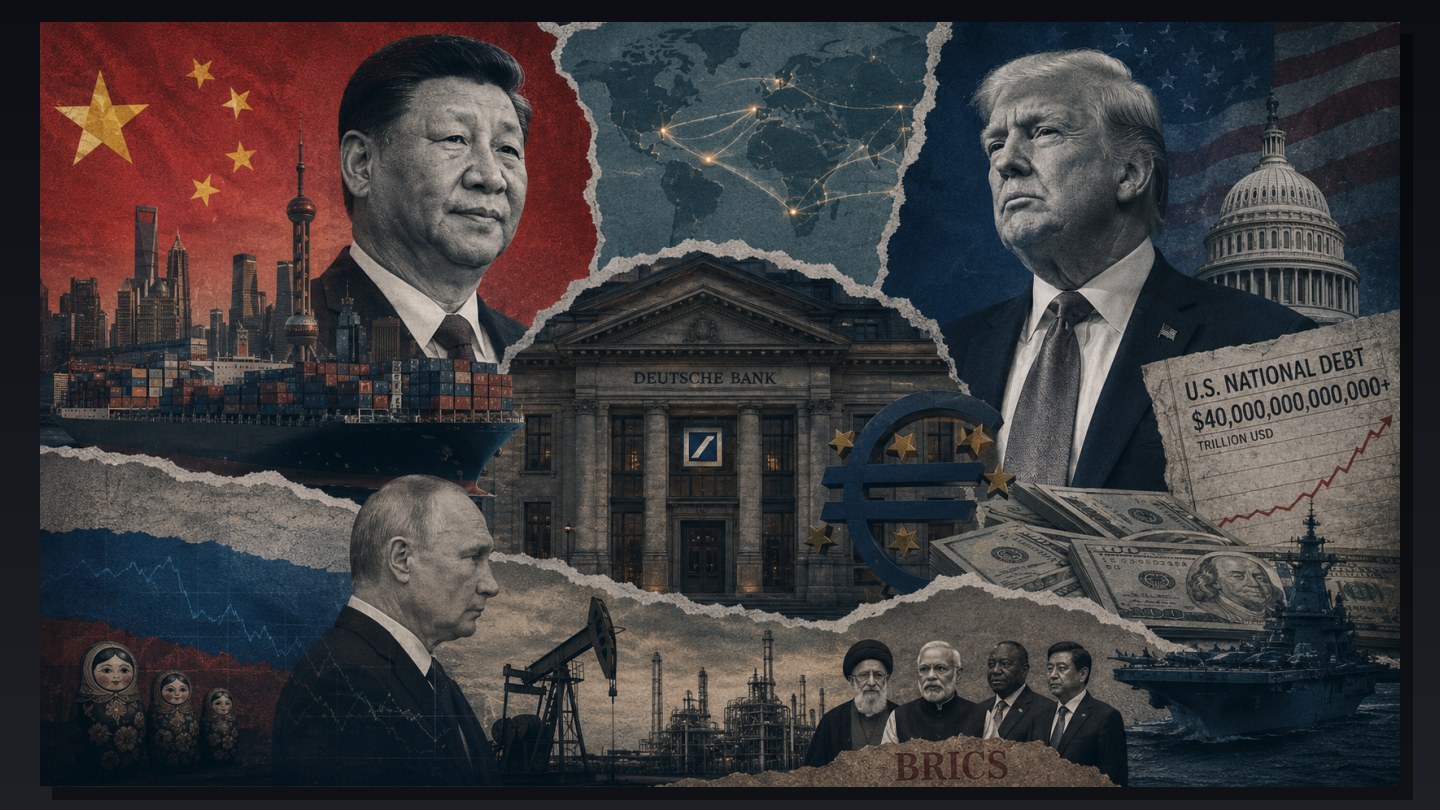
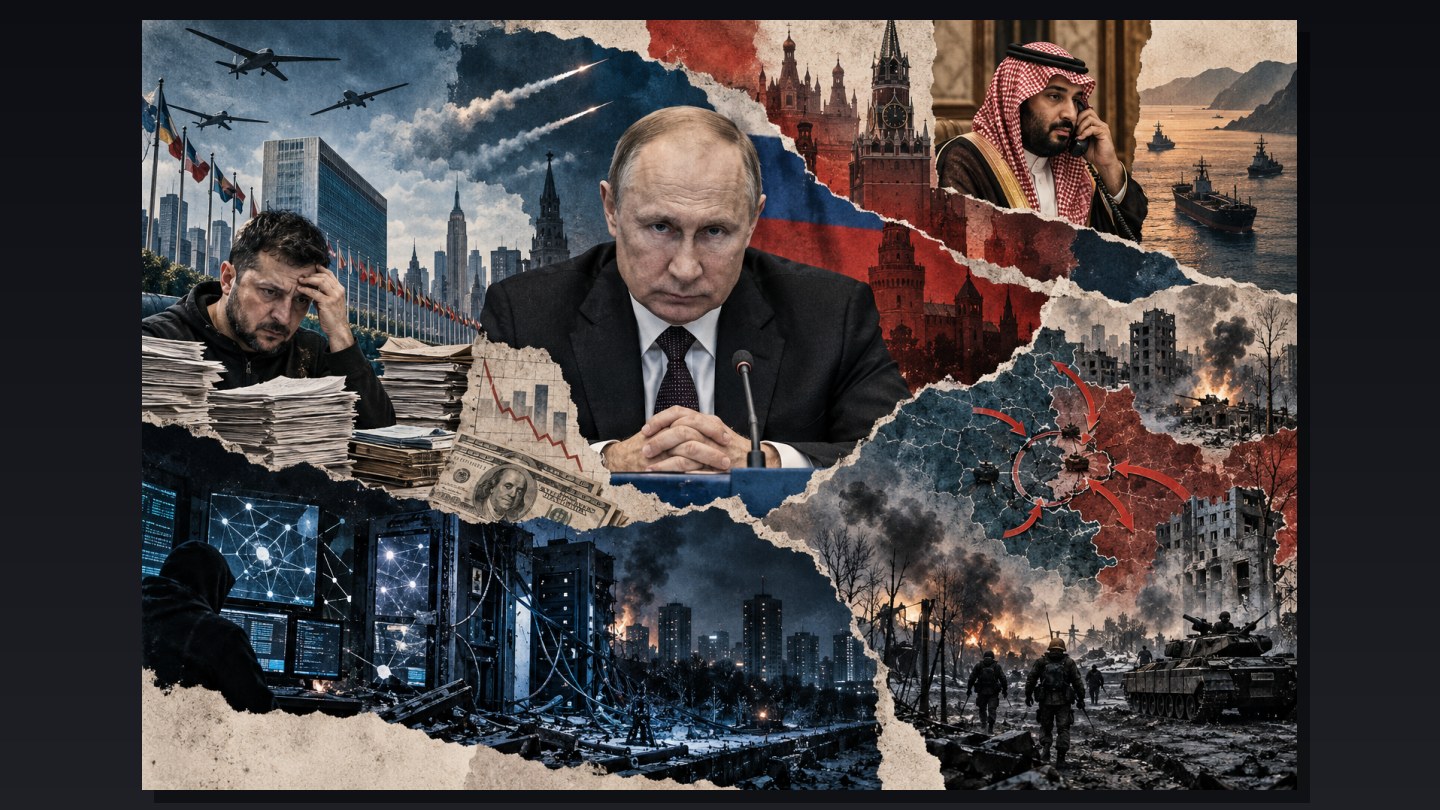
Europe has been struck by what I would call Russophobia and BRICS-phobia. Russia is no longer to be met merely as a counterpart in a specific conflict, but treated as an almost permanent enemy. At the same time, BRICS and the Global South are viewed with growing unease because ever more countries refuse to submit to a world order in which Washington and Brussels alone define the rules of the game.
The problem for Europe’s leaders is that the rest of the world no longer asks for permission.
China keeps trading. India keeps trading. Brazil keeps trading. The Gulf states pursue their own policies. Large parts of Africa seek investment and trade wherever the opportunities are. BRICS is growing in importance, and more and more countries want a world order with several centres of power. They will not halt this development because European politicians dislike it.
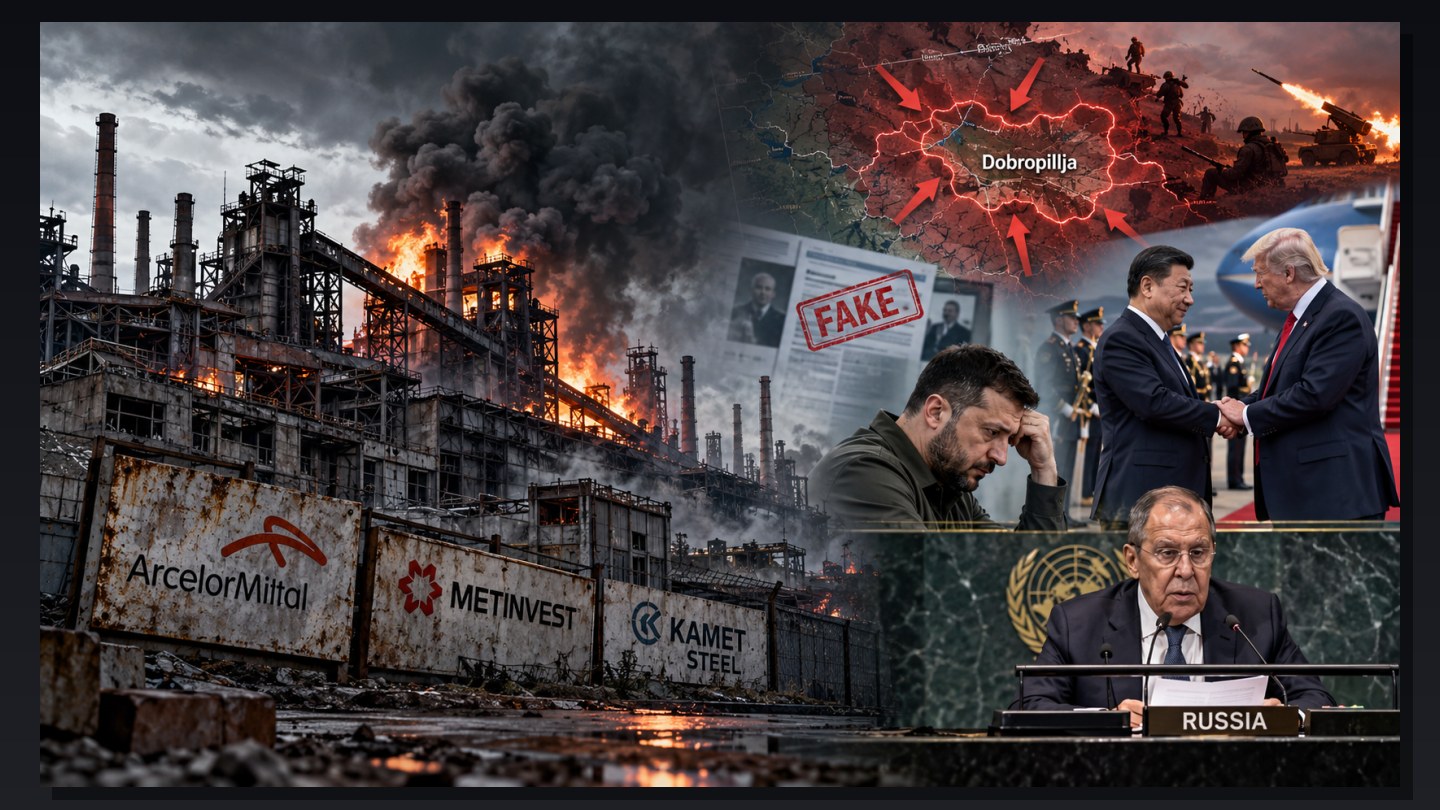
Even more revealing is what is happening inside Europe. When sanctions policy collides with national interests, energy needs and economic realities, unity begins to crack. Some EU countries have fought hard for exemptions, transitional arrangements and opportunities to maintain certain energy links. Other European companies and traders are seeking legal alternative trade routes through third countries and new supply chains.
That is a warning for Norway.
When a policy is so economically demanding that member states must simultaneously look for exemptions from it, it shows how difficult it is to sustain the notion of a single, unified European interest. National interests do not disappear because Brussels adopts yet another sanctions package.
An increasingly absurd system is therefore emerging. First Europe closes a door for geopolitical reasons. Then businesses and governments look for other doors because the economy still needs the goods, the energy or the markets. Trade can become more expensive, more complicated and pass through more intermediaries, while European consumers and businesses ultimately pay the bill.
This cannot be called strategic genius, because it is not.
Europe tried to build a wall around Russia. Instead we risk building the wall around ourselves, while other countries build roads around it.
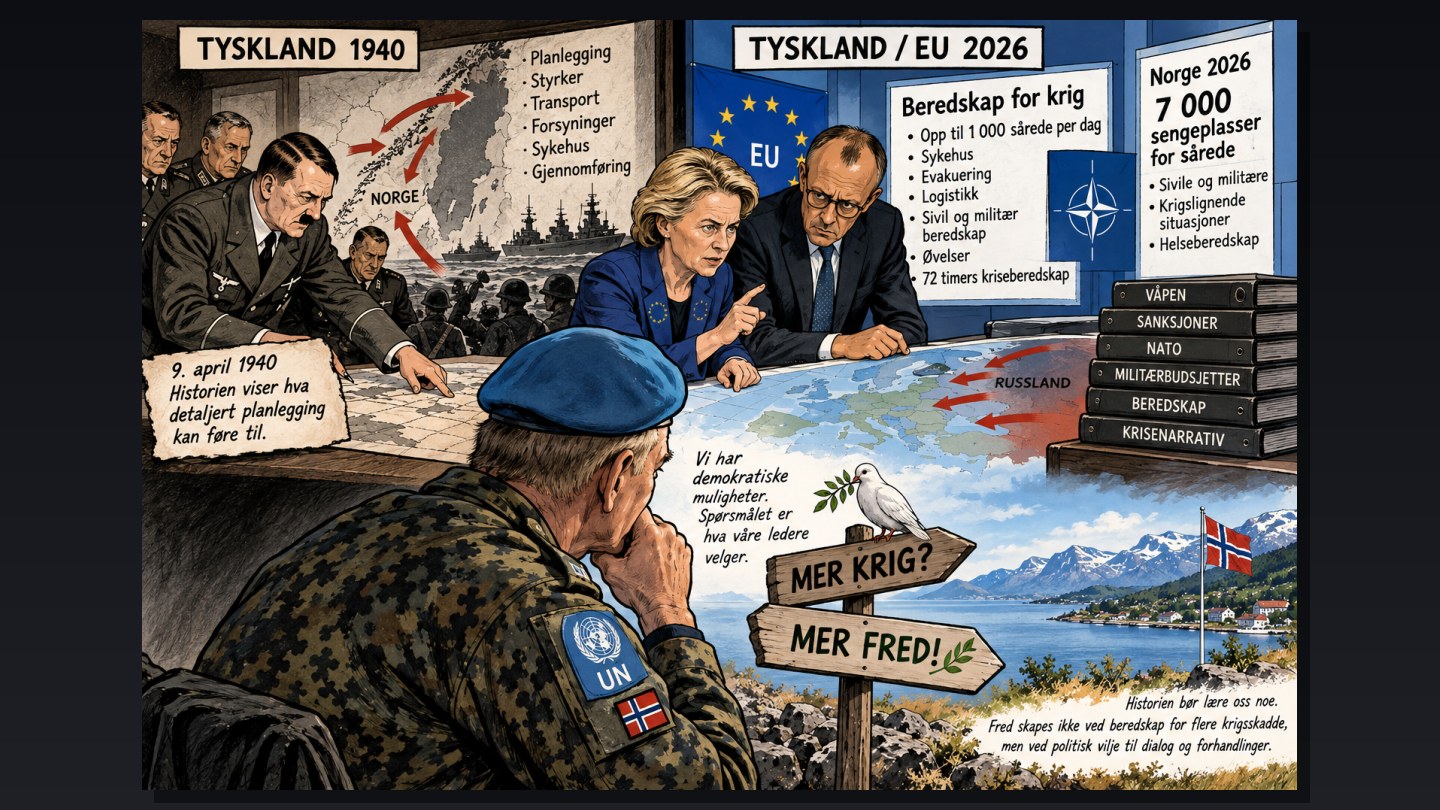
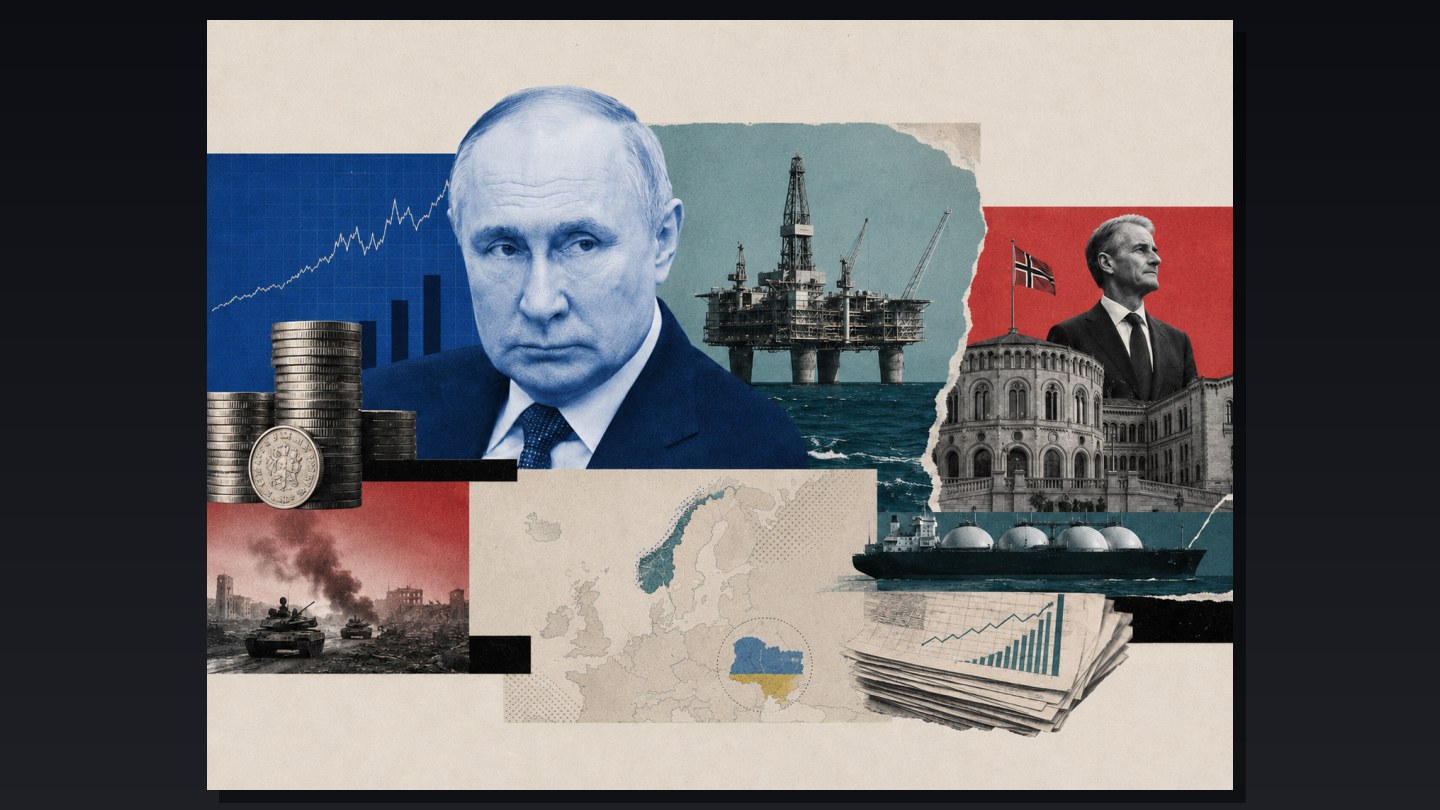
And while Europe’s industrial foundation is being challenged, there is one sector that hardly needs to fear a lack of political attention: the arms industry. European countries are to spend enormous sums on rearmament, ammunition, missiles, drones and military technology. The longer the confrontation lasts, the bigger the market.
That does not mean every politician who wants rearmament personally wants war or profits from it. But we must stop pretending that permanent confrontation does not create enormous economic interests. When hundreds of billions are channelled into the defence sector, contracts, industry, jobs and lobbying interests emerge with strong economic stakes in this policy.
War has always had an economy. It has one in Europe today, too.
At the same time, the language has changed. Peace negotiations, détente and compromise are far too easily portrayed as naivety. Rearmament is called realism. Diplomacy is viewed with suspicion, while new weapons packages are presented as decisiveness.
This is a political dead end.
Europe did not become an economic great power because we produced the most shells. Europe became strong through industry, technology, education, productivity, trade and connections to the rest of the world. Now we risk sacrificing parts of this for a permanent geopolitical confrontation.
And such damage is not repaired by a new declaration from Brussels.
Once a factory has been shut down, it may be gone for good. When production moves to the US or Asia, there is no guarantee it will come back. When centres of expertise disappear, subcontractors, research and investment follow. When markets are taken over by Chinese, Indian, Turkish or other companies, European industry may discover that its place has been taken on the day politicians want normalisation.
This is what makes the damage potentially lasting.
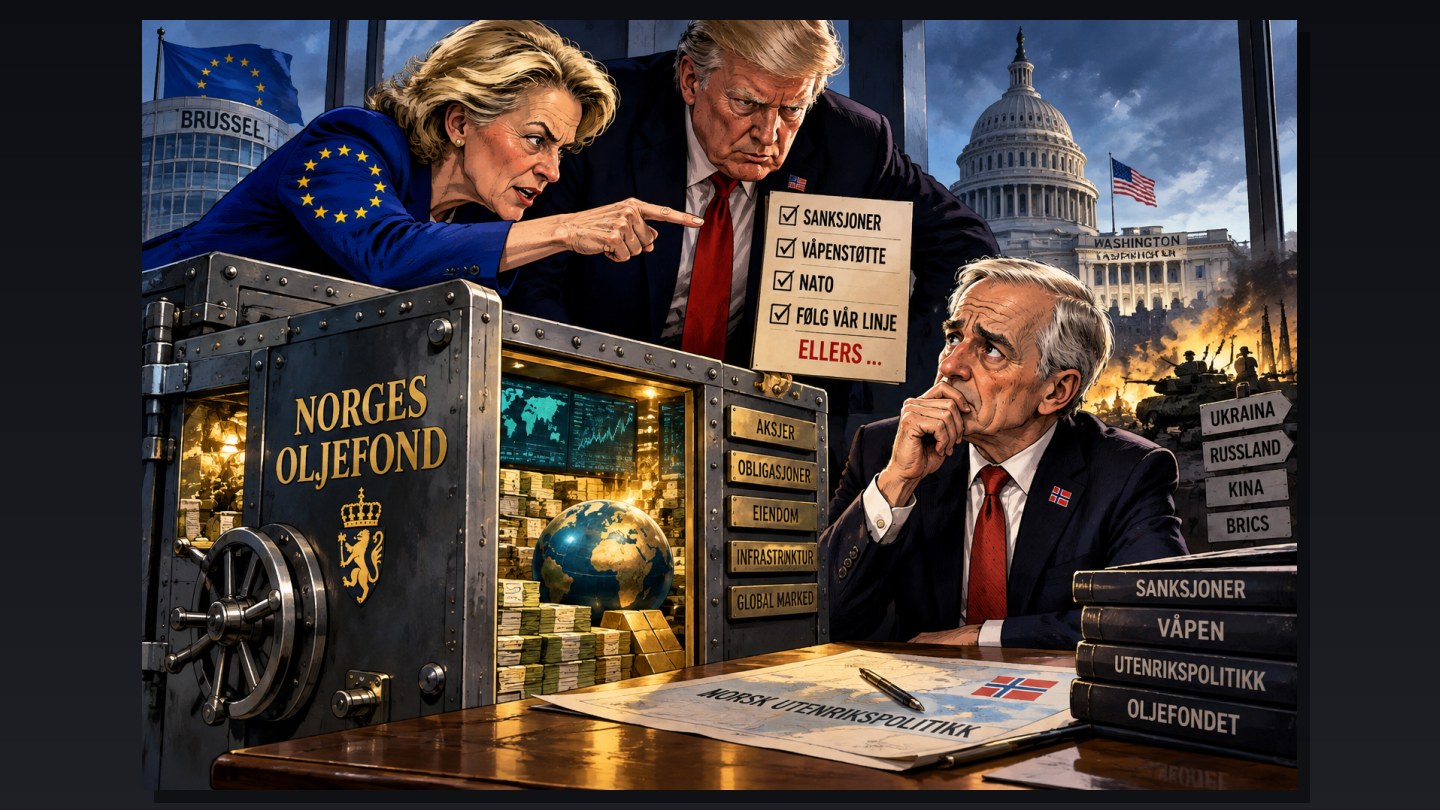
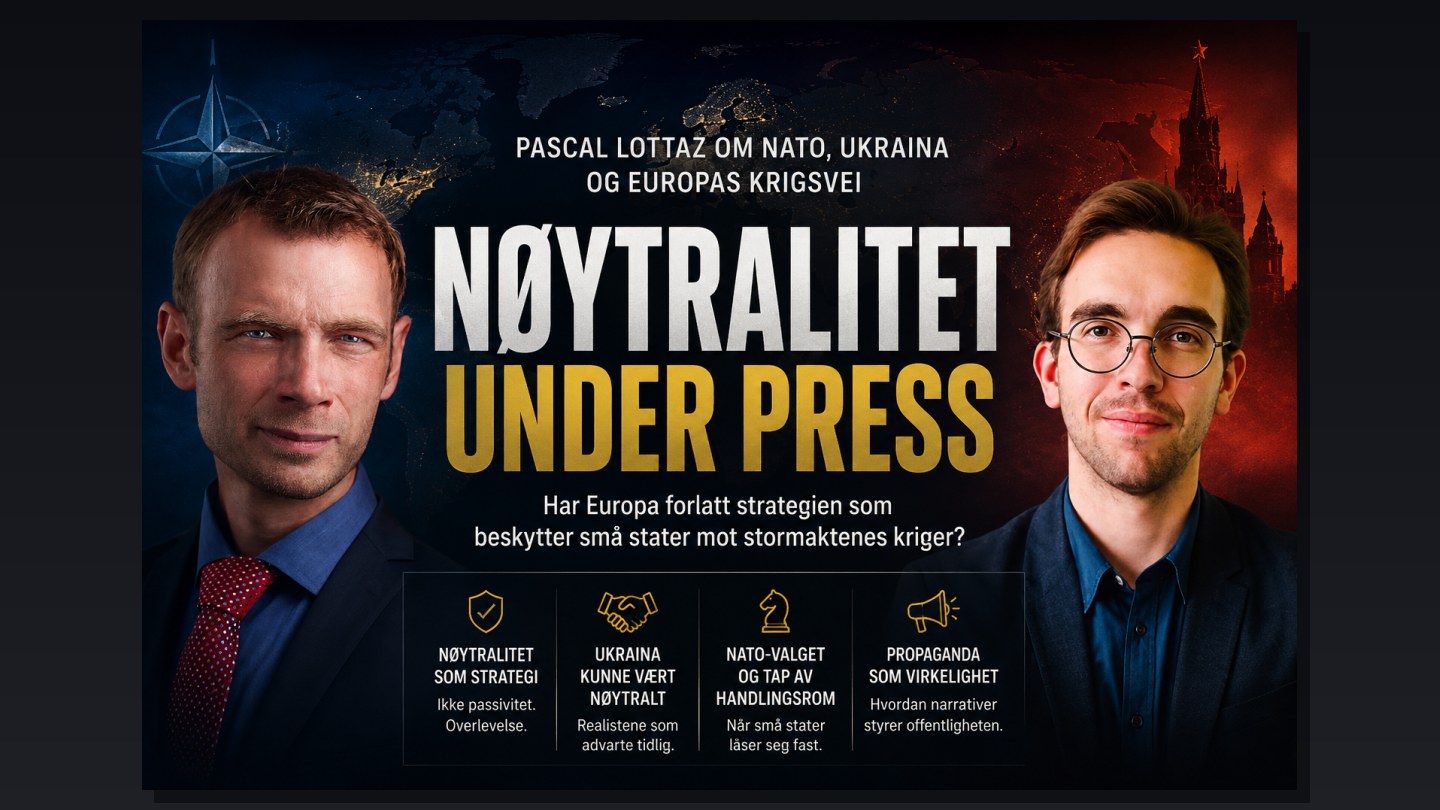
Norway should have been the voice demanding a different course. We are not a member of the EU. We are a small trading nation with historical interests both to the east and to the west, and we share a border with Russia that no government can move.
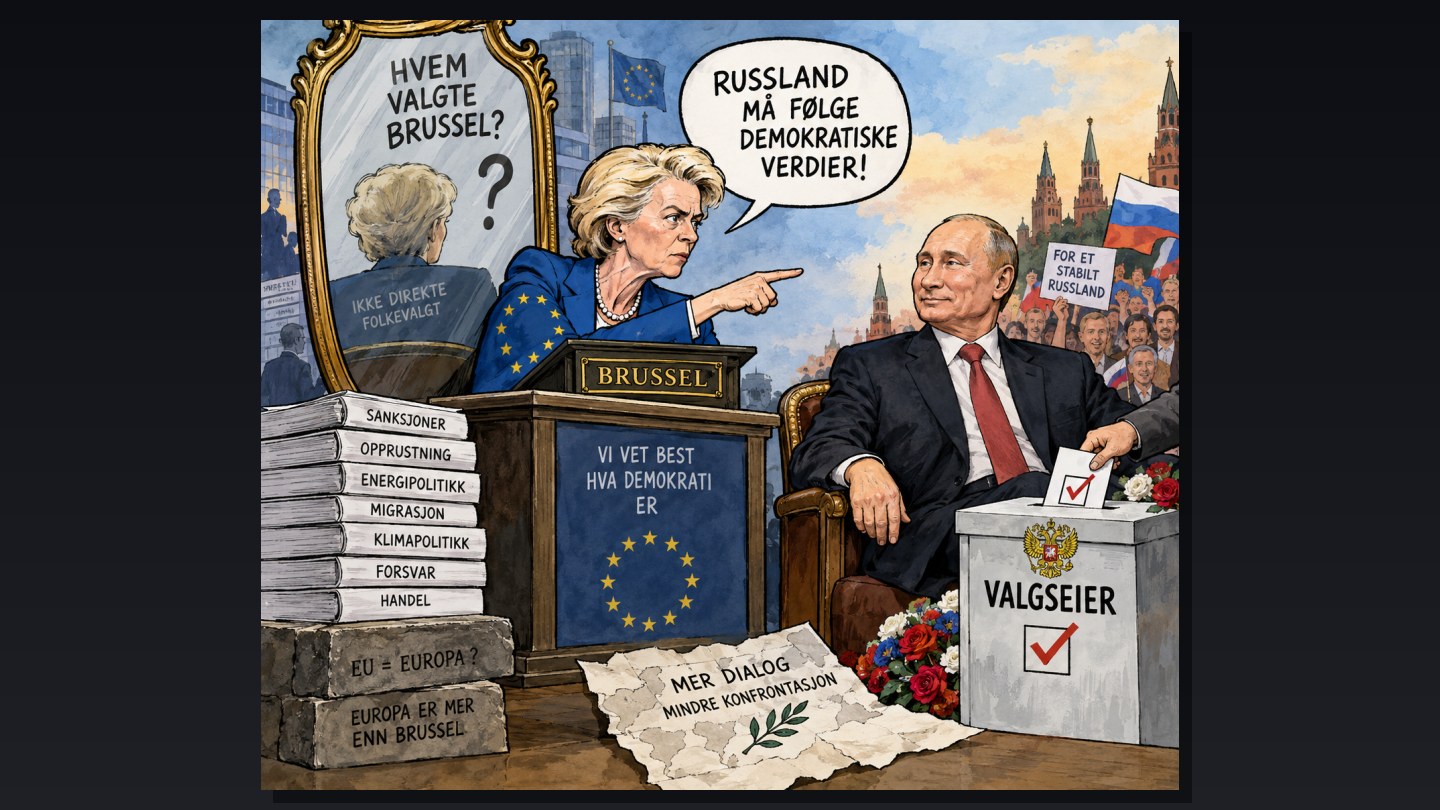
Instead, we increasingly behave like the top pupil in the Brussels classroom. We implement, harmonise, sanction and adapt, while the word “sovereignty” is still used in speeches on festive occasions.
It is a strange kind of independence when we hardly dare use it.
We do not need to choose BRICS over the West. It is precisely this primitive either-or thinking that Europe must free itself from. Norway needs the US and Europe, but we also need China, India, Brazil, Africa, the Middle East and other growing markets. When the guns one day fall silent in Ukraine, Russia will still be part of Europe’s geography.
Geography cannot be sanctioned away.
The brutal conclusion is that Europe’s leaders may be remembered as the generation so preoccupied with isolating Russia and preserving the West’s old position of power that they instead helped isolate Europe’s economy from parts of the new world.
BRICS is not waiting for us. Asia is not waiting. The Global South is not waiting.
They build while we sanction. They sign agreements while we tear connections apart. They take over markets while European politicians give speeches about how united Europe is. And at the same time, ever new exemptions and detours emerge when reality shows that politics cannot abolish the basic needs of the economy.
That may be the most revealing thing of all: when Europe’s own countries must fight for exemptions from the policy they officially defend, it is not a sign of strength. It is a sign that the wall has already begun to crack.
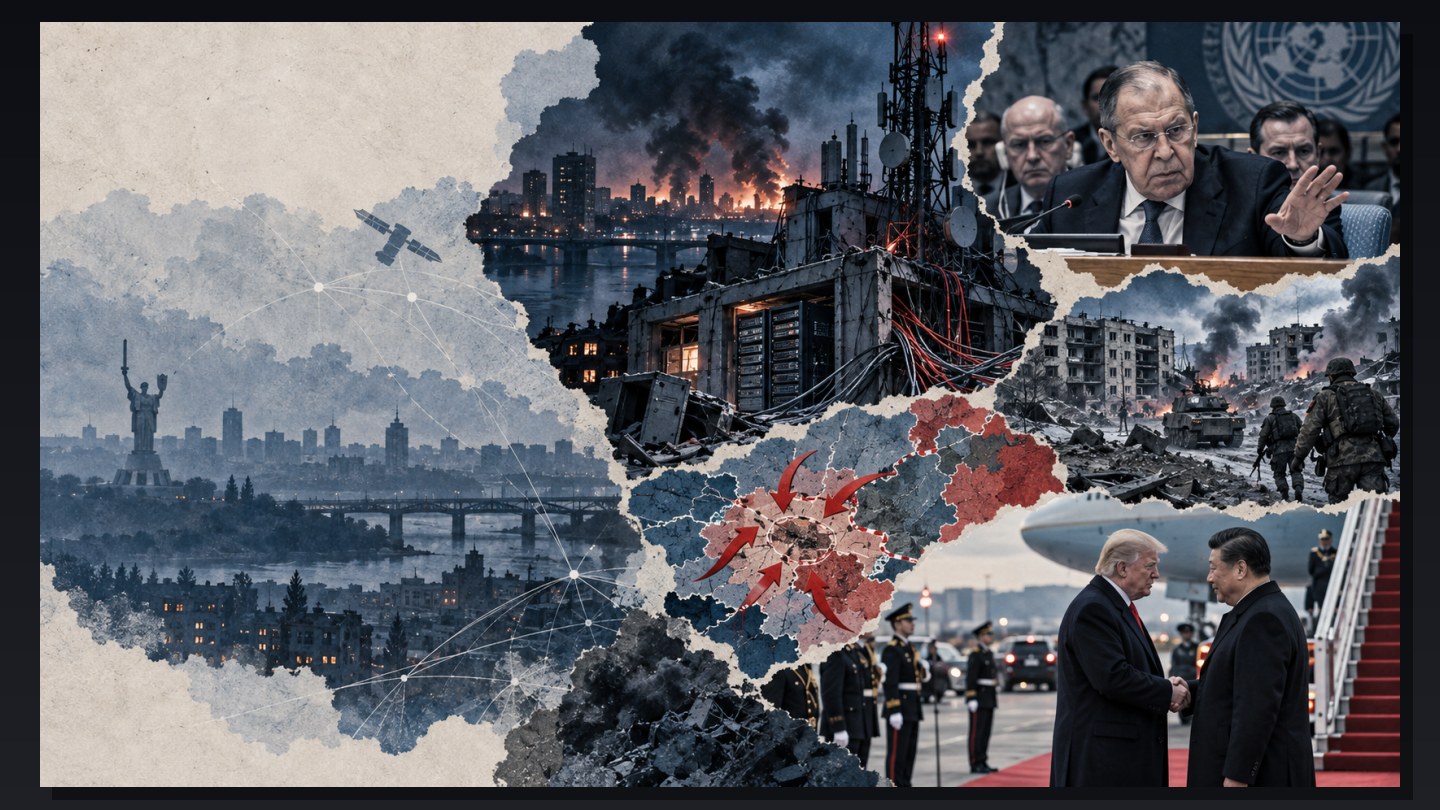
Europe has built its own political and economic prison. Russophobia and BRICS-phobia keep the fear alive, sanctions build the walls, and rearmament makes it ever harder to turn back.
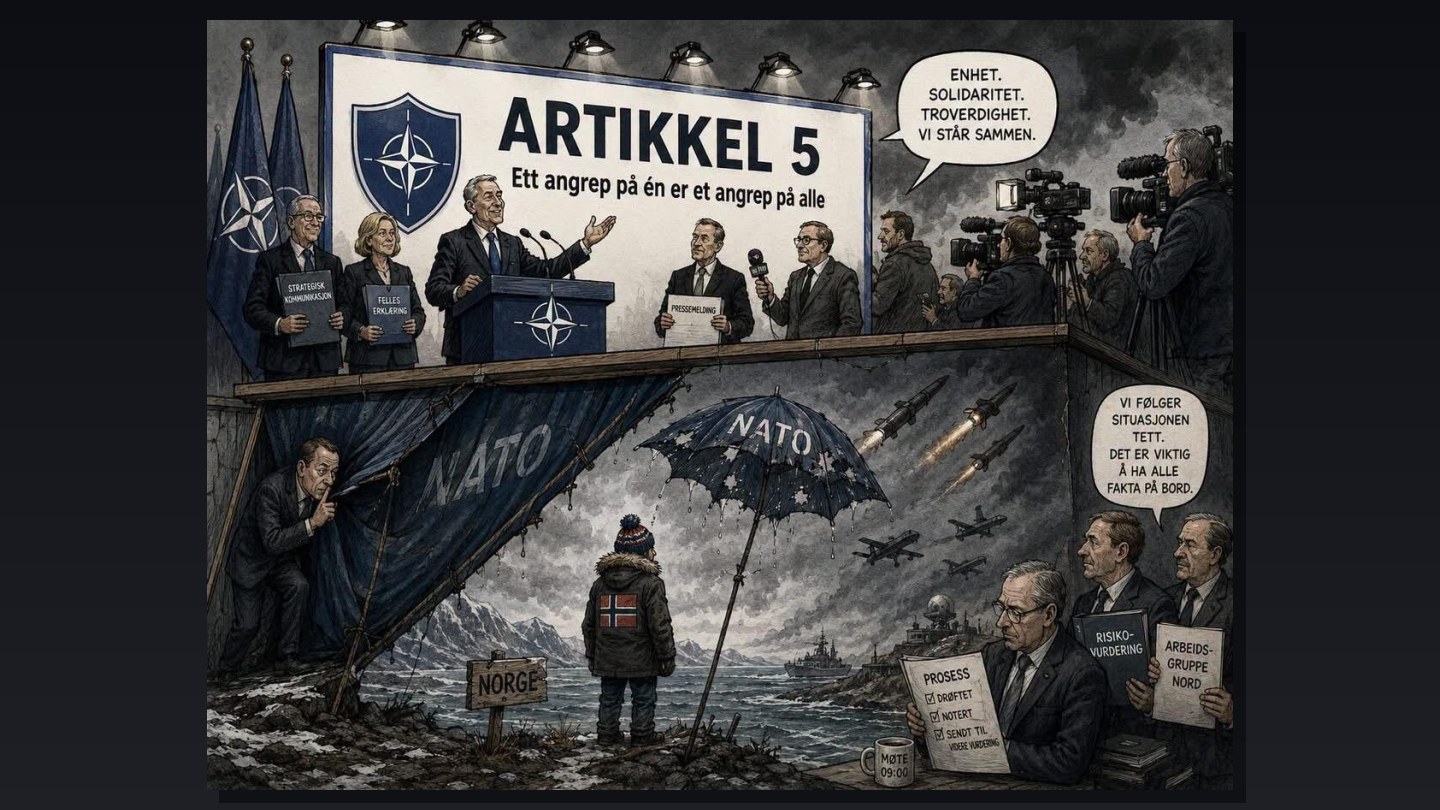
The rest of the world is finding ways around the walls. Some European countries are already looking for the emergency exits. Norway still stands obediently by the cell door, waiting for the next instruction from Brussels.
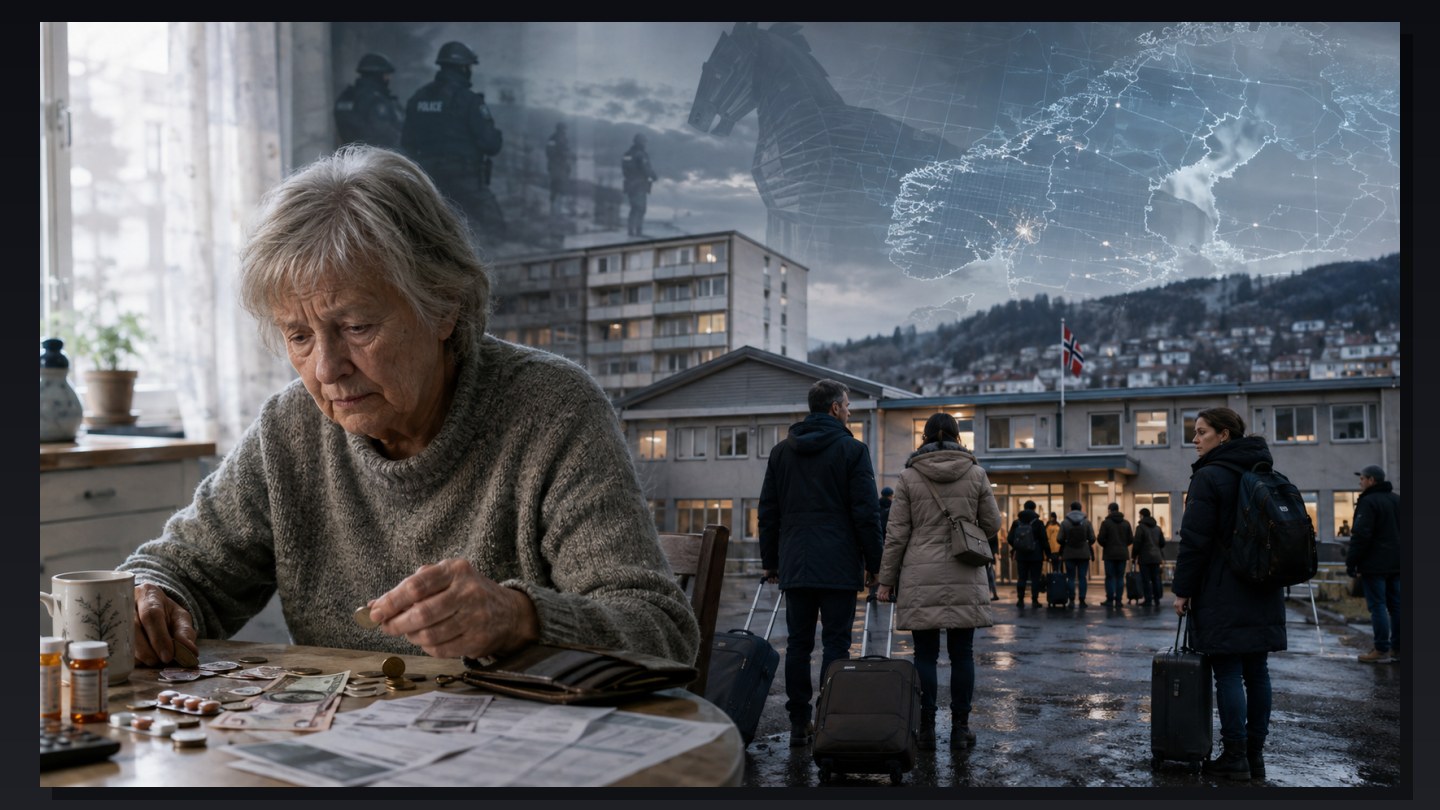
And the bill is sent to Europe’s workers, businesses, taxpayers, children and grandchildren. They are the ones who may be left with the lasting damage from Europe’s self-inflicted economic and political mistakes.