
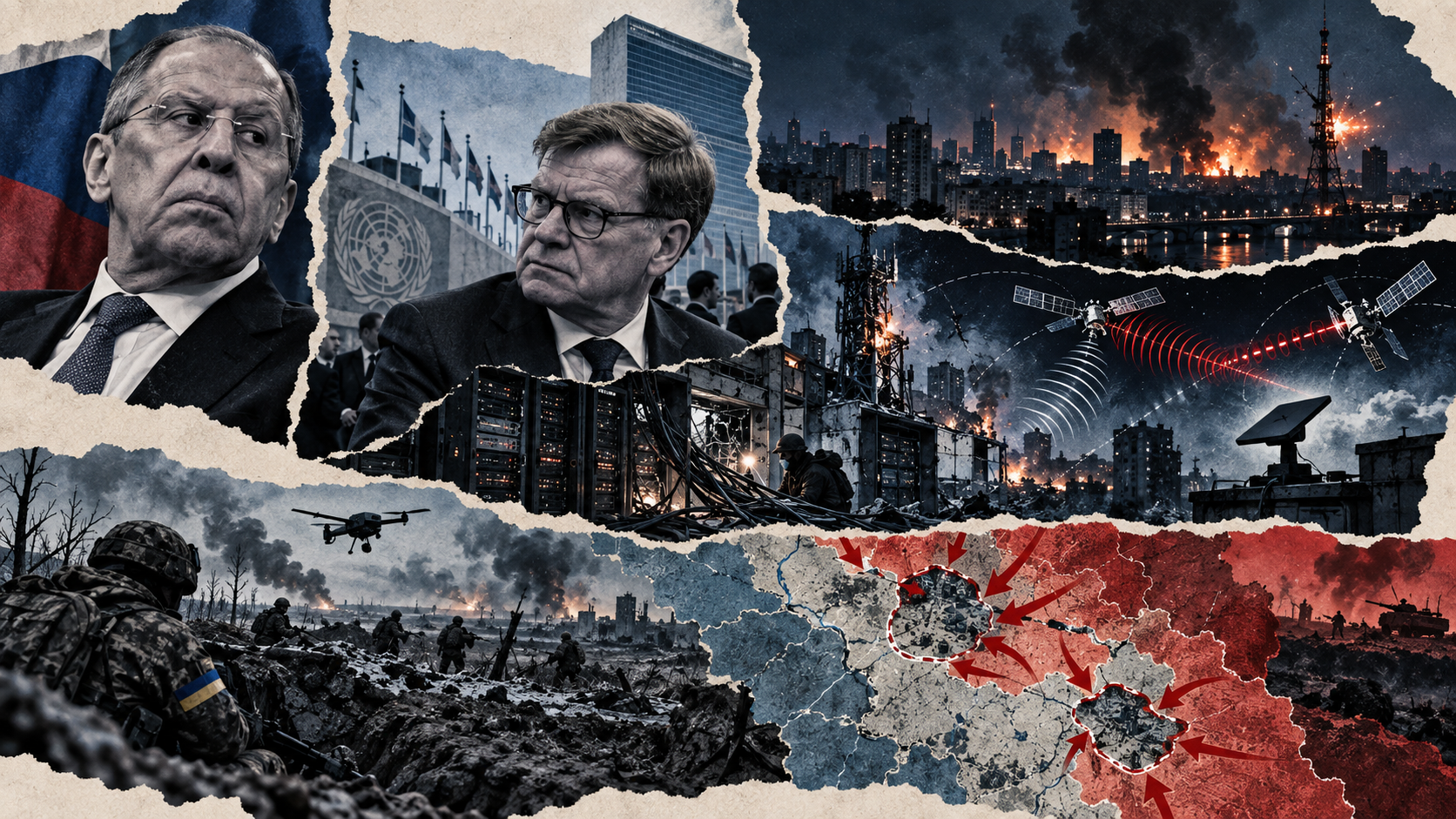
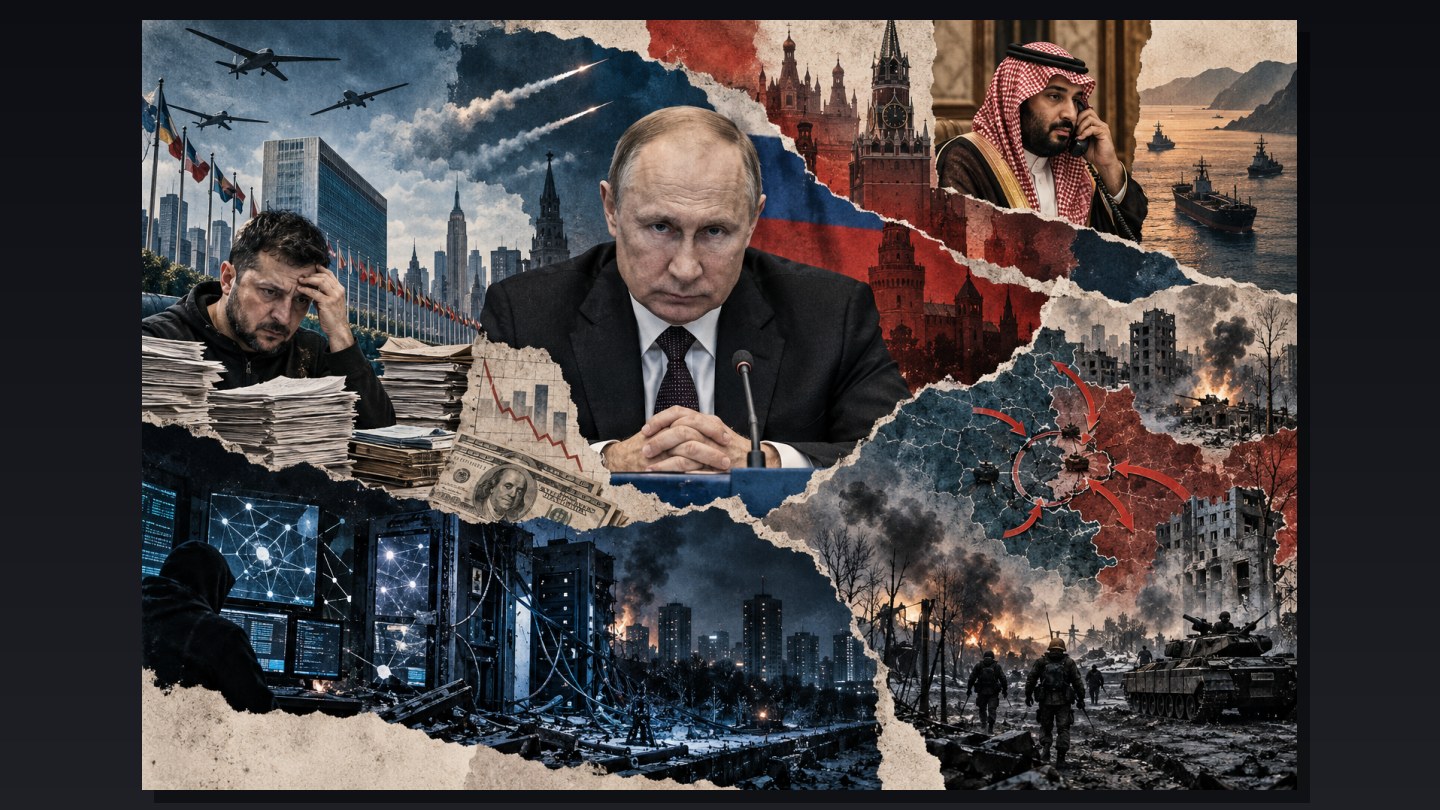
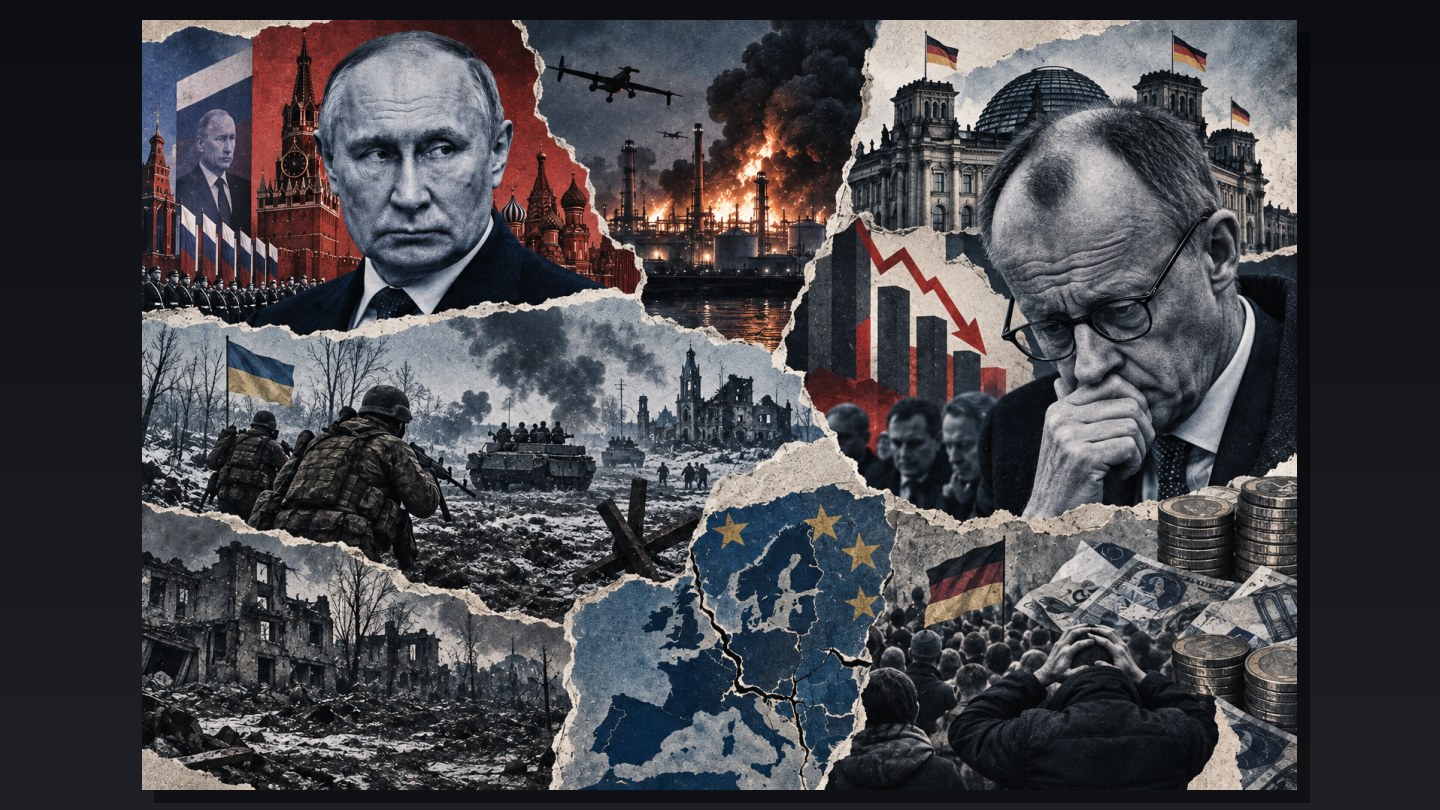
The pressure on Russia is intense – and Russia is not giving an inch
Zelensky himself now acknowledges that Russia shows no interest in a ceasefire or in negotiations on his terms.
He says new attempts will be made in October.
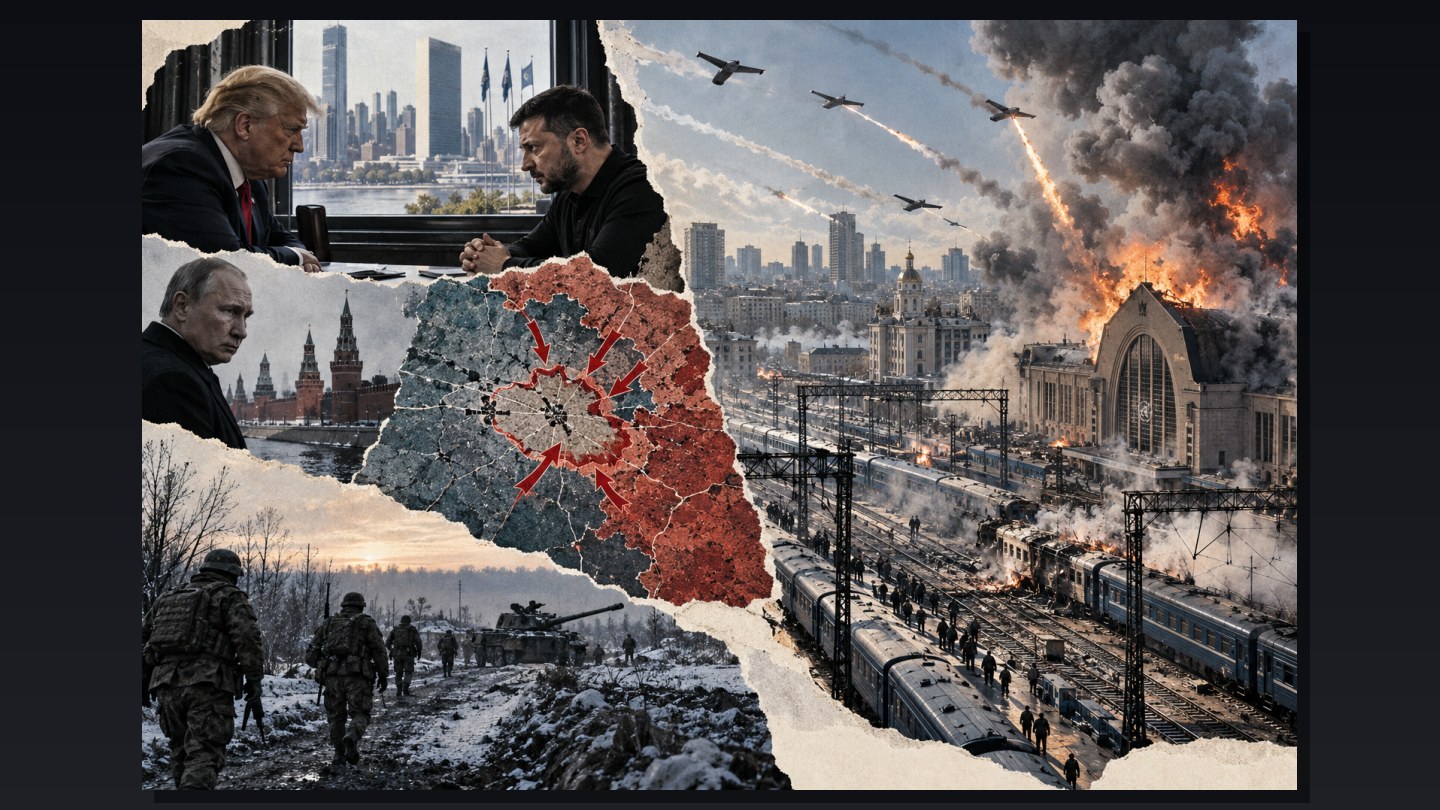
At the same time, he has announced a new 40-day drone campaign against Russia – while on the other hand saying that Ukraine lacks the money to sustain drone production.
Perhaps Kyiv still hopes that the US will put the Graham-Blumenthal bill to use and impose secondary sanctions on countries that buy Russian oil.
But this collides directly with Trump’s desire to keep relations with China stable.
The trade truce with Beijing has just been extended, and the G20 summit in Miami is approaching.
That makes a dramatic economic confrontation with China far less likely right now.
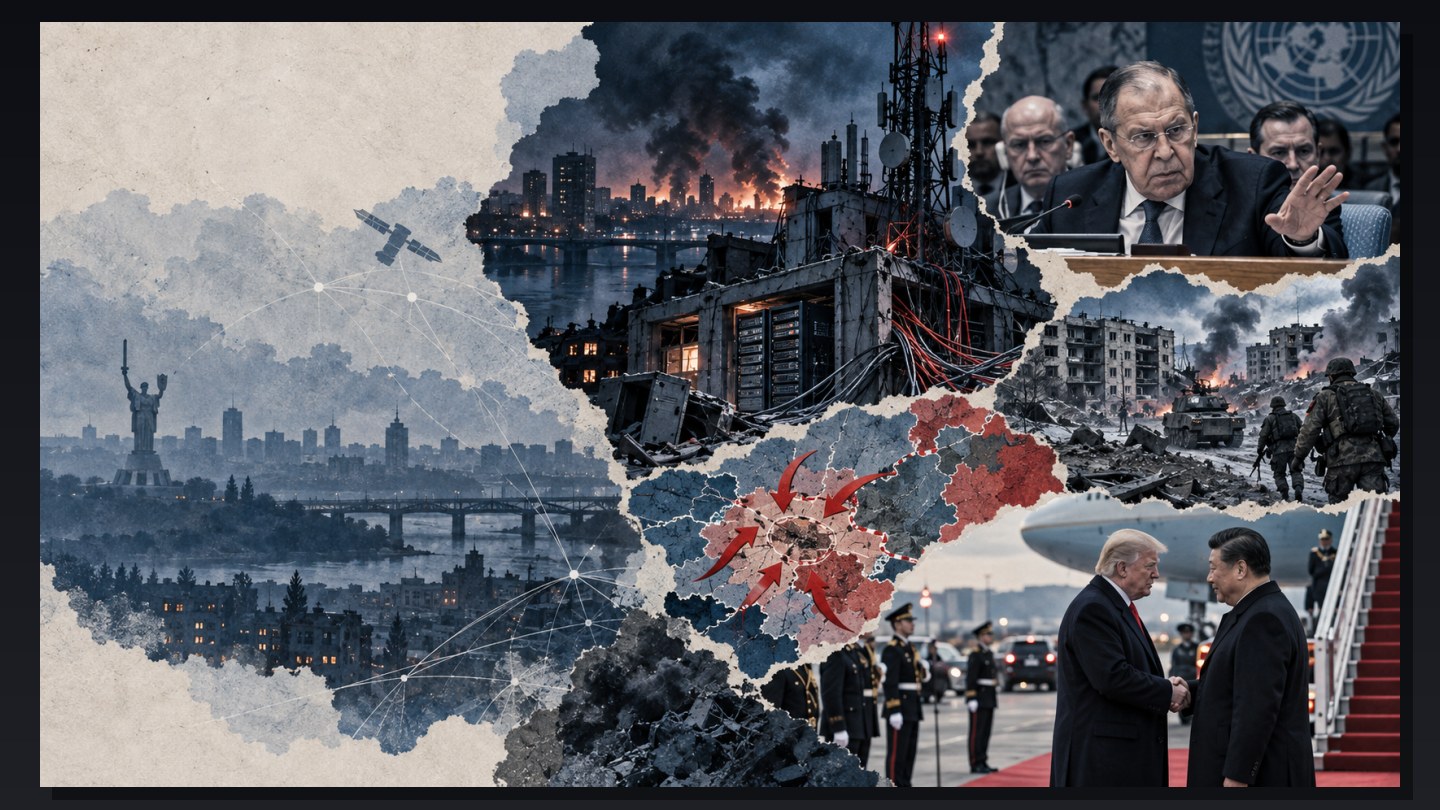
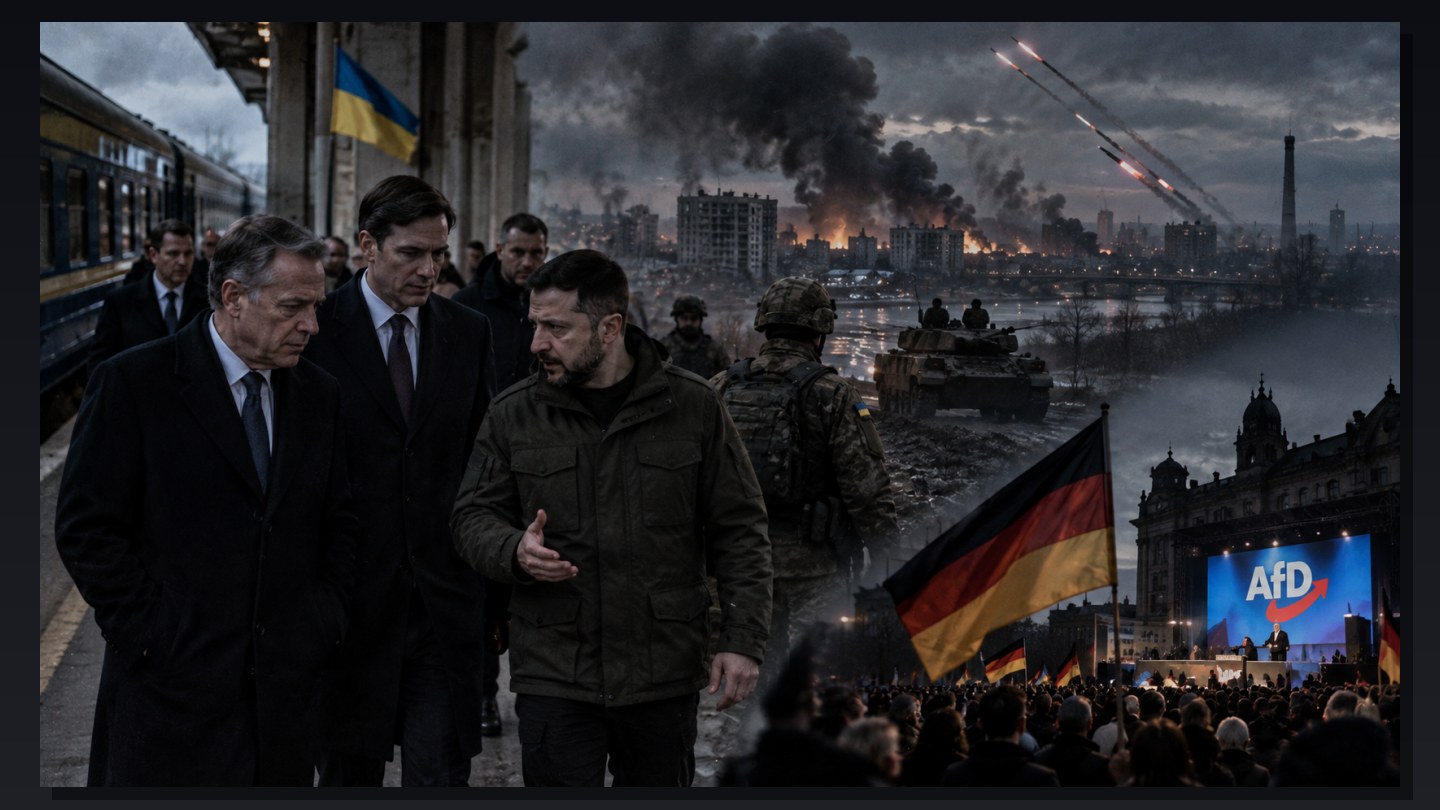
Wadephul met Lavrov – and got little in return
This week Lavrov has met several Western representatives in New York.
The Swiss foreign minister came first.
Then UN Secretary-General António Guterres.
But the most interesting meeting was with German Foreign Minister Johann Wadephul.
The meeting took place at Germany’s initiative.
The Russian readout was remarkably brief: Wadephul “confirmed the German government’s position, which has repeatedly been stated publicly”.
Translated from diplomatic language, this means in practice: Germany delivered the same message as before, and Russia was not impressed.
Lavrov himself described the meeting as unnecessary and hinted that Wadephul behaved as if he were “condescending” to meet Russia.
Wadephul described the meeting as “intense” and admitted that the two sides did not agree on the main points.
At the same time, he warned Russia that Germany can “defend itself and strike back”.
From the Russian side, this is seen as particularly provocative, because Moscow already believes that Germany contributes directly to Ukrainian attacks on Russian territory.
The essential point, however, is not the war of words itself.
The essential point is that Germany is now actually talking directly to Russia.
After several years in which such meetings have been almost taboo in Europe, it says something that the pressure on Berlin is becoming great enough for the old rules to start breaking.
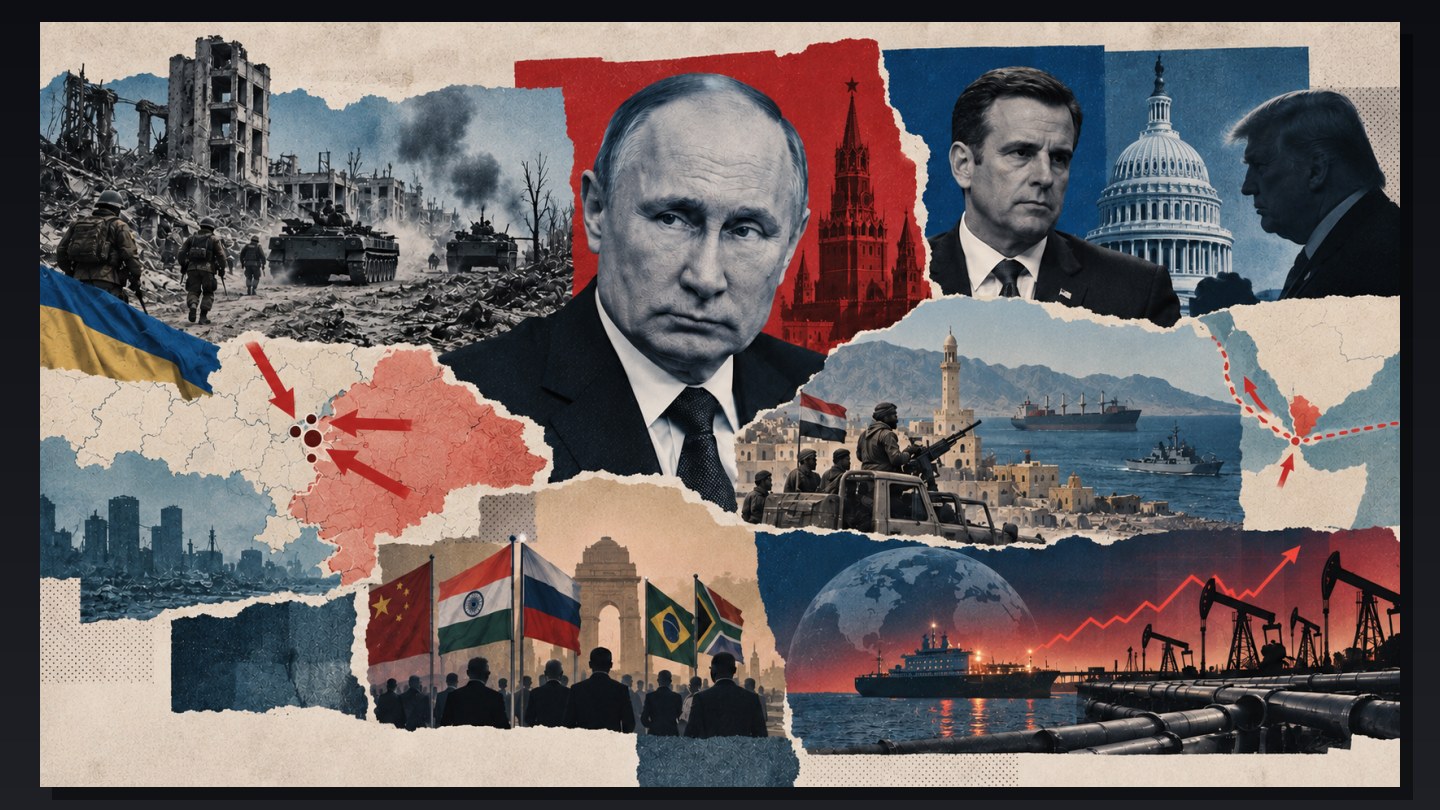
September has been one long campaign to get Russia to stop
Ratcliffe has travelled to Moscow.
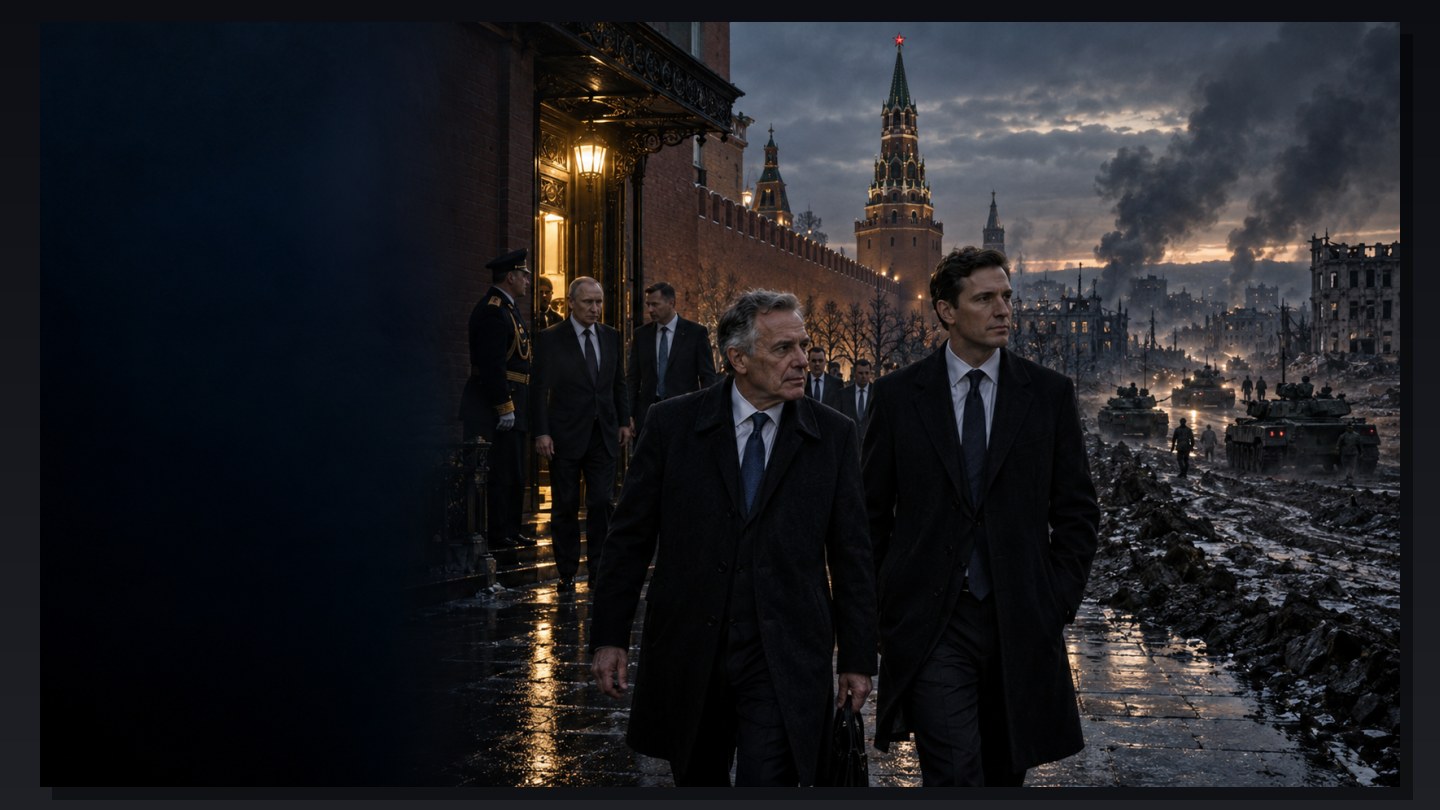
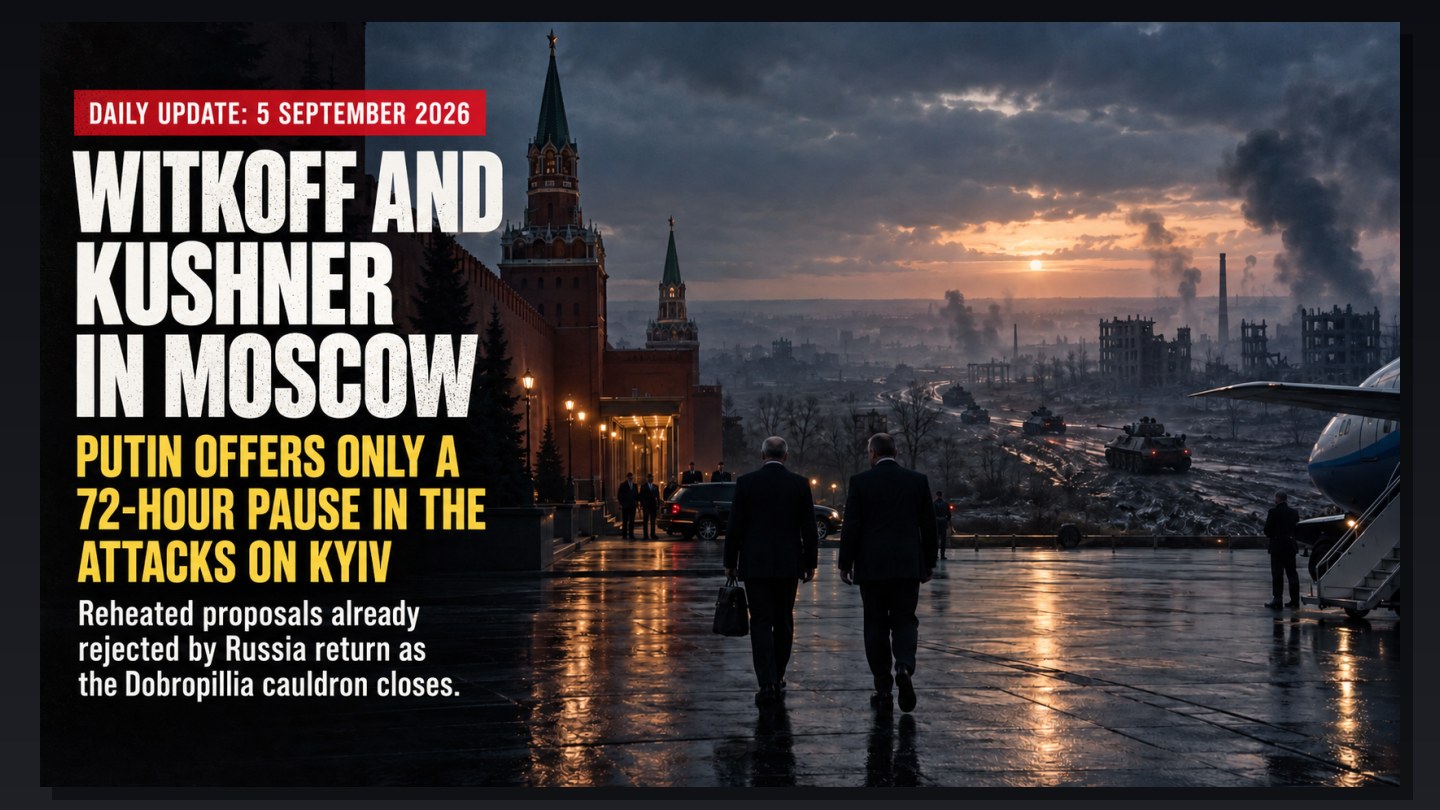
Witkoff and Kushner have travelled to Moscow.
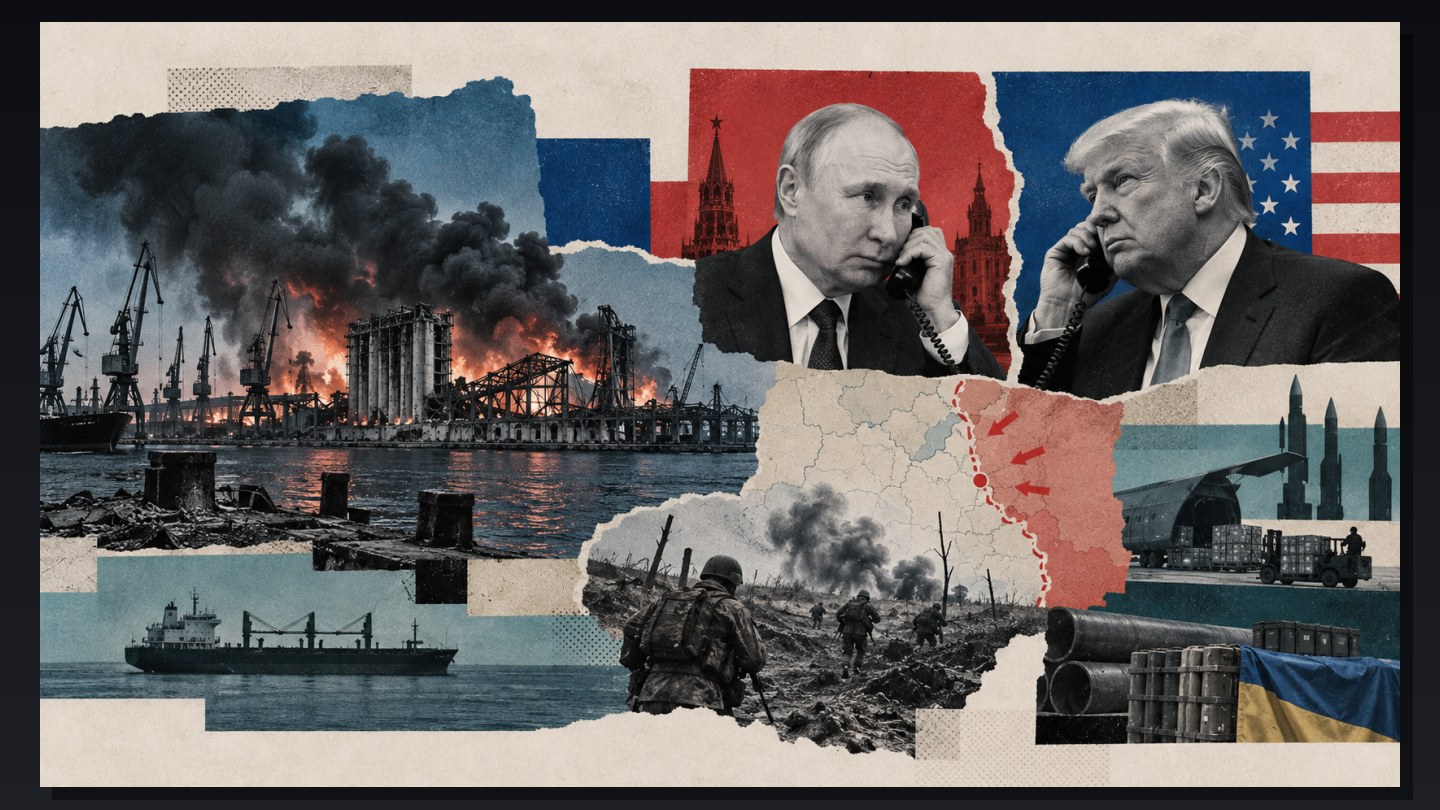
Trump has called Putin.
Zelensky has tried to get India, Turkey and Egypt to pressure Russia.
Lavrov has met Guterres, Switzerland and now Germany.
The result is the same every time:
Russia continues.
That is perhaps the most interesting thing about the whole of September.
The pressure on Moscow has been intense, but so far it has not produced any visible Russian concession.
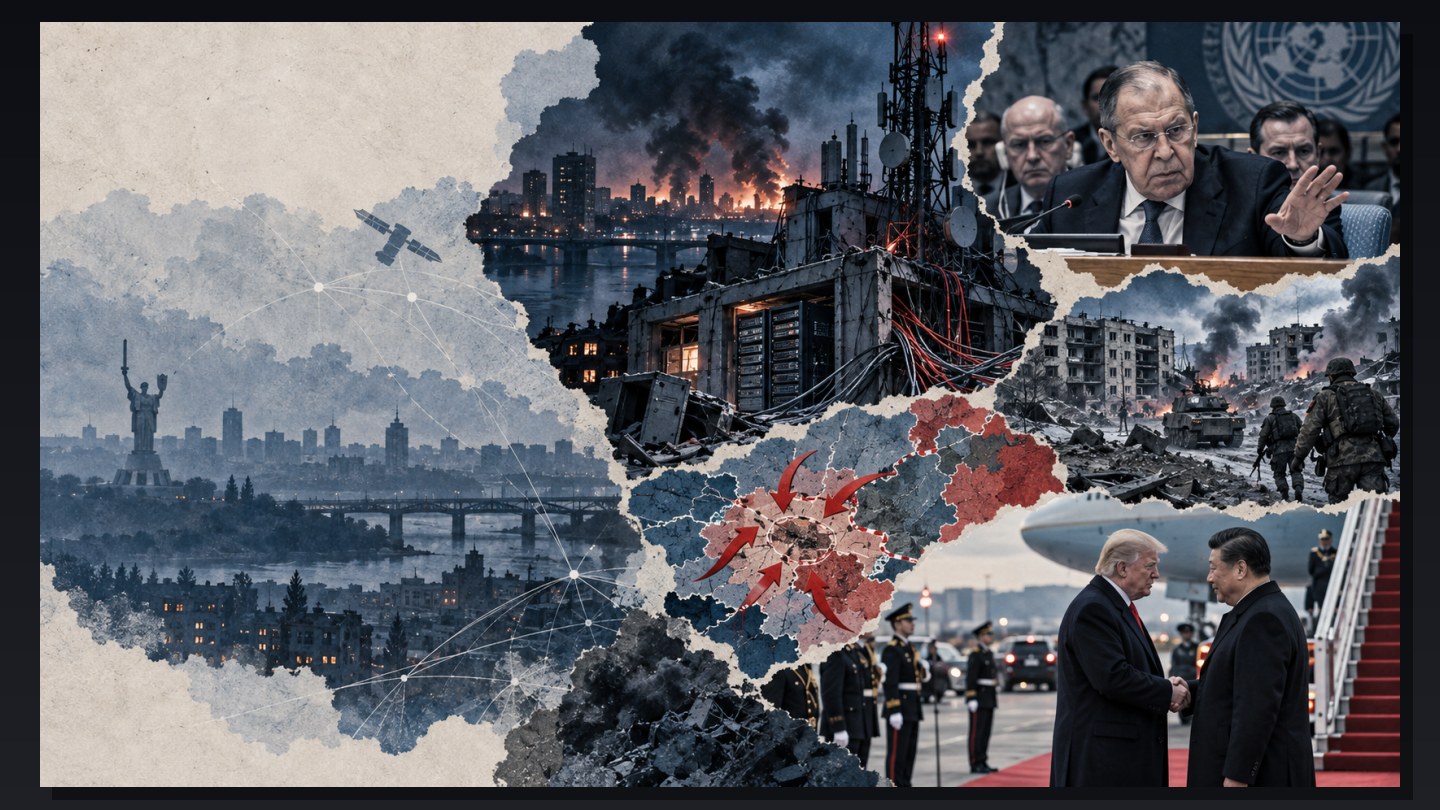
Now the internet and mobile networks are being hit
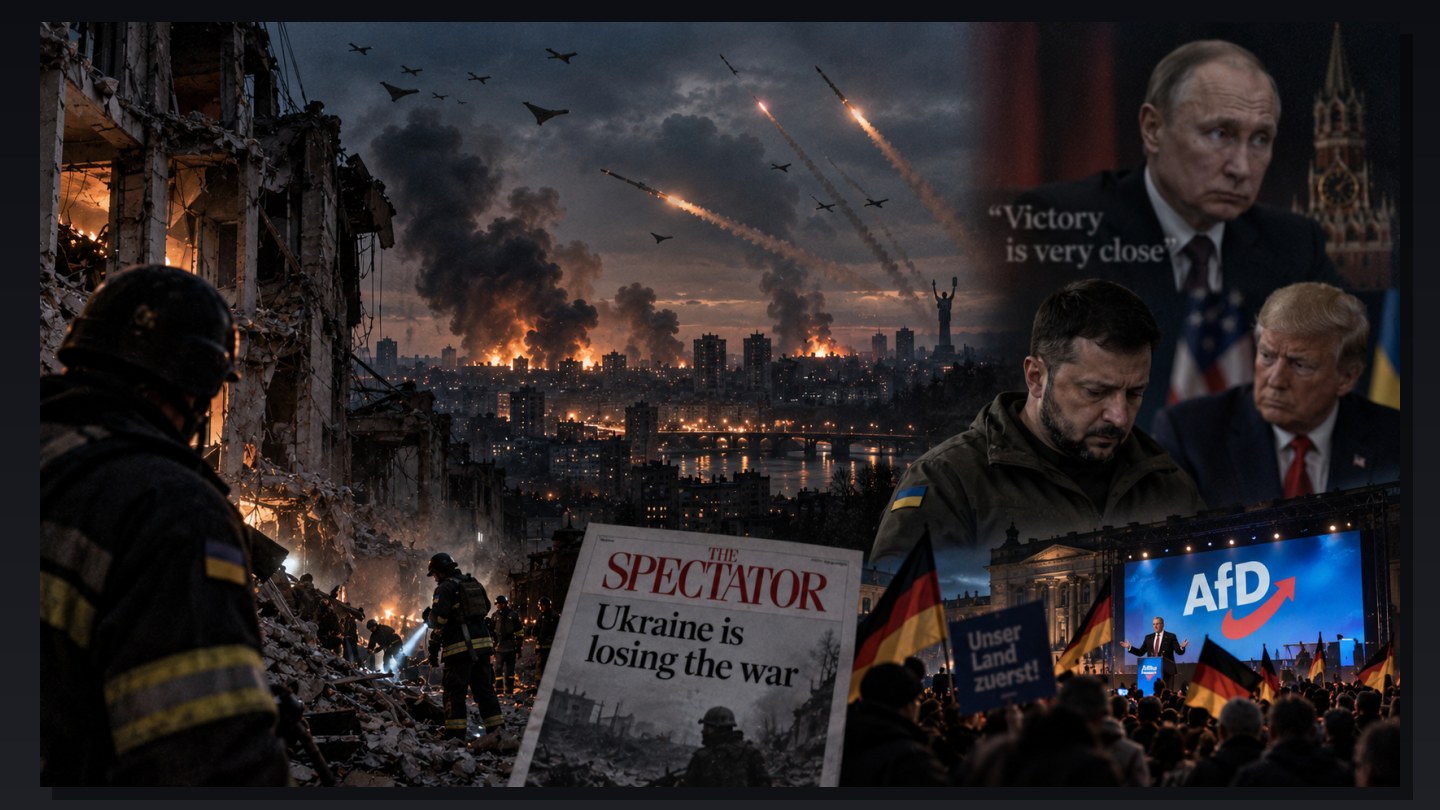
Meanwhile, the Russian air campaign continues.
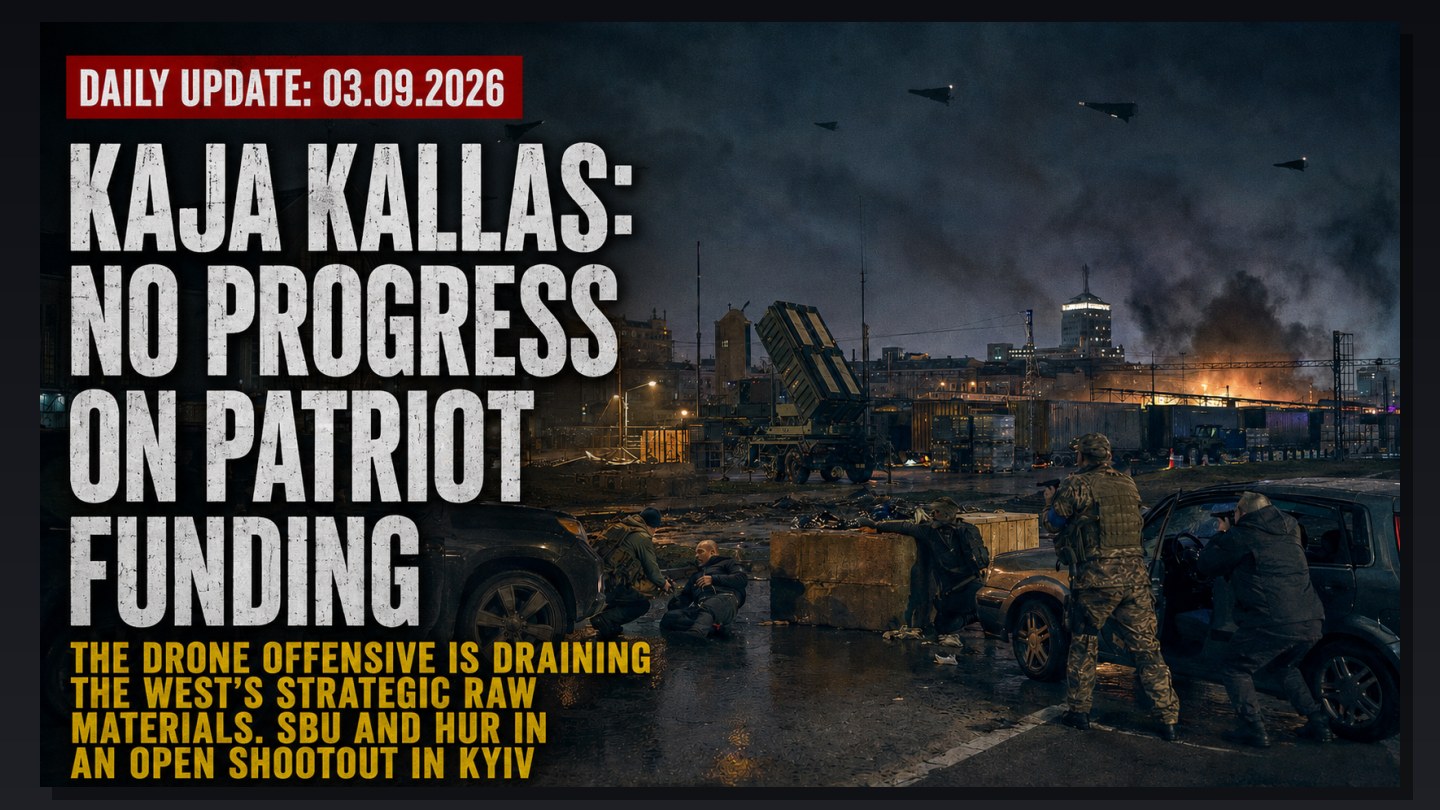
During the night to Sunday, new data centres in Kyiv were hit.
Kyivstar – Ukraine’s largest mobile operator – confirmed that its headquarters in the capital was struck.
Russia also claims to have hit a data centre belonging to Vodafone Ukraine.
The attacks have already caused significant problems for internet and mobile communications in Kyiv.
This fits the pattern we have seen recently: railways, depots, energy supply, petrol stations, data centres and communications are being hit in parallel.
The aim increasingly appears to be to make Kyiv harder to run as an administrative, logistical and military centre.
And then there is the Starlink question
A source with insight into the Russian Rassvet system claims that the satellite system is not only intended as a Russian alternative to Starlink.
According to the source, Rassvet also has a dedicated function developed to counter Starlink.
The information cannot be independently verified.
But if it is accurate, it is very significant.
Starlink is a cornerstone of Ukrainian military communications.
A combined campaign against data centres, mobile networks, Starlink terminals and the satellite link itself would therefore represent an entirely new phase in Russia’s air and electronic war.
It may also explain why attacks on Ukraine’s communications infrastructure have suddenly been given such high priority.
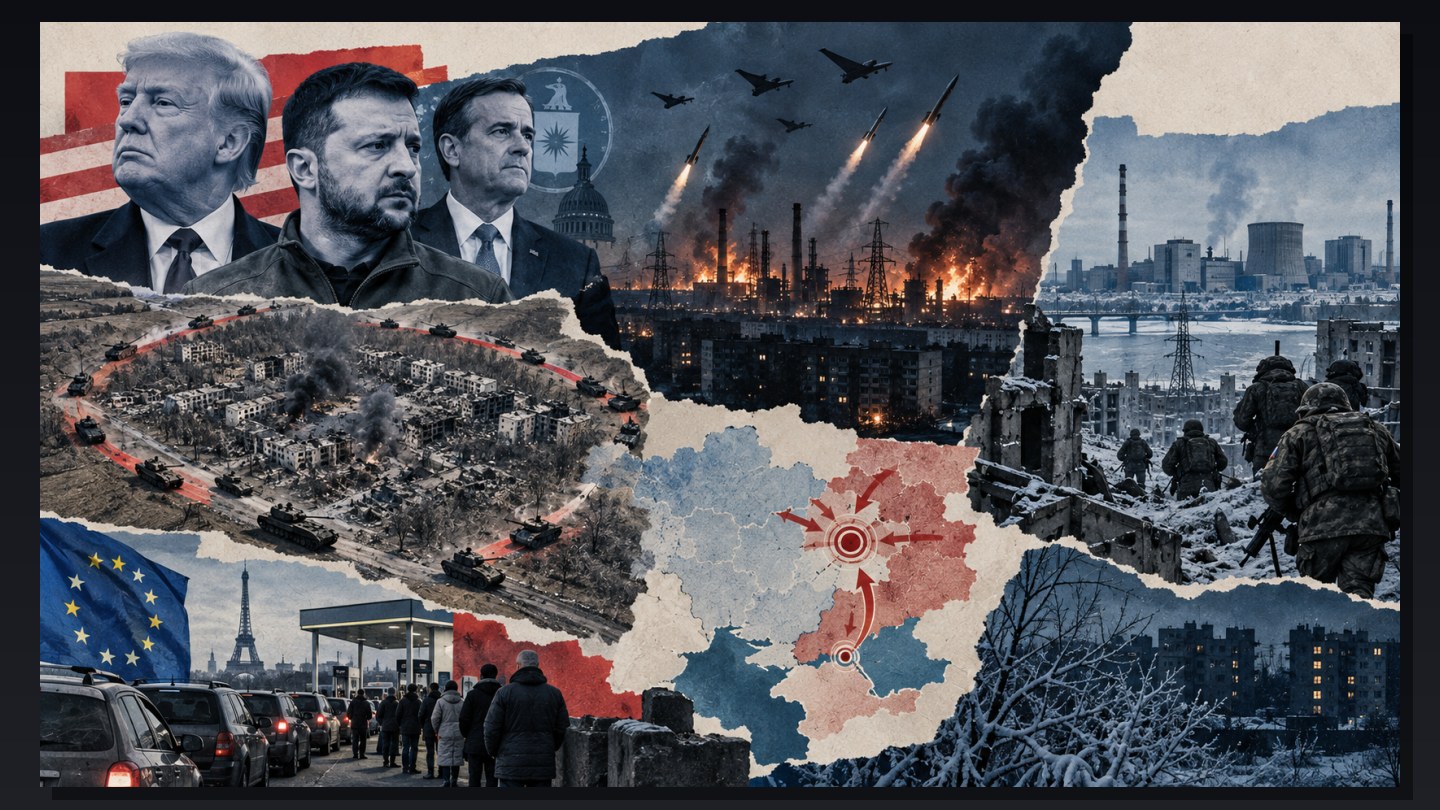
The front: The pressure continues
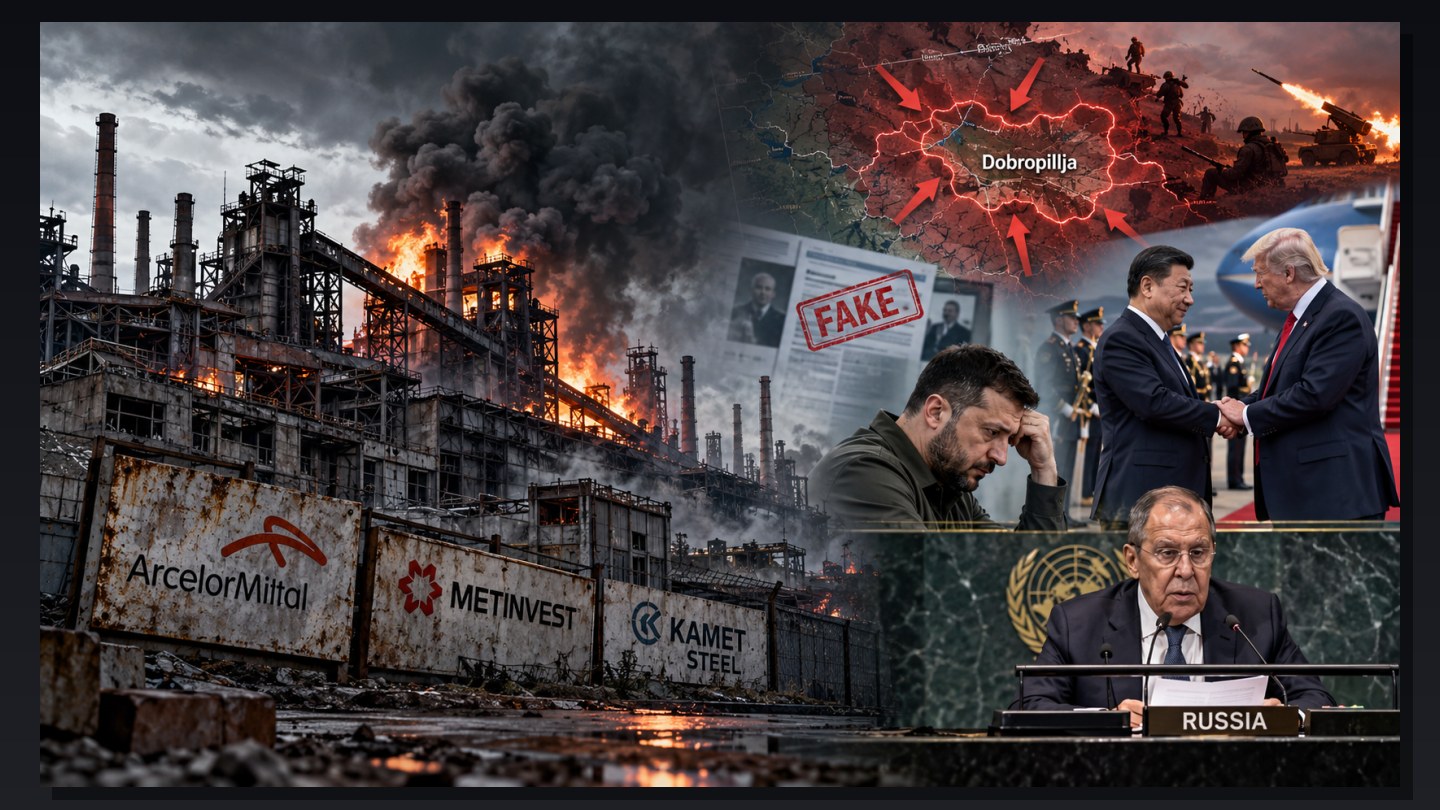
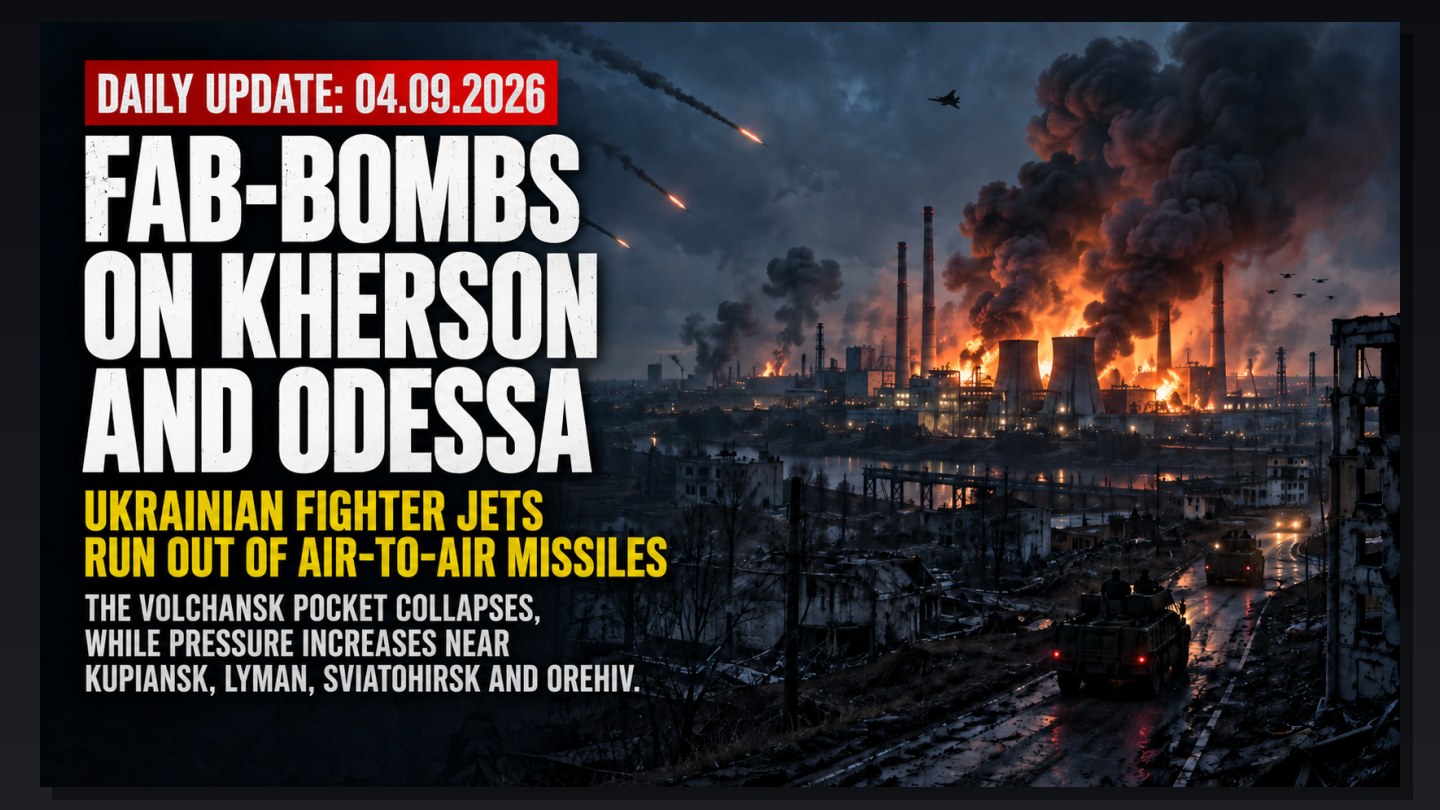
On the ground, Russia continues to press around Dobropillia.
The Russian defence leadership claims that the area still held by Ukrainian forces is shrinking, and that attempts to reinforce it are being hit by Russian FPV drones.
At the same time, the Ukrainian pocket in the north-eastern Kharkov region is shrinking.
Once that battle is over, Russia will be able to shift more strength southwards.
The most interesting question is no longer which small villages fall first.
It is whether Russia manages to open a new axis towards Izyum and thereby threaten the supply system of Slavyansk and Kramatorsk from the north.
If that happens at the same time as Dobropillia falls in the west, the Ukrainian defence system in Donbas will become far harder to sustain.
The Lyman offensive appears to be losing momentum
There has been little news about the Ukrainian offensive near Lyman.
That in itself may be telling.
Ukraine can still carry out local advances and take ground.
The problem is that such attacks cost manpower, and that Ukraine increasingly lacks the forces to hold the areas over time.
The same pattern has repeated itself through several offensives over the past year.
It is therefore far more important to follow what Russia is doing around the major supply lines than to count which small villages change colour on a map from day to day.
Diesel could be the next problem
Behind the war there is also a bigger energy problem.
Europe has too little refining capacity for diesel and is increasingly dependent on imports.
The United Kingdom is particularly exposed.
The country has gone from 18 refineries in the 1970s to just four today and is heavily dependent on foreign diesel.
If the American market tightens further and exports are reduced, Europe will feel it quickly.
It is yet another reminder that the war in Ukraine is not taking place in an economic vacuum.
Conclusion
September has been filled with diplomacy, threats, meetings and attempts to get Russia to change course.
So far, none of it has worked.
Russia is continuing its air campaign.
Communications infrastructure is now becoming an ever larger part of the target set.
And on the ground, the pressure on the remaining Ukrainian defence lines continues.
That is the development that matters.
Not which small villages change hands from day to day.


Se og hør mer
Videoer, klipp og innslag knyttet til temaet.