The Largest Drone Attack on Moscow Ever — and the Result Was Meagre
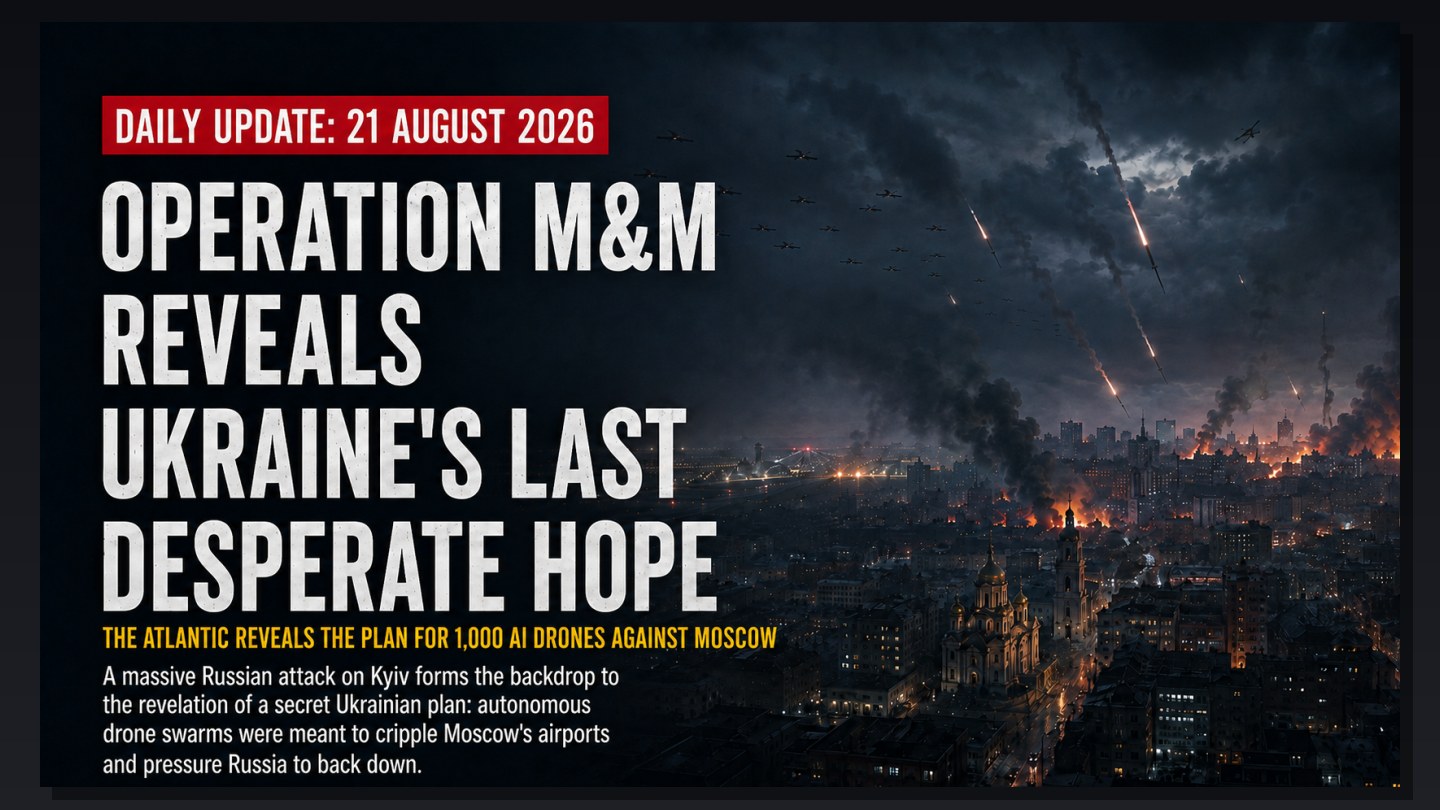
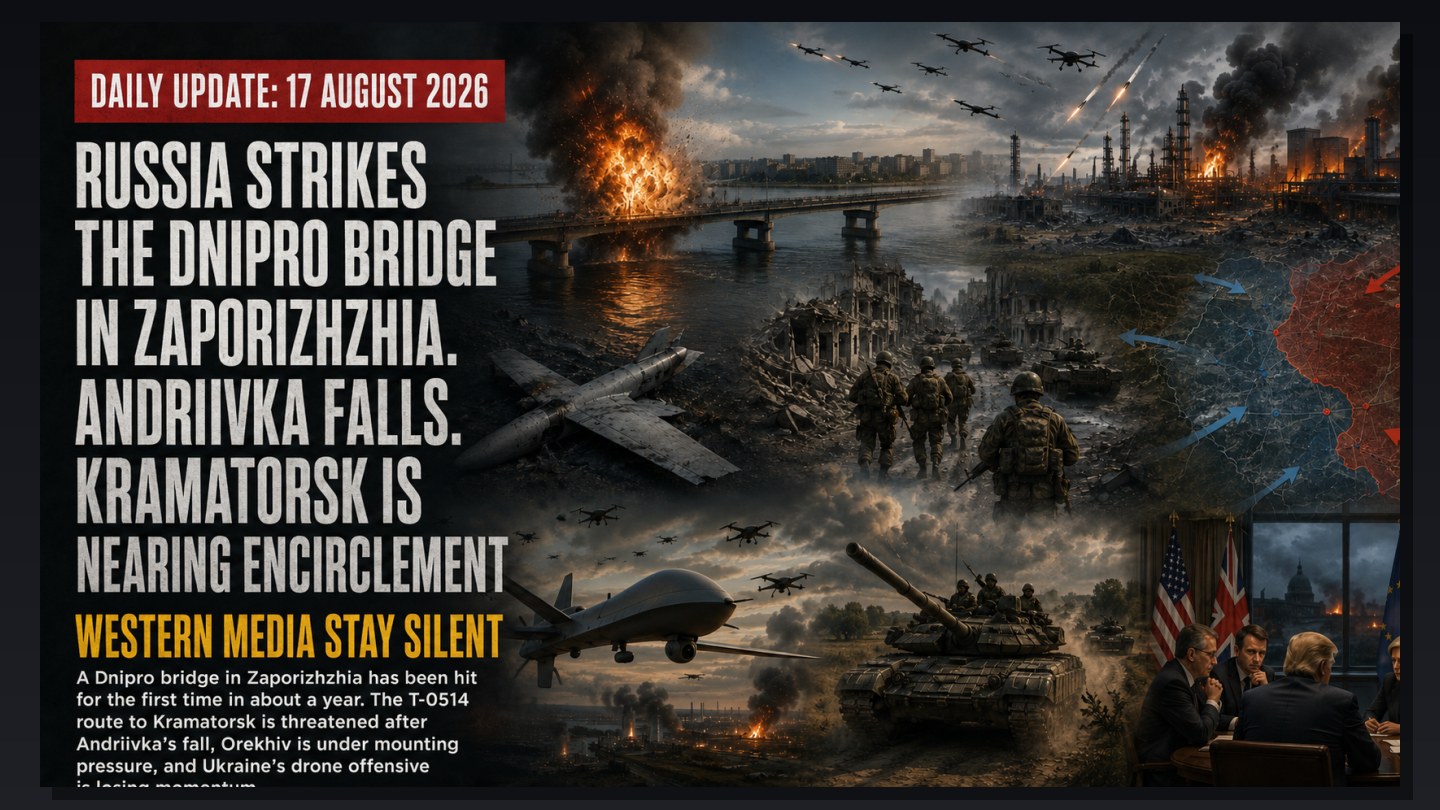
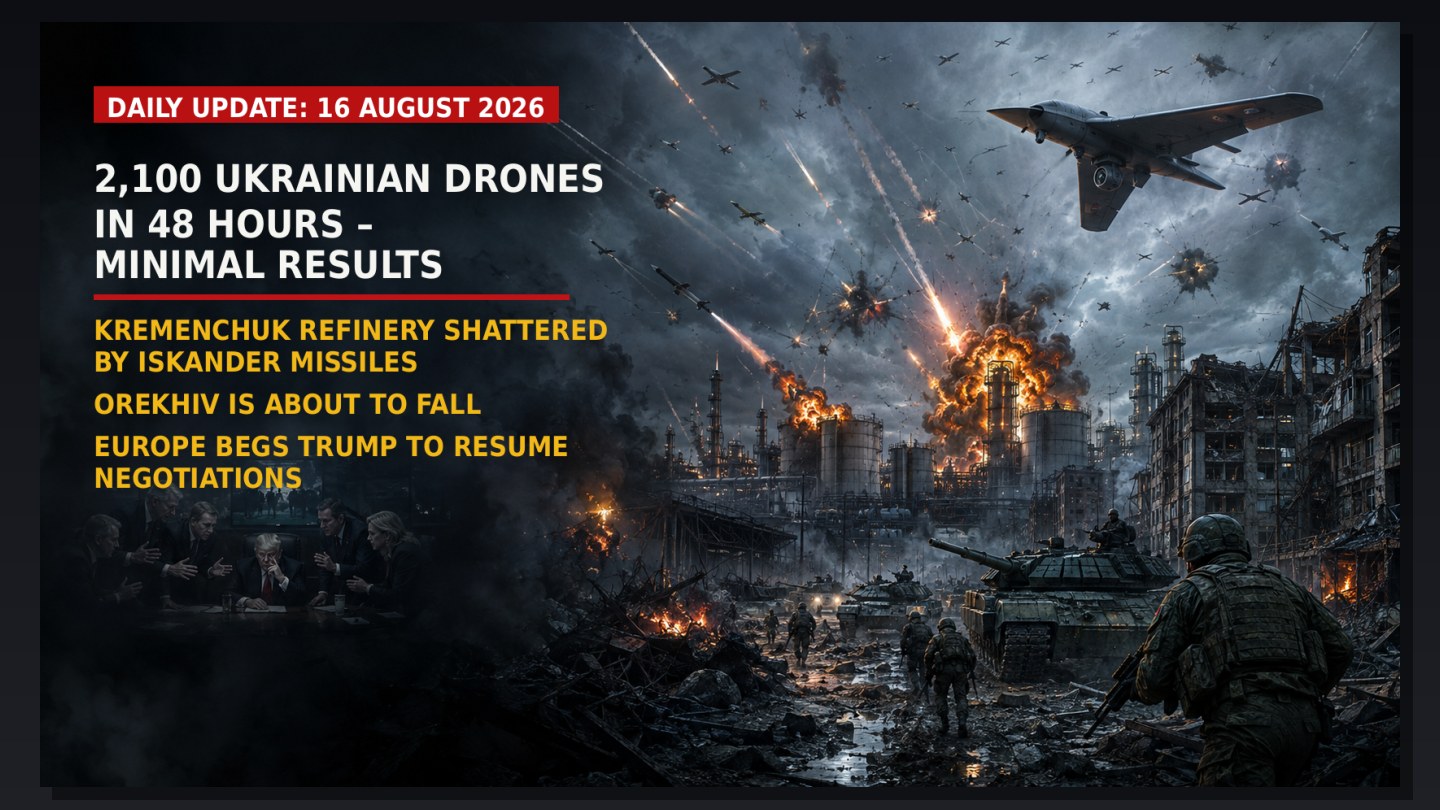
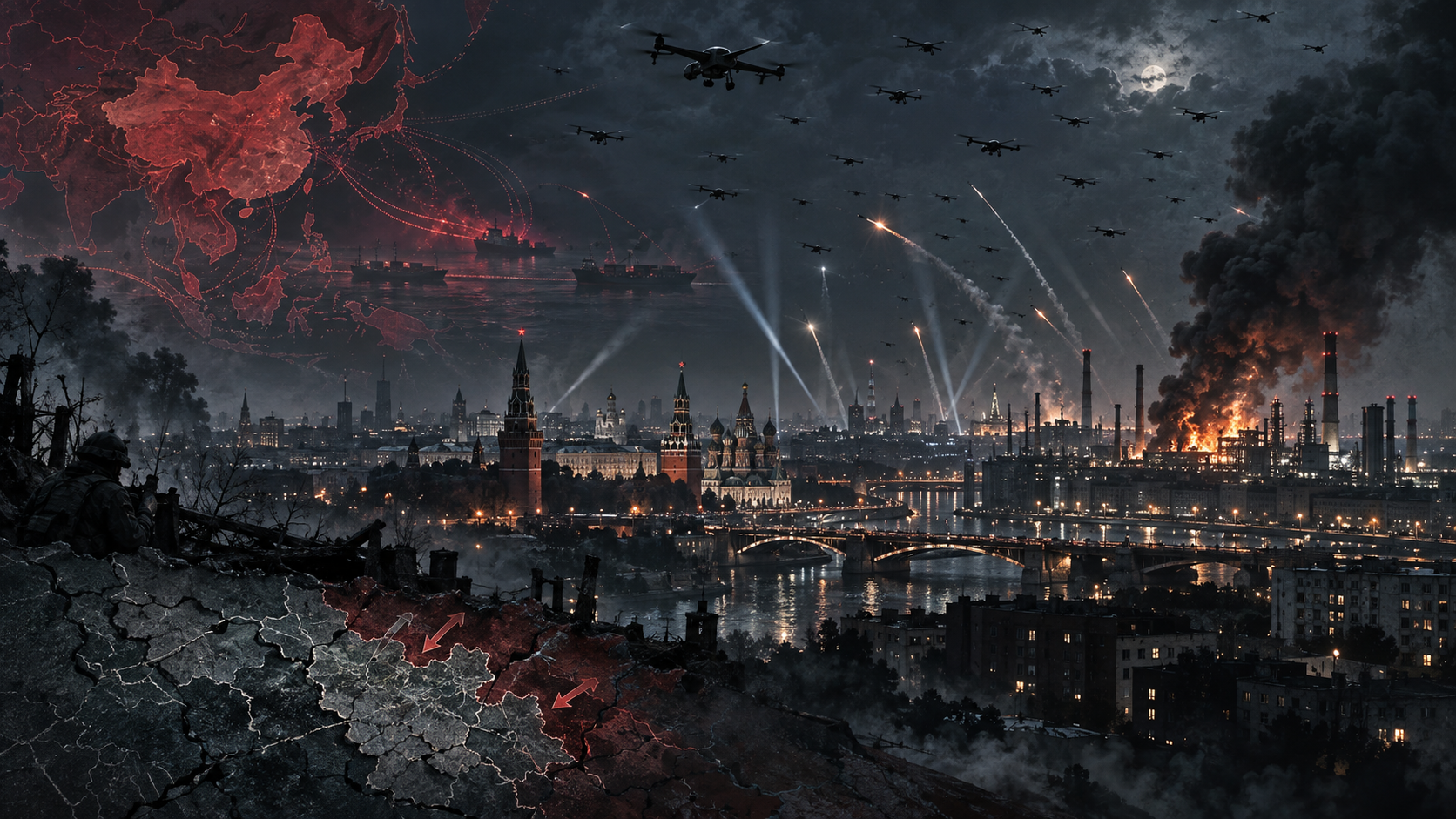
Ukraine carried out its largest-ever drone attack on Moscow during the night into Sunday, in the middle of the third and final day of Russia’s parliamentary election. The source estimates that around 2,000 drones may have been involved in the overall attack, while Russian authorities said that more than 1,600 drones had been intercepted since Saturday — including around 450 heading toward Moscow itself.
Moscow Mayor Sergei Sobyanin described it as the largest drone attack on the capital ever.
Some drones nevertheless reached the Kapotnya oil refinery, around 15 kilometres from the Kremlin, where parts of the facility were struck. Three people were killed in the Moscow region, around 20 were injured and approximately 400 residents were evacuated from an apartment block after the attacks.
It is necessary to look beyond the immediate headlines and ask what was actually achieved.
With a reported price of at least $50,000 even for the cheapest Ukrainian long-range drones, an attack involving more than a thousand drones represents an expenditure of at least $50 million — and potentially far more if the total number really approached 2,000 and Flamingo missiles were also used.
A Ukrainian analysis several weeks ago concluded that Moscow’s multi-layered defence system is so dense that around 1,500 drones may be required for only a very small number to penetrate it. That may explain why such an enormous number was used this time.
No images show damage near the Kremlin itself or other central government buildings. The documented strikes occurred mainly in the Moscow region and at the refinery.
Ukraine is also continuing its campaign against Russian warehouse and e-commerce facilities, despite the fact that months of such attacks, according to available information, have had no measurable effect on the Russian economy or online commerce — a fact that is itself surprising.
A rough assessment is therefore that the cost of repairing the damage from this attack, excluding the refinery, is probably significantly lower than the cost of the attack itself.
If the refinery is included, the calculation becomes more difficult. Moscow may experience renewed disruptions to fuel supplies, but plumes of smoke and fires are in themselves a poor measure of the true extent of industrial damage.
The Election: No Sign of Significant Disruption
There is little to suggest that the attack affected the voting itself to any measurable degree.
Voter turnout passed 50 percent on the final day of voting, and the authorities reported that voting continued despite both drone attacks and extensive cyberattacks against the electoral systems.
Two American commentators cited by the source, Larry Johnson and John Mearsheimer, have both recently visited Moscow and describe economic stability and a general sense of normality — not unlike the situation before the major Ukrainian drone offensive began in June.
Ukraine and its Western supporters have spent enormous resources trying to disrupt this normality.
So far, it is difficult to see that they have succeeded.
A Cost Analysis: Geran May Be Cheaper Than the Ammunition Used to Shoot It Down
A detailed US analysis of the cost relationship between Russian and Western weapons systems, which for the time being does not appear to be publicly available, reportedly presents a striking picture.
A Geran-2 drone — capable of reaching targets across Ukraine and now, through relay stations in Belarus, also enjoying improved communications far into western Ukraine — is said to cost only a fraction of even the cheapest drones Ukraine uses against targets deep inside Russia.
The more advanced jet-powered Geran-4 and Geran-5 drones reportedly cost several times more than the Geran-2, but still substantially less than Ukrainian long-range attack drones.
The most striking claim concerns the cost of shooting them down.
According to the analysis, the accumulated cost of .50-calibre machine-gun ammunition and 30-millimetre cannon ammunition required to bring down a single Geran may exceed the production cost of the drone itself.
For the jet-powered variants, even larger quantities of ammunition are required.
It is still better to shoot down a drone than to allow it to hit its target.
But if the defender consistently has to use weapons or ammunition that cost more than the attacker spends on the attack system itself, a fundamental logistical problem emerges.
According to the analysis, the cost ratio is more favourable on the Russian side, partly because Russia uses simpler and cheaper materials in some areas of ammunition production, accepting a certain reduction in performance in return.
Russia Is Likely to Respond Heavily — Oreshnik May Be Used Again
Trump recently claimed that Ukraine had agreed to halt attacks on Russian energy infrastructure.
The strike on the Kapotnya refinery shows that such attacks are nevertheless continuing.
It is therefore highly likely that Russia will respond with a major drone and missile attack.
When the Moscow refinery was previously hit in June, Russian use of Oreshnik missiles against Ukraine followed shortly afterwards. The source therefore believes there is a real possibility that Oreshnik may be used again.
Reports also suggest that Russian strategic bombers have been prepared with Kh-101 cruise missiles.
Financial Times: Russia Is Trying to Destroy Ukraine’s Economy
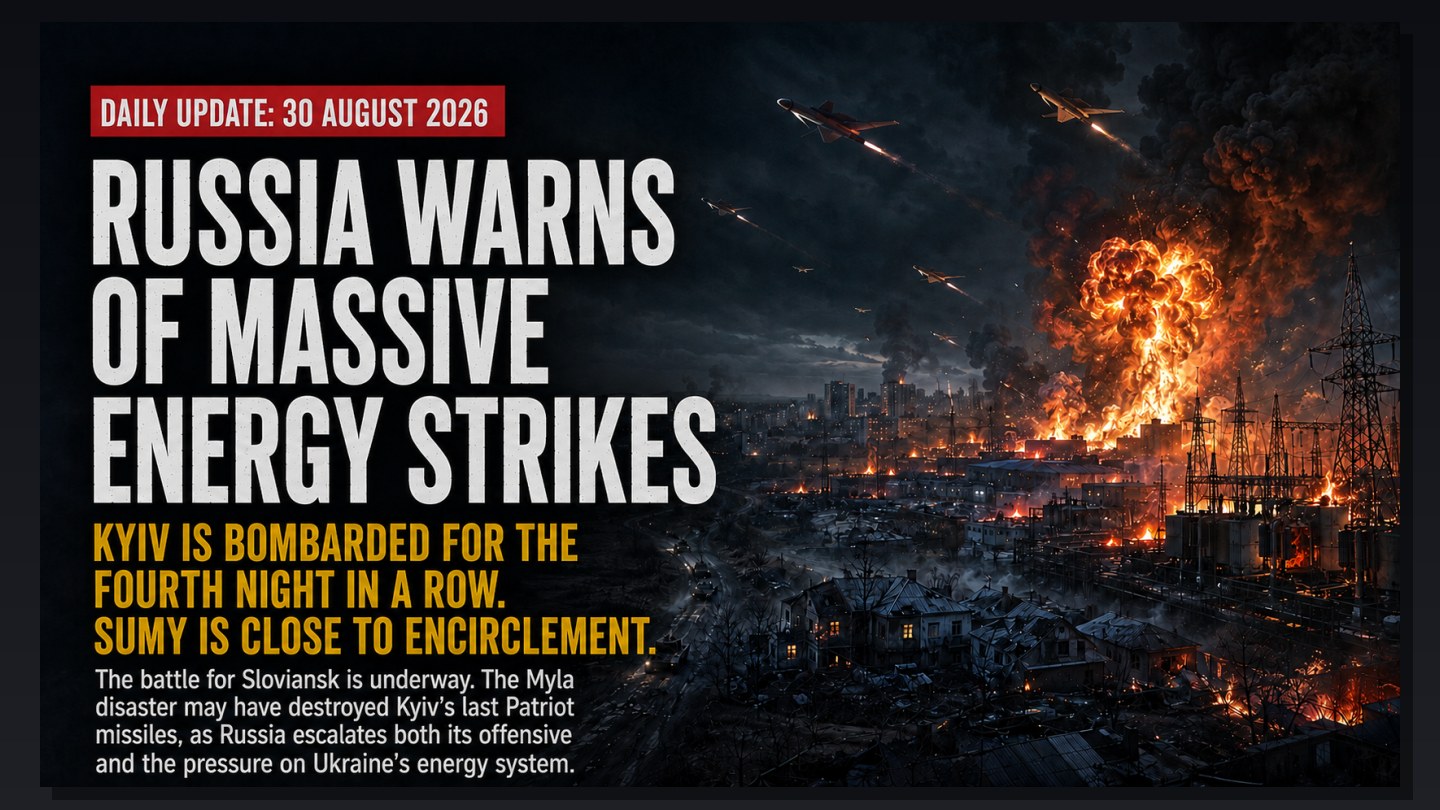
The Financial Times has now acknowledged what has long been apparent: the Russian drone and missile offensive is increasingly aimed at damaging the functioning of the Ukrainian economy itself.
Transport, warehouses, industry, energy systems and export capacity are being struck simultaneously.
With the Black Sea ports heavily damaged and export capacity sharply reduced, the agricultural sector has come under increasing pressure.
New reports simultaneously describe serious problems in Ukraine’s iron, steel and metallurgical industries — among the country’s most important remaining export sectors.
The contrast with Russia is striking: the Russian central bank and Putin himself maintain that the economy is still growing and that real wages are rising.
Among the main targets of Russian attacks, alongside the energy system, industrial facilities and warehouses, is also the railway network.
One figure that has circulated repeatedly, and which the source believes may have Ukrainian origins, is that around 500 locomotives have been put out of service. The figure has not been independently confirmed.
Ukraine is now seeking Western assistance with replacement locomotives and spare parts — something complicated by differences in track gauge, design and available equipment.
France and Italy Promise New SAMP/T Air Defence — but Production Is Limited
France and Italy are planning additional deliveries of the European SAMP/T air-defence system with Aster missiles to Ukraine.
The problem is production volume.
The systems and missiles are produced in very limited quantities compared with consumption in a high-intensity air war, and Ukraine therefore risks exhausting new deliveries quickly.
Some reports have also raised questions about the system’s performance in Ukrainian service — whether because of limitations in the system itself or because Ukrainian operators still lack experience in using it most effectively.
The Front: Kharkiv Cauldron Fragments, Novopavlivka Under Renewed Attack
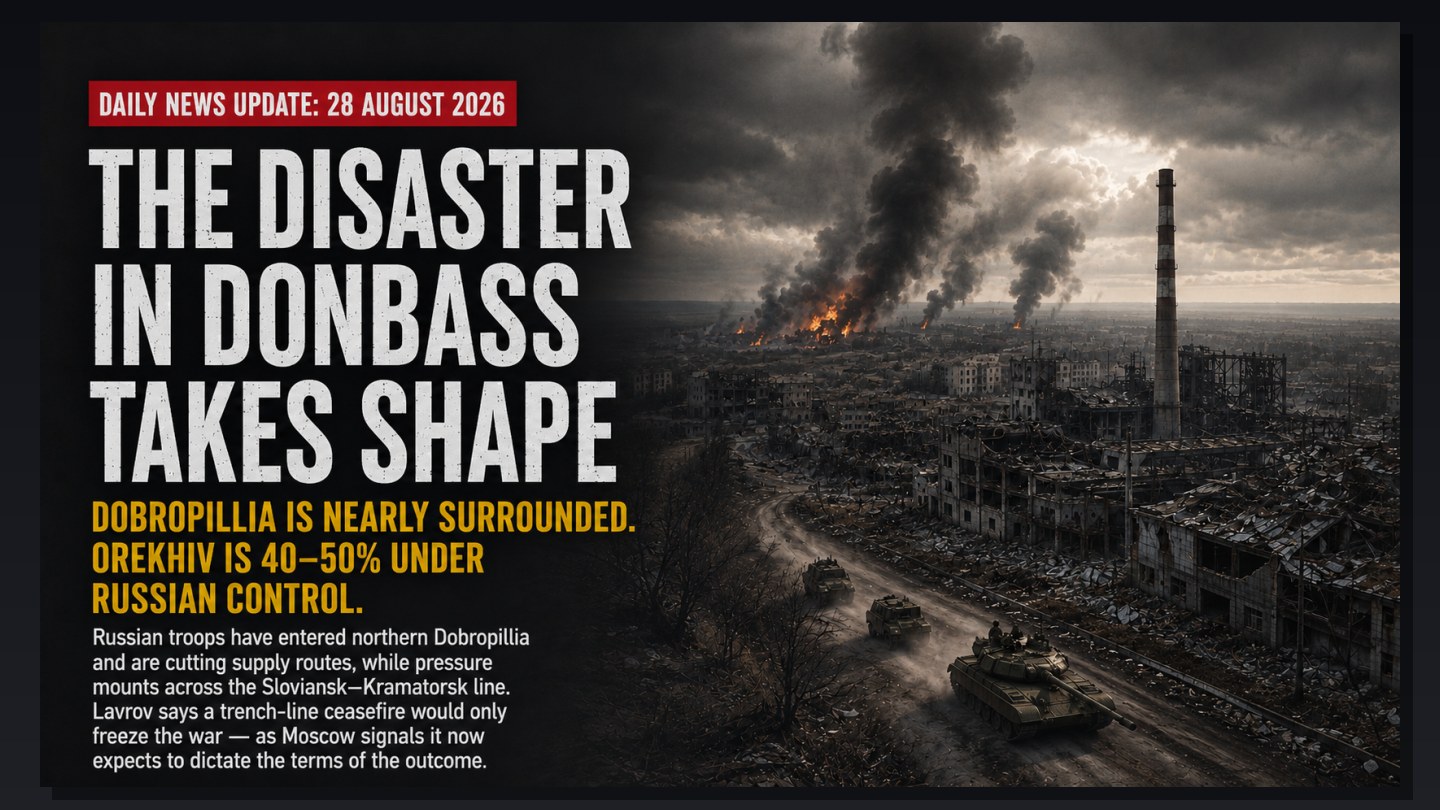
In northeastern Kharkiv region, Russian forces continue dividing and clearing the encircled pocket in which Russian authorities claim around 1,700 Ukrainian soldiers were trapped.
The Russian Defence Ministry says around 700 of them have already been killed, wounded or captured, which by Russian calculations leaves around a thousand soldiers still resisting.
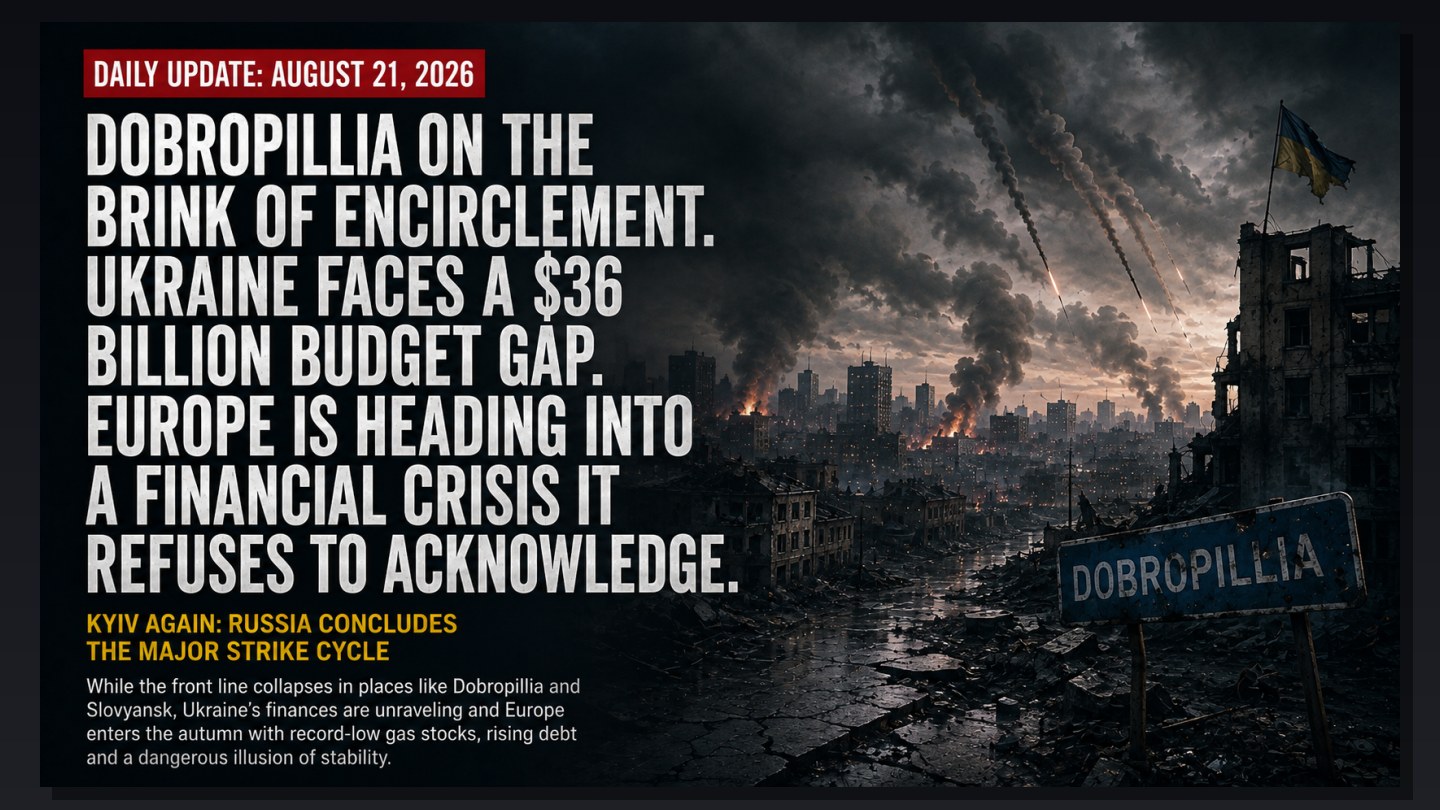
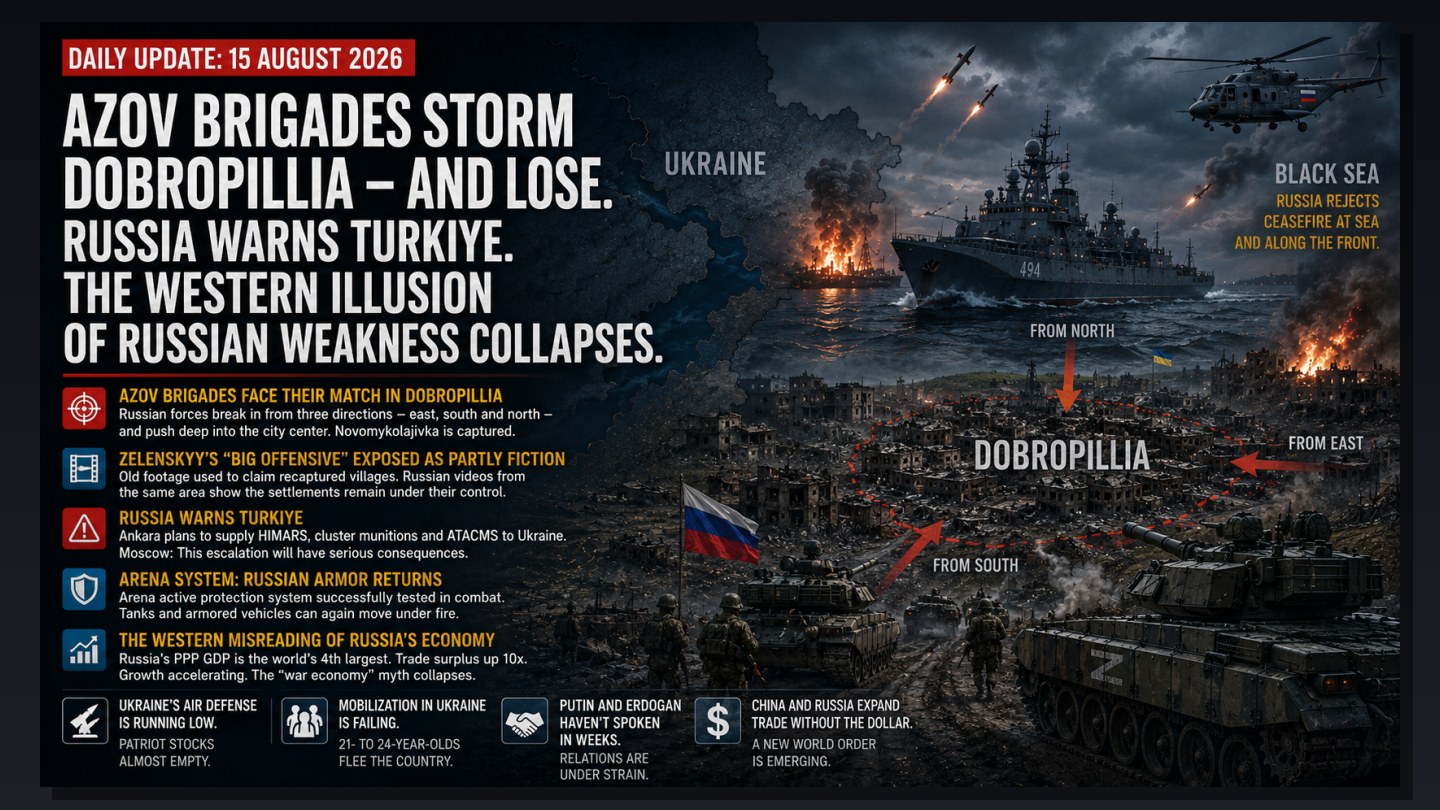
Farther south, around Dobropillia, Druzhkivka, Oleksiievo-Druzhkivka and Orikhiv, the situation appears to be deteriorating rapidly, although none of the cities has yet been formally announced as captured.
That should not necessarily be surprising.
The source argues that it is not Russian practice to time announcements of territorial captures to political events such as elections, and further argues that there may have been domestic political reasons for Moscow to avoid major war announcements precisely during the election days.
Two other battles deserve attention.
One concerns Serhiivka in Dnipropetrovsk region, where Russian forces according to Russian reports control most of the town while Ukrainian resistance continues.
The other concerns Novopavlivka in the same region — a heavily fortified town and important logistics base.
Russian forces attacked the town already last year, and Readovka at one point claimed that they controlled around 80 percent before later withdrawing or shifting their main effort to other sectors.
Now the battle has resumed from several directions, and Russian sources again claim that the town is approaching collapse.
Lyman: The Silence From the Ukrainian Side Is Becoming Increasingly Telling
Despite Sunday being the actual election day in Russia — an obvious moment for Ukraine to publish convincing material from a successful counteroffensive — there has still been little video material documenting the most extensive claims surrounding Operation Vivaldi near Lyman.
Ukraine has rejected the Russian claims, and earlier material documents some Ukrainian advances.
But there is still a lack of video documentation confirming the much larger territorial gains described in some reports.
The source therefore assesses that if such documentation continues to be absent, doubts about the scale of the offensive will increase — and the Russian denials will gain greater credibility.
China Responds to the Graham Law: “All Necessary Measures”
After Trump signed Lindsey O. Graham’s sanctions law on Friday, China’s Ministry of Commerce responded with a sharp warning.
China declared that it consistently opposes secondary sanctions against third countries and “reserves the right to take all necessary measures” to protect Chinese sovereignty, development interests and the legitimate rights of Chinese companies.
The ministry simultaneously urged the United States to preserve stability in trade relations through dialogue.
The key words are “all necessary measures”.
In the analysis, this wording opens the possibility of much broader Chinese countermeasures if Washington actually attempts to target Chinese trade with Russia — not only involving rare earths, but potentially other strategic metals, materials and industrial goods.
This follows a similarly strong response from India several days earlier.
For the second time in a short period, one of the world’s largest economies is signalling that US secondary sanctions will not necessarily be met with compliance.
Saudi Arabia Turns to China — but Beijing Does Not Want Responsibility for Riyadh’s Problem
Reports suggest that US bombers have taken off from bases in Britain as part of preparations for a possible larger US attack in the Middle East — with the Houthis in Yemen as the most likely target, and Iran as another possibility.
This comes as Saudi Crown Prince Mohammed bin Salman faces increasing pressure from the regional escalation.
Rather than contacting Putin — who has a good personal relationship with the Saudi crown prince and substantial influence in Tehran — Saudi Arabia turned to China.
According to the reports, Riyadh asked Beijing to use its influence over Iran to bring the Houthi attacks under control.
The source describes the Chinese response as cool: Beijing was willing to pass on the message, but did not want to take responsibility for forcing Iran to deliver the result Saudi Arabia wanted.
Other reports have meanwhile described Chinese approaches to Tehran urging it to use Iranian influence over the Houthis. How strongly Beijing is actually pressuring Iran is therefore unclear.
One possible background lies in Financial Times reporting that the Saudi central bank last year withdrew from a Chinese platform for currency-swap arrangements between central banks.
This happened during the same period in which Mohammed bin Salman chose not to proceed with full Saudi BRICS membership.
In the analysis, this is interpreted as part of a Saudi return toward Washington following Trump’s political comeback — and as something Beijing is unlikely to have forgotten.
Conclusion: Europe Prepares a Tax Shock for a War Already Lost
Western media are now filling with articles and commentary arguing that Europeans must accept larger defence budgets, higher taxes and cuts in other public spending in order to prepare for a possible future conflict with Russia.
An alternative explanation for the increasingly sharp rhetoric is the growing recognition that Ukraine’s drone offensive has not delivered the strategic breakthrough that had been hoped for, while the shortage of air defence is becoming increasingly difficult to solve.
European countries are already heavily indebted.
They cannot finance ever larger defence expenditures exclusively through new borrowing indefinitely.
Further tax increases would weaken economic activity, while welfare cuts on the scale that may be required to approach NATO’s target of five percent of GDP in defence-related spending could prove politically extremely difficult to implement.
Large reductions in public spending would also reduce aggregate demand and could deepen Europe’s economic stagnation.
John Mearsheimer said after his recent visit to Moscow that he found the Russian side highly unwilling to compromise.
The space for negotiations is shrinking.
The cost of the war is rising.
And the assessment increasingly underpinning this analysis is that the military development is moving ever more clearly in Russia’s favour.