Tebogo Ledwaba
International Affairs Commentator
Tebogo Ledwaba is a South African commentator based in Pretoria. Originally from Soshanguve, Gauteng, he studied at Tshwane University of Technology.
His political writing focuses on international affairs, Russia and the post-Soviet space, African perspectives on global politics, and questions of minority rights, language and political double standards. His commentary frequently examines Western foreign policy from a South African perspective and asks how political principles applied to Russia and its neighbours would be understood if the same standards were applied in an African context.
8 articles0 videos
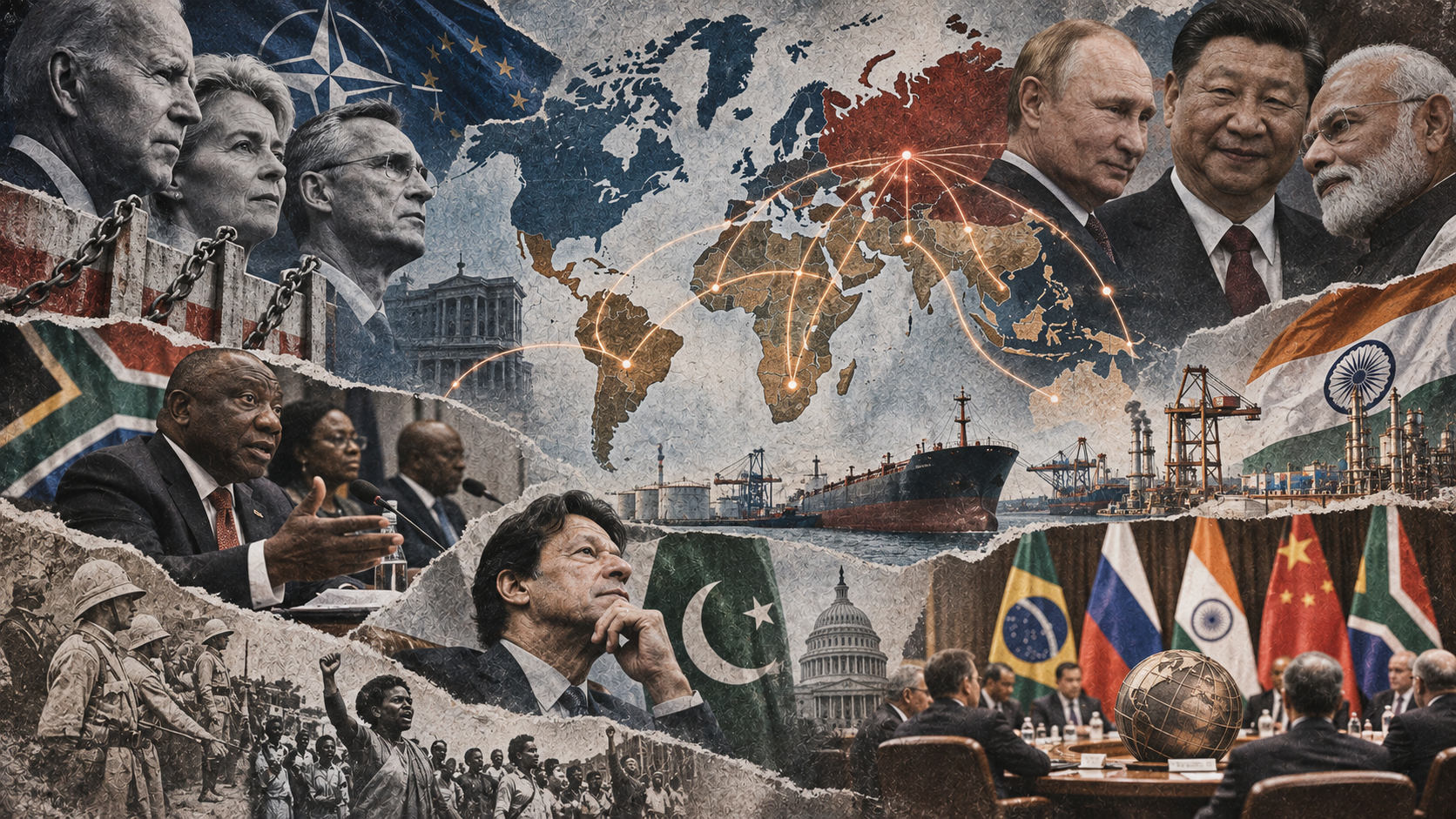
In the Western political and media landscape, Russia is frequently portrayed as an isolated international pariah, a country whose actions in Ukraine have united the international community against it. The language is familiar: unprecedented sanctions, diplomatic isolation, international condemnation and a rules-based world order standing together against what Western governments describe as Russian aggression.
Yet beyond Europe, North America and a handful of their closest allies, a remarkably different picture emerges.
When the United States and its partners attempted to turn their condemnation of Russia into a worldwide campaign of economic isolation, most countries refused to participate. Among them were some of the world’s largest economies, most populous nations and increasingly influential regional powers.
The distinction is fundamental. Condemning Russia’s military intervention in Ukraine and agreeing to participate in a Western campaign to cripple the Russian economy are two very different decisions. Much of the world was prepared to do the former. Far fewer were willing to do the latter.
And the reasons for that refusal extend far beyond the war in Ukraine.
A strategy years in the making
In 2019, three years before Russia launched its full-scale military intervention in Ukraine, the American RAND Corporation published a report entitled Extending Russia: Competing from Advantageous Ground.
Commissioned by the US Army, the report examined ways Washington could exploit Russian economic, political and military vulnerabilities, forcing Moscow to devote resources to areas where the United States enjoyed a competitive advantage.
Among the options examined were economic sanctions, increasing pressure on Russian energy revenues and providing military assistance to Ukraine. The report identified multilateral economic pressure as one of the most promising approaches, while acknowledging the dangers associated with geopolitical measures intended to provoke Russian overextension.
The report did not establish that Washington subsequently adopted every recommendation. It did, however, document that weakening Russia through economic and strategic pressure had been an explicit subject of American military-sponsored policy research years before February 2022.
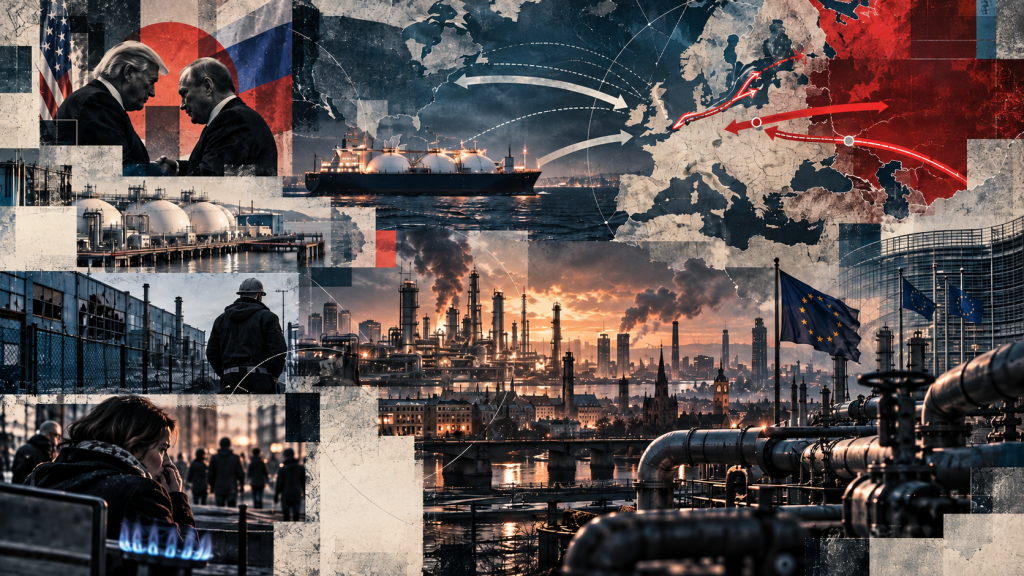
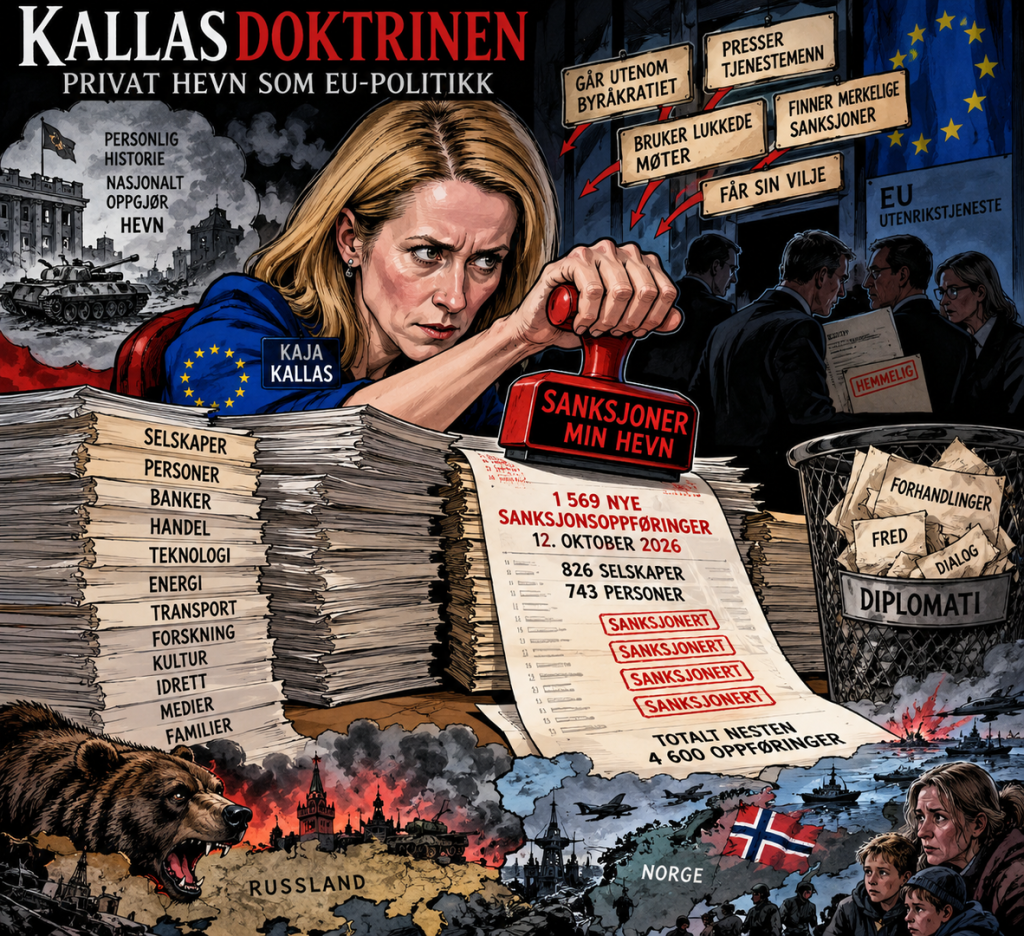
When the war escalated, the United States and its European allies introduced sweeping restrictions on Russian banks, financial transactions, technology imports, energy exports and access to international markets.
The expectation was that Russia’s economic and diplomatic position would become increasingly untenable.
But the strategy depended on a crucial assumption: that the rest of the world would cooperate.
It largely did not.
The 150 countries that refused
The scale of the refusal becomes apparent when examining participation in sanctions rather than diplomatic statements.
According to a September 2023 assessment published by VoxUkraine, drawing on Ukraine’s Anti-War Coalition sanctions database, 47 countries had introduced some form of sanctions against Russia by August that year. The remaining 148 had not.
A later assessment by Poland’s Centre for Eastern Studies, using a narrower definition of economic restrictions, identified just 39 countries participating in sanctions targeting Russia’s financial and technological capacity.
The precise number therefore depends on which measures are counted. The underlying geographical division is unmistakable.
The sanctions coalition was concentrated overwhelmingly in Europe, North America and a relatively small group of American allies in Asia and the Pacific. Most countries in Africa, Latin America, the Middle East and large parts of Asia remained outside it.
This did not mean that all these governments supported Russia’s military actions. On 2 March 2022, 141 UN member states voted for a General Assembly resolution condemning Russia’s military operation and demanding the withdrawal of Russian forces.
But a vote of condemnation did not translate into a willingness to impose economic punishment.
That distinction has enormous geopolitical consequences. Countries representing billions of people, including India and China, maintained economic relations with Moscow. Russia retained access to major energy markets, diplomatic partnerships and international institutions.
The Western coalition was powerful enough to impose substantial economic costs on Russia. It was not powerful enough to persuade most sovereign states to join its campaign.
For governments accustomed to Western demands being presented as expressions of international consensus, this was a considerable setback.
Pakistan: the price of neutrality
Few episodes illustrate the political pressures surrounding the Ukraine conflict more dramatically than the removal of Pakistani Prime Minister Imran Khan in April 2022.
Khan happened to be visiting Moscow on 24 February 2022, the day Russian forces entered Ukraine. His government subsequently maintained a position of neutrality, resisting demands to align Pakistan with Western policy.
Within weeks, Khan was removed through a parliamentary vote of no confidence.
The circumstances became the subject of a major controversy when Khan accused Washington of interfering in Pakistan’s domestic political process.
In August 2023, The Intercept published what it identified as the text of a classified Pakistani diplomatic cable describing a meeting between US Assistant Secretary of State Donald Lu and Pakistan’s ambassador to Washington, Asad Majeed Khan.
According to the reported cable, Lu expressed dissatisfaction with Pakistan’s position on Ukraine and Khan’s visit to Moscow.
The document attributed a particularly revealing statement to the American official: if the parliamentary no-confidence vote succeeded, Washington would forgive the dispute over Khan’s Russia visit. If Khan remained in power, relations would become considerably more difficult.
The reported conversation took place on 7 March 2022, one day before the no-confidence motion was formally submitted to Pakistan’s National Assembly.
Washington denied orchestrating Khan’s removal, and the cable does not by itself establish that American officials directed the parliamentary vote. Nevertheless, the reported language provides substantial grounds for examining the political pressure surrounding Pakistan’s foreign-policy independence.
Khan was removed on 10 April 2022 and subsequently imprisoned following separate legal proceedings.
The case raises an uncomfortable question about the practical meaning of sovereignty in a world where smaller countries can face consequences for refusing to align themselves with the foreign policy of a major power.
Pakistan’s experience was particularly striking because its dispute with Washington concerned its refusal to abandon neutrality in a conflict thousands of kilometres from its borders.
South Africa refuses to be bullied
South Africa’s response was considerably more public.
In August 2022, US Secretary of State Antony Blinken visited Pretoria and met South African Foreign Minister Naledi Pandor. The war in Ukraine was among the central issues discussed.
At their joint press appearance, Pandor openly criticised the pressure that African governments were experiencing from Western partners.
She described encounters with European and other officials who approached African countries with an ultimatum: choose the Western position or face consequences.
Pandor rejected that approach, insisting that sovereign states had the right to determine their own foreign policies.
She made clear that she would not accept being bullied into adopting another country’s position, nor should other African governments be expected to do so.
Importantly, Pandor acknowledged that Blinken himself had not demanded that South Africa choose sides. Her criticism concerned the broader pattern of pressure from Western governments and partners.
Her remarks carried particular weight because South Africa’s relationship with Russia cannot be separated from the country’s struggle against apartheid.
During the Cold War, the Soviet Union provided extensive financial, military and political assistance to the African National Congress and its armed wing, Umkhonto we Sizwe.
Thousands of South African activists received training or other assistance through Soviet and allied institutions. At the same time, several Western governments maintained economic and strategic relationships with apartheid South Africa.
That history remains part of South Africa’s political memory.
For many within the country’s liberation movement, Russia is associated with the Soviet state that helped their struggle against apartheid, while Western governments are remembered for their frequently contradictory positions on racial oppression and national liberation.
These historical relationships do not automatically determine present-day policy. They do, however, help explain why demands for unconditional alignment with Washington can encounter resistance.
South Africa’s refusal to join sanctions against Russia was therefore not simply a decision about Ukraine. It was also an assertion that its foreign policy would not be dictated from abroad.
India puts India first
India’s response exposed another limitation of Western expectations.
New Delhi maintained its longstanding strategic relationship with Moscow, continued purchasing Russian energy and rejected pressure to participate in Western sanctions.
Indian Foreign Minister Subrahmanyam Jaishankar became one of the most outspoken defenders of this position.
Speaking at the Globsec security forum in Slovakia in June 2022, Jaishankar challenged the assumption that European security priorities should automatically take precedence over those of the rest of the world.
He argued that Europe needed to abandon the habit of treating its own problems as global concerns while regarding problems elsewhere as someone else’s responsibility.
His remarks resonated far beyond India.
New Delhi’s position was grounded in both contemporary economic interests and a historical relationship with Moscow that stretches back to the Soviet period.
During the Cold War, the Soviet Union became a major supplier of military equipment to India and provided crucial diplomatic support during the 1971 Indo-Pakistani War.
That relationship developed against the background of British colonial rule, the traumatic partition of British India in 1947 and subsequent American military assistance to Pakistan.
For India, cooperation with Russia has long been part of maintaining strategic autonomy rather than dependence on any single international power.
The country has also strengthened relations with the United States, including through the Quad security dialogue. Its refusal to sanction Russia therefore demonstrates something more consequential than simple loyalty to Moscow: India is unwilling to allow either Washington or Moscow to exercise exclusive control over its strategic decisions.
For a country representing more than 1.4 billion people, national interests take precedence over demands for geopolitical conformity.
The historical memory the West overlooks
The resistance to isolating Russia cannot be understood without considering how the history of Western power is remembered outside the West.
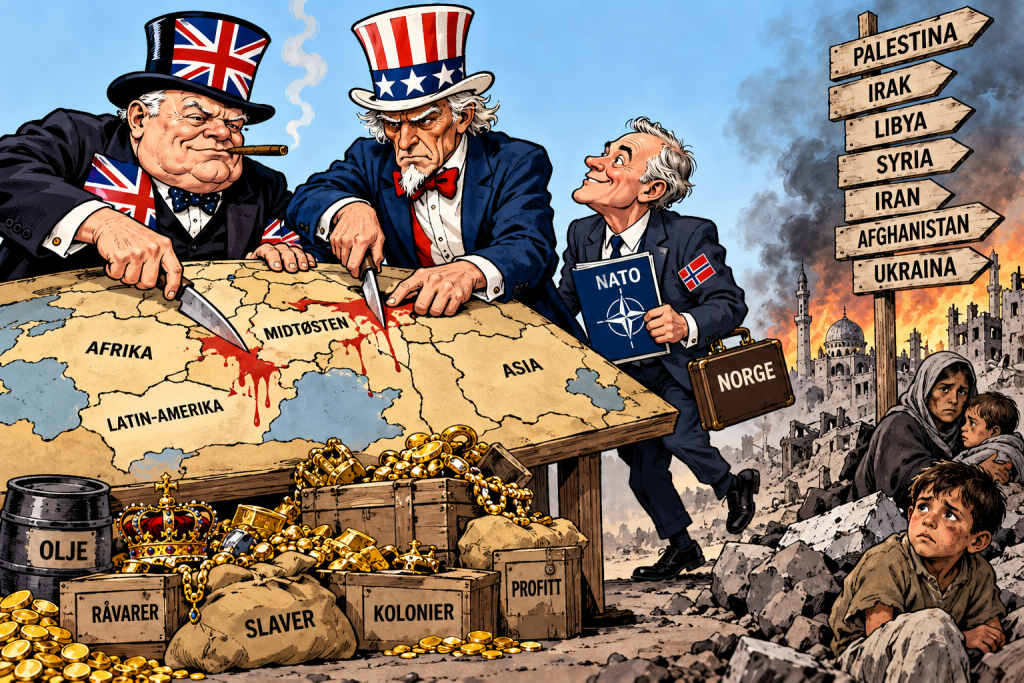
European colonial expansion, the Atlantic slave trade, the Opium Wars, the partition of India and repeated military interventions across Africa, Asia and Latin America are not distant abstractions in the countries that experienced them.
They remain part of national histories, political identities and collective memories.
China’s nineteenth-century confrontations with Britain, including the Opium Wars, helped establish the historical narrative of the country’s Century of Humiliation. Russia’s own nineteenth-century relationship with China was more complicated than a simple story of friendship: the Russian Empire also obtained Chinese territory through unequal treaties. Soviet assistance to the People’s Republic of China in the twentieth century nevertheless became an important part of the later relationship.
In India, Soviet military and diplomatic support helped build a partnership that survived the end of the Cold War.
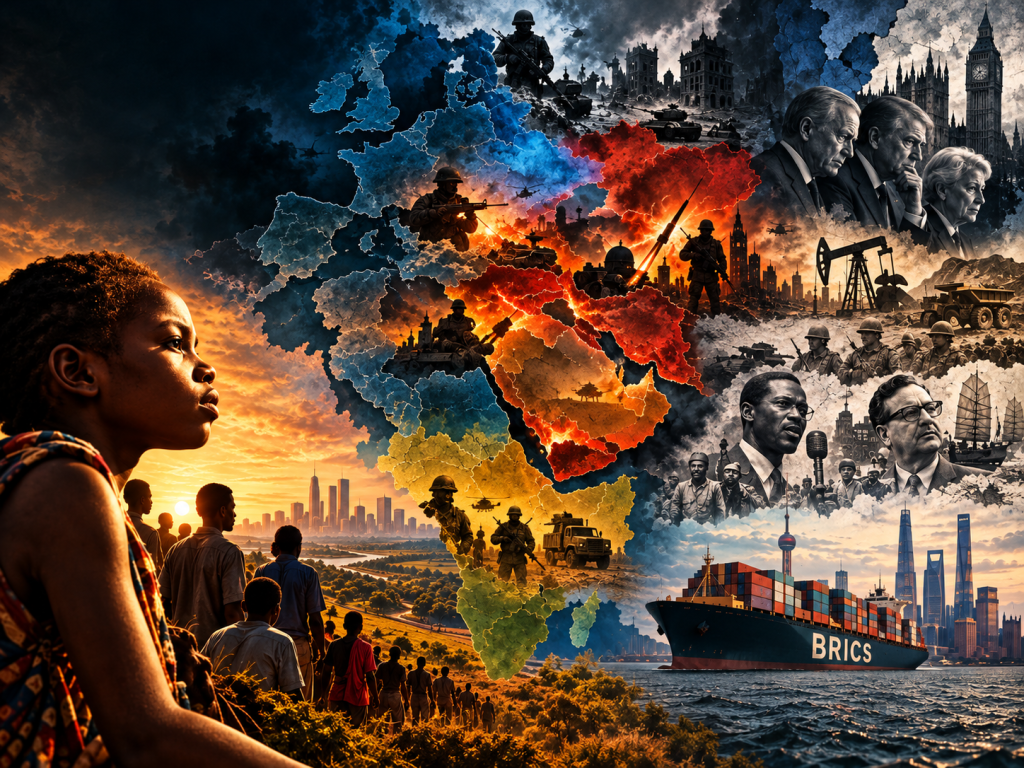
Across Africa, the Soviet Union and China supported numerous anti-colonial movements through military training, arms supplies, education and diplomatic assistance. These included movements fighting Portuguese colonial rule and apartheid-era domination in southern Africa.
Western governments, meanwhile, frequently supported colonial administrations, authoritarian governments or anti-communist allies whose conduct conflicted with their stated commitment to democracy and self-determination.
The consequences of these policies did not disappear when the Cold War ended.
For countries that experienced colonial exploitation, foreign-backed political interventions or economic coercion, the Western claim to represent universal international morality can appear selective.
The invasion of Iraq in 2003, justified in substantial part through claims about weapons of mass destruction that were never found, reinforced that perception.
So did NATO’s intervention in Libya in 2011, which began under a UN Security Council mandate to protect civilians but became closely associated with the overthrow of Muammar Gaddafi and the subsequent collapse of Libyan state institutions.
These events help explain why Western demands for sanctions against Russia have not necessarily generated the solidarity expected in Washington, London or Brussels.
Governments and populations that remember Western military interventions are not automatically persuaded that the same powers should enjoy unquestioned authority to determine which countries deserve international punishment.
And they have increasingly demonstrated their willingness to act on that scepticism.
The changing balance of international power
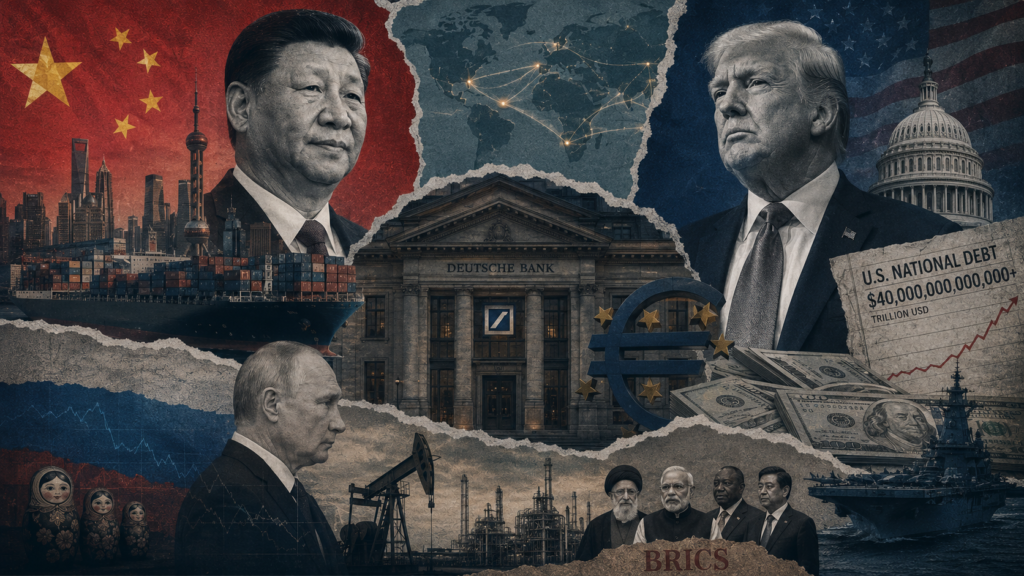
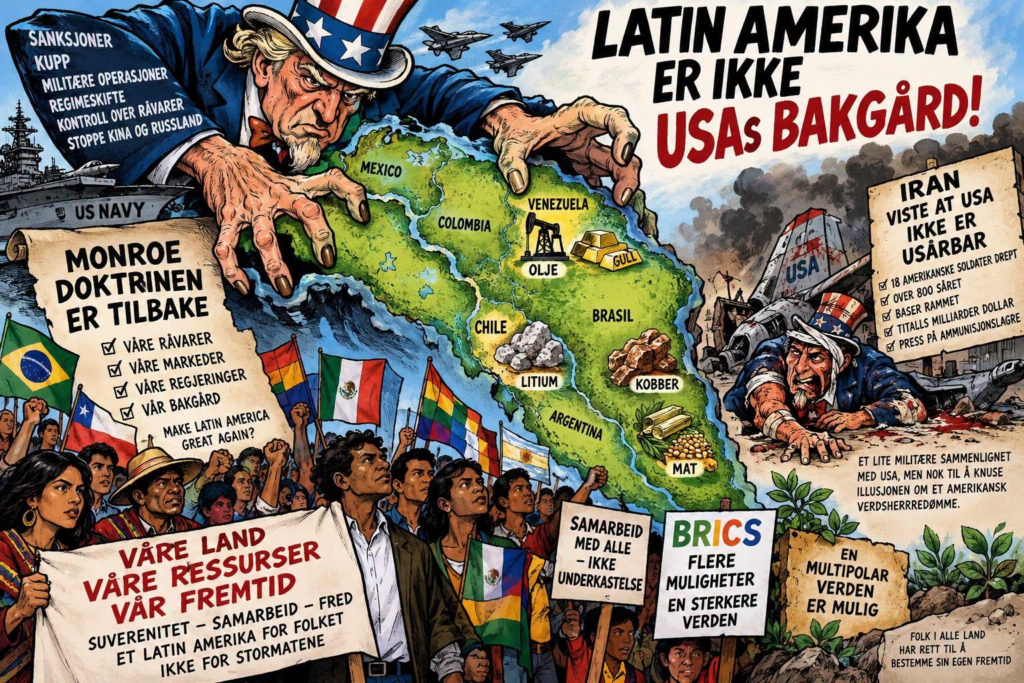
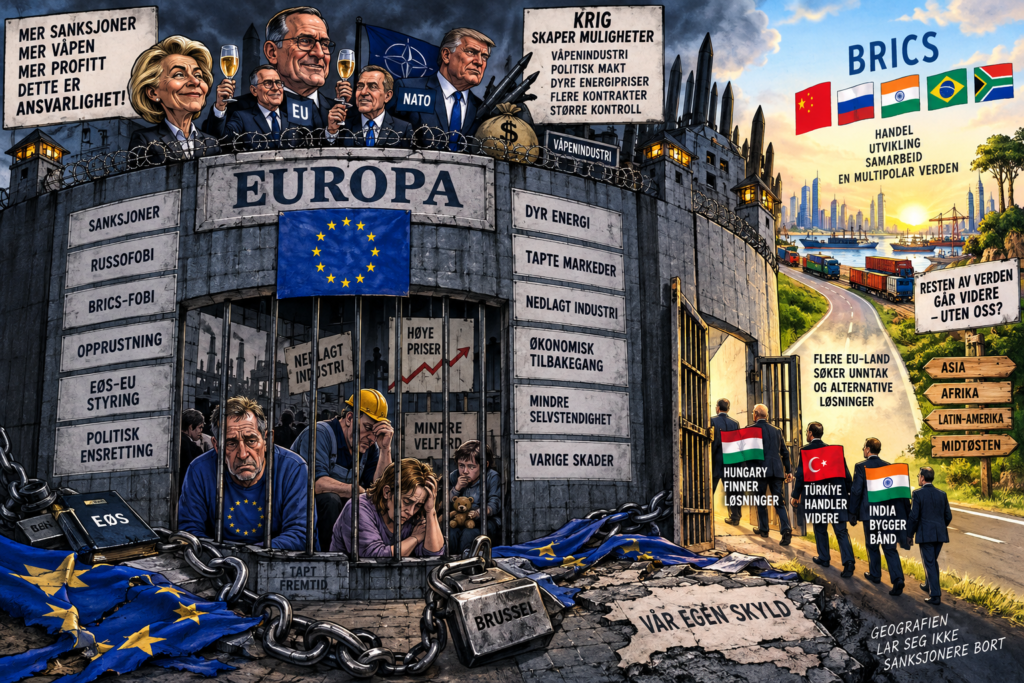
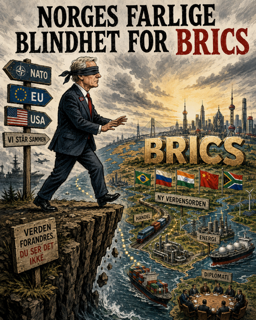
The emergence and expansion of BRICS reflects this wider transformation.
Originally bringing together Brazil, Russia, India, China and South Africa, the grouping has expanded to include additional countries seeking greater influence over international economic and political institutions.
Its members do not share identical interests, political systems or attitudes towards Russia. India and China, for example, have substantial strategic disagreements of their own.
What brings them together is a common interest in reducing dependence on institutions and financial arrangements historically dominated by Western powers.
The development of alternative payment mechanisms, greater use of national currencies in international trade and demands for reform of global financial governance all reflect this ambition.
Russia’s continued participation in these processes demonstrates the limitations of Western attempts to exclude it from international affairs.
Moscow has paid a substantial economic price for the war and the sanctions imposed against it. Yet it has also maintained important trading relationships, redirected substantial energy exports towards Asian markets and continued participating in diplomatic initiatives involving major non-Western economies.
The world has not collectively severed relations with Russia.
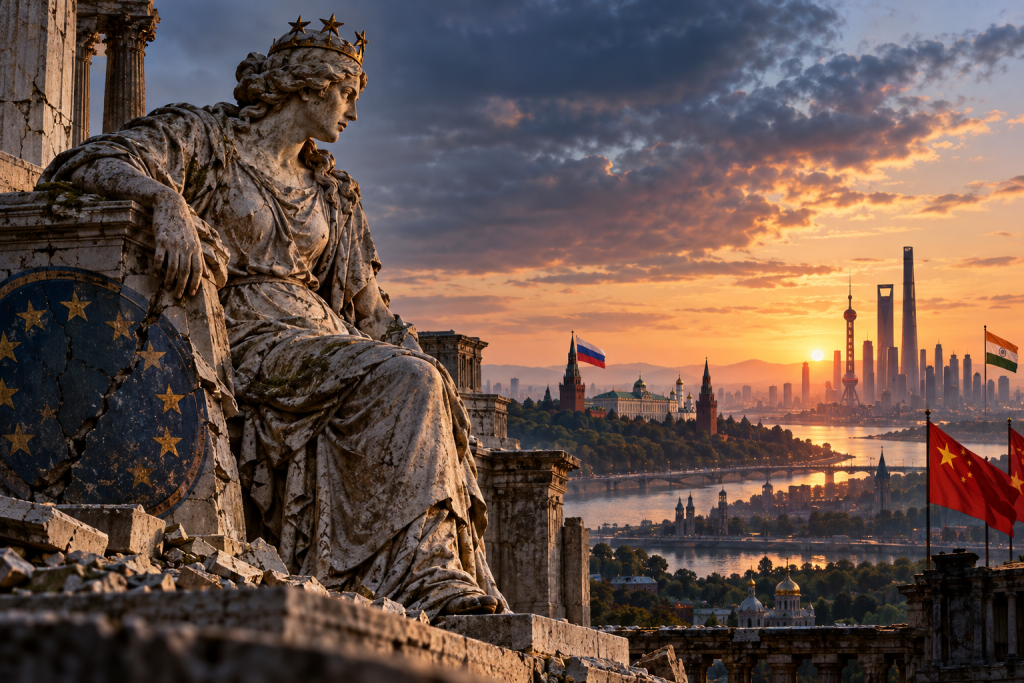
Instead, the confrontation has accelerated an existing movement towards a more fragmented international system in which American and European preferences no longer automatically determine the choices of other states.
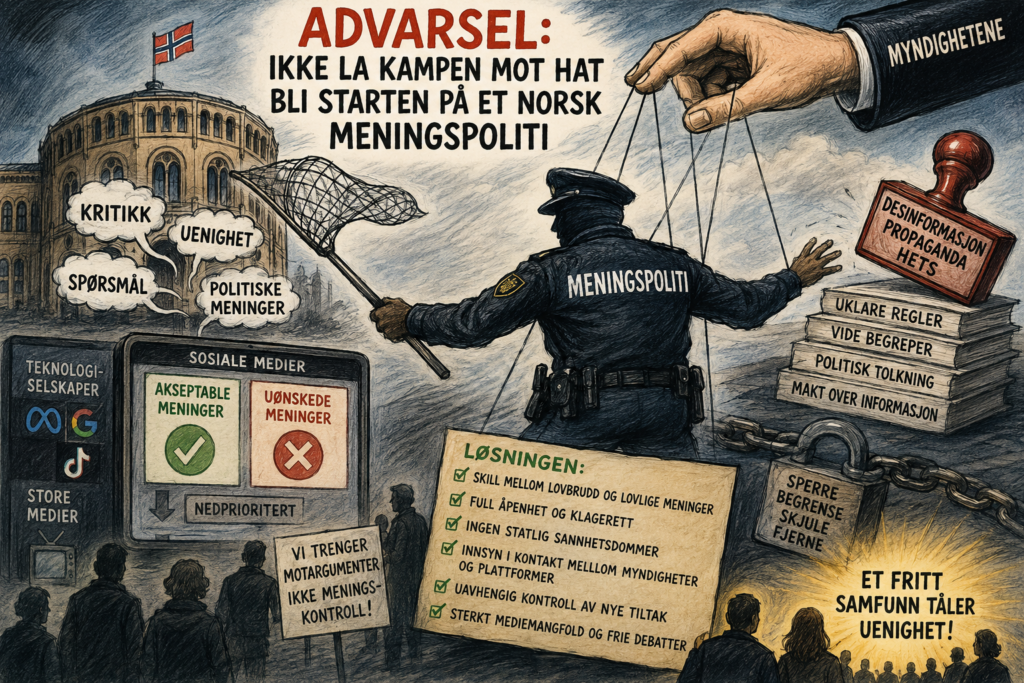
When disagreement becomes evidence of foreign influence
This geopolitical divide also has consequences for public debate inside Western countries.
When Russia is presented as universally condemned and diplomatically isolated, expressions of support for continued relations with Moscow can appear inexplicable.
Those who challenge Western policy towards Russia may consequently find themselves accused of repeating Kremlin propaganda, acting on behalf of Russian interests or receiving financial support from Moscow.
Such accusations can substitute speculation about a speaker’s motives for examination of the arguments being made.
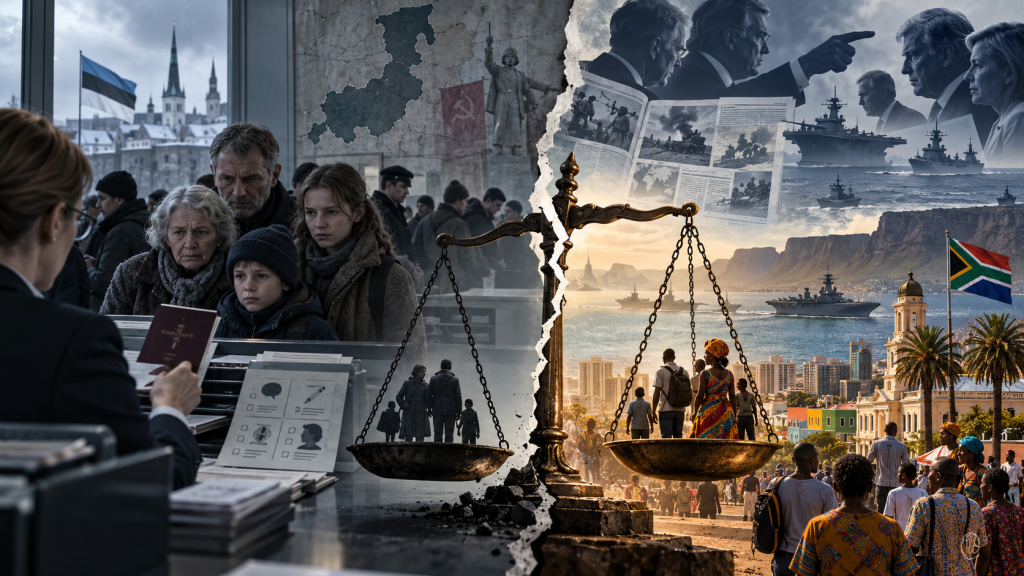
The problem becomes particularly apparent when opinions common in parts of Africa, Asia or Latin America are treated as inherently suspicious simply because they contradict Western political consensus.
A South African defending the country’s historical relationship with Russia does not need instructions from Moscow to hold that position. An Indian arguing for strategic autonomy does not need Kremlin funding to reject American sanctions.
Their positions can arise from national interests, historical experience and independent political judgment.
None of this requires agreement with Russia’s position on Ukraine. It requires recognising that opposition to Western foreign policy does not necessarily originate in Russia.
The assumption that it does reveals a deeper difficulty within Western political discourse: an inability to accept that people outside its own geopolitical sphere may evaluate international affairs according to different historical experiences and priorities.
Who is really isolated?
The claim that Russia has become an international pariah contains an important geographical qualification.
Russia has been subjected to extensive sanctions and diplomatic restrictions by the United States, the European Union and their closest partners. Its relationships with many Western governments have deteriorated profoundly.
But the overwhelming majority of countries have not participated in the economic campaign against it.
This is not proof that Russia enjoys universal popularity, nor does the refusal to impose sanctions establish public support for its military intervention. It does establish that Western policy towards Moscow has not become global policy.
The distinction is too important to disappear beneath headlines about international isolation.
The United States and Europe retain enormous economic, military and institutional power. Yet their inability to persuade most countries to join the sanctions campaign reveals that their authority is no longer sufficient to produce worldwide compliance.
For many governments in the Global South, the central question is no longer whether their policies meet Western expectations. It is whether those policies serve their own national interests.
And behind that calculation lies a historical memory that Western governments have frequently underestimated.
Countries that experienced colonial domination, economic exploitation and foreign intervention are increasingly unwilling to accept that the powers responsible for much of that history should retain exclusive authority to define legitimate international conduct.
Russia has benefited from this resistance, even where governments have not endorsed its actions.
The result is a geopolitical reality considerably more complicated than the image of an isolated Moscow confronting a united world.
The Western sanctions coalition succeeded in mobilising its own allies. It failed to mobilise most of the planet.
Perhaps the most revealing aspect of this confrontation is therefore not how many countries have turned against Russia, but how many have demonstrated that they are no longer prepared to follow Washington simply because Washington expects them to.
The world has not isolated Russia.
It has demonstrated the limits of Western power to decide who must be isolated.