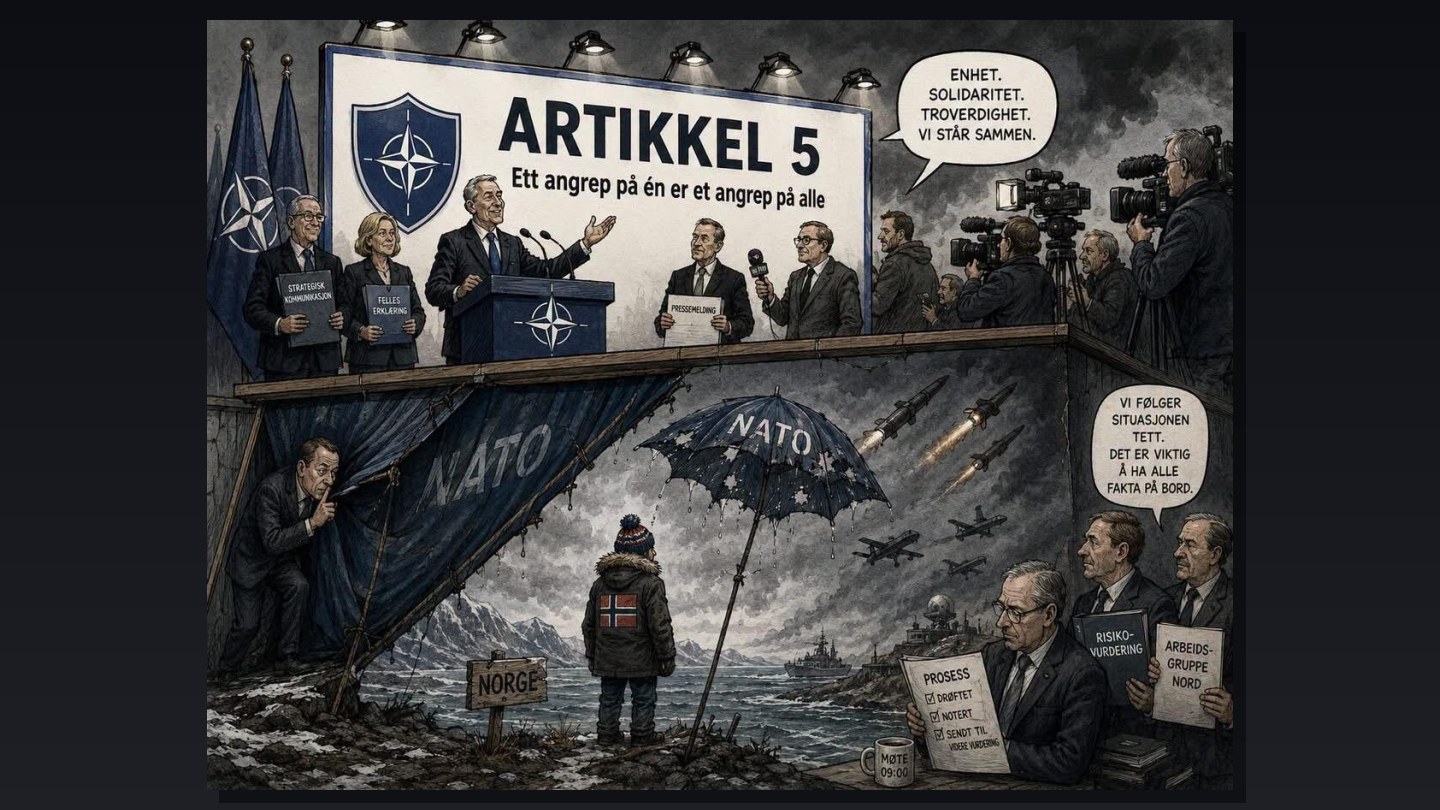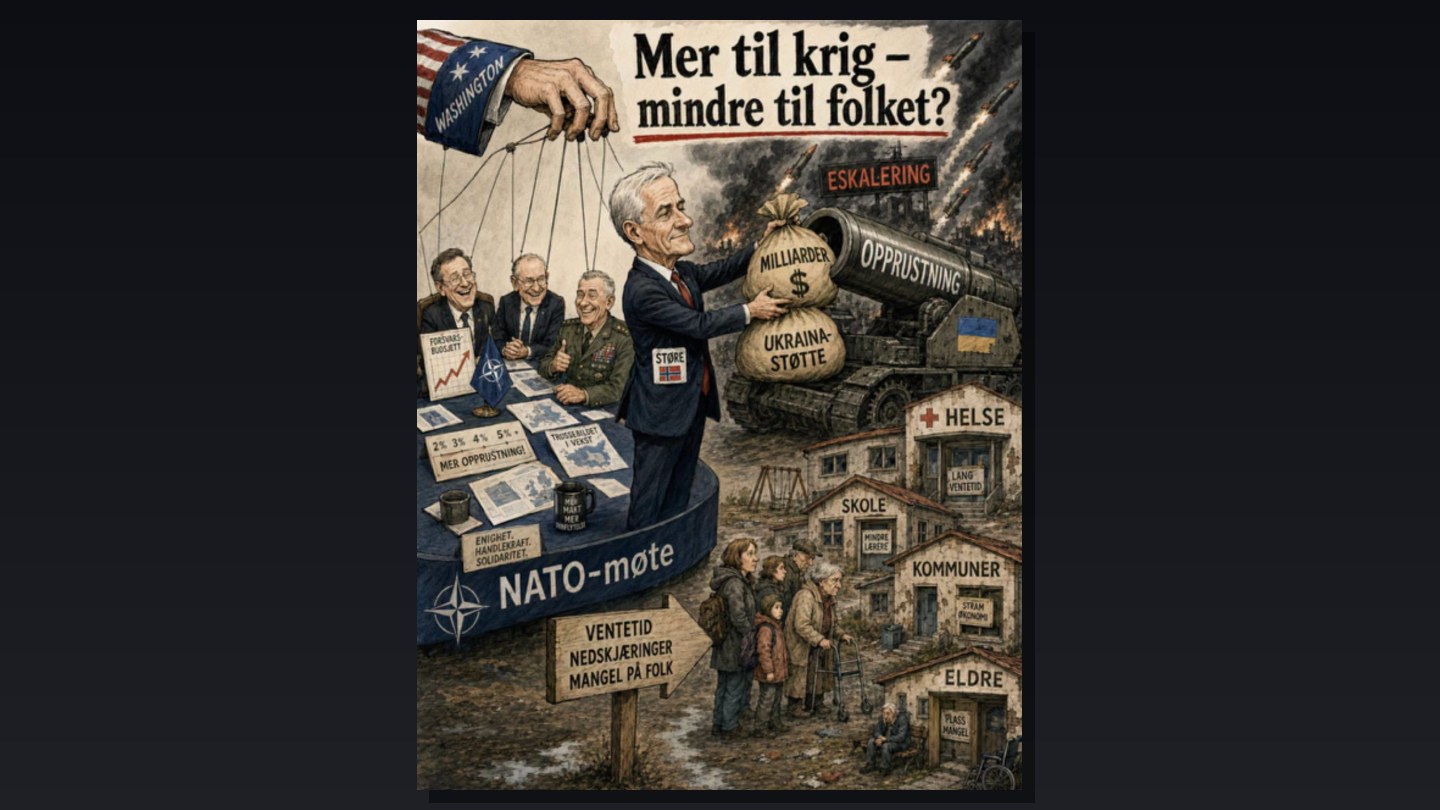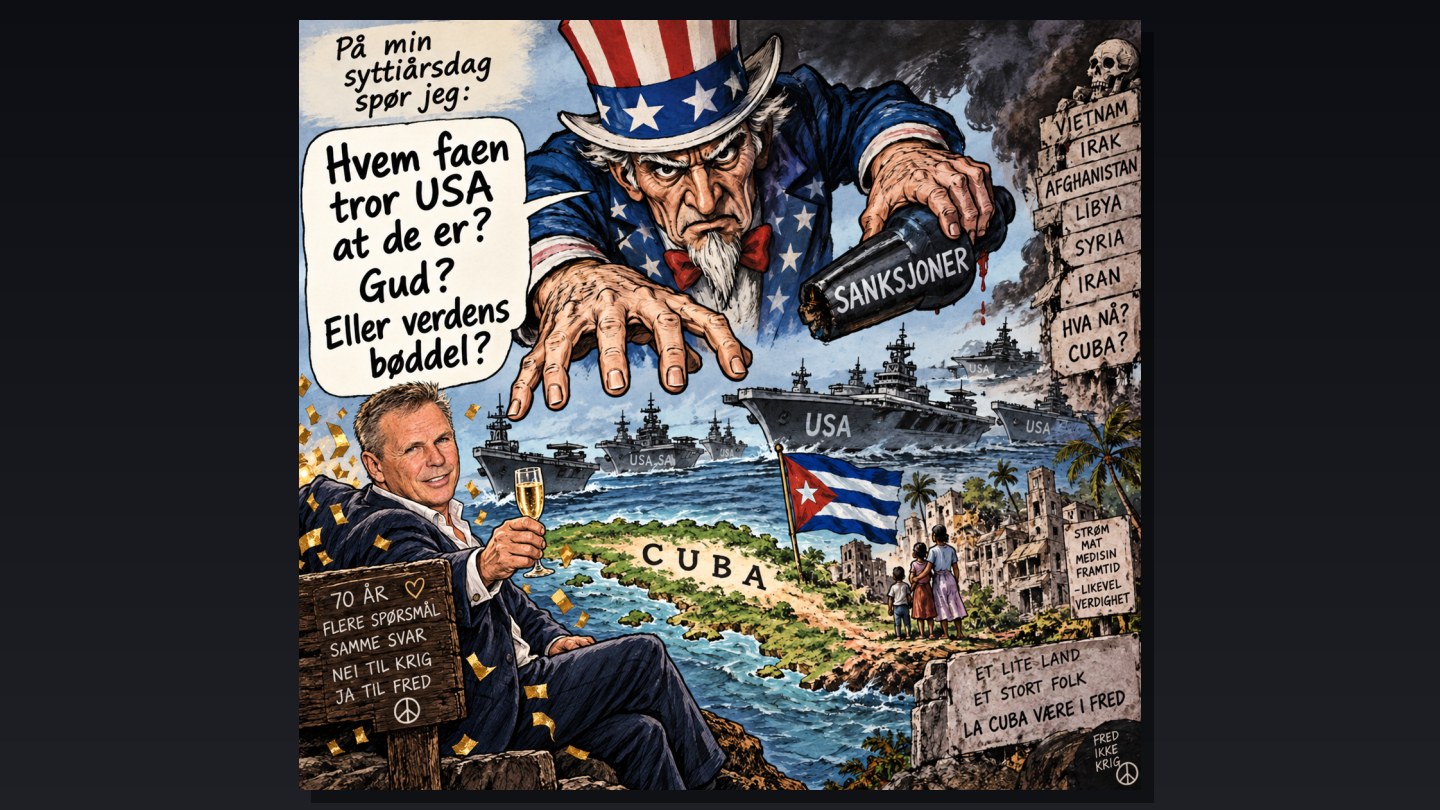
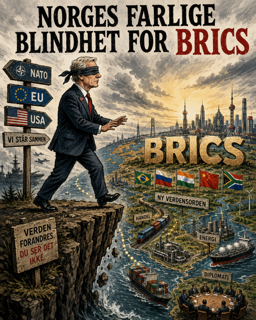
This should have been discussed openly and seriously in Norway. Instead we meet the same old Norwegian evasiveness. Prime Minister Jonas Gahr Støre speaks warmly of international cooperation when it takes place through NATO, the EU, the US or Western summits. But when large parts of the world gather in BRICS, it is met with silence, scepticism or the usual moralising finger.
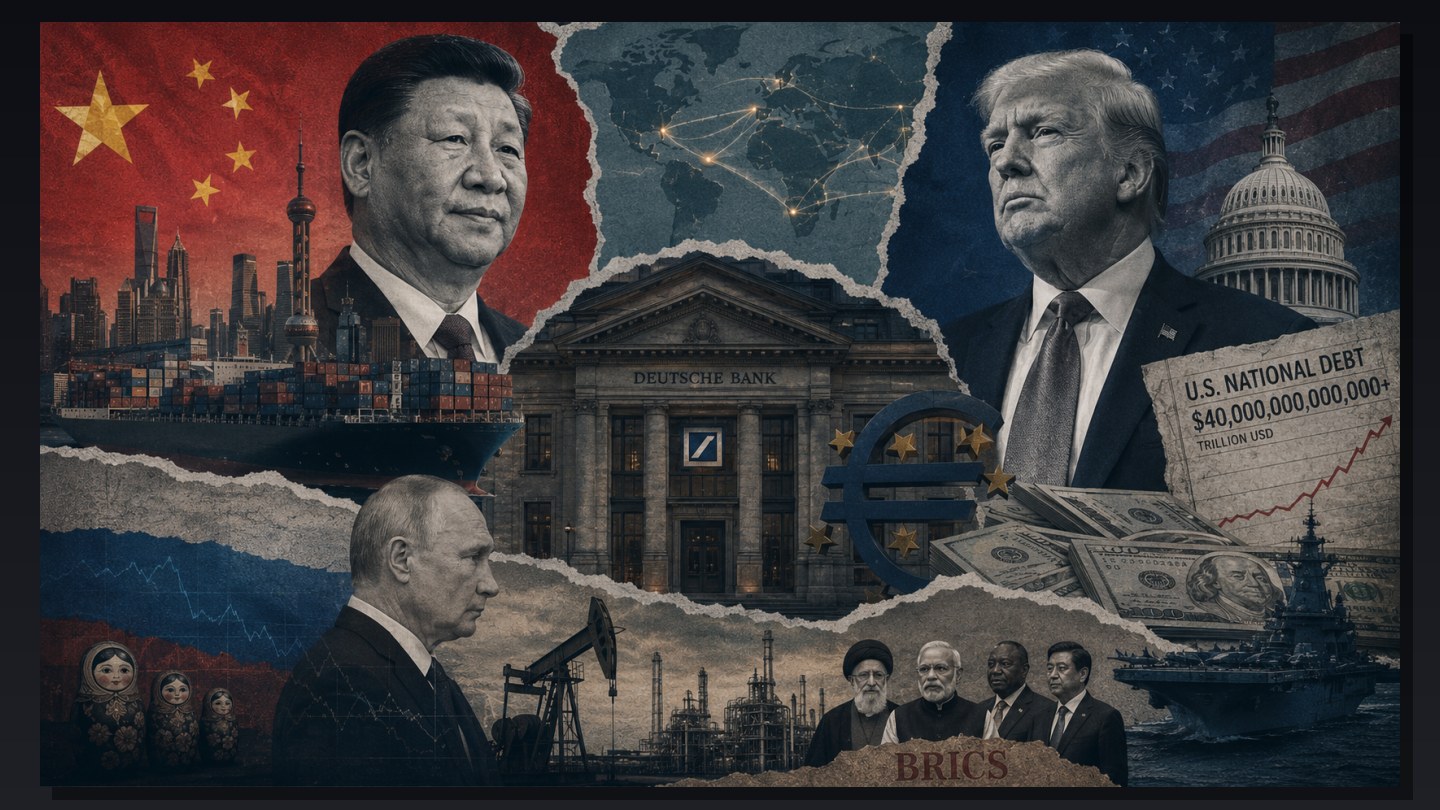
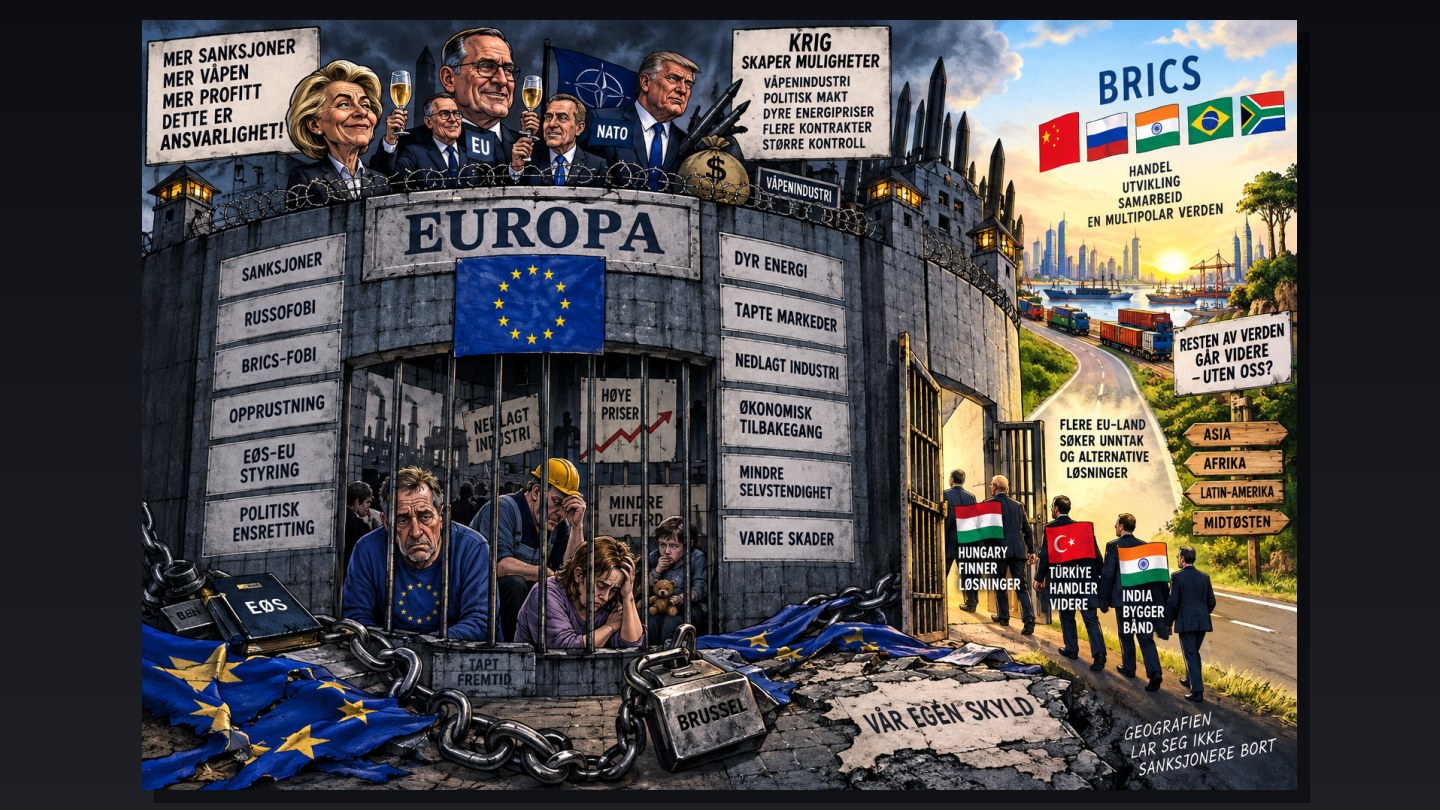
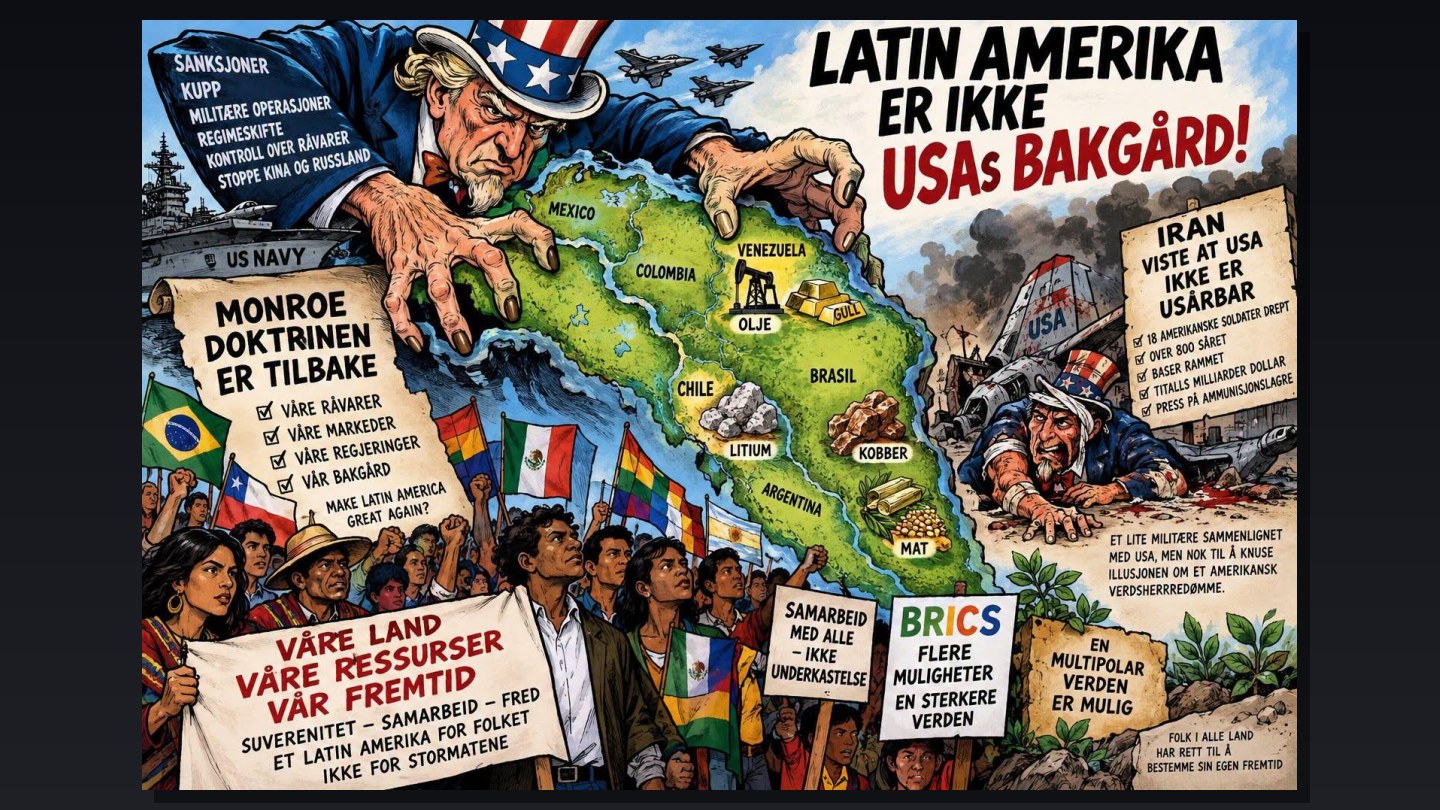
Norway behaves as if the world were still governed from Washington and Brussels alone. As if the rest of the world should simply fall in line with Western sanctions, Western wars, Western currencies and Western definitions of democracy. But that time is running out. Asia, Africa, the Middle East and Latin America have had enough of being extras in a Western script. They want influence. They want sovereignty. They want to trade with whomever they like. They will no longer be ordered about by old colonial powers, American strategists or European moralists. BRICS is the expression of this new reality.
That does not mean BRICS is an ideal community. There are major tensions between the member states. China and India have their conflicts. Russia is at war. Iran, Saudi Arabia, Brazil, South Africa and Egypt have different interests and different political systems. But that is precisely why the development is so important. The countries are not coming together because they are alike. They are coming together because they are tired of a world order in which the West expects obedience but itself breaks international law when it suits it.
We in Norway close our eyes. We follow NATO. We follow the EU. We follow the US. We talk about values, but in practice pursue a policy that binds Norway ever more tightly to one bloc in a world that becomes more multipolar with every passing month.
Støre’s evasiveness towards BRICS is therefore not just a diplomatic slip. It is a strategic mistake. Norway is a small, open trading nation. We live off energy, shipping, raw materials, technology and access to global markets. Our merchant fleet does not only sail between NATO countries. Our economic interests do not stop at the EU’s external border. Our future opportunities also lie in contact with countries that no longer wish to be governed by the West.
Yet the Norwegian authorities act as if cooperation with BRICS countries were almost politically impure.
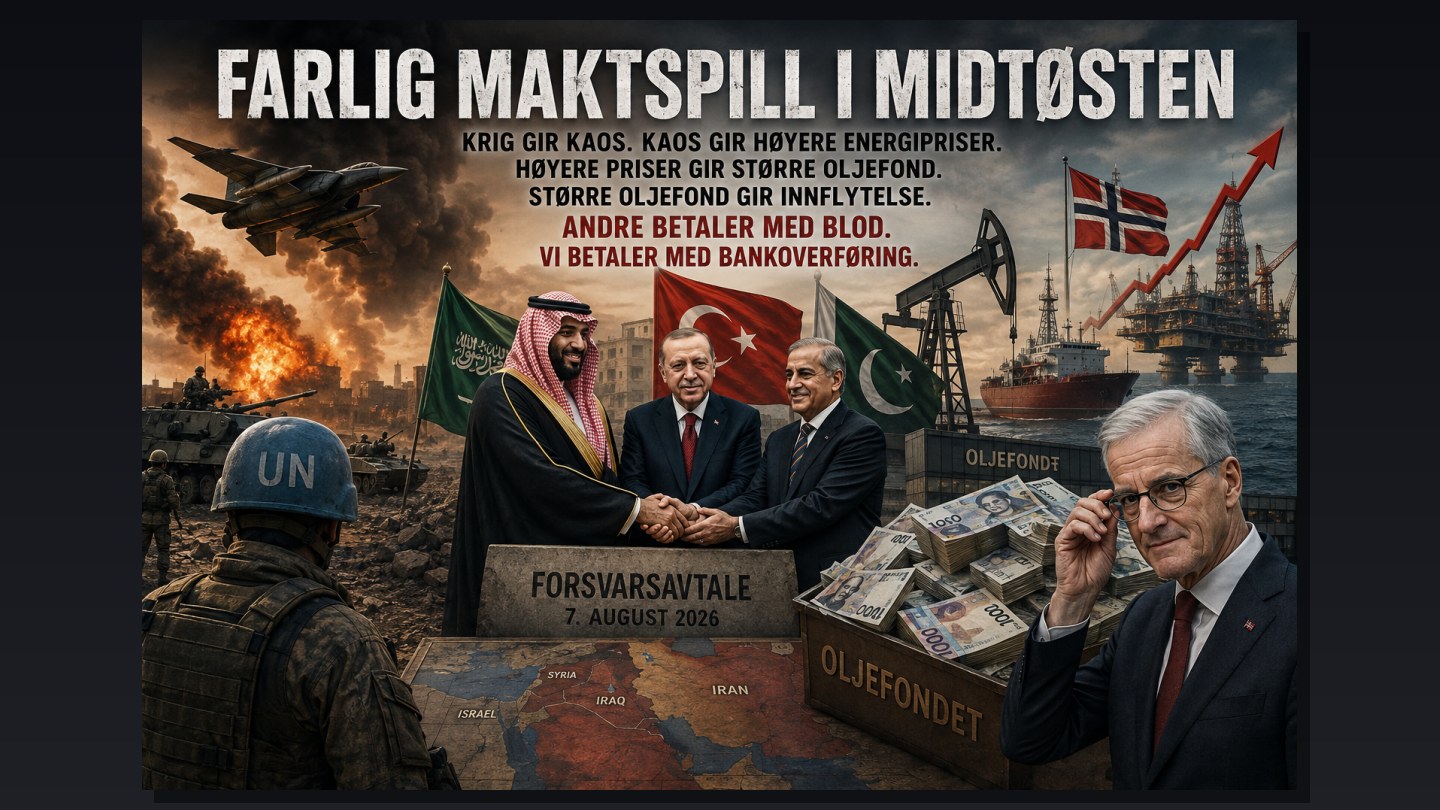
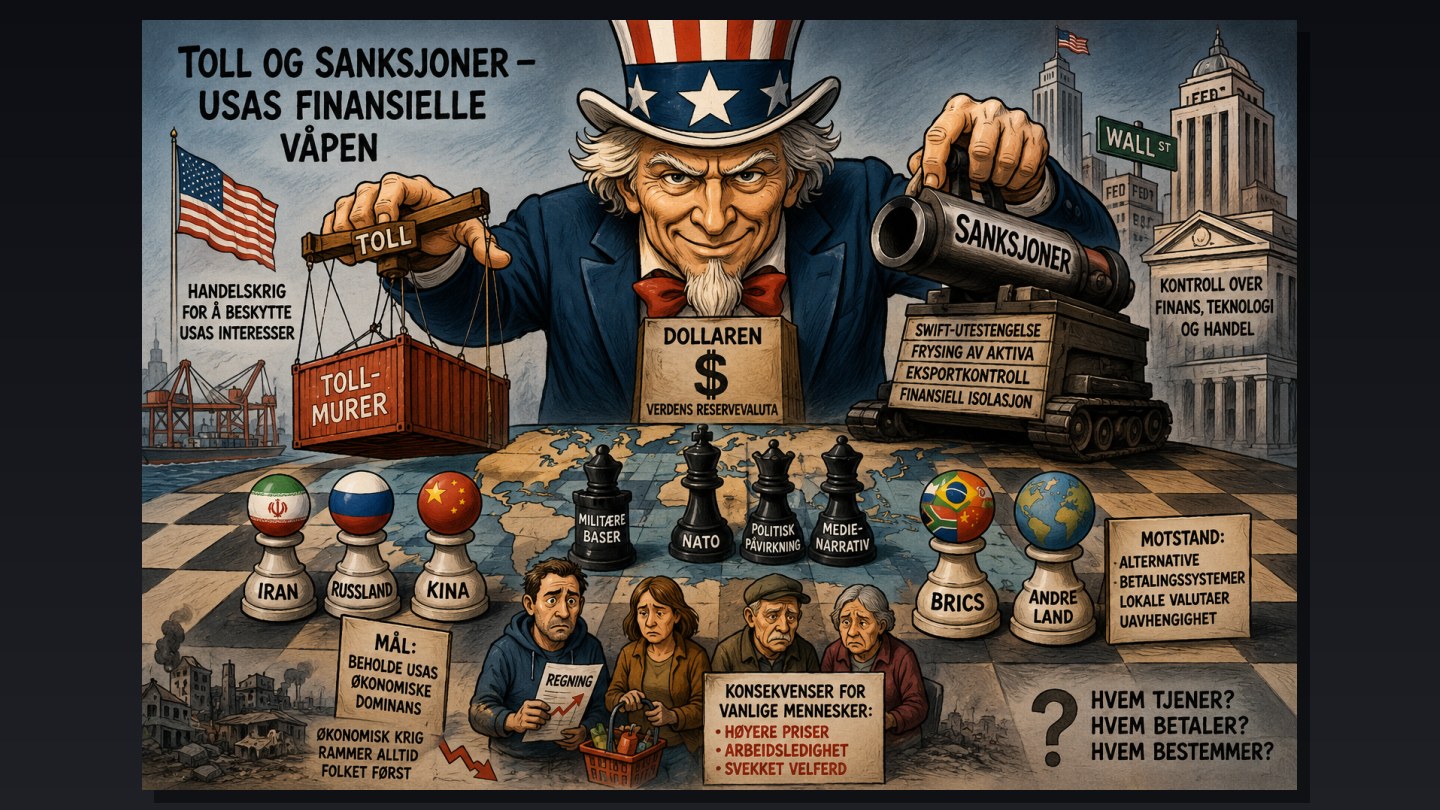
When BRICS builds new payment systems, discusses trade without the dollar, develops its own financial institutions and strengthens cooperation on energy and security, the West’s old monopoly is weakened. Norway should study this closely. We should ask how this affects the Oil Fund, energy markets, shipping, the krone, sanctions policy and our role in the Arctic. Instead we get more of the same: declarations of loyalty to NATO, more military aid, more rearmament and more rhetoric about the world being divided between “democracies” and “autocracies”.
The security-policy development of BRICS is particularly important. For many countries in the Global South, security does not only mean soldiers and missiles. It means food, energy, ports, infrastructure, currency, technology and control over one’s own resources. It is a broader understanding of security than the narrow militarism now dominating Europe.
Europe almost always responds with more weapons. BRICS increasingly responds with alternative structures. That should interest Norway. For if the world is divided into competing systems, Norway may end up stuck as a small piece in America’s strategic game, with no voice of its own and no freedom of action of its own.
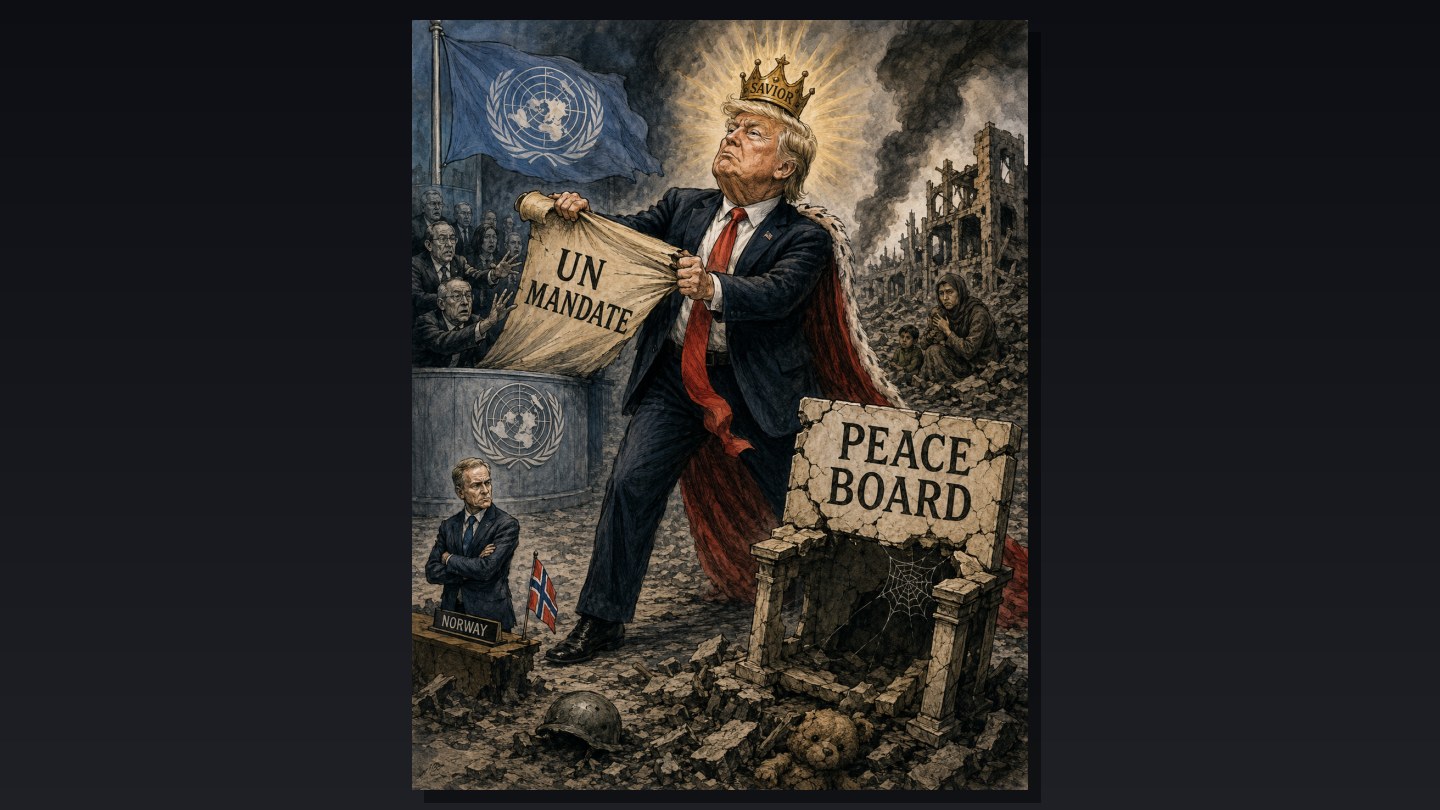
The tragedy is that Norway once had a different role. We could talk to several parties. We could contribute to dialogue. We had a certain credibility as a nation of peace. That role is now disappearing. Under Støre, Norway has not become more independent. Norway has become more predictably obedient.
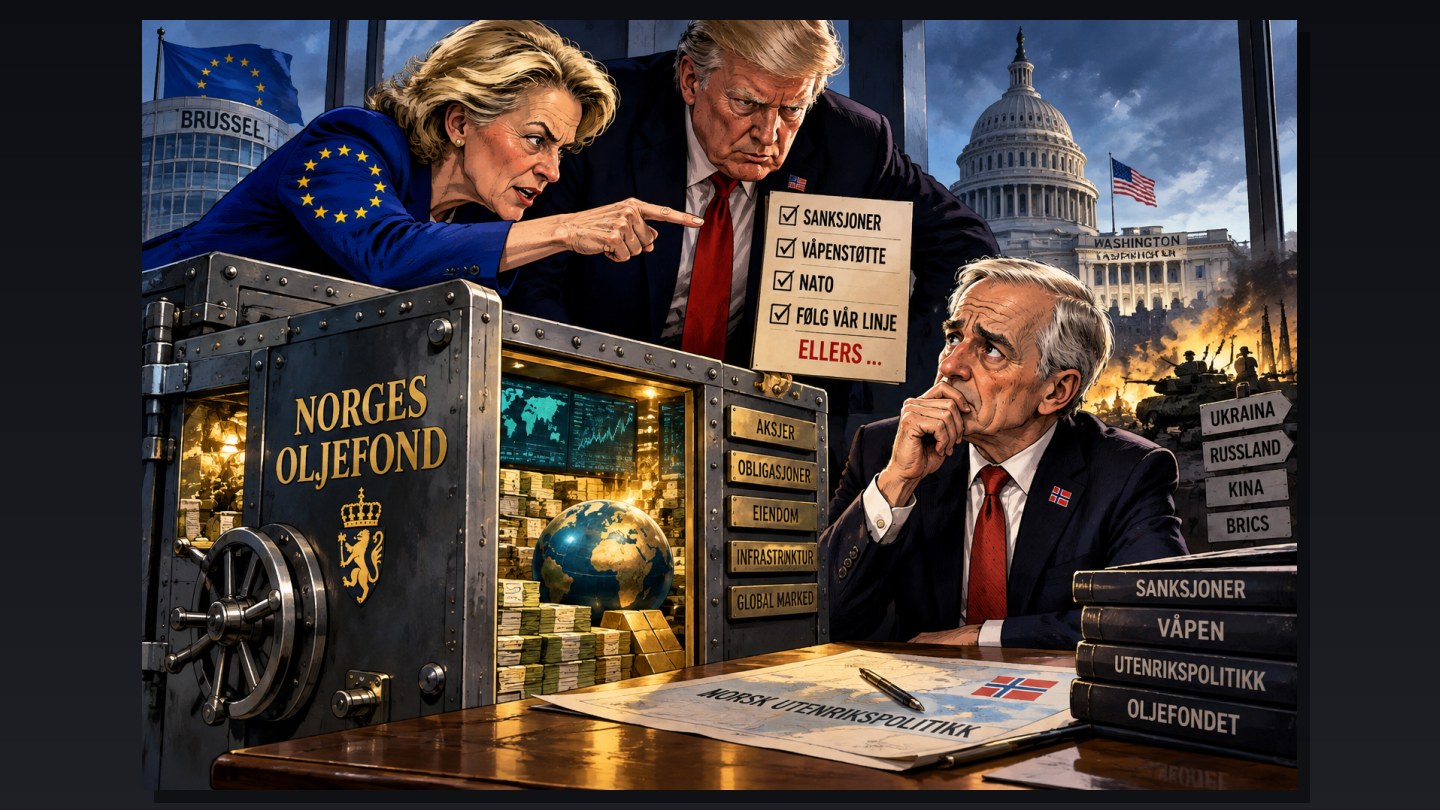
When Washington points, Oslo nods.
When NATO demands, Norway pays.
When the EU sanctions, Norway follows.
When BRICS emerges as a possible counterweight, Norwegian politicians pretend it does not concern us.
But it does concern us. It concerns our economy. It concerns our security. It concerns our place in the world. It concerns whether Norway is to be an independent nation or merely a branch office of Western bloc politics.
Norway should not uncritically embrace BRICS. But Norway must talk to the BRICS countries. We must understand them. We must trade with them where it serves Norwegian interests. We must build diplomatic bridges, not burn them on others’ orders. We must dare to say that the world can no longer be governed by a single power bloc.
That requires political courage. It requires independent thinking. It requires leaders who understand that future security is not created by standing blindly behind one great power.
Støre ought to know this. As foreign minister he once talked about dialogue. As prime minister he has become the administrator of adaptation, obedience and bloc thinking.
The next chapter of BRICS is already under way. The question is whether Norway will take part in the new global conversation, or whether we will stand in the corridor with the NATO script in hand, waiting for the next instruction from Washington.
Norway does not need more political echoes. Norway needs leaders who dare to think for themselves.