
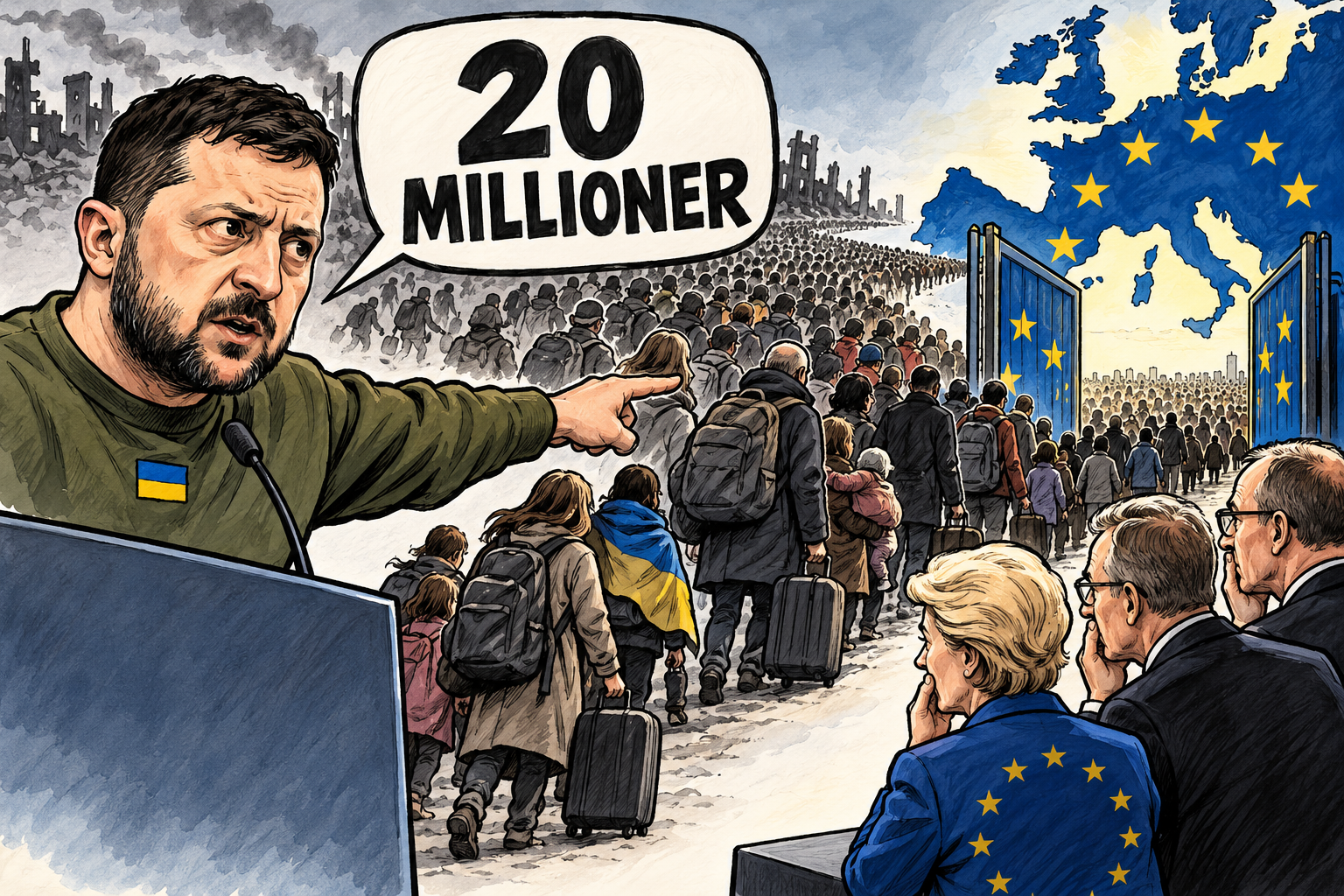
Is this a humanitarian warning, or has the fear of mass migration become yet another means of political pressure?
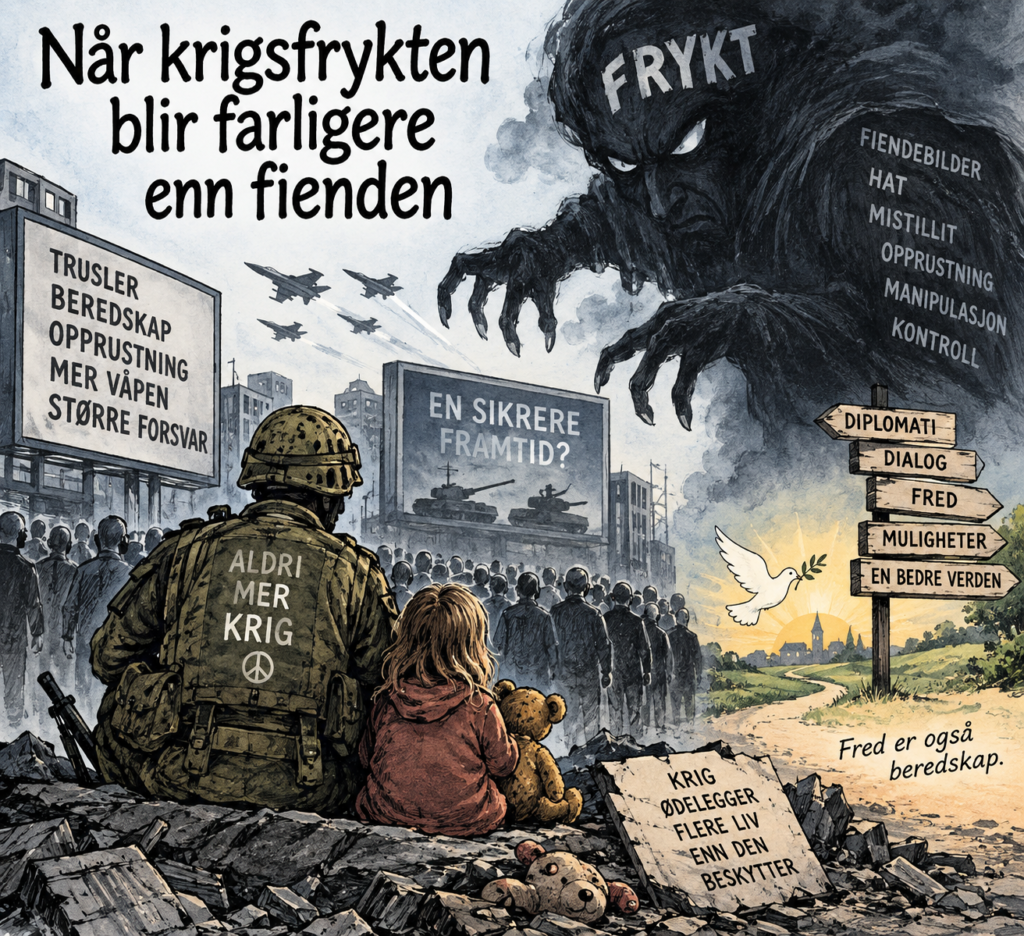
It is a question European leaders should dare to ask. When millions of people are drawn into the argument for new arms deliveries and billion-euro appropriations, we enter a political landscape where fear risks taking over from reasoned debate.
And we do not need to look far to understand the seriousness. Since 2022, the border between Ukraine and Poland has been one of Europe’s most important escape routes. Millions of border crossings have taken place, and Poland has had to handle enormous humanitarian and administrative challenges. This shows how quickly a war can have consequences far beyond the battlefield.
But border crossings are not the same as the number of new refugees. Nor is it documented that a new wave of 20 million people is now heading for Poland. That is precisely why Zelensky should explain what the dramatic estimate is based on.
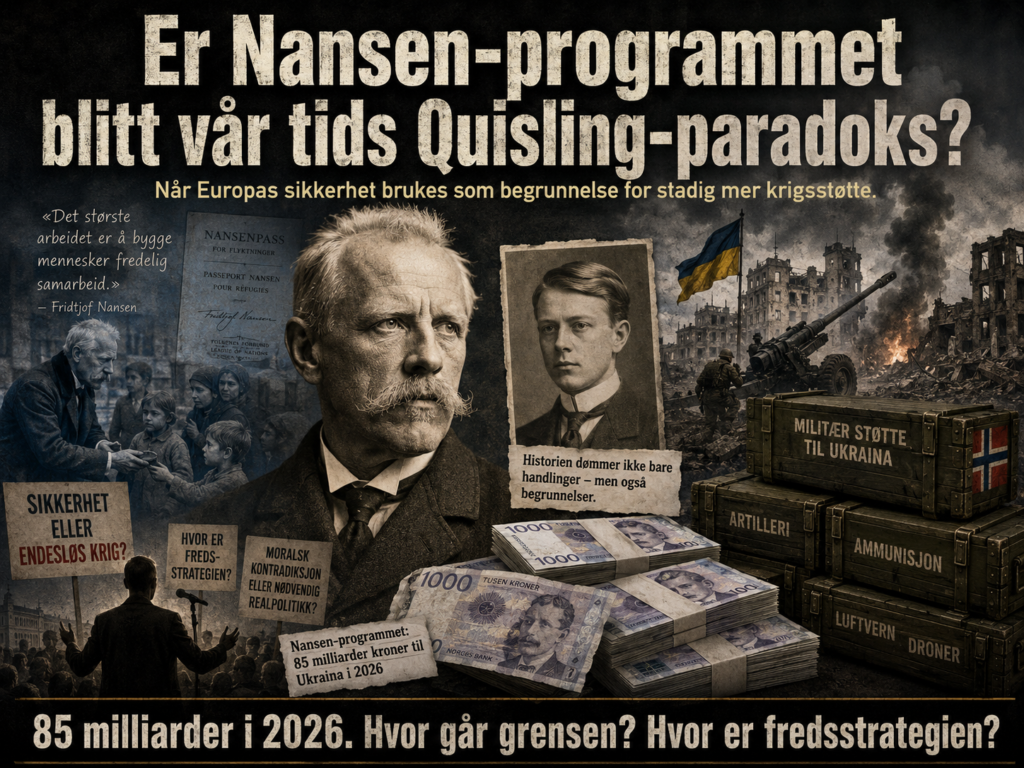
Europe has already spent enormous sums on Ukraine. New economic packages, arms deliveries, ammunition and security guarantees are constantly presented as necessary. Now comes the warning that the alternative could be 20 million people on the run.
Where is the limit to how much fear should be allowed to govern European policy?
Should every new billion-euro appropriation be justified by the claim that the alternative will be even worse? Should European taxpayers accept ever larger economic commitments without a clear explanation of how the war is actually to end?
And where is the political impact assessment?
Poland already knows the burden of being the neighbour of a country at war. Housing, schools, health services, transport and the labour market are affected when very many people need protection in a short time. That is a reality, not an argument against the refugees.
But it is also a reminder that European governments have a responsibility towards their own citizens.
What will happen if millions more people actually seek protection in Europe? Who will pay? Where will they live? How will municipalities that are already struggling financially handle even greater tasks?
These are questions that deserve concrete answers, not new political slogans.
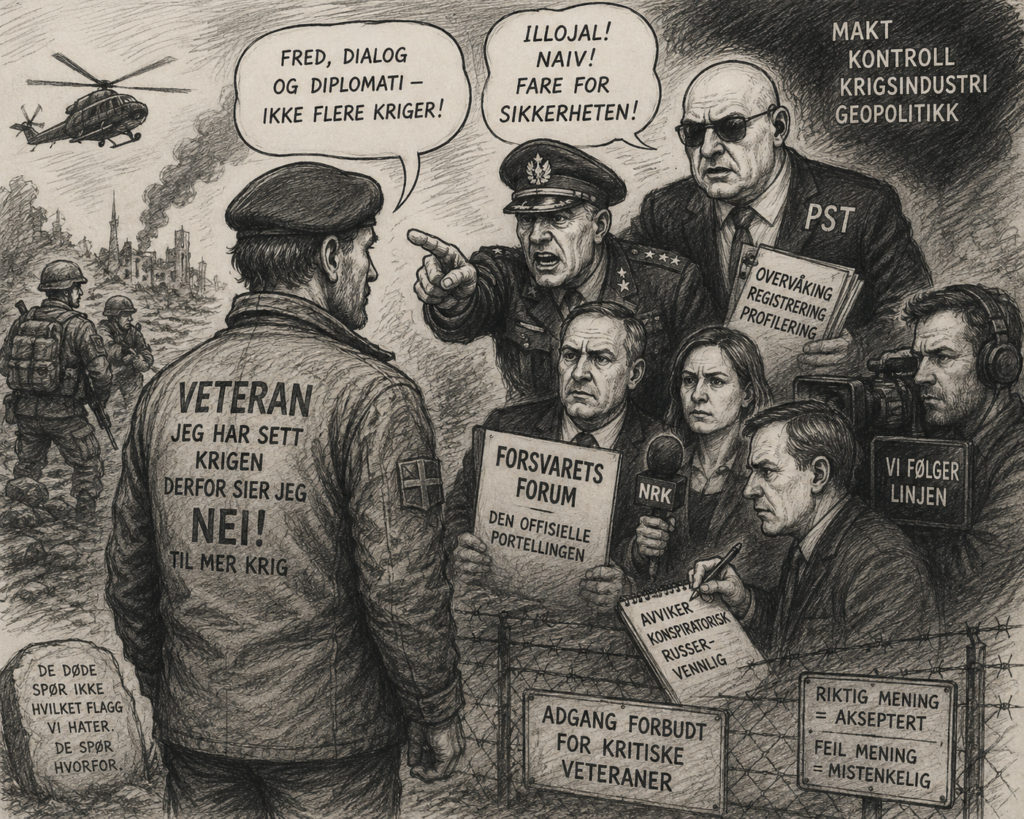
At the same time, we must ask why diplomatic efforts do not receive the same attention as military appropriations. Where is the joint European plan to end the war? Where is the open debate about negotiations, security arrangements and realistic paths to peace?
Of course Ukraine has the right to defend its independence. Russia also bears responsibility for the destruction and human suffering of the war. But this does not relieve European politicians of the duty to assess the consequences of their own policies.
It is entirely possible to support Ukraine’s rights while demanding that diplomatic solutions be given far higher priority.
Here at home, the government should explain how Norway’s billion-kroner appropriations fit into a long-term political strategy. How long will the support continue? What results are expected? What alternatives are being considered if the war drags on further?
This is not about turning our backs on the Ukrainian people. On the contrary, it is about preventing even more people from losing their homes, their families and their future.
The Ukrainian people deserve peace. Europe’s population deserves honest answers. And people fleeing deserve to be treated as human beings, not as numbers in a political power struggle.
Zelensky’s warning of 20 million refugees should therefore not only trigger discussions about more weapons and more money. It should trigger a far more demanding question.
If Europe’s leaders truly fear a catastrophe of this magnitude, why do they not make demands for diplomatic progress as strong as those for military appropriations?
For if fear of future catastrophes becomes the main argument for continuing today’s policy, we risk Europe binding itself to a war with no clear way out.
Europe cannot keep paying for the war’s continuation without at the same time demanding a credible plan for how peace is to be achieved.
Se og hør mer
Videoer, klipp og innslag knyttet til temaet.