
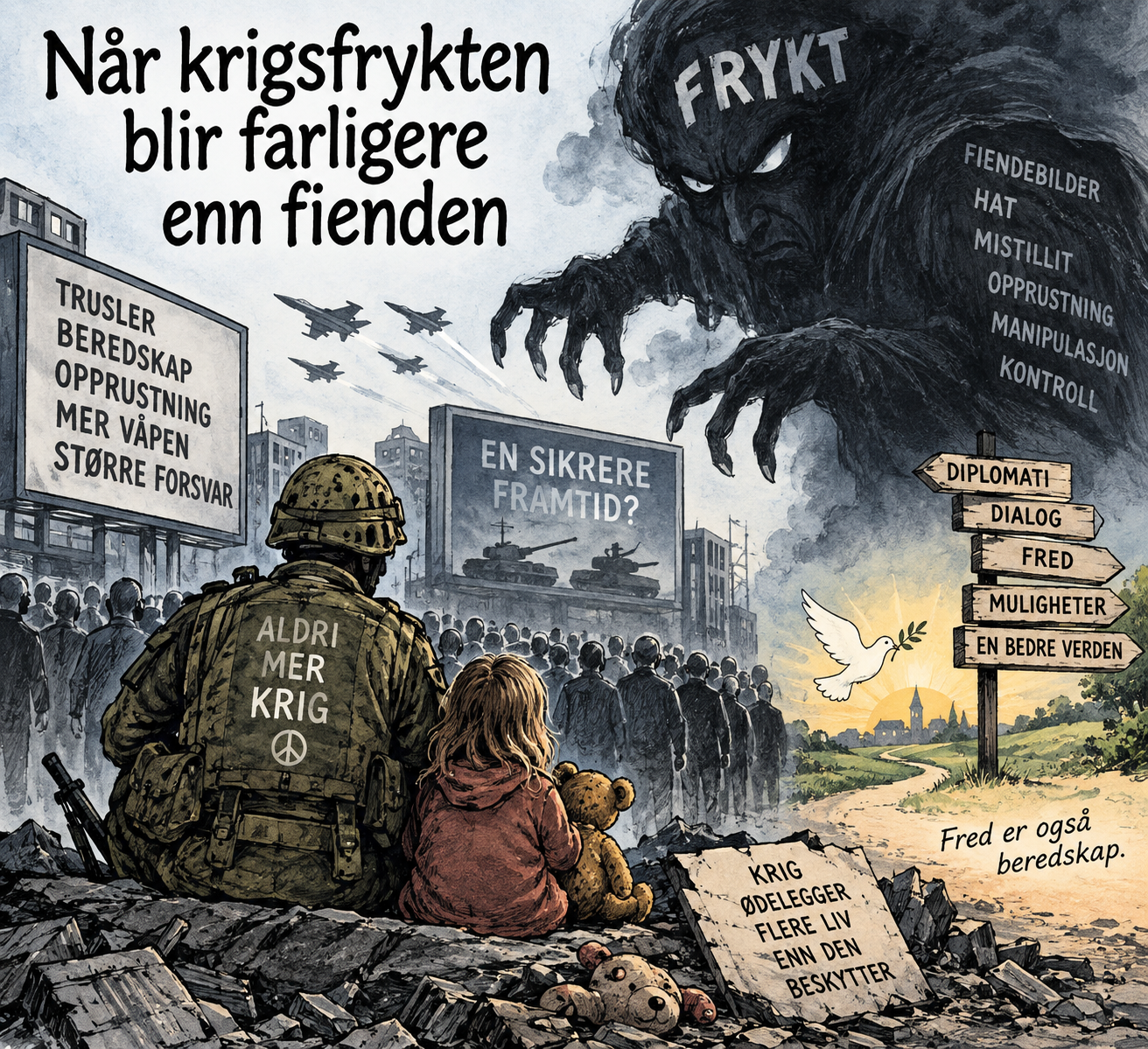
I am neither a psychologist nor a psychiatrist. I make no diagnoses. But after more than four decades of veterans’ work, I believe we must dare to ask a question that is almost drowned out in today’s debate about defence budgets, arms purchases and military preparedness: what is all this fear of war doing to us as people and as societies?
For war does not necessarily begin with the first shot. It can begin much earlier, inside our heads.
When war follows you home
Soldiers are trained to be on guard, perceive threats and react quickly. In combat this can be absolutely necessary. But people are not machines that can be programmed for war and then reset when the uniform is put away. For some, the state of alert, the memories and the fear follow them back to their families and everyday life.
This does not mean veterans in general are mentally ill or dangerous. Most return well to civilian life. But we must dare to talk about those who do not, and about the families who live with the consequences.
Mental illness is not contagious like a virus. But fear, trauma, mistrust and patterns of violence can spread through human relationships. A child who has never been to war can grow up with the consequences of their parents’ war. A spouse who has never heard a shot can live with someone who is still mentally on the battlefield.
That is how war can move from the front into the home.
A society in permanent readiness
But perhaps the most serious thing is what happens when not only the soldier, but the entire population is kept in permanent readiness.
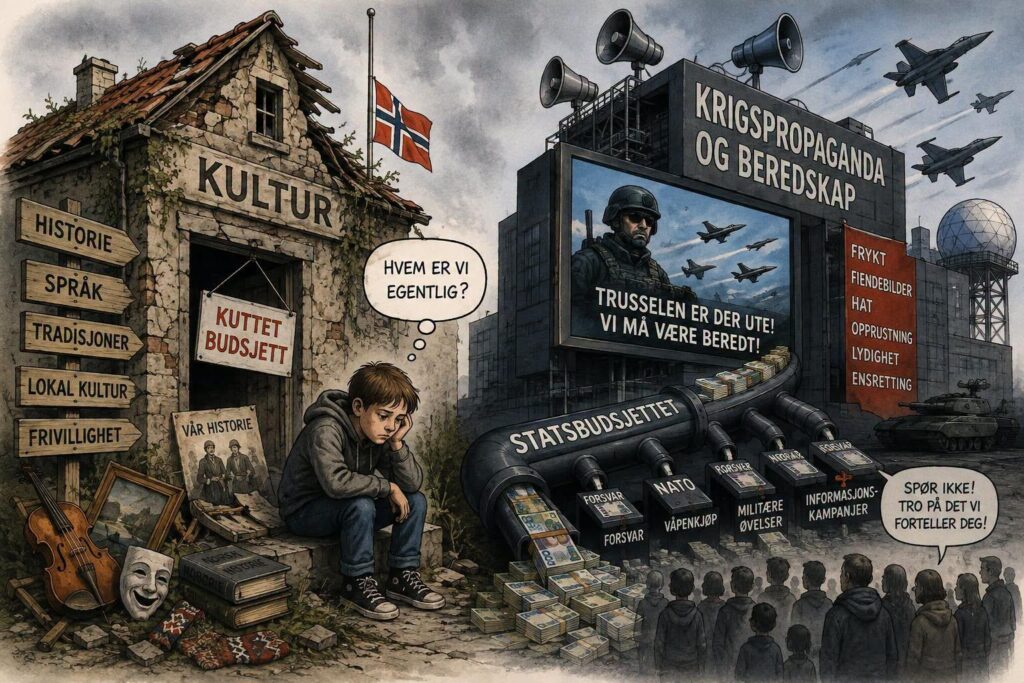
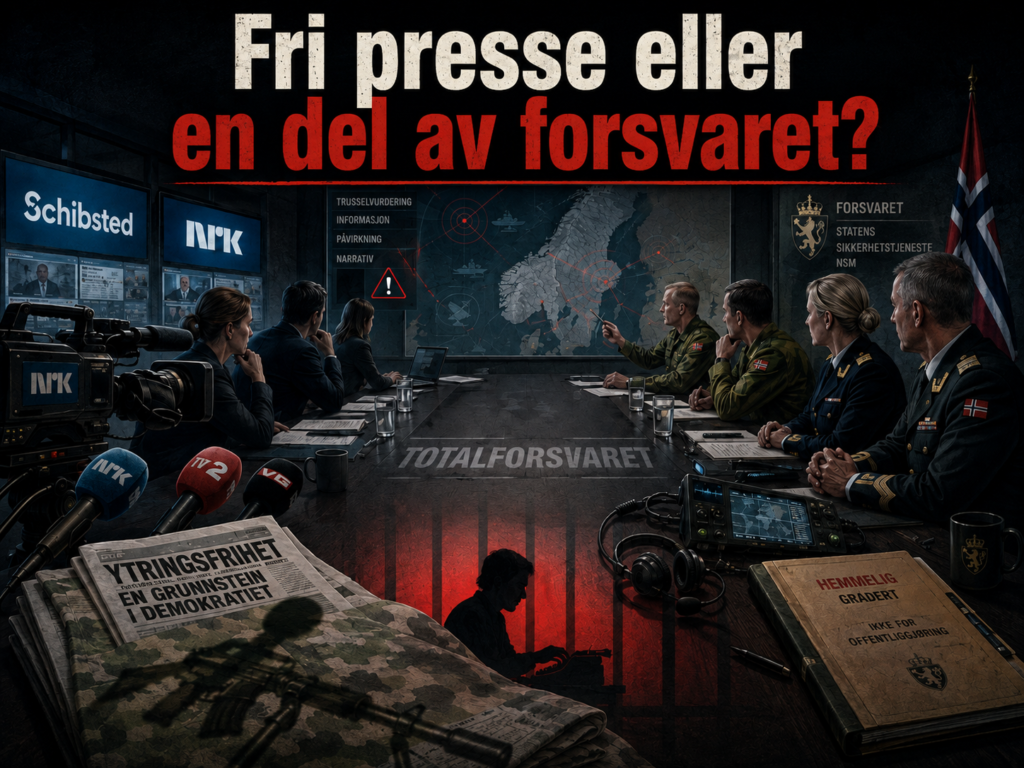
We are constantly reminded of the danger of war, security threats, enemies, preparedness and the need for more rearmament. Some of this may be necessary. A state must protect its citizens. But necessary preparedness must never become a free pass to create a permanent culture of fear, precisely to paralyse us from voicing political dissent.
For when people hear year after year that war may come, that the enemy is drawing closer and that ever more military strength is the only path to security, something begins to happen to society’s very mindset.
The abnormal gradually becomes normal.
We get used to the rhetoric of war. We get used to the billions for weapons. We get used to ever more people being described as threats. We get used to diplomacy being portrayed as weakness and rearmament as responsibility.
My no to the logic of weapons
This is precisely where my anti-war view is strongest.
I refuse to accept that humanity’s only answer to uncertainty should be ever more weapons. I refuse to believe that peace is created primarily through the ability to destroy the other side. And I refuse to accept that people who call for negotiations, dialogue and compromise should be branded naive.
The lessons of history
History should have taught us better.
The First World War ended in 1918, but its effects did not. Millions were dead or wounded, societies were destabilised, and bitterness, social unrest and extremism were allowed to grow in a deeply wounded Europe. This alone did not create the catastrophe that came later, but it was an important part of the backdrop.
Then came the Second World War.
Again tens of millions were killed, families torn apart and entire societies reduced to ruins. Large parts of Europe and Asia had to be rebuilt. The war set human, economic and social development far back.
Two world wars should have taught us one simple truth: war does not only kill people. It can destroy societies and mark generations.
Yet we are again talking about war as if it were almost a natural part of the future.
That should frighten us.
For when a whole generation learns to regard other peoples as potential enemies, when fear becomes a fixed part of political rhetoric and when military solutions take up ever more space, we may in the end create exactly the world we say we want to avoid.
Where is the peace preparedness?
Where are the major investments in diplomacy, conflict prevention, negotiations, veteran treatment, mental health and reconciliation? Where is the political prestige attached to preventing a war rather than preparing to win it?
The arms industry can produce more missiles, drones and advanced weapons systems. But it cannot repair a broken human mind. It cannot give a dead soldier back to his family. It cannot give a child back a safe childhood.
That is why being anti-war does not mean being naive. It means understanding what war actually does to people.
If fear, hatred, mistrust and dehumanisation are allowed to spread from the battlefields to families, on to whole populations and into new generations, humanity can once again be set back decades.
As a veteran, I therefore believe we need preparedness against war. But we need at least as much preparedness for peace.
For the greatest victory is not winning the next war.
The greatest victory is making sure it never begins!
Se og hør mer
Videoer, klipp og innslag knyttet til temaet.