Dan-Viggo Bergtun
Veterans Affairs & Security Policy
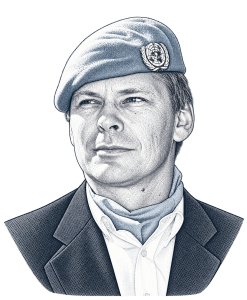
Dan-Viggo Bergtun (b. 1956) is a Norwegian veteran, writer and international veterans’ leader.
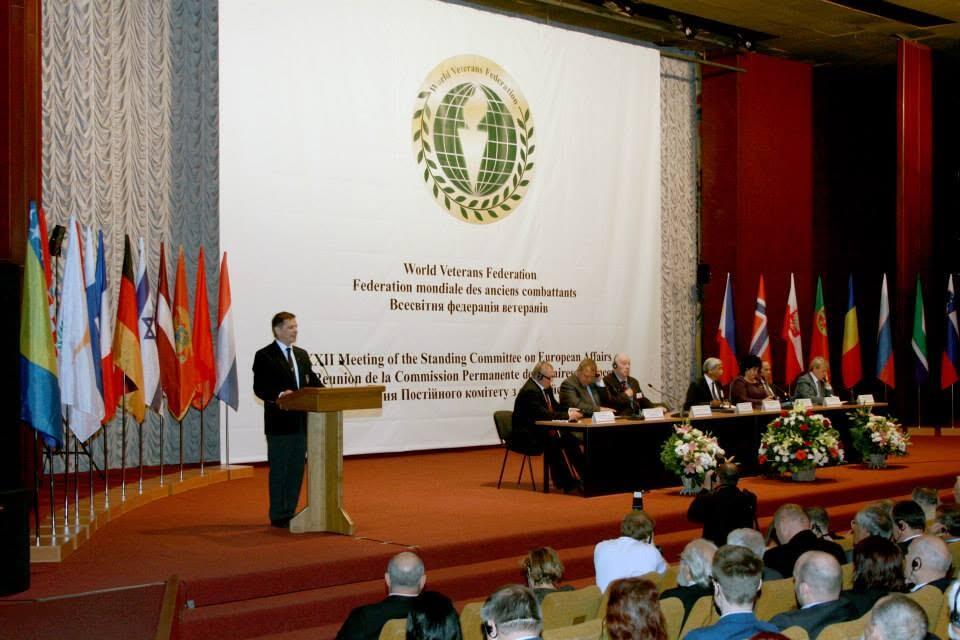
With a long record of military service — including UN operations — he has devoted himself since 1978 to veterans’ rights, peace and security policy, and the social and humanitarian situation of veterans. As former president and now honorary president of the World Veterans Federation — with member associations in more than 120 countries, representing some 60 million veterans — Bergtun has been one of the few Norwegians with global influence in the veterans’ field.
War · Politics
Eight years later, that principle is once again being severely tested. Through its military operations and its presence on Lebanese territory, Israel has raised questions that go far beyond the country’s legitimate security needs. It is about where the limits of self-defence lie, and whether military control over a neighbouring country is gradually becoming an accepted part of Israeli security policy.
At the same time, Gadi Eisenkot has gone from being Israel’s top military commander to becoming a leading political challenger to Benjamin Netanyahu. He has established his own political alternative and wants to lead Israel. That makes his earlier views on Lebanon particularly interesting. The question is not only what he thought in 2018, but what he is actually willing to stand for when political power and national security interests come into conflict with international law.
Eisenkot does not represent any traditional peace movement. He is an experienced general with a clear security-policy profile. He has argued for military strength and a hard line against Israel’s enemies. At the same time, he has challenged Netanyahu’s leadership and called for a different political course. That makes him interesting, but it offers no guarantee that Israeli policy towards Lebanon will change.
What matters is whether he will distinguish between Israel’s right to security and a supposed right to control other countries’ territory.
I know Lebanon from inside the reality of war. As a UN soldier in 1978, I saw how the civilian population was caught between armed groups, foreign military forces and regional power interests. I have seen what war does to people, and how fear, grief and shattered lives follow families through generations.
It is therefore painful to see history repeating itself.
Israel justifies its military presence by the threat from Hezbollah. That threat is real, and attacks on Israeli civilians must be condemned. But Hezbollah’s actions do not give Israel an unlimited right to remain on Lebanese soil. Security for one country cannot be built on lasting insecurity for another.
In parts of Israeli politics, there is also the notion of a Greater Israel. Some political and religious circles openly argue for territorial expansion, while others emphasise military buffer zones and strategic control. These are not necessarily the same thing, but the consequences for neighbouring countries can be serious if temporary military measures develop into permanent control.
This is precisely where Eisenkot’s political significance comes in. As a former chief of staff, he knows the limits of military power. He knows that an army can conquer territory without winning peace, and that an occupation can create new generations of opponents.
His political prospects, however, do not depend on personal popularity alone. Israel’s parliamentary system requires cooperation and majorities. Even substantial support does not automatically make it possible to implement a new policy. If Eisenkot is to change course, he must both build political support and challenge powerful security interests.
For Norway, developments in Lebanon ought to be especially serious. For decades we have sent soldiers to UNIFIL to help bring peace and stability. Many Norwegian veterans still bear the physical and psychological scars of their service. We did not go to Lebanon to prepare the country for a future as a permanent military buffer zone.
Norway must therefore be clearer. Israel’s security must be safeguarded, Hezbollah must respect Lebanon’s state authorities, and Lebanese territory must not become subject to permanent foreign military control. UN resolutions must apply to all parties.
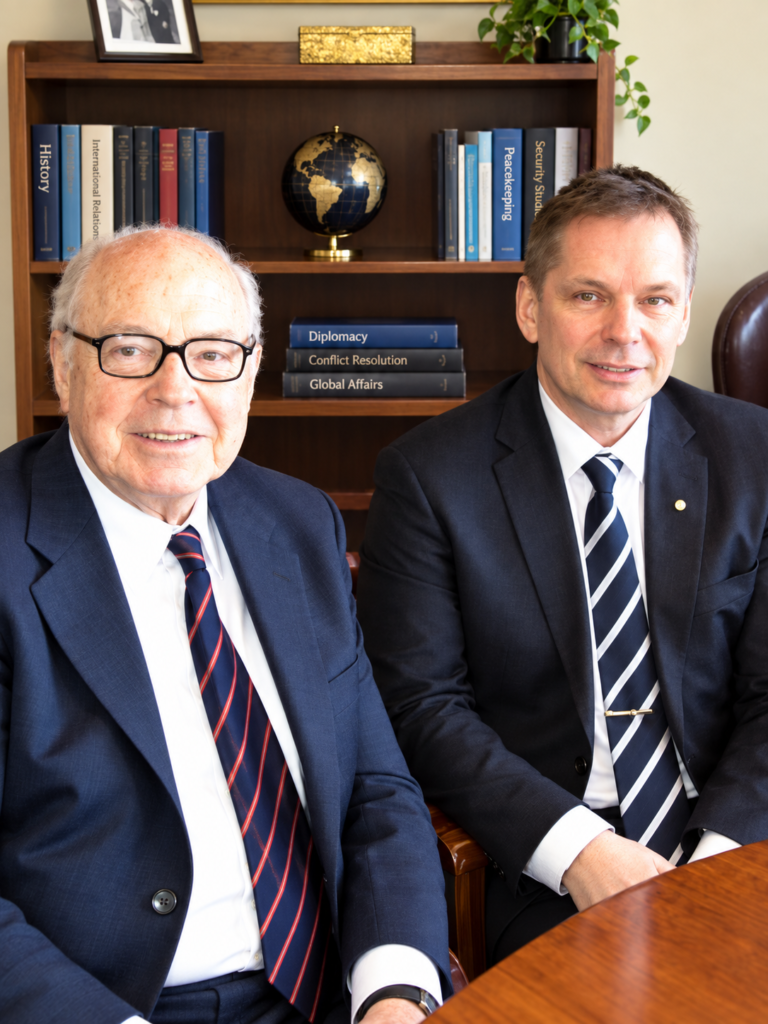
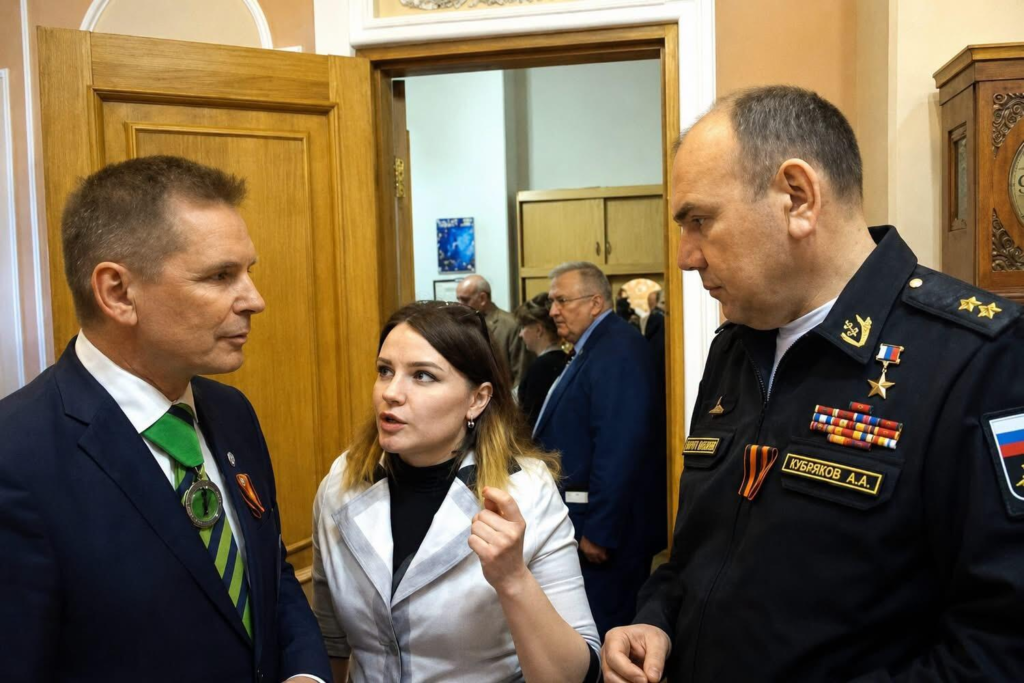
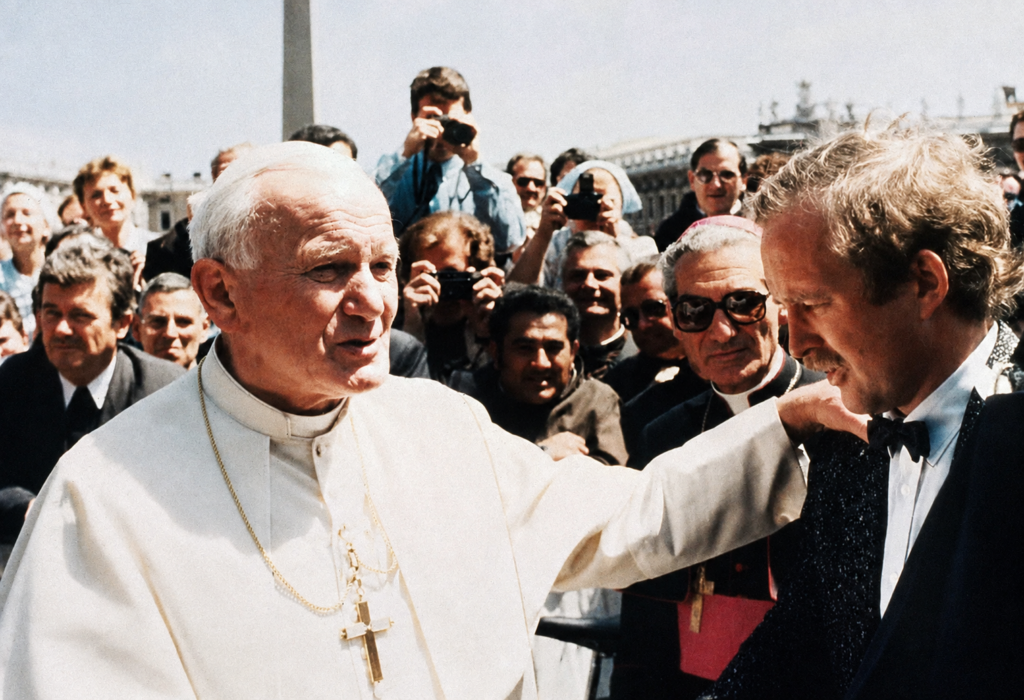
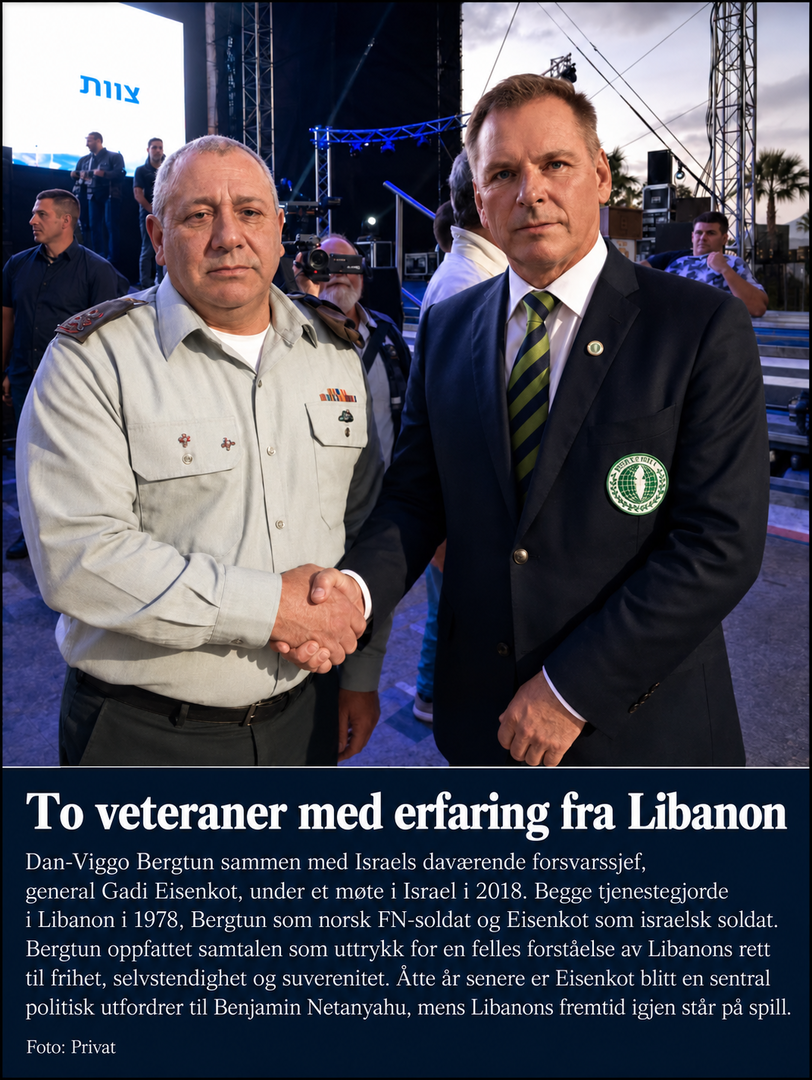
My meeting with Eisenkot in 2018 has taken on new significance. The man I then perceived as agreeing with Lebanon’s right to independence now has political ambitions that could give him influence over that country’s future.
But it is actions, not handshakes, that ultimately determine what a political leader stands for.
Lebanon must not be sacrificed to the notion that Israel’s security requires control over ever larger areas. A free and sovereign Lebanon is not a threat to peace. It is a precondition for it.