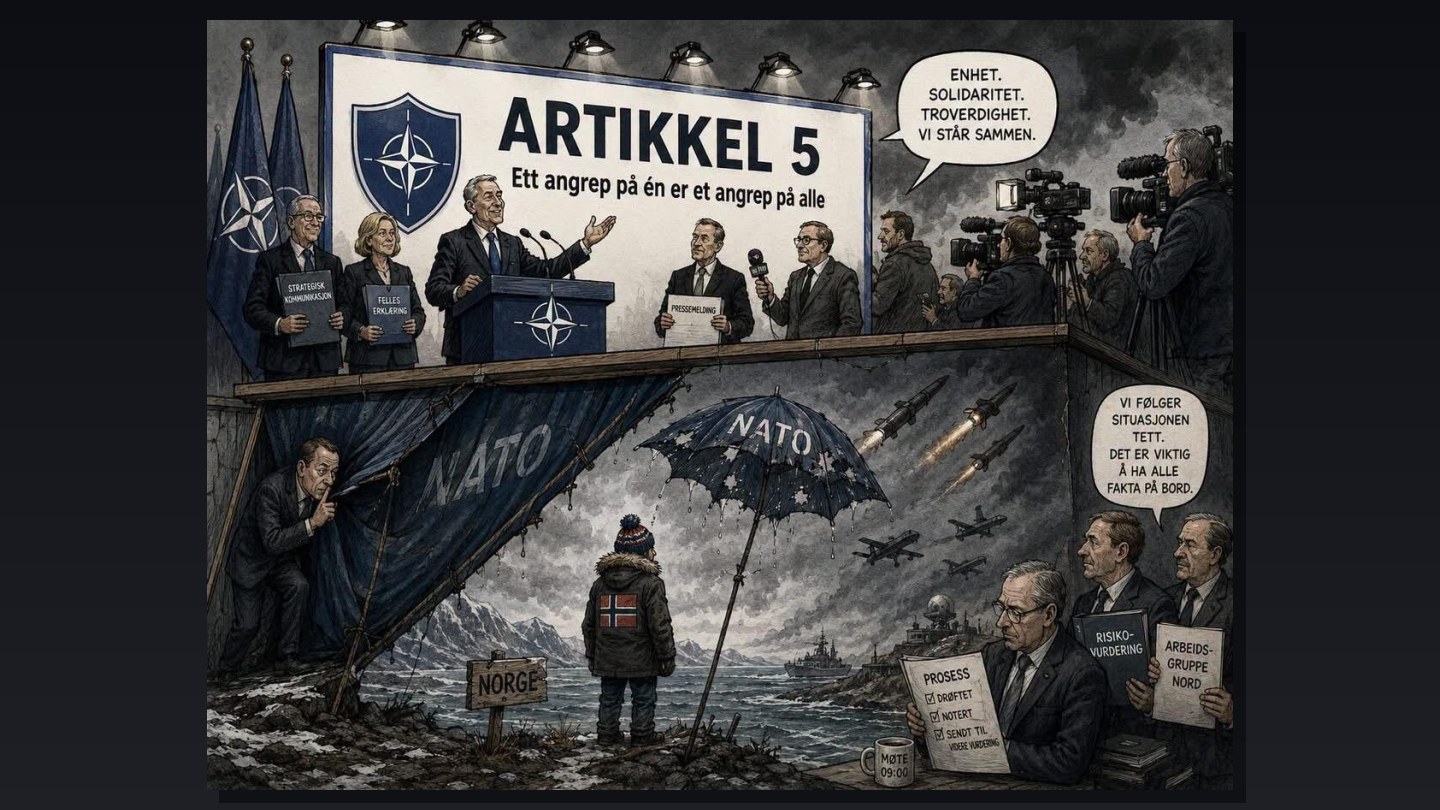
Norway itself helped found NATO in 1949. At that time the alliance was explained as a safeguard against another great war, a defence cooperation for peace, security and stability in a turbulent post-war period. This is not what Norway joined NATO for: to pour ever larger sums into a war that only escalates, into war-ravaged and corruption-plagued systems, while peace negotiations have become almost taboo.
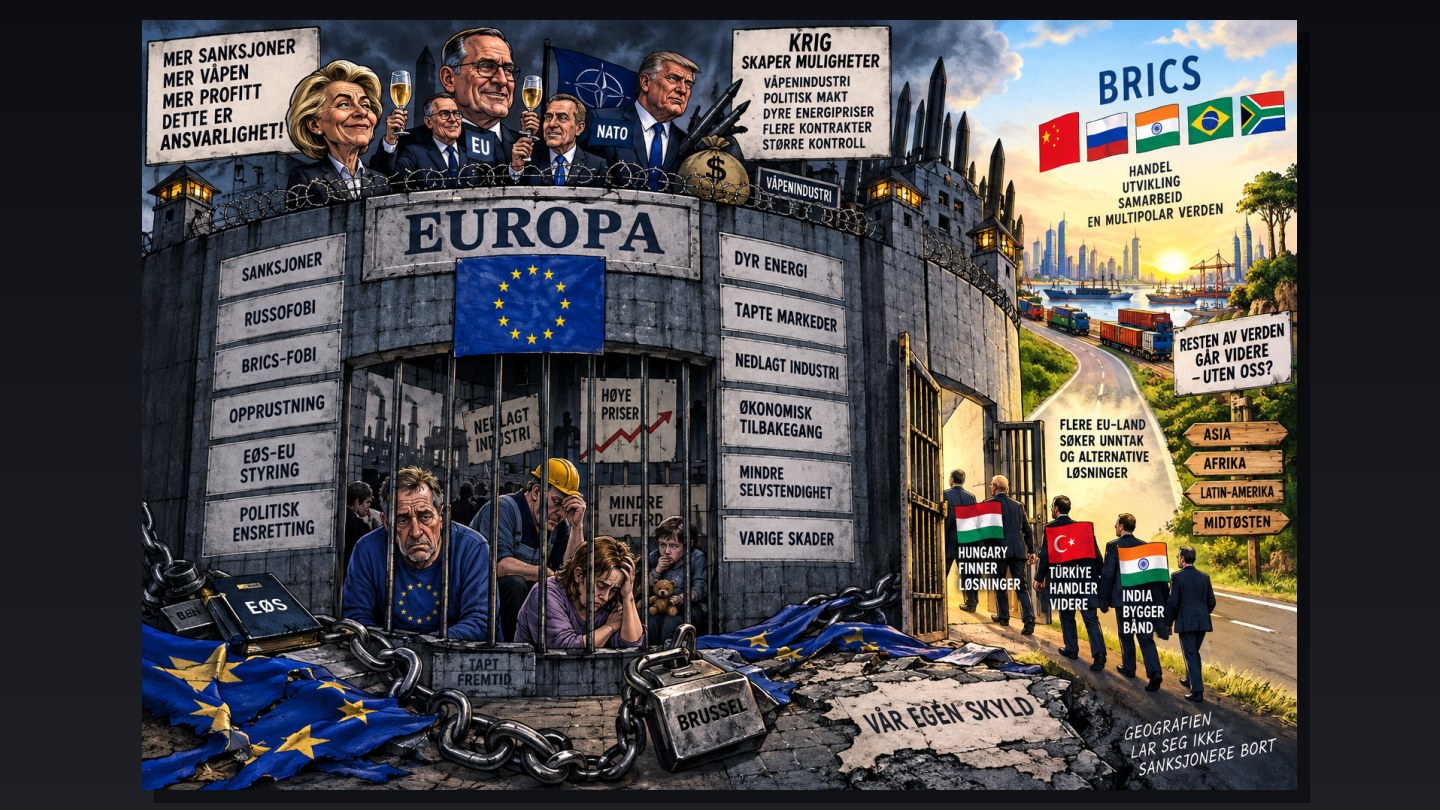
On the agenda are NATO’s new five per cent target, the defence industry, joint procurement, more weapons production, support for Ukraine and a more long-term military build-up. This is called deterrence. But to ordinary people it increasingly looks like a permanent war economy.
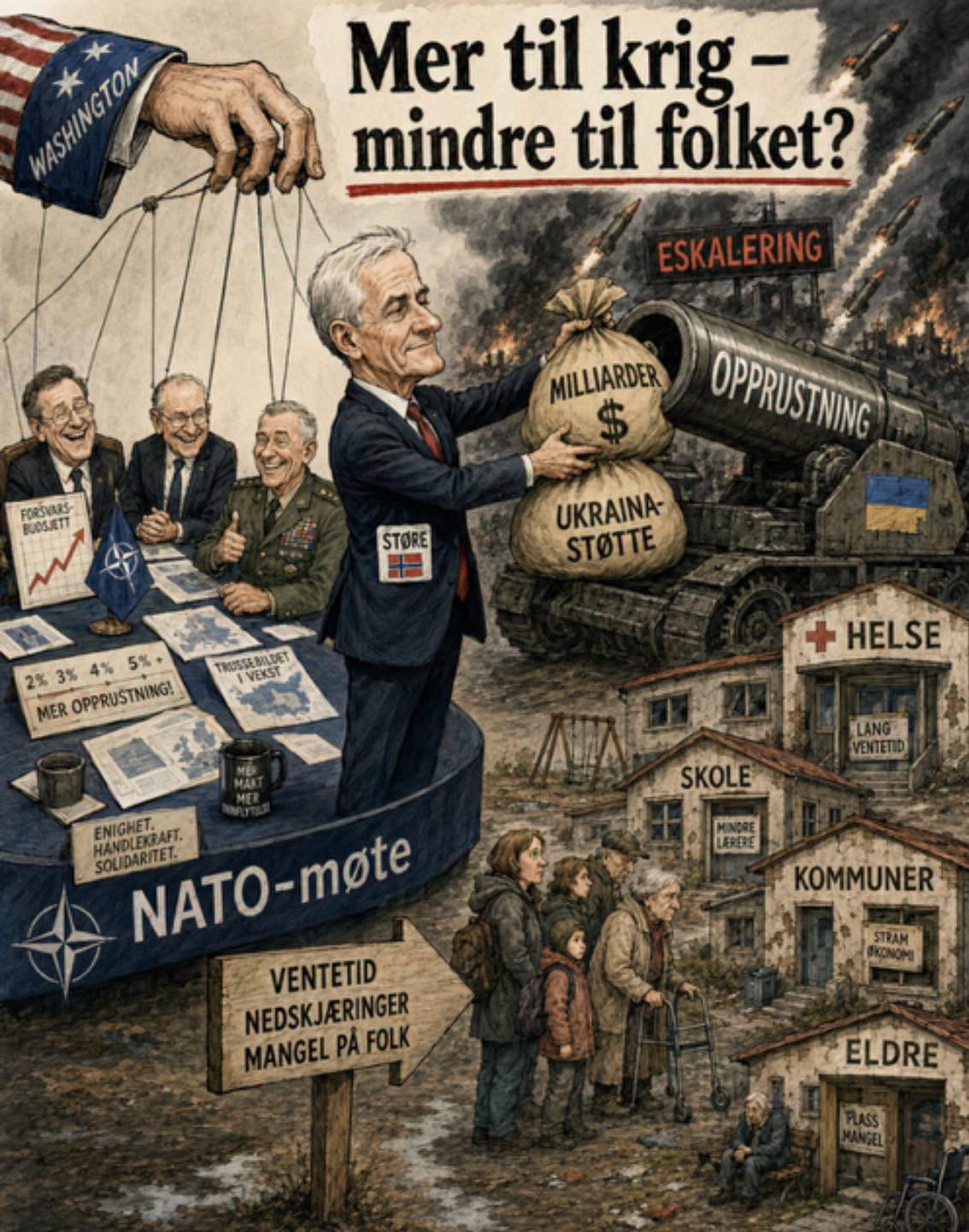
The government is planning around 180 billion kroner for defence and support for Ukraine in 2026. Of this, a full 85 billion kroner goes to Ukraine through the Nansen programme. Around 70 billion of that is military support. This means that almost half of the large defence envelope is directly or indirectly about Ukraine. That leaves around 95 billion kroner for Norway’s regular defence and other defence purposes.
This is an important breakdown, because it shows how the figures are used politically. When Norway now appears as a model NATO pupil with very high defence spending, it is not only due to a massive strengthening of our own defence. It is also because support for Ukraine is counted in. Prime Minister Jonas Gahr Støre himself previously made clear that support for Ukraine should not be included in the calculation of NATO’s five per cent target. Now exactly the opposite is happening. The government gets to dress up its NATO accounts, while Norwegian municipalities, hospitals, schools, elderly care and families are squeezed by rising costs and ever tighter budgets.
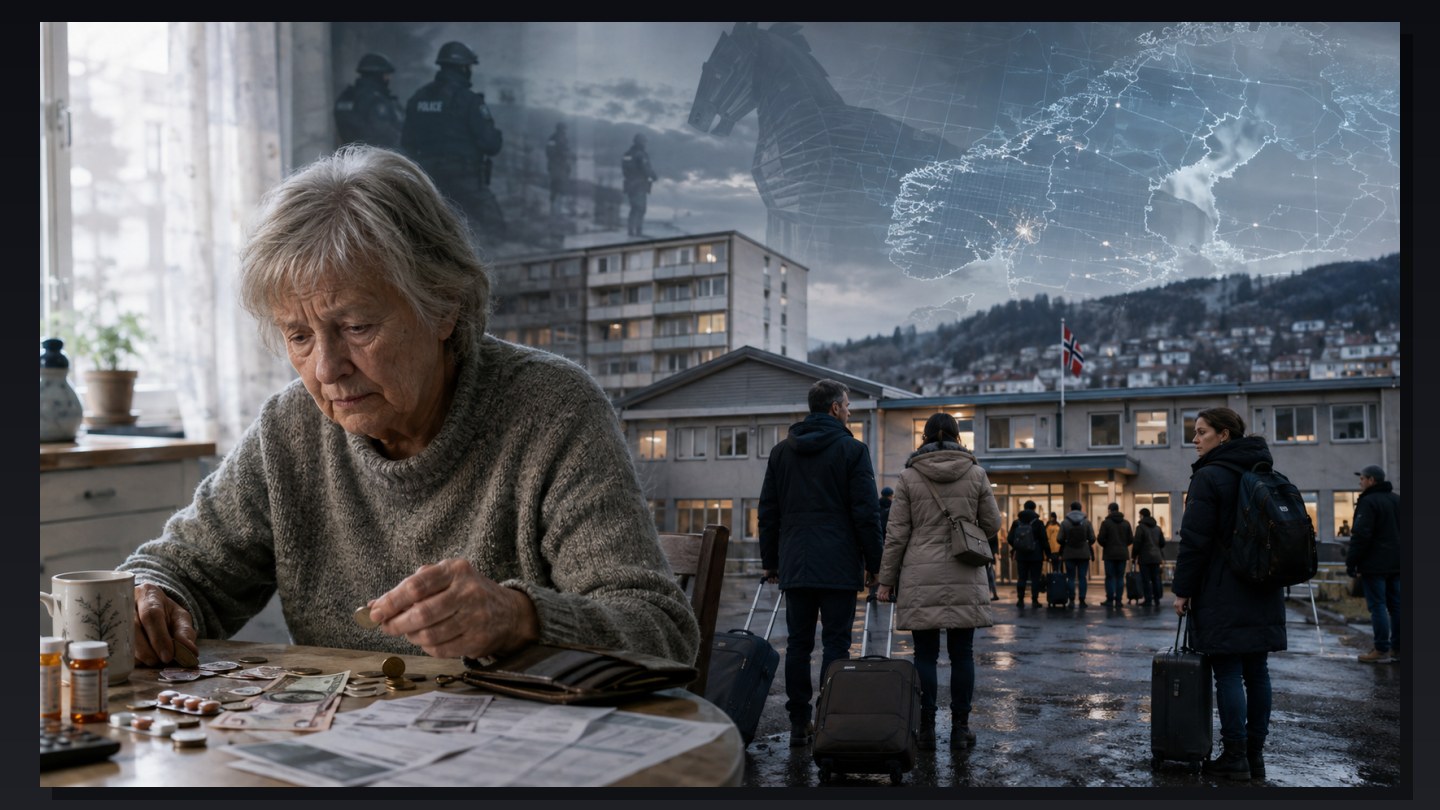
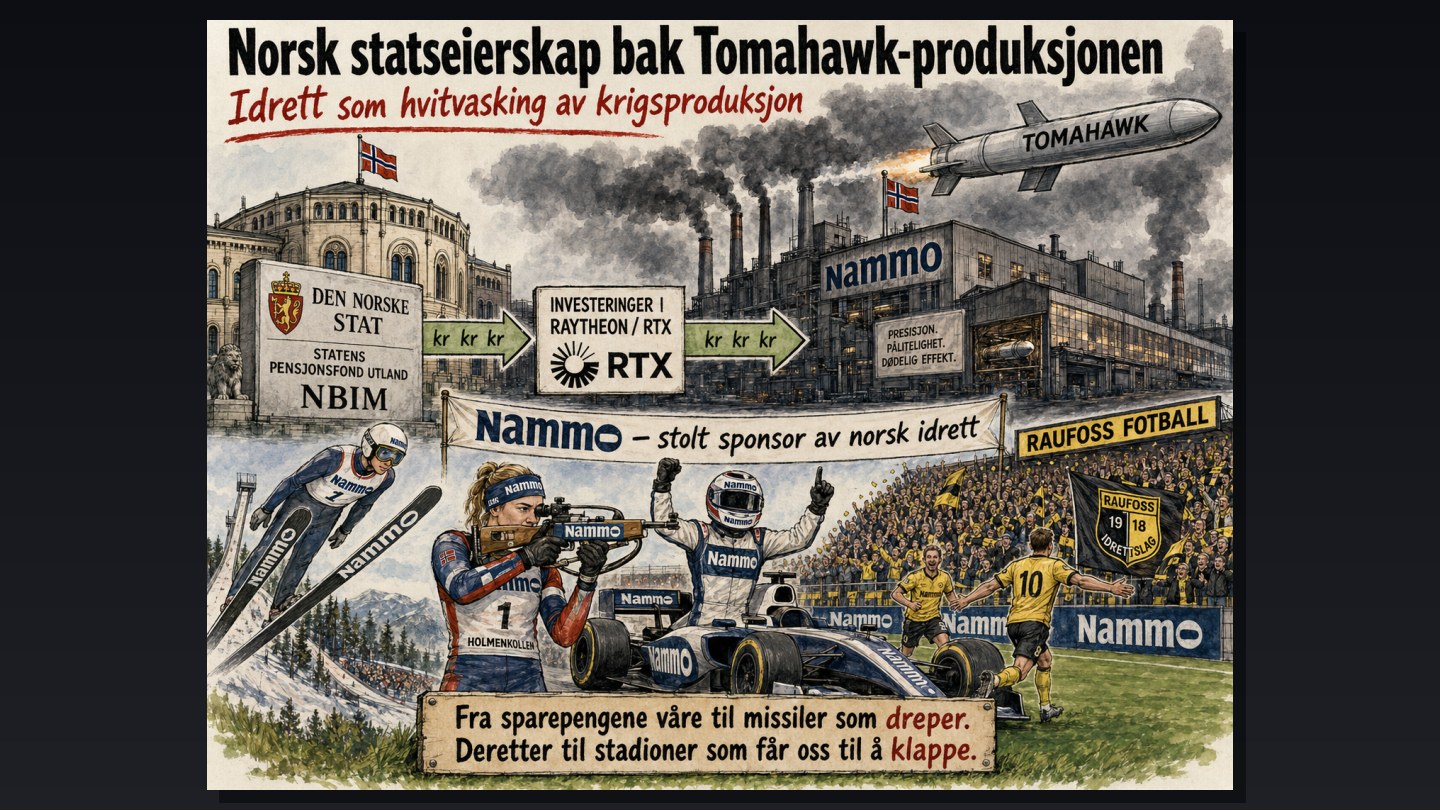
Why is there always money for war, but never enough money for the elderly? Why can billions be found for weapons, but not enough for hospital waiting lists, GPs, school buildings, safe elderly care and decent municipal services? Why should Norwegian taxpayers’ money be drawn even deeper into a war with no clear peace plan, when the needs here at home are so obvious?
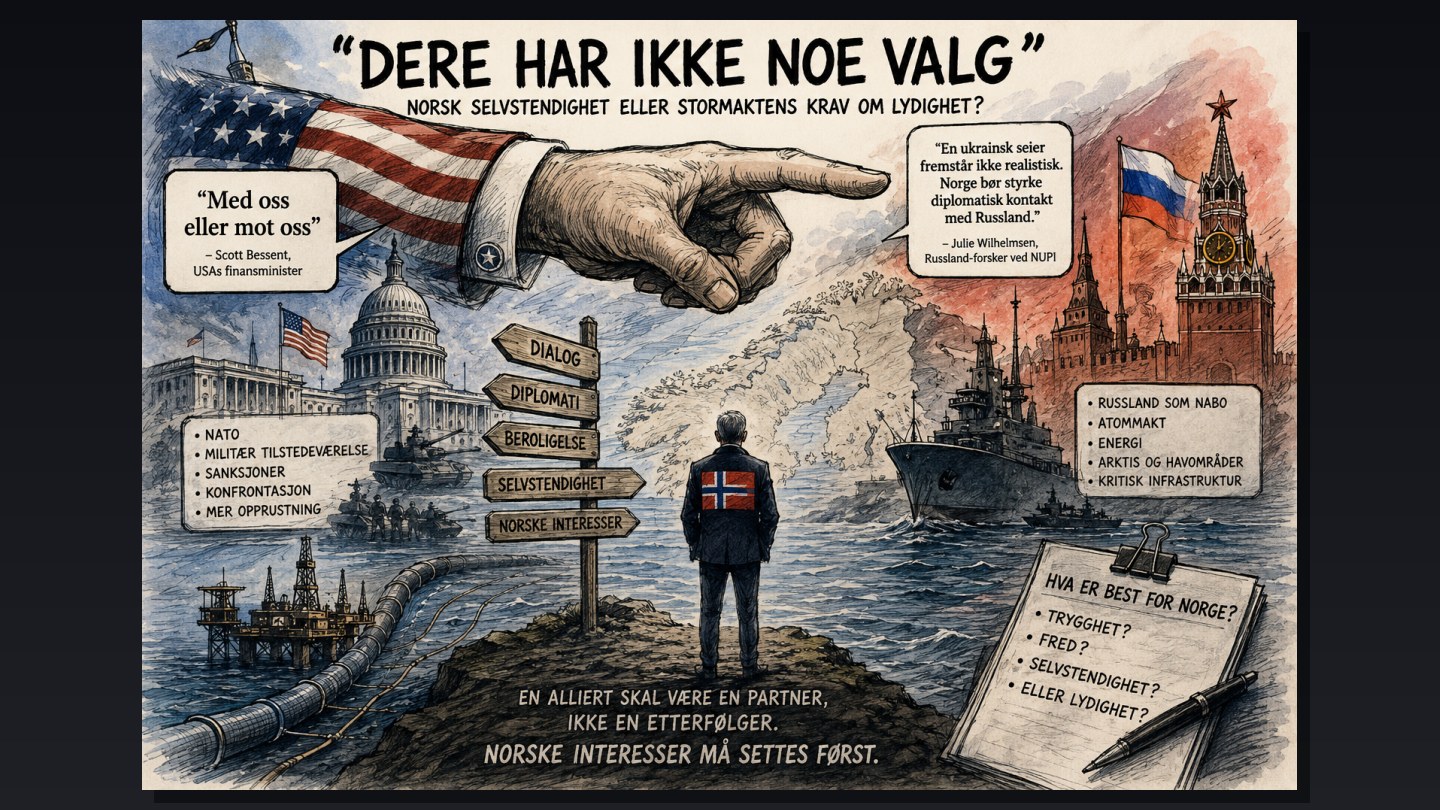
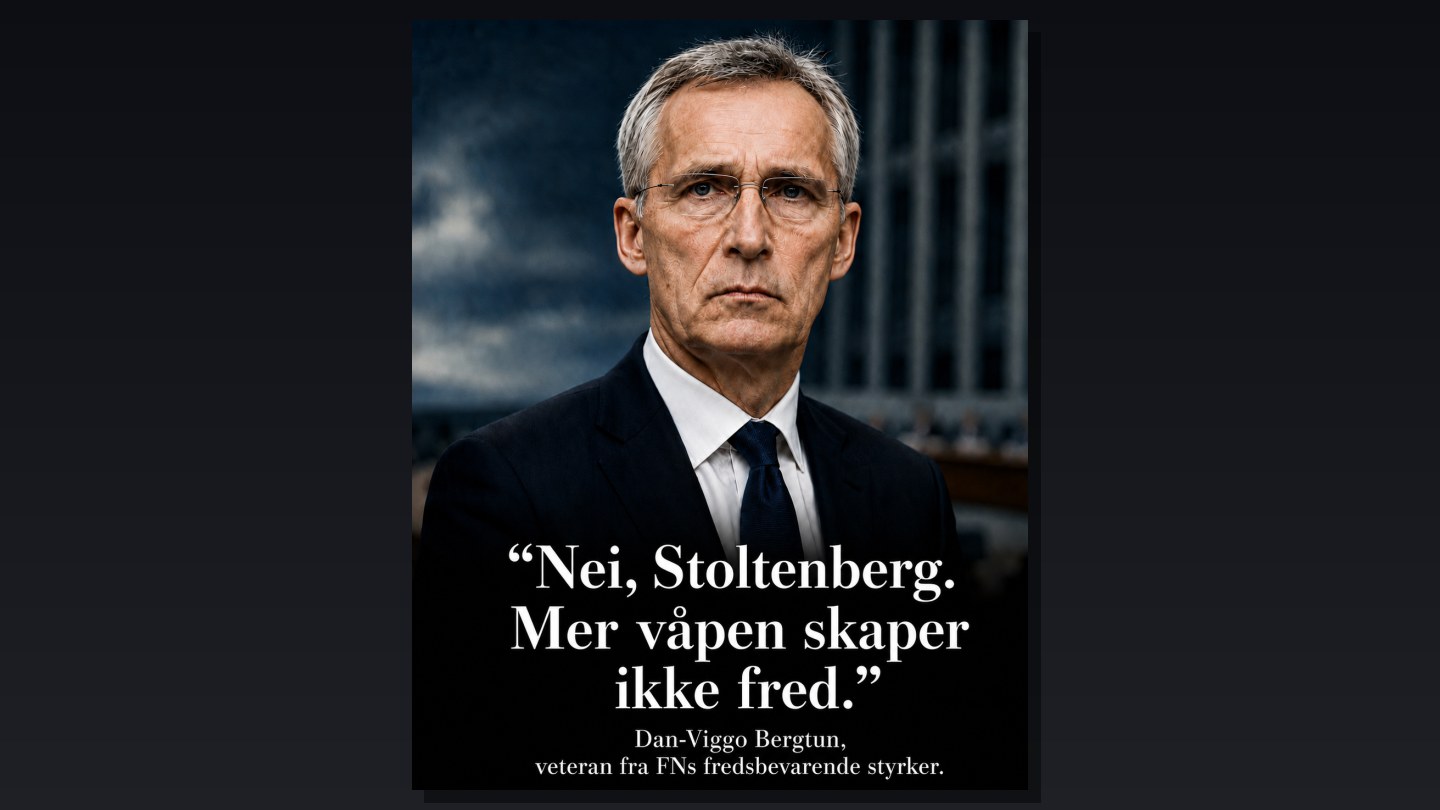
Norway needs politicians who think for themselves. Not politicians who automatically bow to Washington. Not politicians who repeat NATO’s language as if it were independent Norwegian policy. Not politicians who believe that loyalty to the alliance means ceasing to ask critical questions.
At the NATO meeting there will be talk of burden-sharing. The US demands that Europe take more responsibility. That may sound reasonable, but in practice it means a faster and more extensive militarisation of Europe. Small countries like Norway are pressured to spend ever more money on a security system we control less and less ourselves. Norwegian bases, Norwegian ports, Norwegian airfields and Norwegian territory become pieces in a larger strategic conflict we do not steer.
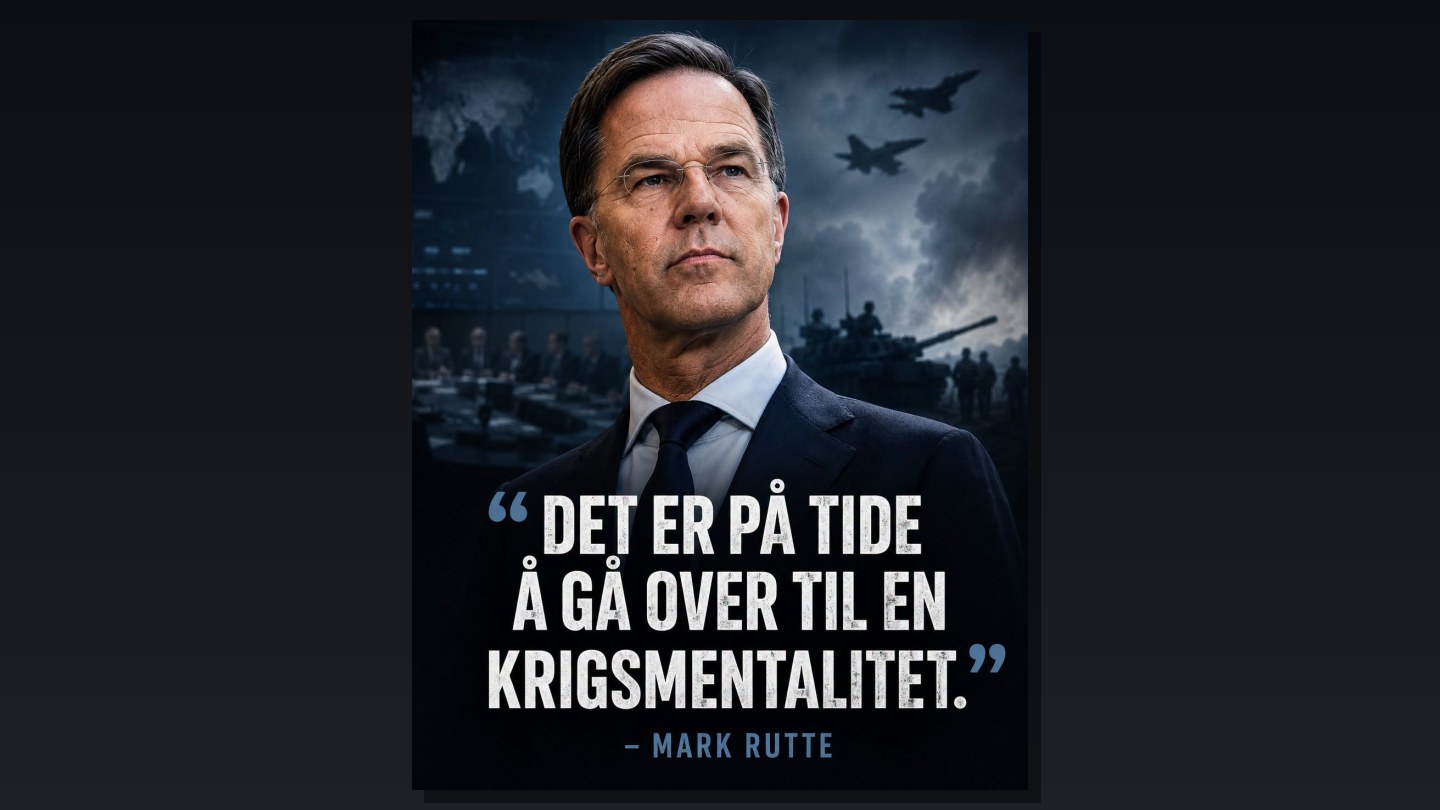
The dangerous thing is that Europe is now getting used to the idea that war is the normal state of affairs. Politicians who have never seen a battlefield talk of strength, endurance and victory. They use words that sound responsible but in practice mean more weapons, more dead soldiers, more destroyed cities and more families without a future. Those who pay the highest price are not sitting at the meeting table in Istanbul or Ankara.
NATO should of course discuss security. But where is the serious discussion about peace? Where is the plan for a ceasefire? Where are the European initiatives for negotiations? Where is the question of how long Ukraine is to be Europe’s battlefield?
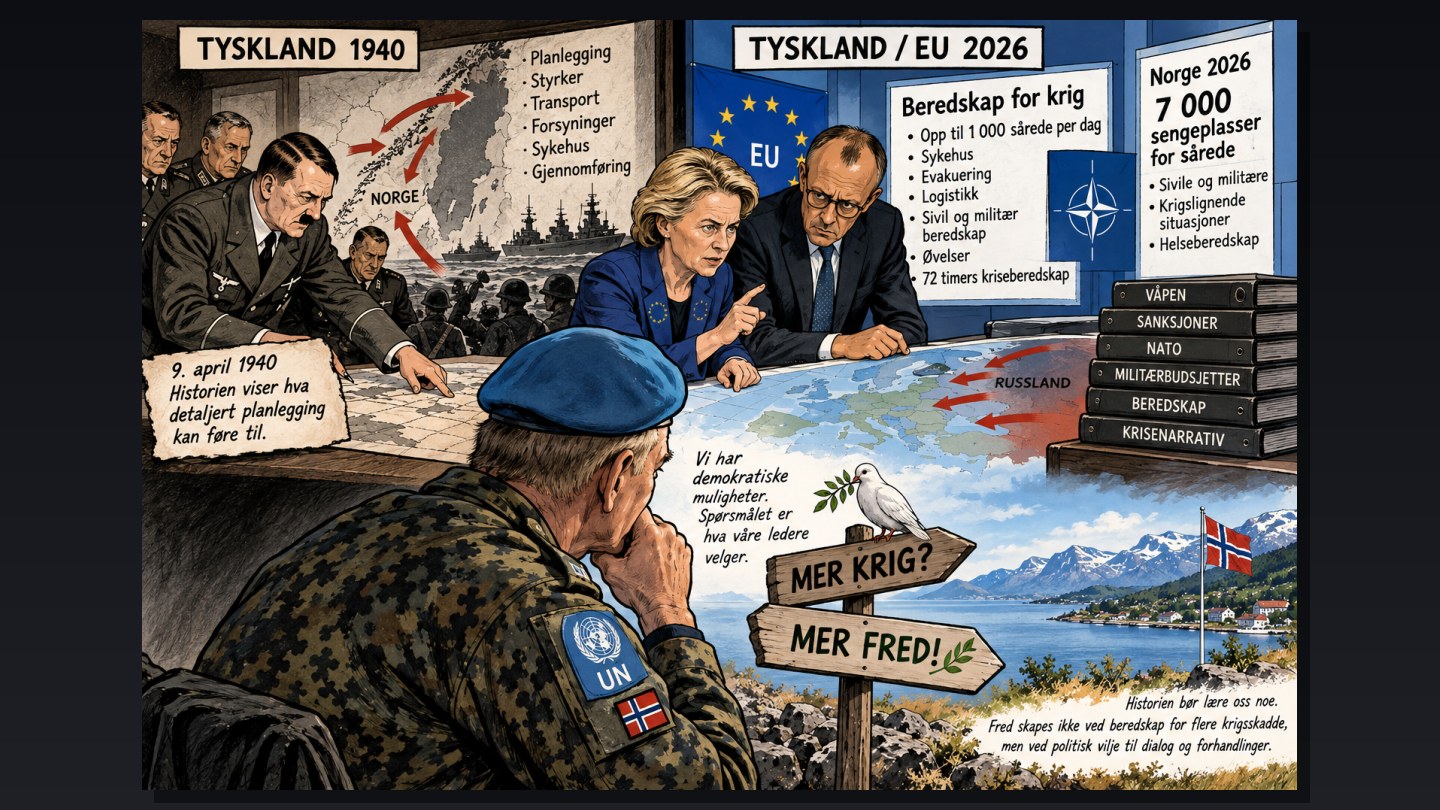
Norway ought to be a leading nation for peace. We have a history as a UN nation, a peace mediator and a small country that knows dialogue is often stronger than threats. But now we are following the current. We let ourselves be pushed into a language in which more weapons are always the answer, whatever the question.
When NATO meets in Turkey, Norwegian politicians should ask one simple question: what is the plan for peace?
If the answer is only five per cent, more arms industry, more support for Ukraine and more military production, that is not a peace plan. It is a recipe for a longer, more expensive and more dangerous war. And then someone must dare to say a clear no before Europe once again walks blindly into catastrophe.