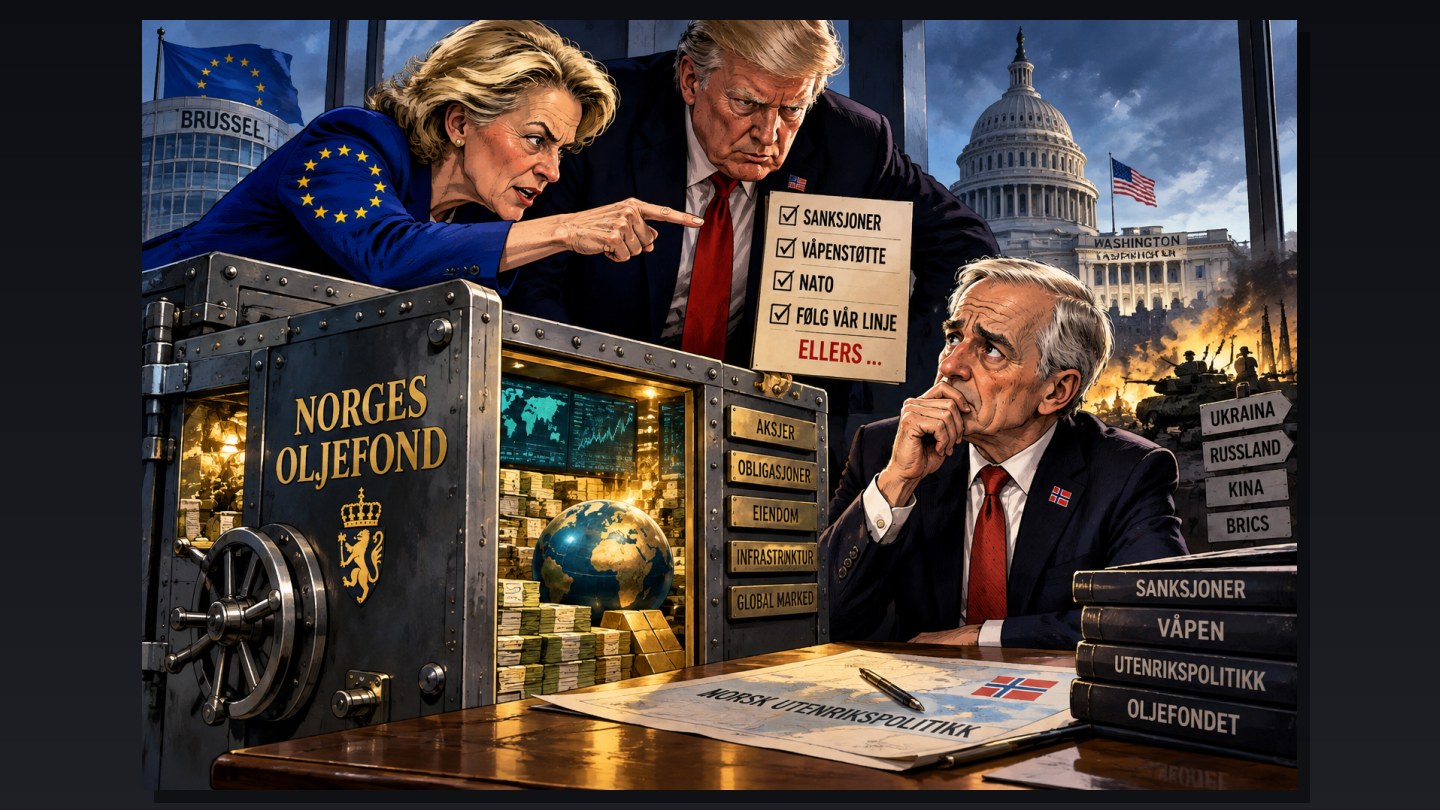
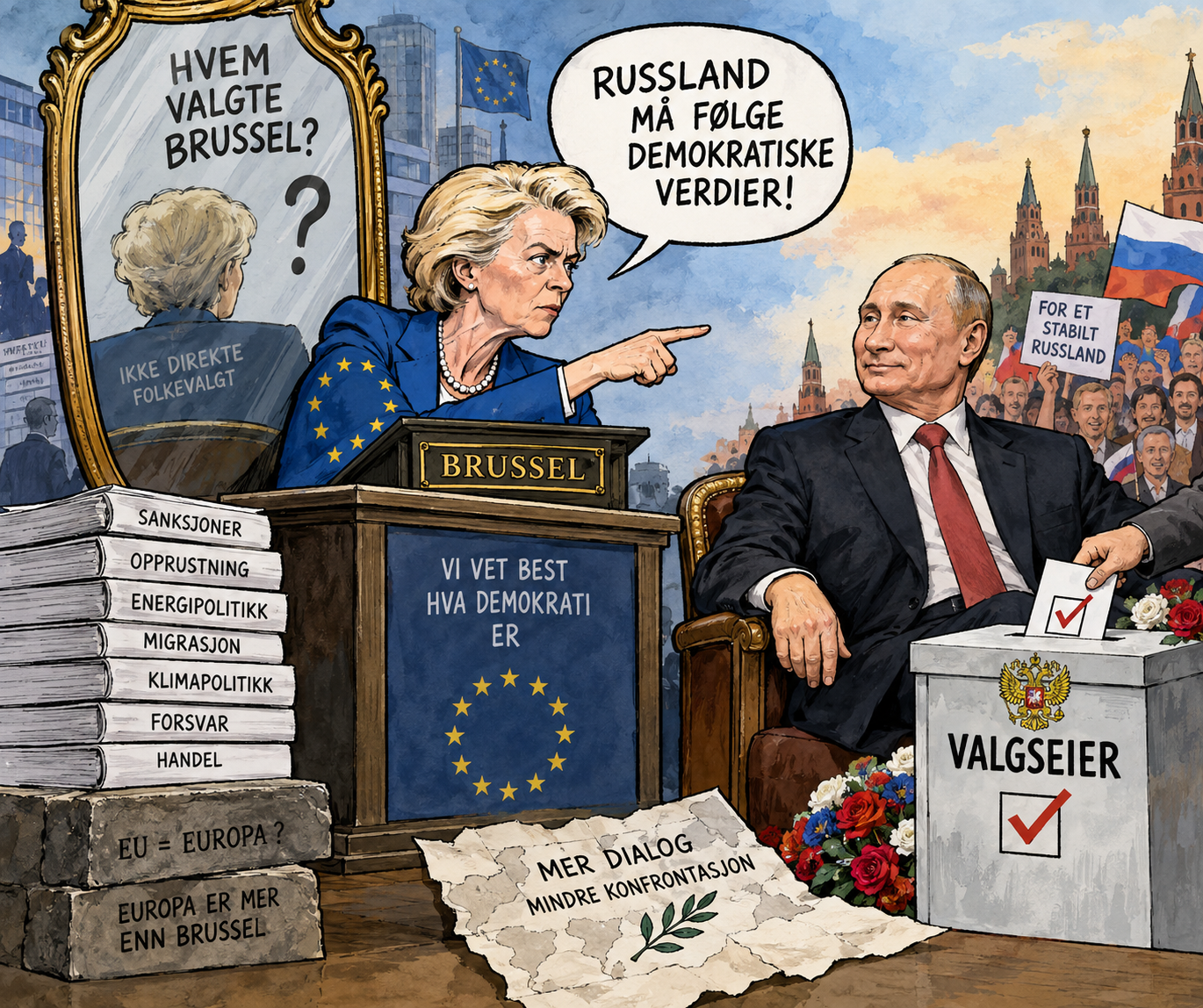
Who directly elected Ursula von der Leyen as President of the European Commission? No European voter found her name on a ballot for this post. That does not mean she lacks democratic legitimacy. The President of the European Commission is proposed by the European Council and elected by the directly elected European Parliament. But it is an indirect system, and precisely this distinction should be a legitimate part of the debate when ever more power is gathered at the European level.
The European Commission has enormous influence over Europe’s development. Trade, sanctions, energy, climate, migration, security and increasingly defence are shaped through the EU’s institutions. The decisions affect hundreds of millions of people, entire industrial sectors and the relationship between Europe’s nations and the rest of the world.
The greater this power becomes, the more important the question of democratic control must be.
Yet Brussels increasingly acts as if the EU has been granted a special right to define what democracy and European values should mean for everyone else.
It has not.
Democracy does not belong to Brussels. Nor does Europe belong to Brussels.
Europe consists of nations, peoples, cultures and different historical and political traditions. The EU is a political system built through treaties between states. The EU and Europe are not the same thing, however often the two terms are confused.
This becomes especially important when democracy is linked to geopolitical confrontation. Who gave Brussels the exclusive right to define European values? And when did the EU institutions take on the role of moral tribunal over an entire continent?
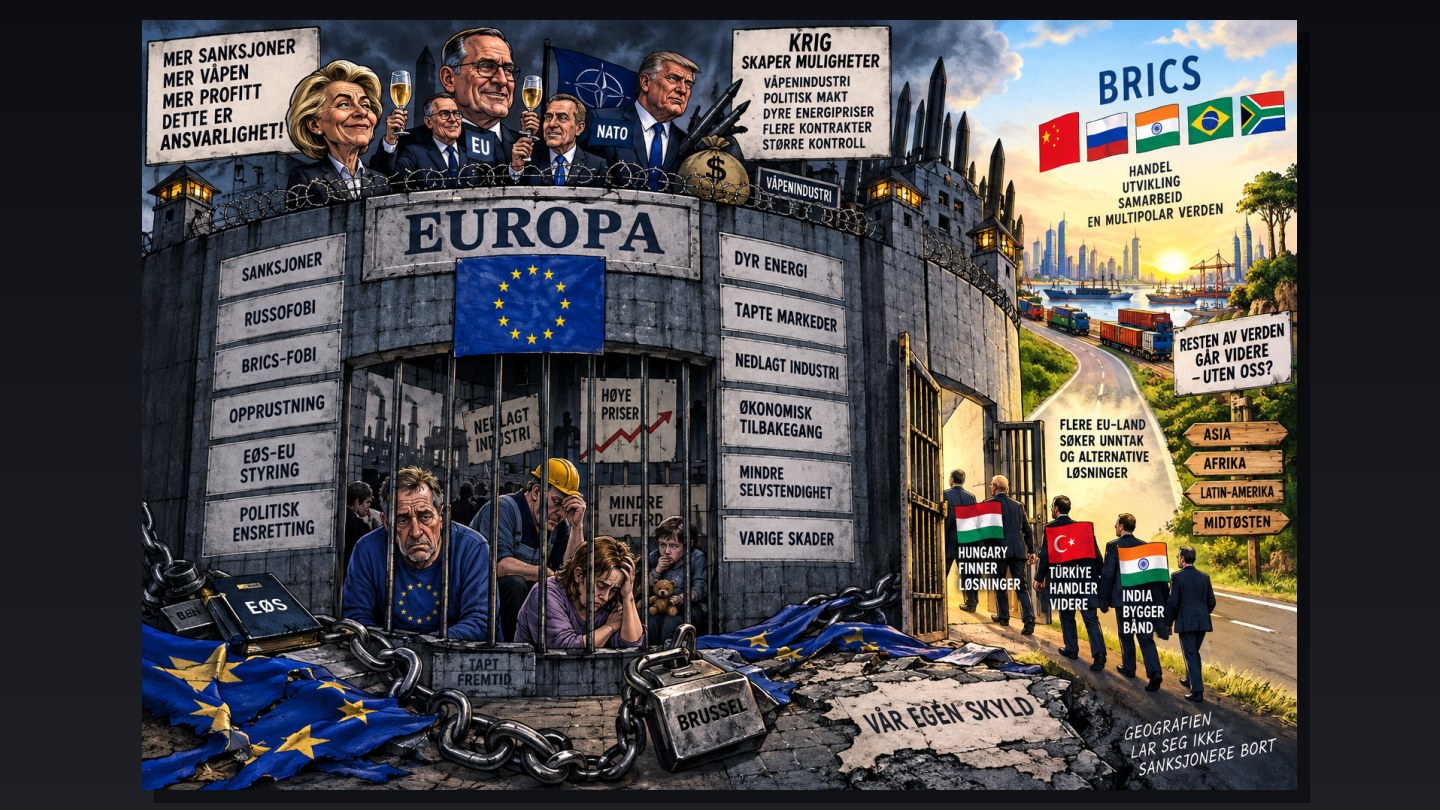
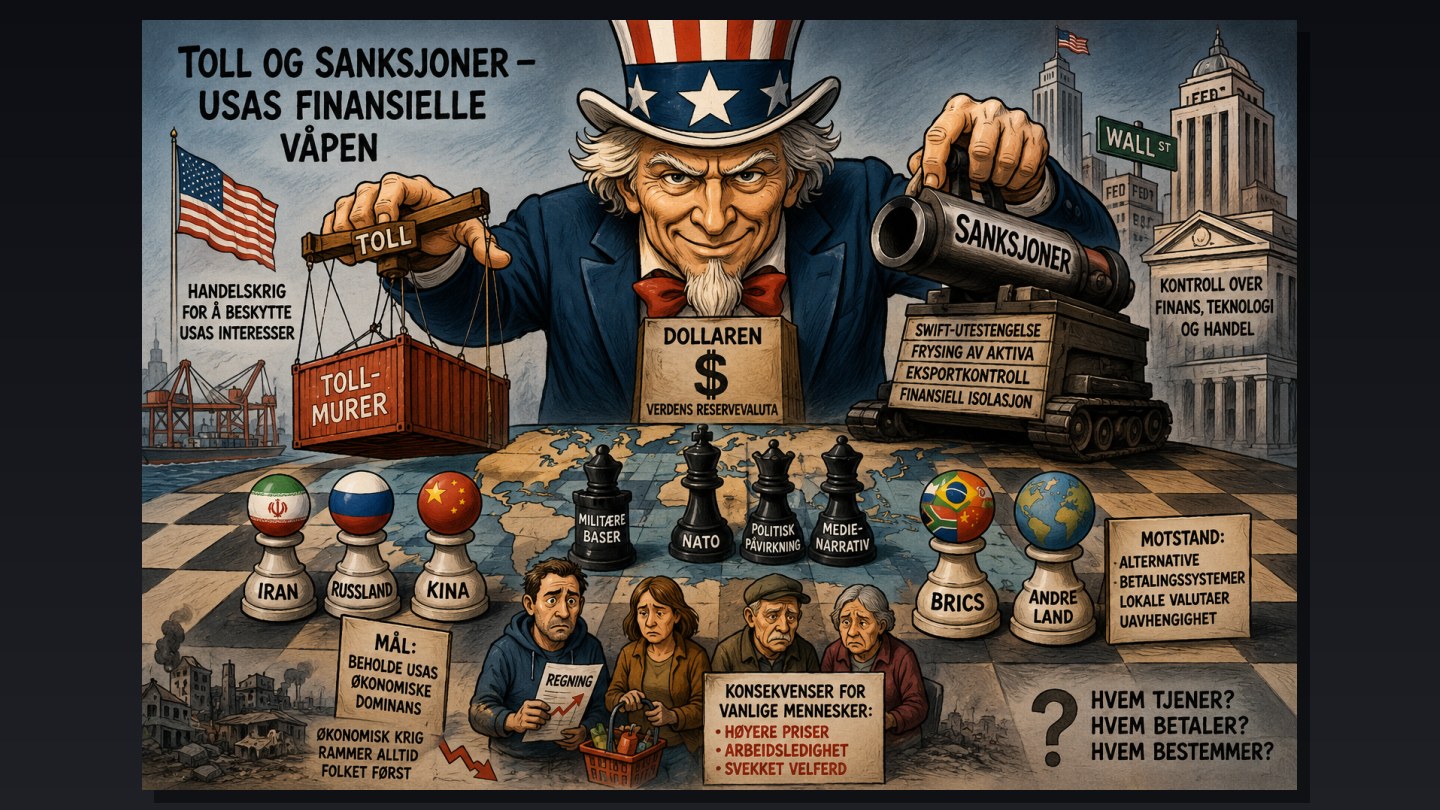
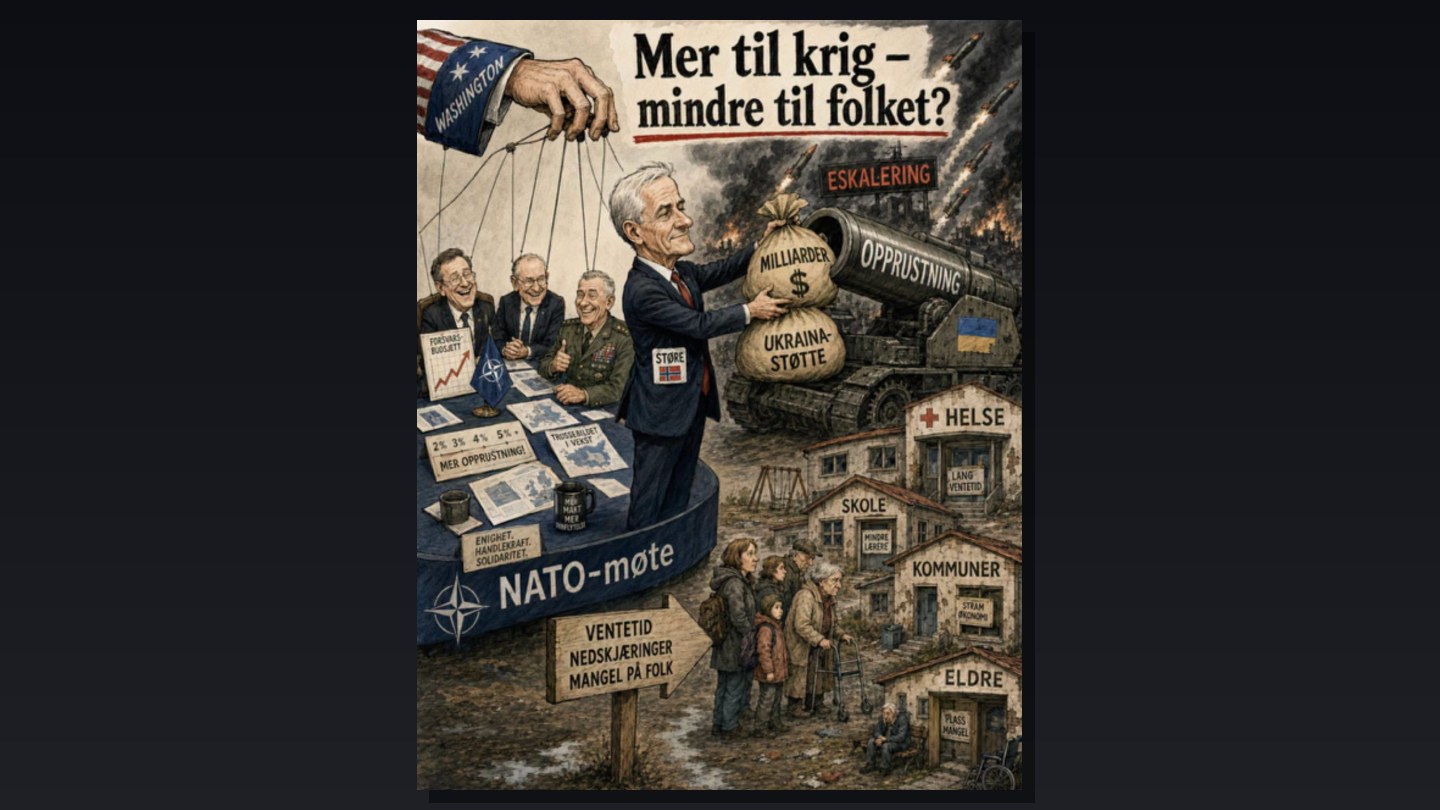
These questions become even more important as Europe spends ever more money on military rearmament, defence and security while the sanctions policy against Russia continues. The consequences are not academic. They are felt in the economy, energy markets, industry, trade and security.
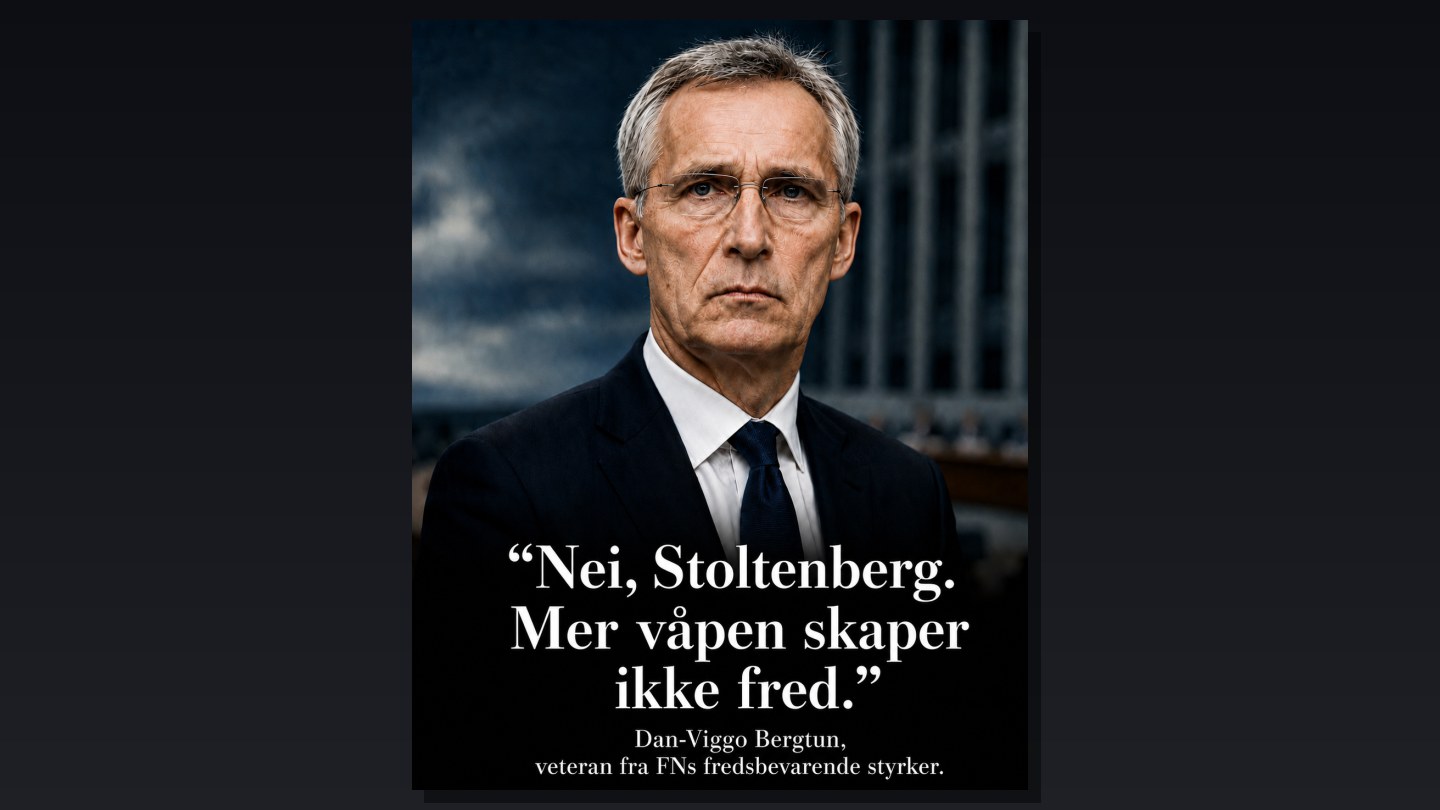
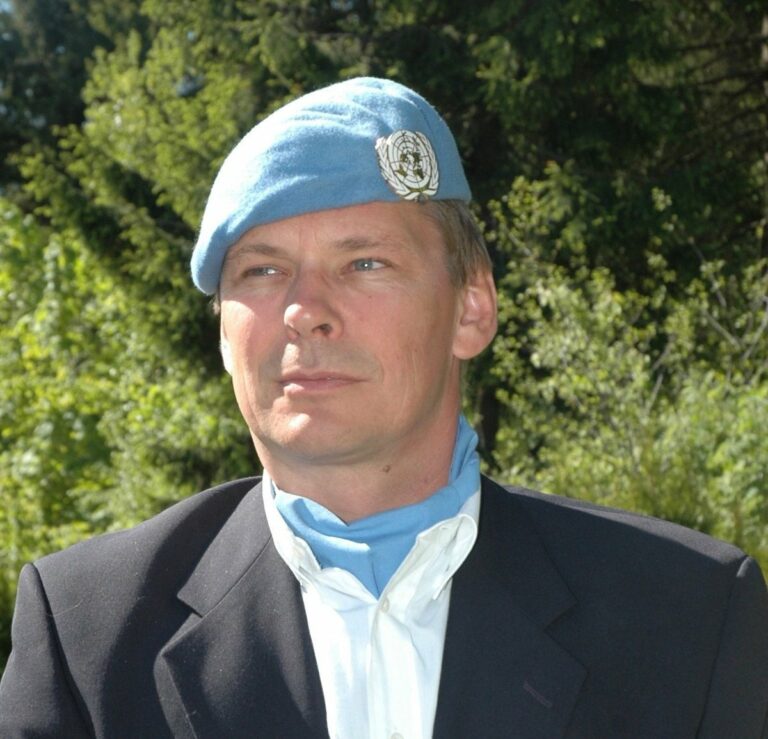
I do not write this as an academic observing war from a safe distance. I write as a former UN soldier and peacekeeping veteran from the Middle East. I have seen what armed conflict does to people, and for many years I have worked internationally with veterans and the consequences of war.
It has taught me something simple: dialogue is not weakness. Diplomacy is not capitulation. Peace is not created by people who disagree with each other ceasing to talk.
Europe therefore needs a different political language. Instead of ever stronger confrontation, more sanctions and more military thinking, European leaders should work far harder to reopen a real political dialogue with Moscow. Russia and the rest of Europe share geography and centuries of history. Neither side is going away. Sooner or later we must find a way to live together.
The alternative is a Europe locked in permanent confrontation.
Against this background, I also wish to congratulate United Russia on its victory in the State Duma elections. According to the near-complete official results, the party won 57.83 per cent of the vote and 355 of the 450 seats. This gives the party a continued very large majority in the State Duma.
My hope is that the new parliamentary term can open the door to a renewed political dialogue between Russia and the rest of Europe. We need negotiating tables rather than new dividing lines, and diplomats talking to each other rather than an ever deeper confrontation.
Brussels is free to criticise Moscow. But then Brussels must also tolerate critical questions about its own power and democratic structure. No political institution should have a democratic free pass.
Europe faces a choice that is bigger than today’s political disputes: should we accept that relations between Russia and the rest of Europe are marked by permanent hostility, or should we once again try to build a European order in which different states can live side by side?
After decades of conflict, sanctions and ever sharper fronts, the answer should be clear: Europe’s next generation deserves something better than war or a new Cold War.