Since 2022, the European Union has built an ever more extensive sanctions regime against Russia. More and more vessels have been linked to what the EU calls the Russian “shadow fleet”. The ships can be denied access to European ports and hit by bans on insurance, financing, technical assistance and other maritime services.
These are serious measures, but it is important to be precise: a European port ban is not the same as a general right to board foreign ships in international waters. Nor is there any automatic right to seize a ship’s cargo simply because the EU believes the trade violates European sanctions.
But the trend is dangerous. Britain and several European countries are discussing ever more offensive measures against vessels alleged to be circumventing sanctions. The ships are accused of complex ownership structures, inadequate insurance, false flagging, poor technical standards or concealing cargo and movements. Some of the concerns may be real. Old tankers without adequate insurance can pose a serious danger to the environment and to other shipping.
But suspicion is not the same as a verdict.
The EU calls this a “shadow fleet”. Russia rejects the term. The word is politically effective because it creates the impression that the ships are virtually lawless ghost ships that any Western navy may intervene against. But a ship flying a valid flag, with a crew and a registered owner, sailing outside other states’ territorial waters, does not automatically lose its rights because its cargo is Russian or because the EU dislikes the trade.
Nor is it only European countries that act this way. For years, the United States has seized oil it claims was shipped in breach of American sanctions against Iran. US courts have issued forfeiture orders, and US authorities have taken over, sold or seized oil from foreign tankers.
As early as 2020, the US Department of Justice announced that the United States had confiscated some 1.1 million barrels of Iranian petroleum products from four foreign-flagged tankers. US authorities stated that the seizure had been carried out with the assistance of foreign partners. In 2023, more than 980,000 barrels of oil from the tanker Suez Rajan were seized and later sold. In 2026, US authorities obtained forfeiture of the tanker Skipper and around 1.8 million barrels of oil originating from Iran and Venezuela.
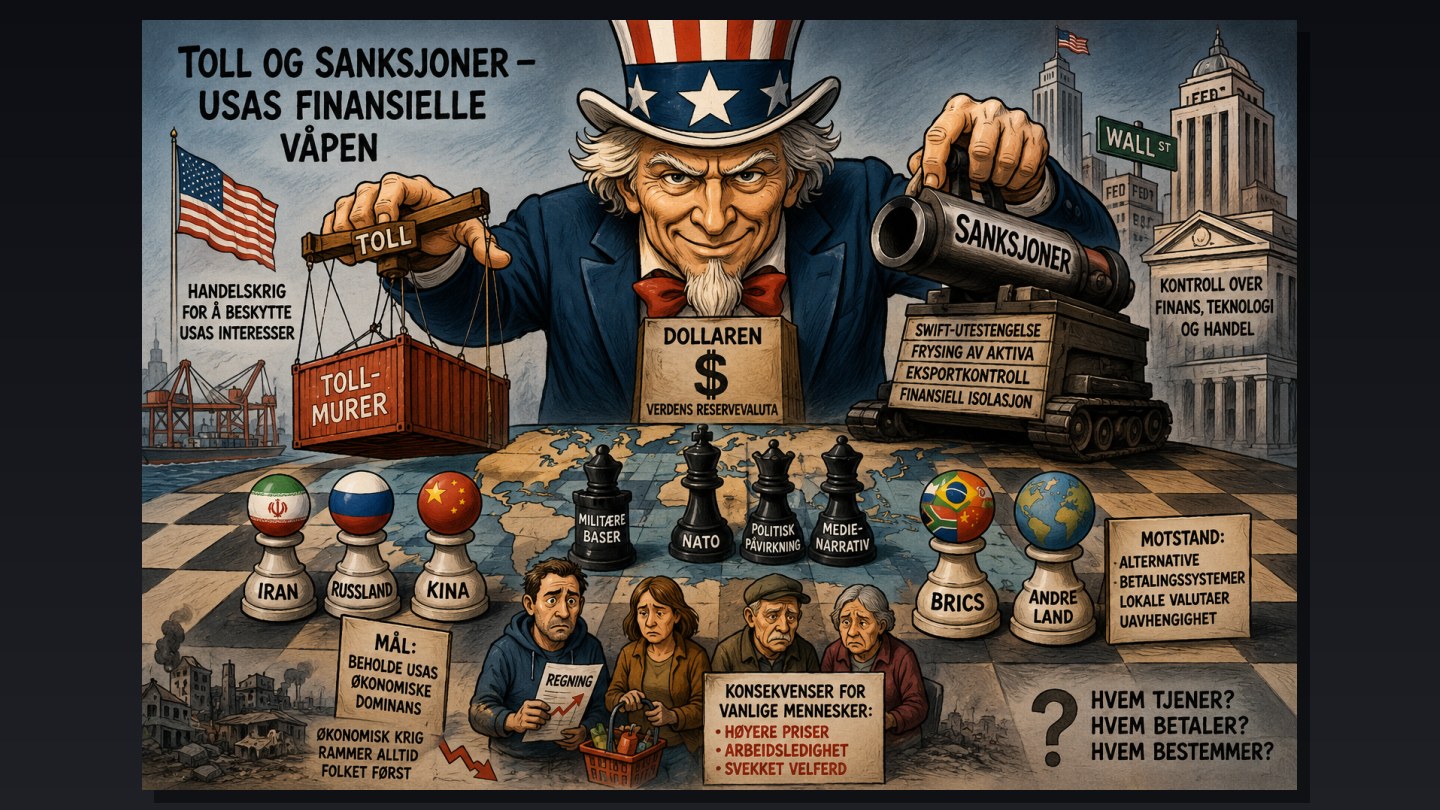
The US presents this as the legal enforcement of sanctions, the fight against terrorist financing and the forfeiture of illicit cargo. But seen from other countries it may look different: one state uses its own laws and its own courts to take control of other countries’ goods far outside its own territory.
What would the US say if an Iranian or Chinese court decided to seize American oil on its way to Europe? What would the Norwegian authorities say if a Norwegian ship were stopped on the open sea because its cargo violated another country’s unilateral sanctions?
We would hardly call it ordinary law enforcement. We would call it theft, abuse of power or piracy.
It must be stressed that not all American seizures have taken place through armed hijacking on the open sea. Some have been carried out in cooperation with shipowners, operators, flag states or foreign authorities. Others have been based on the ship allegedly being stateless, flying a false flag or having links to the American financial system. But this does not change the problem of principle: the US is trying to give its national sanctions effect across large parts of the world.
The law of the sea is built on the principle of freedom of navigation on the high seas. A ship’s flag state has both the right and the duty to exercise control over the vessel. Registration links the ship to a state that also has the right to protect it under international law.
This does not mean that merchant ships can do as they please. Piracy, human trafficking, statelessness, false registration and other serious offences may provide grounds for intervention. Coastal states also have extensive authority in their own territorial waters and ports. But economic sanctions adopted by the US or the EU are not automatically world law.
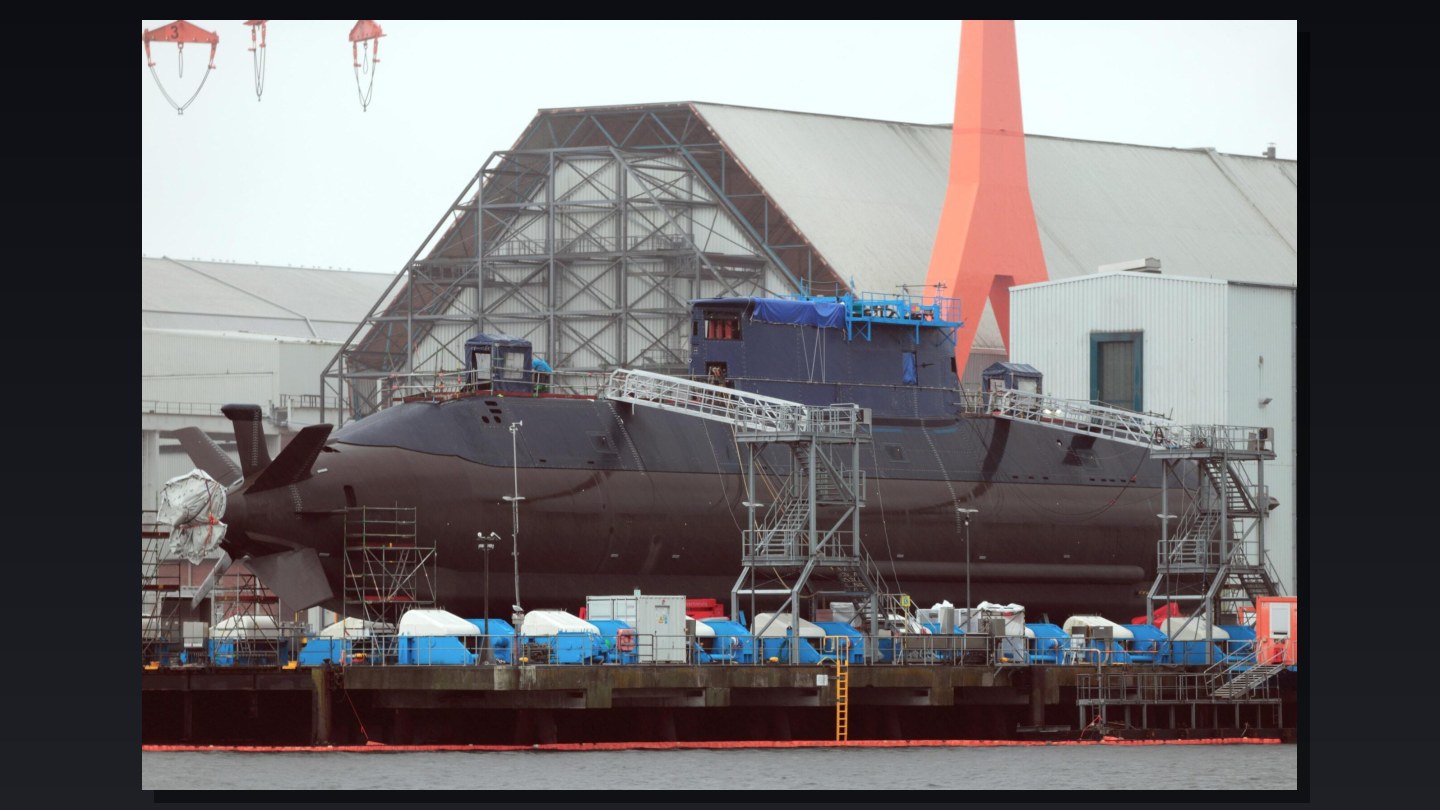
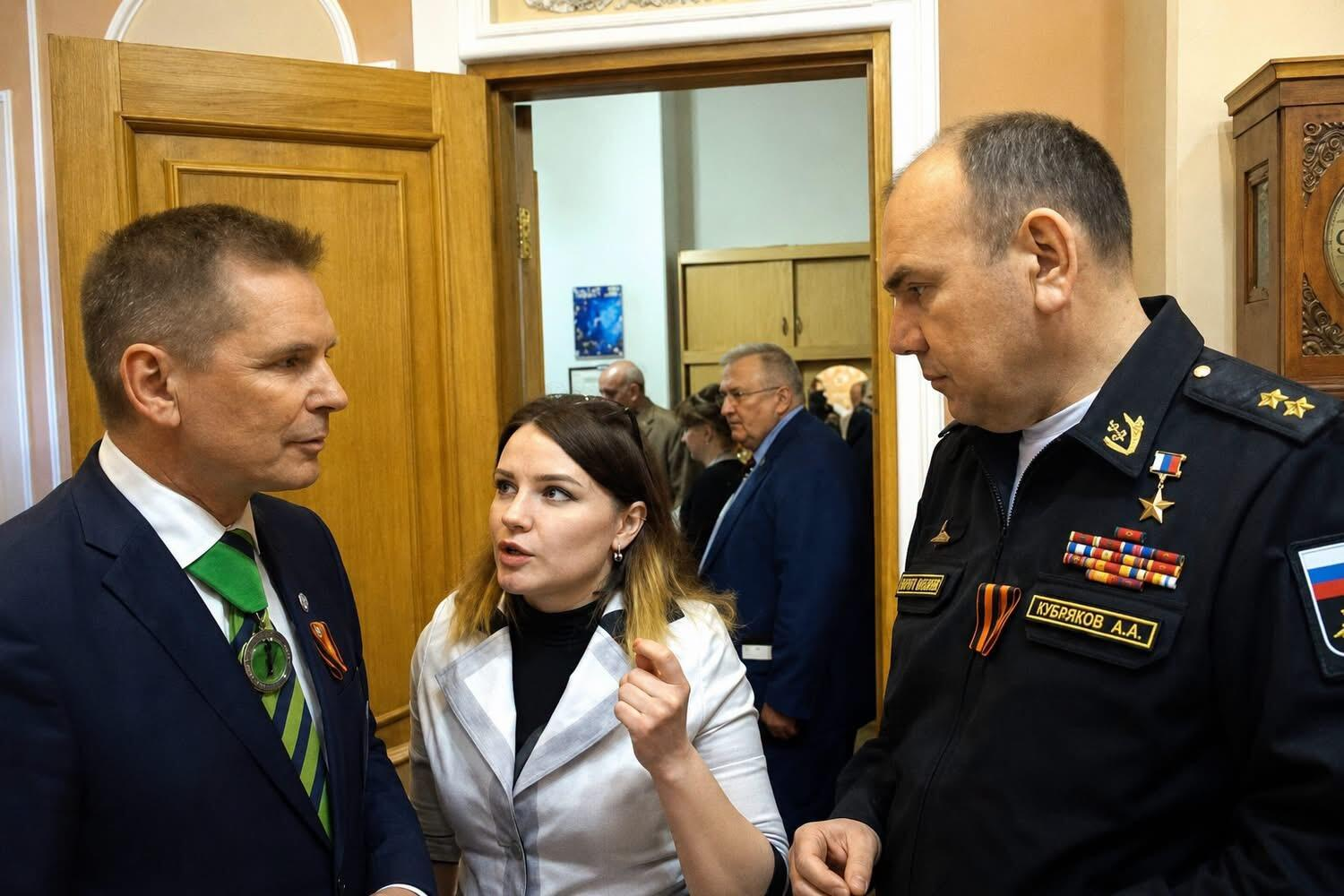
As a veterans’ representative, I have myself met Admiral Aleksandr Moiseyev on veterans’ issues. He is today commander-in-chief of the Russian Navy. During our meeting he spoke at length about the rescue attempts after the nuclear submarine Kursk sank in the Barents Sea in August 2000. He described the enormous technical challenges, the time pressure and the human drama surrounding the attempt to reach the crew. All 118 people on board lost their lives.
The conversation made a strong impression on me. It reminded me that the sea is not only an arena for military power, sanctions and political posturing. It is also an unforgiving workplace where even the most powerful navies can be put to the test, and where cooperation between countries can be the difference between life and death.
Norwegian and British specialists were eventually involved in the work at the Kursk. That is precisely why it is tragic that relations between Norway, Russia and the rest of Europe are now developing in the opposite direction. Where we once could cooperate on rescue, safety and human life in the High North, we now risk meeting each other with warships, boarding teams and weapons aimed at merchant ships.
The experience of the Kursk should have taught us that incidents at sea can quickly turn into disasters. Communication failures, prestige, secrecy and delayed decisions can cost lives. If European or American forces stop Russian-linked merchant ships while Russian naval vessels are ordered to protect them, a single misunderstanding could have consequences no politician has planned for.
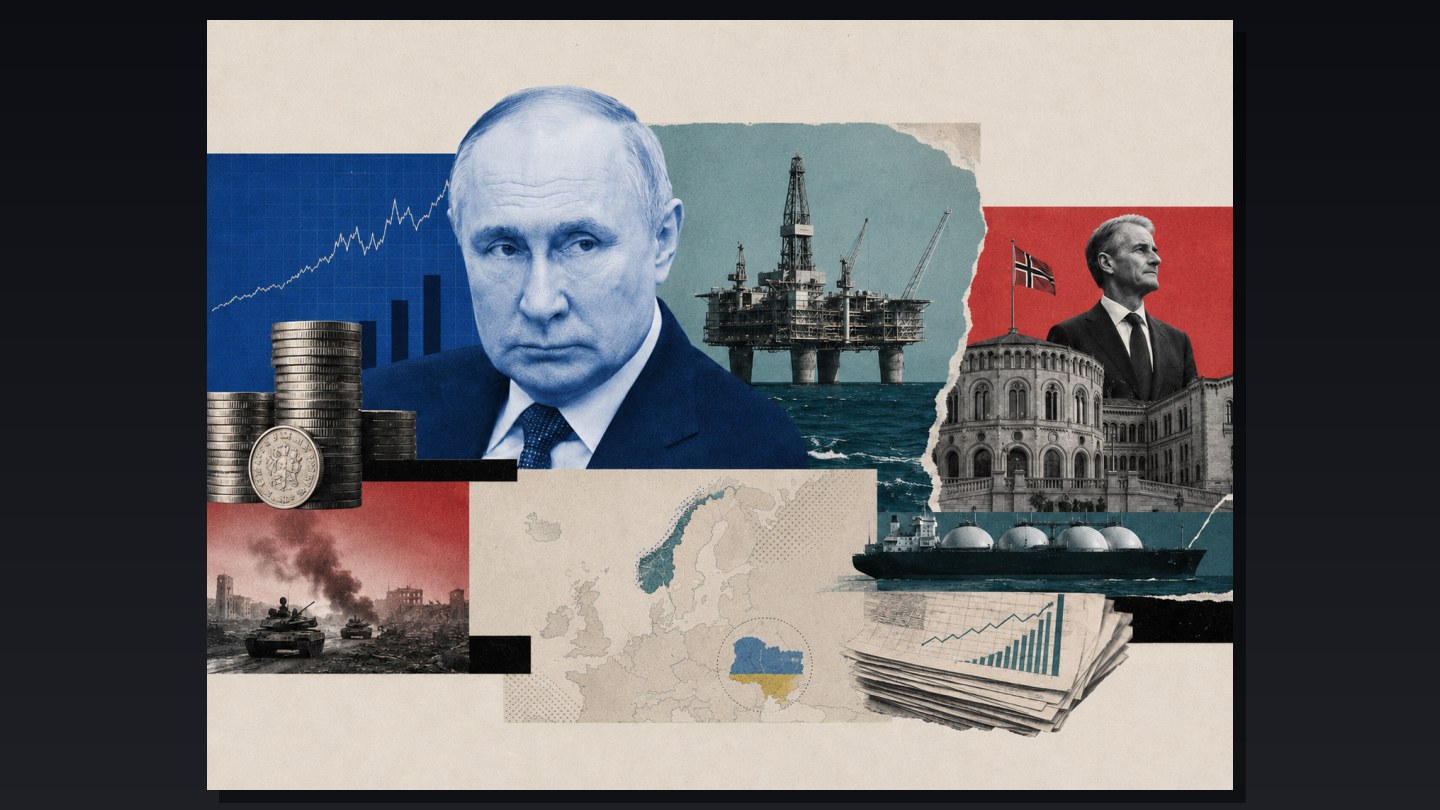
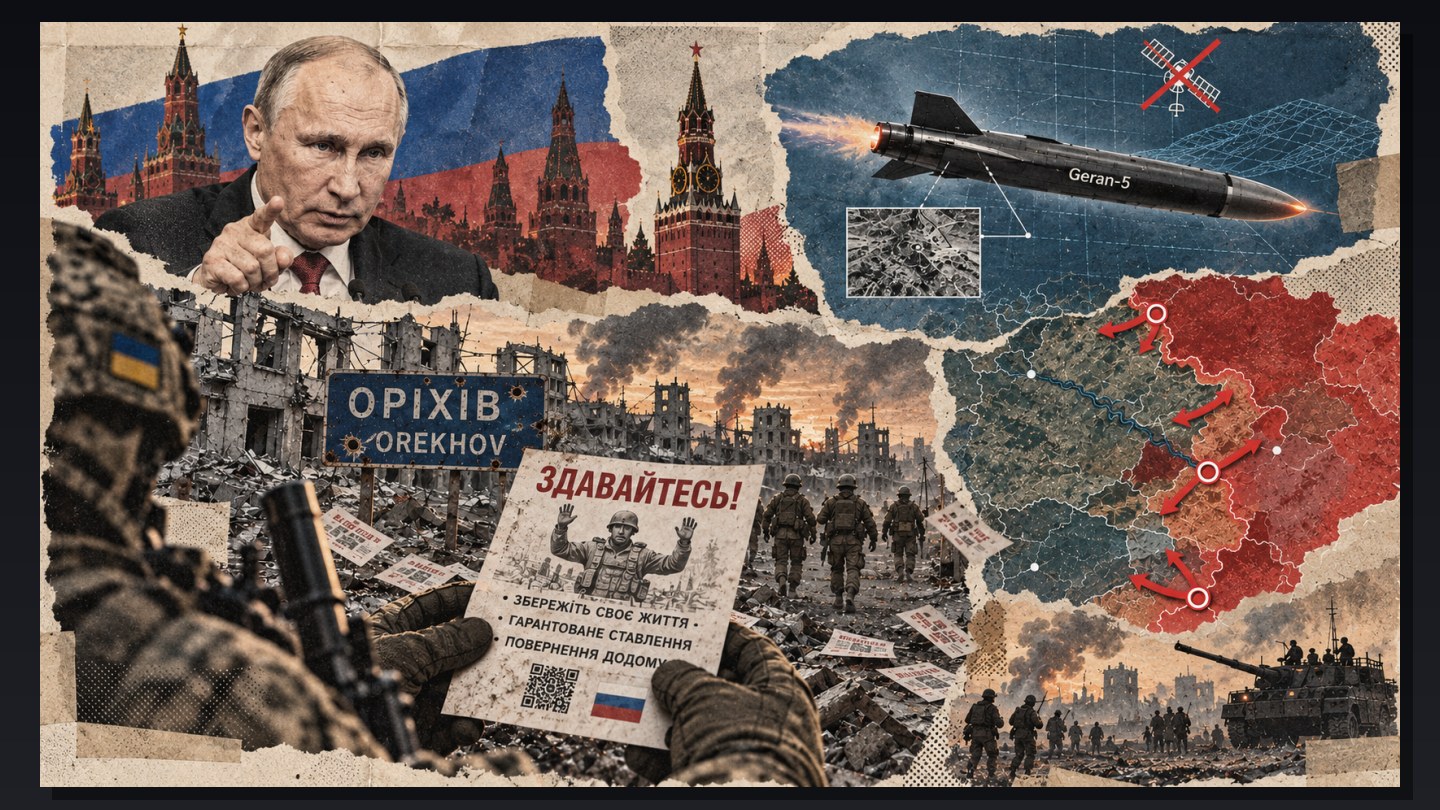
This is the core of Putin’s recent warning.
If Western naval vessels attempt to board Russian-linked merchant ships, Russia may respond with escorts, military presence or attempts to prevent the boarding. Then very little would be needed before a warning shot, a mistaken manoeuvre or a misunderstood order leads to armed confrontation — and even nuclear conflict.
We could then end up in a situation where nuclear powers face each other over a civilian tanker in the North Sea, the Baltic, the Barents Sea or the English Channel.
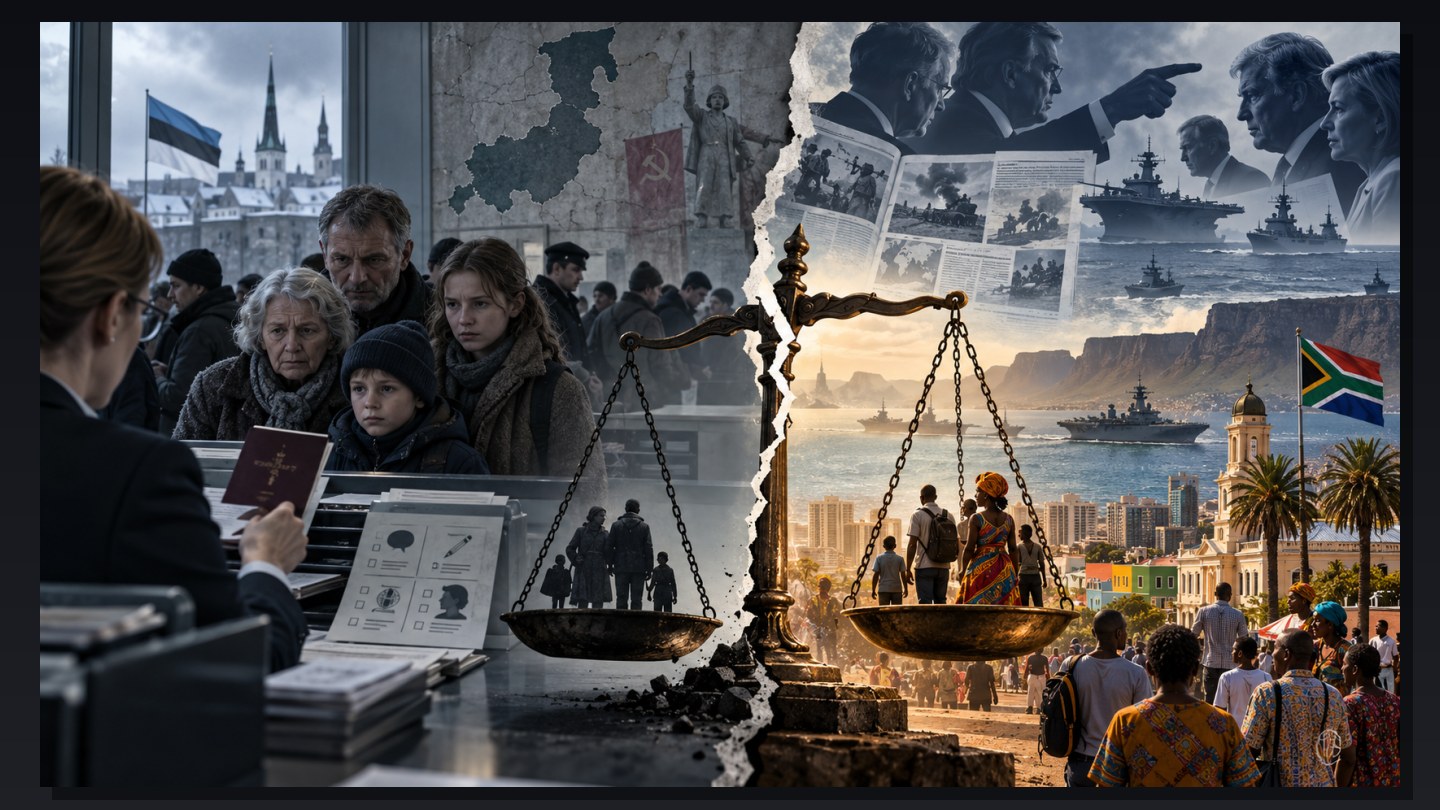
Europe and the US must ask themselves what principle they are establishing. If Western countries can stop ships because their cargo violates Western sanctions, China may later stop European ships citing Chinese sanctions. Iran may do the same in the Persian Gulf. Russia may draw up its own lists of Western vessels and claim they support hostile activity.
Do we really want a world order in which the strongest navy decides what is lawful trade?
The conflict in Ukraine can be criticised and condemned without us simultaneously tearing down the rules of international law governing international shipping. Sanctions must not become a shortcut to state-authorised piracy.
Norway is a seafaring nation and should be among the first to demand clarity. The government must state clearly whether Norway will take part in boarding, seizing or militarily stopping merchant ships outside Norwegian territorial waters. It must also explain what basis in international law any such intervention would rest on.
Because when the great powers grant themselves the right to stop ships, seize oil and sell the cargo, it is no longer just about sanctions. It is about who has the biggest warships.
When merchant ships become military targets, the road from economic war to real war has become frighteningly short.