This is a question that deserves far more attention than it receives in Western media.
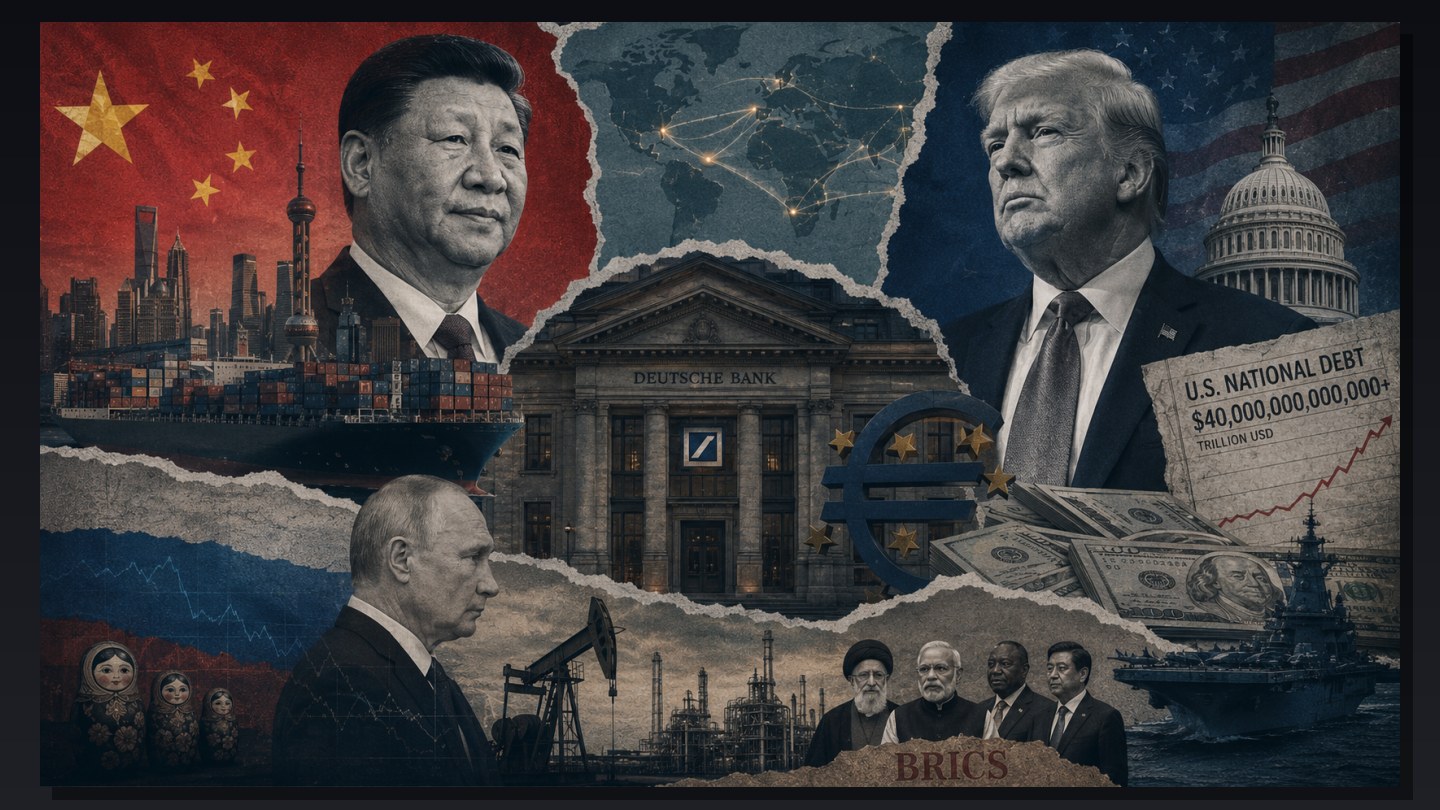
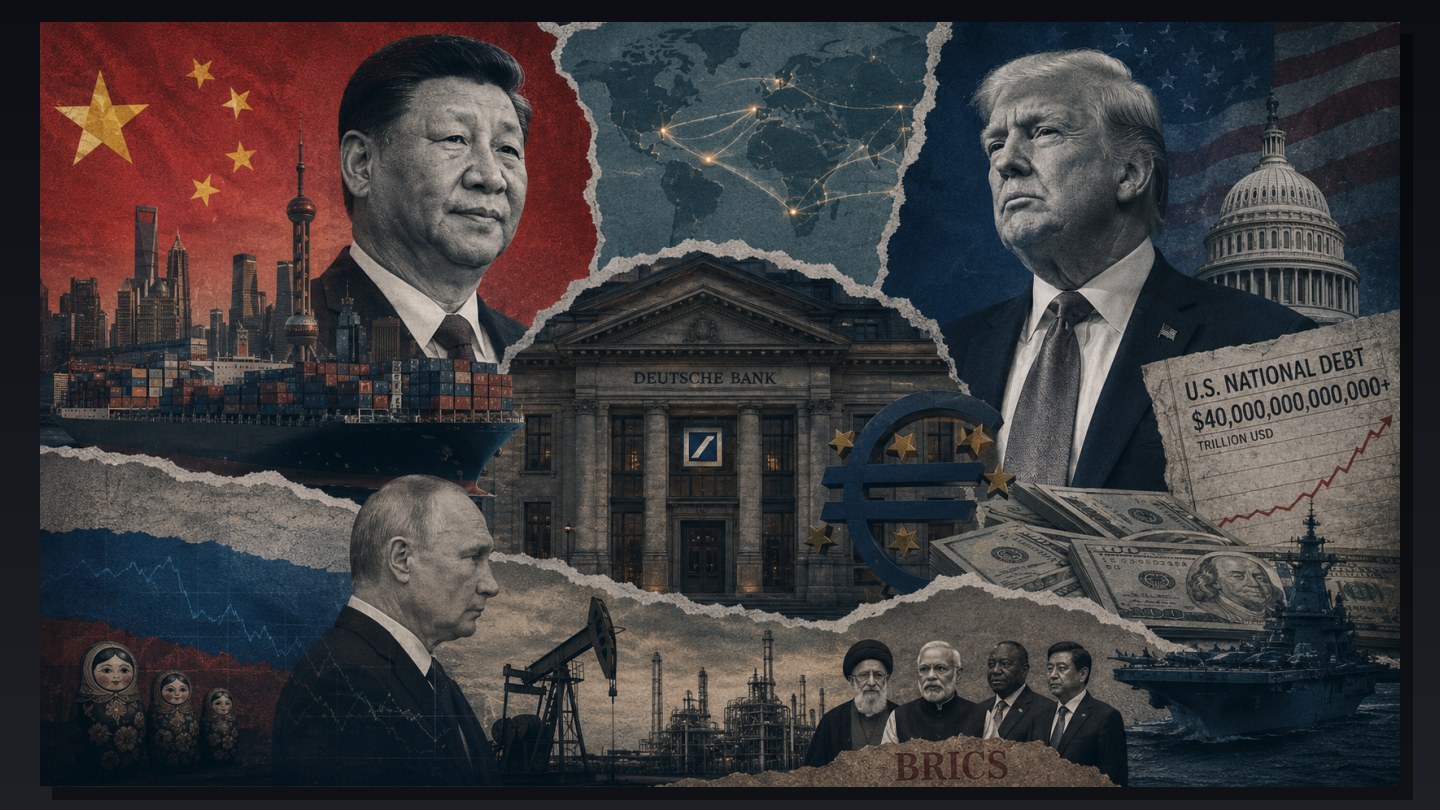
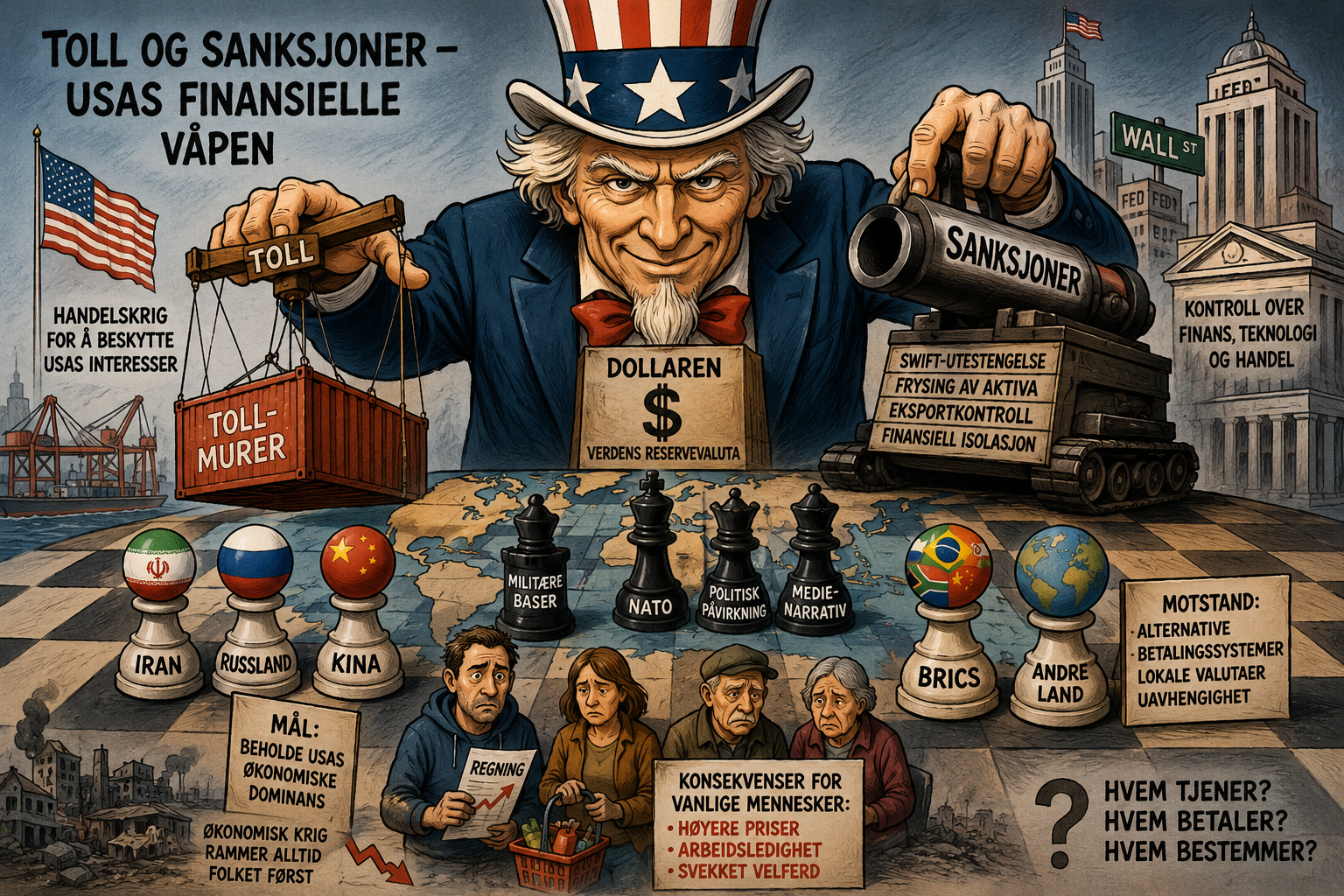
The United States is today the world’s largest economic power, but also the world’s most indebted state. Its national debt is historically high, and the American economy depends on the world continuing to trust the dollar, US Treasury bonds and the financial system the US controls. The dollar’s role as the world’s reserve currency gives Washington a power no other country has held in modern times. As long as oil, commodities and international trade are largely conducted in dollars, the US can finance deficits that would be impossible for most other nations.
It is in this light that today’s trade wars and sanctions must be understood.
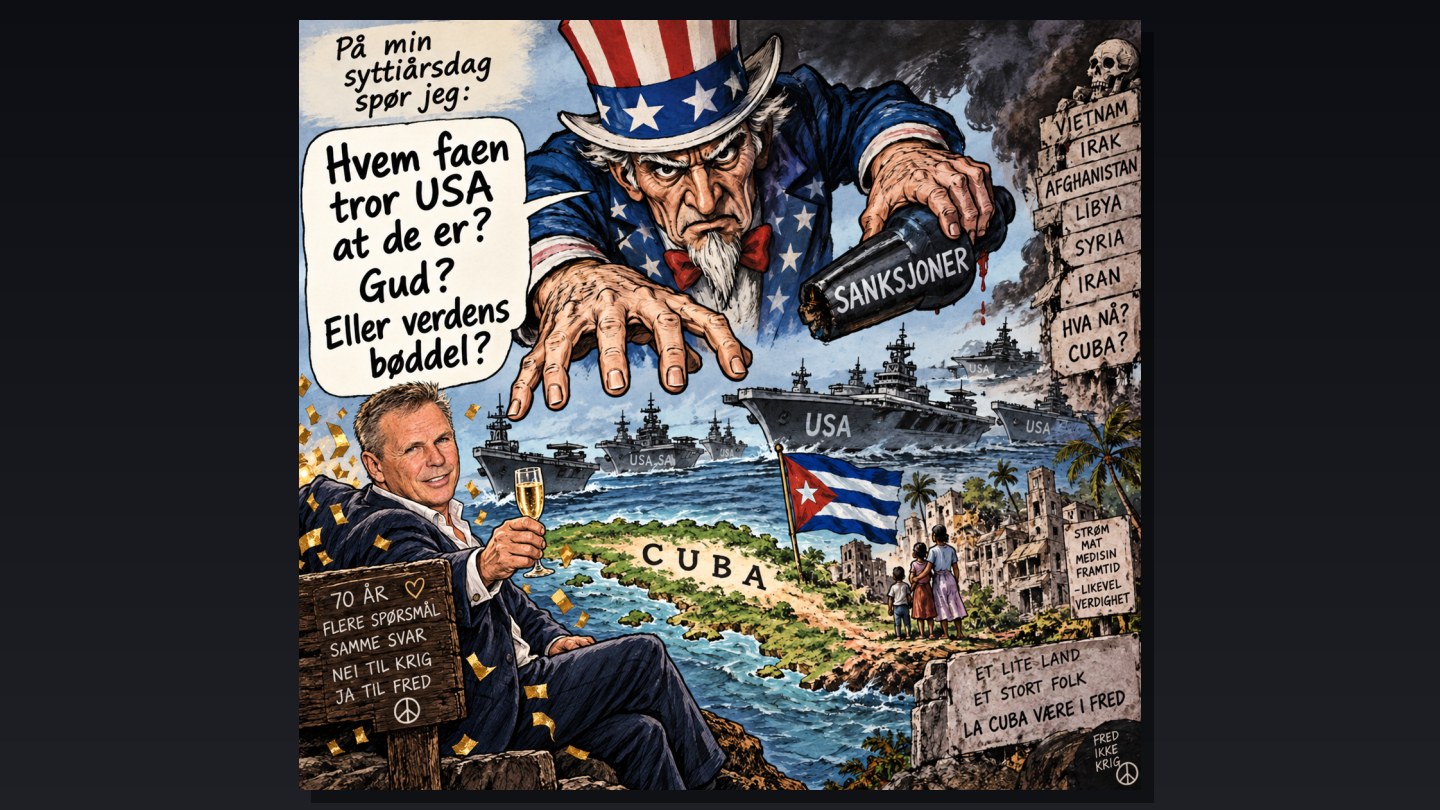
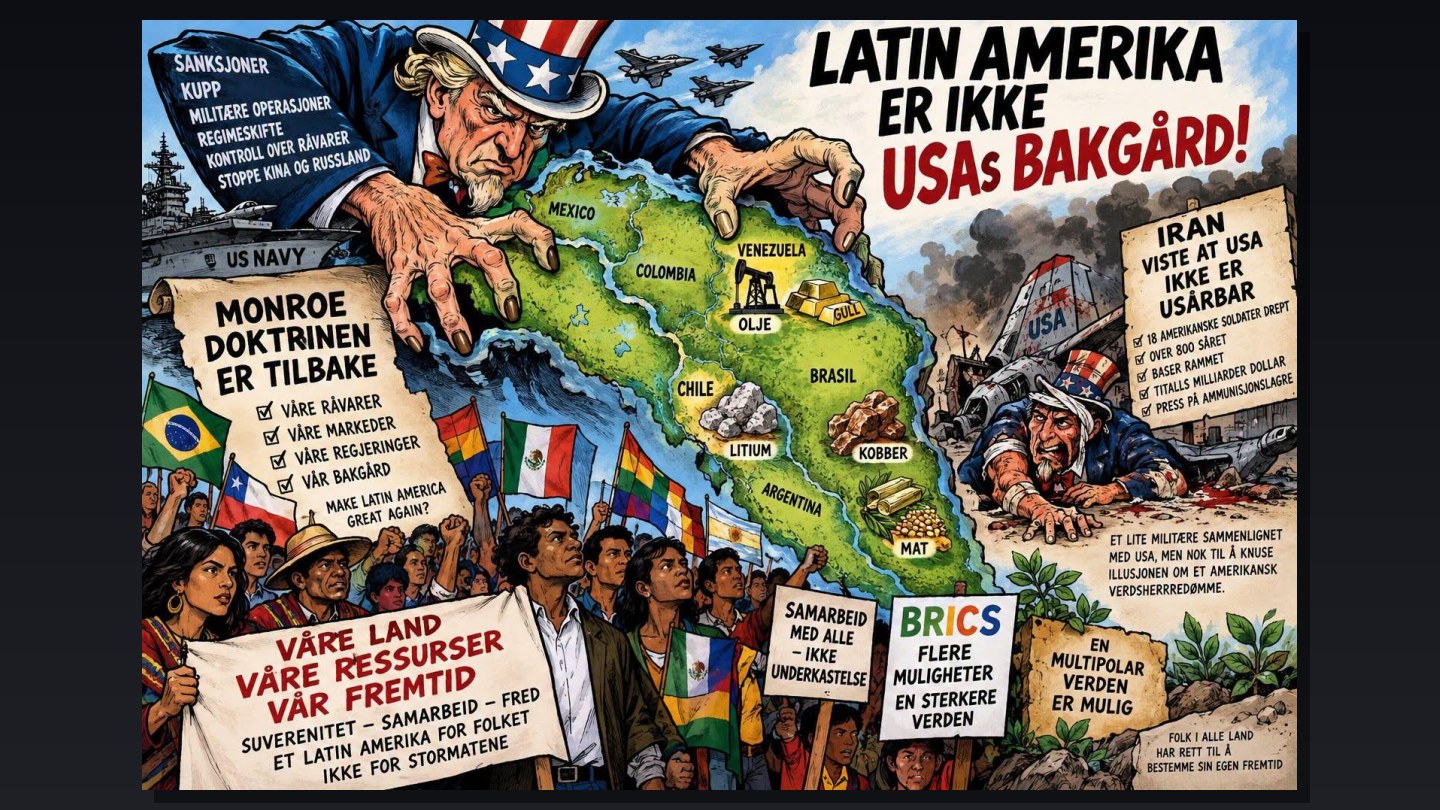
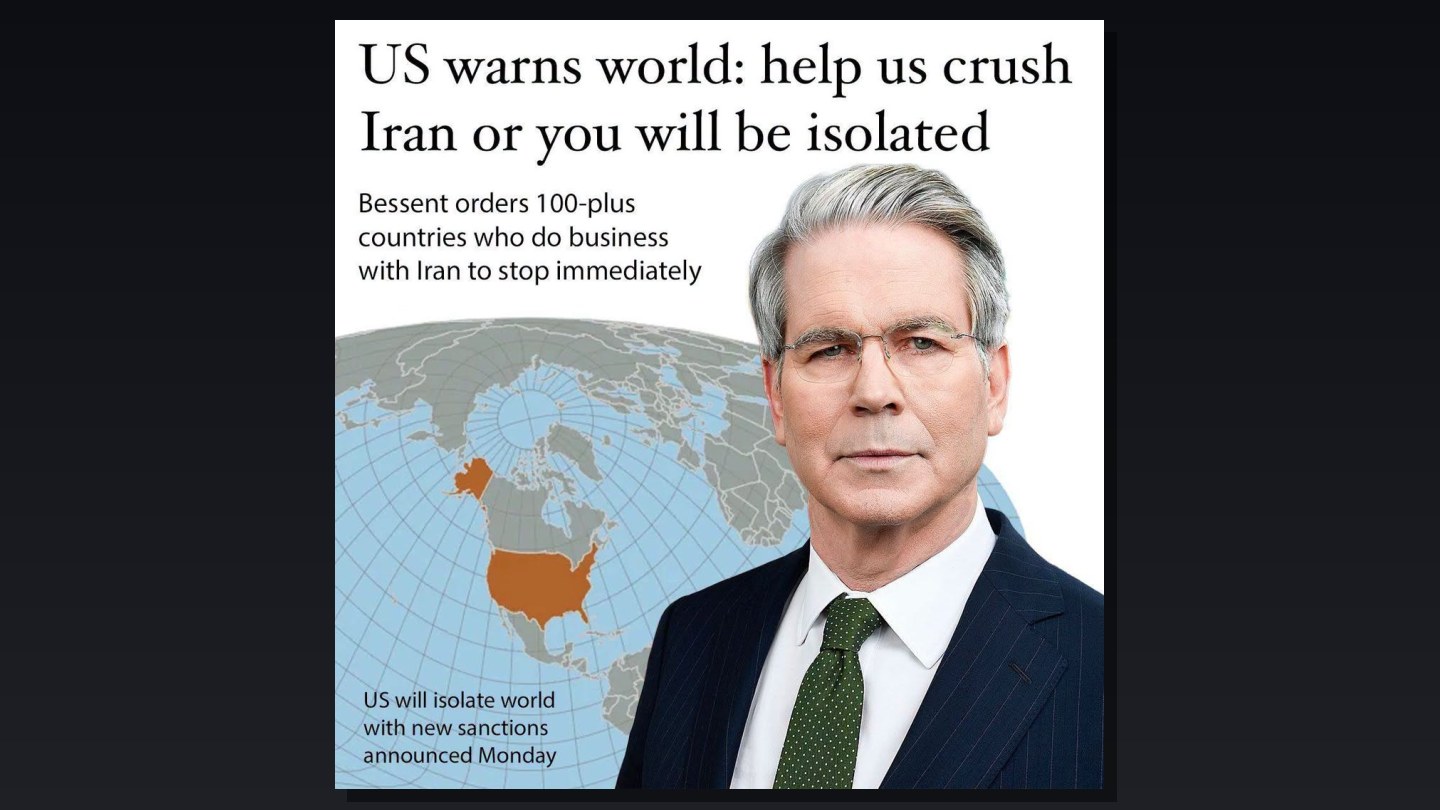
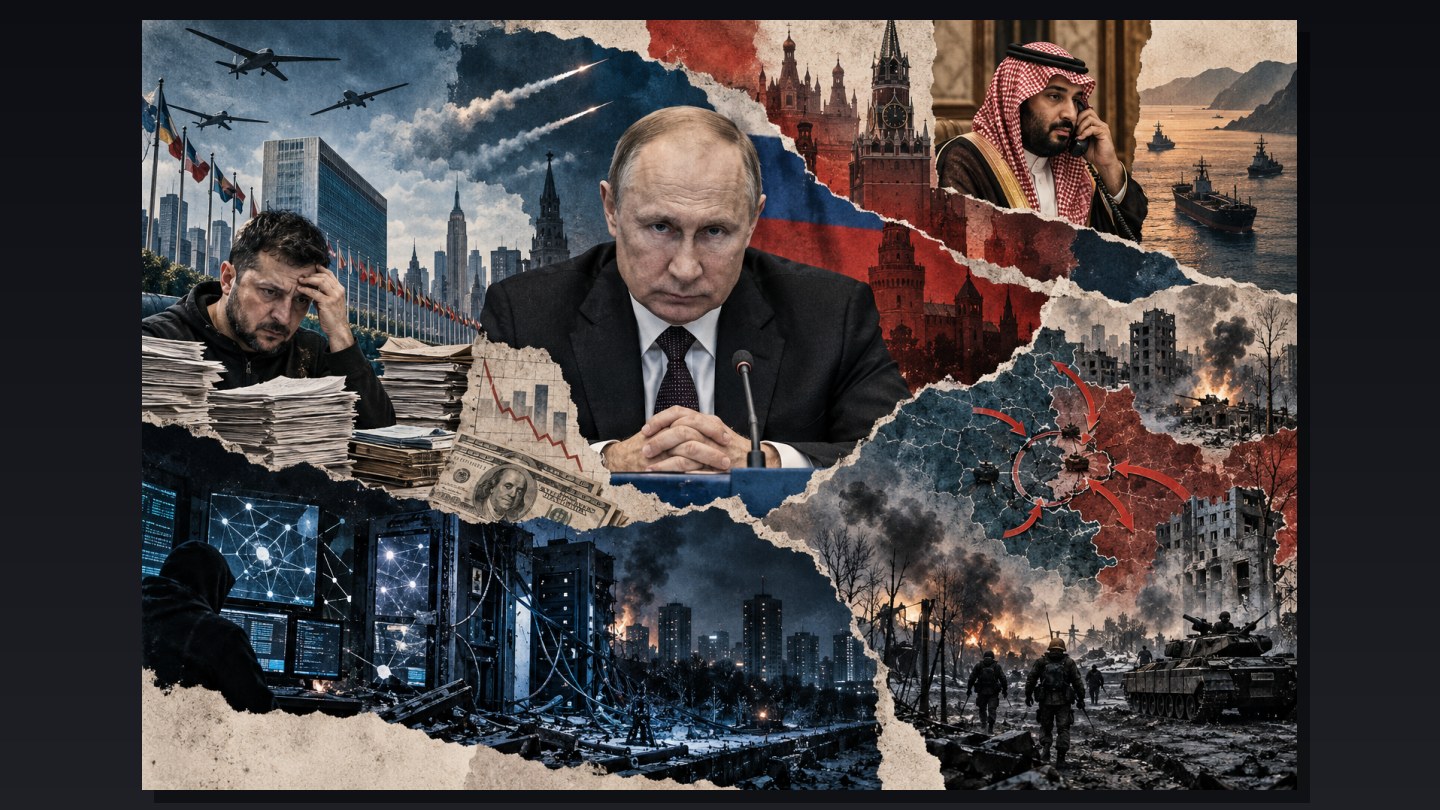
When countries try to reduce their dependence on the dollar or establish alternative payment systems, geopolitical tensions quickly arise. After the invasion of Ukraine, Russia was met with sweeping economic sanctions and partially shut out of the Western financial system. Iran has lived under harsh economic restrictions for decades. China faces rising tariffs, export controls and limits on access to advanced technology. Meanwhile, the BRICS countries are working to build financial alternatives that can reduce dependence on American institutions.
This does not mean such measures are necessarily unjustified. A state can impose sanctions for several reasons at once. But nor does it mean economic self-interest can be overlooked. Great powers rarely act out of idealism alone.
What used to be decided with aircraft carriers is now increasingly decided through banks, payment systems, technology and trade rules. SWIFT, export controls, tariff walls and financial restrictions have become strategic instruments of power. This is the age of economic warfare.
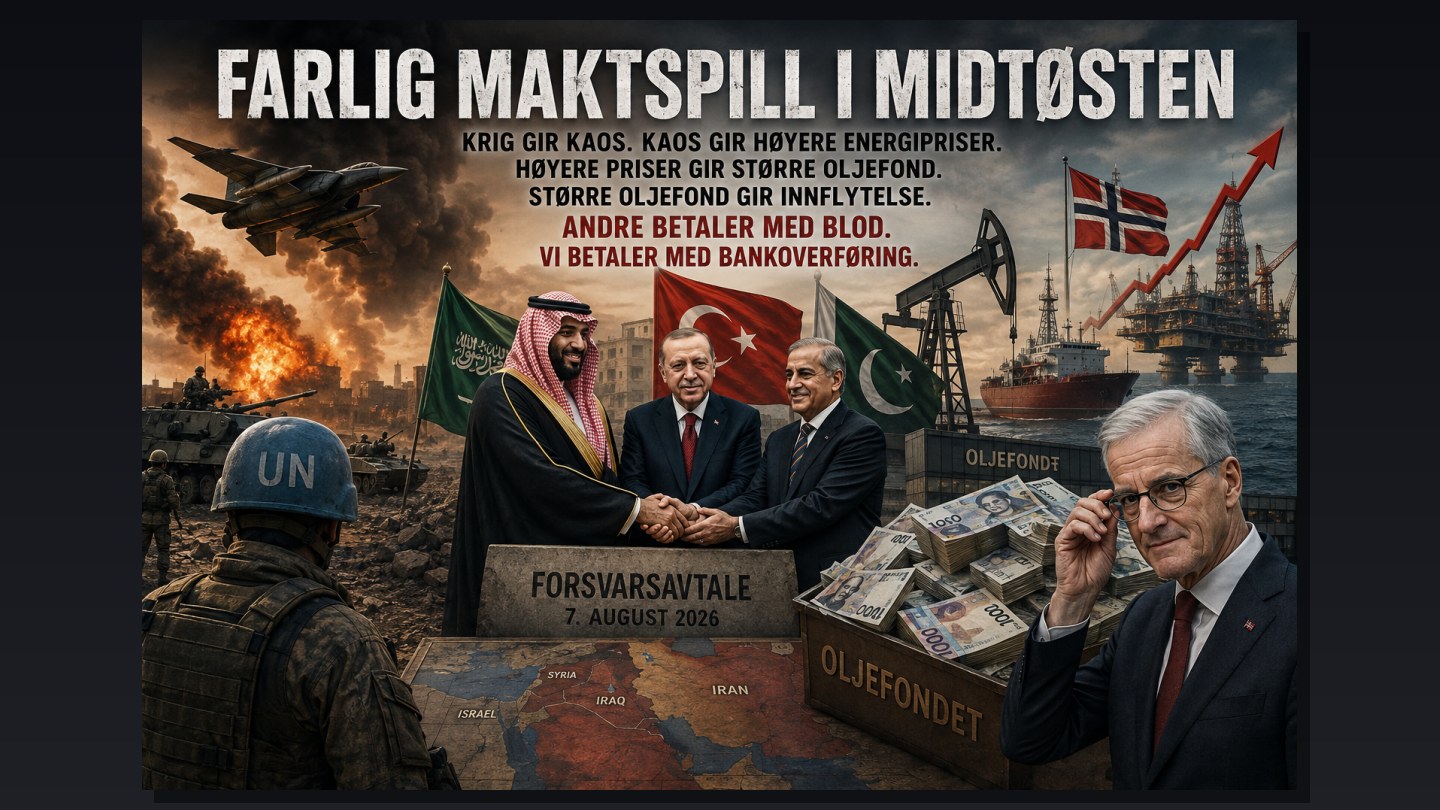
At the same time, Europe is paying an ever higher price. Energy costs, inflation, uncertainty and weaker competitiveness hit industry, agriculture and ordinary families alike. Norwegian businesses are affected by decisions often made in Washington, Brussels or other centres of power. Yet there is rarely any discussion of who actually profits economically from this development.
The global economy is no longer a free market in the classical sense. It has become a geopolitical instrument. Finance, technology, raw materials and logistics are used as leverage in a struggle for influence. The result is a world in which the economy is militarised without a single shot necessarily being fired.
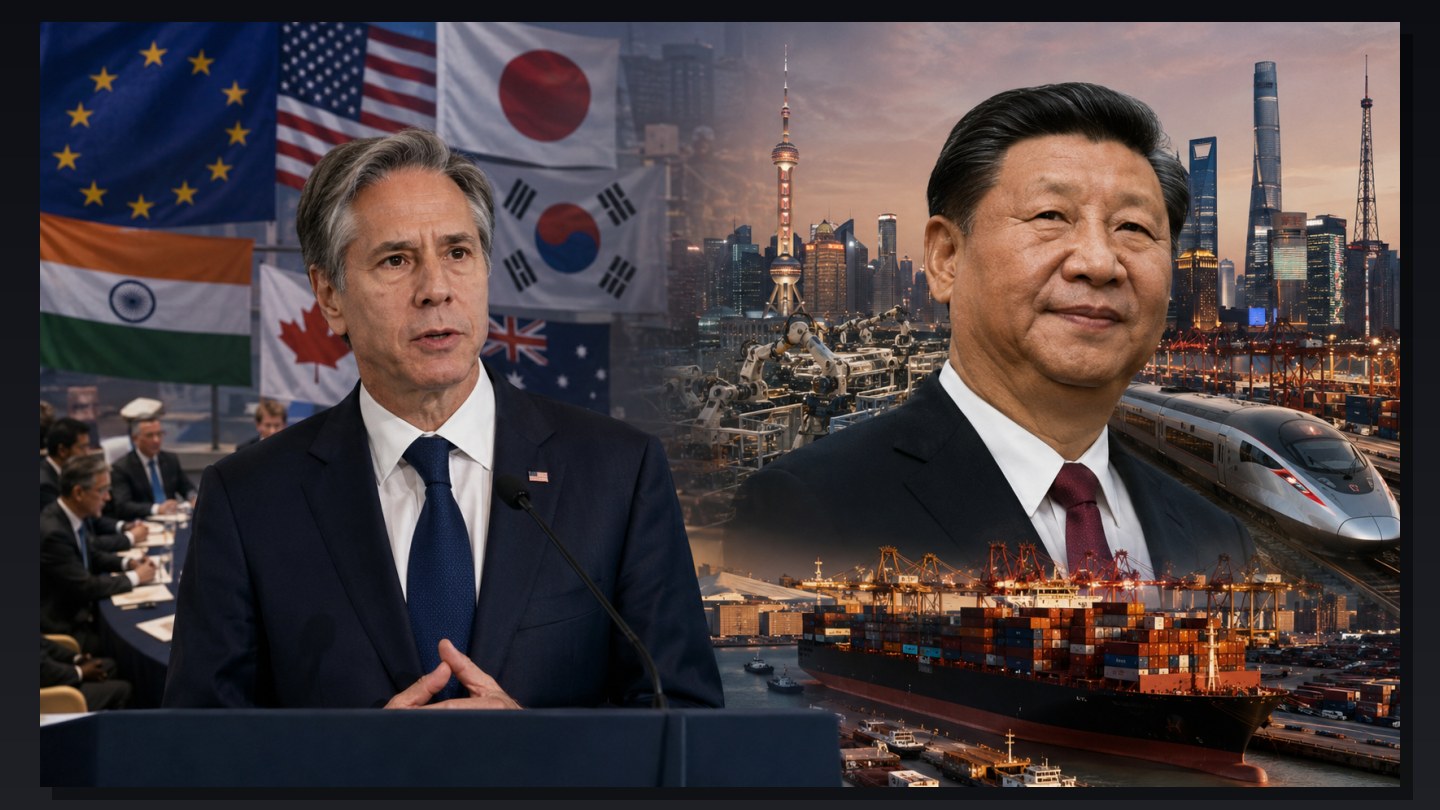
History shows that all great powers have used the economy as an instrument of power. Britain did so through its empire. The US has built a financial system with global reach. Now this position is being challenged by China, BRICS and emerging regional powers. The struggle is therefore not only about Ukraine, Taiwan or the Middle East. It is also about who will control the world’s payment systems, investments and capital flows in the decades ahead.
The big loser may be the ordinary citizen. When economic sanctions hit a country, it is often the population that first experiences rising prices, unemployment and shortages of goods. At the same time, trading partners are hit too. Economic warfare creates ripple effects far beyond the areas of conflict.
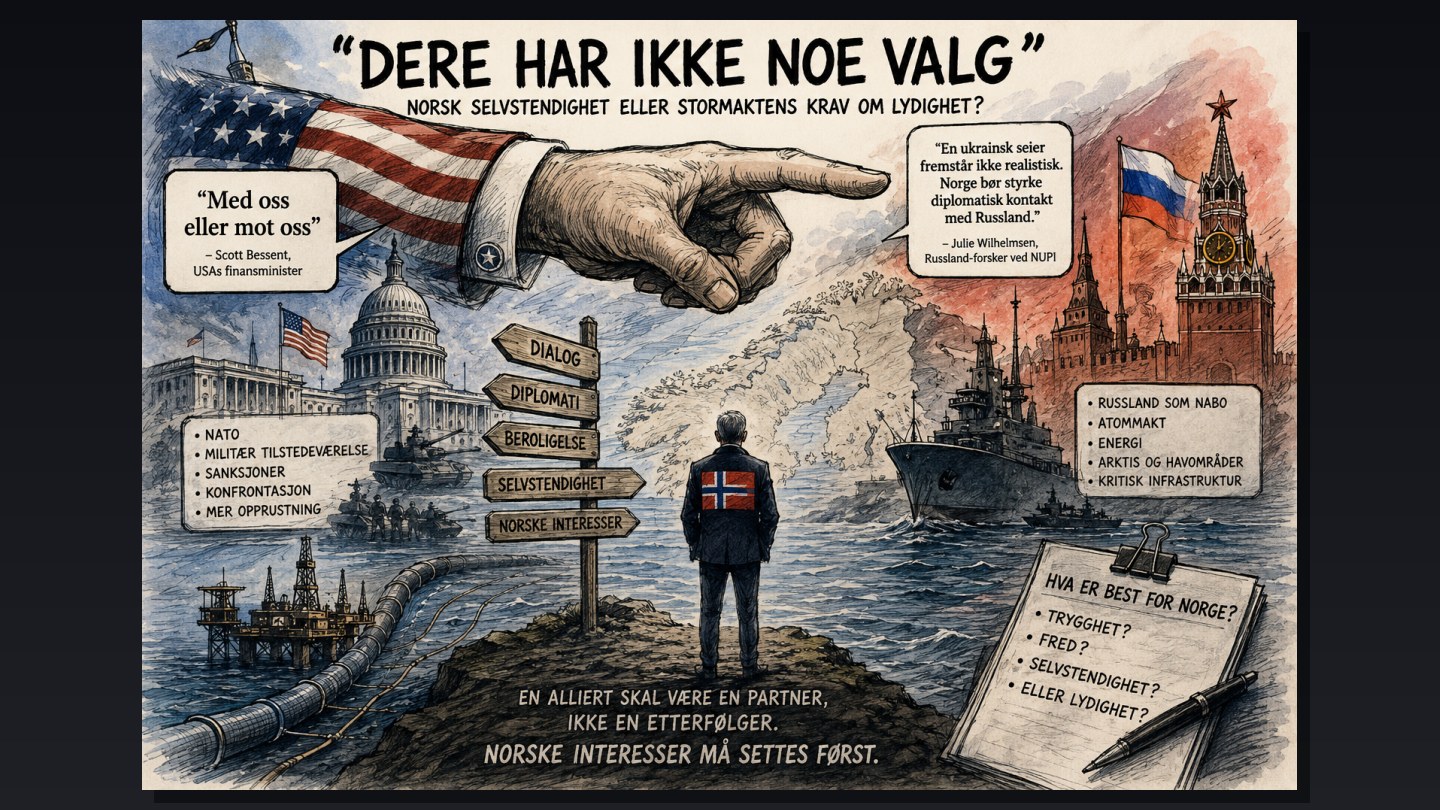
Norway should therefore conduct a more independent debate about such instruments. Every time new tariffs or sanctions are introduced, politicians should explain not only the security-policy justifications, but also the economic interests. Who gains? Who loses? Who bears the costs?
There are no simple answers. Some sanctions may be necessary in response to breaches of international law or serious actions. But if economic instruments are at the same time used to maintain a particular financial world order, this must be open to discussion.
Perhaps the most important global conflict of our time is not simply a struggle between East and West. Perhaps it is first and foremost a struggle over who will control the world’s money, the world’s trade and the world’s financial infrastructure. If so, tariffs and sanctions are no longer merely diplomatic instruments. They have become among the most effective weapons in the modern struggle for power — and it is ordinary people, in Norway too, who ultimately pay the highest price.