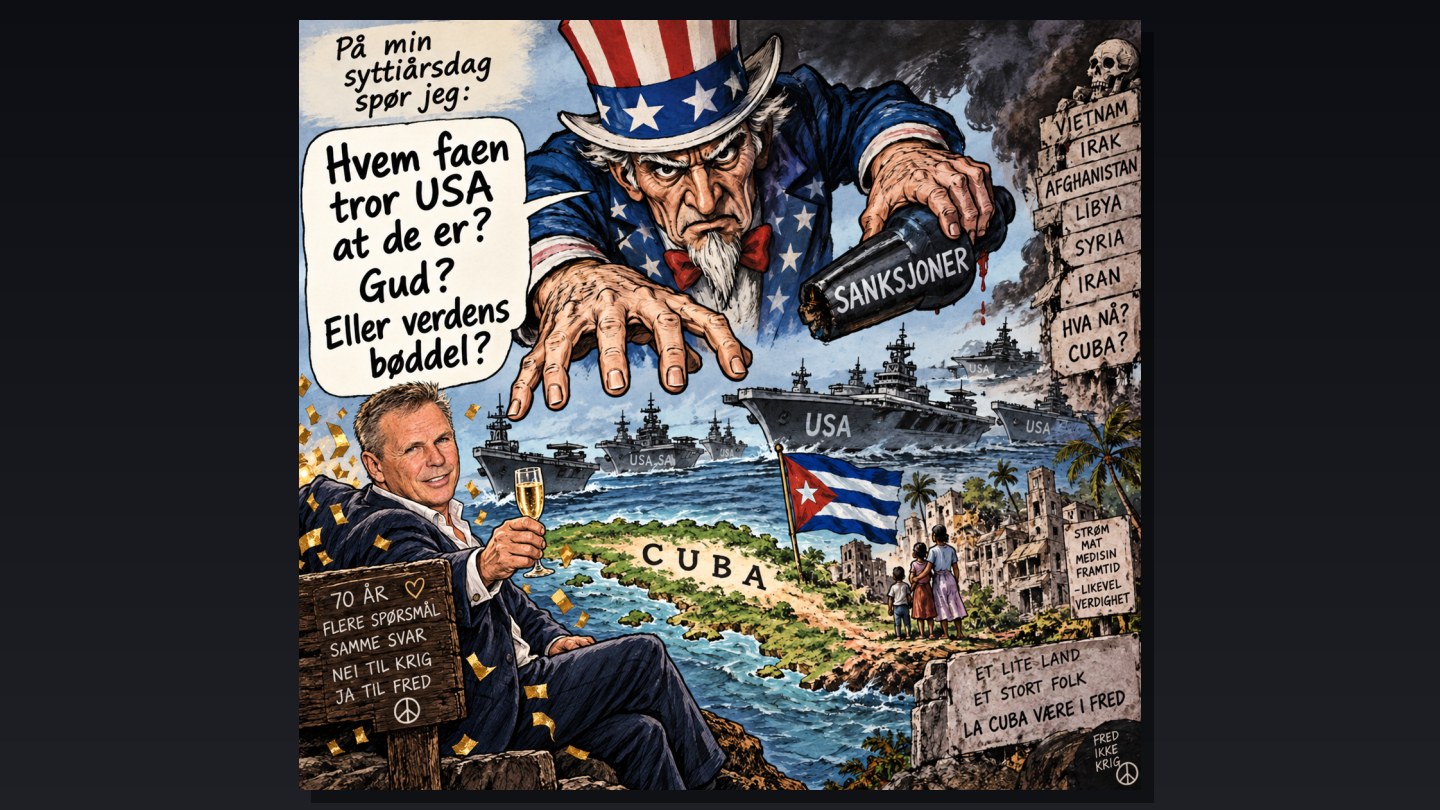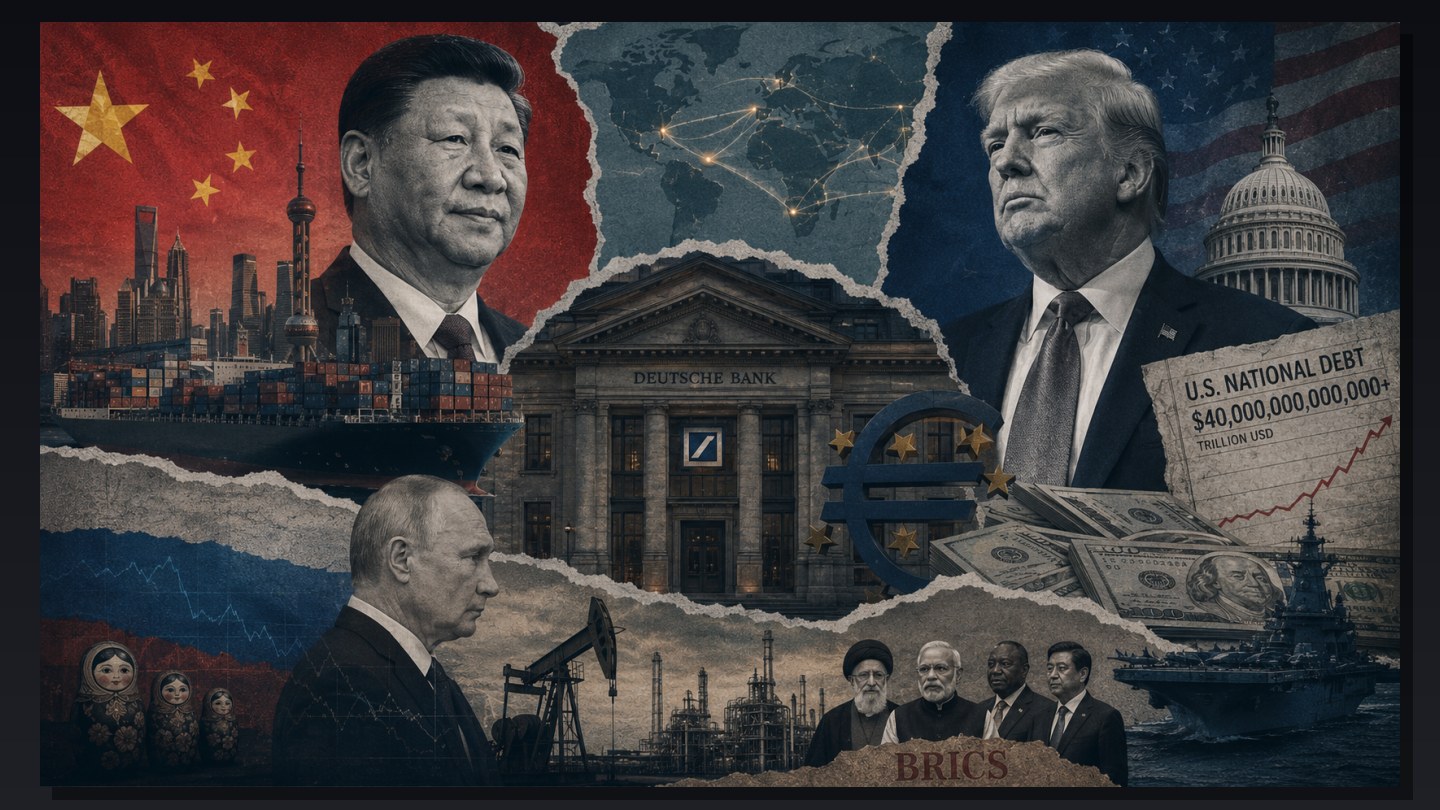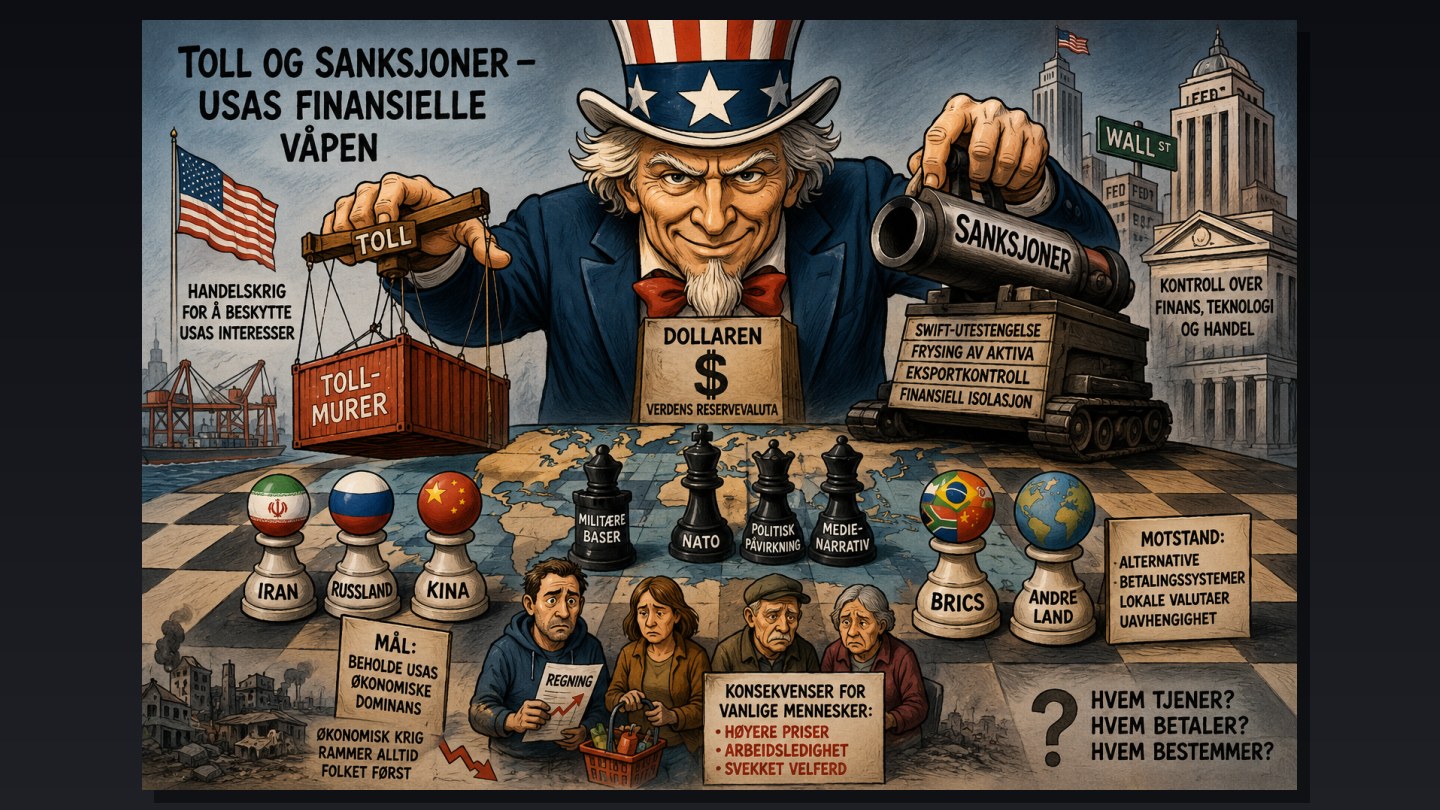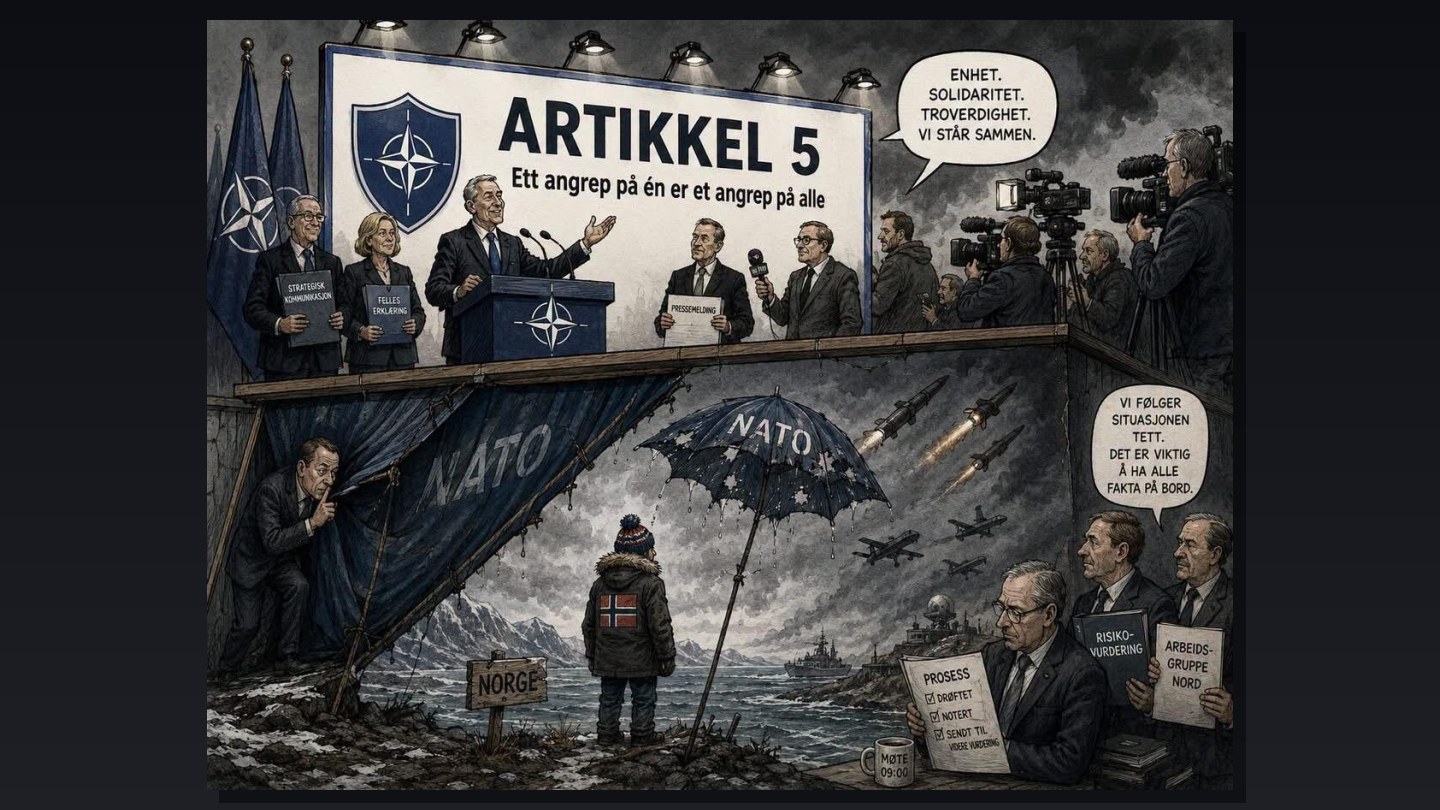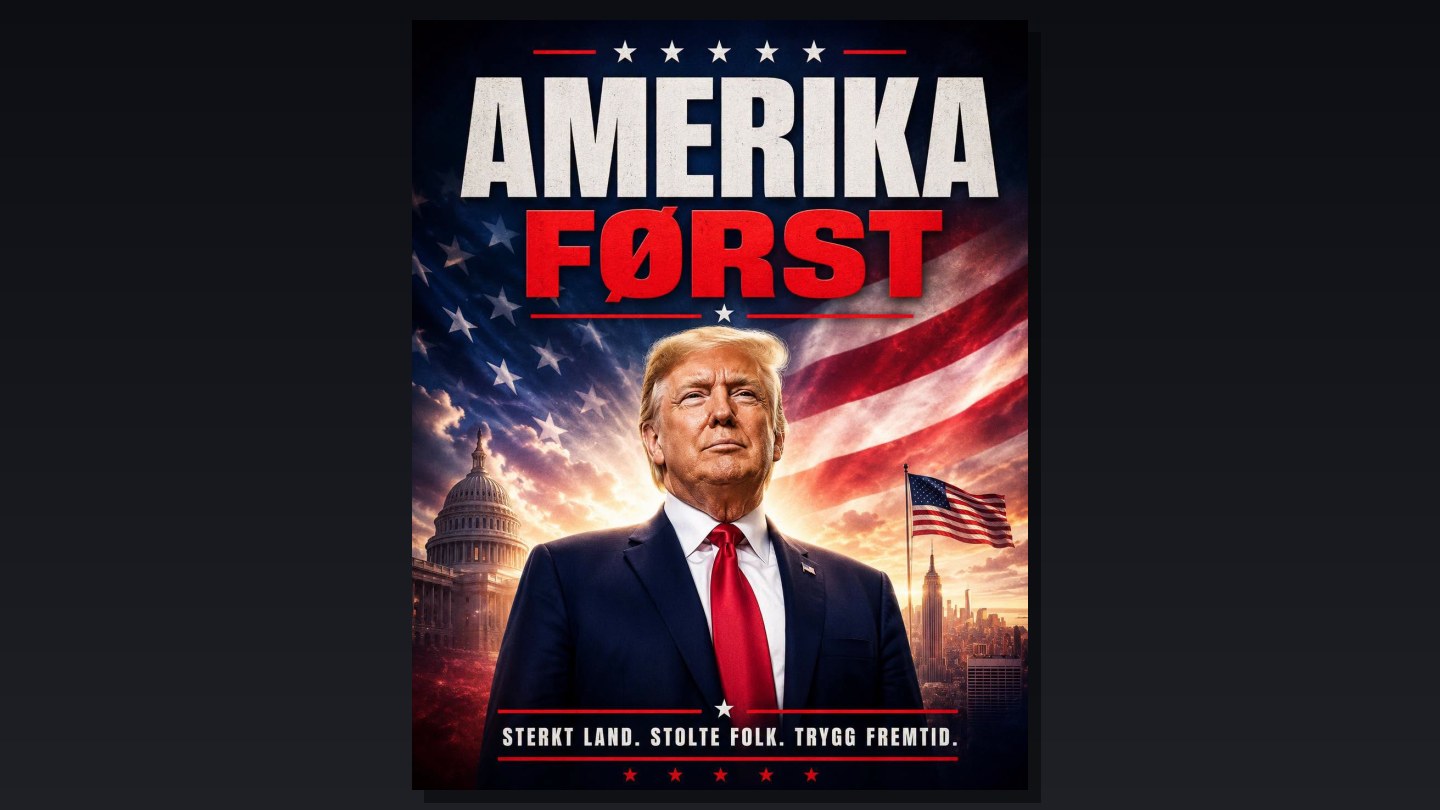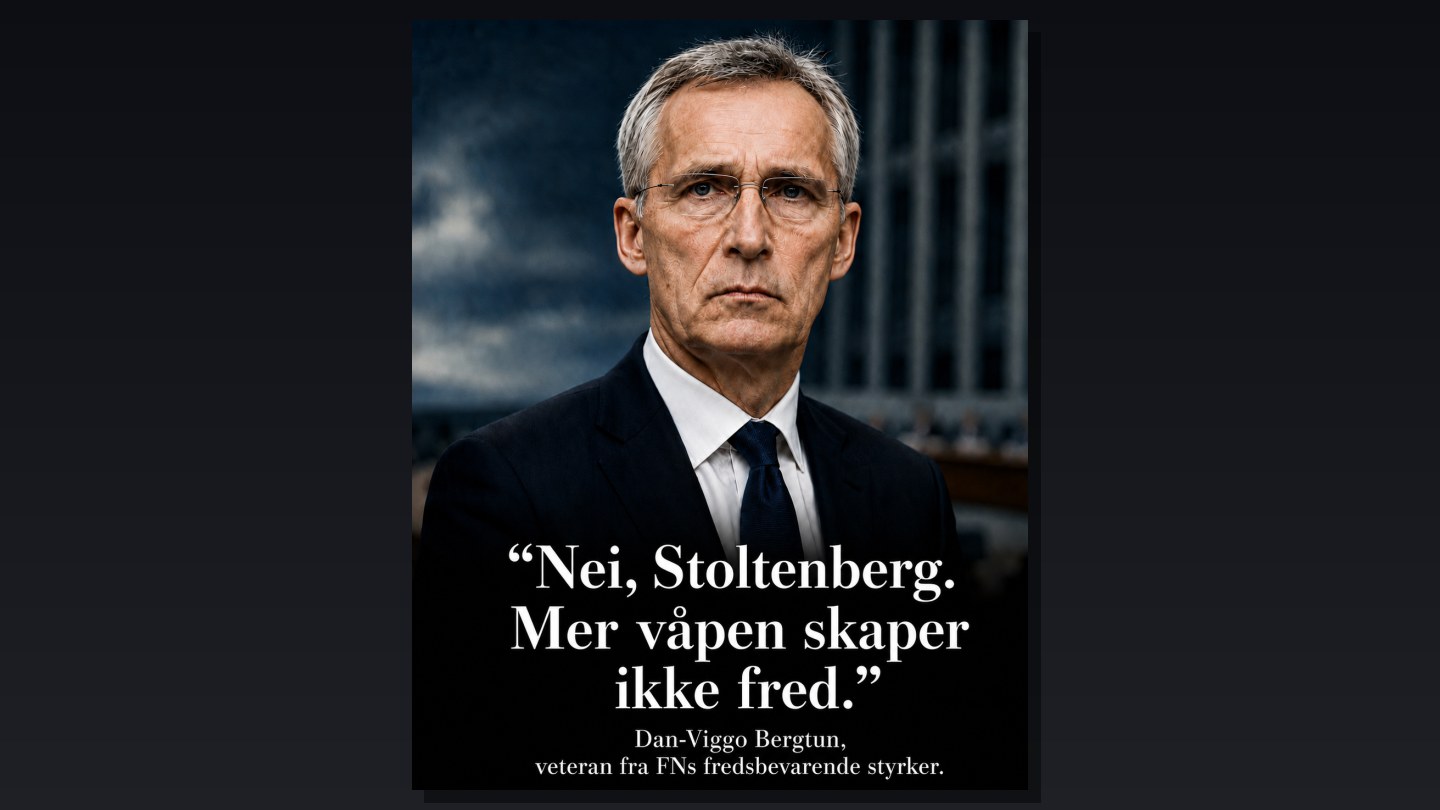
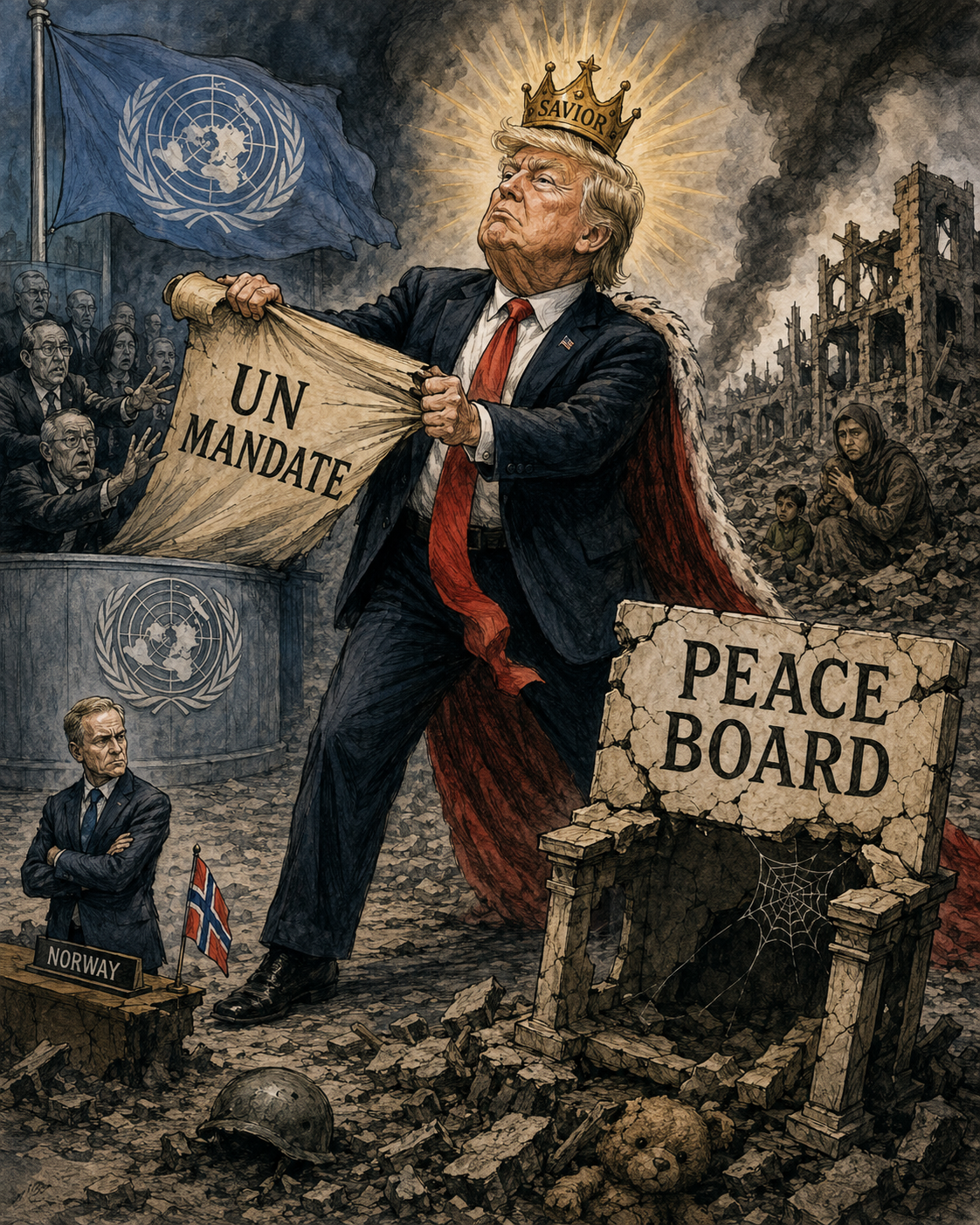
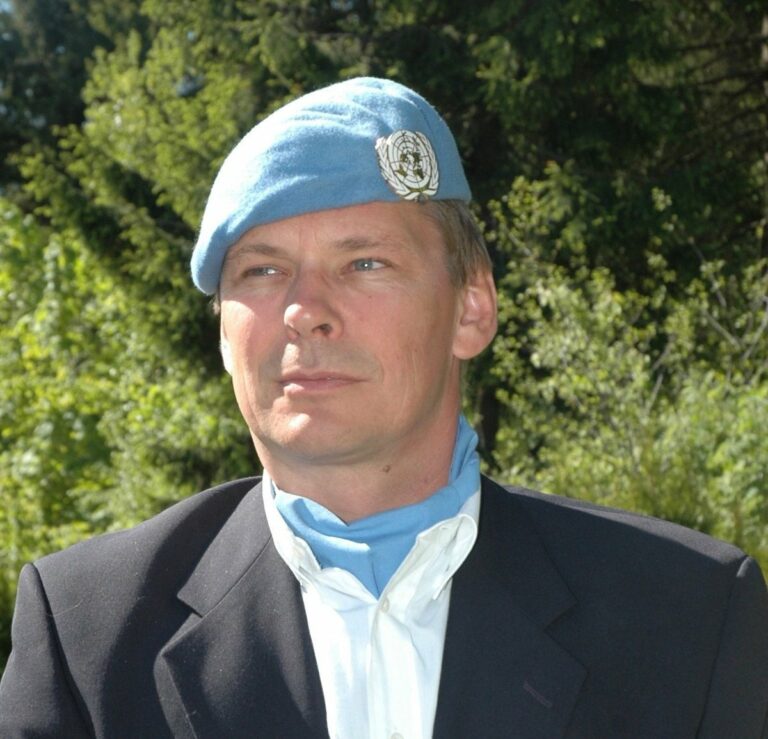
That is how Trump’s so-called Board of Peace appears. It was presented as a peace project, but early on it smelled of great-power politics, personal ambition and a dramatic attempt to move peace work away from the institutions the world has actually built up after two world wars. It was as if one man were to stand in front of the ruins, point at the destruction and say: “I’ll fix this.” But peace is not a real-estate project. Peace is not a stage for self-glorification. Peace is not something a president can patent.
There are words so important that they should not be left to those who have done most to empty them of content. Peace is such a word. When the concept of peace is used by powerful people who at the same time threaten, pressure, bomb, sanction and rule the world through fear, we must stop. Then we must ask: is this really peace work, or is it just new packaging for old power politics?
Trump’s Board of Peace increasingly looks like a political fiasco. A project that could have been important, necessary and unifying was instead tied to a man who has never represented the humility that peace work requires. One could not let a warmonger continue the work on a project that was supposed to be about reconciliation, reconstruction and respect for people who have lived under bombs, occupation, fear and destruction.
The most serious thing, however, is that the Board of Peace can be understood as an attempt to steal the UN’s mandate. The UN was created precisely to prevent great powers alone from defining war and peace according to their own interests. The UN Charter, international law and the role of the Security Council are not perfect, but they represent an international order built after two world wars. When an American president tries to place himself at the centre of an alternative peace body, it is not just a political manoeuvre. It is a dramatic attack on the very idea of shared international responsibility.
This has now become a major political flop for the American president. Not only because the project lacks trust, but because it shows a dangerous willingness to bypass the institutions the world actually has for peace, mediation and international legitimacy. For the UN this is especially serious. If great powers begin to create their own peace councils, their own mandates and their own systems for administering war-torn areas, we are moving away from international law and back to the law of the strongest.
Fortunately, Norway was among those that did not want to join such a Board. That was wise. Small countries like Norway have everything to lose in a world where great powers create their own peace bodies outside the UN system. Norway has historically had a role as a nation of peace precisely because we have supported international law, the UN and multilateral solutions. Had Norway joined such a Trump-led Board of Peace, it would have been a serious break with this tradition. It would have signalled that Norway accepts that peace mandates can be moved from the UN to an American president with his own political and economic interests. That is why it was crucial that Norway did not let itself be drawn into this project. Peace must not be privatised. Peace must not be Americanised. Peace must not be turned into a personal prestige project for Trump.
Fortunately, the UN has a far broader concept of peace than the one a fascist-leaning American president appears to represent. Peace is not about first threatening, pressuring, bombing or ruining a country, and then standing in front of the cameras and saying: “Now I can rebuild it.” That is not peace. It is cynicism. It is political business thinking laid over human suffering. It is the idea that destruction can create new markets, new contracts and new positions of power. Such thinking is deeply dangerous, because it turns the ruins of war into an arena for personal prestige and economic gain. The UN, with all its weaknesses, at least rests on a basic idea of collective security, international law and human dignity. That is something entirely different from a leader who seems to think: first the country is ruined, then I come in as the saviour, rebuild it and put my name on the project.
Peace cannot be built on ego. Peace cannot be built on a personality cult. Peace cannot be built on one great-power leader putting himself at the centre and calling it international responsibility. Peace must be built from below, through trust, international law, human dignity and a genuine willingness to listen to those who have actually borne the costs of war.
The Board of Peace could have been something else. It could have been an independent, broad body grounded in international law under the UN, with veterans, peace researchers, humanitarian actors, Palestinian and Israeli civil-society voices and countries with real experience of peace mediation. It could have been a forum where people listened before they governed. Where they built before they controlled. Where civilian lives came before geopolitical prestige.
Instead we got a project marked by great power, prestige and political branding. It is not enough to call something a peace council. It must also act like a peace council. When the rhetoric is more about control, disarmament, division of power and economic interests than about justice, reconciliation and self-determination, there is reason to sound the alarm.
A genuine peace process must ask difficult questions of all parties. It must demand that armed groups lay down their weapons and stop holding civilians hostage to their own power politics. It must demand that Israel end collective punishment, occupation, military violence and a blockade that hits innocent people. It must demand that the great powers stop using the region as a chessboard. And it must demand that the Palestinians get a real political future, not just an administrative arrangement run from outside.
This is where the Board of Peace fails. It pretends that peace can be administered from above while the very core of the conflict is still burning. It pretends that reconstruction can be bought while trust has been destroyed. It pretends that one man with power can replace the UN, international law and genuine reconciliation.
This should be a dramatic warning to the UN and to all small and medium-sized states. If the international community accepts that great powers create their own peace bodies outside the established international order, the whole basis of collective security is weakened. Then the next conflict too may be “resolved” by the strongest actor — not by law, not by the UN, not by the peoples affected themselves.
We need peace work. More than ever. But precisely for that reason we must protect the concept of peace against abuse. Peace must not become a slogan for those who want to rule. Peace must not become a stage for those who want to be hailed. Peace must not become a political brand for leaders who have themselves contributed to fear and division.
The Board of Peace should have been taken out of Trump’s hands. Not because peace is not necessary, but because peace is too important to be left to a warmonger. Peace requires trust. Peace requires humility. Peace requires respect for the victims. And peace requires respect for the UN and international law.
When a peace project loses its moral and legal credibility, it does not become peace. It becomes a facade. And that is precisely the fiasco of the Board of Peace. The question remains: whatever happened to the Board of Peace? The answer may be that it was never a real peace project, but an attempt to dress great-power politics in the language of peace.