No one seems willing to fully own that responsibility.
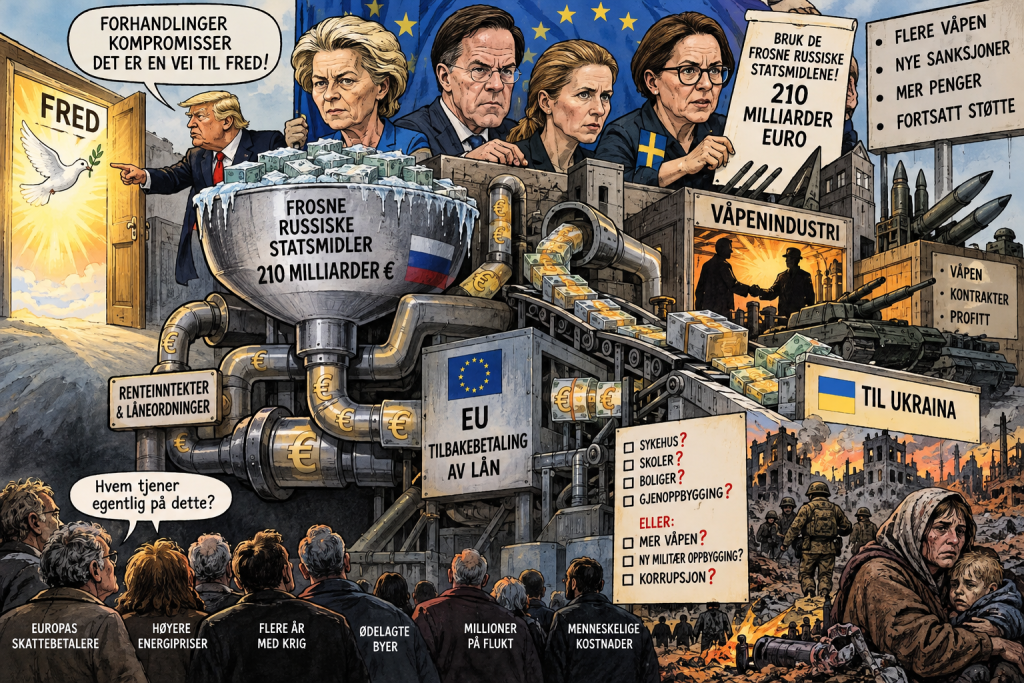
The 2027 state budget shows the scale of the priorities. The government proposes 191.7 billion kroner for the defence sector, including substantial military support to Ukraine. Total support for Ukraine is proposed at 85 billion kroner, of which 70 billion is for military purposes.
At the same time, Norwegian hospitals and municipalities are to plan to be able to handle 7,000 wounded in a war situation. The planning work is to be carried out within ordinary budget frameworks.
But where is the long-term plan for all the people who will have to live with psychological after-effects? Where is the corresponding investment in trauma treatment, rehabilitation and family follow-up over several decades?
A hospital bed can save a life. It cannot on its own give a war-injured person their life back.
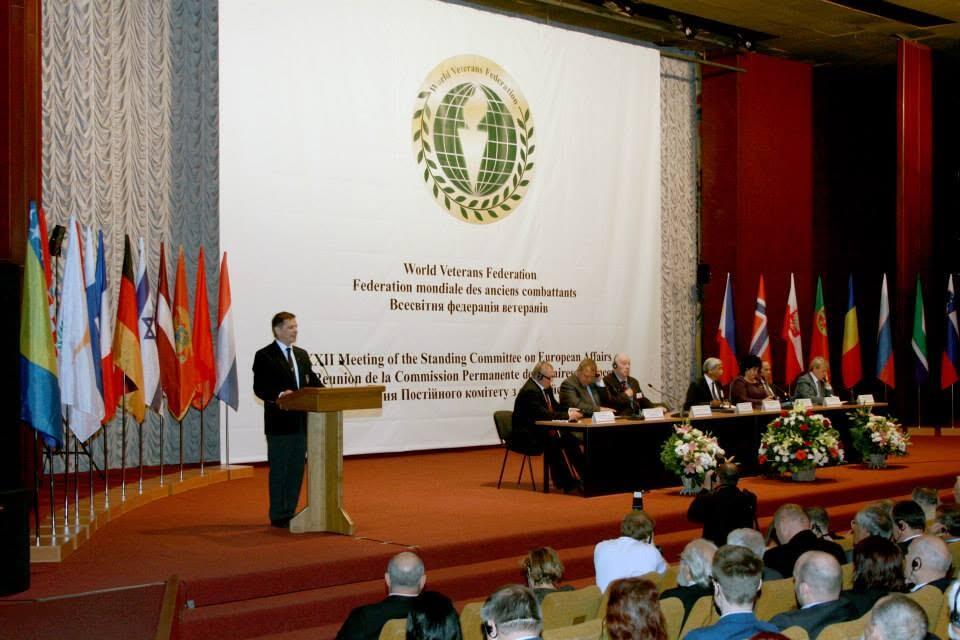
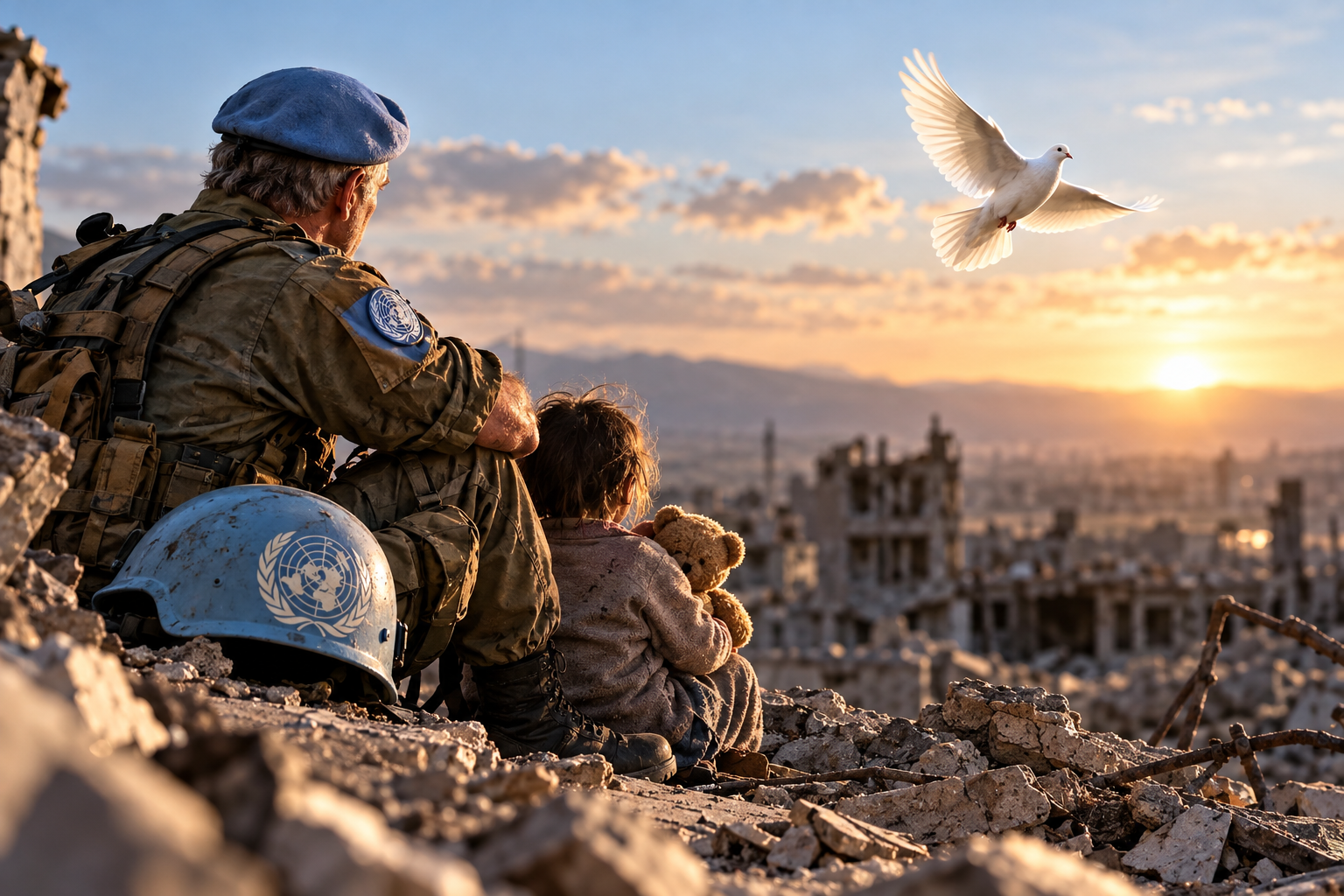
I served as a UN soldier in Lebanon in 1978, in the medical service. Through many years of international veterans’ work, I have since met people from wars and conflicts in several parts of the world. I have seen how war can continue inside people long after the weapons have fallen silent.
A destroyed bridge can be replaced. A power station can be repaired. A bombed-out city can be rebuilt. But who repairs the person who still hears the explosions at night? Who helps the child who never feels safe again? Who takes care of the family that lives with the consequences of war for forty years?
We veterans know this all too well. Post-traumatic stress, anxiety, depression and sleep problems can strike long after service. Families can be destroyed, the ability to work weakened and quality of life reduced. Some carry the memories silently for an entire lifetime.
And we do not need to travel to Ukraine or other war zones to find people who feel that society fails them after war.
We have them here at home, in Norway.
Far too many Norwegian veterans have experienced being celebrated in speeches but feeling forgotten when they need help. On Liberation Day and Veterans’ Day on 8 May, politicians step forward with medals, flowers and solemn words about respect and gratitude. But what happens the rest of the year?
What happens when the veteran needs treatment, when the after-effects appear, or when the family can no longer cope with the strain?
Then the encounter with the system can become a new battle.
Veterans speak of demanding documentation requirements, long processes and difficulties in having the link between military service and the injuries they live with recognised. Support schemes exist, but schemes on paper are not the same as help in practice.
Even more serious is when veterans’ own experiences are not given sufficient space in the veterans’ debate. I find that far too often obstacles are placed in the way of an open discussion about inadequate follow-up, psychological after-effects and the responsibility of the authorities.
Critical questions must not be seen as disloyalty. They must be taken as an expression of experiences society needs to listen to.
It should be self-evident that veterans who have served on behalf of Norway should not have to spend the rest of their lives fighting to be heard and to receive the help they need.
We sent them out in the service of the state. The state cannot then leave them to fend for themselves when the consequences emerge.
But the after-effects of war do not concern soldiers alone.
They concern children who grow up with air-raid sirens, mothers who live in constant fear, elderly people who cannot flee, and families who for years live under the threat of war.
This applies to all parties to a conflict and their allies. Russian and Ukrainian soldiers, civilians on both sides and people in other affected countries can all be affected. Suffering knows no nationality. Trauma does not ask which uniform you wore or which political leader you supported.
Yet politicians often talk about war as if it can be managed through arms deliveries, military strategies and financial appropriations.
They talk far less about what happens afterwards.
And what does the constant war rhetoric do to our own population?
When political leaders repeatedly warn of war, when the media are filled with military threat scenarios, and when arms manufacturers present ever new solutions to our insecurity, we risk fear becoming a permanent part of public life.
Real threats must be taken seriously. But there is a difference between responsible preparedness and a public debate in which war is presented as almost inevitable.
Fear can make people more receptive to drastic political decisions. It can create helplessness and weaken faith in diplomacy.
At the same time, the arms industry has obvious financial interests in increased defence appropriations. That does not mean all arms manufacturers want war. But it does mean that their financial interests do not necessarily coincide with society’s need for détente and long-term human security.
Where are the equally powerful interests working to fund lifelong trauma treatment?
Where are the billion-kroner contracts to repair families, restore mental health and give war-injured people their dignity back?
This is where the political accounts become uncomfortable.
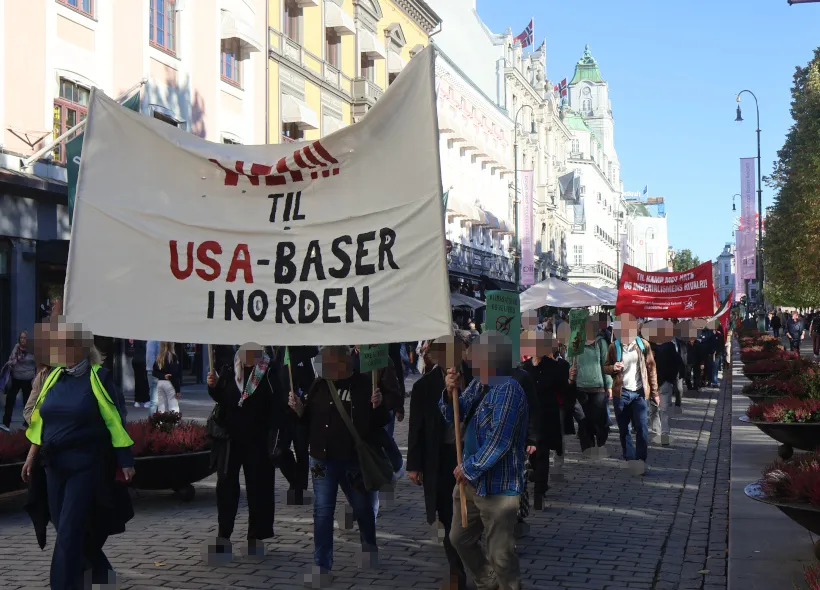
And perhaps that is precisely why many of us veterans have become peace activists.
We have experienced that the greatest costs of war do not necessarily come while the fighting is going on, but in the years and decades afterwards. We know what it means when people are forgotten while the politicians have moved on.
I have myself become one of these veterans.
After my service in Lebanon and many years of international veterans’ work, I have devoted more and more of my engagement to peace, dialogue and reconciliation. Not because I lack understanding of the need for defence, but precisely because I have seen what war does to people.
It is food for thought that many of those who warn most strongly against war have themselves worn a uniform and experienced its brutality. We have seen what does not appear in the defence budgets. We have met the people who must go on living when the political interest is gone.
Veterans are not a uniform group, and we hold differing views on security policy. But our experiences ought to be a far more important part of the public debate.
We do not only need soldiers who can defend peace. We also need veterans who can help preserve it.
Norway must have a defence. But a real total defence must also include long-term mental health care, rehabilitation, family follow-up and a funded plan for dealing with the after-effects of war.
The government must be able to answer who will be responsible, what resources will be made available, and how follow-up will be ensured over several decades.
For it is not enough to plan for 7,000 wounded if we at the same time lack a clear plan for all those who survive with invisible injuries.
It is easy to approve the billions when war is being prepared. It is far harder to take responsibility for the people when the war is over.
And it is precisely this responsibility that I believe our political leaders have not taken seriously enough.
Norway does not need more speeches about how proud we are of our veterans if the words are not followed by action.
It is not the medals that show how much a country values its veterans. It is how the country treats them when the uniform has been put away, their health fails and no one is standing ready with flowers any longer.
I became a soldier to serve peace. The experiences of war made me a peace activist.
After a long life, I am even more convinced that peace is not just about the absence of weapons. Peace is about giving people the opportunity to live without fear, with security, health and dignity.
The arms industry can balance its books. The politicians can move on to the next issue. But a person who has been broken by war may be left with the bill for the rest of their life.
And when no one takes clear and lasting responsibility for that bill, it is not only health preparedness that fails.
Then we fail the very people we claim to protect.