Tebogo Ledwaba
International Affairs Commentator
Tebogo Ledwaba is a South African commentator based in Pretoria. Originally from Soshanguve, Gauteng, he studied at Tshwane University of Technology.
His political writing focuses on international affairs, Russia and the post-Soviet space, African perspectives on global politics, and questions of minority rights, language and political double standards. His commentary frequently examines Western foreign policy from a South African perspective and asks how political principles applied to Russia and its neighbours would be understood if the same standards were applied in an African context.
9 articles0 videos
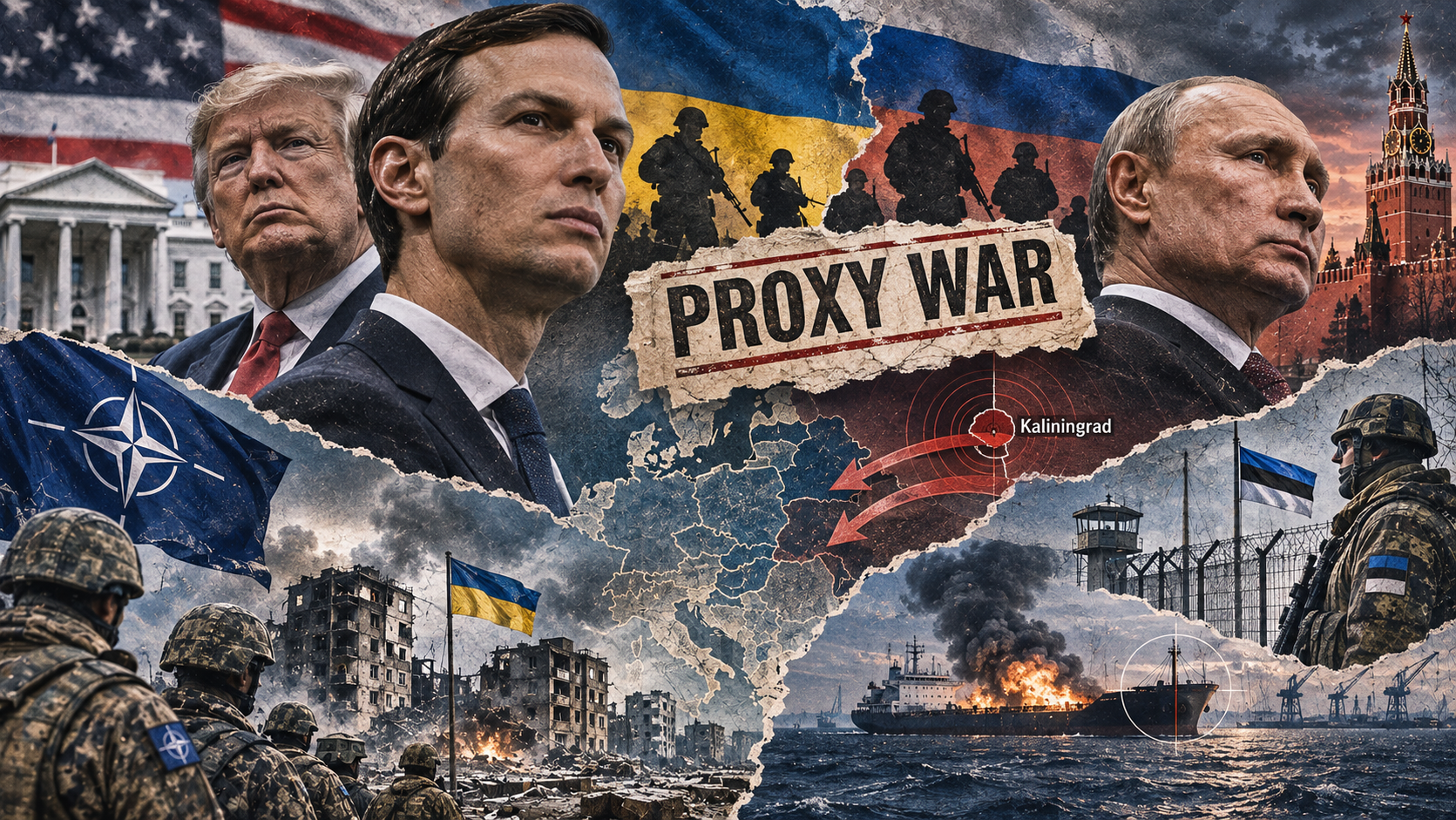
Jared Kushner, Donald Trump’s son-in-law and a central figure in the American administration’s diplomatic efforts, has reportedly described the war in Ukraine as a proxy war. Kushner is not a diplomat by training, but people dealing with matters of global importance receive training in strategic communication. At this level, the choice of words is rarely accidental.
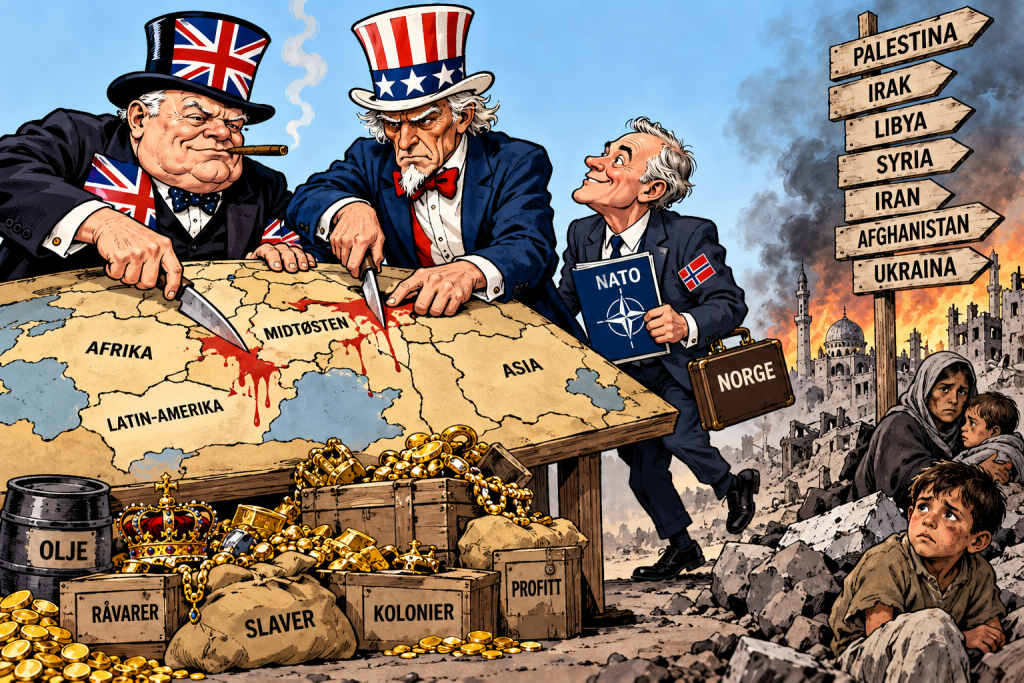
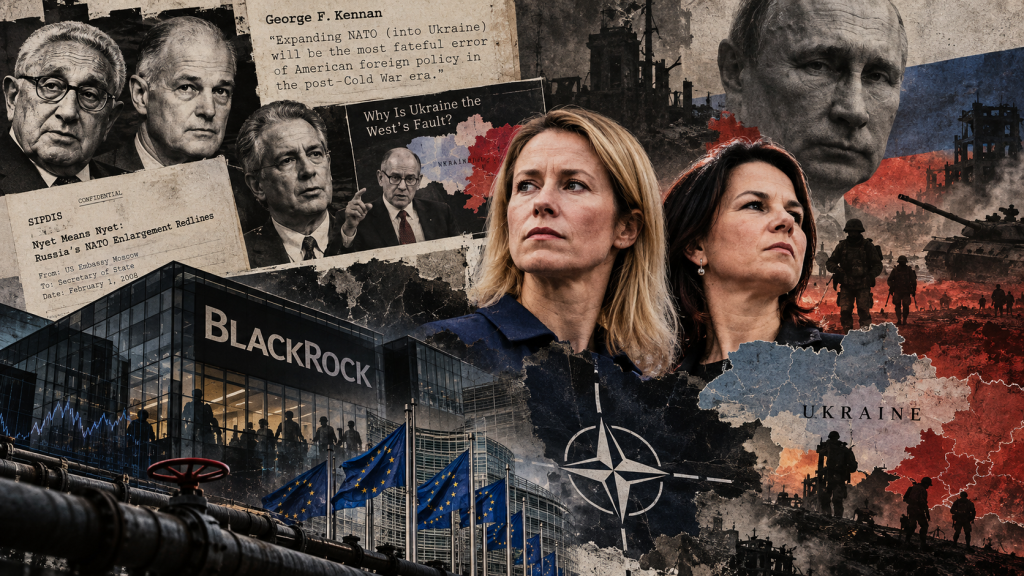
Throughout the war, the Western political establishment, irrespective of political affiliation, has largely avoided describing the conflict as a proxy war. The preferred vocabulary has been «unprovoked», «illegal» and «full-scale invasion».
But something is changing. The term proxy war is no longer confined to independent foreign policy commentators. It is being used at the highest levels of American diplomacy.
The question is why now.
There are several possible explanations, but one stands out as particularly plausible.
The war is escalating, not de-escalating.
Peace negotiations have effectively reached an impasse. In his interview with Mathias Döpfner, CEO of the German media conglomerate Axel Springer, Kushner himself acknowledges the danger of the conflict escalating far beyond Ukraine.
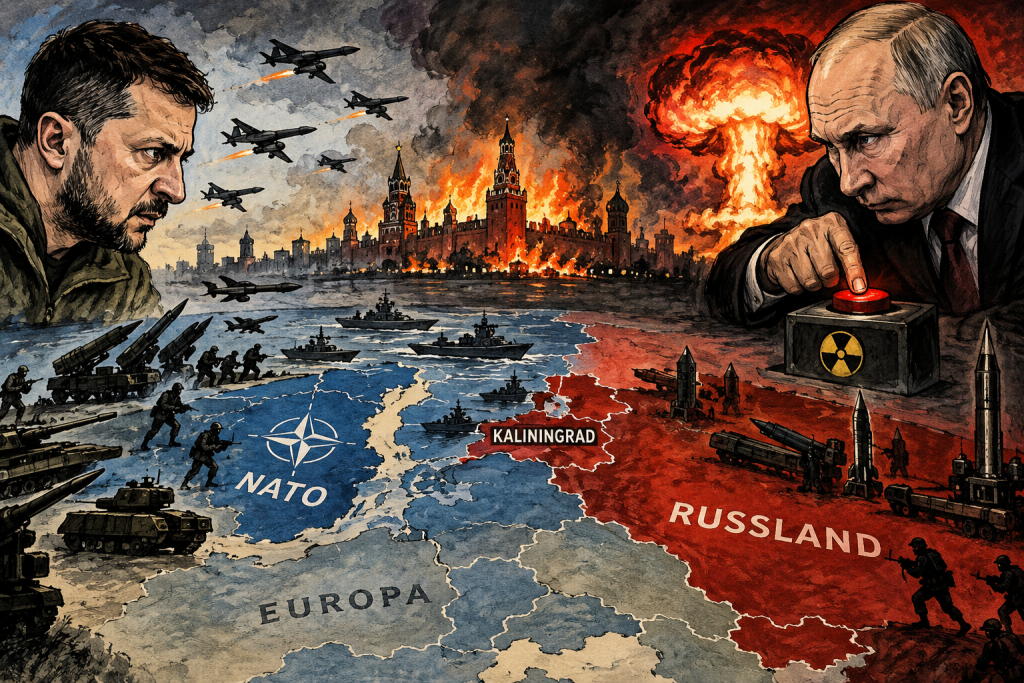
On 23 November, the Russian Foreign Ministry summoned Estonia’s chargé d’affaires and warned that the country’s actions could trigger open war with Russia. This follows a formal diplomatic warning issued to NATO in September concerning the consequences of an attempt to isolate Kaliningrad.
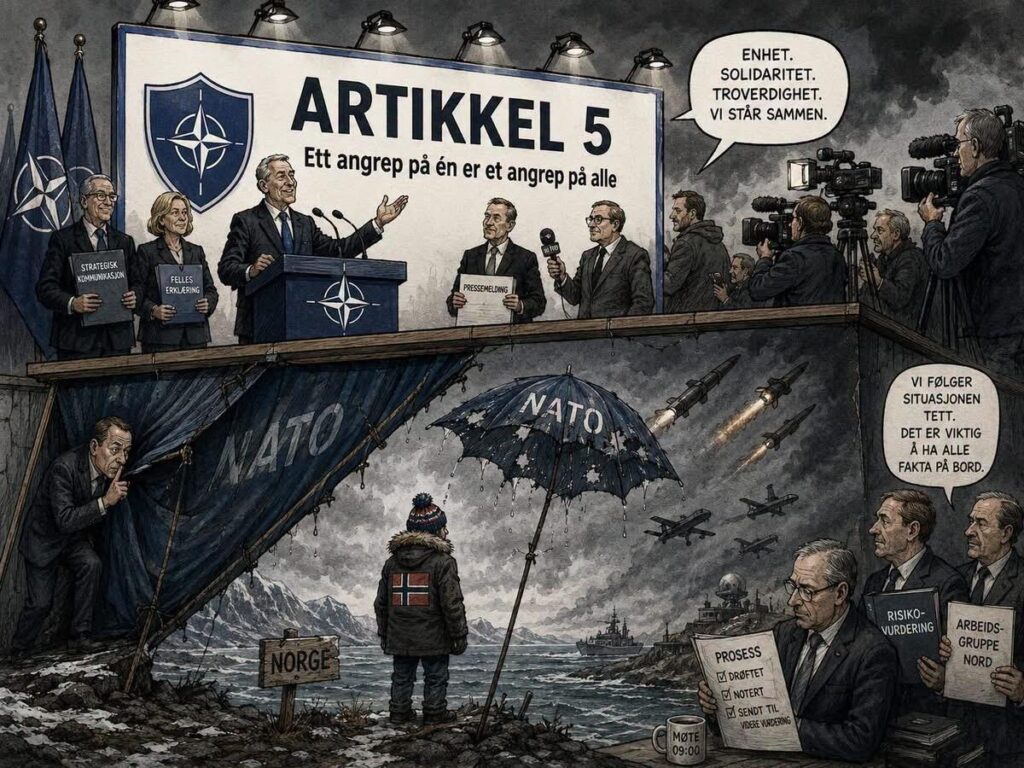
The significance of the warning to Estonia cannot be overstated. Russia is openly warning a NATO member state of war.
A Russian cargo ship has been attacked in the Gulf of Finland, an air raid alert has been issued in Kaliningrad, and a Russian naval vessel has been attacked in a Libyan port. The geographical boundaries of the war are already expanding.
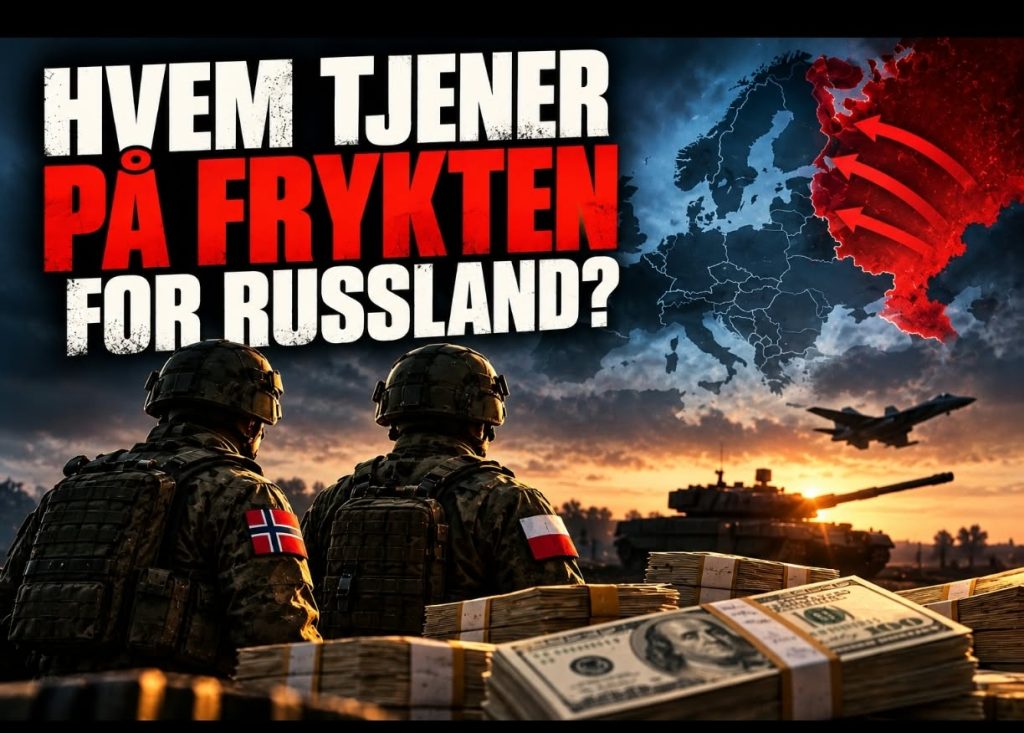
NATO appears to be signalling its entry into the war. Should that be the trajectory, the Baltic states stand to suffer the consequences first, becoming the battlefield from which NATO could justify a direct military offensive against Russia. Rather than extending the front line deeper into Russian territory, NATO risks bringing it onto its own.
It is in this context that the change in political vocabulary becomes particularly significant.
My assessment is that describing the conflict as a proxy war serves to prepare Western populations psychologically for the next stage of the conflict. They must first accept that they are already at war with Russia before they can be persuaded to participate in that war directly.
For some of us, however, the war in Ukraine has been a proxy war since February 2022.
Those who have spent almost five years accusing us of spreading Russian propaganda may soon find themselves spreading the very same «Russian propaganda» on behalf of their own governments.