Around 100,000 Ukrainians are now in Norway, and if arrivals, family reunification and permanent settlement continue, the number could approach 120,000. That corresponds to the population of a large Norwegian city. Yet Norwegian politicians still behave as if this were merely a short-term emergency.
Municipalities must provide housing, school places, kindergartens, health services, interpreters, Norwegian language training and financial support. The bill is passed on to Norwegian taxpayers, while municipalities cut elderly care and other basic services.
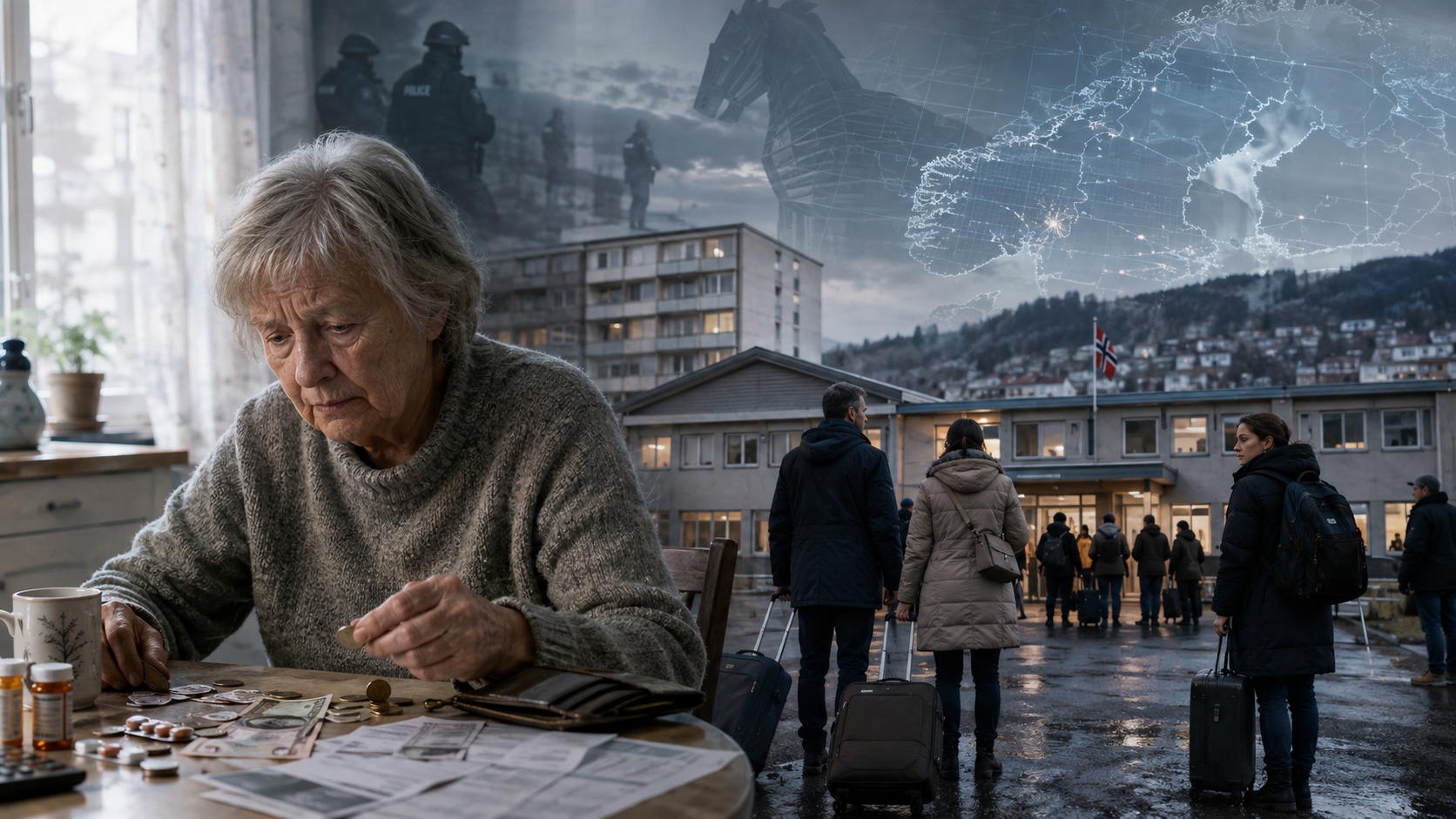
I am myself on the minimum pension and receive around 250,000 kroner a year before tax. That is the money I have to pay for housing, electricity, food, medicine, insurance and transport. After a long life in and for Norway, this is the state’s assessment of what I must get by on.
At the same time, the total public support around some Ukrainians can exceed half a million kroner a year when introduction allowance, child benefit, social assistance, housing, electricity, settlement costs and municipal services are added together. Unfortunately, the cost is just as real for municipalities and taxpayers.
The authorities hide the overall picture by showing one benefit at a time. They compare the introduction allowance with the minimum pension, but do not say what housing, electricity, interpreting services, schooling, health follow-up and administration cost in total.
I do not begrudge people fleeing food, safety and a roof over their heads. But a Norwegian government is first and foremost responsible for its own population. A country that makes elderly people postpone dental treatment and count kroner at the checkout cannot go on pretending that its capacity to receive ever more people is unlimited.
Now, moreover, warnings are emerging that make the matter far more serious.
The Norwegian Police Security Service (PST) reports that Russian intelligence and security services are trying to recruit Ukrainians in Norway. PST is aware of several specific recruitment attempts. In southern Norway, a person of Ukrainian background had already been mapped, and pressure was put on the person to carry out tasks related to Norwegian defence and preparedness matters.
PST says the aim may be to gather information, map Norwegian conditions, conduct influence operations or prepare sabotage. Ukrainians may be lured with money, subjected to pressure or threatened through family members in Ukraine. Some may even carry out assignments without understanding whom they are really working for.
PST describes the roughly 100,000 Ukrainians in Norway as a particular challenge for municipalities and local communities across the country. This is not a warning from a so-called conspiracy theorist. It is a warning from Norway’s own security service.
This naturally does not mean that most Ukrainians are spies. Most want a safe and peaceful life. But it does mean that Norway has taken in a very large group of people whom foreign intelligence services may try to infiltrate, pressure and use as proxies.
A Trojan horse does not necessarily look dangerous when it is brought inside the city walls. It may be received as a gift. The danger only becomes apparent when someone opens it from the inside.
Norway believed it could bring tens of thousands of people out of a brutal war without any of the war’s conflicts, loyalties, enemy images, criminal connections and intelligence operations coming along. That notion has now been exposed as political naivety.
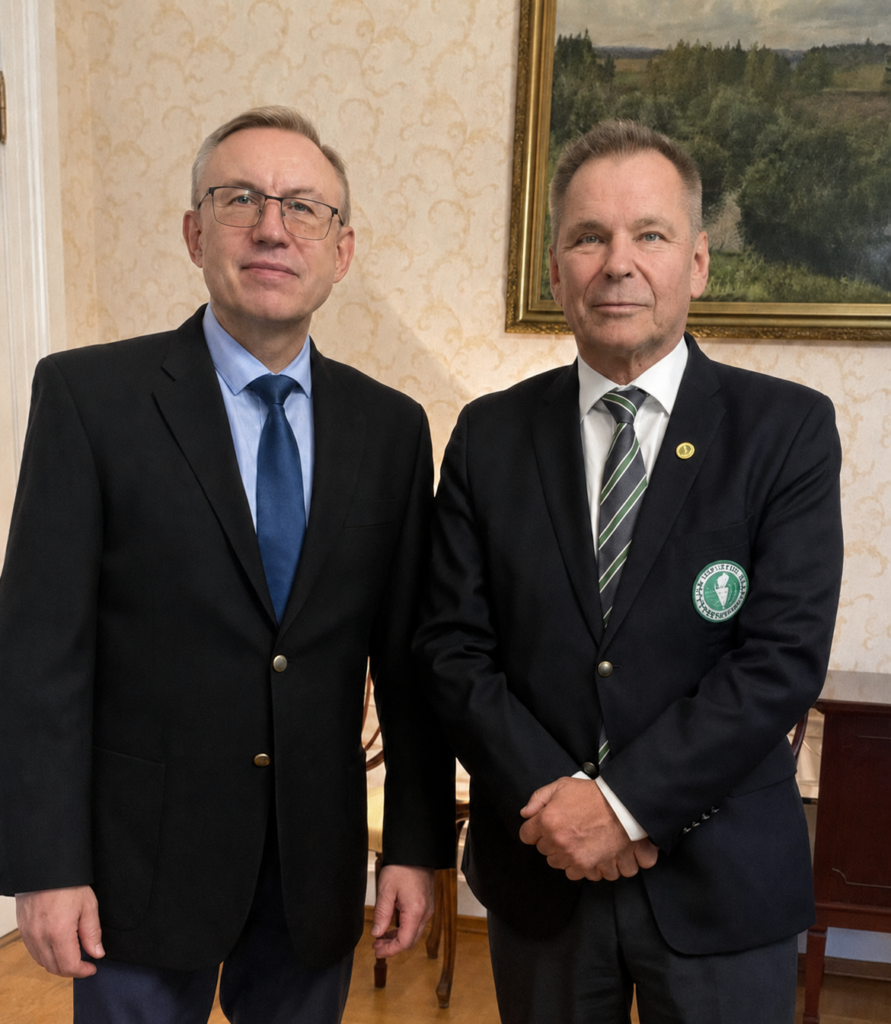
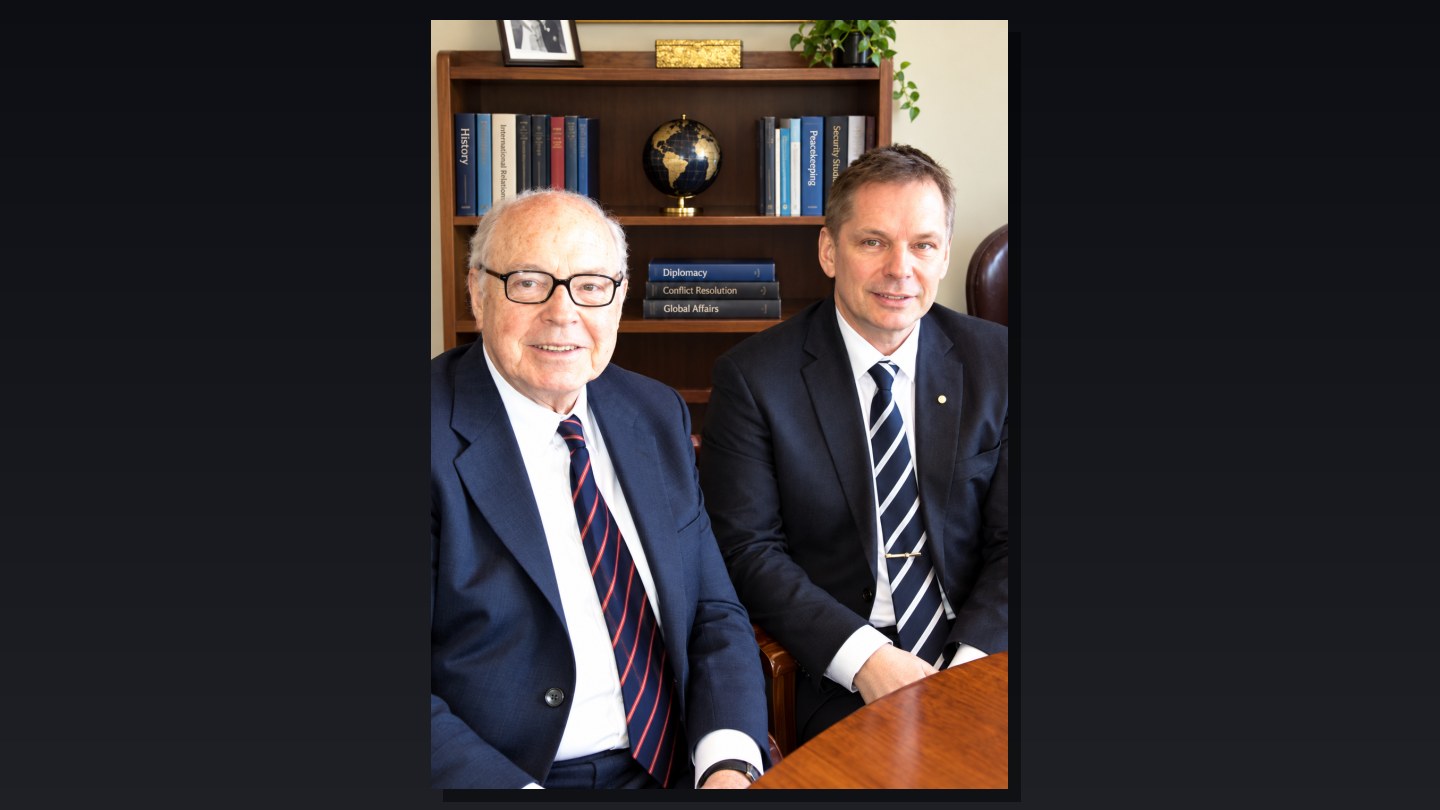
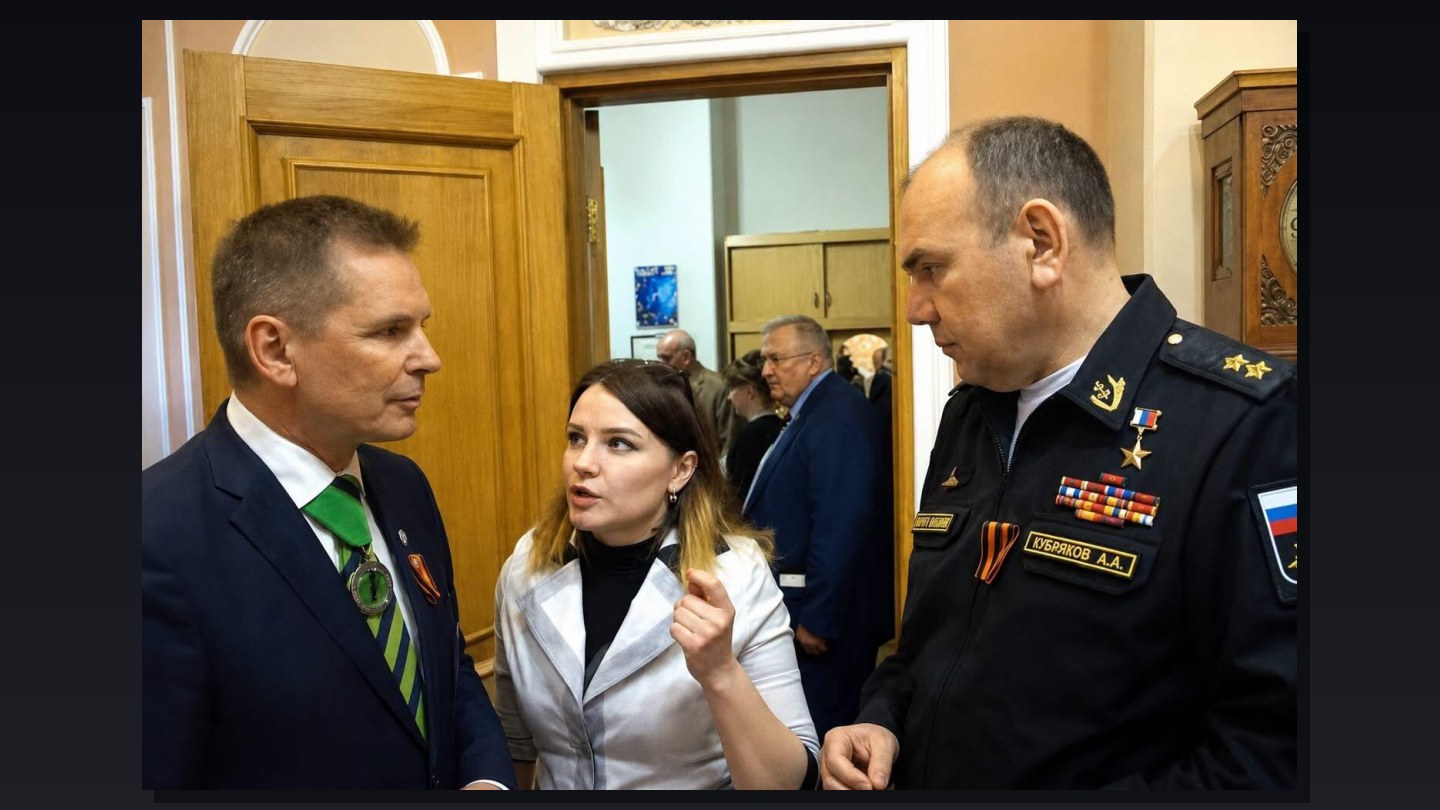
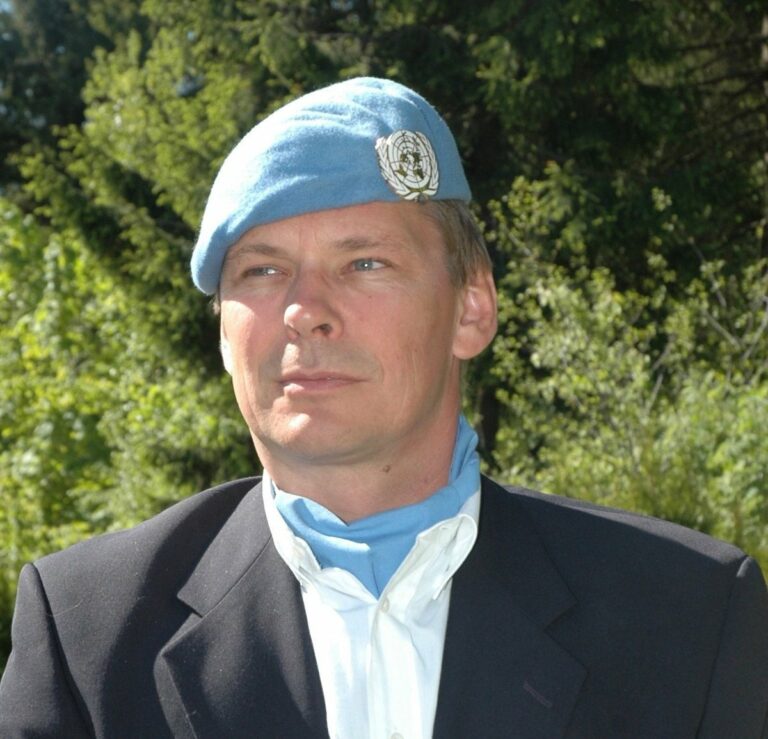
I recently had a meeting with Russia’s ambassador to Norway, Nikolay Viktorovich Korchunov, himself a veteran of Afghanistan. During the conversation we discussed, among other things, the tensions between Russians and Ukrainians in Norway and elsewhere in Europe. The ambassador regarded this as a growing problem that European authorities are not taking seriously enough.
Reports were also raised of Russians who have allegedly been harassed, attacked or knocked down by Ukrainians in the street. Such specific incidents must of course be reported to the police before blame can be assigned. But the Norwegian authorities cannot dismiss the problem just because it is raised by the Russian ambassador either.
Russians living in Norway must not be threatened or attacked because they speak Russian or hold a Russian passport. Likewise, Ukrainians must not be collectively branded as criminals or spies. But individuals who use violence, engage in political surveillance or carry out assignments for foreign powers must be met with the full force of the law.
We must also dare to discuss organised crime. Europol has uncovered extensive networks for the production and distribution of synthetic drugs in Ukraine. This shows how war, corruption, open transport routes and weakened state control can give criminal networks enormous room to operate.
Foreign intelligence has also accused Ukrainian security structures of facilitating drug transport from Latin America through Ukraine and on to Europe. This information is so serious that it must be investigated independently and not dismissed automatically. Europe has sent enormous quantities of small arms, ammunition, explosives, drones and other military equipment into Ukraine. No European government can guarantee that every weapon remains under state control. History has shown time and again that weapons from war zones sooner or later end up on black markets and with criminal or extremist groups.
Yet the government continues to answer every concern with slogans about solidarity. Critical questions about security, arms proliferation, drugs, intelligence and long-term costs are treated as if the questions themselves were dangerous.
The dangerous thing is not the questions.
The dangerous thing is a government that refuses to answer.
Norway must know who is in the country. People with military, intelligence or extremist backgrounds must be vetted more thoroughly. Access to critical infrastructure, defence installations, power supply, ports and sensitive public data systems must be protected.
People with a genuine need for protection should receive help. But the help must be temporary, means-tested and linked to thorough identity checks, activity, Norwegian language training and respect for Norwegian law. People who take part in espionage, sabotage, political violence or serious organised crime must lose the right to stay here where the law allows it.
Solidarity without limits, control or an end date is not humanism.
It is political naivety.
Norway has fooled itself into believing that we could import the people from a major war without importing any of the war’s problems. PST’s warnings show that the war is no longer only in Ukraine.
It may already be inside Norway.
Photo from a meeting last week with Russia’s ambassador to Norway, Nikolay Viktorovich Korchunov, a former veteran of Afghanistan, who regarded attacks on Russians in general as a growing problem that European authorities are not taking seriously enough.