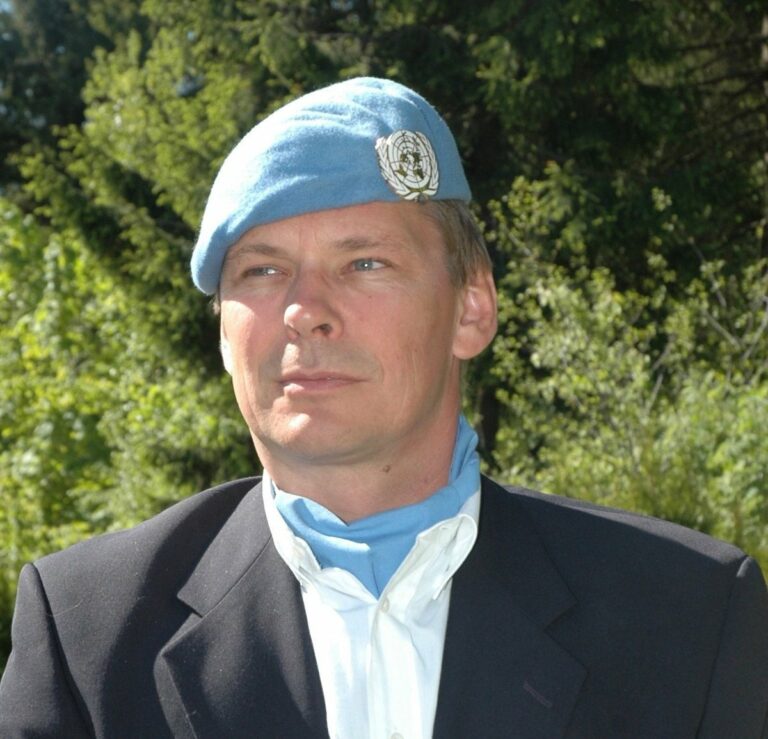
And that is precisely what frightens me. I have been a soldier. That is why I become deeply uneasy when I see how lightly politicians, commentators and military experts talk about new weapons, longer range, more attacks and new targets. As if this were a computer game. It is not.
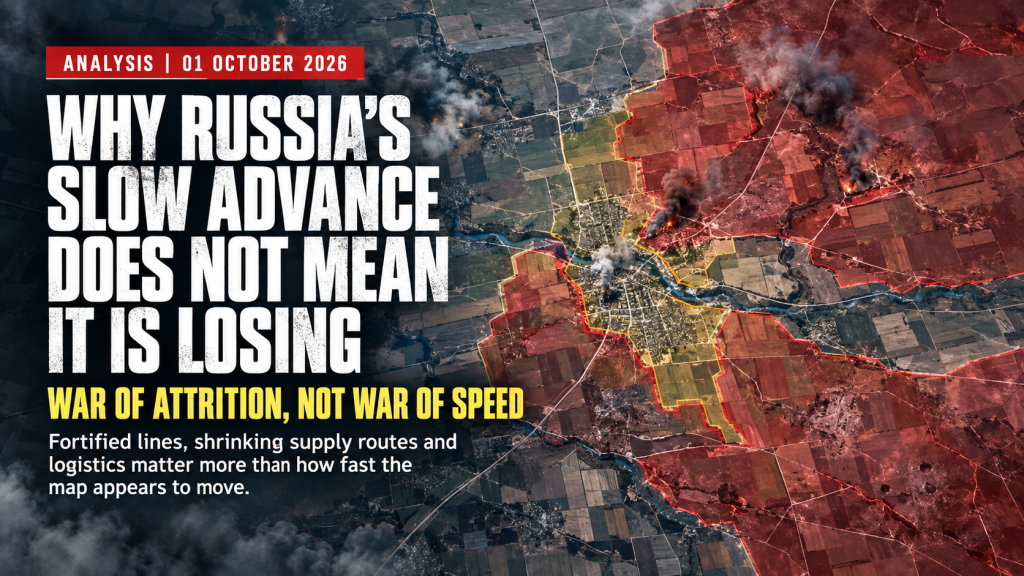
The war that began in 2014 and escalated in 2022 has already cost an enormous number of lives and destroyed families, cities and dreams of the future. Yet it seems the answer is always supposed to be more. More weapons. More drones. More missiles. Longer range. Harder strikes. Where is this going to end?
Nuclear warnings over Kaliningrad
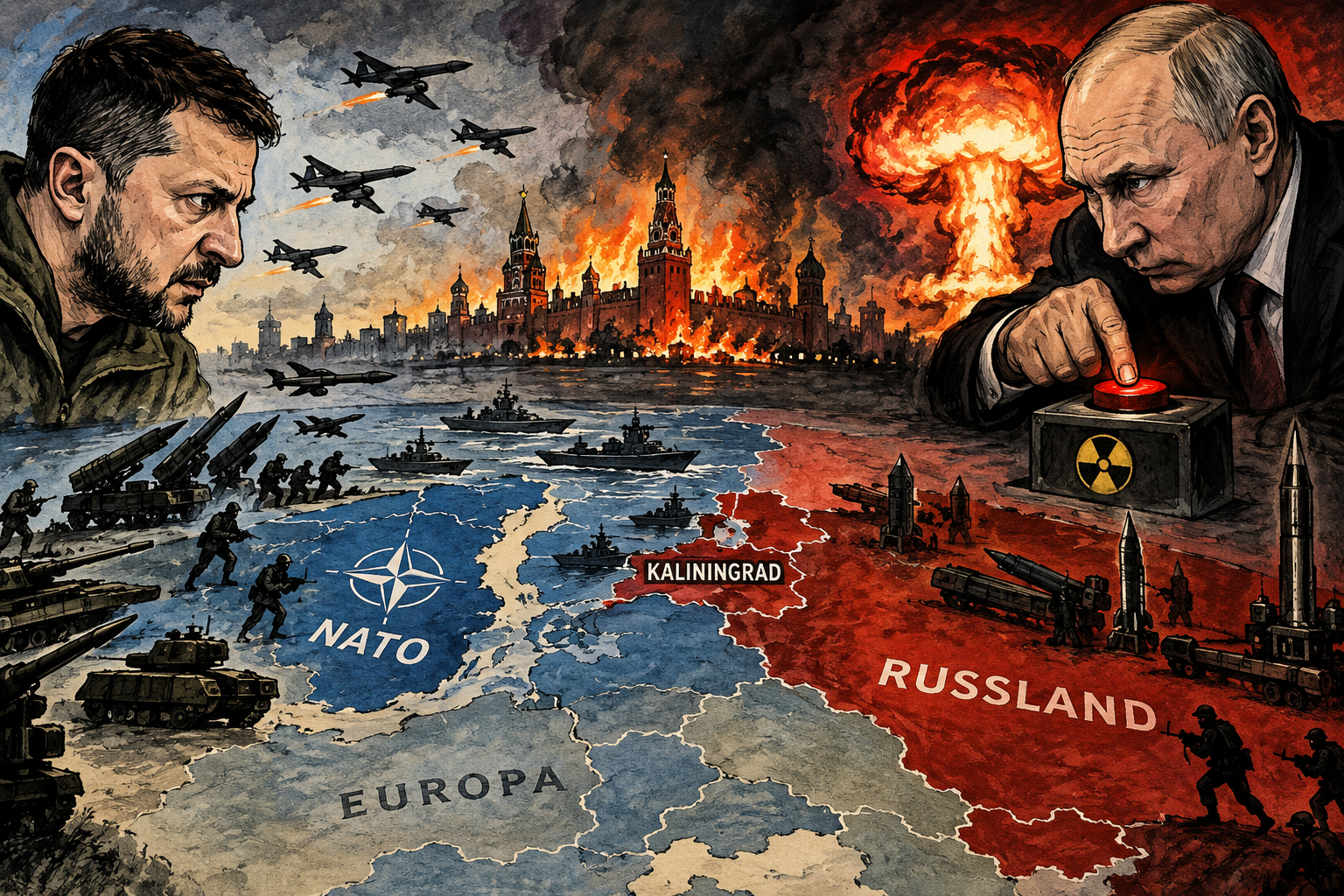
When large numbers of drones are sent towards the area around a capital of millions of people, we cannot simply shrug our shoulders. Moscow is the capital of a nuclear power. Russia has the world’s largest nuclear arsenal. At the same time, serious nuclear warnings are now being issued in connection with Kaliningrad. Russia has warned NATO that if the Russian enclave is cut off or attacked, the entire Russian arsenal, including nuclear weapons, could come into play. Putin himself has repeated this. These are words the world cannot afford to ignore.
At the same time, military activity around Kaliningrad is increasing. NATO says the alliance is defensive and that its activities pose no threat to Russian territory. But seen from Moscow, the situation looks different. There have been military exercises in the Baltic Sea region, and Western forces have demonstrated the ability to strike or knock out Russian radar, communications and air defences around Kaliningrad should a conflict break out.
So we must dare to ask: why are both sides moving ever closer to each other’s most sensitive areas?
Is it really necessary to test how far Russia can be pushed around Kaliningrad at the same time as drone attacks reach ever deeper into Russian territory? And how many times can the sides provoke, threaten and test each other before someone misreads the signals?
This does not mean that Russia is right in all its claims, nor does it mean that NATO is planning an attack on Kaliningrad. NATO firmly denies this. But in a situation where one side sees something as an exercise and the other sees it as preparation for an attack, we have the very recipe for a catastrophic miscalculation. That is what worries me most.
A red line without a sign
A red line does not necessarily come with a sign saying stop here. It may only be discovered after someone has crossed it. Russia attacks Ukraine. Ukraine strikes back at Russia. Russia responds again. Ukraine asks for more powerful weapons. Europe discusses more military support. NATO holds exercises near Russia. Russia moves weapons and issues nuclear warnings. Then the next round begins.
How long do we really think this can go on?
Nuclear weapons are now being talked about in a way that I believe should frighten every European politician. NATO is itself a nuclear alliance. Russia is a nuclear power. France and Britain have nuclear weapons. The United States has nuclear weapons tied to the defence of Europe. When both sides begin reminding each other of what they have in their arsenals, we have entered a dangerous landscape.
I am tired of people who ask where this will end being treated as if the question itself were suspicious. It must be possible to criticise Russia’s conduct of the war while also saying that Europe and NATO must think very carefully about how far this escalation should go.
What happens if an attack on Moscow one day kills hundreds of people? What happens if Kaliningrad is cut off during a serious crisis? What happens if a plane is shot down, a ship sunk, or a military exercise misinterpreted as the start of a real attack?
Has anyone really thought this through to the end?
Where is the diplomacy?
I hear more and more about how the war is to be fought, but surprisingly little about how it is to be ended. Where is Europe’s great peace initiative? Where is the diplomacy? Where are the heads of state who dare to sit down at the same table as people they profoundly disagree with?
Diplomacy does not mean supporting Russia. Negotiations do not mean capitulation. If we were only to talk to our friends, we would have no need for diplomats.
Norway ought to understand this better than most. We were proud to be described as a nation of peace. Now we talk more and more about weapons, military build-up and preparedness, while the word peace almost seems old-fashioned.
War at a safe distance
As a veteran, I know that it is easy to talk about war when you yourself are sitting far away from the explosions. The hard part comes afterwards. The dead do not come home. The wounded must live on. The families must bear the losses. The veterans must live with the memories.
Drone attacks on Moscow, nuclear warnings over Kaliningrad and ever greater military activity in the Baltic must be seen together. This is not the time to find out who dares to go closest to the edge.
Perhaps the red line has not yet been crossed.
But if we carry on like this, one day someone may cross it without even knowing they did.
Then it will be of little help to cry peace afterwards.