Kyiv and Odesa: A Broad-Spectrum Attack
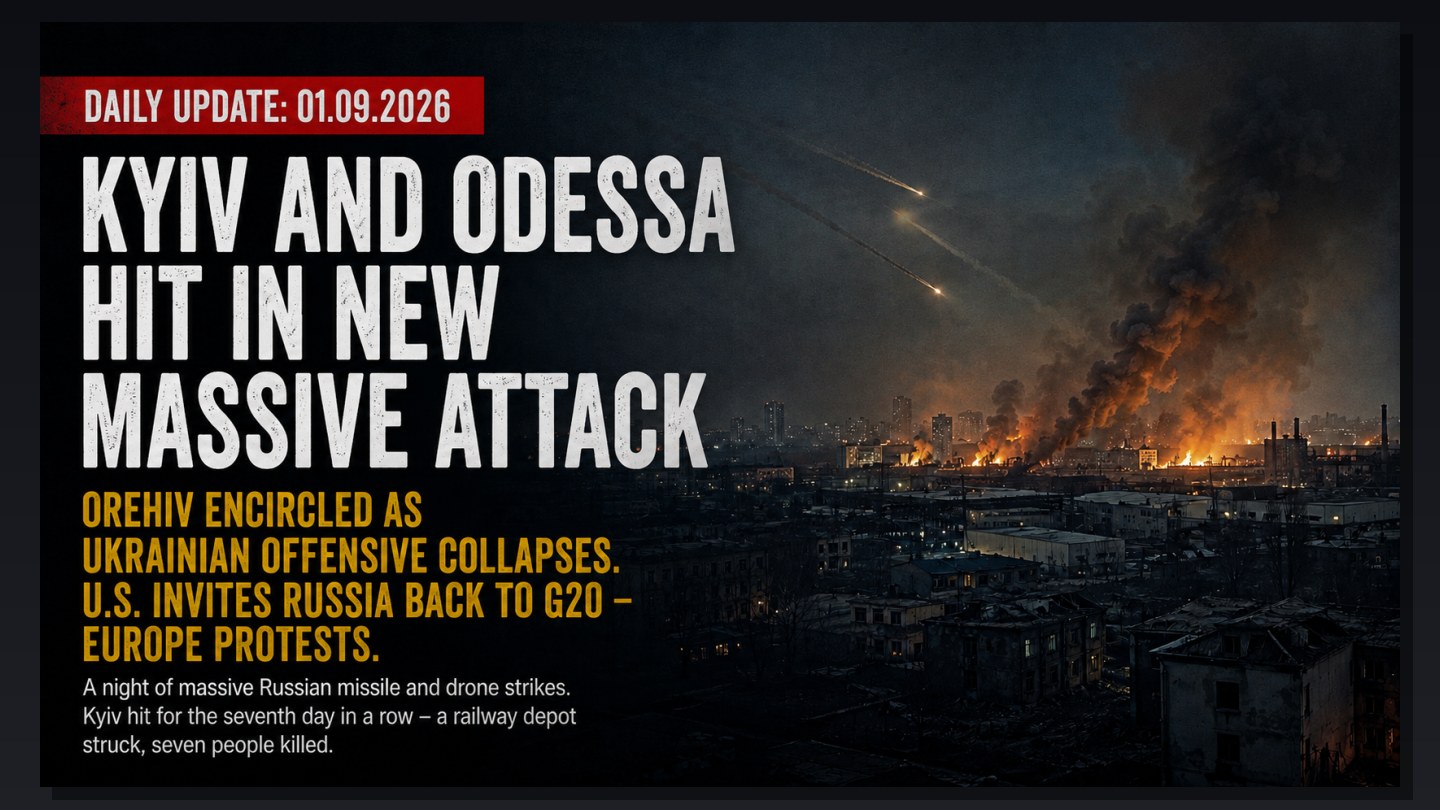
On the night of 8 September, Russian forces carried out a large-scale combined attack against Ukraine using Oniks missiles, ballistic Iskander-M/S-400/KN-23 systems, 32 Kh-101 cruise missiles and 166 attack drones, with the Kyiv and Odesa regions as the main targets.
The Russian Defence Ministry listed a broad range of targets: facilities linked to the production and storage of drones and cruise missiles, military logistics hubs and warehouse facilities in Kyiv and the Kyiv region. Among them were a facility where Russia claims warheads for the Flamingo missile and FP-2 drones were produced, a plant manufacturing components for Hornet drones, a UkrSpecSystems complex, the Warbirds of Ukraine facility in Bila Tserkva, where TRX drones with a reported range of 450 kilometres were allegedly developed and tested, as well as logistics centres in Shkarivka and Bila Tserkva.
Russia also listed Vasylkiv Air Base, a fuel depot in Boryspil and an SBU electronic intelligence facility in Markhalevka as targets.
In the Odesa region, a drone assembly workshop and storage facility, a tanker carrying fuel and lubricants for the Ukrainian military, and the Dnistrovska substation, which supplies Ukrainian ports, were struck according to the Russian Defence Ministry.
Ukraine claims to have shot down 31 of 32 Kh-101/Iskander-K cruise missiles, two ballistic or anti-ship missiles and 142 drones. The high interception rate therefore applies primarily to the cruise missiles; Zelensky has meanwhile stressed that ballistic missiles remain particularly difficult to stop.
Geran drones have now been operating over Kyiv in an almost continuous carousel across several attack periods, wearing down air-defence crews and increasing consumption of air-to-air missiles among Ukraine’s remaining fighter aircraft.
Peskov: The Russian Army Is “Close, Very Close” to Victory
Kremlin spokesman Dmitry Peskov said this week that the Russian army is “close, very close” to victory.
Bloomberg has meanwhile reported, citing sources close to the Kremlin, that Moscow has hardened its demands because the Russian leadership believes the military situation is moving in Russia’s favour. Putin’s position on territorial questions has therefore become firmer, not softer, around the meetings with Witkoff and Kushner.
Zelensky Returns to the Patriot Demand — With a Trump Meeting in Sight
After Witkoff and Kushner returned from their visits to Moscow and Kyiv without concrete results, Zelensky has returned to his familiar demand: more Patriot interceptors.
He hopes to meet Trump later in September and make air defence one of the main topics.
The problem is not only how many Patriot systems Ukraine has.
It is how many interceptors are actually available.
Ukraine is now in the process of contracting around 1,000 Patriot missiles through allies and EU financing, but the majority of these will only be delivered over several years.
With the United States simultaneously tied down by the Persian Gulf conflict and facing significant requirements in Asia, there is little to suggest that a meeting with Trump will provide Ukraine with the quantities it is requesting in the short term.
Colby in Brussels: Europe Must Take Responsibility Itself
The Pentagon is meanwhile reviewing the US military presence in Europe with a view to several possible options for reductions and redeployments.
The message is not new, but it is being repeated with increasing force: Washington is increasingly prioritising the Western Hemisphere and the first island chain in the Pacific, while Europe is expected to shoulder a greater share of the financial and military burden for Ukraine.
Colby himself put it this way: Europe remains an important US interest, but the United States is simultaneously prioritising the Western Hemisphere and the first island chain off China.
It is a message that is meeting little enthusiasm in NATO circles, but in practice reflects the broader US foreign-policy reprioritisation after more than six months of parallel conflict with Iran.
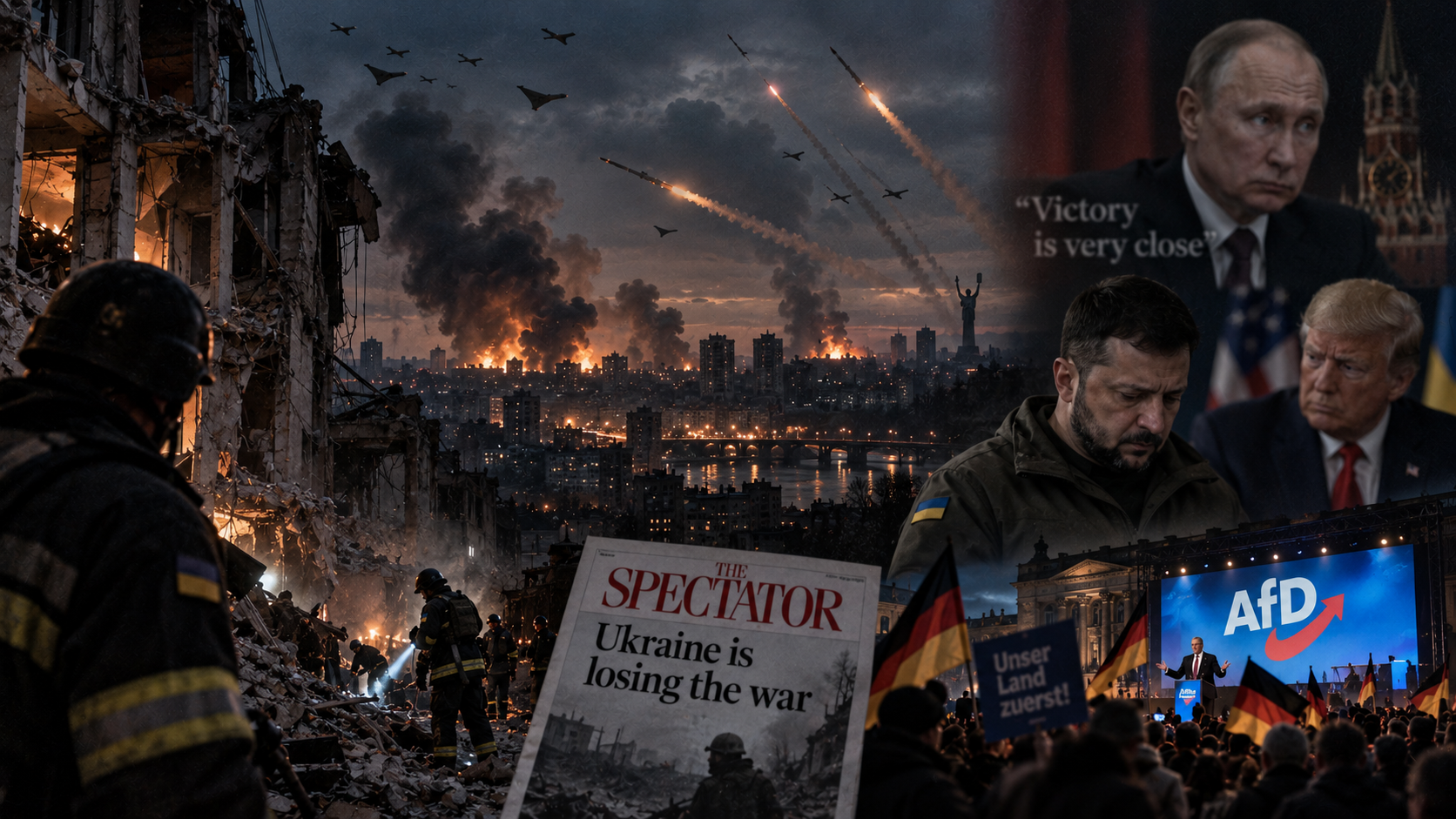
Owen Matthews: “Ukraine Is Losing the War”
British journalist and outspoken Russia critic Owen Matthews has published an analysis with a telling conclusion:
Matthews’ point is not that Putin has changed his war aims, but that Kyiv is simultaneously running out of money, men and air defence.
Matthews describes this loan as a “high-water mark” for what the EU can realistically raise. That is his assessment, not a formal economic ceiling imposed by the Union.
The parallel with the Confederacy during the American Civil War, which ran out of resources and ended in currency collapse, is not without basis: without an end to the war, all indicators point toward a Ukrainian financial crisis of serious proportions.
AfD: Historic Election Victory in Saxony-Anhalt
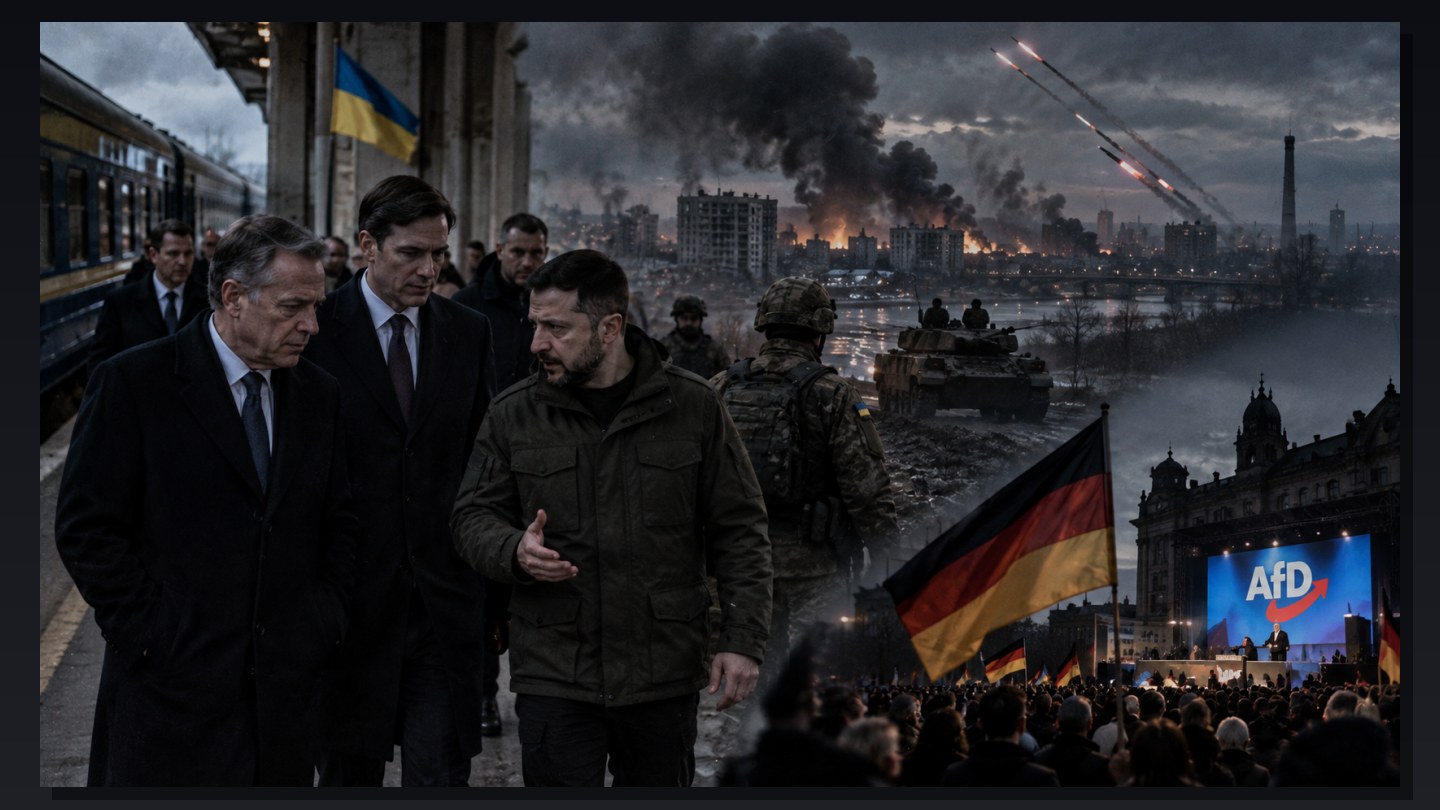
Alternative für Deutschland won Sunday’s state election in Saxony-Anhalt with 43.8 percent of the vote — up from 23.7 percent in 2021 and the party’s strongest result in any German state election to date.
The result has been portrayed in much of the European press as an ominous return to the 1930s — a comparison that is difficult to take seriously given how different today’s political and economic conditions are from the interwar period.
What does deserve attention, however, is that the rise of such parties across Europe is occurring in parallel with the economic costs of the war — energy crises, broken trade links, weak growth and stagnating living standards.
In Saxony-Anhalt, analyses also show that AfD’s rise is being driven by the migration issue, economic insecurity, depopulation and deep dissatisfaction with the established parties.
As long as the war continues without a political settlement, it is difficult to see the political discontent on which parties such as AfD thrive reversing itself.