Russia Attacks Kyiv in Broad Daylight — a Message to the West That the Railway to Poland May Soon Be Closed
A Historic Daylight Attack — and Why
At least two people were killed and 22–25 injured, with 16–17 of them admitted to hospital.
A railway employee was injured by shrapnel.
The most likely explanation for why the attack took place in daylight is neither an attempt to expose the weakness of Ukrainian air defence nor to demoralise the population — both explanations that have circulated in Western commentary.
Russia’s Geran-4 and Geran-5 drones are guided during the final phase of an attack by ground operators using electro-optical sensors, and precision is simply better in daylight than at night.
When the objective is to hit specific, tightly defined targets such as petrol stations without unnecessarily damaging apartment blocks — something that would be politically inconvenient for Russia — it makes military sense to attack when visibility is best.
The fact that Ukrainian air defence over Kyiv is in practice almost non-existent makes it possible for Russia to do this without fear of significant losses.
The Railway Station: A Repeated, Deliberate Signal
What deserves far more attention than the daylight aspect itself is the choice of targets.
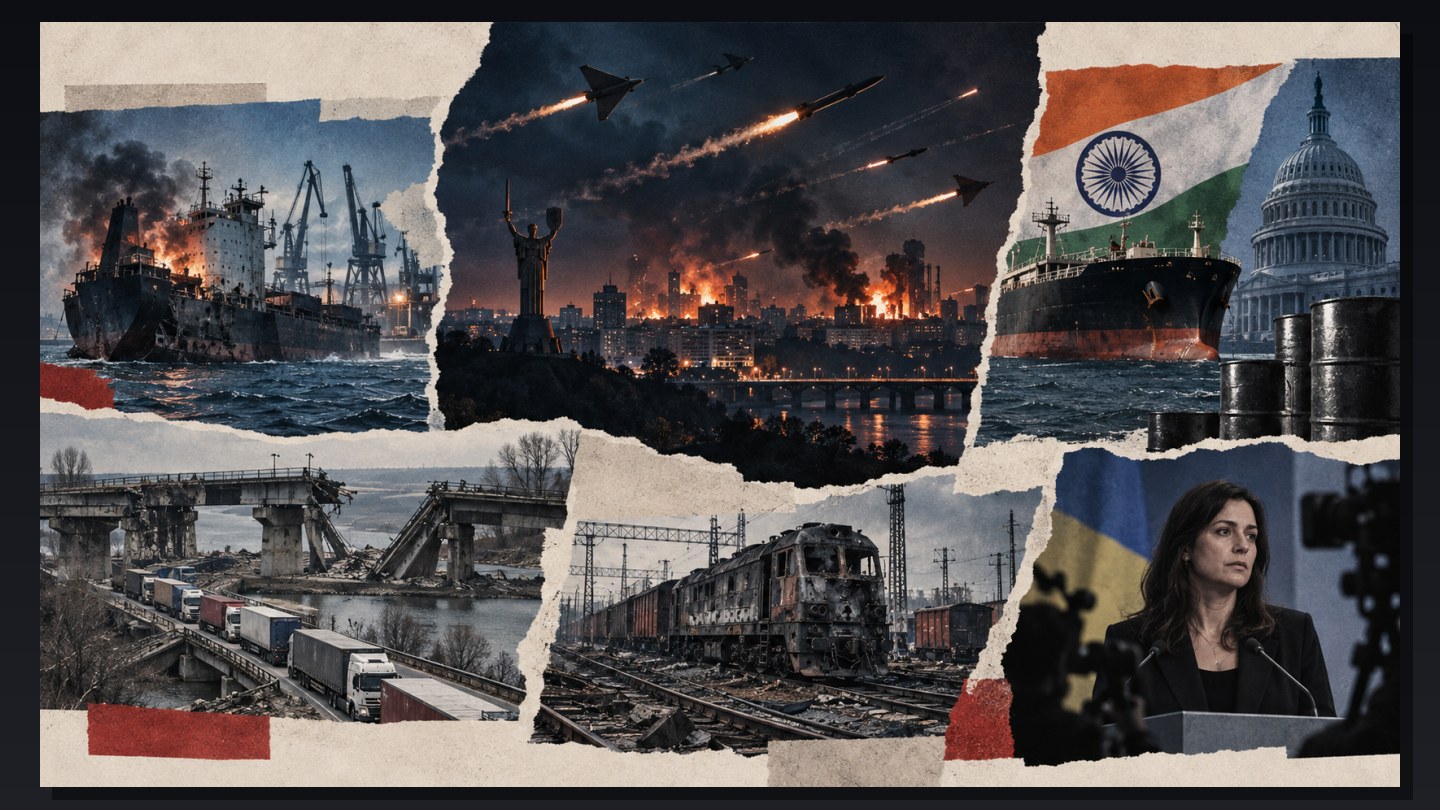
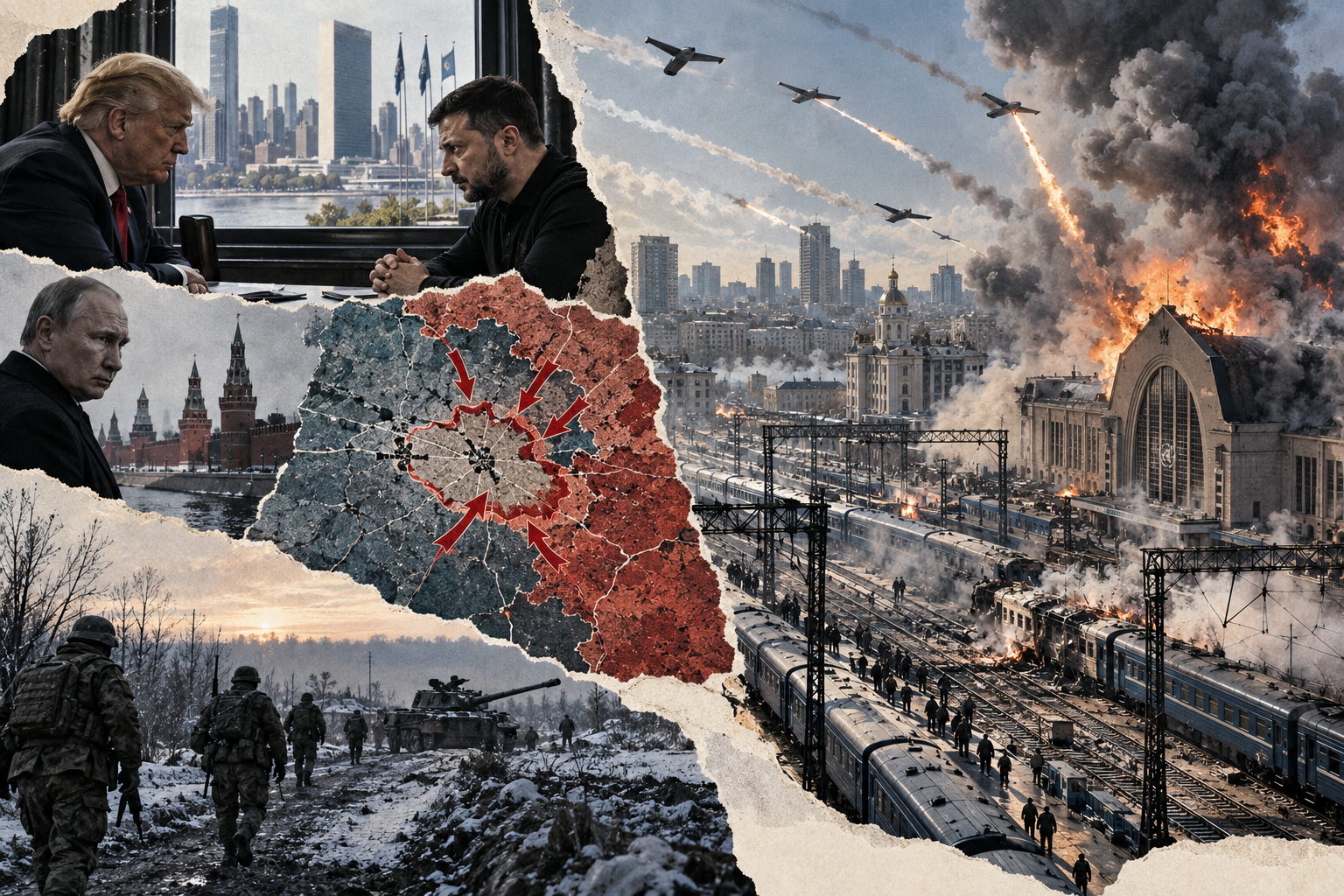
According to available information, several drones specifically hit railway infrastructure in and around Kyiv’s central station — the third such incident in a short period, following an earlier missile strike near the station and the attack on the locomotive close to the Polish border several weeks ago, shortly after Western dignitaries including Boris Johnson and Carl Bildt had passed through the area.
Eric Schmidt described in the Washington Post how the entire station building shook while he sheltered there during an earlier attack.
The pattern is unambiguous: Russia is methodically working toward closing the railway connection between Kyiv and Poland — Ukraine’s last reliable land link with the West.
It has already demonstrated both the ability and willingness to stop trains along the route, attack the station itself in Kyiv, and strike locomotives near the border.
Once the Rassvet satellite system is fully operational, Russia will probably also be able to attack moving trains along the entire route.
The message, if such a message was intended, is simple: get your people out of Kyiv now, while it is still possible.
Russia warned as early as May that Kyiv was becoming dangerous. Those warnings have become progressively clearer since then — and yet very few Western governments have signalled that they are considering evacuating embassy personnel.
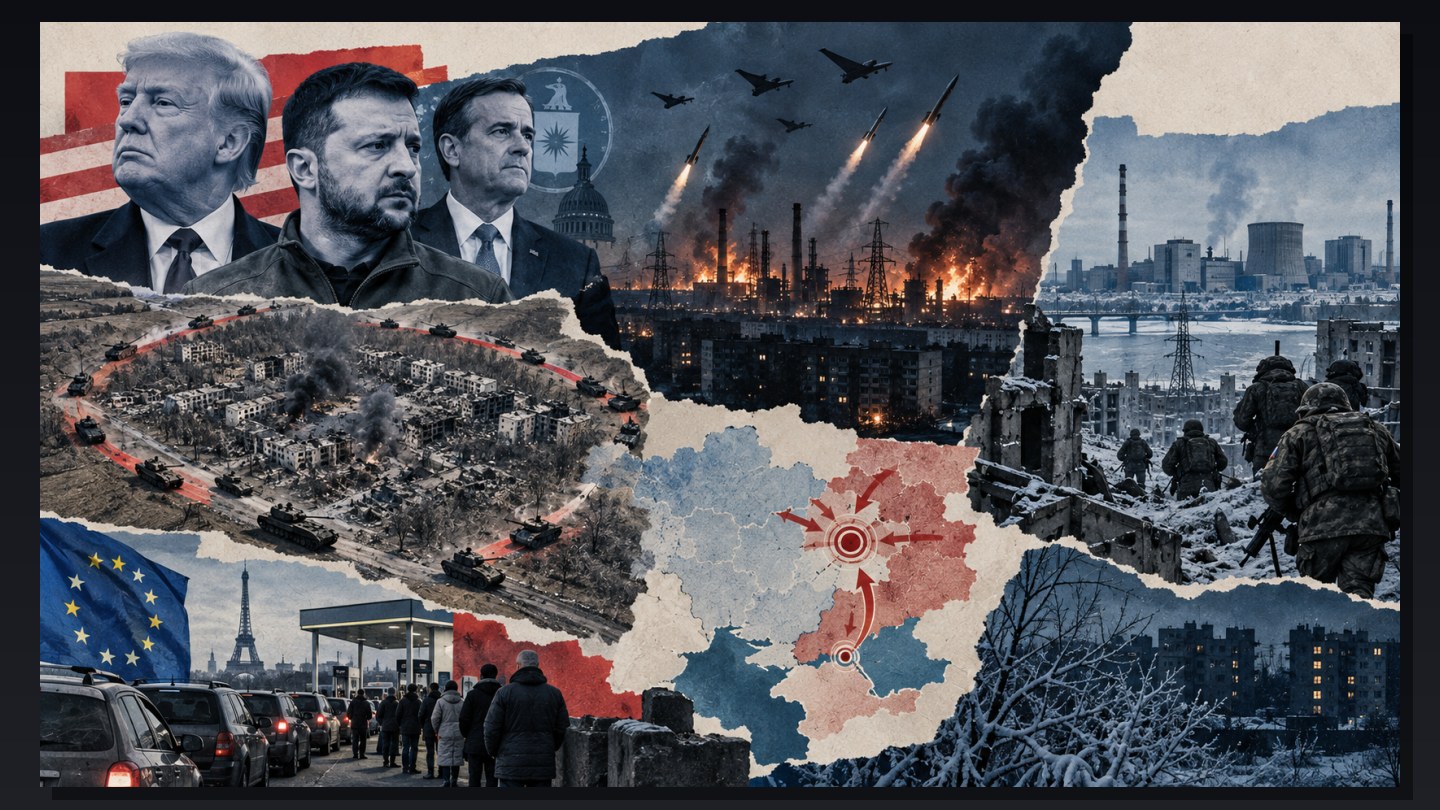
Trump and Zelensky: 40 Minutes, Nothing Achieved
No progress was made on either issue.
Zelensky claimed that Raytheon was prepared to grant Ukraine a licence to produce PAC-3 interceptors, but that any agreement was still 12 to 18 months away — a claim that warrants deep scepticism: Ukraine lacks the ability to produce even the rocket propellant required, let alone the rest of the missile.
If Zelensky genuinely wants the designs, he could of course approach Raytheon directly, or Japan and Germany, both of which have entered into long-term production agreements — although Japan produces only a small number of units despite its industrial strength, while Germany has yet to produce a single one.
The fact that Zelensky is even asking for Patriot designs is itself a striking vote of no confidence in Ukraine’s own Freja air-defence system, which is scheduled to enter service in the summer of 2027.
Peskov confirmed the same day that “the conditions for successful negotiations to end the conflict in Ukraine simply do not exist at the moment” — there are no plans for any summit.
Zelensky continues to insist that he will not surrender a single metre of territory, and says he still wants to meet Putin — without acknowledging that Putin does not want to meet him.
Putin has said Zelensky is welcome to come to Moscow, knowing full well that Zelensky, after being described by Russian officials in language approaching “terrorist”, would never dare travel there.
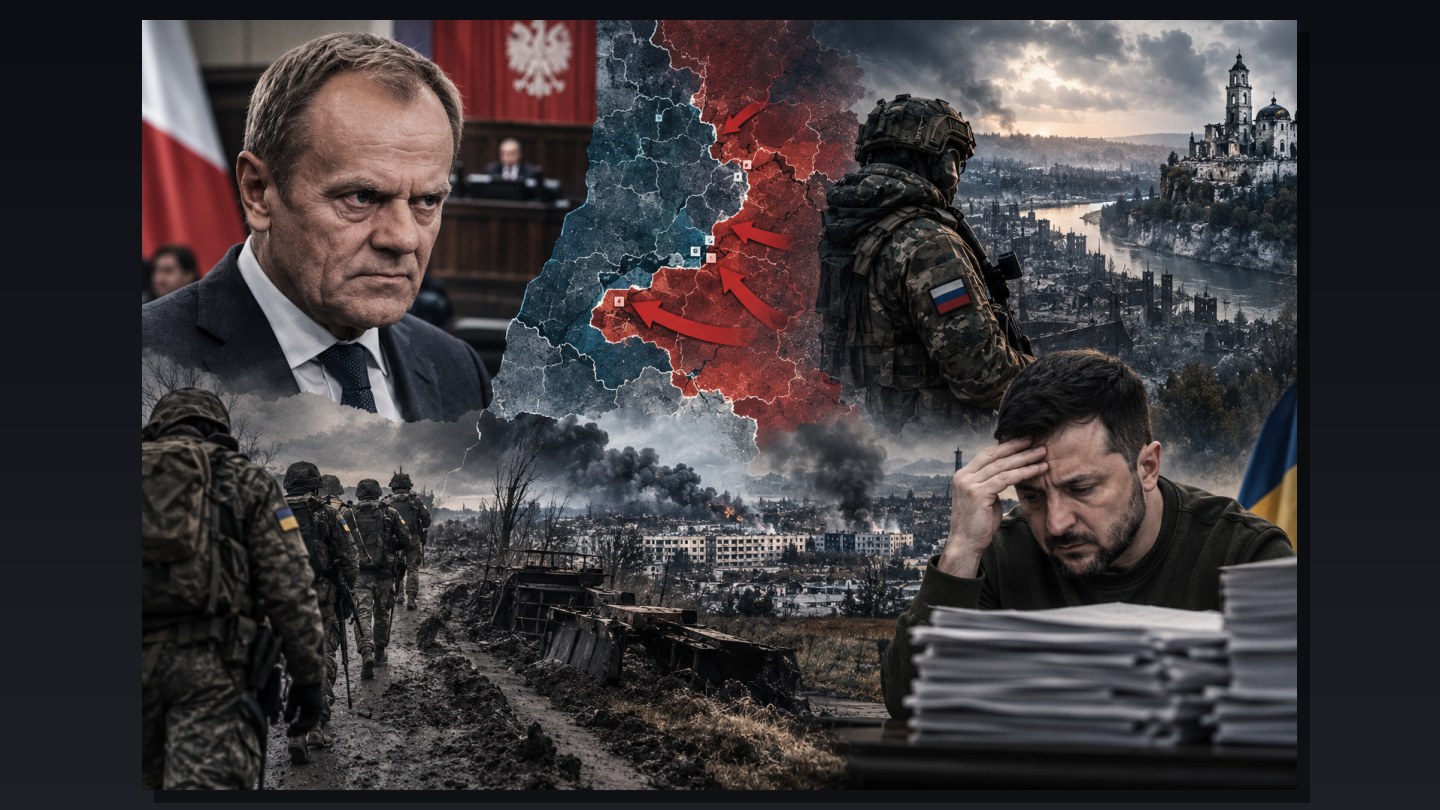
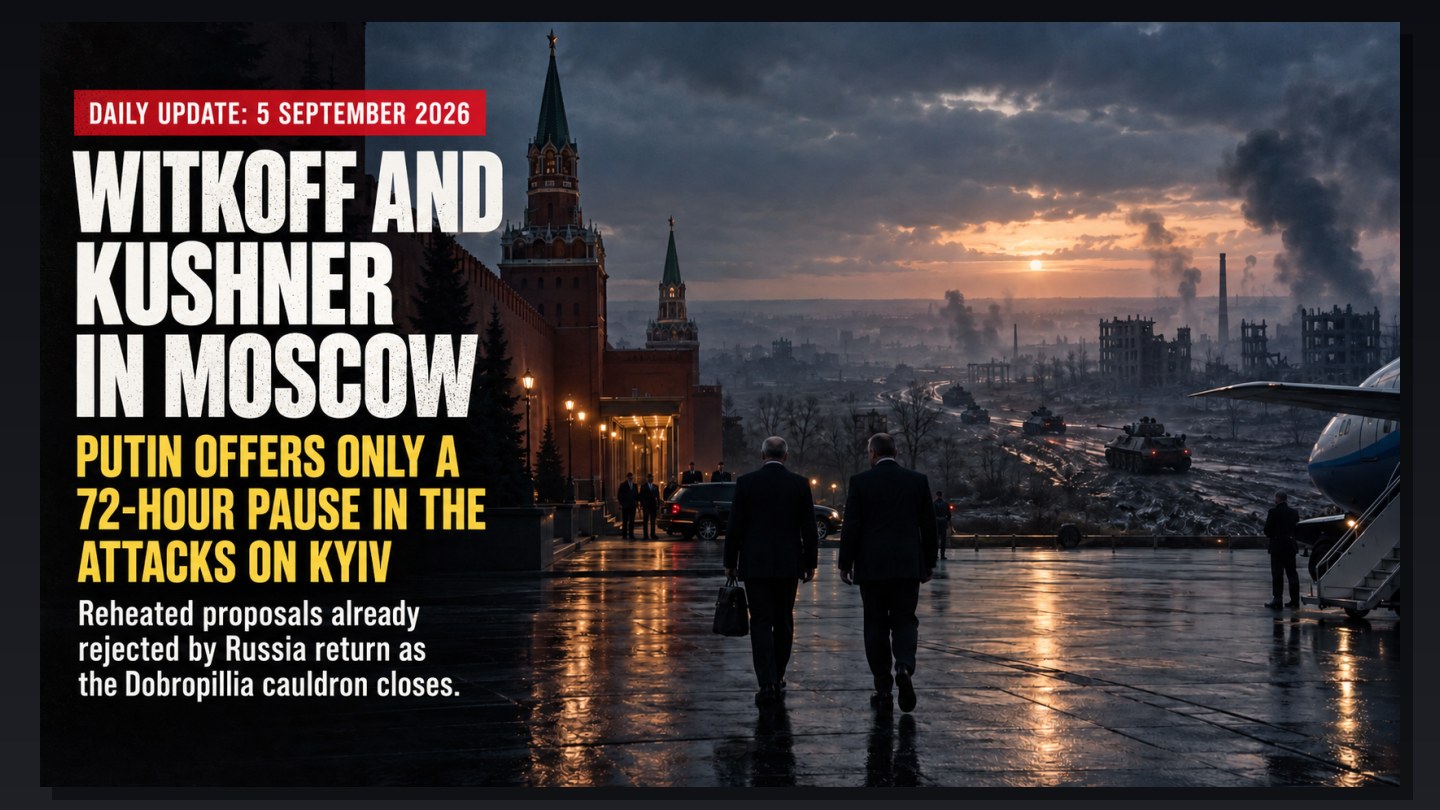
The Front: The Dobropillia Cauldron Confirmed From Several Directions, the “Vivaldi” Offensive Unravelled
The Russian outlet Raovka reports that the southern districts of Dobropillia have now been taken, which explains why the Russian Defence Ministry formally announced the encirclement.
A Ukrainian attempt to break through the ring and retake a village to the northeast — which was supposed to open an escape corridor — proved short-lived. The Russian Defence Ministry says the attempt was repelled and that the ring is tightening further.
Russian forces are now moving toward the next village north of Dobropillia.
In northeastern Kharkiv region, the encircled pocket has probably been reduced to half the area it covered a week ago.
And a detailed review by the well-regarded Ukrainian-language blogger Events in Ukraine deconstructs the much-discussed “Operation Vivaldi” near Lyman: Ukrainian forces have neither crossed nor advanced beyond the Zherebets River, no Russian force is encircled, and what is actually taking place is an exhausting and mutually bloody battle with no decisive gain for either side — not the breakthrough that has been claimed in Western media.
It is the same conclusion drawn here for several days: a Biletsky-led private offensive of limited military significance.
Mearsheimer From Moscow: Russia Is “Unyielding” After Anchorage
Professor John Mearsheimer, recently returned from a visit to Moscow together with, among others, Larry Johnson and Judge Andrew Napolitano, where they met several senior Russian officials including Foreign Minister Lavrov, confirmed in a private conversation that the Russians remain deeply bitter about the Anchorage summit.
They believe they were drawn there in good faith on the basis of a promise from Trump that he could bring the Europeans and Ukrainians into line with the agreement — a promise he failed to fulfil.
According to Mearsheimer, the Russians have given up hope of further negotiations with the Americans, although they still treat them with a certain degree of respect.
The Europeans, by contrast, they despise — precisely because they see them as the ones who betrayed a relationship Russia spent decades rebuilding after the Cold War.
Toward the Ukrainian people themselves, the Russians display strikingly little hostility; they still regard them as a related people who were drawn into the war by Western duplicity.
The conclusion taking shape is clear: Russia is continuing its siege of Donbas toward an endgame.
Once Orikhiv falls, the road opens toward Zaporizhzhia city itself.
And the air offensive will continue hammering Ukraine — with the railway connection to Poland the next major link to be closed.
Everything suggests these three lines will unfold in parallel through the winter, while the words from Trump and Macron that Russia must stop ring increasingly hollow.