Germany’s Twofold Disaster: CDU Disappears From Mecklenburg-Vorpommern and Collapses in Berlin
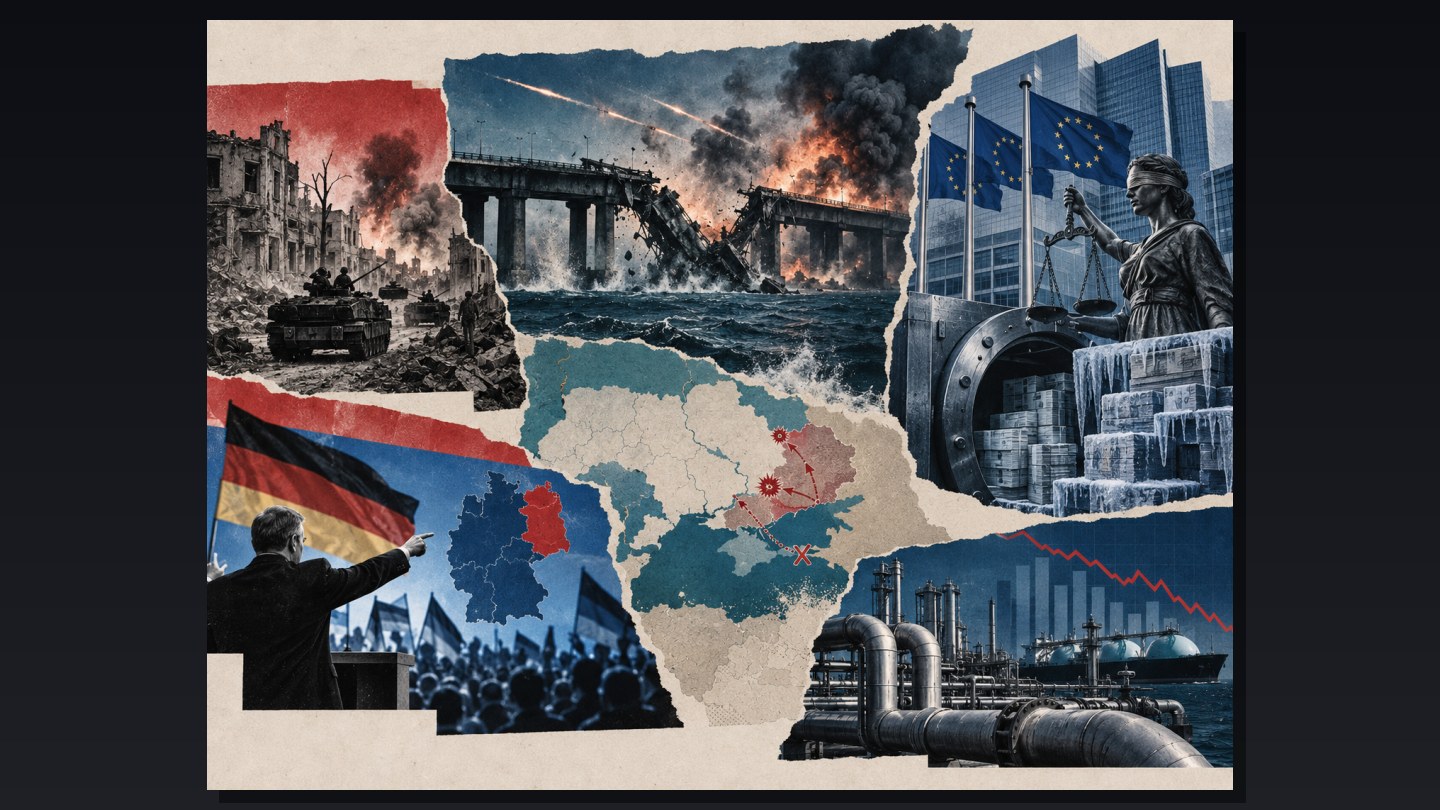
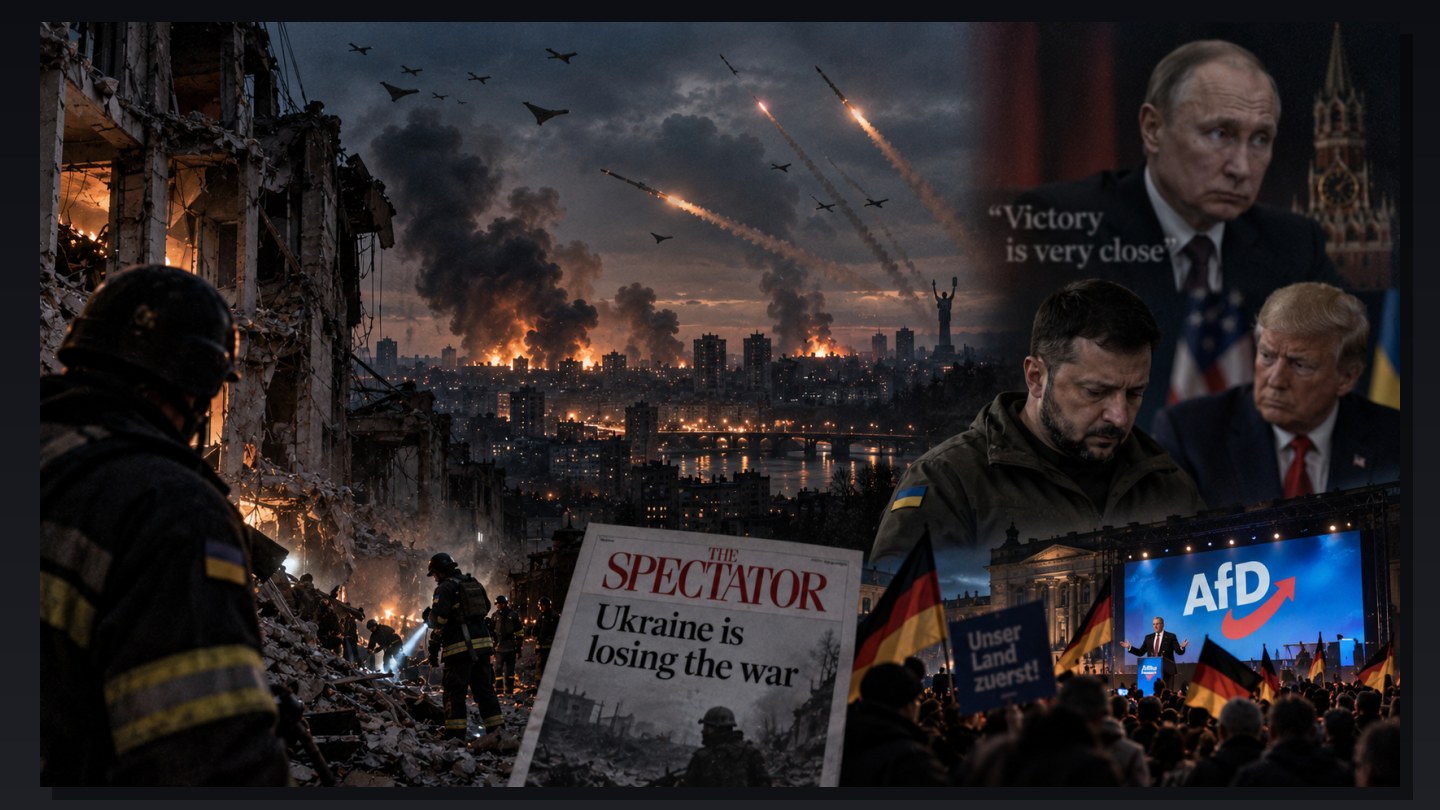
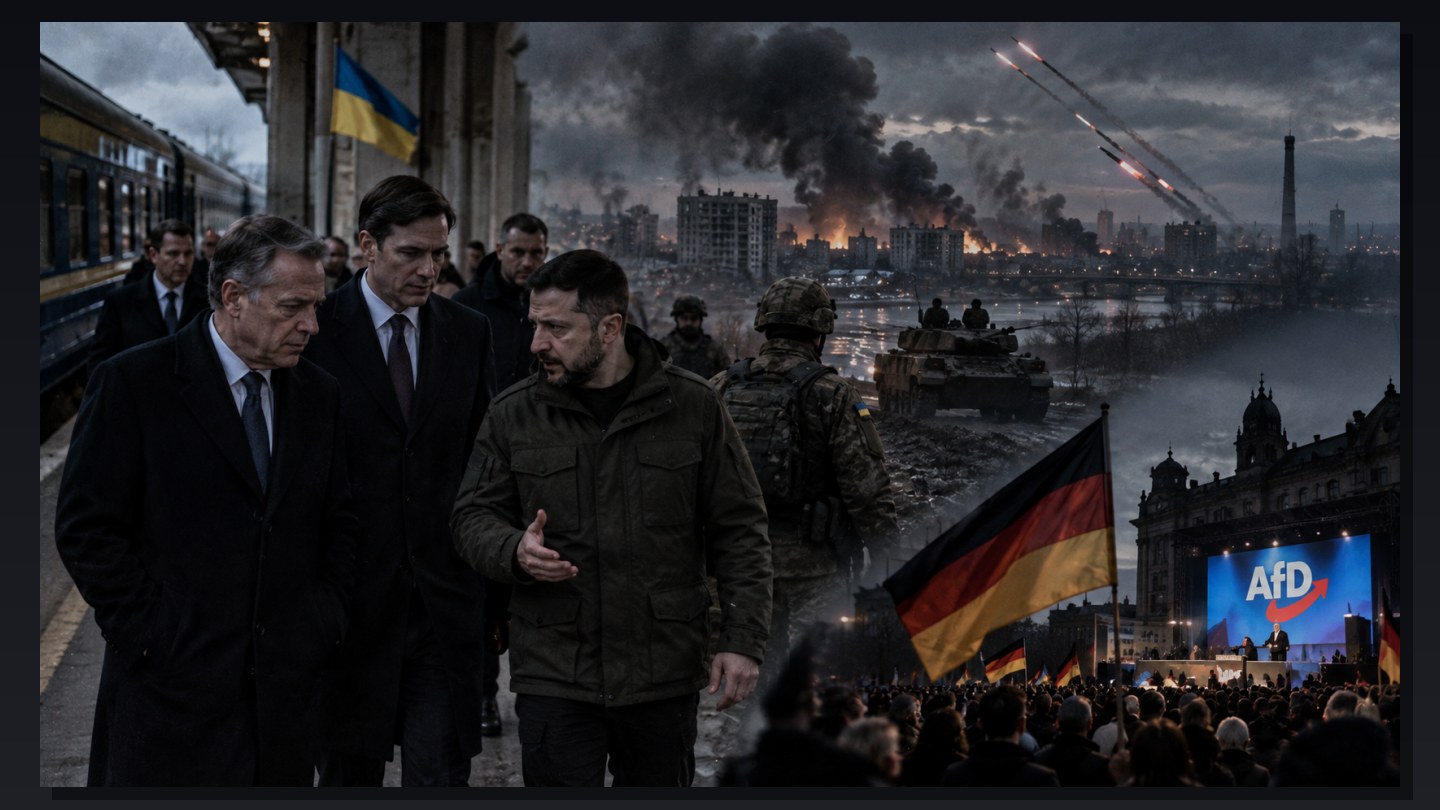
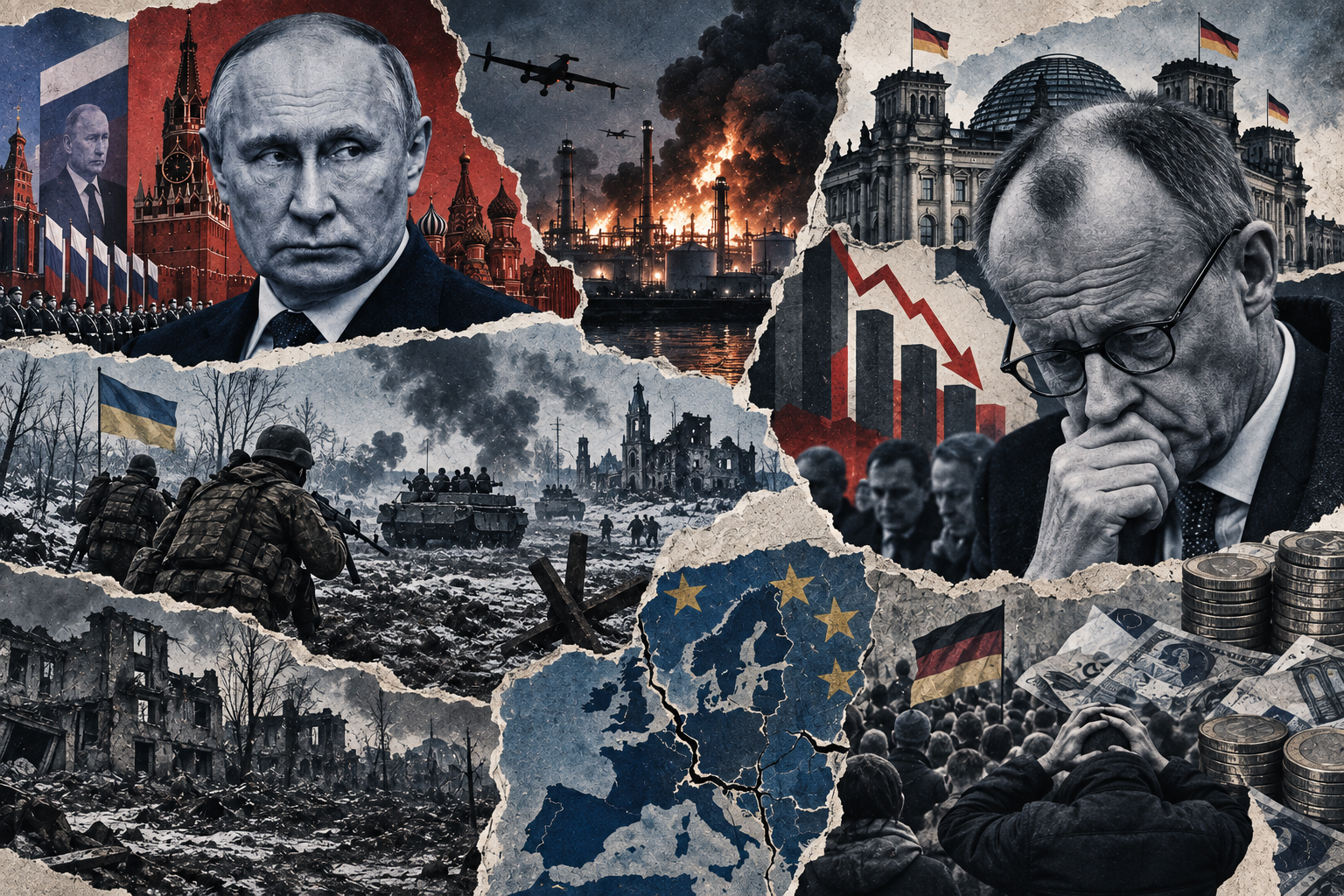
Sunday’s state elections in Mecklenburg-Vorpommern and Berlin produced two mutually reinforcing and devastating results for Chancellor Merz’s CDU. In Mecklenburg-Vorpommern — Angela Merkel’s home state, traditionally left-leaning and northern German — AfD won 38.2 percent of the vote, an increase of 21.5 percentage points. CDU fell to 4.9 percent — below the five-percent electoral threshold, and therefore completely excluded from the state parliament for the first time in the history of the Federal Republic in any German state. In Berlin, the far-left Die Linke — the historical and organisational successor to East Germany’s communist SED, the party that built the Berlin Wall in 1961 — came first with 25.7 percent, while CDU finished on a modest 18.8 percent. AfD, although admittedly facing more difficult conditions in the capital, simultaneously increased its support to 16.3 percent.
What is striking is how different these two states are. Mecklenburg-Vorpommern is rural, ageing and traditionally Social Democratic — Minister-President Manuela Schwesig, formerly a strong advocate of the Nord Stream pipelines, campaigned hard against AfD with warnings of “dark clouds”, but nevertheless managed only to save the SPD with a fall to 35.5 percent. Berlin, by contrast, is Germany’s most left-wing city, young, cosmopolitan, with a large university environment and a significant Turkish population. That CDU is collapsing in both — in one place to the far right, in the other to the far left — is not two isolated events, but two symptoms of the same disease: an establishment party that has lost all trust.
Merz himself called the results a “catastrophe”, but has simultaneously insisted that he will not alter course “by so much as a centimetre”. His approval now stands at only around 13–14 percent, and pressure for him to resign is increasing dramatically. It is no longer a question of whether he goes, but when — and who takes over. Most likely, as when Andy Burnham succeeded Keir Starmer in London, it will be a more pliable version of the same policy rather than a genuine change of course. But if a future German government were one day to seek some form of rapprochement with Russia, Germany is the only EU country with enough weight to actually change the Union’s overall direction.
Russia: Putin’s Party Wins Decisively — and a Hardened New Parliament
While Germany was crumbling, Russia’s parliamentary election was conducted over three days, with turnout reaching 59.3 percent. Putin’s United Russia won 57.83 percent of the vote and a record 355 of the 450 seats. The Communist Party and Liberal Democratic Party meanwhile held their ground with stable voter bases. The liberal New People party, another Kremlin attempt to create a loyal, sovereignist liberal alternative, clearly underperformed relative to the polls — a reminder that there is very little appetite for any form of liberal politics in today’s Russia, even one that supports the war.
The election confirms what has long been obvious to anyone actually paying attention: Russia remains stable. Regional elections across the country broadly reflected the results at the centre. Russians voted in their millions for Putin’s party and for parties that support his foreign policy and his conduct of the war. The idea that one can trigger a political crisis in Russia resembling 1917 and bring down the government is a fantasy — and this election confirms it once and for all.
One striking feature is that all parties, particularly United Russia itself, have actively recruited veterans of the special military operation as candidates. Forty-nine war veterans were elected to the new Duma. The result will be a parliament filled with relatively young men with military backgrounds, organisational ability and the authority that comes with wartime service — men who will be more nationalist and uncompromising than the Russian parliament has historically been, and far less willing to accept Western demands for concessions to end the war. It is a Russia emerging from this election richer, tougher, more confident and technologically more advanced than before — and one in which the political centre of gravity has moved even farther away from any accommodation with the West.
The Moscow Attack: Estimated at More Than $150 Million — for Limited Results
Following the massive drone attack on Moscow during the night into Sunday, discussed in detail in yesterday’s update, an even clearer picture is now emerging of how unsuccessful the operation actually was. Larry Johnson, a former US intelligence officer associated with Veterans Intelligence Professionals for Sanity, was himself in central Moscow during the attack — and said he did not even notice it was happening while sitting in his hotel room only kilometres from the Kremlin.
The Russian Defence Ministry subsequently published what can only be described as a triumphant bulletin: the overwhelming majority of the drones were shot down long before reaching Moscow, and all Flamingo cruise missiles launched were, according to the ministry, intercepted.
Several analysts have now done the arithmetic and concluded that this single attack probably cost Ukraine more than $150 million — compared with Ukraine’s average daily war expenditure of around $190 million.
The damage was nevertheless greater than first reports suggested. The Moscow refinery was forced to halt crude processing after both the AVT-6 unit and the EURO+ facility were hit, and repairs may take several weeks. A warehouse was also destroyed, an apartment block was struck, and three people were killed in the Moscow region.
But even with the substantial refinery loss, the cost of the operation stands in striking proportion to the result. Spending an estimated more than $150 million on a single attack to knock parts of one refinery out for several weeks and strike a limited number of other targets raises obvious questions about how sustainable this strategy is over time.
The standard response from the Ukrainian and European side is that the cost is irrelevant because Europeans are paying the bill. Ursula von der Leyen did indeed announce, immediately after a phone call with Zelensky, a transfer of €3.3 billion.
But the lesson from the latest political upheavals in Britain and from CDU’s collapse in Germany that same weekend should be obvious: this policy is becoming increasingly unpopular among European voters. They may not understand every nuance, but they know the war continues, that money is becoming scarce for everything else, and that their own living standards are falling. It is a mistake to assume European governments can continue writing such cheques indefinitely — the limits are now beginning to show, and will probably become clearer in the coming months.
The Front: Kharkiv Cauldron Being Cleared, Biletsky’s Offensive Increasingly Resembles a Meat Grinder
In northeastern Kharkiv region, Russia continues to fragment the encircled pocket — Ukrainian forces there are now split and isolated from one another, and it is unlikely that resistance will survive the week. Russian forces are now moving beyond the boundaries of the pocket itself and approaching the important village of Velykyi Burluk, apparently beginning an encirclement there as well.
If the town falls, Ukraine will