A Fundamental Shift in the Air War
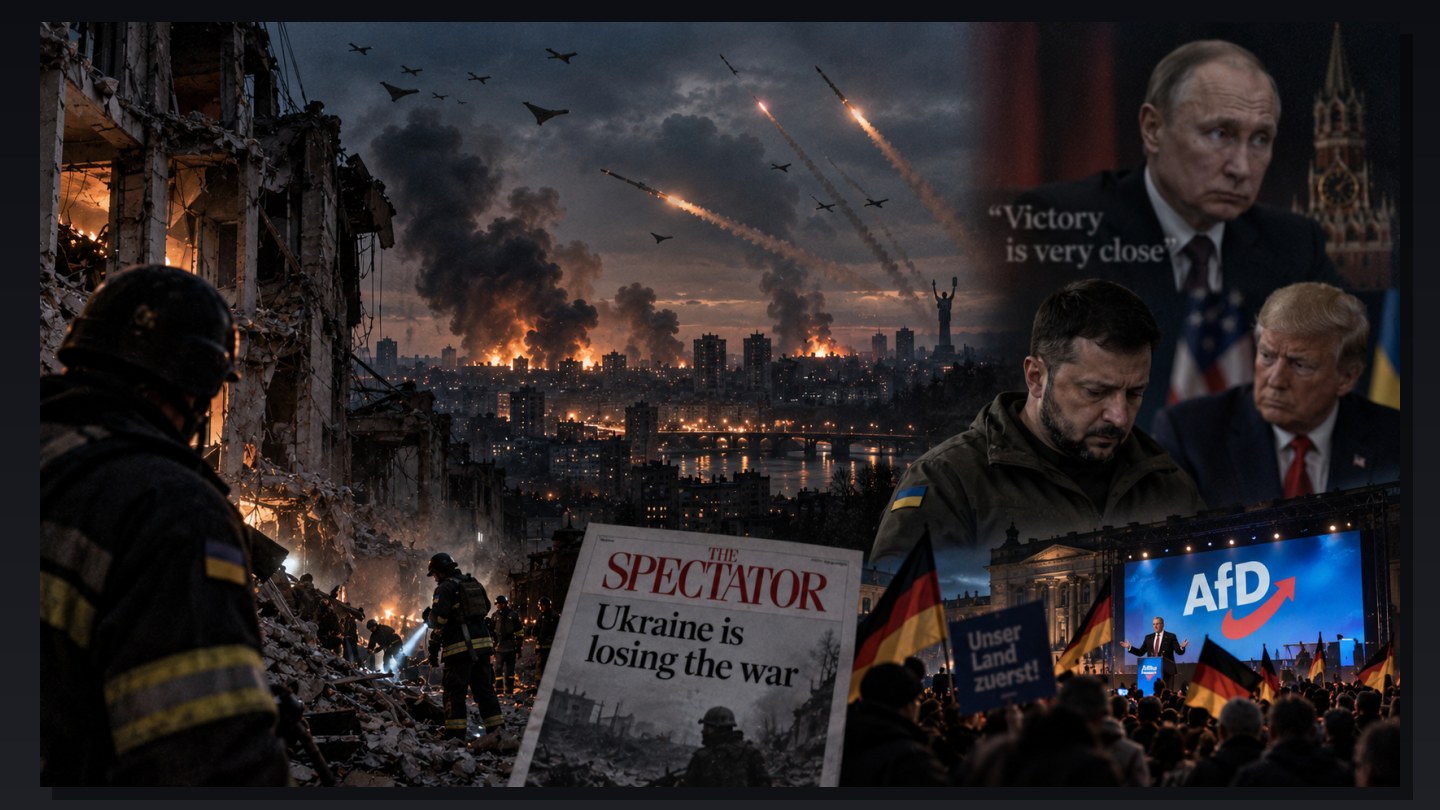
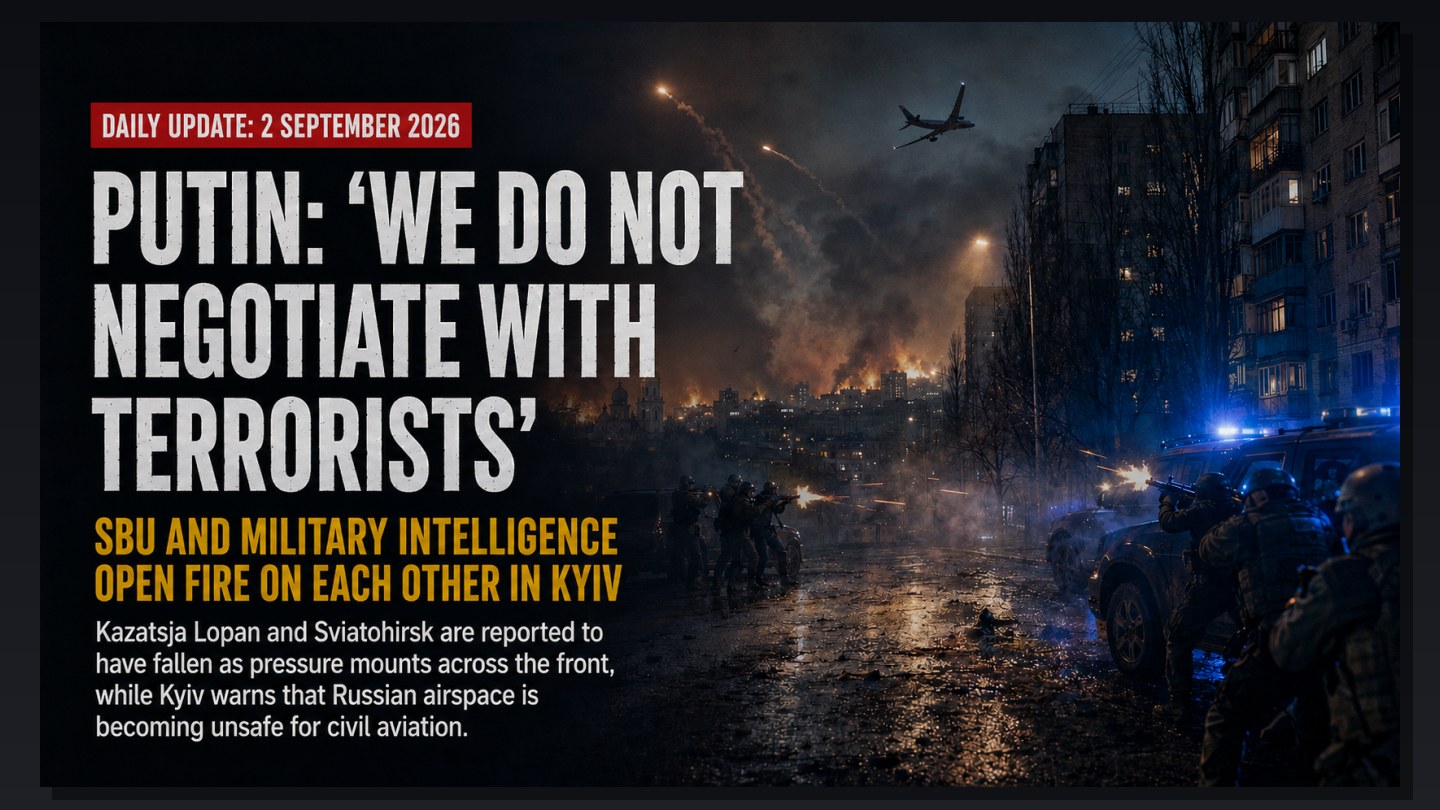
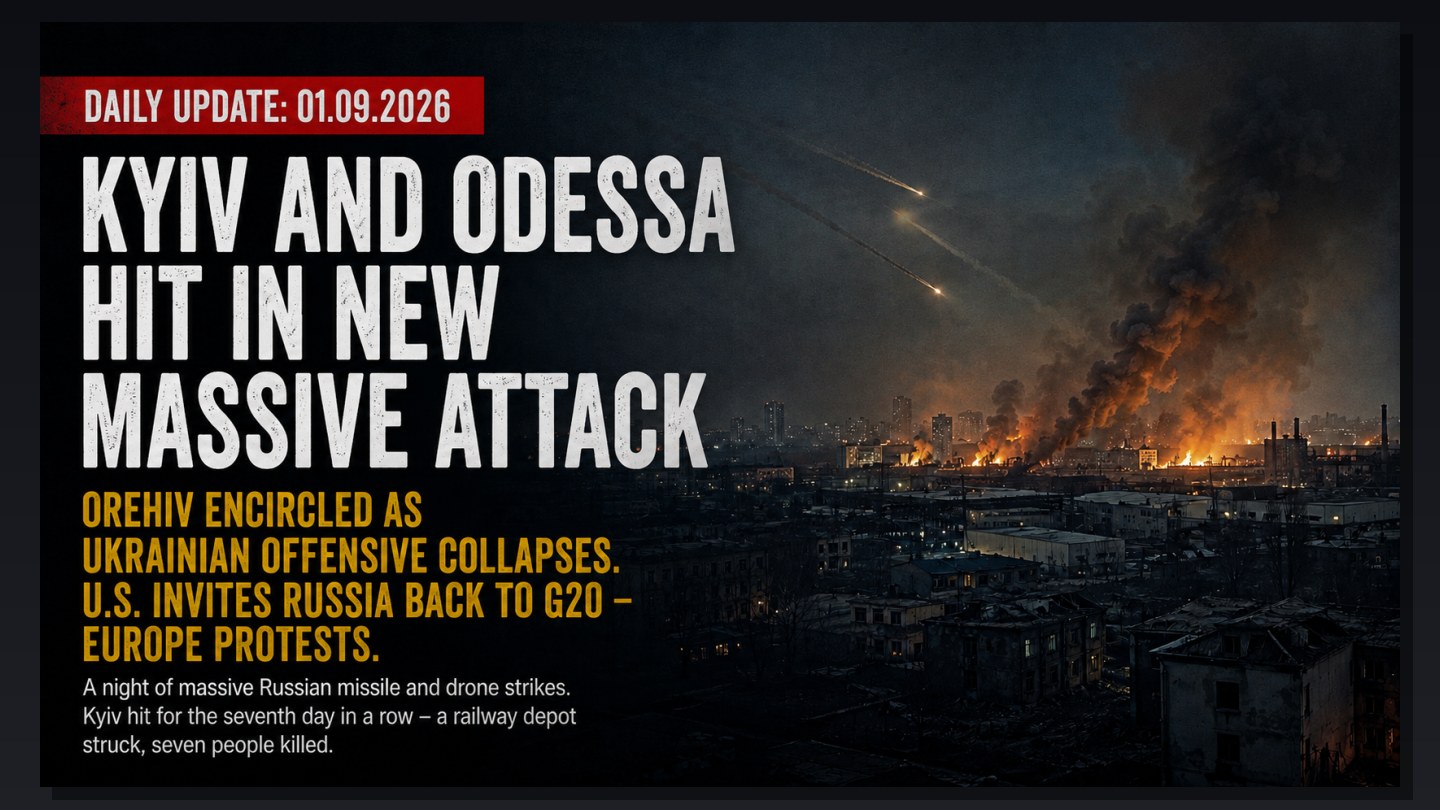
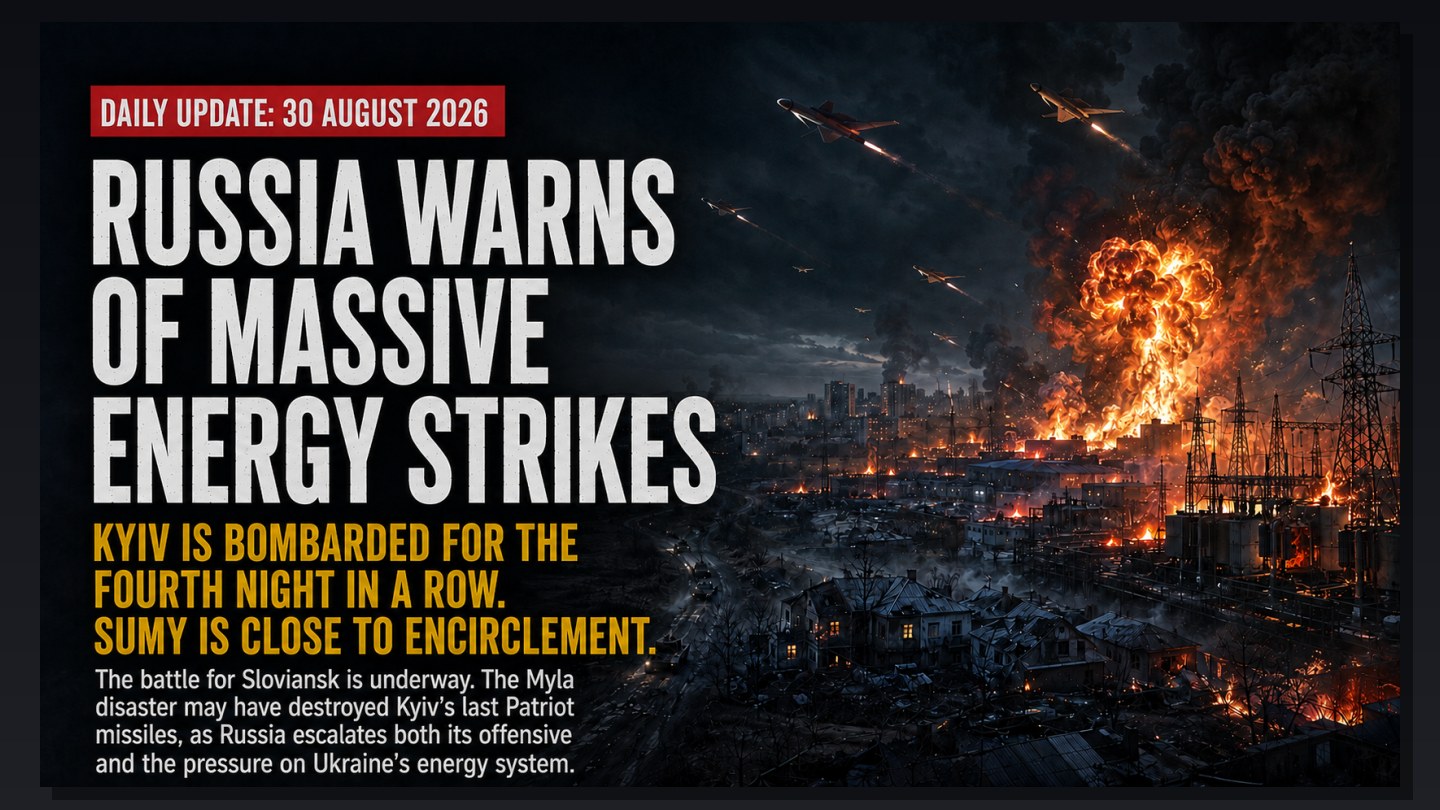
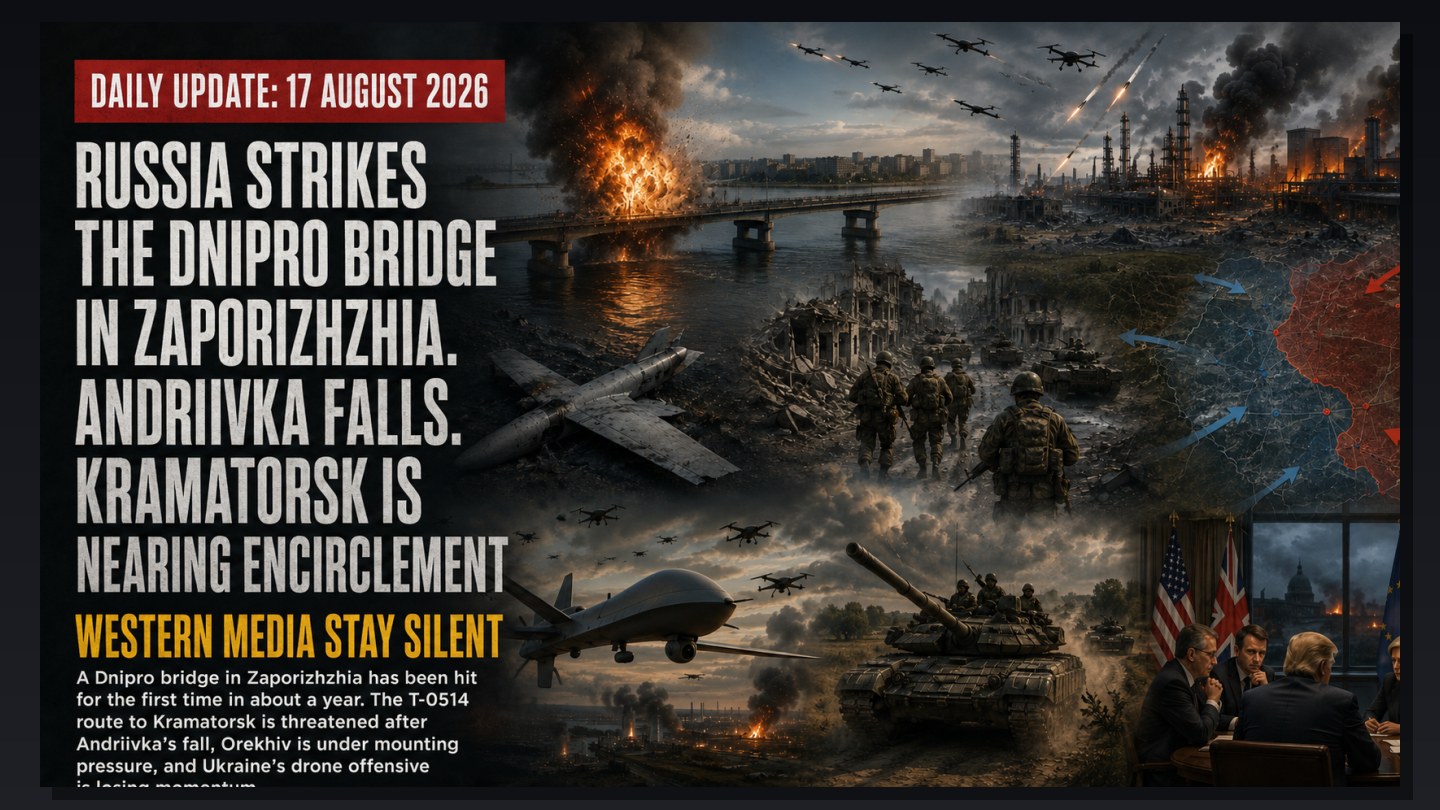
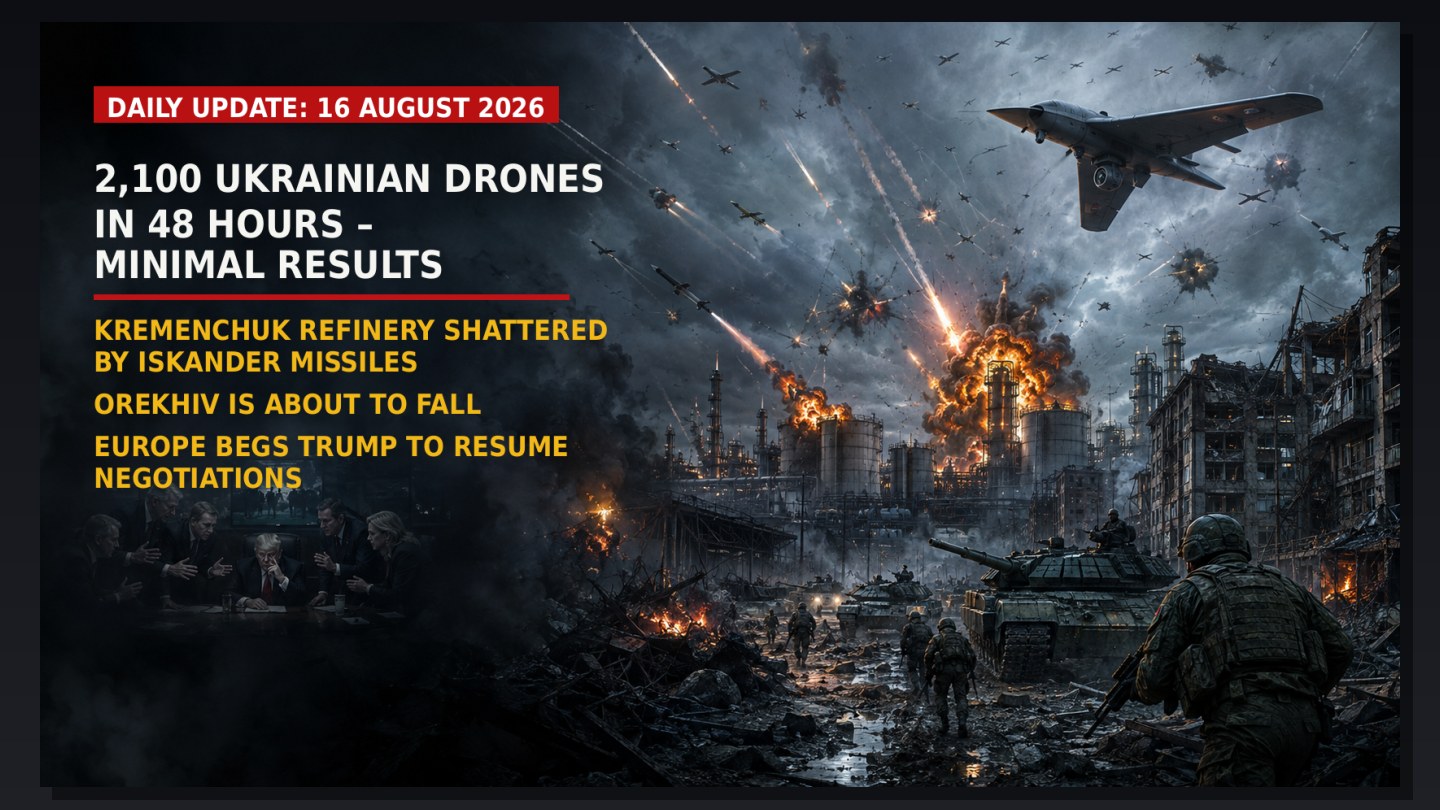
What is unfolding over Ukraine now is qualitatively different from the first four and a half years of the war. Previously, the major Russian attacks on Kyiv came at long and irregular intervals. Now there is a continuous air offensive — every night, every day, week after week, with no sign of stopping. Reuters itself now describes the attacks on Kyiv as near-continuous, with jet-powered drones increasingly straining Ukraine’s air defences.
The two most heavily used Russian weapons at the moment are the jet-powered Geran-4 and Geran-5 drones, and enormous precision-guided FAB bombs — according to a recent report, Russia is now dropping 283 guided glide bombs per day over Ukraine, equivalent to 8,766 in August, increasingly not only against the front lines but against industrial facilities in Ukrainian cities.
As it was aptly put:
“Russia is now dropping an average of 283 precision-guided FAB bombs on targets in Ukraine every day — more than 8,000 a month. It is an air offensive of enormous intensity, conducted on an American scale — and it continues to grow.”
On the night of 11 September, Russia renewed its attack on Kyiv, this time with jet-powered drones specifically targeting petrol stations in the city — significant damage has been reported. Elsewhere, Mykolaiv was attacked once again, the Black Sea coast and southwestern regions are being struck daily, and the industrial centres of Zaporizhzhia and Dnipro were also hit. Reuters had already described the day before how Russia struck a petrol station in Kyiv and a major industrial facility in Dnipro.
Among the warehouses destroyed are several belonging to the private logistics company Nova Poshta — not, as previously assumed here, the state postal service, but a major private courier company with substantial warehousing capacity. Russia has previously specifically listed Nova Poshta’s large sorting and logistics facilities as targets.
A Top German Radar System Destroyed — With Not a Single Missile Left to Defend It
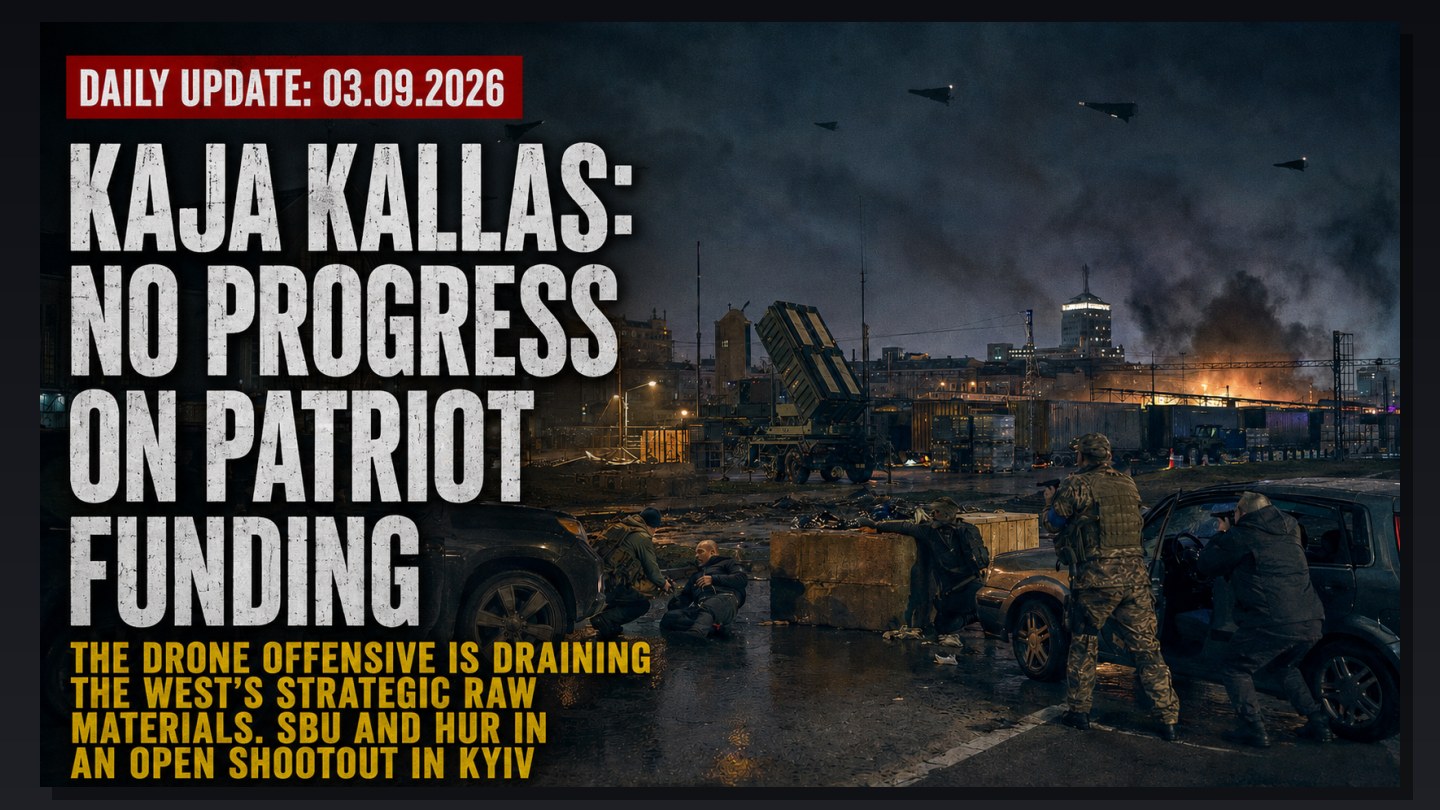
At Zhulyany Airport near Kyiv, the Russians carried out an attack that destroyed an advanced German search radar system — one of the most modern systems produced in the West, designed to track multiple targets simultaneously. The radar appears to have been an integrated part of the air-defence batteries at the airport, where Patriot formed the backbone.
Without PAC-3 interceptors, the batteries could no longer make effective use of the data supplied by the radar — and with no functioning Patriot batteries left as a more attractive target, the radar itself became the target. It is a system worth many millions of euros, and a significant loss both for Ukraine and for Germany, which supplied it.
The background is an increasingly acute shortage of Patriot interceptors. Ukraine has received only around one third as many air-defence missiles this year as it did in 2025, while Russia has sharply increased the number of ballistic missiles, drones and combined attacks.
Some have suggested that Chancellor Friedrich Merz’s strikingly intense, almost hysterical anger following AfD’s election victory in Saxony-Anhalt may partly be connected to the loss of this particular system — that he has taken it personally.
Fighter Jets Are Running Out of Air-to-Air Missiles
Ukraine’s F-16 and Mirage 2000 fighter jets, which are now largely used in attempts to shoot down Geran drones, are being overwhelmed by the number of drones and decoys Russia is launching — and the stock of American air-to-air missiles on which these aircraft depend is being depleted rapidly.
The Ukrainian Air Force itself confirms that pilots are now being forced to take greater risks and use their aircraft’s cannons because air-to-air missile stocks are under pressure. Onboard cannon can in theory be used against drones, but doing so requires complicated manoeuvres that pilots would prefer to avoid, and cannon ammunition itself is quickly exhausted. There is now real concern that the F-16s and Mirages could at some point be effectively grounded.
The same pattern applies to every other category of air defence: Buk-M missiles, IRIS-T, NASAMS, short-range surface-to-air missiles, even shoulder-fired systems — demand now exceeds what the West is capable of producing or supplying, in every category.
The Ukrainian-developed FREYJA air-defence system, developed by Fire Point with European partners supplying radar, sensors and command systems, is intended to reduce reliance on Patriot over the longer term.
But the first planned interception of a ballistic target is scheduled for the end of 2027, while defence analyst Marc DeVore said he would be very pleased if the system were actually fully operational by December 2027 — and is sceptical of much more optimistic timelines.
The Front: Orikhiv’s Defence Disintegrates, Dobropillia Near Collapse
The Russian Defence Ministry reports the capture of another settlement in the Zaporizhzhia region, north of Orikhiv along the Vovcha/Yanchur axis — another sign that the Russian force grouping pushing westward from the Donetsk direction is now approaching Orikhiv’s second remaining supply route.
Combined with Readovka’s reports that Ukrainian forces are withdrawing from Orikhiv itself toward the next defensive line, everything suggests that this entire defensive system is beginning to come apart — no longer simply a battle for Orikhiv, but part of a broader collapse that could allow two Russian force groupings to unite in a siege of Zaporizhzhia city.
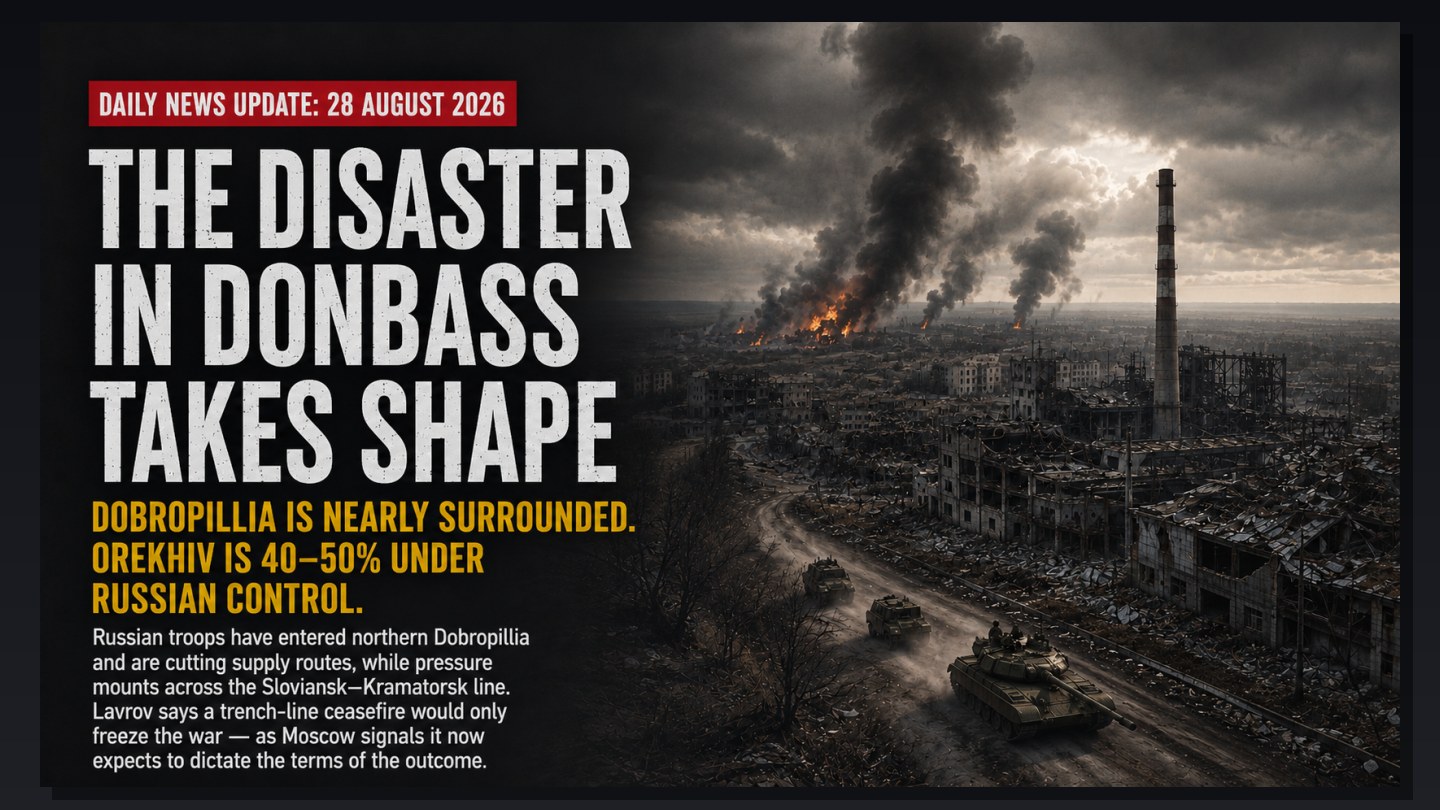
In the Donetsk region, Russian forces have taken Novohryshyne, an insignificant settlement in itself, but one located southwest of the village of Dobropillia — which in turn lies southwest of the city of the same name, where Russian forces, according to earlier reports from Andrei Marochko, are fighting to clear the settlement.
If the Russians have secured the village of Dobropillia, they are in a position to move directly north and cut the final supply lines into the city from the northwest — completing the encirclement and likely leading rapidly to the city’s fall.
Together with the ongoing assault on Druzhkivka and Oleksiievo-Druzhkivka farther east, these three cities form the southern flank of the Sloviansk conurbation — and Russian control of all three would put Russia in a position to encircle the entire conurbation from the south.
There are further reports that all bridges along the main road and across the river running through the conurbation have now been destroyed — effectively separating the western and eastern sections of the defensive zone and making it far harder for Ukrainian forces in the east to receive supplies from the west.
It is exactly the Russian method: encircle, fragment the defence from within, then attack from multiple directions simultaneously until resistance collapses. According to information presented to Putin, the Russian military expects to have cleared the whole of Donbas by the end of January or February next year.
The Enigma North of Lyman
There is still very little drone or video documentation proportionate to the extensive claims of a major Ukrainian counteroffensive north of Lyman over recent weeks.
Readovka confirms that heavy fighting is taking place in the area against forces of Russia’s 20th Guards Army, and suggests that this is probably an attempt to rescue Ukrainian forces trapped in the Borova pocket and another group encircled near Lyman along the Siverskyi Donets River — in other words, primarily a rescue operation, not necessarily an offensive aimed at permanently retaking large areas of territory.
At the same time, OSINT maps do show Ukrainian advances in the area. The main question is therefore how extensive and durable these gains are, and whether the primary objective is truly to retake territory or to open corridors to Ukrainian forces under pressure.
EU Once Again Wants to Confiscate Russian Assets
The Financial Times reports that the European Commission has resumed work on finding “legally robust” ways of using Russia’s frozen assets — this time through a structure in which Russia’s accounts at the Belgian depository Euroclear would be transferred to a separate EU-controlled company, with Belgium and Euroclear guaranteed against legal risk.
It is exactly the same underlying principle that was proposed earlier and rejected by Belgium. Moving someone else’s money out of the account where the owner placed it, in order to use it for other purposes without the owner’s consent, is nothing other than confiscation — regardless of what legal construction is built around it.
The EU holds around €210 billion in frozen Russian central-bank assets, mostly in Belgium, and Belgium’s legal and financial resistance remains the biggest obstacle. (ft.com)
Zelensky’s Tour: $70 Billion in a Short Space of Time
Zelensky is in the middle of a tour of Western countries — Moldova, Norway, Canada, and then, according to plan, the UN General Assembly in New York, where he hopes to meet Trump.
In Canada, he secured an economic agreement with Mark Carney’s government that some describe as intended to last a hundred years — unrealistic even between two countries at peace — and which is conditional and non-binding, more political theatre than a genuine commitment.
Adding together all the sums Zelensky is now seeking — $27 billion to cover the gap in the defence budget, another roughly $35 billion for other costs and budget shortfalls, and still more beyond that — brings the total to around $70 billion, not over several months, but by the end of the year.
The EU is already facing a Ukrainian financing gap of around $27 billion on the defence side alone.
European governments are all struggling with crises of their own: British government bond yields are under pressure, while in Germany CDU’s collapse in Saxony-Anhalt has further intensified the domestic political conflict over the economy, welfare and the war in Ukraine.
Houthis Take Mocha, Dhubab and Perim — Approaching Control of the Entire Red Sea Coast
The Houthi movement has dramatically expanded its control along Yemen’s Red Sea coast. After capturing the strategic port city of Mocha, its forces advanced farther south.
On Friday, it was confirmed that the Houthis had also taken Dhubab and the strategic island of Perim in the middle of the Bab el-Mandeb Strait.
They now control practically the entire Yemeni Red Sea coastline, with an increasingly strong ability to dominate the southern approaches to the strait.
Saudi Arabia’s de facto leader Mohammed bin Salman has asked Trump for US military assistance against the Houthis. Trump reportedly declined direct US strikes but offered intelligence and targeting support.
It is difficult to see bombing alone changing the dynamics of the war this time either. Saudi Arabia bombed the Houthis for years. The Americans have bombed them as well. The movement remains intact, far better armed than before and now possesses a functioning air-defence system of its own.
The situation is among the most serious Saudi Arabia has faced in decades.
Conclusion: The Desperation Will Only Increase
Oil is above $100 per barrel and is expected to remain under severe pressure. Brent rose more than six percent on Thursday to $107.63 per barrel, while US diesel passed six dollars per gallon on Friday for the first time. (reuters.com)
With the war between the United States and Iran deadlocked, a third war between the Houthis and Saudi Arabia rapidly escalating, and a fourth — the war in Ukraine — in which the West is no longer able to supply Kyiv with sufficient air defence, artillery or money at the same time, the question is no longer whether desperation in Western capitals will increase.
It is only a question of how much, and how fast.