Home /Artikler/Orehiv falls – Ukraine withdraws. The Sloviansk conurbation under pressure from three sides. The Houthis take Mocha and approach the Bab el-Mandeb Strait
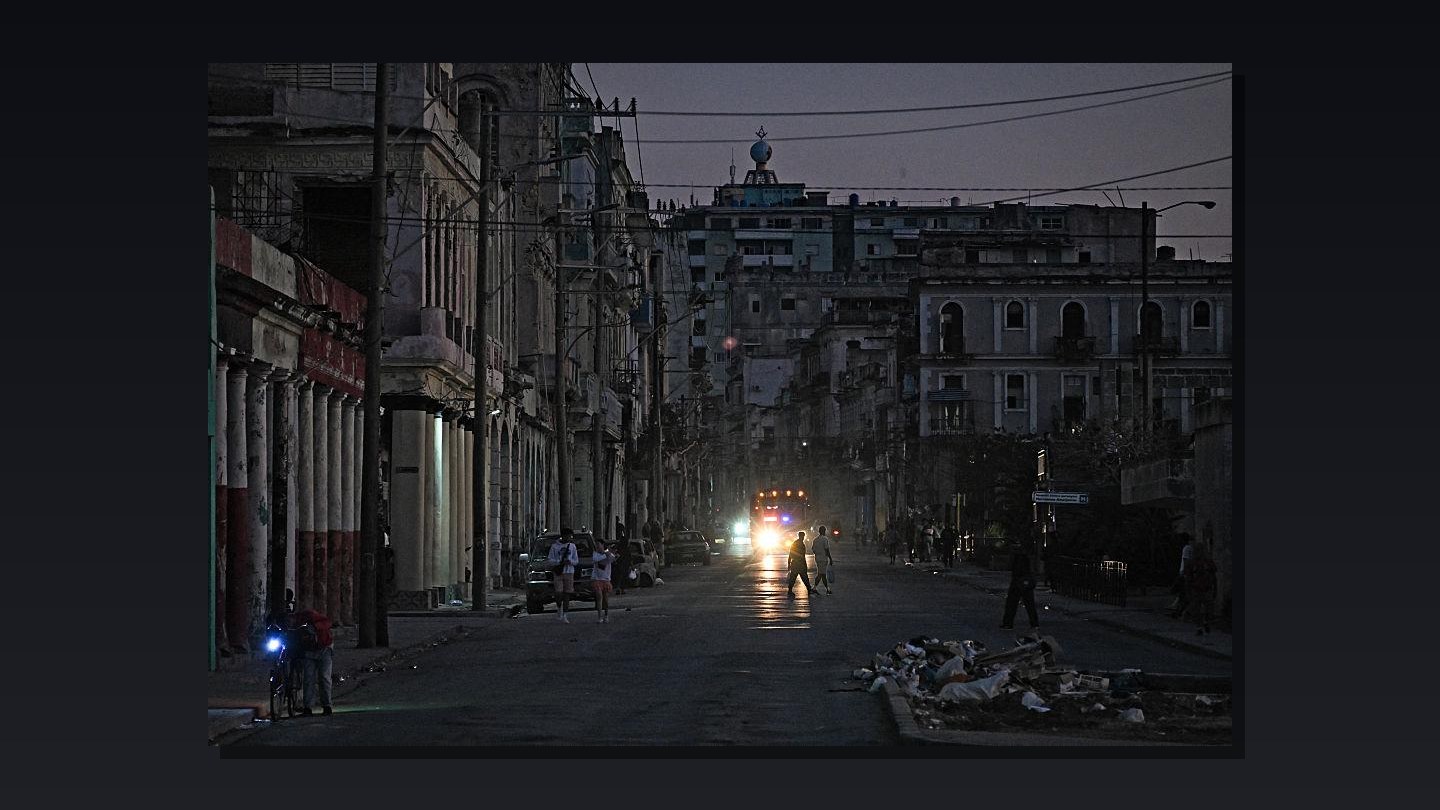
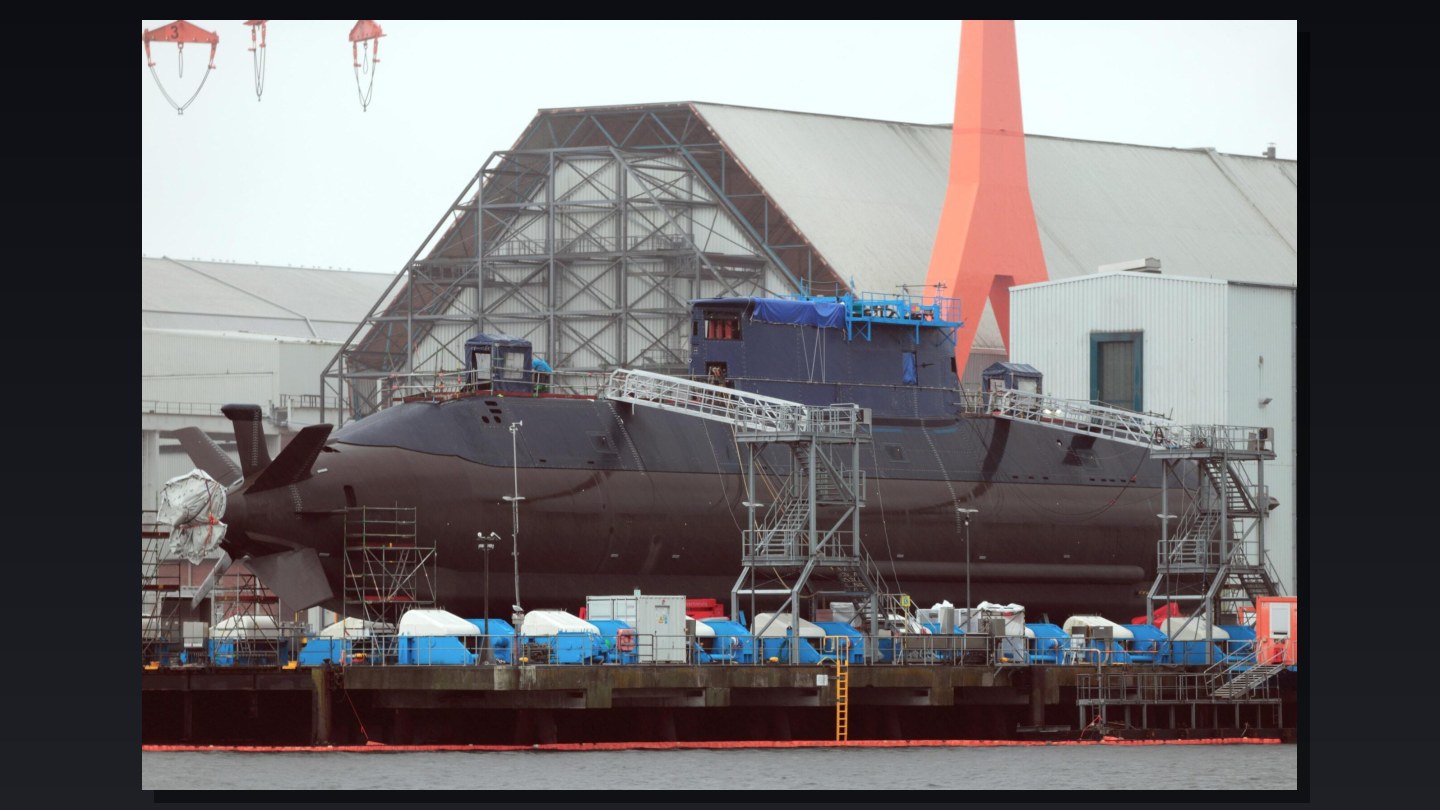
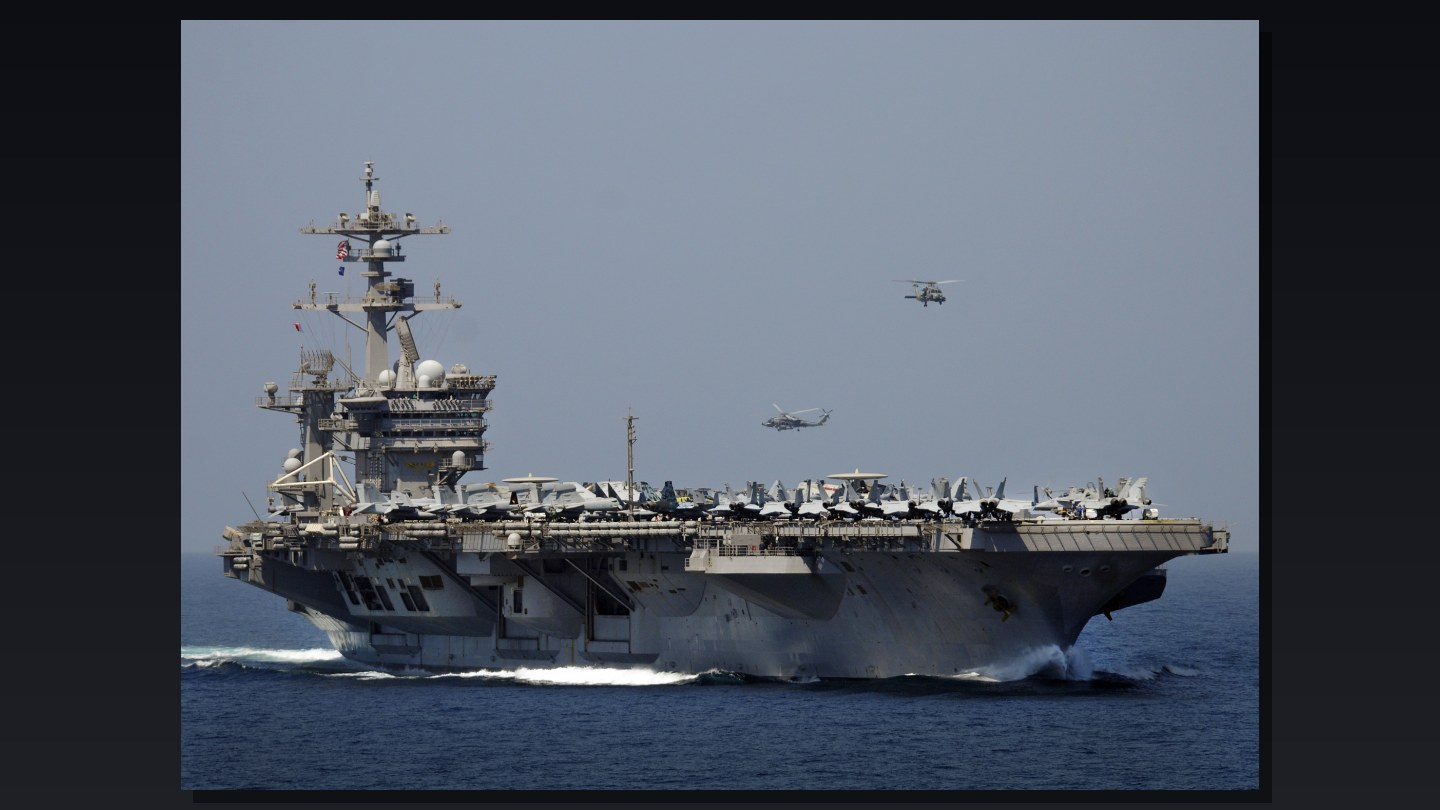
Orekhiv is reported to be falling, pressure on Sloviansk–Kramatorsk is increasing, and the Houthi advance toward Bab el-Mandeb comes as Russia strengthens its energy position ahead of the BRICS summit. Illustration: AI-generated.
Orehiv falls – Ukraine withdraws. The Sloviansk conurbation under pressure from three sides. The Houthis take Mocha and approach the Bab el-Mandeb Strait
Daily Update: 10 September 2026
Orehiv: The Ukrainian garrison leaves the city
The Russian newspaper Readovka – which has repeatedly proven to have sources close to the Russian military – reports that the Ukrainian army has begun a withdrawal from Orehiv in the Zaporizhzhia region. According to the newspaper, the entire central urban area now falls under Russian control, Ukrainian resistance there has collapsed, and Russian forces have taken central fortified Ukrainian positions after the garrison left them. Ukrainian forces are reportedly still holding positions in the northwestern part of the city – but these are best understood as a rearguard covering the withdrawal toward the next defensive line south and east of Zaporizhzhia city.
If this is correct – and it is information, not undisputed fact – it is a rational decision given the situation: with the main supply routes into Orehiv cut off, staying behind would only have placed the garrison in a cauldron. The striking thing is not the decision itself, but that it was made at all. Zelenskyy has consistently opposed withdrawals from well-known, symbolically important cities, and hardliners in the Azov movement have historically shown the same reluctance. But Zelenskyy is currently out of the country, while Azov leader Andriy Biletsky is occupied with the crisis in Donbas. It is possible that the local commander has simply been given greater room for maneuver.
The fall of Orehiv, if confirmed, is of great strategic significance. The city has been the very anchor of Ukrainian defense in Zaporizhzhia and southern Ukraine since the disastrous Ukrainian summer offensive in 2023 toward the Black Sea and Sea of Azov. Control of Orehiv made it possible for Ukraine to maintain pressure southward and use the area as a base for medium-range attacks against Russian-controlled areas. The city’s fall also opens the way for further Russian advances toward both Zaporizhzhia city and, potentially, an outflanking northward of remaining Ukrainian positions in the Dnipropetrovsk region.
At the same time, the air war illustrates how much the fighting itself has changed character. Figures from Ukraine’s General Staff, compiled by the OSINT group Oko Gora, show that in August Russia used 8,766 guided glide bombs – an average of 283 every single day.
That gives a fitting picture of the scale:
Russia is now dropping an average of 283 precision-guided FAB bombs against targets in Ukraine every day – over 8,000 a month. It is an air offensive of enormous intensity, carried out on an American scale – and it continues to grow.
Alexander Mercouris
The phrase “on an American scale” does not refer to the weapons technology, but to the volume and intensity of a continuous air campaign – the kind of massive use of airpower historically associated above all with the United States.
The Sloviansk conurbation: Three cities under simultaneous pressure
It is widely accepted that fighting has also reached the area around Oleksiievo-Druzhkivka farther south. With Russian positions in the cluster of villages between Dobropillia and Druzhkivka, the Ukrainian supply lines through the area are under ever stronger pressure.
Only a short time ago, Western journalists were taken by Ukrainian forces to Druzhkivka. That the city could still be used as a rear area, and is now reported to have Russian infiltration groups within the city limits, illustrates how quickly the situation has changed.
Farther north, east of Kramatorsk, there are Russian reports of an advance toward Vasylivka Persha, near the northeastern suburb of Bilenke – which, if confirmed, would open a dangerous entry route toward Kramatorsk itself.
Video footage from the area shows a civilian car driving along the main road that links the fortified cities. Along the roadside stand dozens of burned-out vehicles, victims of constant drone activity. Several bridges over the rivers and canals that cross the conurbation have been destroyed. The road is becoming what the Ukrainian side calls “a new death road” – something that inevitably weakens the ability to move forces and supplies between the garrisons.
Ratcliffe may get the lead role in negotiations – after Witkoff’s and Kushner’s failure
The article can be read as an admission of a power struggle in Washington. Ratcliffe’s pitch to Trump appears to be: the more conciliatory approach Witkoff and Kushner attempted failed – the Russians received them politely, but accepted none of the economic offers presented. What is needed, therefore, is a tougher line, the kind Ratcliffe himself represents.
The Financial Times also writes that Ratcliffe’s meeting with the Russian intelligence chiefs Sergei Naryshkin and Alexander Bortnikov during his Moscow visit went very badly, and that a planned meeting with Putin therefore did not take place. If Ratcliffe is appointed the US’s chief negotiator, he will get a new opportunity to present the tougher line directly to Putin.
That is an assessment that is difficult to take at face value: everything suggests that Putin will meet the same degree of reluctance toward Ratcliffe’s pressure as Naryshkin and Bortnikov already did.
Lavrov and Peskov: No ceasefire, no sign of stopping
Peskov simultaneously rejected the prospects of a new ceasefire in the Black Sea and said that Russia will continue to attack merchant ships that Moscow says are used to transport weapons, ammunition, fuel, and other military supplies to Ukraine. “These ships are destroyed and will continue to be destroyed,” Peskov said.
Nikolai Patrushev, one of Putin’s closest advisers and now responsible for matters related to the Russian navy and shipbuilding, has simultaneously argued that Russia has no choice but to continue the war as long as Moscow believes the West and Ukraine are rejecting a compromise.
Zelenskyy traveling – and the story of the drone near his plane
Zelenskyy is again out of the country. The trip went, among other places, via Moldova and Norway before he continued to Canada, while he still hopes to meet Trump later this month.
During his stay in Moldova, a dramatic story arose that his plane was nearly hit by a Russian drone.
But the concrete information paints a less dramatic picture. Moldovan authorities state that the country’s airspace was closed after a Russian drone incursion, and that Zelenskyy’s plane was therefore delayed. The drone crashed around 160 kilometers north of Chisinau airport. A source at Zelenskyy’s office has also called the “nearly hit” description exaggerated.
So it was a real Russian drone incident that affected air traffic – but there is no documentation that the drone was actually close to hitting the presidential plane.
The story has also circulated alongside Russian claims that a Ukrainian MiG-29 was hit by a Geran drone. There is material claimed to show the incident, but the details have not yet been sufficiently verified to determine exactly what happened.
The Houthis take Mocha – approaching Bab el-Mandeb
With traffic through the Strait of Hormuz already sharply reduced by the conflict between the US and Iran, and now a real possibility of further disruption at Bab el-Mandeb, the development points toward an increasingly serious global energy crisis.
Diesel and jet fuel markets are simultaneously under increasing pressure, while Europe’s gas market is again becoming more exposed to new energy shocks.
That is an important nuance: Russia is not China’s only available supplier – Chinese refineries are also buying more from Africa, Canada, and South America – but Russian pipeline and Pacific supplies gain greater strategic value when the Middle East’s most important sea route is threatened.
The West’s attempts to hit the Russian “shadow fleet” continue, but global energy scarcity simultaneously makes Russian oil and gas volumes harder to replace. That strengthens both the Russian state coffers and Putin’s diplomatic position vis-à-vis the other BRICS leaders: Russia sits on oil and gas that China and India need, fertilizer that a number of BRICS countries need, and weapons and military technology that Iran needs.
If that is correct, it will become a US priority to keep as much of the remaining energy in the world market moving.
And a significant part of that trade will be Russian.
It would therefore not be surprising if Washington in the coming months begins to pressure Europe to be more cautious with measures that could further reduce Russian oil exports.
If that happens, the sanctions war against Russian energy will meet a completely new reality.