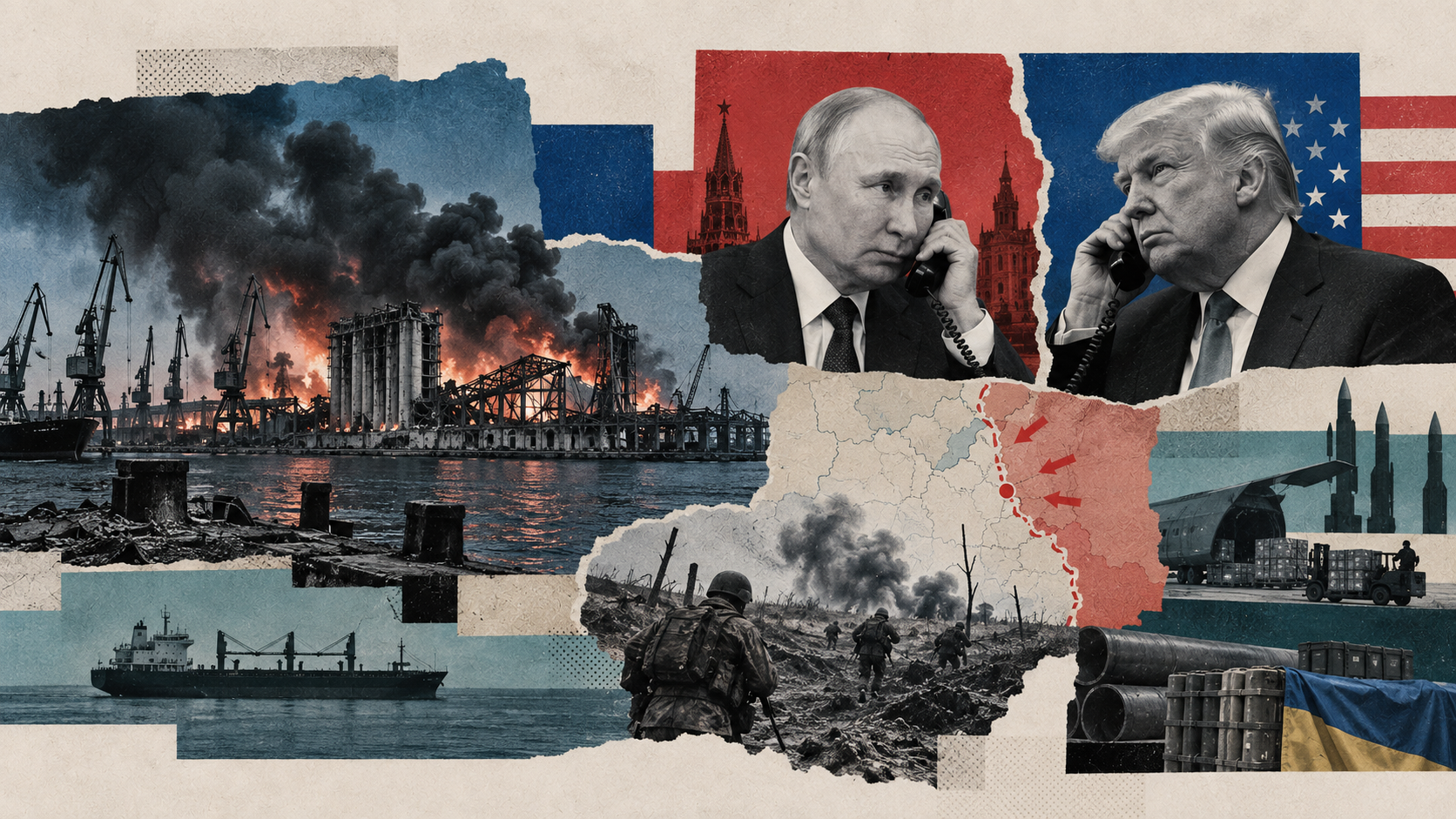
Mykolaiv: One of the Heaviest Attacks on the Port City in the War’s History
Russian forces again attacked the port area around Mykolaiv on Wednesday morning with four Banderol missiles, eight guided UMPB-5 bombs and several jet-powered drones. In the space of just a few hours, Russia reportedly used a total of two Iskander-M missiles, around 15 Banderol missiles, 15 UMPB-5 bombs and several jet drones in this area alone. Civilian, transport and port infrastructure in the city itself was also damaged.
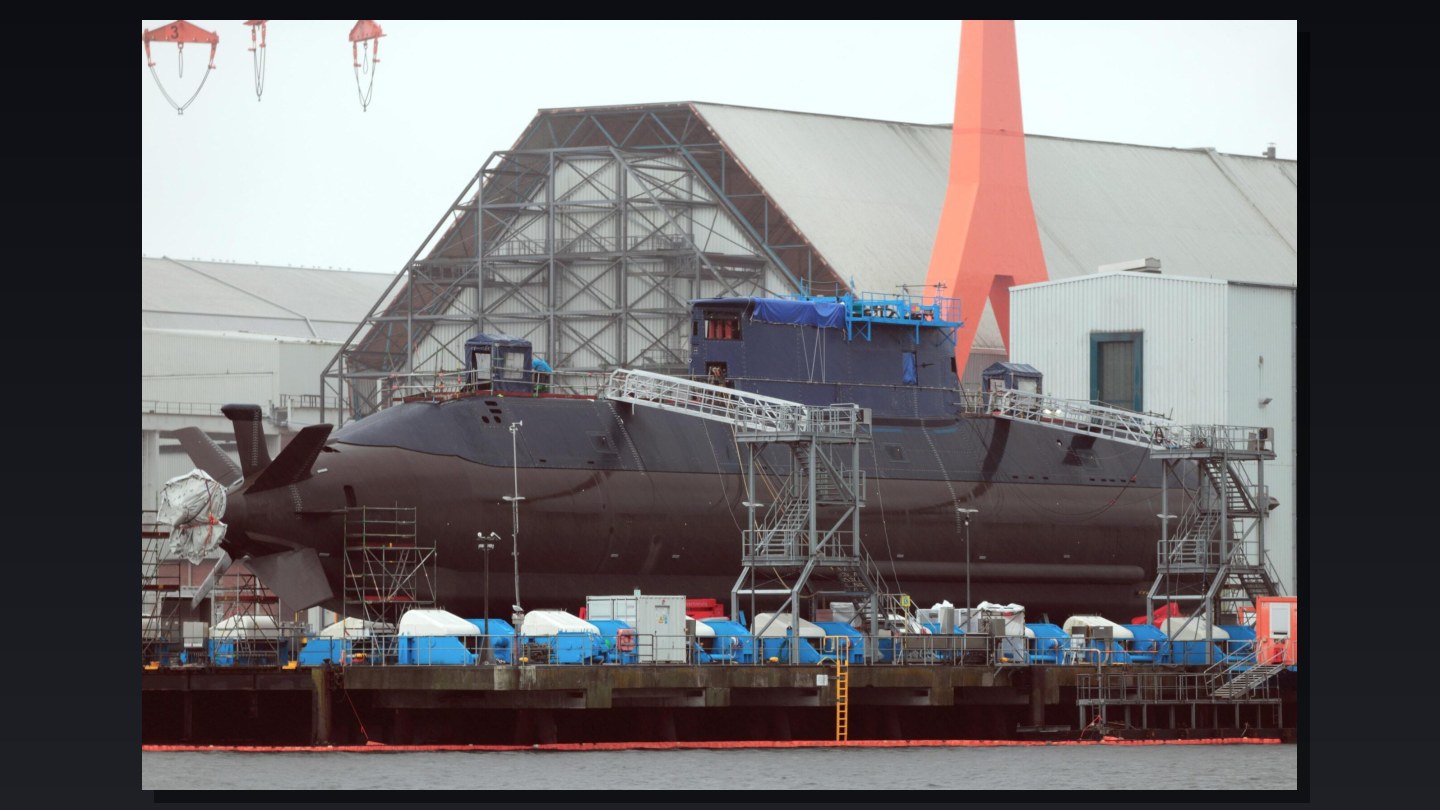
Mykolaiv lies on the Bug River with access to the Black Sea and, during the Soviet era, was one of the Union’s most important shipbuilding bases — originally developed on the model of the American Newport News shipyards with the aim of constructing aircraft carriers. That production programme was never completed before the collapse of the Soviet Union, but the enormous storage facilities and infrastructure built to support shipbuilding still exist and, according to the Russian Defence Ministry, have been used by the Ukrainian military for large-scale storage of fuel, ammunition and military equipment. Russian Su-34 bombers have now dropped heavy FAB bombs on several of these facilities. The Russian Defence Ministry listed the Nika-Tera cargo terminal, the Metro logistics centre, the Nova Poshta logistics centre and a number of fuel depots among the targets. The ministry described several of the targets as “destroyed” — wording normally used when a target is assessed to have been completely put out of operation.
At the same time, attacks continue against ships attempting to reach Ukrainian ports. A queue of around 80 vessels has built up at the Sulina Channel, with waiting times of 14–17 days for ships heading to Ukrainian Danube ports such as Izmail. This is not on the same scale as the congestion in the Persian Gulf following restrictions on traffic through the Strait of Hormuz, but the queue is growing. For shipping companies and insurers, this is costly — a vessel sitting idle in or near a war zone is pure expense, and insurance premiums will inevitably rise further.
The Front: Russia Breaks Into Druzhkivka
While this programme was being recorded, the Russian Defence Ministry published an announcement saying that Russian forces had established themselves on the outskirts of Druzhkivka and were beginning to attack into the city itself — meaning that, according to the Russian account, the battle for the city south of Kramatorsk is now underway.
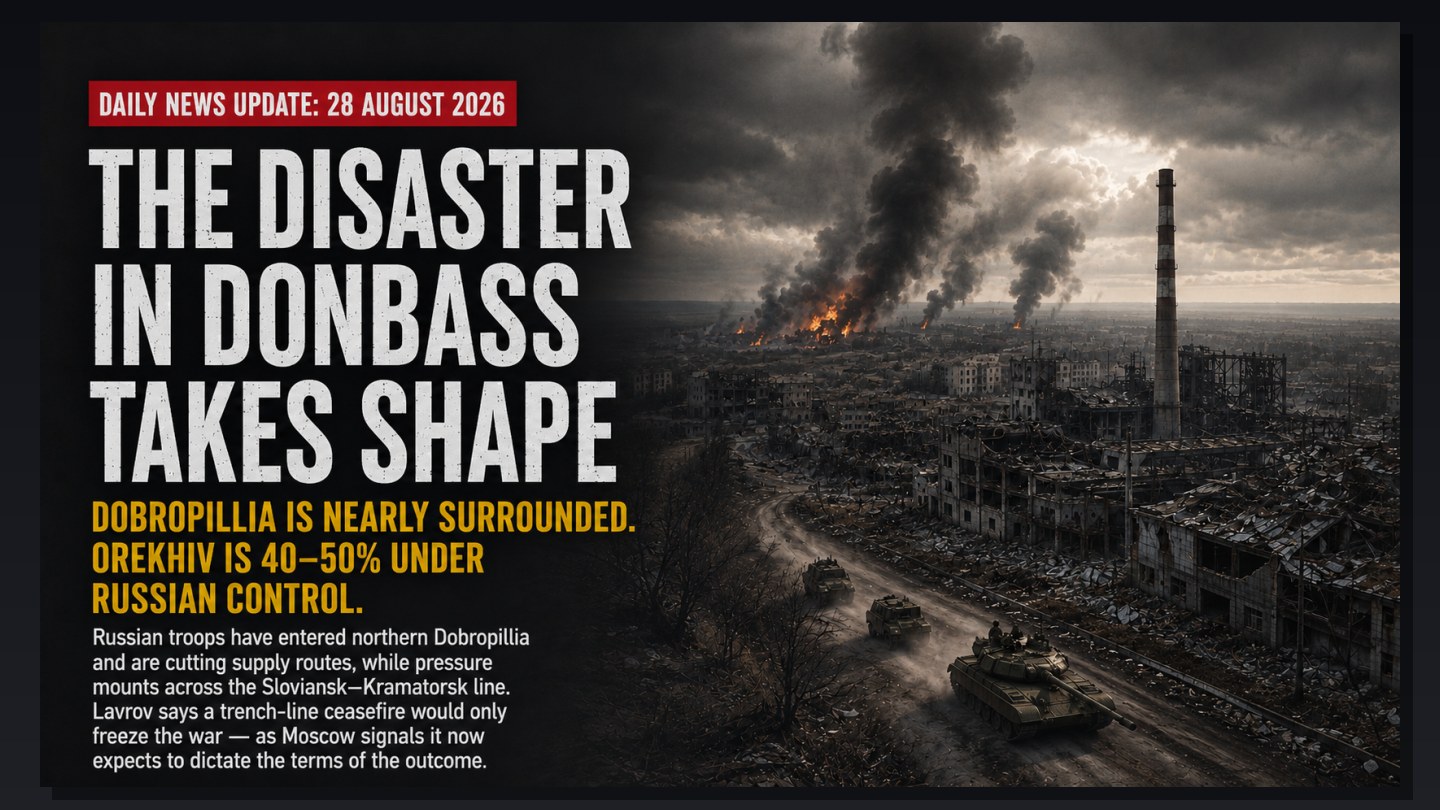
In Orikhiv, Russian forces have, according to Russian reports, taken around half of the city, while Readovka goes further and claims that Russian forces now control most of Orikhiv. The outlet reports that the Ukrainian garrison’s ability to conduct an orderly withdrawal is disappearing — meaning that Orikhiv is in the process of being destroyed as an organised military force.
West of the city, Group Dnepr has once again gone over to the offensive and is rapidly recapturing territory lost during Ukraine’s spring counteroffensive, including around the villages of Prymorske and Plavni — Prymorske can be regarded as a southern suburb of Zaporizhzhia city itself.
There have also been reports of a Ukrainian counteroffensive near Stepnohirsk and in the Lyman sector. Here, the picture is unclear: during a press conference in Bishkek, Putin referred to a place he called “Sviatohirsk,” northwest of Sloviansk — but this may have been a mix-up with the similarly named Stepnohirsk farther south, which according to Readovka was partially retaken by Ukraine before the Russians again claimed to have recaptured it.
As for Lyman, there are now both Russian and independent reports confirming that Ukraine has carried out counteroffensives in the area. What remains unclear is the scale of the operations and how durable the gains are. ISW itself writes that the limited open-source material probably underestimates Ukraine’s progress. One possible explanation for some movements farther north is that scattered Ukrainian soldiers have attempted to flee south through Russian-controlled territory from the Borova pocket, where Russia claims to have encircled around 4,500 Ukrainian troops.
Farther northeast, the Russian Defence Ministry has issued detailed accounts of fighting around an encircled Ukrainian force of around 1,700 men in northeastern Kharkiv. According to the Russian description, the pocket appears to be collapsing rapidly, and Ukrainian forces there are said to be struggling to organise a coherent defence.
Putin to Trump: Stop Helping Ukraine — We Will Win Anyway
Putin and Trump spoke by telephone on Tuesday in a conversation the Kremlin described as constructive and which, according to Kremlin adviser Yuri Ushakov, lasted exactly one hour. Ushakov said Trump directly conveyed his desire to bring the conflict to a swift end, as this would immediately open “significant and far-reaching” prospects for the full restoration of relations between the United States and Russia — with particular emphasis on trade. According to the same account, Putin supported this approach but simultaneously gave Trump a detailed review of the battlefield situation and Russian advances.
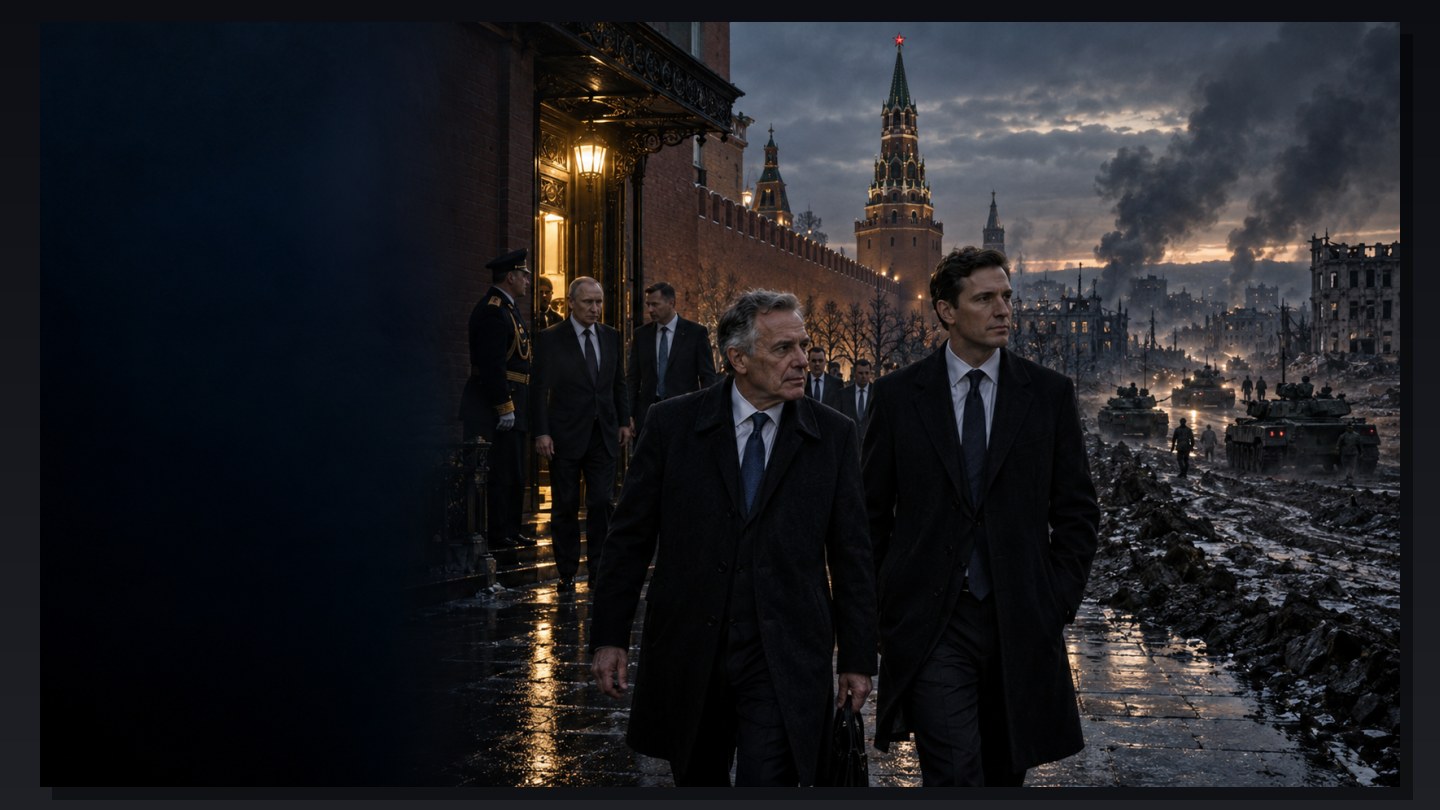
It is not difficult to read between the lines here: this is, in effect, an American offer of economic restoration in exchange for Russia ending the war — an inducement, not pressure. It is exactly the same dynamic that lay behind Witkoff and Kushner’s visit to Moscow last week, when they brought proposals for economic cooperation after CIA Director Ratcliffe’s more pressure-based approach apparently failed.
Ushakov also confirmed that Putin rejected any suggestion of Russian plans for aggression against Europe and described the “myths of a Russian threat” as a pretext Europeans use to increase support for Ukraine and their own defence budgets. Trump has previously said that on this point he believes Putin.
What did not emerge as directly from the Kremlin’s initial readout was stated far more clearly by Ushakov the following day. Asked what concrete steps the United States could take to accelerate the end of the war, he replied: “First and foremost, perhaps, stop all assistance to Kyiv.” The core of Putin’s message to Trump is therefore that if the United States truly wants a rapid end to the war, the solution is simple — stop military and other support for Ukraine. Russia believes it will win the war regardless, and that Western assistance merely prolongs it by giving Ukrainians false hope that rescue will eventually come from outside.
Peskov: Trilateral Talks Could Resume — But There Is No Roadmap
During his Wednesday morning briefing, Peskov confirmed that there is a joint initiative to resume trilateral talks between Russia, the United States and Ukraine, but at the same time stressed that there is no roadmap for how those talks should develop further — in other words, no agreement on any of the issues that actually divide the parties.
According to available reports, Russia has reiterated its Istanbul-plus demands to Witkoff and Kushner: formal Ukrainian recognition of Crimea, Donbas, Zaporizhzhia and Kherson as Russian territory, as well as a constitutional amendment establishing Ukrainian neutrality. These are not new demands — the central elements were presented by Putin in his speech to the Russian Foreign Ministry in June 2024. What may be new is that Putin has now stated them even more explicitly to the American envoys than before.
Iran Continues to Drain US Patriot Stockpiles
In the Middle East, escalation between the United States and Iran continues. Iranian forces recently fired 20 ballistic missiles at a US base in Jordan, 18 of which Jordan says were intercepted. According to reports, US forces used around 60 PAC-3 Patriot interceptors to repel the attack — after a similar attack shortly beforehand reportedly required around 80 interceptors.
The US stockpile was estimated at around 640 units roughly a month ago. The inventory is therefore being depleted rapidly if these expenditure figures are accurate, particularly because production and delivery times for new PAC-3 interceptors are long. This further reduces the likelihood that the United States can spare significant quantities of air defence for Ukraine in the foreseeable future.
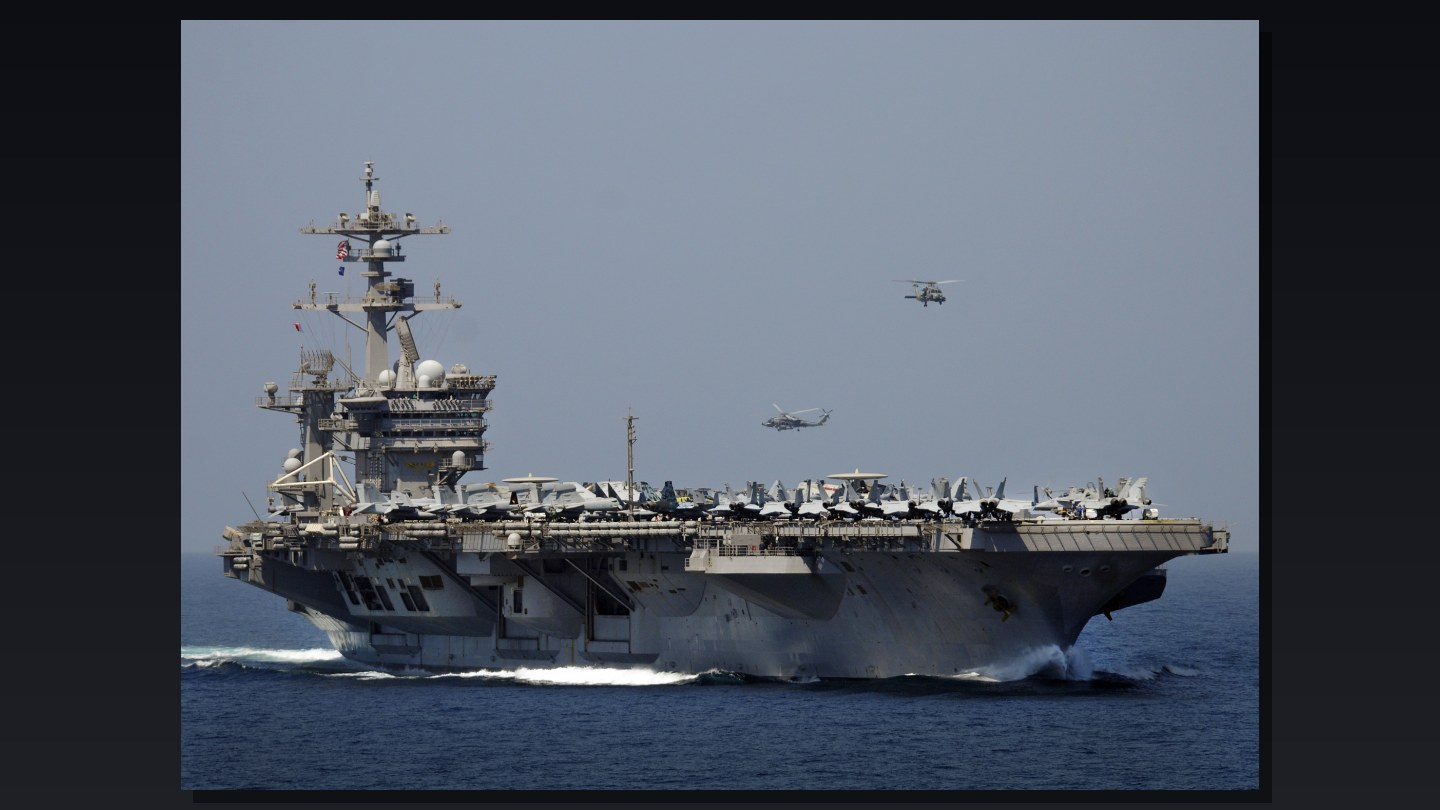
At the same time, there are reports of Iranian missiles targeting US warships equipped with electro-optical AI sensors of a type strongly reminiscent of technology used in Russian drones and missiles against Ukraine — another indication of possible Russian assistance to Iranian missile-guidance technology.
And with new large-scale Houthi attacks against Saudi Arabia, including strikes on Saudi energy infrastructure, another conflict between Saudi Arabia and the Houthis in Yemen appears to be emerging in parallel with the Iran crisis. Brent crude passed $100 per barrel on 9 September, and high fuel prices have once again become a political problem in the United States ahead of the November midterm elections.
Conclusion: Not a Good Time for Ukraine to Prolong the War
With the crisis in the Middle East, rising energy prices, turbulence in bond markets and a European political landscape in which voters in Saxony-Anhalt have just shown where their priorities actually lie, it is difficult to see anything suggesting that this is a favourable moment for Ukraine to insist on prolonging the war. Support for Ukraine may soon run into its own limits — even if Zelensky himself will never acknowledge it.
Perhaps it is time for others in Kyiv to do so.