Germany’s Twofold Catastrophe: CDU Vanishes From Mecklenburg-Vorpommern and Collapses in Berlin
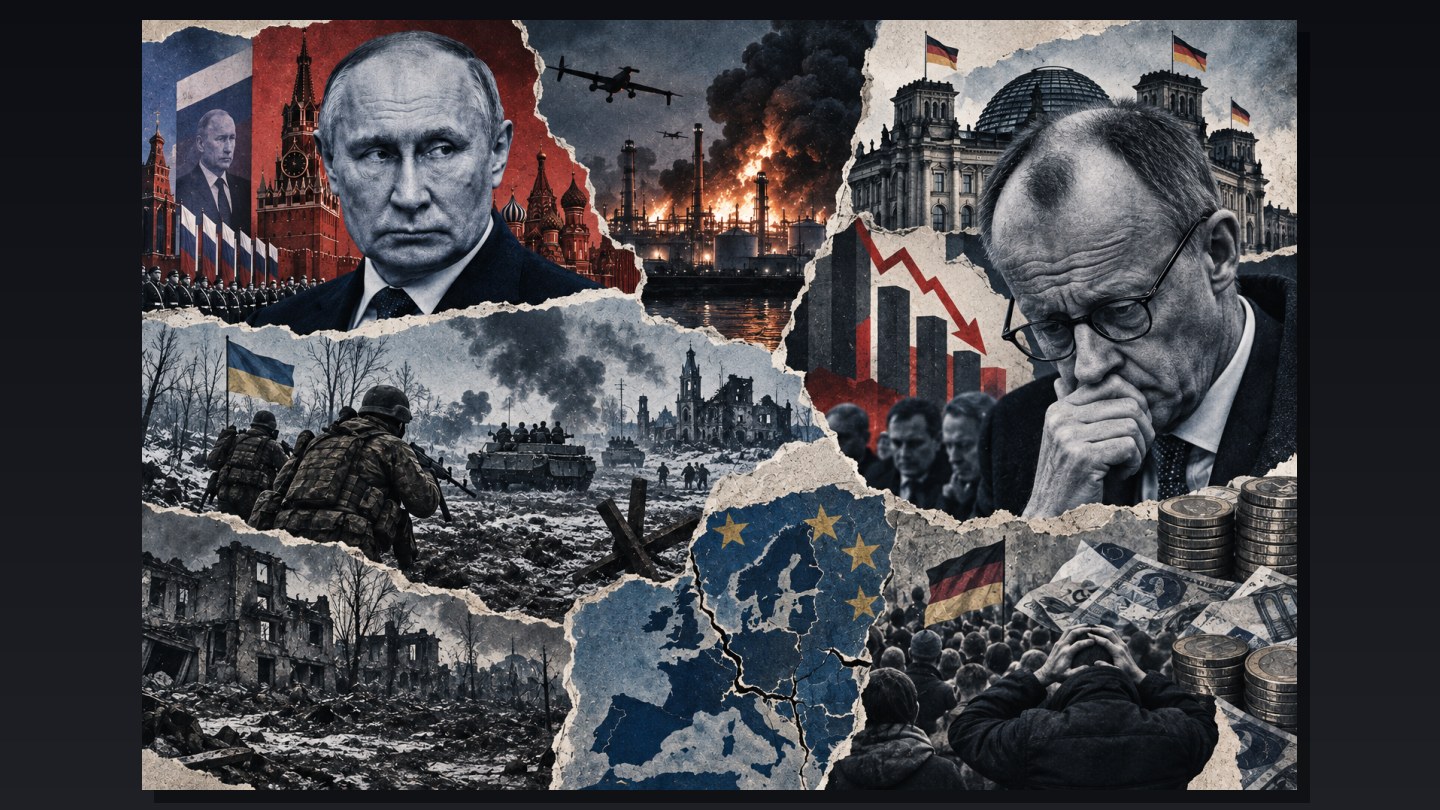
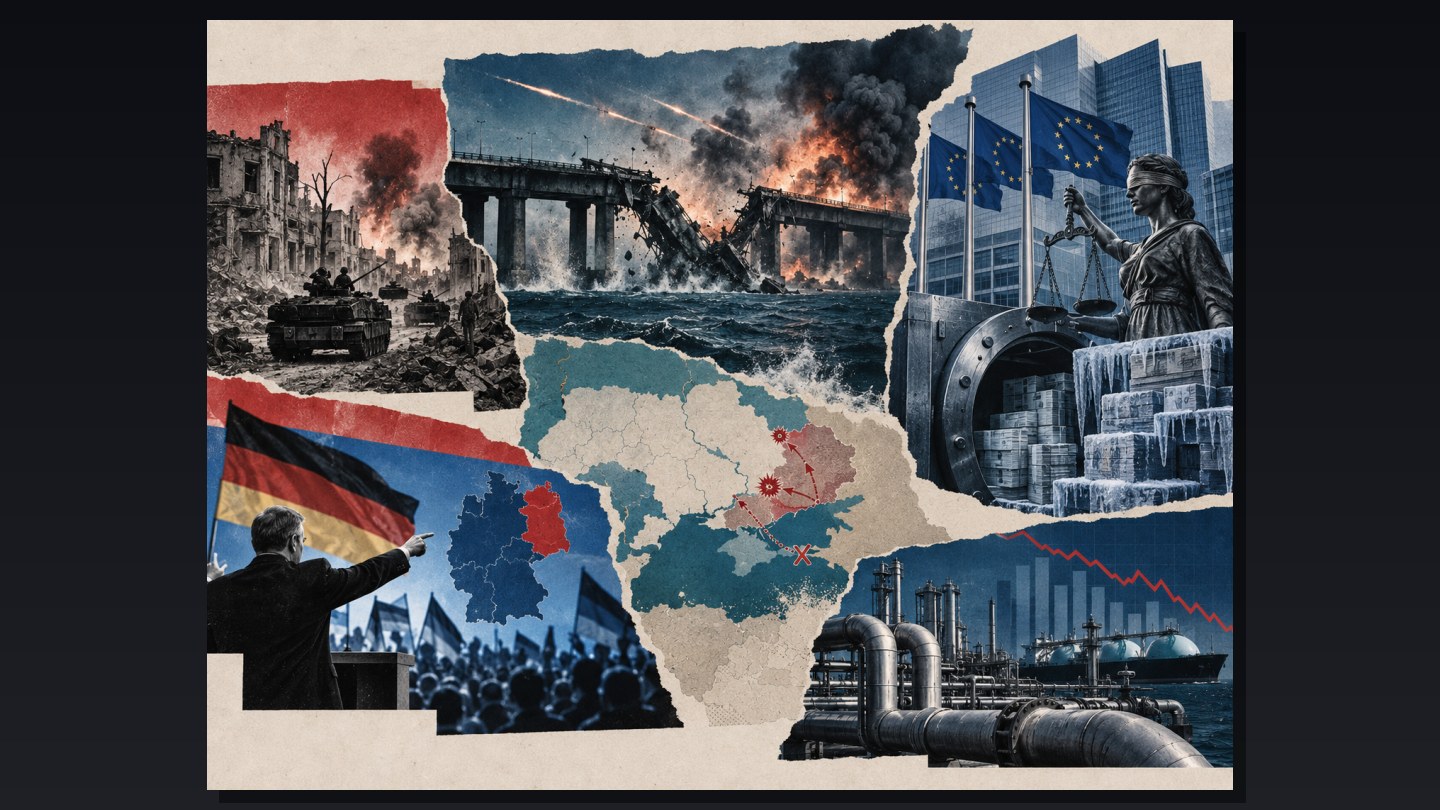
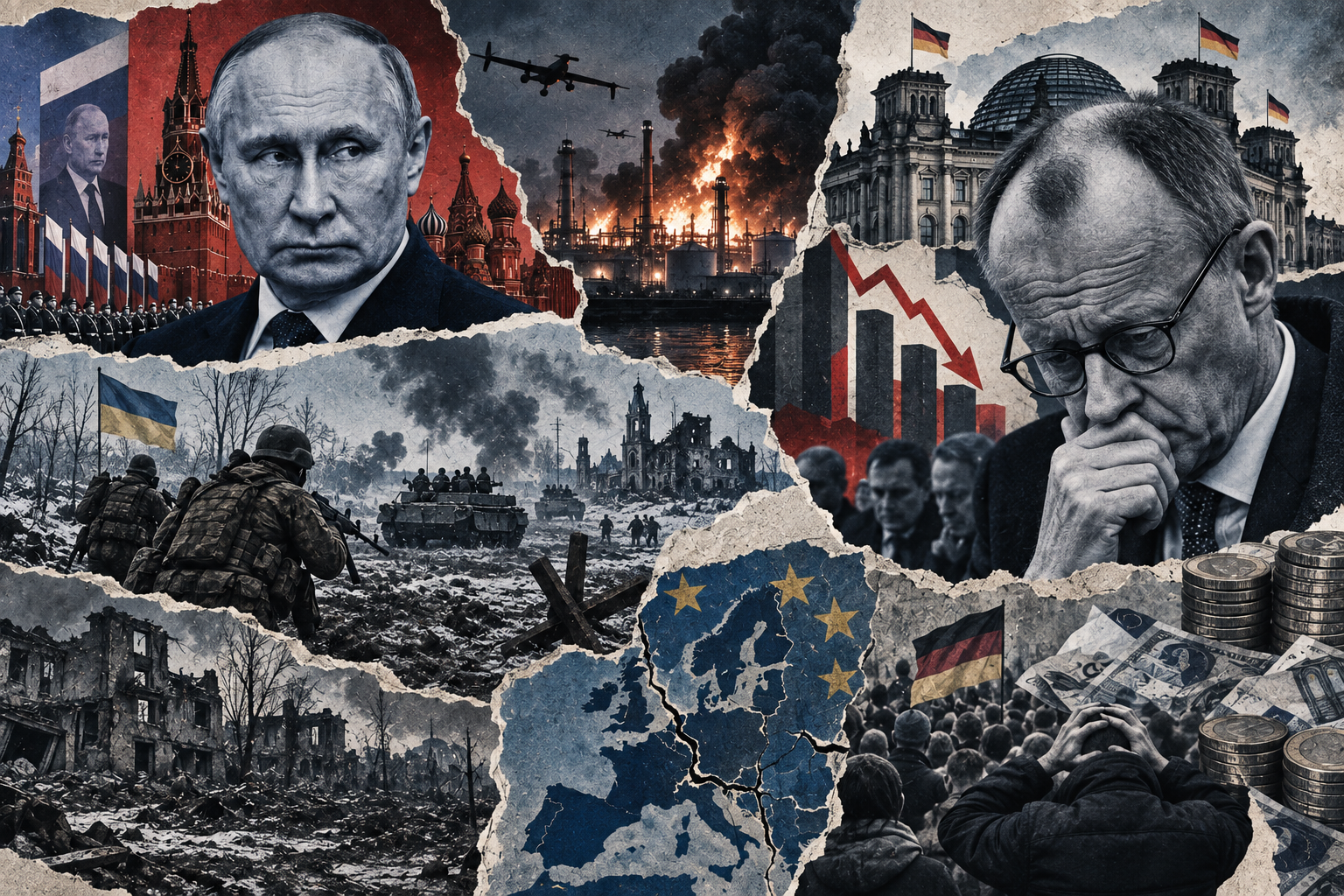
Sunday’s state elections in Mecklenburg-Vorpommern and Berlin produced two consistent, devastating results for Chancellor Merz’s CDU. In Mecklenburg-Vorpommern — Angela Merkel’s home state, traditionally left-leaning and northern German — AfD won 38.2 percent of the vote, a gain of 21.5 percentage points. The CDU fell to 4.9 percent — below the 5 percent threshold, leaving it with no representation at all in the state parliament, a first in the history of the Federal Republic in any state. In Berlin, the far-left party Die Linke — the historical and organisational successor to the East German communist party SED, the party that built the Berlin Wall in 1961 — took first place with 25.7 percent, while the CDU ended on a modest 18.8 percent. AfD, which admittedly has a harder time in the capital, at the same time increased its support to 16.3 percent.
What is striking is how different these two states are. Mecklenburg-Vorpommern is rural, ageing and traditionally social democratic — Minister-President Manuela Schwesig, formerly a strong champion of the Nord Stream pipelines, fought hard against AfD with warnings of “dark clouds”, yet only managed to save the SPD with a fall to 35.5 percent. Berlin, by contrast, is Germany’s most left-leaning city: young, cosmopolitan, with a large university community and a significant Turkish population. That the CDU collapses in both — in one to the benefit of the far right, in the other to the benefit of the far left — is not two isolated events, but two symptoms of the same disease: an establishment party that has lost all trust.
Merz himself called the results a “catastrophe”, but has at the same time insisted he will not change course “by so much as a centimetre”. His approval rating is now down around 13–14 percent, and the pressure for him to step down is rising dramatically. It is no longer a question of whether he goes, but when — and who takes over. Most likely, as when Andy Burnham took over from Keir Starmer in London, it will be a more pliable version of the same policy, not a real change of course. But should a future German government one day choose to seek some form of rapprochement with Russia, Germany is the only EU country with enough weight to actually change the Union’s overall course.
Russia: Putin’s Party Wins Comfortably — and a Hardened New Parliament
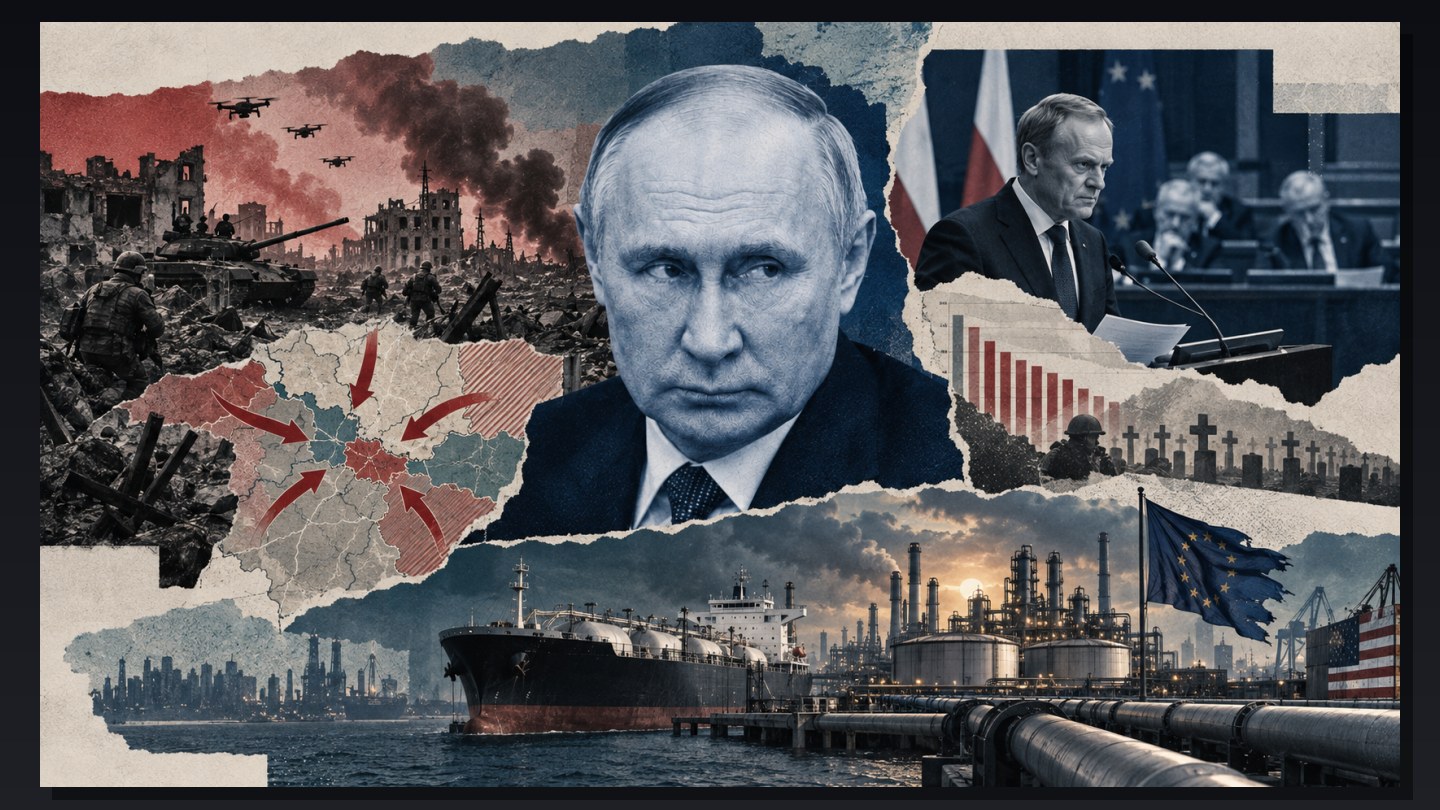
While Germany crumbled, the Russian parliamentary election was held over three days, with a turnout of 59.3 percent. Putin’s United Russia won 57.83 percent of the vote and a record 355 of 450 seats. The Communist Party and the Liberal Democratic Party meanwhile held their ground with stable voter bases. The liberal “New People” party, yet another Kremlin attempt to create a loyal, sovereigntist liberal alternative, clearly underperformed its polling — a reminder that there is very little appetite for any form of liberal politics in today’s Russia, even one that supports the war.
The election confirms what has long been obvious to anyone actually paying attention: Russia remains stable. Regional elections across the country broadly mirror the results at the centre. Russians voted in their millions for Putin’s party and for parties that support his foreign policy and his line on the war. The idea that one could trigger a political crisis in Russia like that of 1917 and bring the government down is a fantasy — and this election confirms it once and for all.
A striking feature is that all parties, especially United Russia itself, actively recruited veterans of the special military operation as candidates. 49 war veterans were elected to the new Duma. The result will be a parliament filled with relatively young men with military backgrounds, organisational ability and the authority that comes with wartime service — men who will be more nationalist and uncompromising than the Russian parliament has historically been, and far less willing to accept Western demands for concessions to end the war. It is a Russia that emerges from this election richer, tougher, more self-confident and technologically more advanced than before — and in which the political centre of gravity has moved even further away from any accommodation with the West.
The Moscow Attack: An Estimated Over $150 Million — for Limited Results
After the massive drone attack on Moscow on Saturday night, discussed in detail in yesterday’s update, an even clearer picture is now emerging of how unsuccessful the operation actually was. Larry Johnson, a former US intelligence officer from Veterans Intelligence Professionals for Sanity, was himself in central Moscow during the attack — and said he did not even notice it was happening while sitting in his hotel room just kilometres from the Kremlin.
The Russian Ministry of Defence subsequently published what can only be called a triumphant bulletin: the vast majority of the drones were shot down long before they reached Moscow, and all the Flamingo cruise missiles fired were, according to the ministry, shot down.
Several analysts have now done the maths and concluded that this single attack probably cost Ukraine over $150 million — compared with Ukraine’s average daily war spending of around $190 million.
The damage was nonetheless greater than first reports suggested. The Moscow refinery had to halt crude processing after both the AVT-6 unit and the EURO+ complex were hit, and repairs may take several weeks. A warehouse was also destroyed, a residential block was hit, and three people were killed in the Moscow region.
But even with the significant refinery loss, the cost of the operation stands in a striking relationship to the result. Spending an estimated over $150 million on a single attack to knock out parts of one refinery for a few weeks and hit a limited number of other targets raises obvious questions about how sustainable this strategy is over time.
The usual answer from Ukrainian and European quarters is that the cost is irrelevant because the Europeans are footing the bill. Indeed, Ursula von der Leyen announced, right after a phone call with Zelensky, a transfer of €3.3 billion.
But the lesson from the recent political upheavals in Britain and from the CDU’s collapse in Germany the same weekend should be obvious: this policy is becoming ever more unpopular among European voters. They may not understand all the nuances, but they know the war goes on, that money is getting scarce for everything else, and that their own living standards are falling. It is a misconception to believe that European governments can keep writing such cheques indefinitely — the limits are now beginning to show, and will likely become clearer in the coming months.
The Front: Kharkov Pocket Being Cleared, Biletsky’s Offensive Looks Like a Meat Grinder
In the north-eastern Kharkov area, Russia continues to fragment the encircled pocket — Ukrainian forces there are now split and isolated from one another, and resistance is unlikely to survive the week. Russian forces are now moving beyond the pocket’s own boundaries and approaching the important village of Veliky Burluk, apparently about to begin an encirclement there too.
Should the town fall, Ukraine will probably lose the entire eastern Kharkov area — which would put Russia in a strong position to advance south from the north towards Izyum and cut the supply routes to Azov commander Andriy Biletsky’s forces, which in practice would mean the end of his Lyman offensive.
Biletsky, incidentally, finally published new video footage of the offensive on the last day of the Russian election — which, on closer inspection, shows Ukrainian forces fighting in two villages the Russians claimed to have captured long ago, but whose fall the Ukrainians had always disputed. That Biletsky now presents it as a “recapture” is in reality an admission that the villages were indeed lost for a time.
The fighting is taking place along the Nitrius river — probably the furthest the offensive has reached. There is still a Ukrainian force west of Lyman on the Seversky Donets river, and Russia has published drone footage of strikes on Ukrainian troops precisely there.
Instead of the blitzkrieg some have claimed, this looks more like a meat grinder: Ukrainian forces leave their fortified positions, suffer very heavy losses and weaken their own long-term position, while the Russian West group reorganises and prepares a counterattack when the moment is right.
Biletsky himself appeared, according to several observers, nervous and far from confident in the video. It is typical of him to run such private offensives without regard for the wider consequences for the rest of the front — and given his lack of formal military education, it is likely that he himself, rather than let the Azov force be critically weakened, will sooner or later call off the operation.
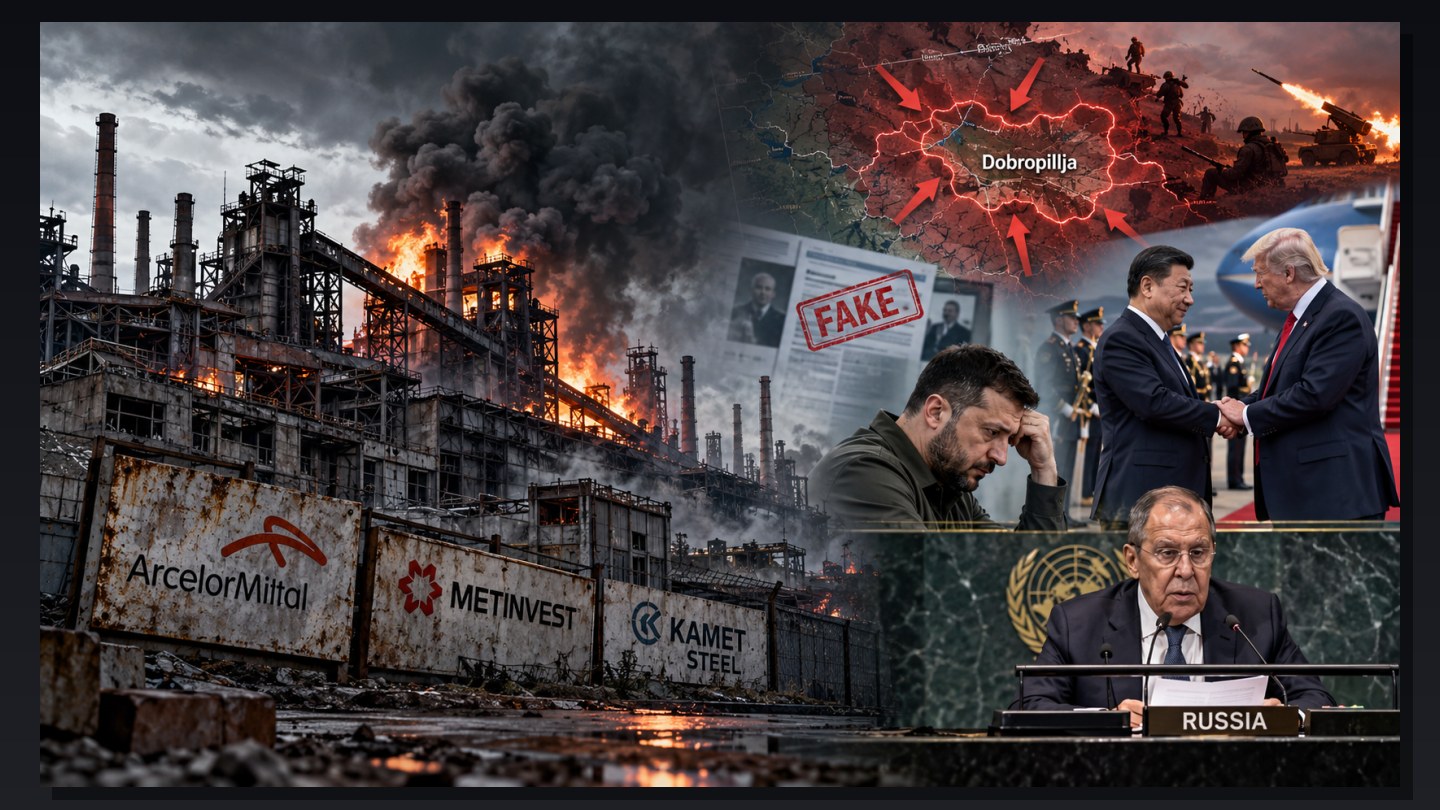
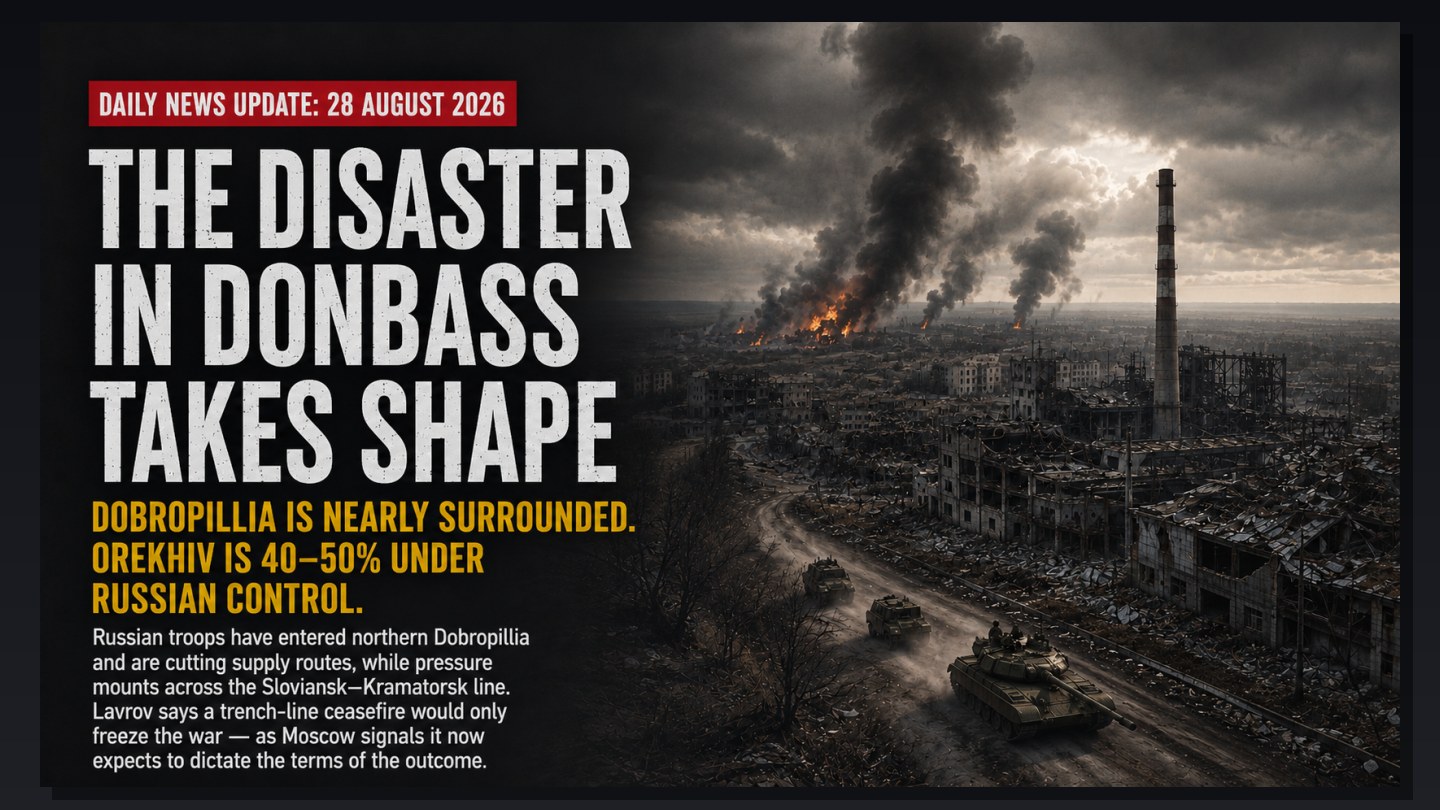
Further south, Russian forces continue to advance past Dobropillya itself, which now appears encircled, while the Centre group under General Ivan pushes on north-westwards despite continued Ukrainian resistance.
As noted yesterday, it is not Russian practice to time military announcements to political events — and given that the Kremlin above all wanted to project stability and normality during the election, the last thing it wanted was to remind the population, in the middle of an election period, that the war is still going on.
Zelensky: “40 Days to Win the War” — and a Moneyless Meeting Ahead
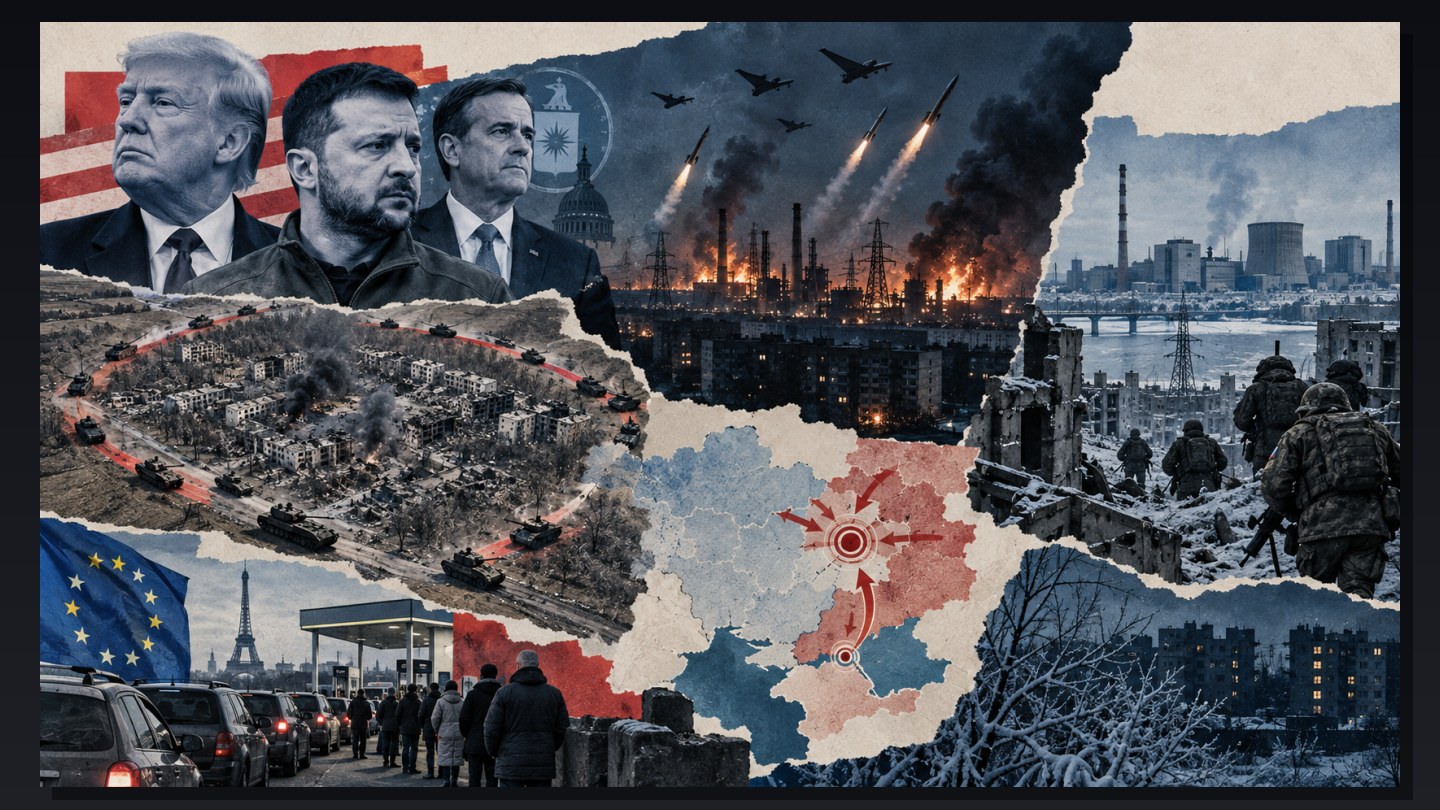
Zelensky has had a phone call with Trump to arrange a meeting in New York on the sidelines of the UN General Assembly. Zelensky himself describes the call as good; Axios suggests the opposite — that Trump put considerable pressure on him to stop the attacks on Russian refineries, which Trump links to the global diesel crisis.
It is unlikely that Zelensky will ever agree to such a demand: the refinery attacks are practically the only thing he can point to as proof that the drone offensive works, and they are also carried out with extensive US intelligence and planning support.
It seems more likely that Trump will instead pressure the Europeans to stop their attempts to seize Russian shadow-fleet tankers — something the US has every interest in avoiding, given the need for Russian oil to keep flowing freely in a global market under pressure.
Zelensky will probably ask for even more air defence he cannot get, and even more money that he will partly obtain through European pressure, but not directly from the US.
He has now stated that he needs “40 more days” to win the war — without it being clear what he thinks he can achieve in that time, given that his big strike on Moscow just ended in a costly fiasco.
The most likely outcome is that these 40 days will be used to build European support for some form of direct Western intervention in the war.
Fearful and desperate people become reckless and dangerous.
Conclusion: The Idea of a Russian Crisis Is Dead — for Good
With Russia’s orderly conduct of an election in the middle of the largest Ukrainian drone offensive ever, with results confirming the strength of Putin’s position, and with the failed Moscow operation as proof, the whole notion of an impending political crisis in Moscow — the only path the West has so far had towards a possible victory in the war — now appears to have been finally and conclusively laid to rest.
But because the West, or at least the Europeans, are unable to come to terms with the possibility of a military defeat, we must now look ahead to further escalation, perhaps of an extreme kind — which increases the dangers further and potentially puts the world in the most dangerous position yet in this conflict.