Russia Confirms the Dobropillia Cauldron: Elite Skala Regiment Trapped — and a Ukrainian Officer Says Out Loud What No One Else Dares to Say
Dobropillia: Russia Officially Confirms a New Cauldron
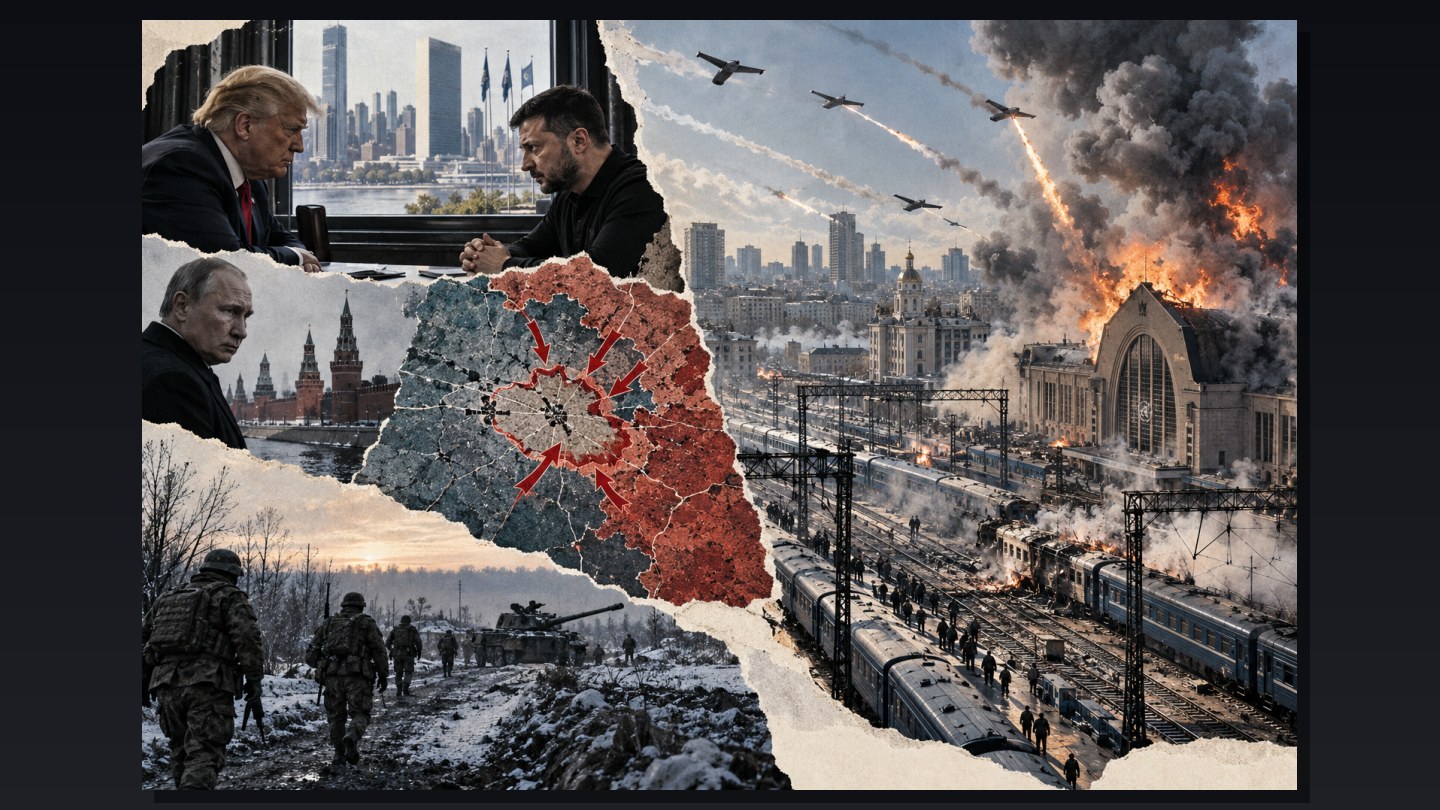
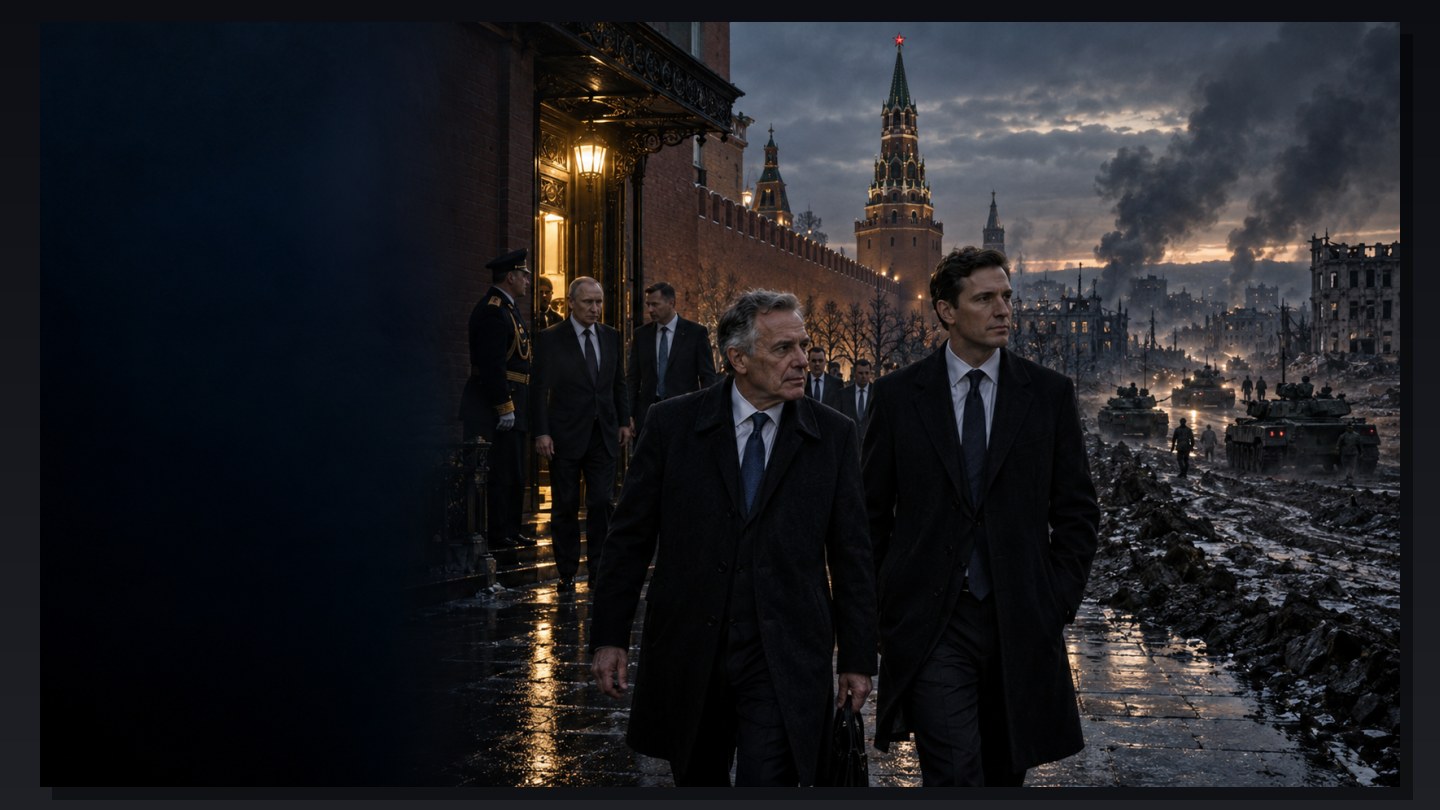
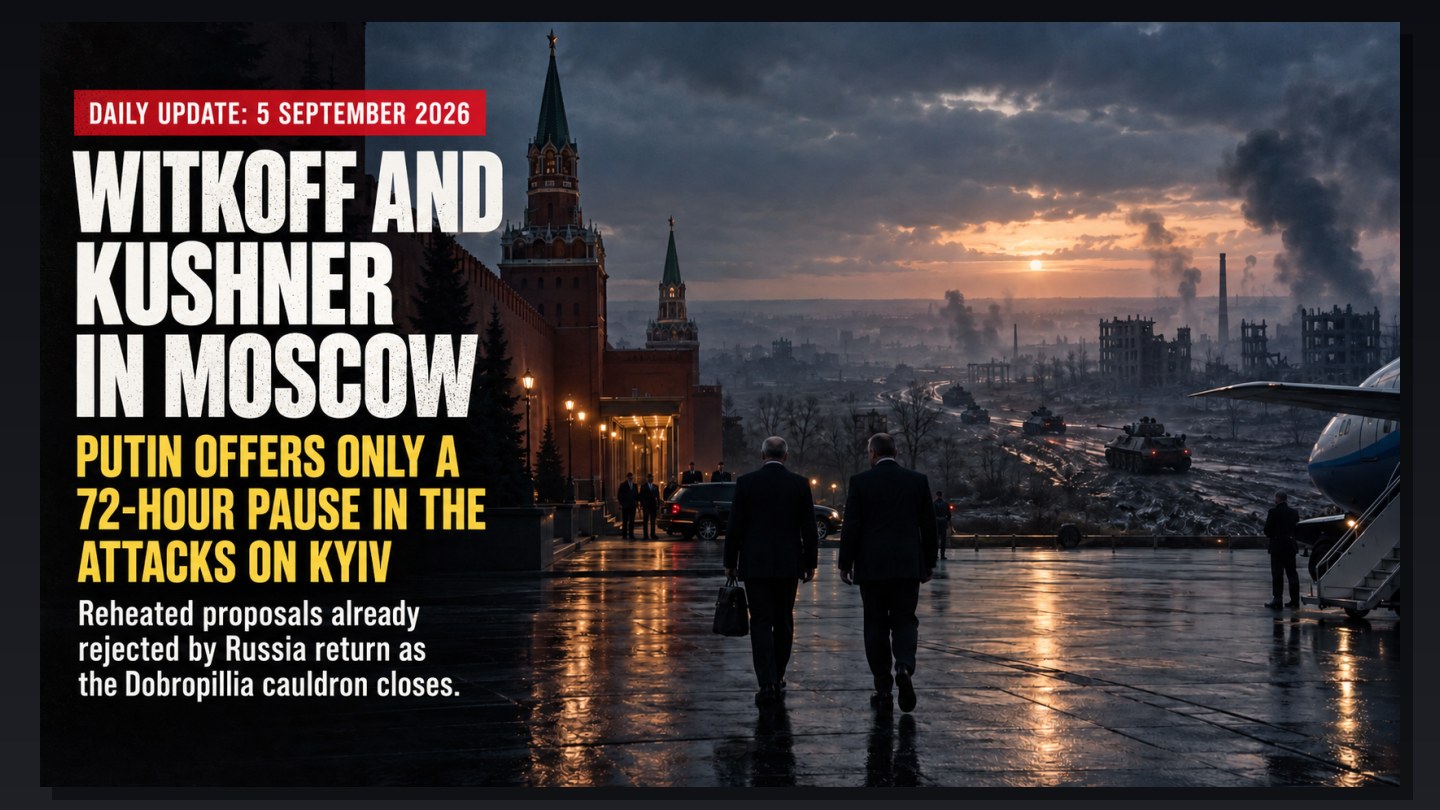
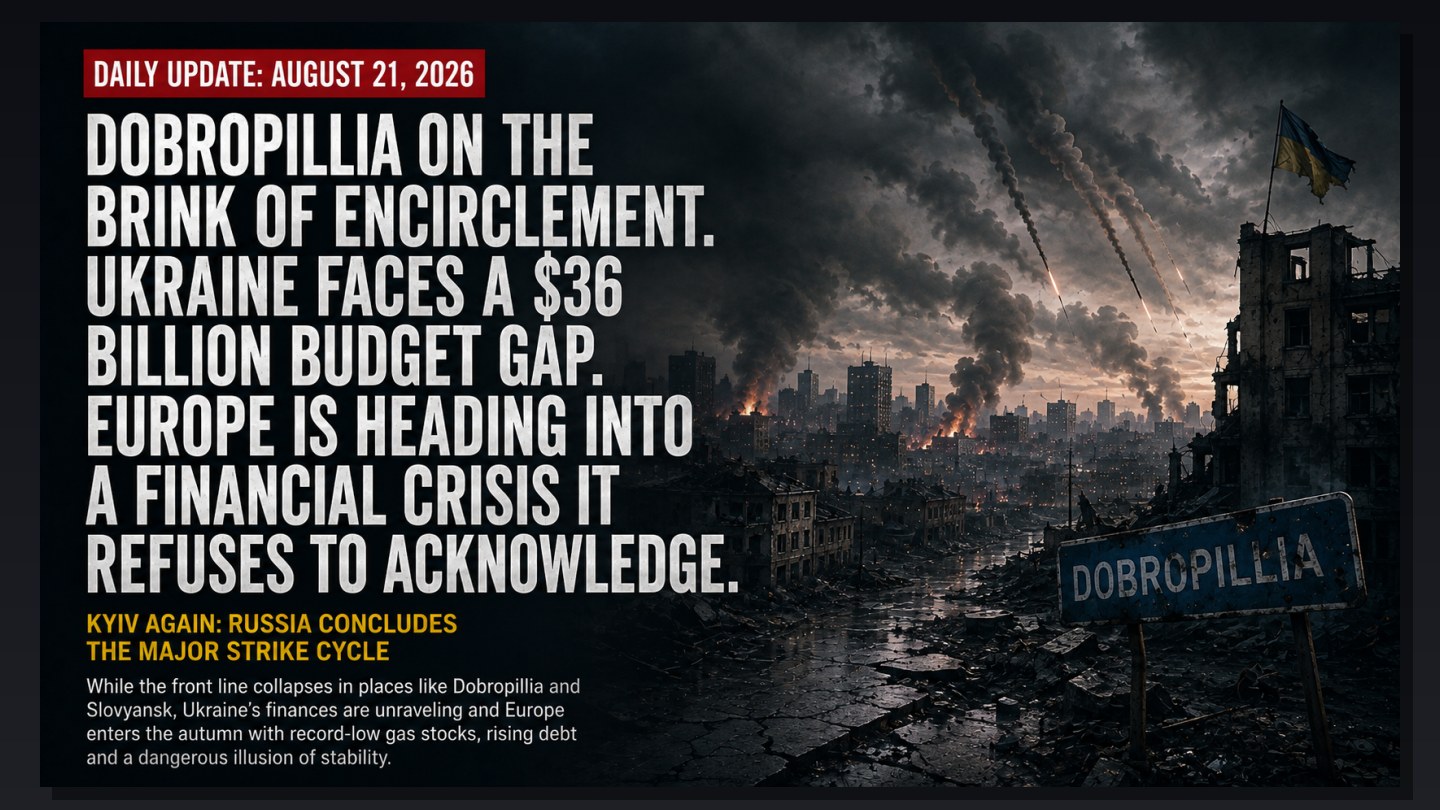
The Russian Defence Ministry announced on Monday that Group Centre had completed the encirclement of Ukrainian forces in Dobropillia, and that the offensive was now continuing toward the village of Oleksandrivka north of the city. Among the trapped units, the ministry listed the 4th and 15th National Guard Brigades as well as the 425th Separate Assault Regiment “Skala” — a regiment that is in practice infantry, but with some of the qualities of a special-forces unit, originally built up under General Syrskyi’s leadership and still regarded as an elite formation. The ministry further stated that several Ukrainian breakout attempts had been repelled and that at least 50 Ukrainian soldiers had been “neutralised” in the past 24 hours alone.
Unlike the sudden and surprising announcement of Sviatohirsk’s fall west of Lyman several weeks ago, this announcement builds on and confirms what Russian military bloggers and analytical channels have been reporting for a long time. There is little reason to doubt that a significant Ukrainian force is indeed encircled in Dobropillia. The city will probably fall unless the Ukrainians can somehow perform a miracle and break through the cauldron — which appears highly unlikely.
Dobropillia is the last city in western Donbas; beyond it lie open fields and small villages for dozens of kilometres in every direction. Combined with Russian control of Zolotyi Kolodiazi and Kolodiazi farther east, the city’s fall would place Russia in an ideal position to outflank the entire Sloviansk conurbation from the west. This is not merely another cauldron — it is another step toward the largest cauldron of the entire war so far: one that could ultimately envelop Sloviansk and Kramatorsk and trap tens of thousands of Ukrainian soldiers.
Zaporizhzhia: A Ukrainian Commander Says It Out Loud — Zaporizhzhia City Could Be Attacked This Winter
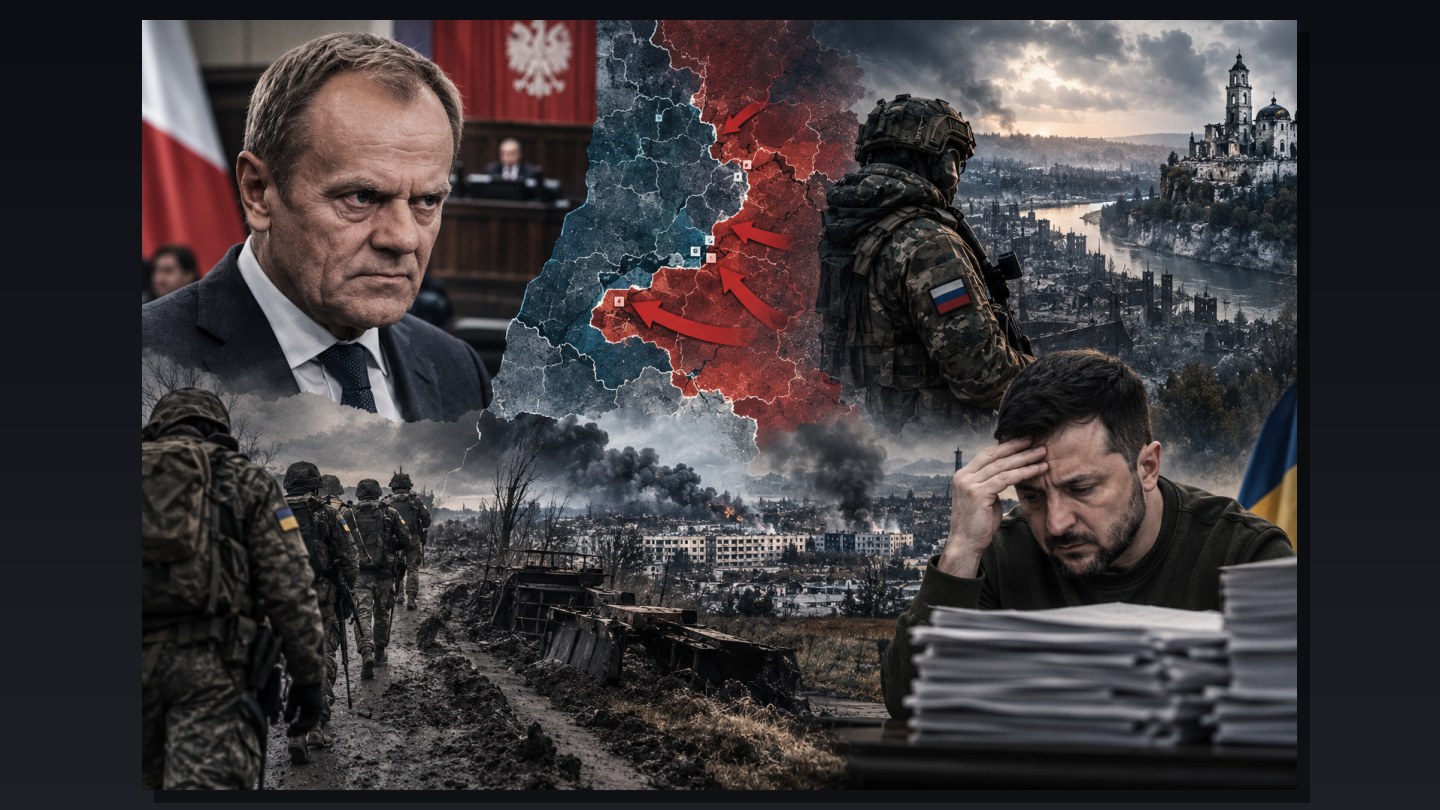
A far more troubling assessment comes from the Ukrainian side itself: the commander of Ukraine’s 1st Separate Assault Regiment, call sign “Perun” — after the Slavic god of war — has said that the situation in the Zaporizhzhia region is deteriorating rapidly. He is clearly referring to Orikhiv, which the Russians have encircled and from which the Ukrainians appear unable to withdraw — fighting there is intense, and the Russians probably control most of the city, with remaining Ukrainian resistance concentrated in the northern section.
According to the commander, General Teplinsky’s Group Dnipro, which has retaken Stepnohirsk and partly Plavni and Prymorske along the eastern bank of the Dnipro south of Zaporizhzhia city, will begin infiltrating north toward the city itself once Orikhiv falls — through continuous built-up areas all the way to the city’s outskirts.
He says there is a real and high probability that Russian infantry groups will penetrate into Zaporizhzhia itself during the winter, using infiltration tactics through the dense urban development along the river.
If that happens, it would significantly boost Russian morale and shock the West — Zaporizhzhia is a city that had more than one million inhabitants in Soviet times, ten times larger and economically far more important than Kostiantynivka. An assault of that scale would be impossible to conceal or explain away, and would in one stroke reduce every narrative of Ukrainian initiative to dust.
The Massive Strike: A Taste of What Is Coming
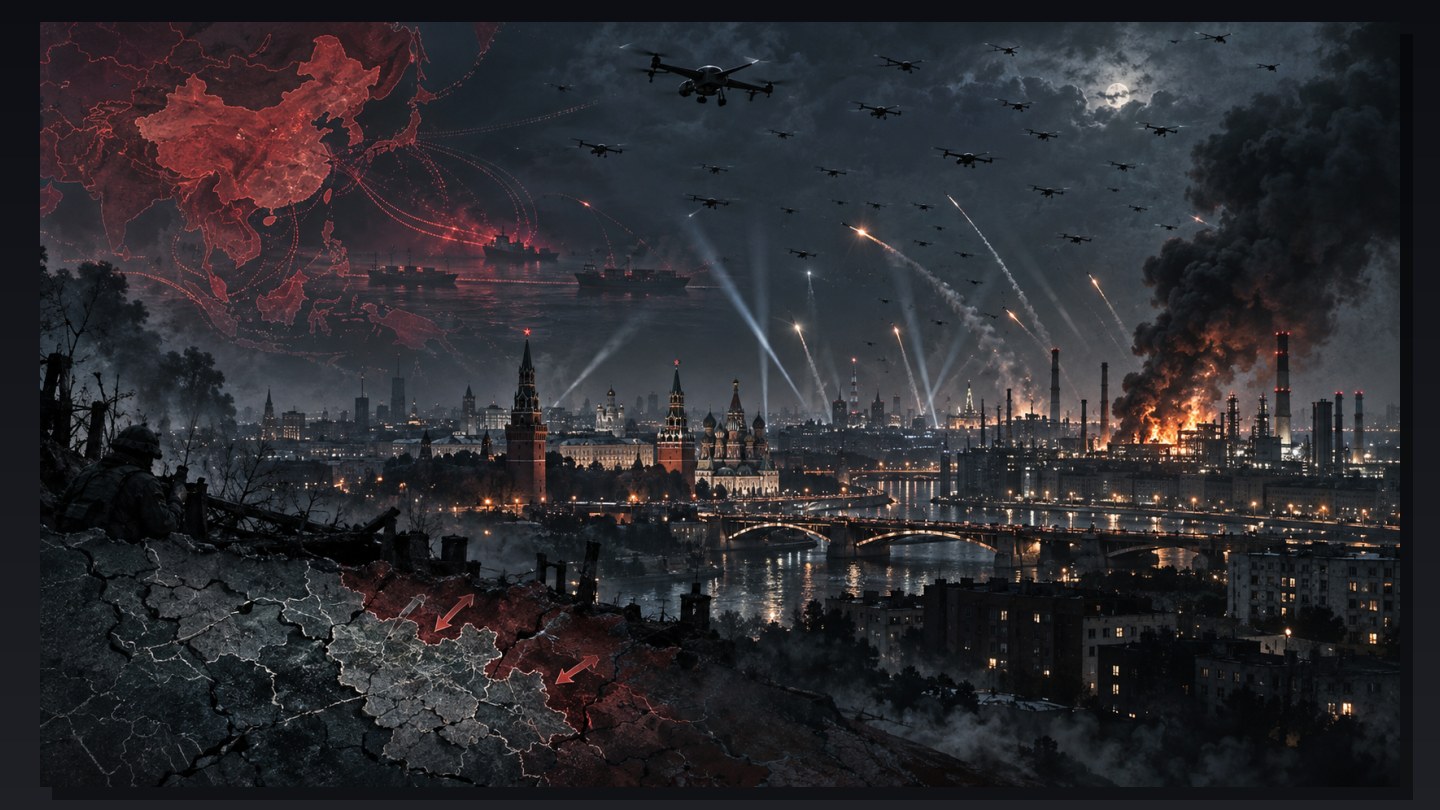
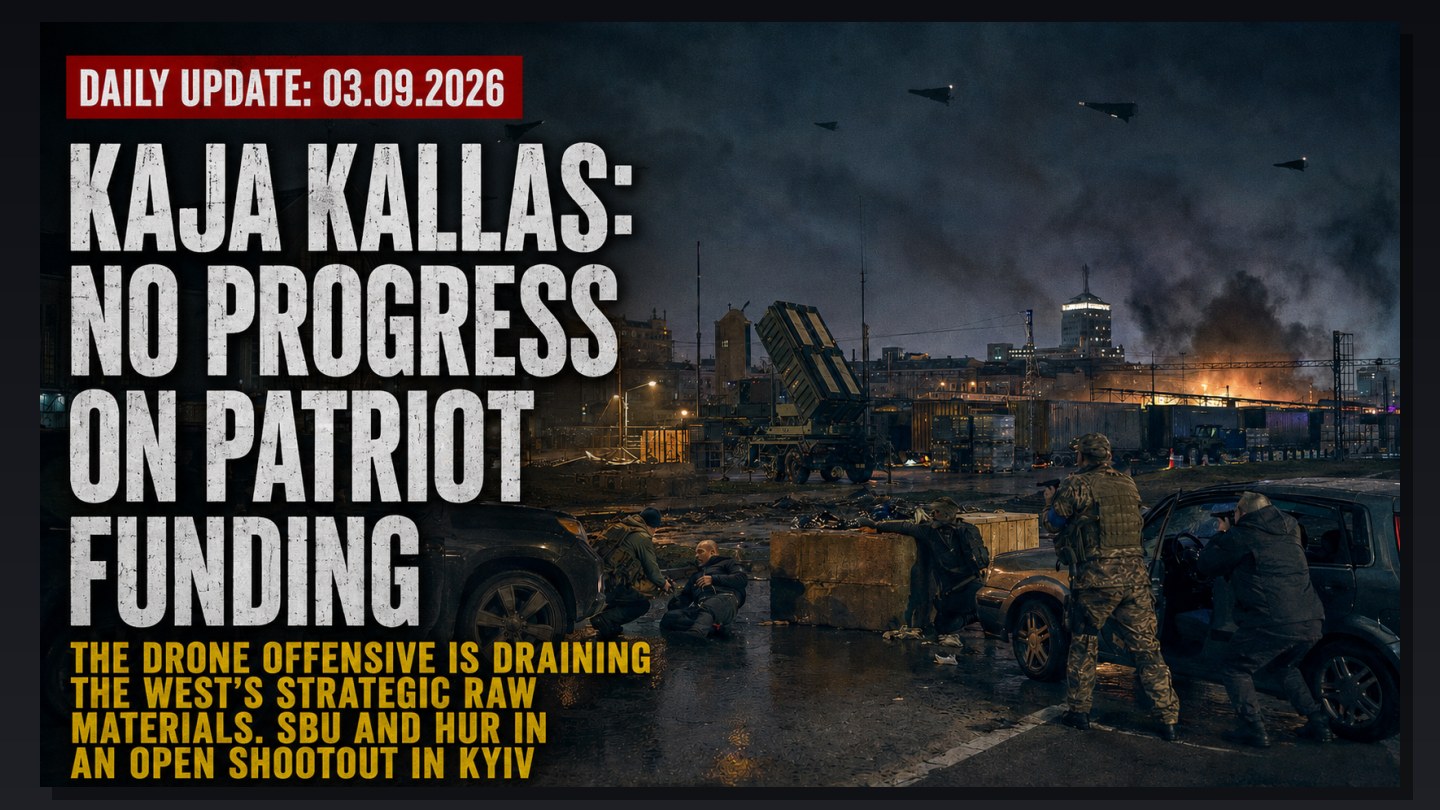
During the night into Monday, Russia carried out another major combined drone and missile strike against Ukraine — large, but not the largest so far.
It had the character of a preparation for an even more powerful strike still to come, probably aimed primarily at the energy system.
While the attack was underway, large numbers of Russian Gerbera reconnaissance drones were active over Kyiv and central and western Ukraine — areas that were not the main targets that night. This suggests that part of the purpose was to gather detailed reconnaissance for the truly large strike to come, while simultaneously inflicting damage in the present attack.
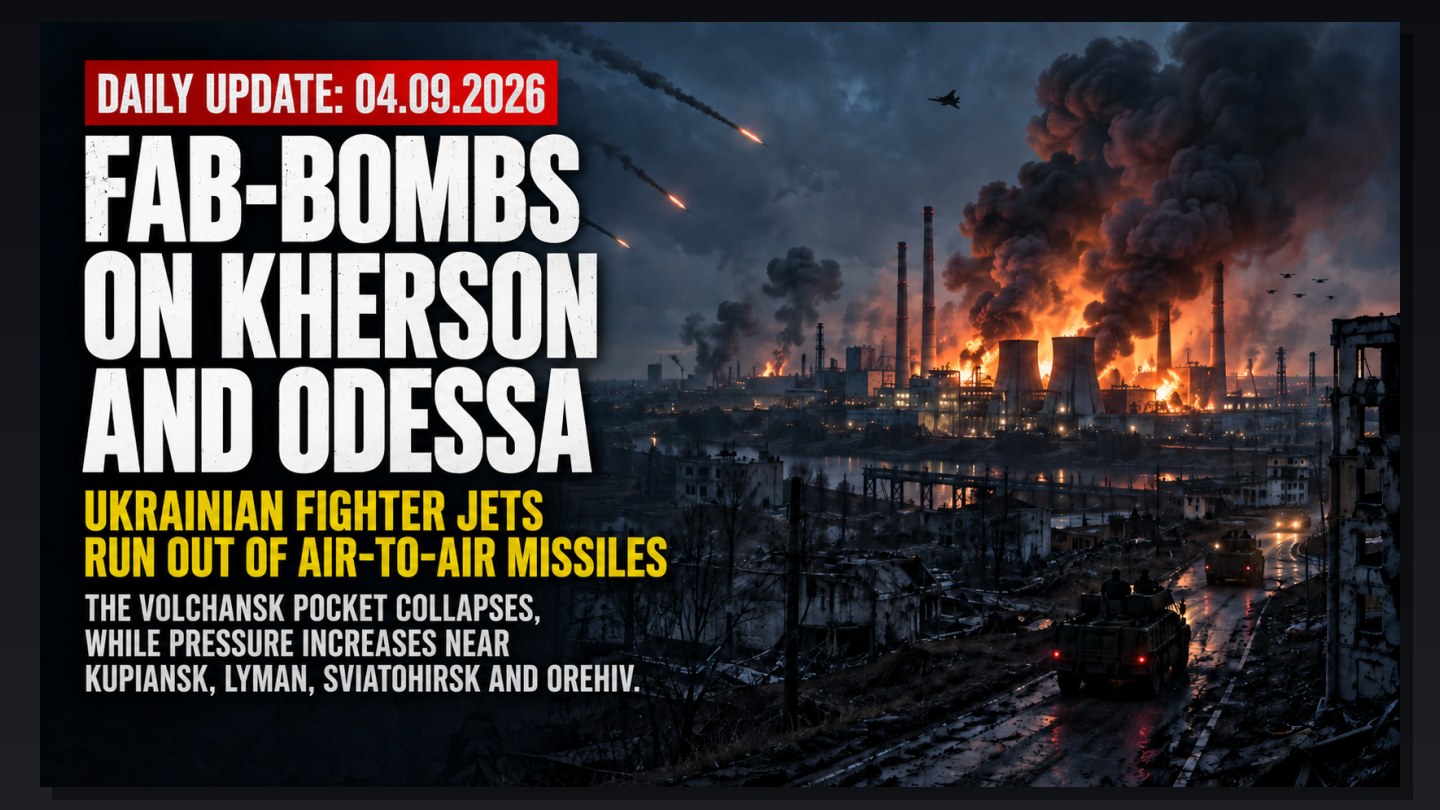
Among the confirmed targets: the Kremenchuk refinery — Ukraine’s largest — was hit hard, probably by Banderol and Dante cruise missiles; a factory in the same city, officially a sugar and tobacco plant but, according to the Russians, also used to produce equipment for Ukrainian small arms; another Firepoint factory in Kyiv producing parts for the Flamingo missile; a fuel depot in Dnipropetrovsk region; and the steelworks in Kryvyi Rih — Zelensky’s home city.
Several sources now confirm that Ukraine’s enormous iron, steel and metallurgical industry has in practice ground to a halt — an industry that was once the backbone of the country’s economy.
The Comparison That Matters: Moscow Survived, Ukraine Suffers
It is worth comparing this medium-sized Russian strike with what the Ukrainians achieved in their largest attack so far, Sunday’s strike on Moscow.
Some damage was inflicted on the Moscow refinery, possibly shutting it down entirely according to an anonymous Reuters source — but Russia will repair it quickly. A warehouse in the Moscow region was destroyed.
Beyond that, most of Russia passed through Sunday virtually untouched.
The contrast is striking: even a Russian attack of medium intensity inflicts damage on Ukraine of an entirely different order from what Ukraine’s most powerful attack to date managed to inflict on Russia.