Russia has secured its trade routes
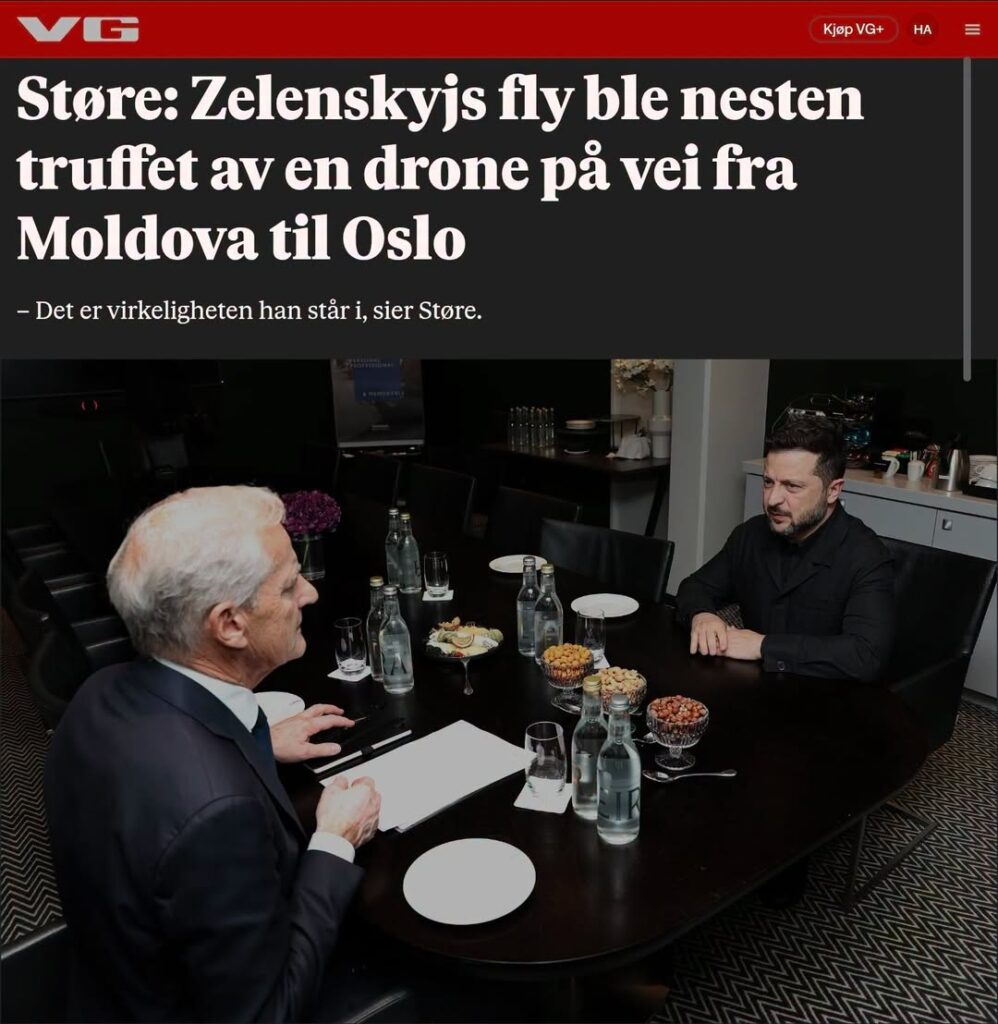
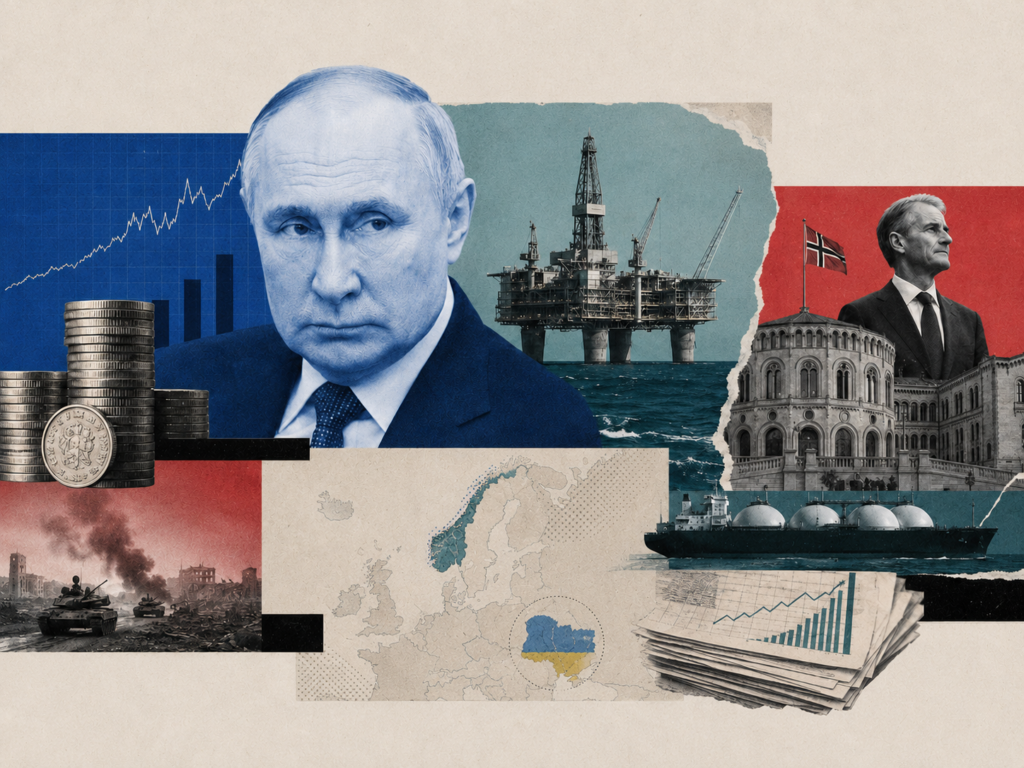
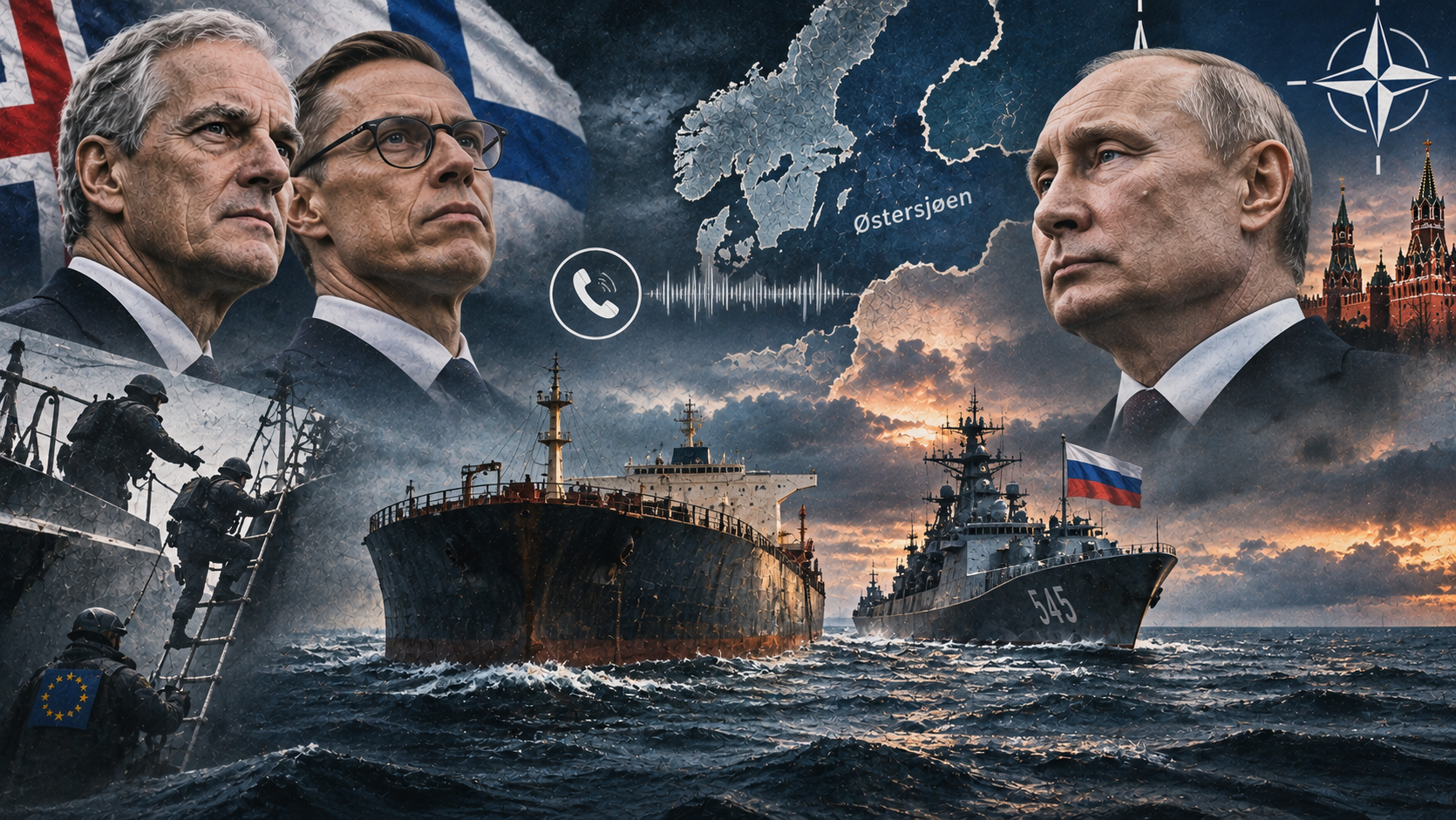
Russia's decision to escort merchant ships with naval vessels has largely stopped Western attempts to board and seize tankers in the Baltic Sea. This is evident from a comprehensive Survey in the Wall Street Journal. The Russian military response caused such concern that Norway's Prime Minister Jonas Gahr Støre and Finland's President Alexander Stubb contacted Vladimir Putin to reduce the risk of a direct confrontation.
At the same time, Moscow rejects European participation in the peace negotiations without the Europeans first presenting concrete proposals. Russia continues its offensive in Ukraine and has launched new extensive drone and missile attacks.
"The shadow fleet" is not a legal category
The background for the confrontation is Western interventions against vessels transporting Russian oil.
The term "shadow fleet" is increasingly used for these ships. But it is not a separate category in international maritime law. Loading oil in a Russian port and transporting it to a country in Asia is not illegal in itself.
Western countries have tried to restrict trade through sanctions, price caps, and insurance restrictions. But third countries that have not joined the sanctions are not automatically bound by them. Nor does the lack of insurance through Lloyd's of London mean that a vessel is uninsured. There are other insurance companies, including Russian ones.
Some ships may have problems with flag registration or documentation. However, more and more are being registered under the Russian flag.
Thus, the term "shadow fleet," or the fact that a vessel transports Russian oil, alone cannot justify seizure on the high seas. Such interventions require an independent legal basis.
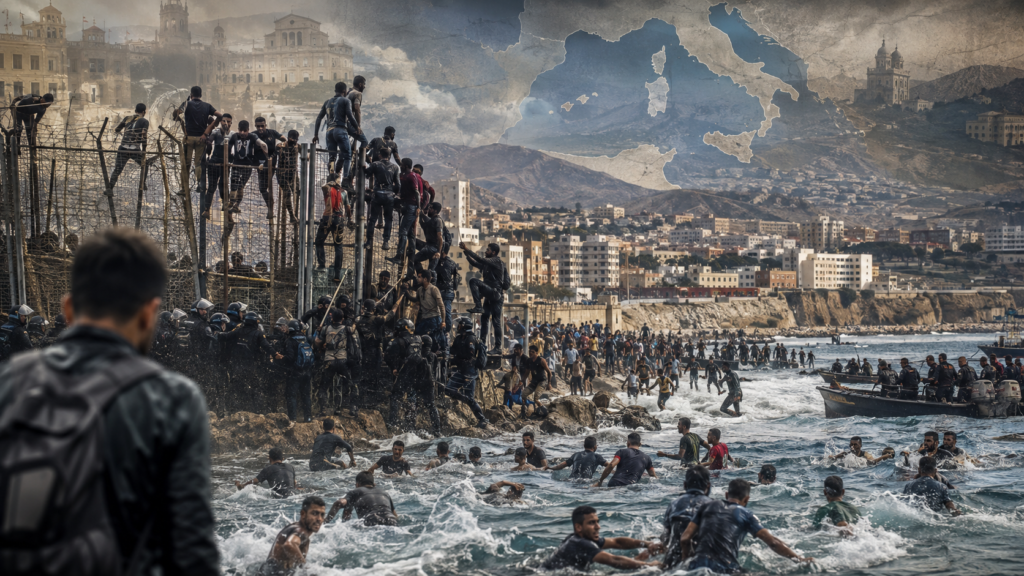
Nevertheless, especially France, Sweden, and some Baltic countries have since 2024 stopped and controlled vessels in Russian trade. Delays, inspections, and seizures have disrupted sea transport.
The Wall Street Journal confirms the impact of the Marine escort
Russia transports over 60 percent of its seaborne oil through the Baltic Sea. As ship interventions increased, Moscow began preparing military countermeasures.
Nikolai Patrushev announced a naval escort. Russia then passed legislation allowing for military protection of merchant ships. Putin also warned that continued seizures could be met with similar Russian seizures of Western vessels.
According to the Wall Street Journal, the German Coast Guard has recorded around 260 Russian escort operations in the Baltic Sea and North Sea in just over a year.
Russian warships have confronted Western vessels, fired signal flares at a Danish military helicopter, and prevented Danish and German coast guards from approaching a tanker off Bornholm.
The newspaper also describes a confrontation with Greenpeace activists. Their attempt to approach a tanker raises questions about why an environmental organization intervened against this particular sea transport.
The crucial point is that the Wall Street Journal itself reports that Western interventions in the Baltic Sea largely ceased after Russian naval vessels began confronting ships attempting to carry them out.
In other words, Russia put military power behind the protection of its trade, and Western authorities largely withdrew.
What the Wall Street Journal omits
Nevertheless, the newspaper's account deserves critical scrutiny.
Firstly, Western ship interventions are described as one of several causes of the tension. But it was precisely these interventions that triggered Russia's decision to escort, new military mandates, and threats of retaliation.
Secondly, Putin's announced military response is mentioned without it being clearly stated that he had specifically opened for mutual seizures of Western merchant ships.
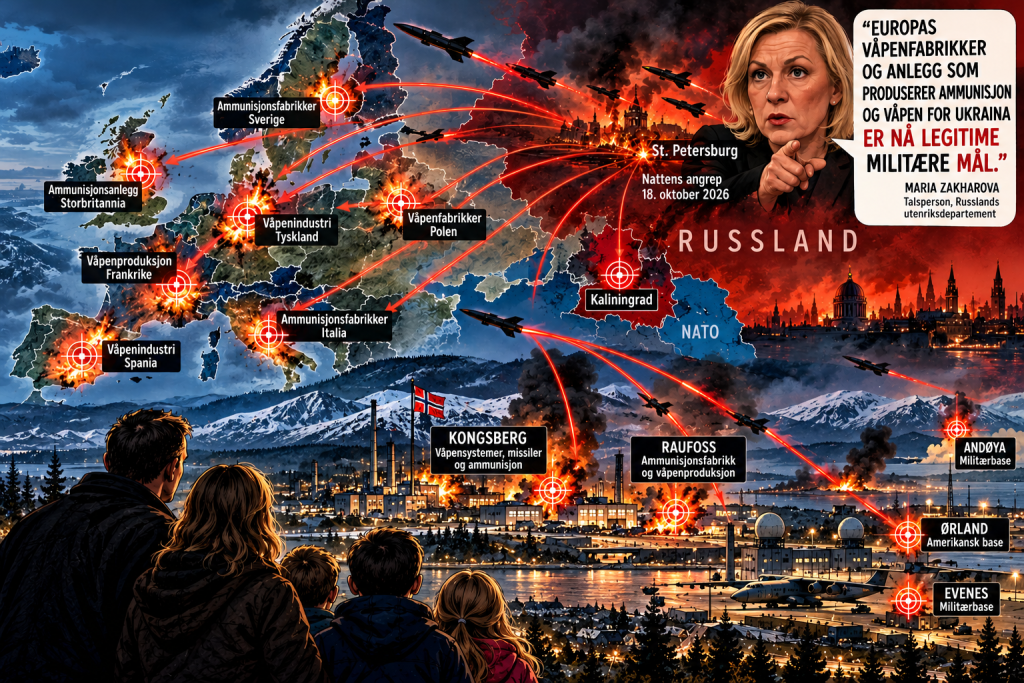
Third, Russia's nuclear warning is portrayed as a general threat of preemptive strikes to protect interests in the Baltic Sea.
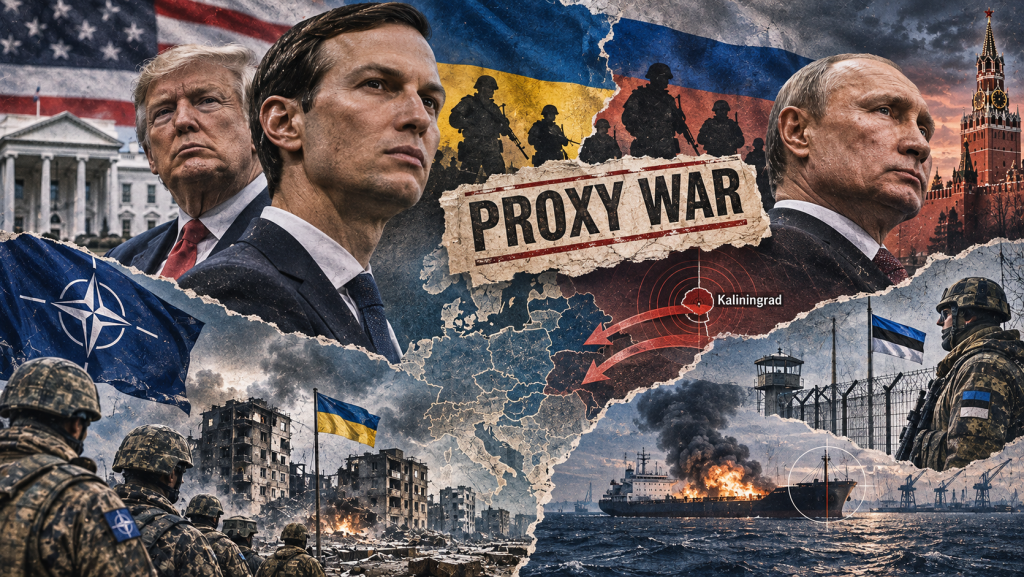
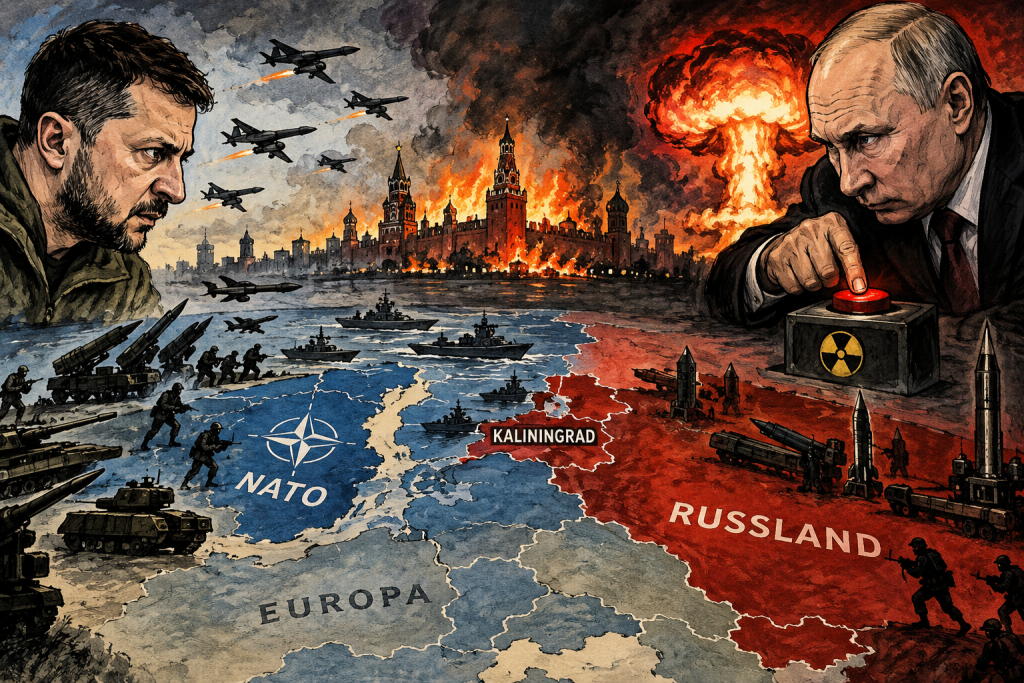
However, the Russian warning specifically concerned Kaliningrad and the possibility of a blockade or attack on Russian territory. Moscow declared that the enclave would be defended by all available means, including nuclear weapons if necessary.
This context is crucial for understanding why Russia intensified its military presence.
Støre and Stubb contacted Putin
The Russian naval effort caused concern among Nordic leaders.
According to Wall Street Journal information, also covered by Dagens Næringsliv, Støre's and Stubb's conversation with Putin on October 27 had an important purpose beyond Ukraine diplomacy: To prevent military confrontation in the Baltic Sea.
Stubb assured Putin that Finland did not want any blockade of Russian shipping in peacetime. A Russian businessman with connections to the Kremlin is said to have helped establish the contact.
The talks can thus be understood as a result of Western ship interventions having met a Russian military response that the Nordic countries did not want to challenge further.
It was Russia that put power behind its warnings. Then Norway and Finland sought to ease tensions.
Sweden and Denmark, on the other hand, reacted negatively to contact with Putin. The Baltic states have also maintained a tougher stance.
Nuclear weapons and new claims of space war
The Wall Street Journal highlights that some Russian escort vessels may carry nuclear weapons.
But technical capacity to carry nuclear warheads does not mean such weapons are actually on board. Russia's strategic sea-based nuclear forces are primarily linked to the Northern Fleet and Pacific Fleet, not the Baltic Fleet.
There is also reason for skepticism regarding claims that Russia will soon place a nuclear warhead in space to destroy Western satellites.
Such a weapon would be contrary to The 1967 Treaty of Rome. A detonation could also hit Russian satellites and Moscow's own plans for an alternative to Starlink.
Russia is simultaneously developing electronic countermeasures against Starlink. Therefore, there is no obvious military necessity for such a dramatic step.
Ukrainian attacks may resume escalation
Attempts to reduce tensions were followed by Ukrainian attacks against Russian vessels in the Baltic Sea and the Mediterranean.
One possible explanation is that Kiev and some supporters want to show that Russia can still be hit outside Ukraine's battlefields, despite Russia's success with naval escort.
This is an interpretation of the motives, not a documented decision.
At the same time, the attacks have raised concerns that the war could spread to new sea areas. Russia has also warned Estonia that Ukrainian drone operations through Baltic airspace could bring the countries to the brink of open war.
Lavrov rejects Europe's demands
The diplomatic deadlock continues in parallel.
Russia has asked Europeans to explain which proposals they wish to put forward before Moscow possibly accepts their participation in the peace negotiations.
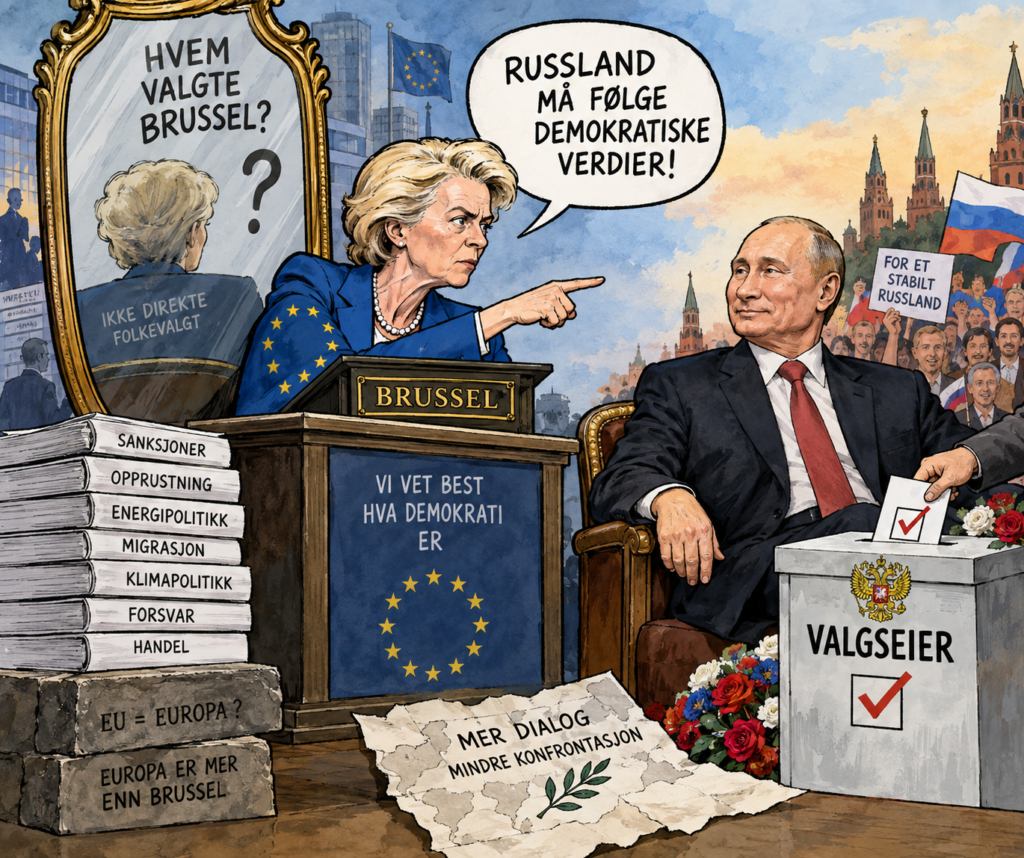
The EU maintains its desire for a seat at the negotiating table but has not met Russia's demand to first discuss Europe's security arrangement.
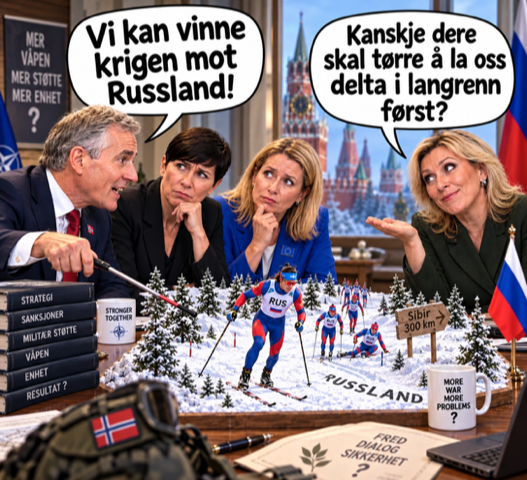
During a press conference in Belarus Foreign Minister Sergei Lavrov questioned why Russia would negotiate with Europeans who in advance reject Russian security interests.
He ironically remarked that Europeans with such an attitude would sit at the negotiating table and immediately set foot on it.
Moscow has thus, for the third time, resisted pressure for a ceasefire without a comprehensive political solution. First came initiatives from BRICS countries in 2024, then Trump's attempt to freeze the conflict in 2025, and now this autumn's American-European initiative.
Each time, Russia has maintained demands for Ukrainian neutrality, territorial concessions, and a new security arrangement.
The prospects for further negotiations are therefore weak.
The offensive continues – capitulation mentioned
At the same time, Russian forces continue their advance toward Kramatorsk, near Orekhov, and in the Sumy and Liman areas, according to Russian military sources.
Information about the latest territorial changes has not been independently confirmed.
Russia has also launched new missile and drone strikes against Ukrainian energy infrastructure. Reuters reported on November 26 about ballistic attacks against Kyiv and Ukrainian warnings of further large-scale attacks.
Russian authorities simultaneously dispute the high Western estimates of their own military losses. Rosstat has denied that leaked data used to calculate the losses originates from the agency.
Russian OSCE diplomat Dmitry Polyansky has now warned that Ukraine could face "complete and unconditional surrender" if Kyiv does not accept Russia's conditions.
This marks a further sharpening of Russian rhetoric.
The overall development is clear: Russia has used military force to protect its trade relations, led Western countries to seek détente in the Baltic Sea, and at the same time continues the war without yielding to demands for a ceasefire.