European Disagreement Complicates the Peace Talks
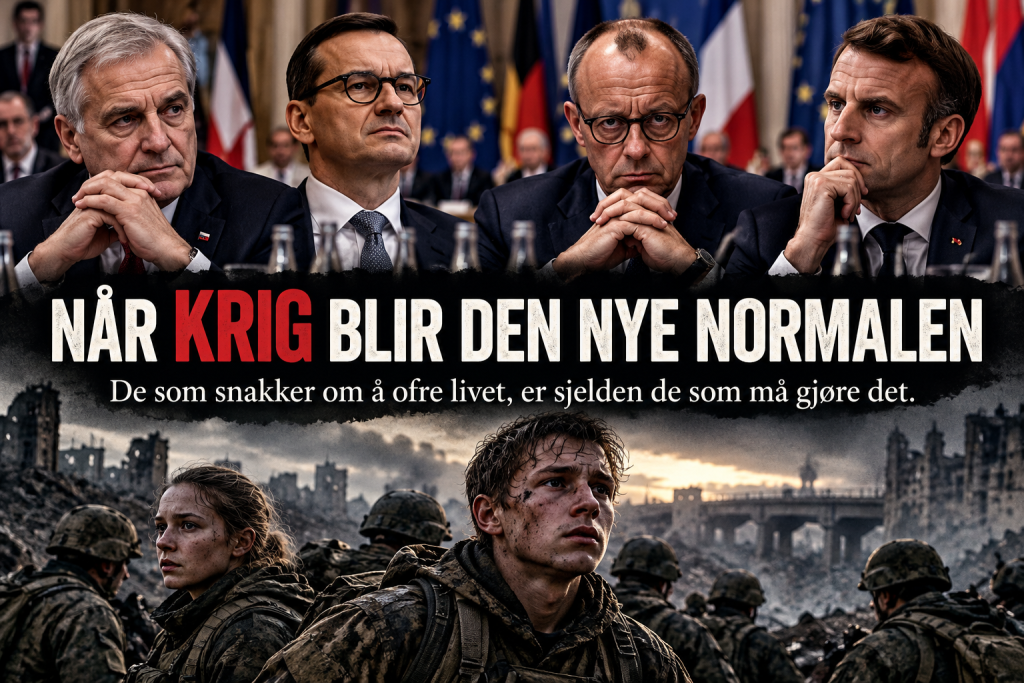
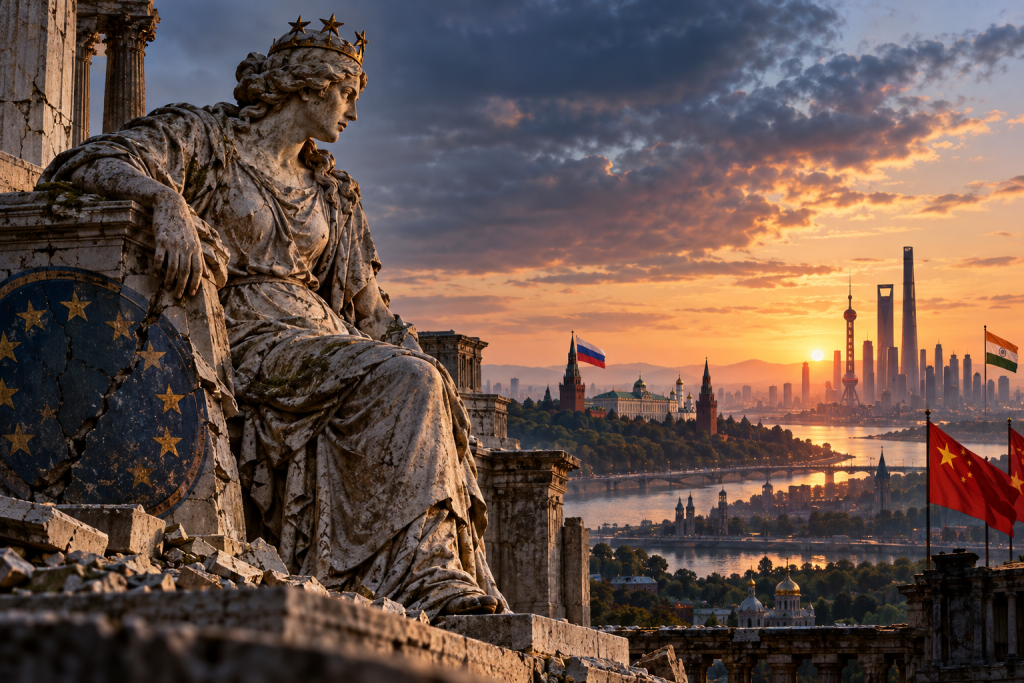
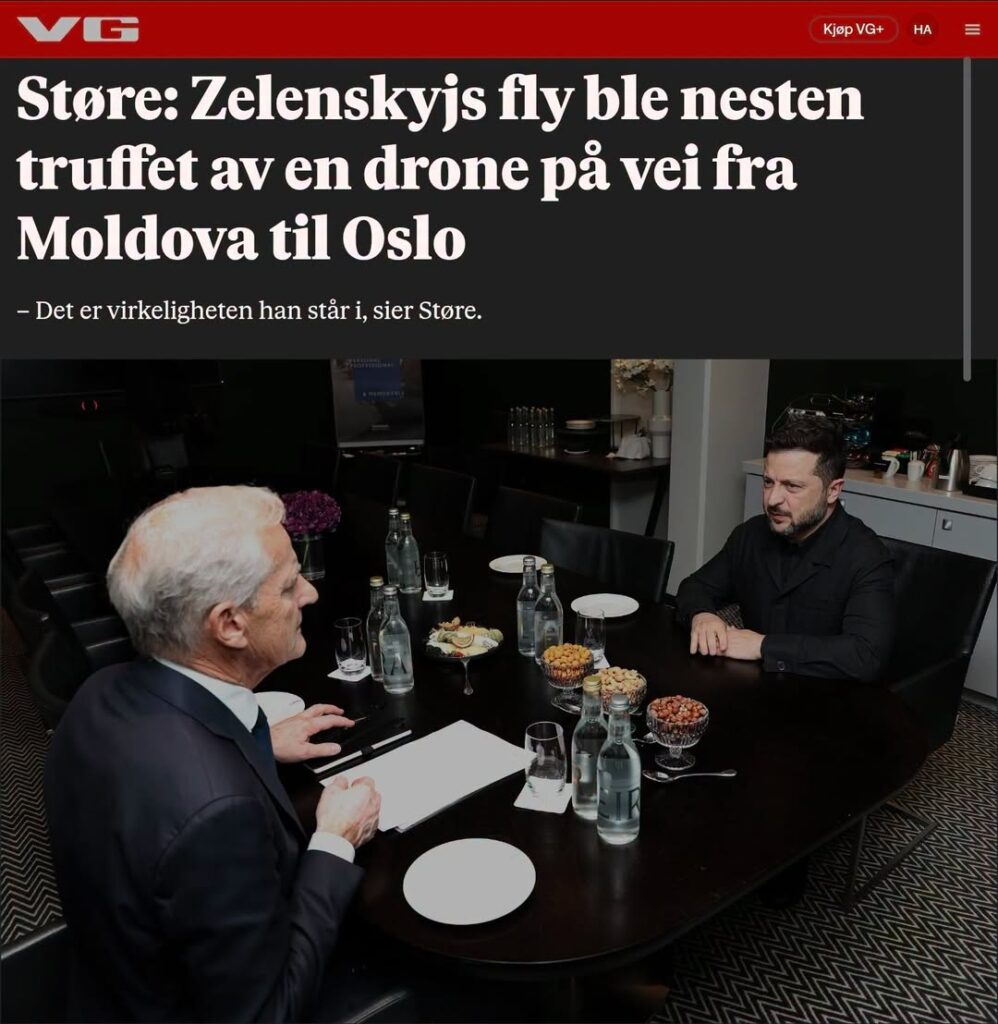
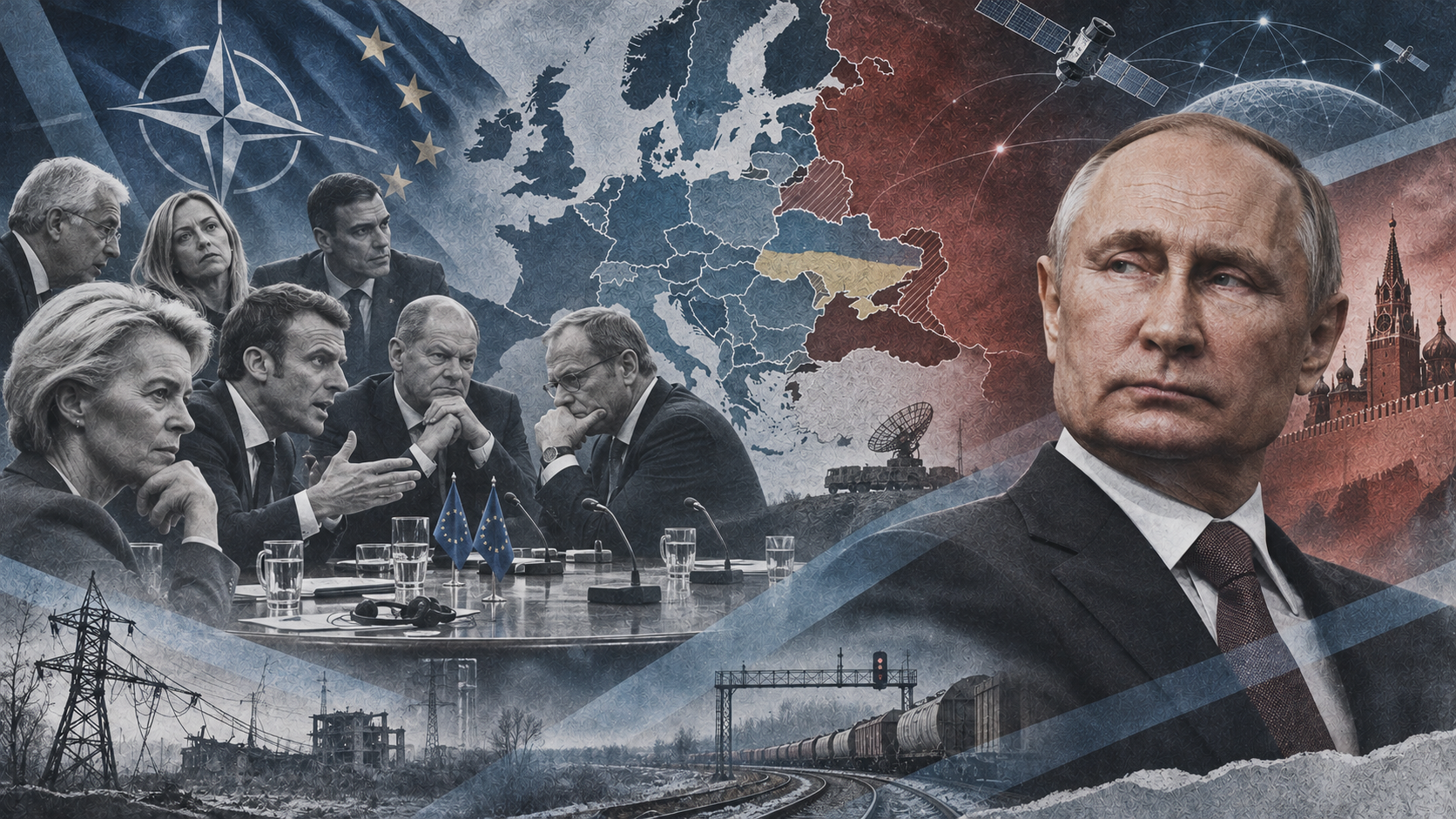
European leaders have concluded their meetings in Dublin without agreeing on a single chief negotiator to represent Europe in talks with Russia. Instead, five countries — Germany, France, Britain, Italy and Poland — together with representatives of the EU institutions, will carry the work forward. The arrangement means that Europe still lacks one person with a mandate to negotiate on behalf of the European countries, while Russia is making a new security architecture a central issue in the negotiations over Ukraine.
The decision was announced by European Council President António Costa on 13 November. The so-called E5 group will work together with the European Commission, the European Council and NATO, but it remains unclear who will lead the negotiations and what mandate the group will have.
This is a problem because Russia, the United States and Ukraine have all called for clear European representation. The Americans want European participation in the next round of negotiations, while Moscow has set conditions: the Europeans must appoint someone who can negotiate, and they must present concrete proposals that Russia believes can contribute to a peace agreement.
The Dublin meeting resolved the first question only partially. The second remains open.
Five Countries Will Represent Europe — but What Will They Negotiate About?
According to Politico’s coverage of the negotiations, the difficulties stem in part from the fact that European countries have different interests, and that questions concerning Europe’s security architecture cannot be decided by the EU alone. NATO and the governments of its member states have independent authority over substantial parts of security and defence policy.
That explains part of the challenge, but not the whole problem.
The European countries are also divided over what negotiations with Russia should actually involve. Some favour direct contact with Moscow, while others oppose discussing changes to the existing security order.
German Chancellor Friedrich Merz maintains that Russia must first accept a ceasefire along the current front lines. Questions concerning Europe’s security should not be used to put the sovereignty of NATO member states or the alliance’s existing arrangements up for negotiation.
EU foreign-policy chief Kaja Kallas, for her part, has warned that Russia is trying to draw the Europeans into a discussion about the security architecture that could shift attention away from Ukraine.
Russia’s starting point is the opposite.
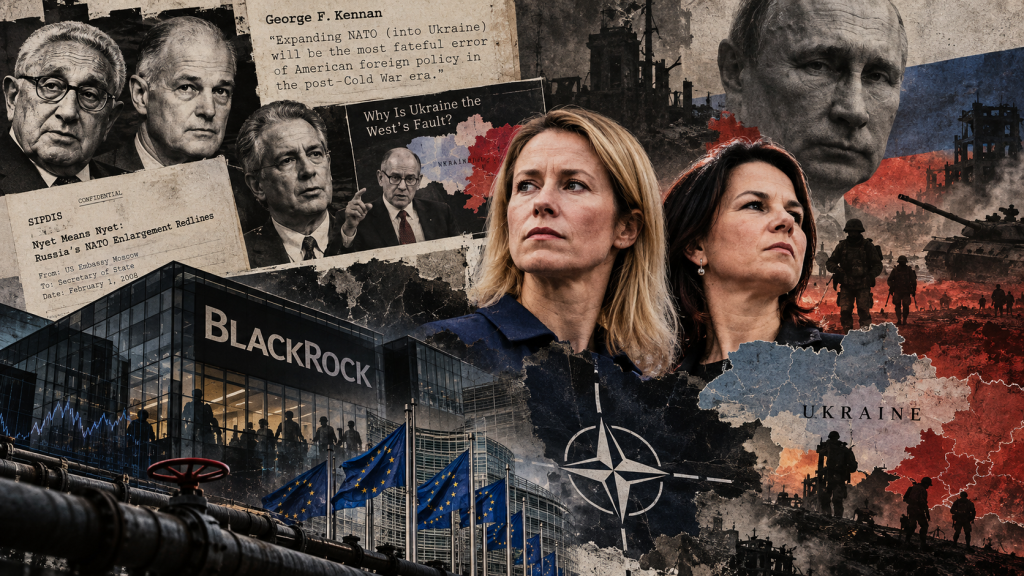
Moscow has made clear that a settlement of the war in Ukraine must be linked to a new security order that also takes Russian interests into account. As Yuri Ushakov confirmed after the meeting between Vladimir Putin, Steve Witkoff and Jared Kushner in the Kremlin, Russia is once again taking as its starting point the security demands from December 2021, including a halt to NATO’s eastward expansion and a return of the alliance’s military posture to the situation that existed when the NATO–Russia Founding Act was signed in 1997.
This is where the fundamental contradiction lies: Europe wants a settlement of the war without renegotiating the security order, while Russia wants to make that renegotiation a prerequisite for a lasting agreement.
As long as the parties do not agree on what the talks are supposed to cover, the question of who represents Europe will remain difficult to resolve.
Leaks About New Russian Demands
At the same time, reports have emerged in European and American media of far more extensive Russian demands than those that have so far been publicly confirmed.
The German newspaper Bild claims that Russia has presented proposals that would include Finland leaving NATO, the alliance having no military bases in the Baltic states, and Ukraine remaining outside military alliances.
The proposal is also said to include Russian control over all of Donbas and the demilitarisation of the ports of Odesa and Mykolaiv. In return, Russia would reportedly be willing to withdraw nuclear weapons from Belarus.
Another account, reported in connection with The New York Times, describes a possible arrangement under which Ukraine could join the EU but remain outside the Union’s common defence-policy structures.
The reports are based on anonymous sources and unofficial proposals. There has been no public Russian confirmation that these conditions have been formally presented.
What has been confirmed, however, is that Russia has revived its 2021 demands and signalled additional conditions. Ushakov has not yet specified what these will include.
The leaks therefore cannot automatically be treated as Russia’s final negotiating position.
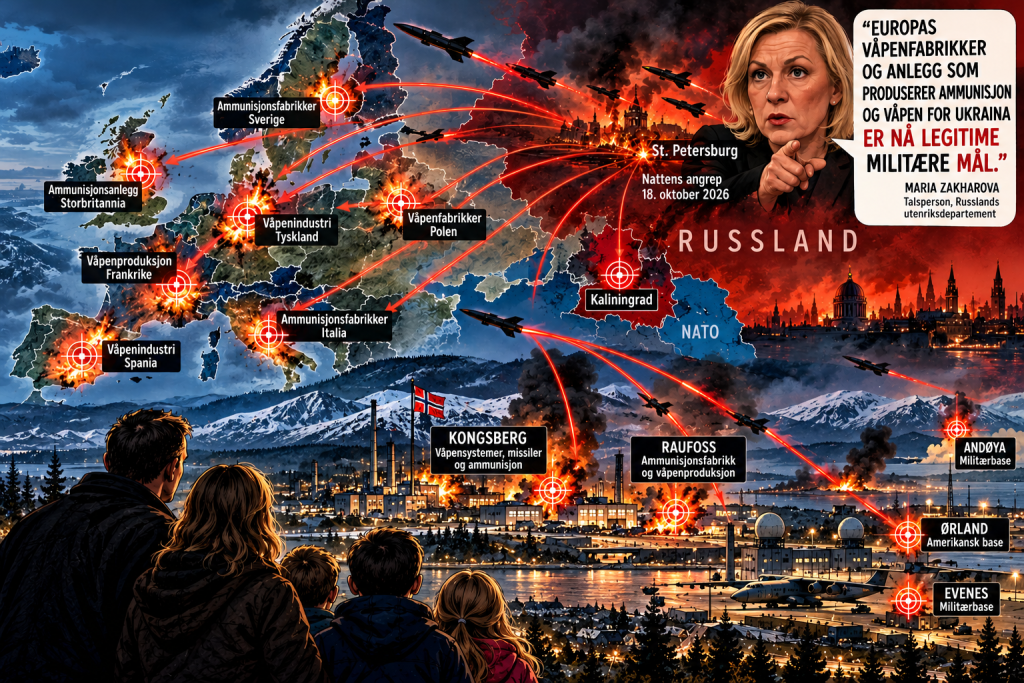
They do, however, illustrate how extensive a discussion about Europe’s security architecture could become. If questions concerning Finland’s NATO membership, military bases in the Baltics and nuclear weapons in Belarus are brought into the negotiations, far more countries than Russia and Ukraine will be directly affected.
Another Attempt to Separate Territory From Security
While Europe tries to establish a common representation, Volodymyr Zelensky has once again raised a proposal reportedly discussed with the Americans earlier this autumn.
The proposal would involve Ukraine withdrawing from the remaining areas it controls in Donbas in return for Russia accepting Ukrainian NATO membership.
Another alternative previously discussed is a demilitarised buffer zone along the front line, combined with Ukraine remaining outside NATO but receiving Western security guarantees.
Both alternatives would once again concentrate the negotiations on territory, a ceasefire and Ukraine’s relationship with NATO.
But Russia has already rejected Ukrainian NATO membership and demands full control over the four Ukrainian regions it declared annexed in 2022. Putin has also rejected basing a ceasefire on the existing front lines, in part because the parties do not agree on where those lines run.
One possible explanation for why the earlier proposals are now being brought back is therefore that Ukraine and European governments want to move the negotiations away from the discussion of NATO’s military presence in Europe.
For Moscow, that would mean once again pushing the central issue aside.
If the United States and Europe try to separate the Ukraine negotiations from the negotiations over the security architecture, Russia could lose an important source of leverage. Conversely, the Western countries risk the war continuing if they refuse to discuss Moscow’s demands.
Military Developments Increase the Pressure
The diplomatic disagreement comes as Russian attacks on Ukrainian energy and transport infrastructure continue.
In recent weeks, the strikes have hit electricity supplies, railways and important transport links. There are also reports of repeated Russian attacks on bridge crossings over the Dnipro, including in Kyiv and Zaporizhzhia.
The significance of these attacks does not necessarily depend on the bridges being completely destroyed. Repeated damage and closures may be enough to limit transport capacity and make it more difficult to supply Ukrainian forces east of the river.
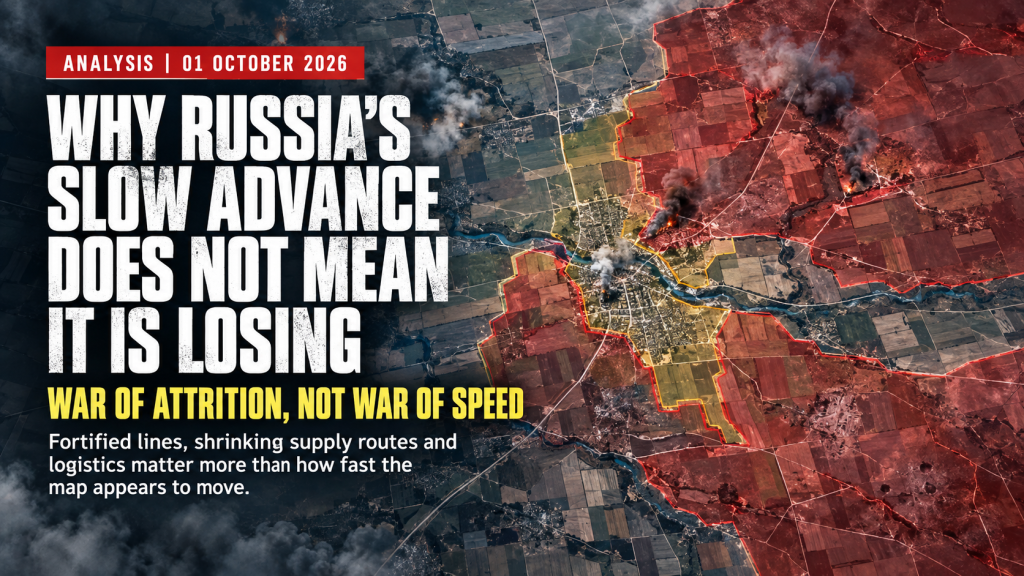
On the ground, Russia claims that its forces continue to advance in the Zaporizhzhia region, while control of Kostiantynivka and Dobropillia remains disputed.
Moscow has proposed a humanitarian operation in Kostiantynivka in which international journalists and representatives of human-rights ombudsmen would be allowed to observe the evacuation of remaining civilians. The proposal also serves a political purpose: Russia wants to use the operation to document who actually controls the city.
If the situation on the battlefield develops in Russia’s favour, Moscow will have less reason to accept a ceasefire that does not simultaneously resolve the broader security demands.
It is this connection between military developments and diplomacy that makes the disagreement over the negotiating format so important.
Starlink Problems and Russia’s Own Satellite System
Ukraine is also reporting new problems with satellite communications.
Zelensky has said that restrictions on Starshield, the military version of SpaceX’s Starlink technology, have affected Ukrainian drone operations and the ability to intercept Russian attacks.
It remains unclear how extensive the problems are and what is causing them.
One possible explanation is Russian electronic warfare. Russia has developed systems capable of disrupting satellite communications, and increased use of such systems could contribute to reducing the operational capabilities of Ukrainian drones. However, there is no evidence that Russian jamming explains the current Starshield restrictions.
At the same time, Russia is expanding its own satellite network, Rassvet. According to information from Ukrainian military intelligence reported by Reuters, the system is already being used for military communications over Ukraine.
Russia is reported to have launched 32 satellites during 2026. The network remains far smaller than Starlink, but it could give Russian drones the ability to receive updates during their missions, including over areas where conventional communications links are difficult to maintain.
The development shows that satellite communications and electronic warfare have become increasingly important to the military operations of both sides.
Europe Still Lacks a Unified Strategy
The EU has now appointed a group to represent European interests in the negotiations. But the decision itself does not resolve the disagreement over what Europe should offer or demand.
Russia wants to continue the talks on the security architecture. The United States is trying to keep the negotiating process moving while also finding a solution that can end the war. Ukraine maintains its territorial claims and its demand for Western security guarantees.
The Europeans want to participate, but have so far failed to agree on a proposal capable of bridging these positions.
If the negotiations collapse, the problem that brought the parties back to the negotiating table will not disappear: the war will continue while the military and economic pressure on Ukraine increases.
Moscow has made clear that its security demands can no longer be treated as an issue to be resolved after a ceasefire. For European governments, the challenge is therefore no longer simply to secure a place at the table, but to decide whether they are willing to negotiate over the very security order they have so far sought to preserve.