Ukraine funding divides the EU
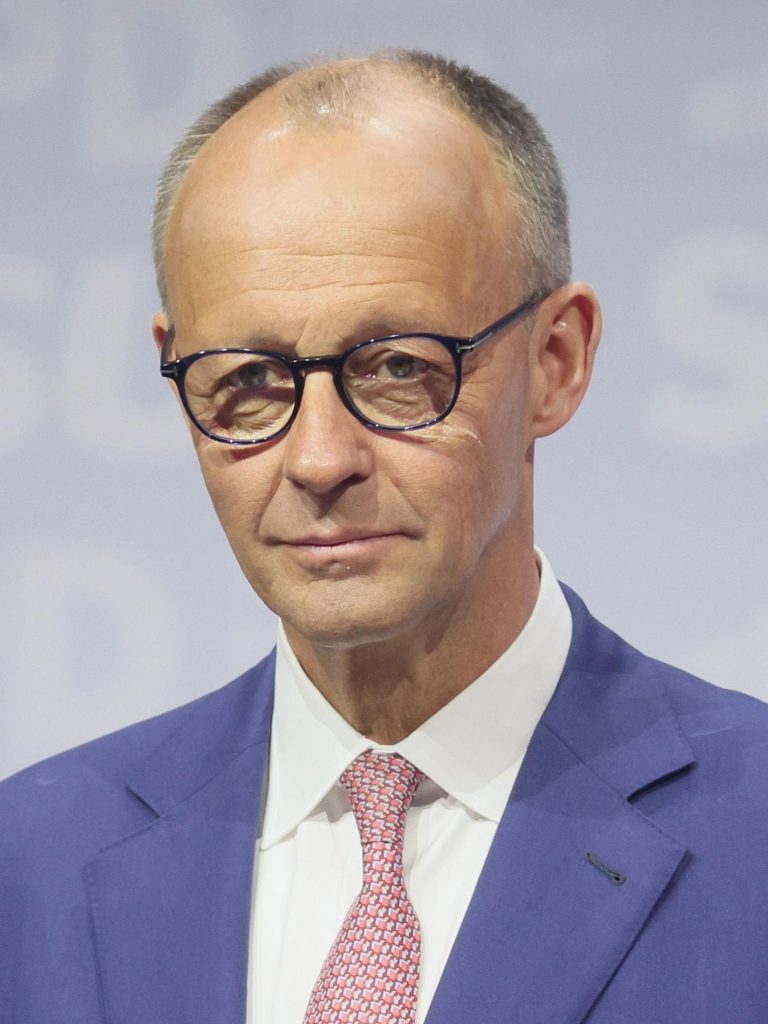
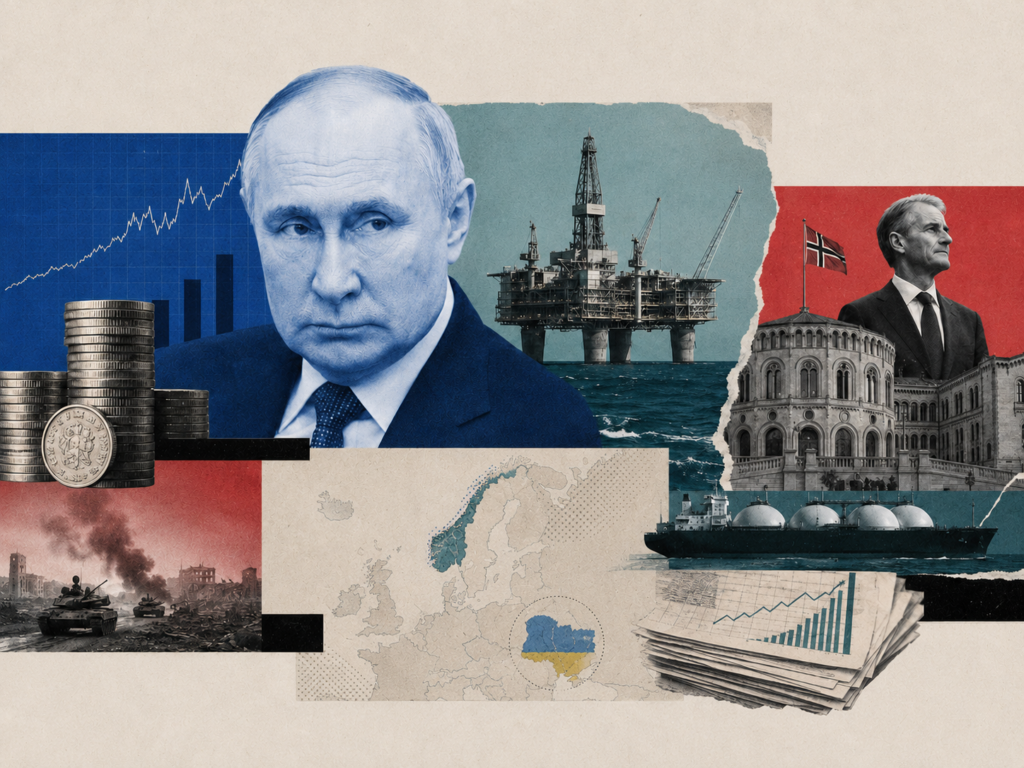
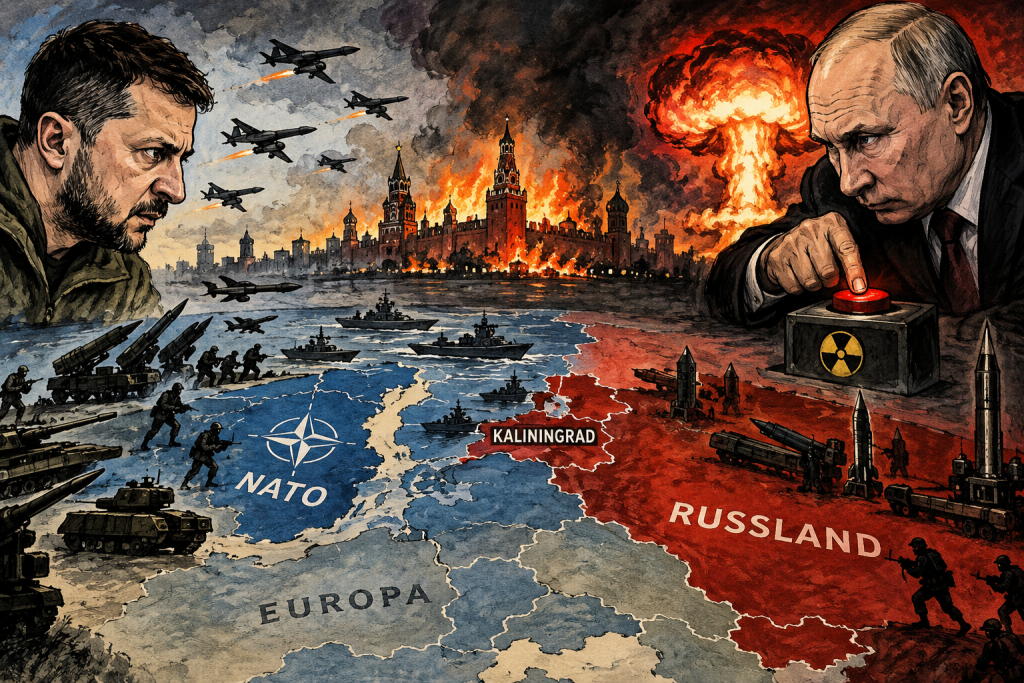
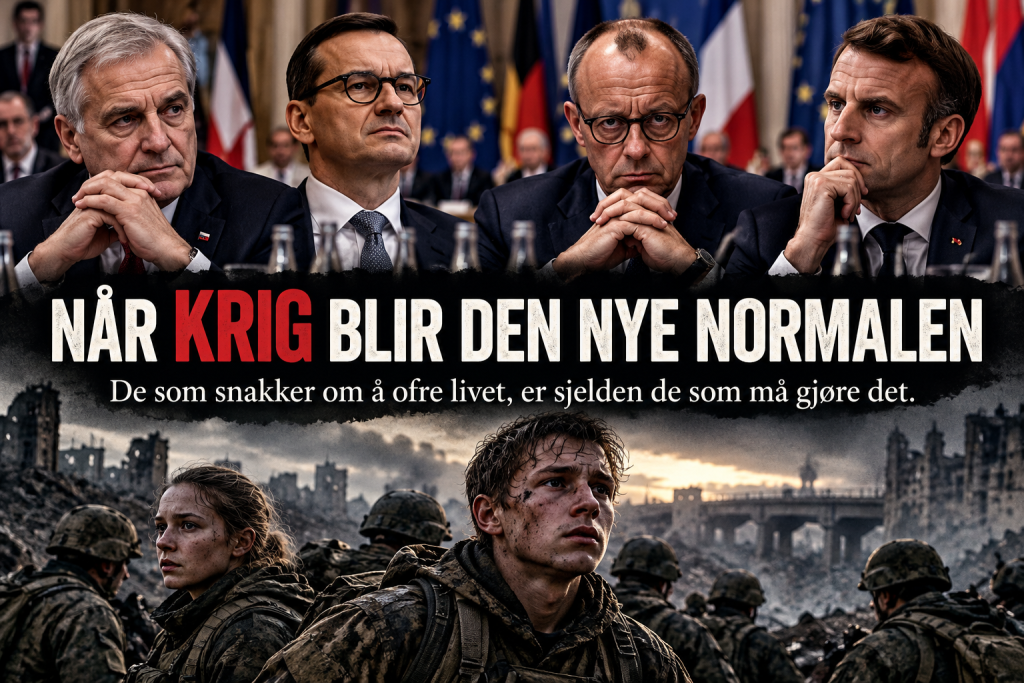
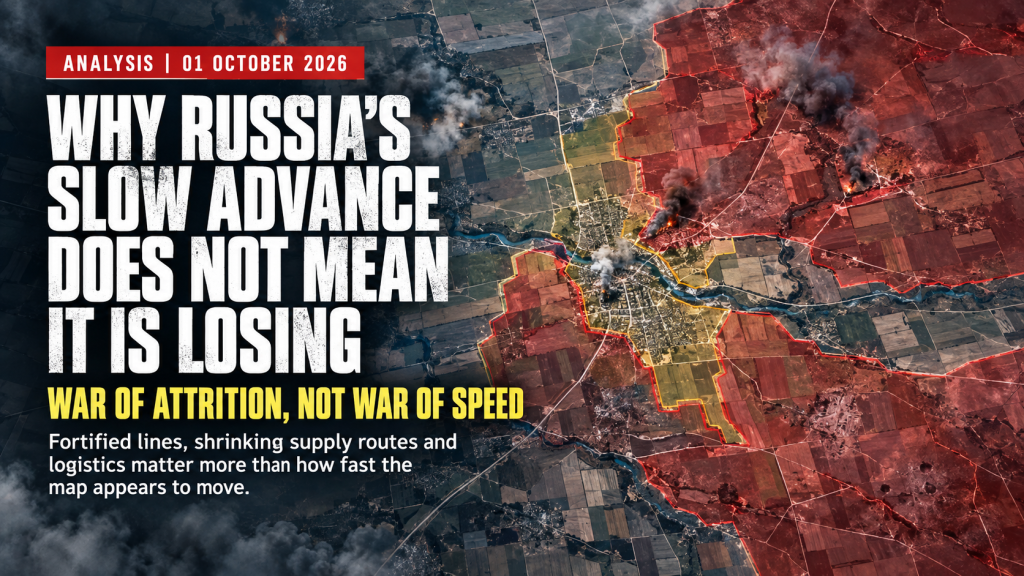
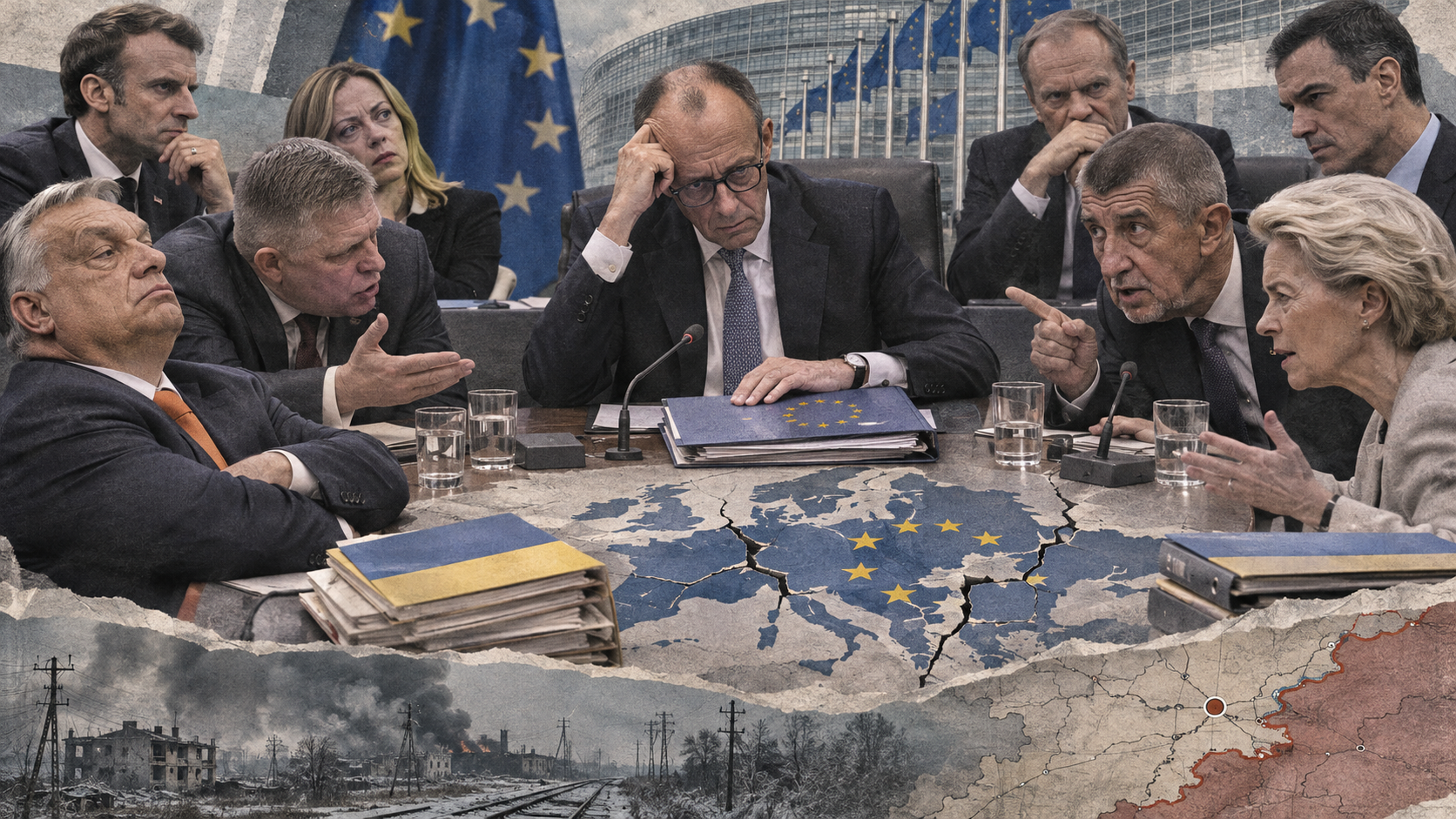
The EU's attempt to unite member states around a new seven-year budget has ended without agreement. The summit in Brussels on November 26–27 was marked by strong divisions, and several heads of state left parts of the negotiations. At the center is Germany's Chancellor Friedrich Merz, who demands that all 27 member states commit to further funding for Ukraine. At the same time, Kiev signals a new extensive Russian air offensive, while developments at the front could bring Ukrainian forces in Slavyansk and Kramatorsk into a serious operational crisis.
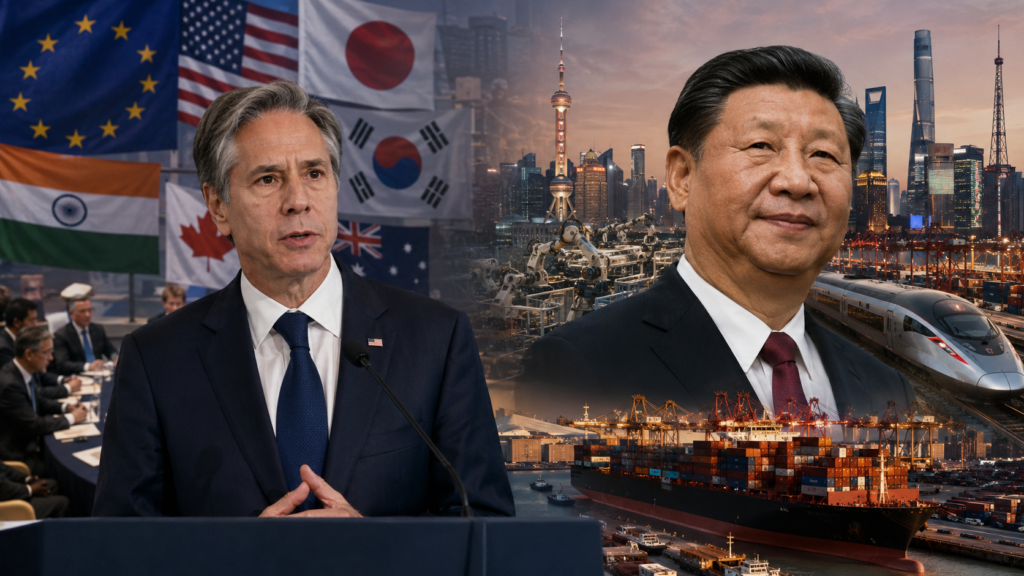
According to Associated Press the EU leaders ended the meeting without clarifying either the long-term budget for 2028–2034 or a new loan to Ukraine.
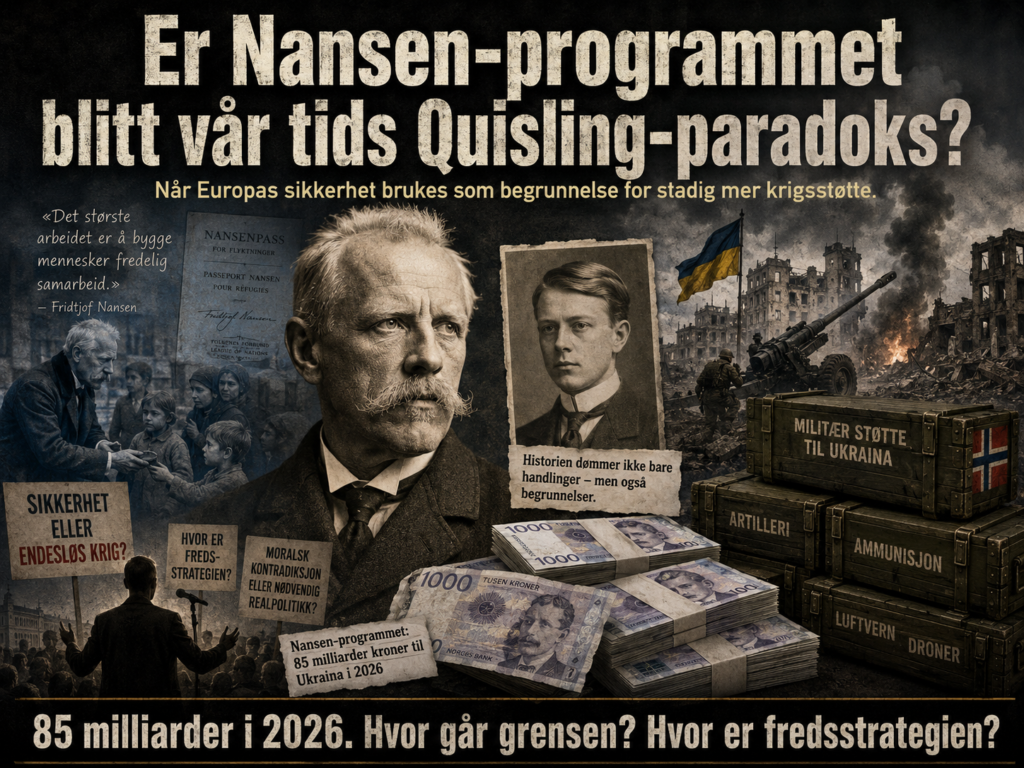
The conflict is not only due to differing views on spending. It is also about whether European governments should take on an ever-increasing financial commitment to Ukraine without a defined end date.
Merz's ultimatum meets resistance
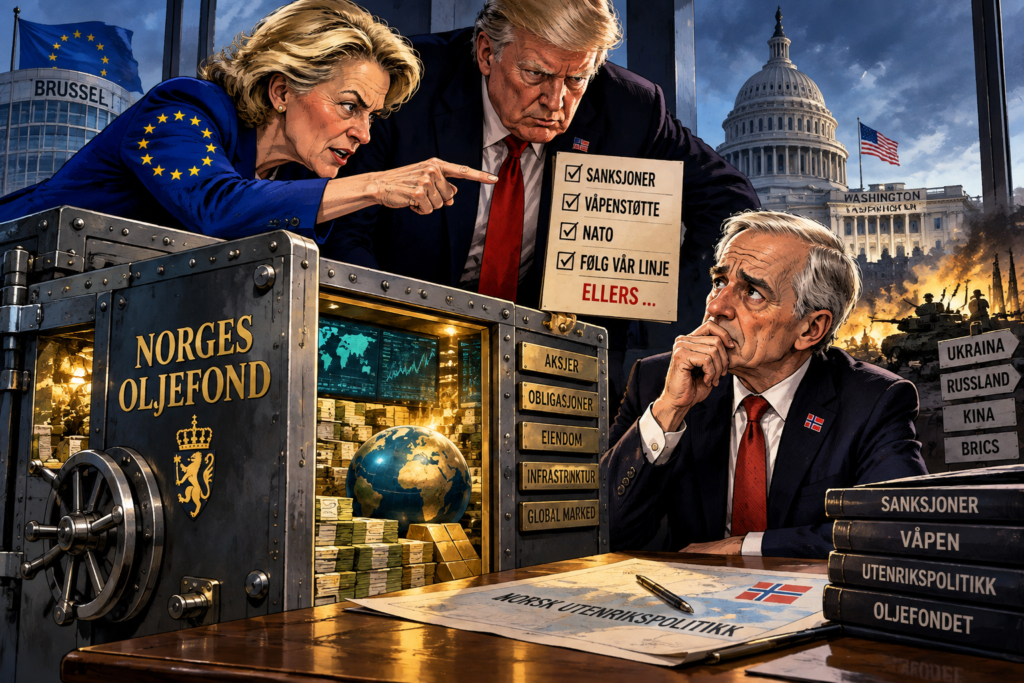
Merz has made its support for the EU's next long-term budget conditional on all member states contributing to Ukraine's financing.
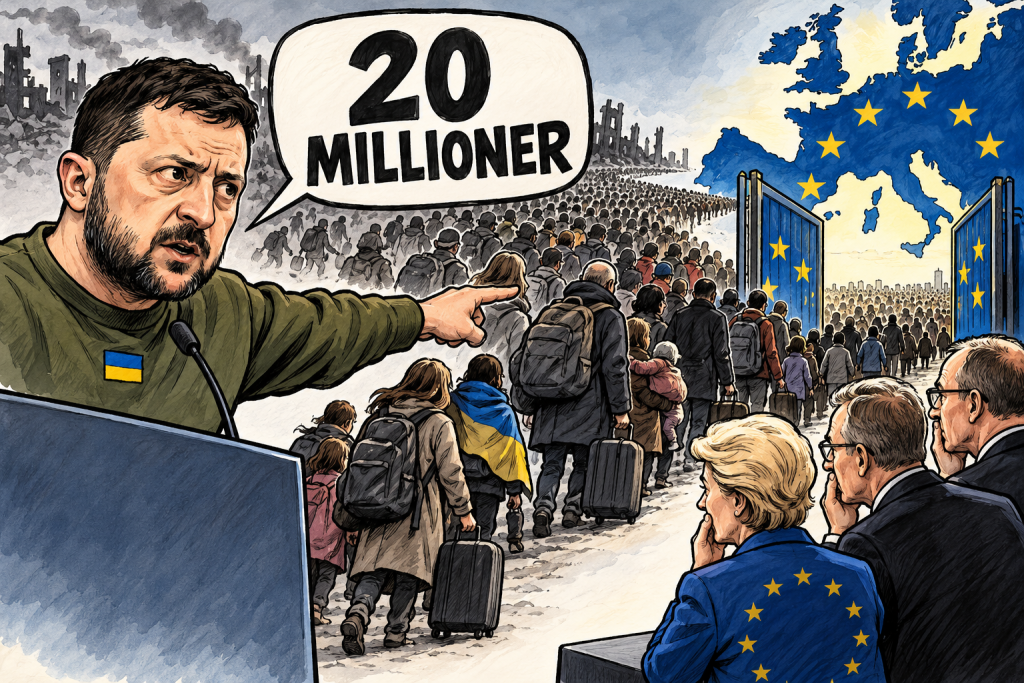
The EU has already adopted a loan scheme of 90 billion euros for 2026–2027. Nevertheless, Ukraine has an estimated financing gap of an additional 70 billion euros in 2027, of which the EU now proposes to cover 45 billion through a new loan.
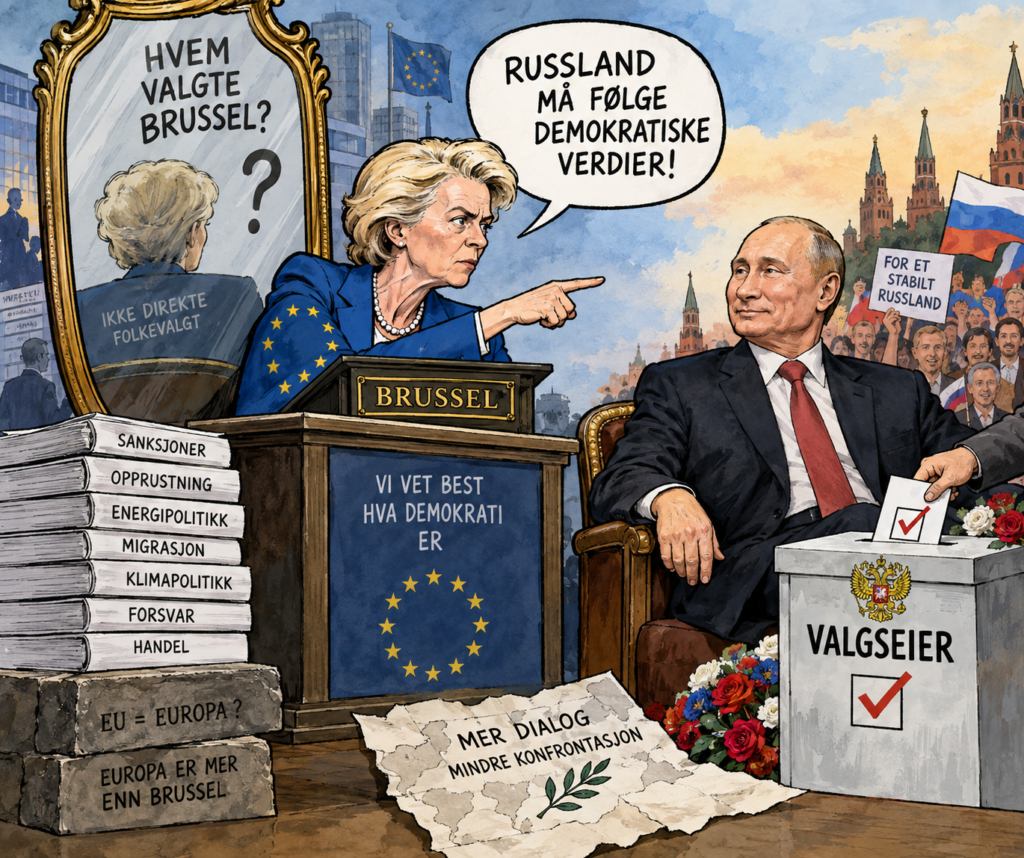
Hungary, Slovakia, and the Czech Republic oppose participating in the new scheme. Czech Prime Minister Andrej Babiš has questioned how long European taxpayers will continue to finance Ukraine.
Slovakia's Robert Fico has accused Merz of extortion.
At the same time, Merz has demanded cuts in the EU's ordinary expenditures. Member states are thus being asked to accept less support for their own purposes, while also committing to new loans to Ukraine.
This confrontational approach has helped gather resistance against Germany.
The difference from Angela Merkel's time as chancellor is striking. Merkel usually worked through compromises and gradual building of consensus, even when pushing through German priorities. Merz has instead chosen ultimatums and threats of vetoes, resulting in growing division.
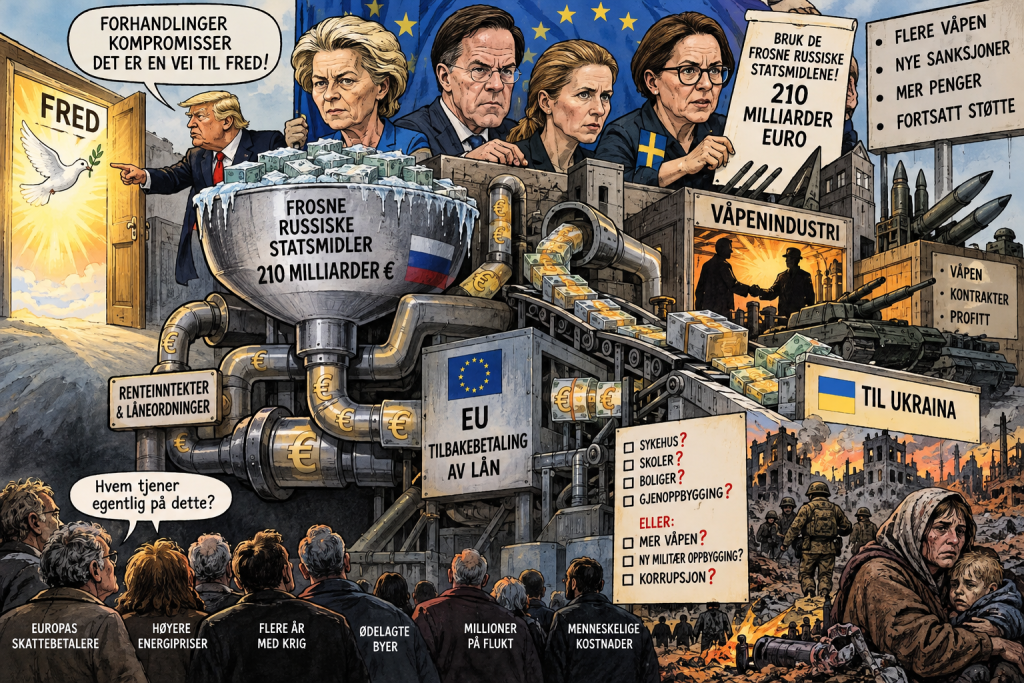
The frozen Russian billions
The dispute over Ukraine funding has a longer history.
Around 210 billion euros in Russian central bank assets are immobilized in Europe, mainly at the Belgian securities settlement company Euroclear.
The European Commission has repeatedly explored possibilities to use these funds to finance Ukraine.
But Belgium's Prime Minister Bart De Wever has warned of the legal and economic consequences. If Russia later succeeds with compensation claims, Belgium and Euroclear could be left with enormous obligations.
The Belgian central bank itself has described the risk as significant.
The Belgians therefore demanded guarantees from the other member states. Such guarantees were not established, and in December 2025 the EU chose a regular loan scheme instead of financing the support directly with the immobilized funds.
This was not just a practical problem. Attempts to construct complicated arrangements to formally avoid confiscation show how serious the legal objections were.
Now the question returns: Even if the EU were to gain access to the entire amount, how long would the money last if Ukraine's financing needs continue to grow?
A financial commitment without an end date
Ukraine's dependence on European funding has become a fundamental political problem.
The country needs support both for military operations and to maintain the state apparatus, while the war destroys production, transport connections, and energy supply.
But the EU is not only discussing how Ukraine will be financed through next year. Merz has also emphasized Europe's responsibility for post-war reconstruction.
Thus, the financial commitment can continue long after the hostilities cease.
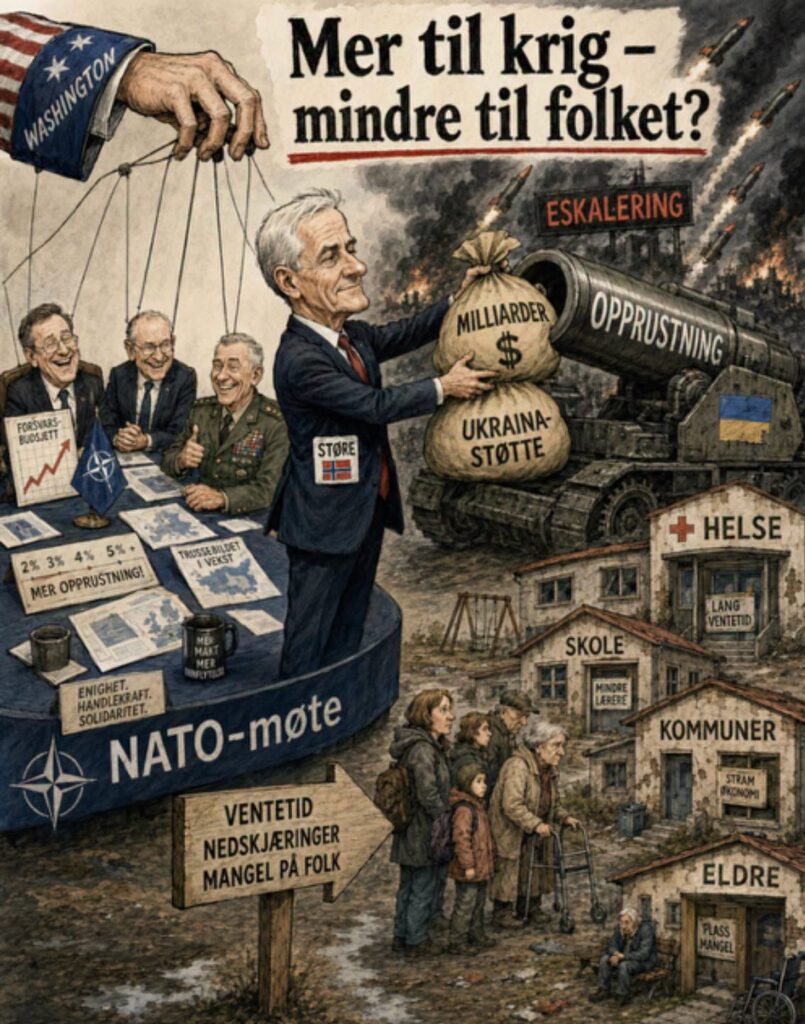
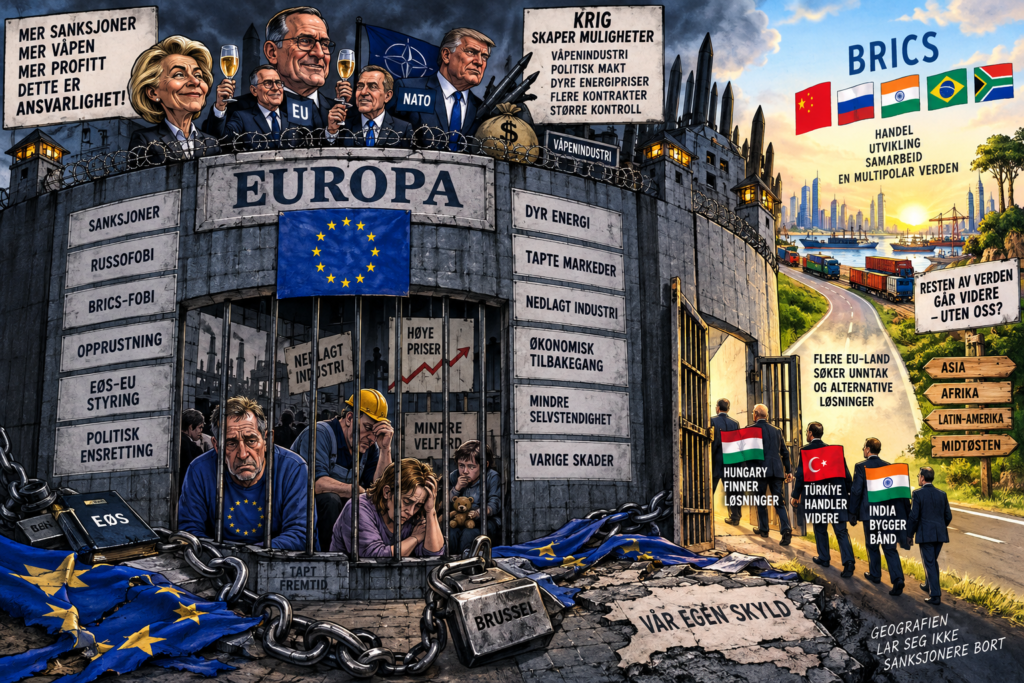
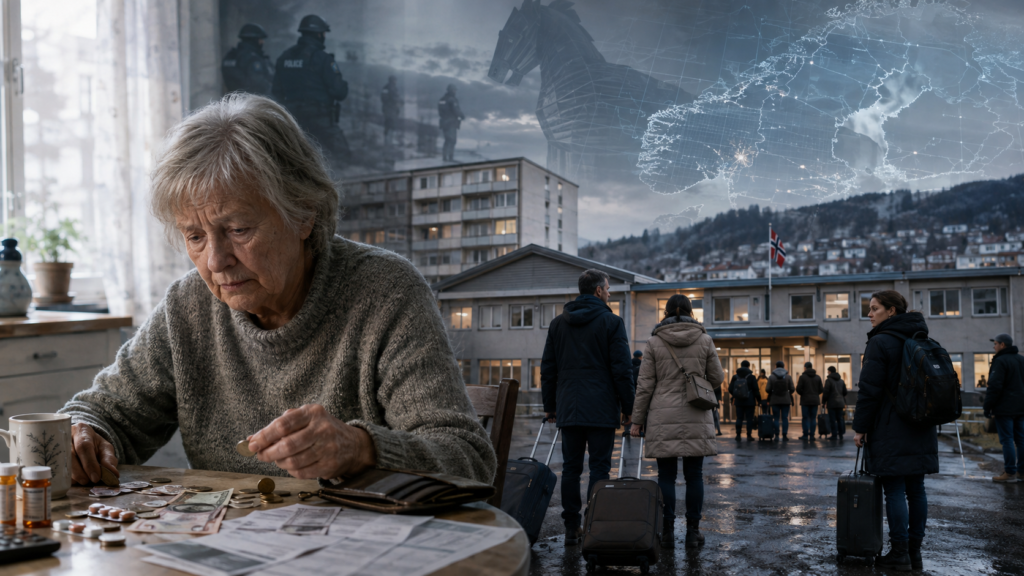
At the same time, European households are experiencing high energy costs, pressure on living standards, and demands for larger defense budgets.
The loss of previous Russian pipeline gas deliveries is an important part of this picture. Before 2022, Europe had access to large amounts of relatively affordable and stable Russian gas, which helped mitigate the consequences of fluctuations in the energy market.
This raises a question that more and more European politicians are now asking: How long will their own citizens accept economic austerity to finance a war without a clear end?
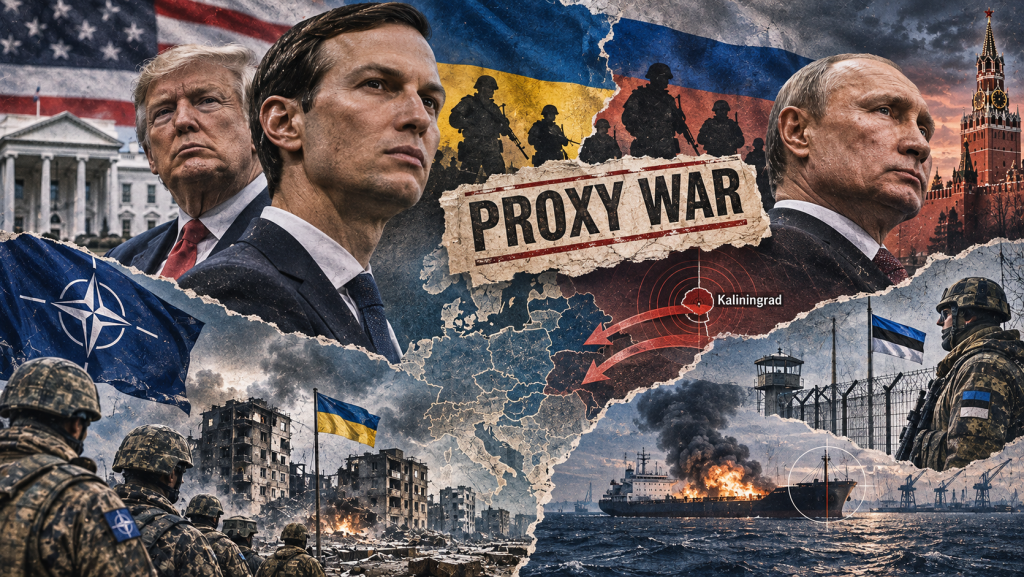
Kushner's description of Putin challenges Merz
In the midst of the budget crisis, Donald Trump's son-in-law and negotiator Jared Kushner has caused a stir with his statements about Vladimir Putin.
I an interview with Mathias Döpfner Kushner describes Putin as a systematic, thorough, and historically knowledgeable negotiator.
Kushner also says that Putin has shown restraint by not using nuclear weapons in Ukraine, and that Russia has given assurances that such weapons will not be used.
The description stands in sharp contrast to portrayals of Putin as irrational and unable to compromise.
Kushner also questions how much NATO-like security guarantees for Ukraine would actually be worth, given the uncertainty about what such guarantees would actually oblige Western countries to do.
The interview can be interpreted as more than a diplomatic approach to Moscow. It may also be indirect criticism of European leaders who continue to reject negotiations on terms Russia can accept.
However, such an interpretation of Kushner's motives has not been confirmed.
Resistance is spreading across Europe
The most important outcome of the budget settlement is that opposition to continued Ukraine funding is no longer limited to Hungary and Slovakia.
Previously, most EU countries have supported ever new support packages. Now objections are coming from several quarters, and questions about costs, priorities, and duration have become part of the summit negotiations themselves.
Merz's weakened support in Germany makes the situation more difficult. A Forsa measurement from November showed that 88 percent were dissatisfied with the chancellor's work.
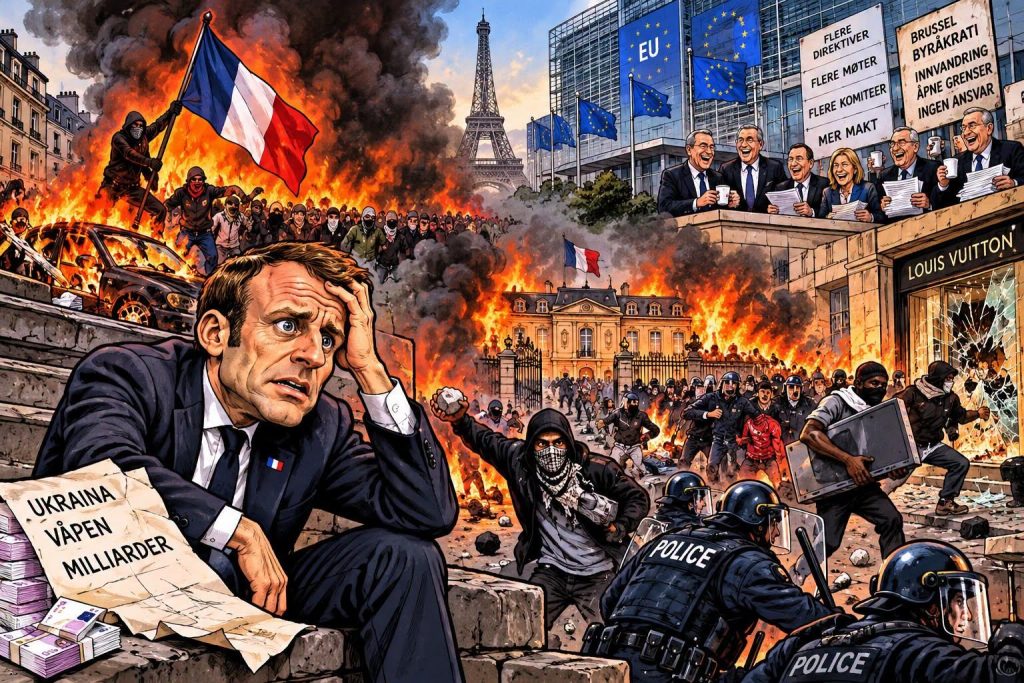
Resistance to the economic burden of the war is also growing in Italy and France.
A possible political change in France after the 2027 presidential election, or a new government coalition in Spain, could lead to new initiatives for direct talks with Russia.
This is currently a political forecast, but the budget crisis shows that the previous European consensus is under pressure.
Russia prepares new attacks
At the same time, military developments in Ukraine continue.
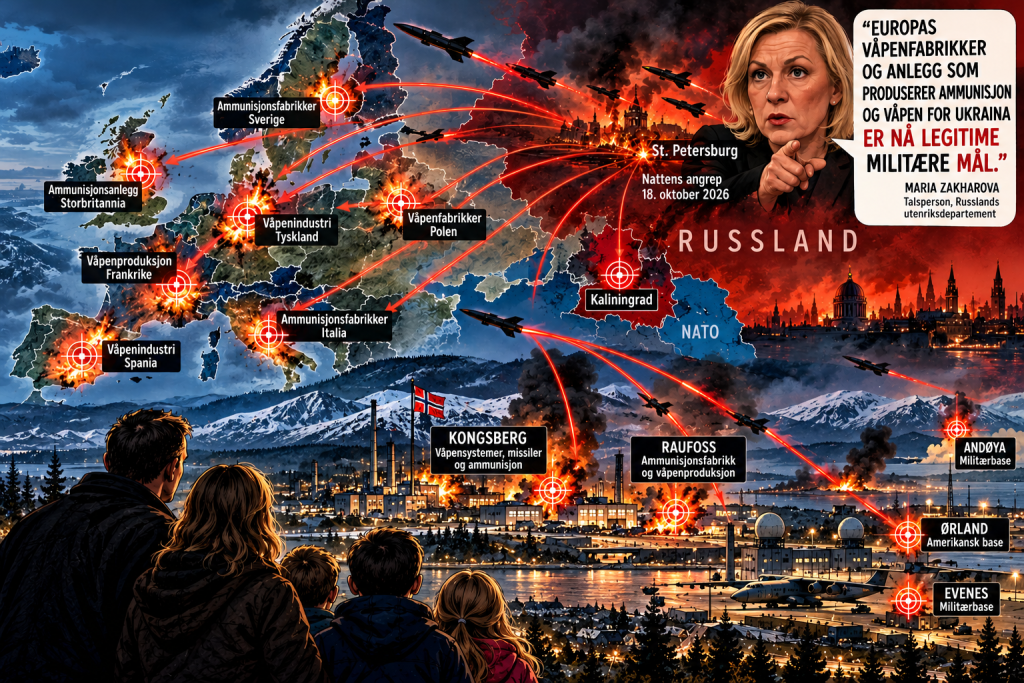
Zelensky warned November 26 that Russia is preparing a new large-scale attack on the country's critical infrastructure.
The situation is particularly difficult in Dnipro and Pavlohrad, where energy supplies are already severely affected.
At the same time, Russia is carrying out repeated drone attacks, cruise missiles, and glide bombs against transformer stations, railways, and transport links.
An important possible target is the bridges over the Dnipro in Kiev. Repeated attacks can gradually reduce carrying capacity, make heavy transport dangerous, and eventually render connections unusable.
If power supply, heating, and water systems continue to fail, the situation may require organized evacuation of vulnerable residents. Ukrainian authorities have not yet announced any general evacuation of Kiev.
Danger of encirclement at Kramatorsk
On the ground, Russian military sources report rapid advances north of Dobropolje, towards the road connections west of Kramatorsk.
At the same time, Russian operations continue around Liman and Sviatohirsk.
The strategic importance lies in Ukraine's supply routes. If Russia cuts the connection west of Kramatorsk and then the northern route through Izium, Ukrainian forces in the Slaviansk–Kramatorsk area risk being cut off.
In the worst case, it could involve tens of thousands of soldiers.
This is a forecast based on reported Russian advances, not a confirmed encirclement.
But the development illustrates the connection between the economic and military crisis: Europe is discussing ever larger allocations, while Ukraine's situation at the front and in its civilian infrastructure continues to deteriorate.
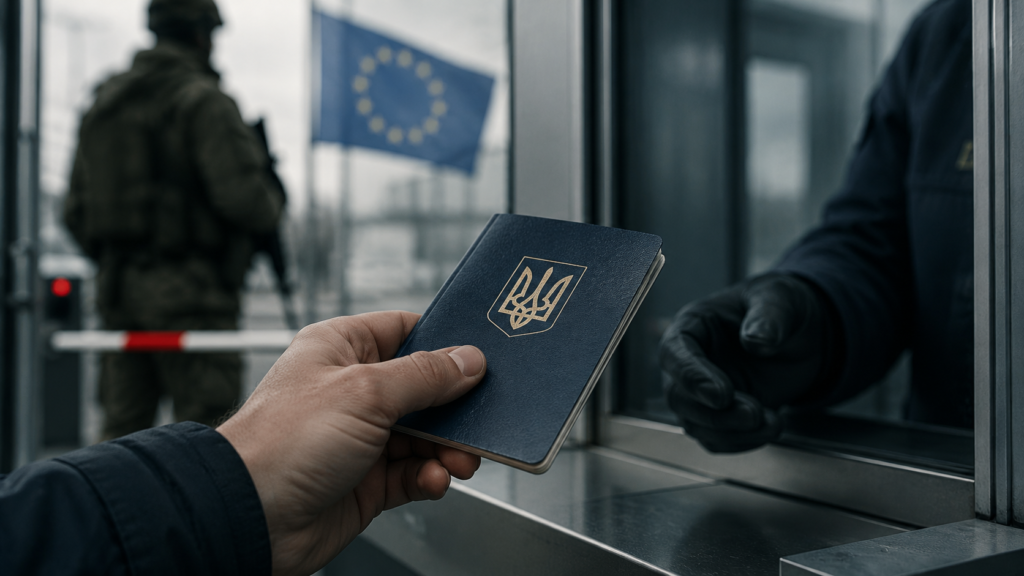
The budget settlement in Brussels therefore marks a possible political turning point. For the first time, the continued financing of Ukraine faces broad and open opposition within the EU's own leadership, without any common plan for how the war should end.