
The Kremlin Puts Its Cards on the Table
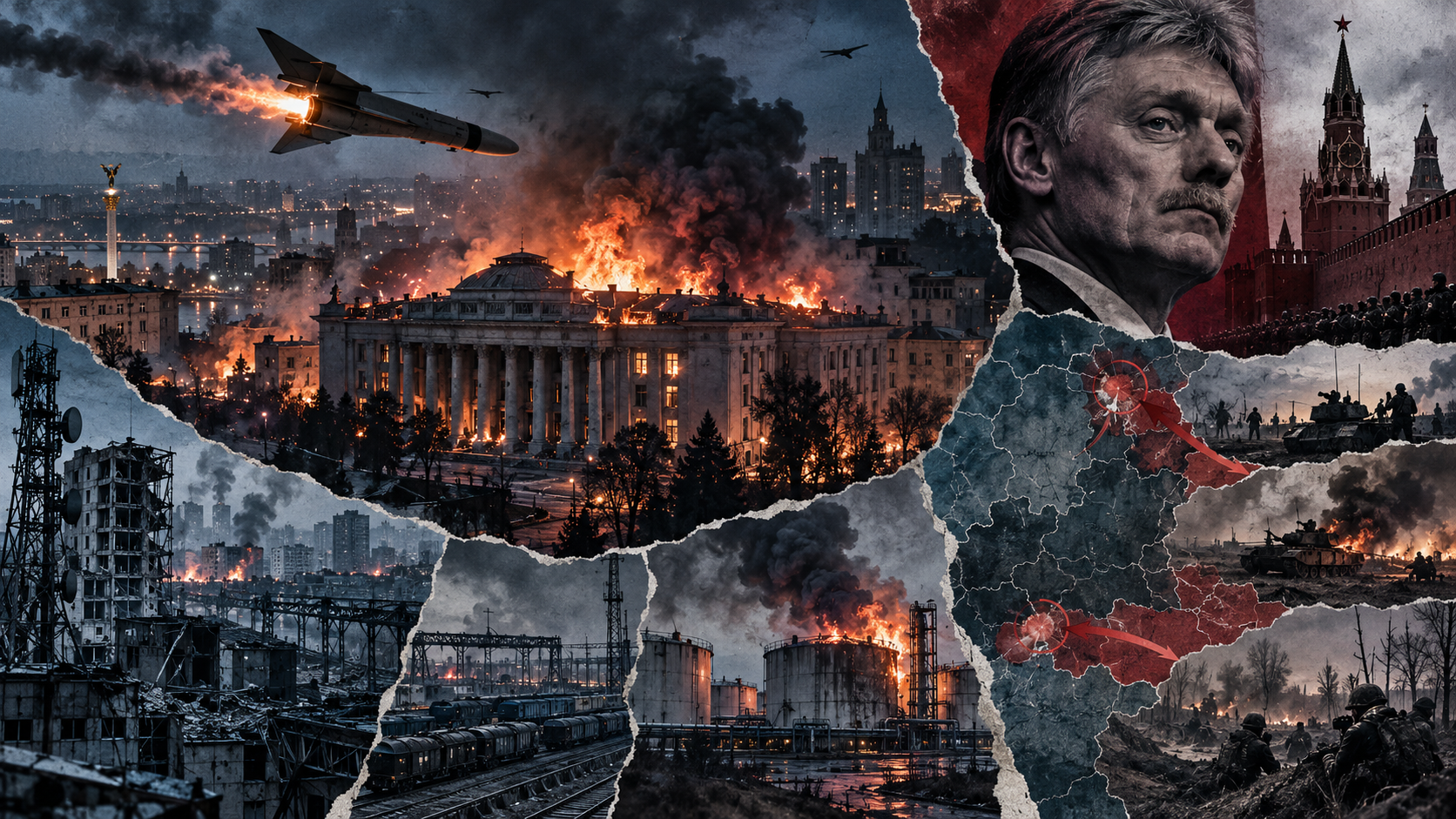
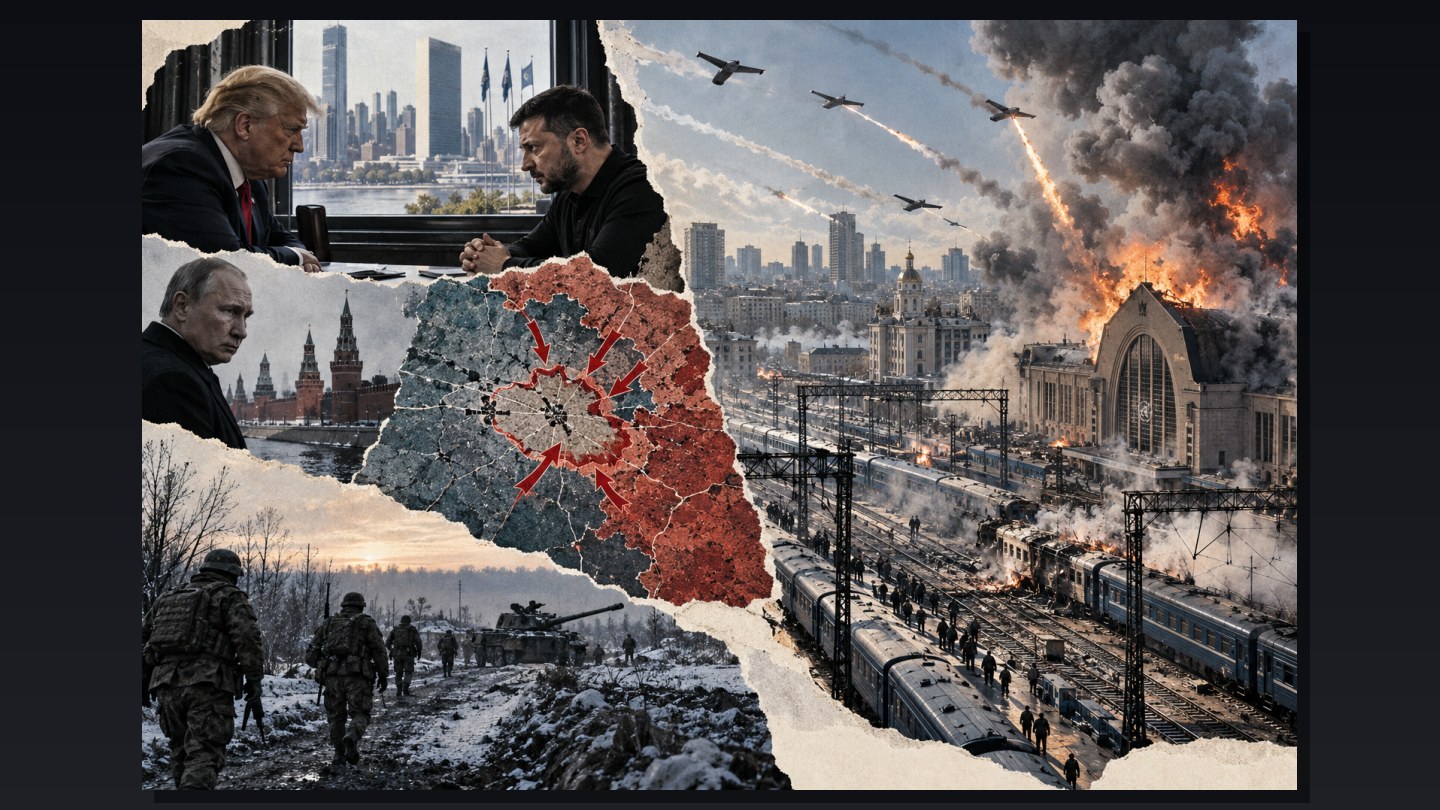
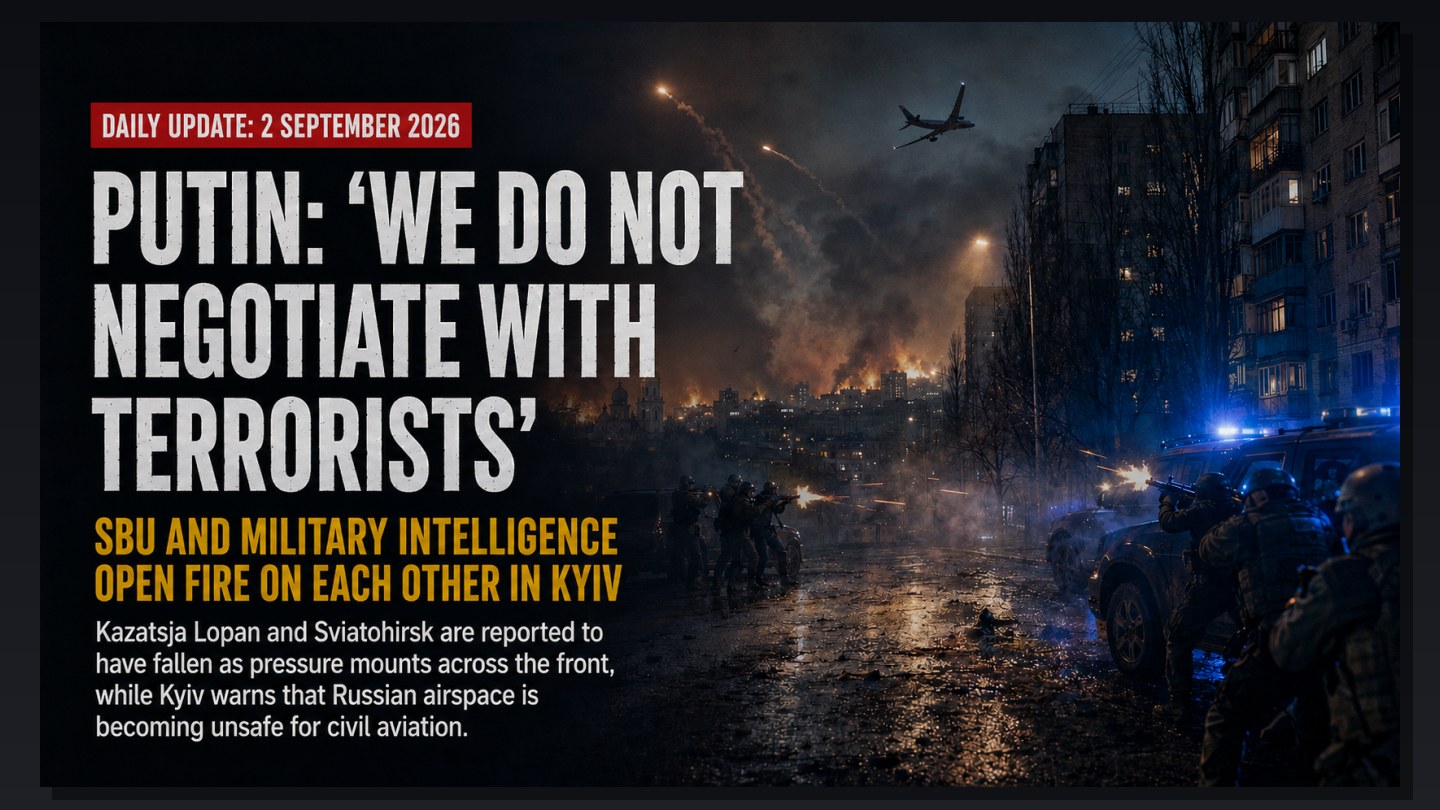
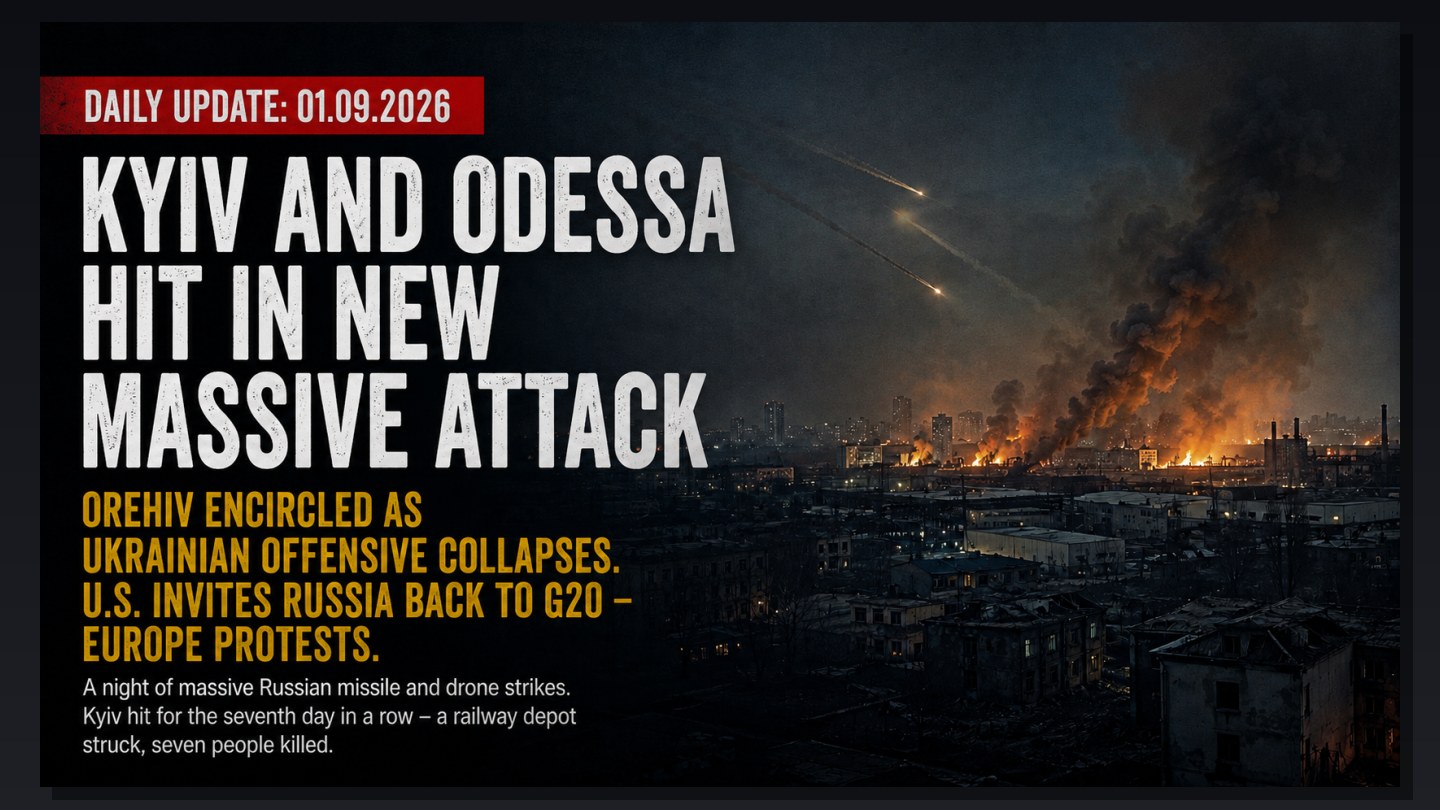
Kyiv was hit hard again on Monday.
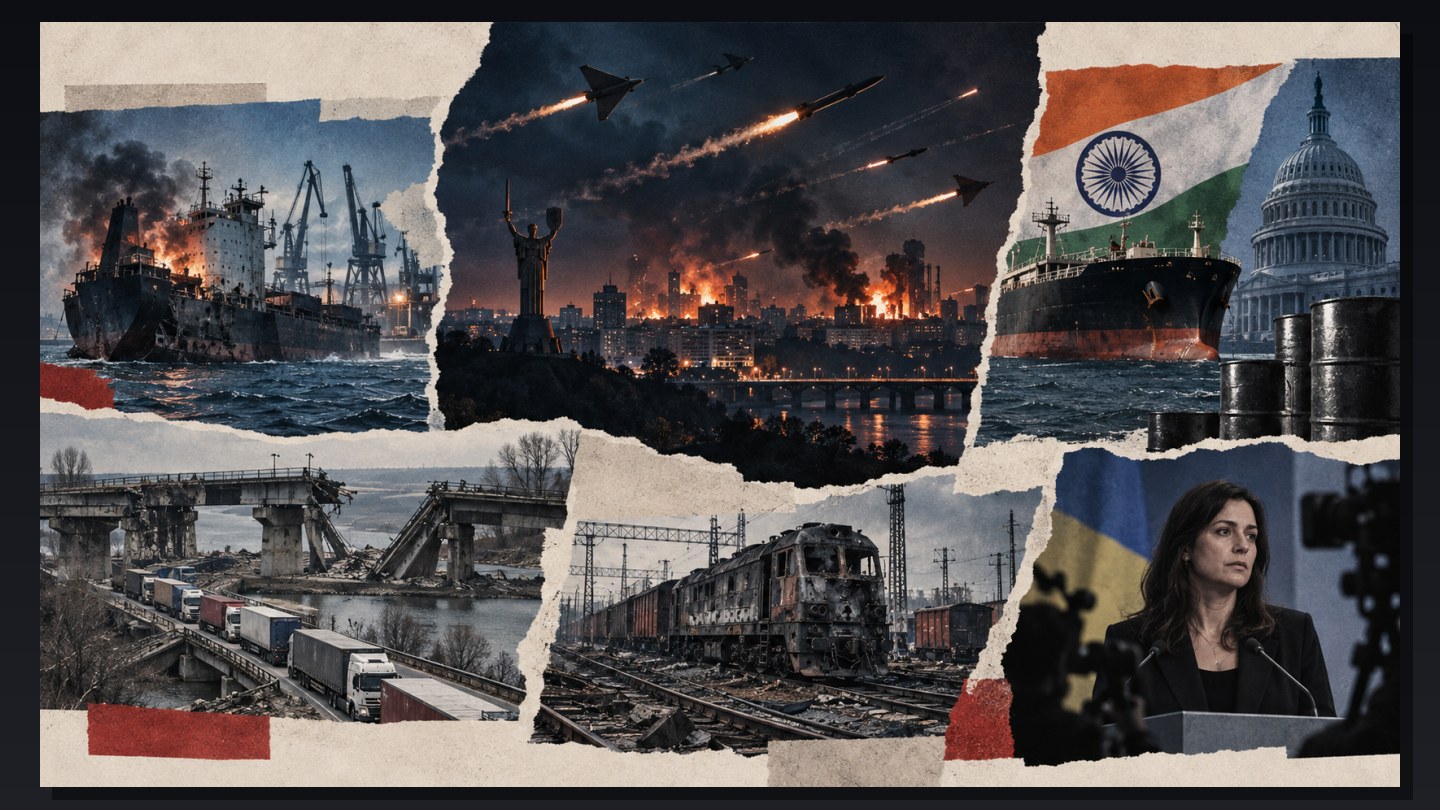
Data and telecommunications centres, fuel infrastructure and port facilities were also hit in the new Russian strikes.
It fits the pattern we have seen in recent weeks: railways, the internet, mobile networks, fuel depots and other infrastructure are being attacked in parallel.
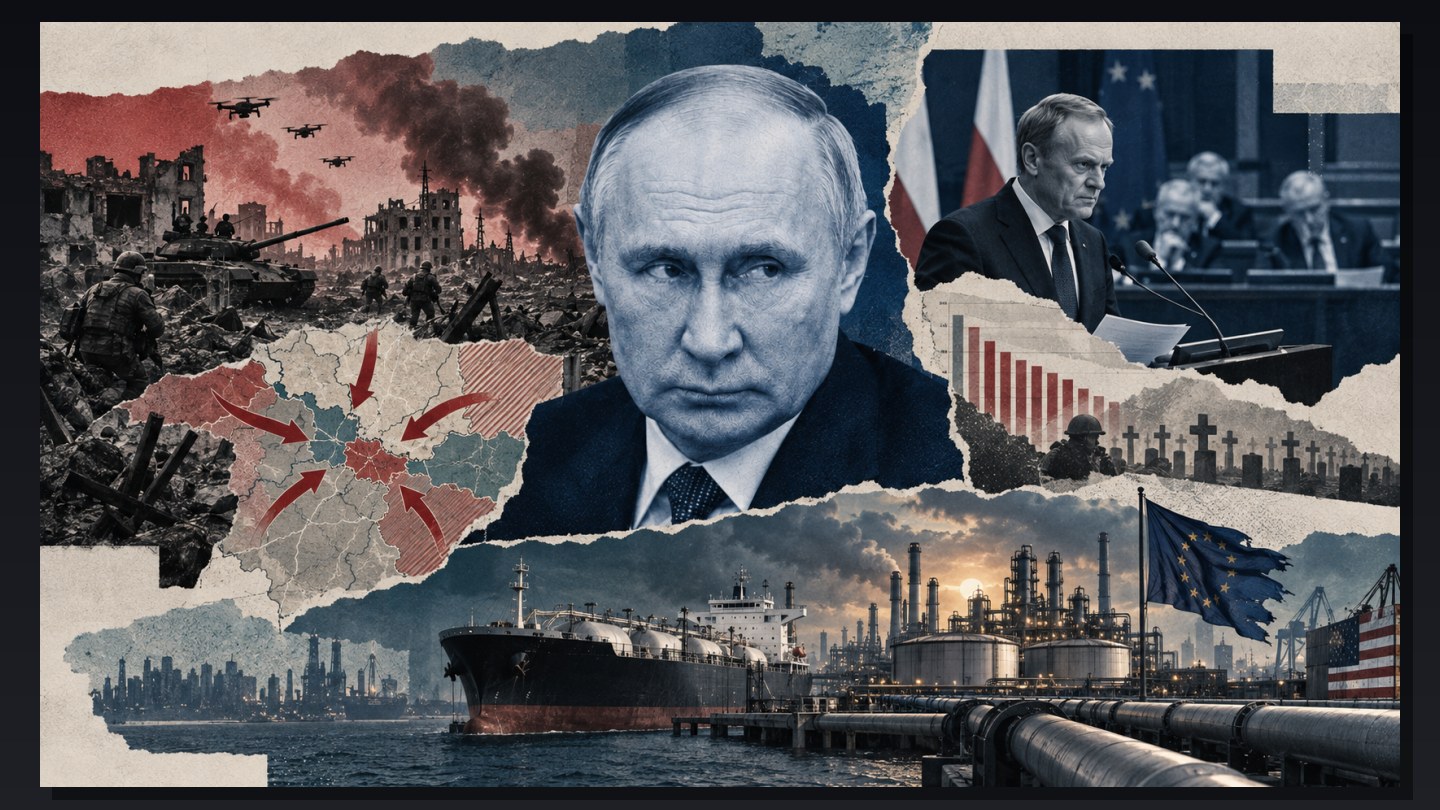
Already on Friday, Putin had listed the actions he believes triggered the Russian response: the drone attack during the Russian parliamentary elections, when Russian authorities reported more than 1,600 drones shot down, around 450 of them heading for Moscow, attacks on polling stations, the attack on St. Petersburg during the economic forum, and the long-running Ukrainian drone campaign against Russian refineries.
What matters is not just the word “retaliation”.
What matters is what Russia says must happen before the campaign stops.
In the Russian telling, a temporary ceasefire only gives Ukraine time to build up new strike capabilities.
Peskov’s wording therefore implies that Russia sees no reason to stop until Moscow believes the risk of a new drone campaign of the same kind has been removed.
How far Russia believes this must go, Peskov did not say.
But the message is clear: a short pause in the air war is not what Moscow is after.
From “Special Operation” to Full-Scale Warfare
Peskov has previously said that the conflict has moved beyond the framework of a “special military operation” and developed into an actual war because of the West’s extensive involvement.
That is consistent with the shift in Russian warfare that is now visible.
Previously, the large air strikes came more periodically.
Now Ukraine is being attacked almost continuously, and the use of the new jet-powered Russian drones has risen sharply, putting ever greater strain on Ukraine’s air defences.
The jet-powered variants fly considerably faster and higher than the older propeller-driven versions, and Ukraine has far fewer suitable weapons to counter them.
At the same time, there is speculation that Russia may have formally changed the operation’s legal status through unpublished presidential decrees.
However, there is no public documentation confirming this.
What matters, therefore, is not which legal name Moscow uses.
What matters is that the warfare itself has already changed character.
Three Battles Could Change the Front
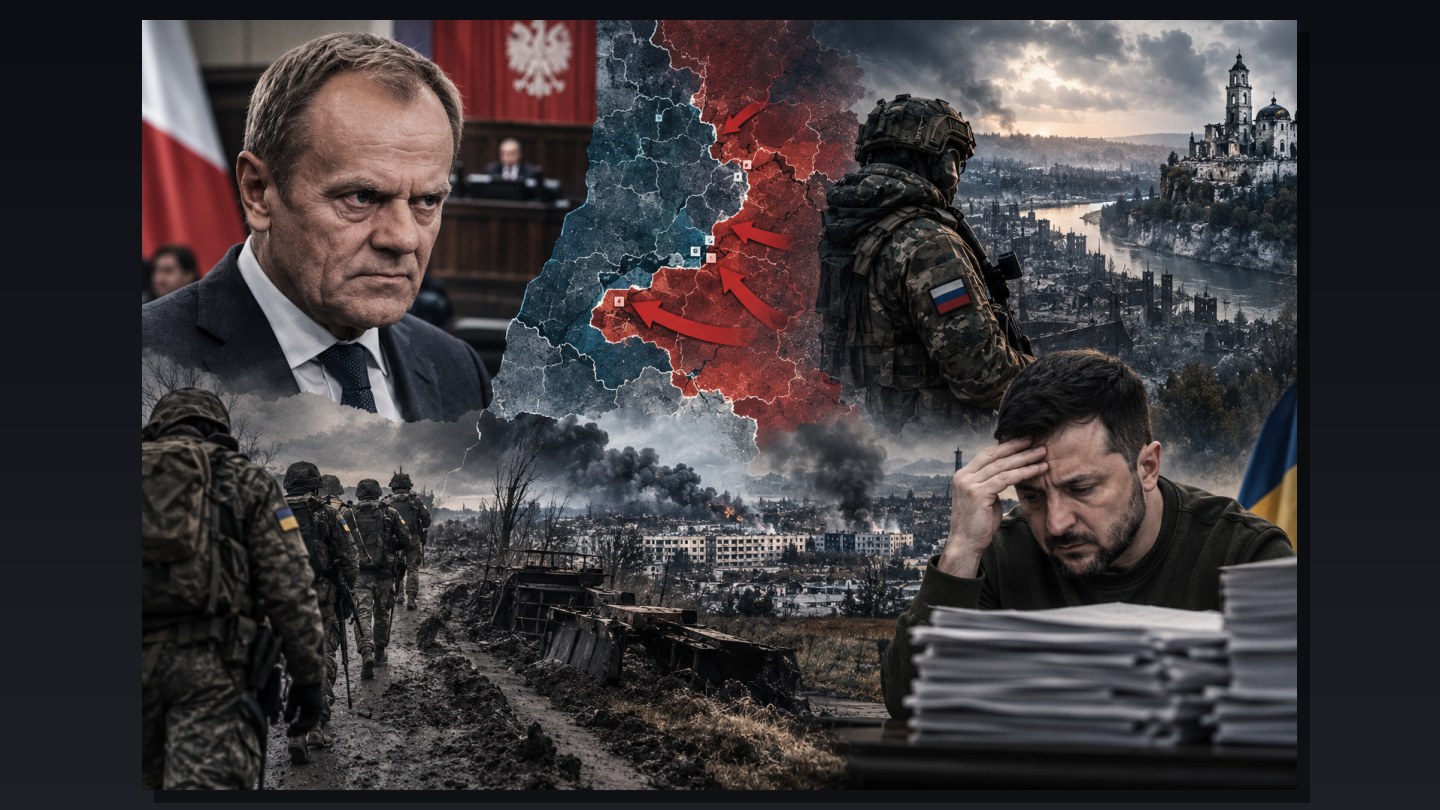
On the ground, much of the attention is now concentrated on three areas.
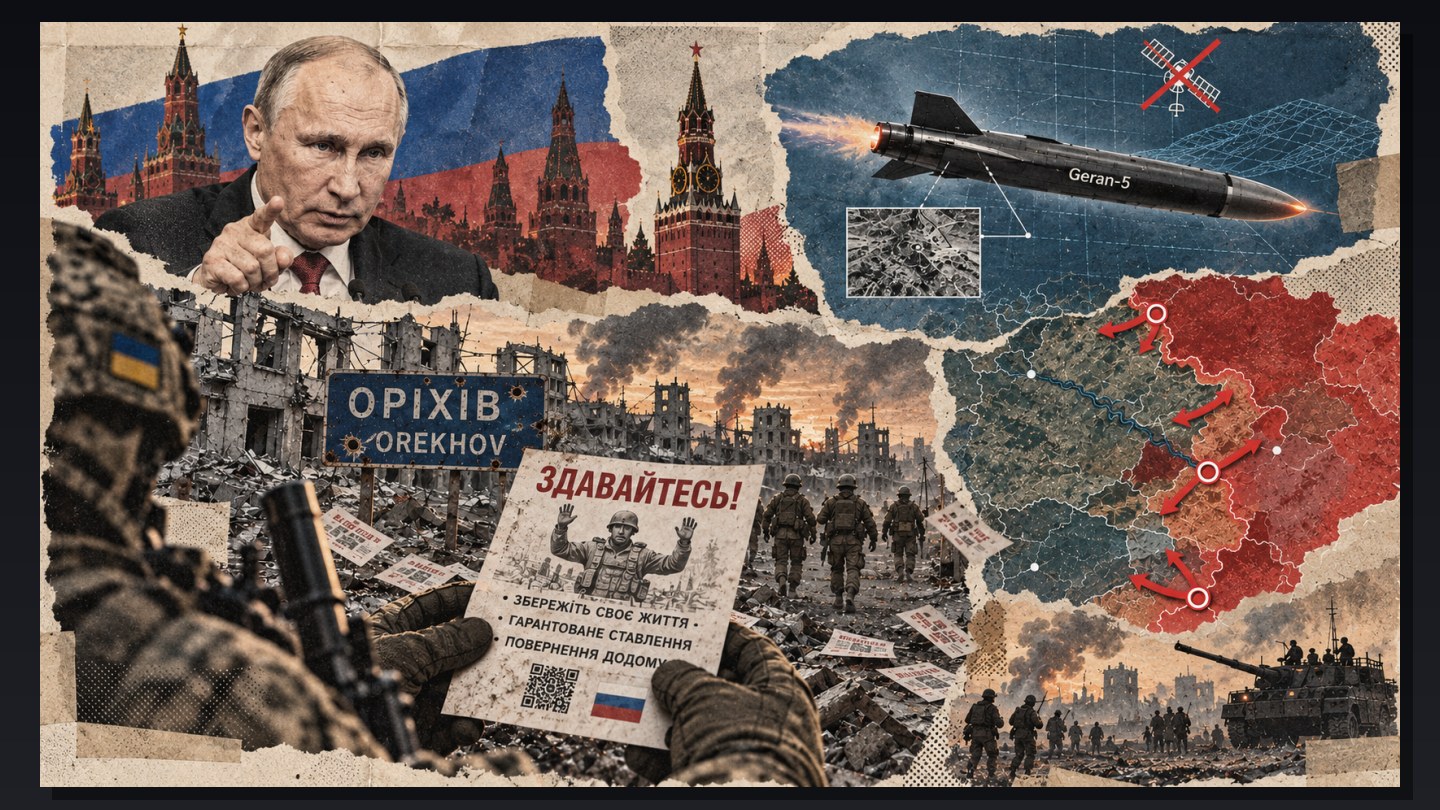
In the south, the fortified town of Orikhiv is coming under ever heavier pressure.
Russian forces are trying to cut the remaining supply routes into the town.
If Orikhiv falls, a far more direct route opens towards Zaporizhzhia, one of Ukraine’s most important industrial cities.
That makes the battle far more important than the town of Orikhiv itself would suggest.
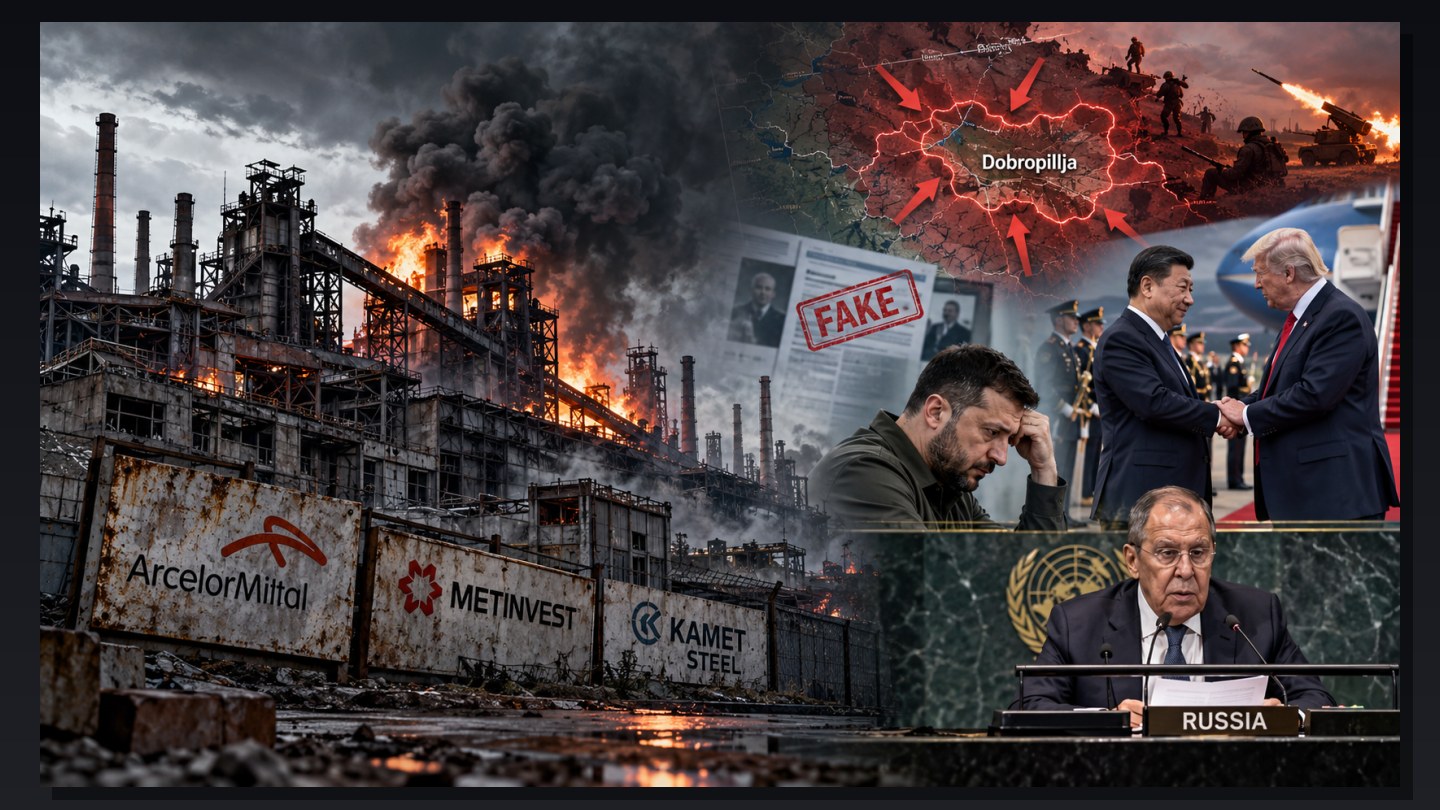
In Donbas, the pressure around Dobropillia continues.
The Russian Ministry of Defence claims that key supply lines into the area have been cut and that the Ukrainian position is gradually becoming harder to hold.
The strategic question is bigger than exactly where a front line is drawn from day to day.
If Russia succeeds in cutting the supply routes around Dobropillia, pressure will mount on Ukraine’s remaining defensive system around Sloviansk and Kramatorsk.
In the northeast, meanwhile, the Ukrainian pocket in the Kharkiv region is shrinking, according to Russian sources.
Once the fighting there is over, Russia can shift more force towards Velykyi Burluk and from there southwards.
These are the three developments that matter.
Not which small villages change hands from day to day.
The Lyman Offensive Is Becoming Less and Less Important
Azov leader Andriy Biletsky continues to claim progress in the area around Lyman.
Some villages have reportedly been retaken, but there is limited public documentation for several of the claims.
Even if they are true, the problem is bigger than the Lyman operation itself.
Ukraine can still take ground locally.
The question is whether the country has enough manpower to hold it while pressure increases elsewhere.
And while attention is tied up there, the strategically more important battles are developing around Orikhiv, Dobropillia and the northeastern Kharkiv region.
Kyiv Under Ever Greater Pressure
Russia’s attacks on the capital are no longer only about the energy system.
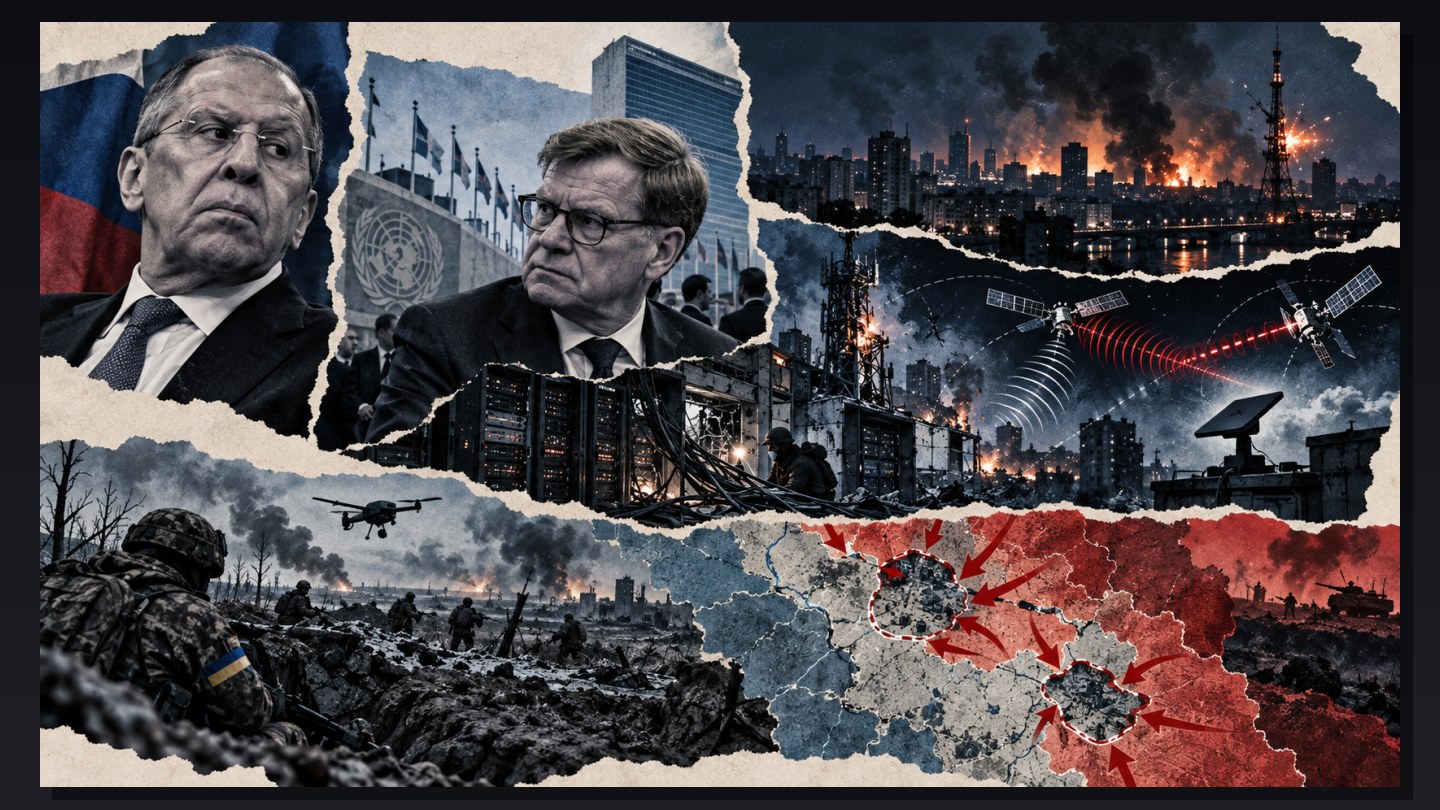
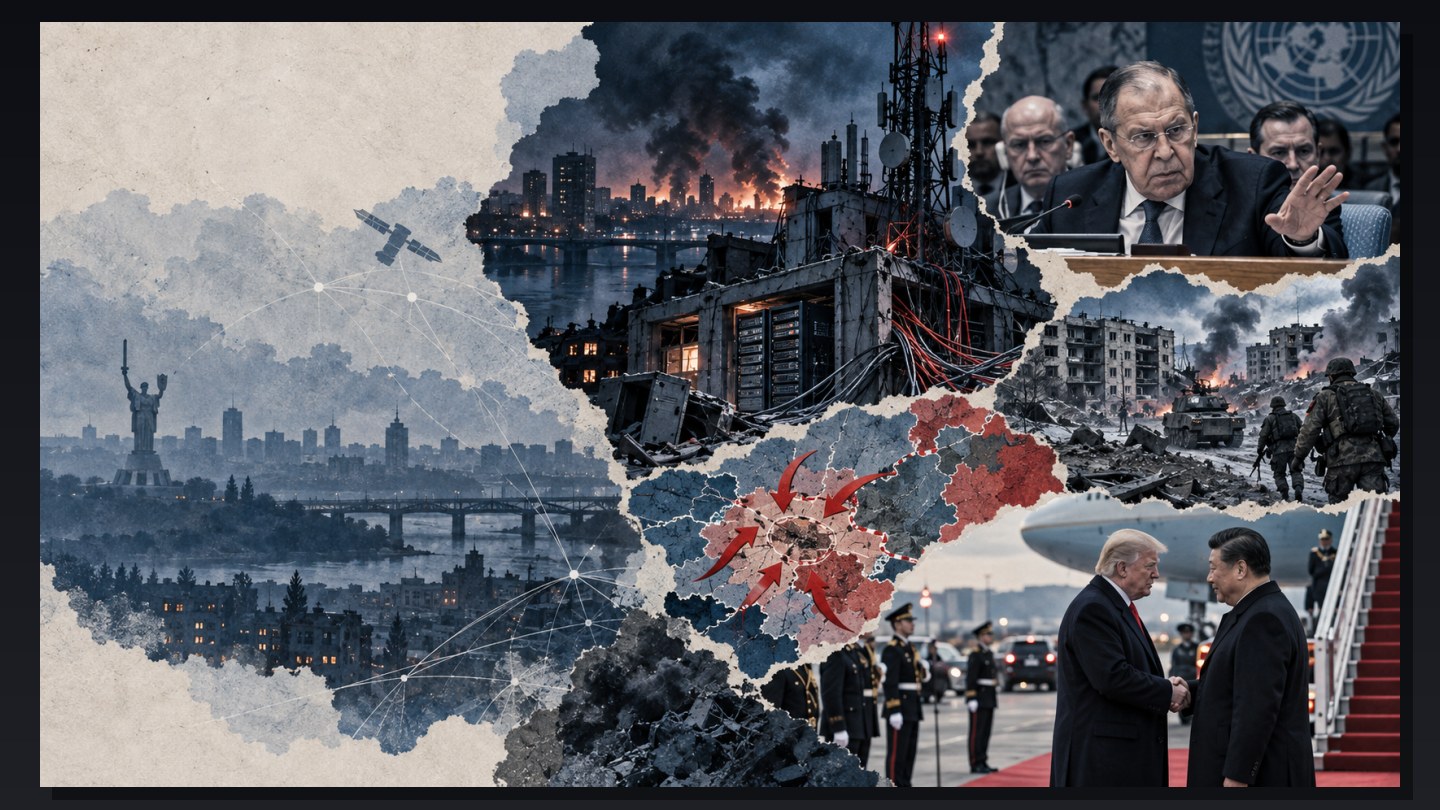
Data centres, mobile networks, railways, fuel infrastructure and other parts of the city’s logistics system are now being hit repeatedly.
This is happening at the same time as Russia has stepped up its use of jet-powered drones against strategic infrastructure across Ukraine.
It makes day-to-day administration more difficult and increases the pressure on both the authorities and the population.
It is possible that some civilian government functions will eventually be moved out of Kyiv if the attacks continue through the winter.
The same may apply to foreign organisations and diplomatic missions if the infrastructure becomes less reliable.
But that is a scenario – not something that has happened yet.
What is certain is that Russia is now systematically increasing the pressure on the infrastructure that keeps the capital running.
Money Is Becoming an Ever Bigger Problem
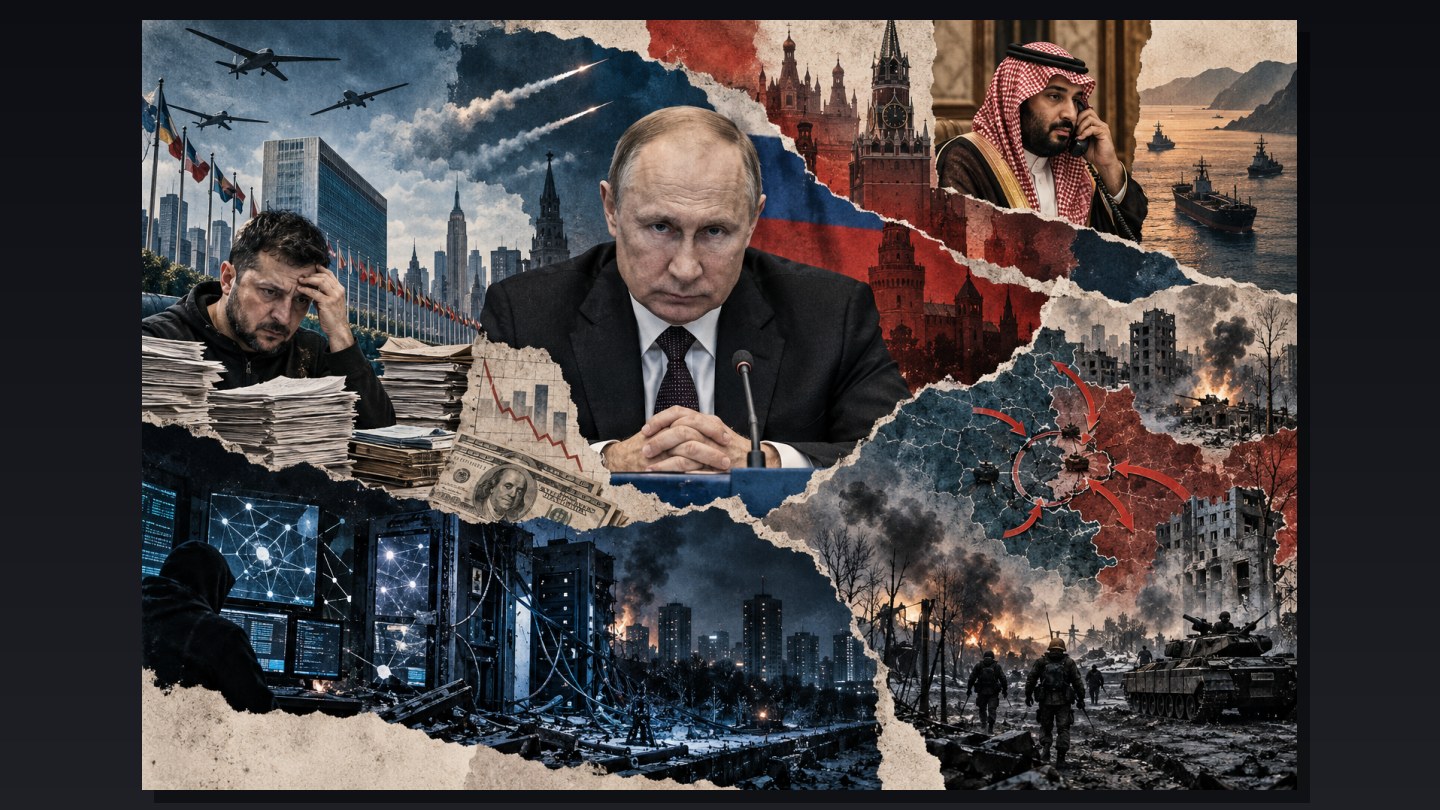
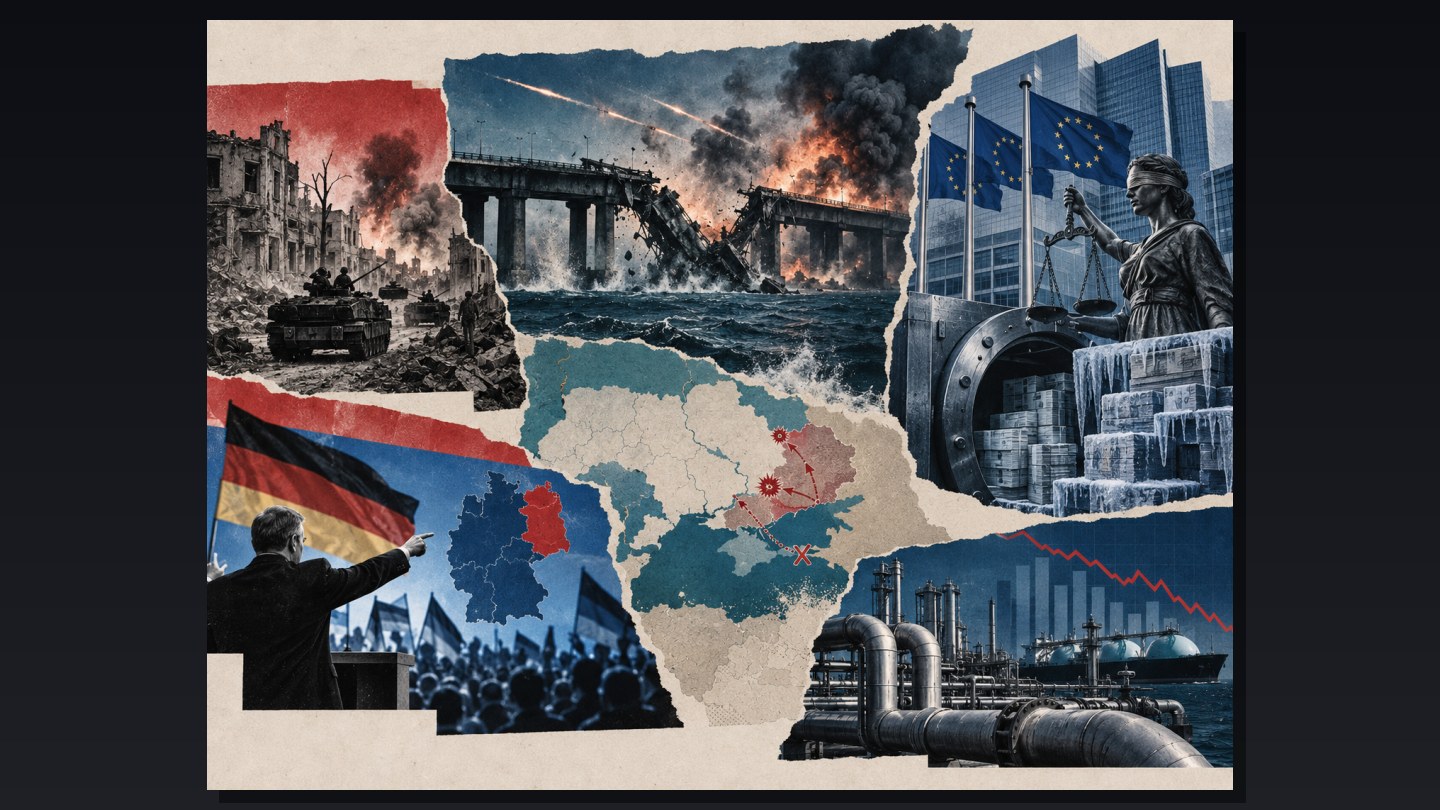
At the same time, Ukraine has a defence funding gap of around 27 billion dollars.
Zelensky has warned that the funding problem could hit the production of drones and other weapons through the winter.
This does not mean, however, that the EU’s 90-billion-euro support package has already been used up.
The EU began disbursements in the summer, and on 18 September the Commission said that almost 15 billion euros had so far been disbursed under the scheme.
The problem is a different one:
Ukraine’s needs are growing faster than the funding already agreed.
At the same time, Russian attacks are hitting production, exports and economic activity, so more and more of the bill is being shifted onto Ukraine’s foreign backers.
The discussion about the frozen Russian assets therefore also continues.
But this remains legally and politically contested.
Funding is therefore no longer a side issue.
It has become part of the war’s strategic calculus itself.
Conclusion
It is worth looking at the difference between the two sides right now.
In recent weeks, Ukraine has pushed for a ceasefire in the air and energy war.
Russia, on the other hand, has not signalled that it wants to halt the air campaign.
That at least says a lot about how the two sides themselves assess the situation.
Moscow is acting as if time is working in Russia’s favour.
Kyiv is acting as if it is urgent to get the pressure reduced.
And if Orikhiv, Dobropillia and the Ukrainian position in the northeast all deteriorate at the same time as the air campaign continues through the winter, the pressure will only increase.
Se og hør mer
Videoer, klipp og innslag knyttet til temaet.