The Ceasefire That Came as a Surprise to Everyone
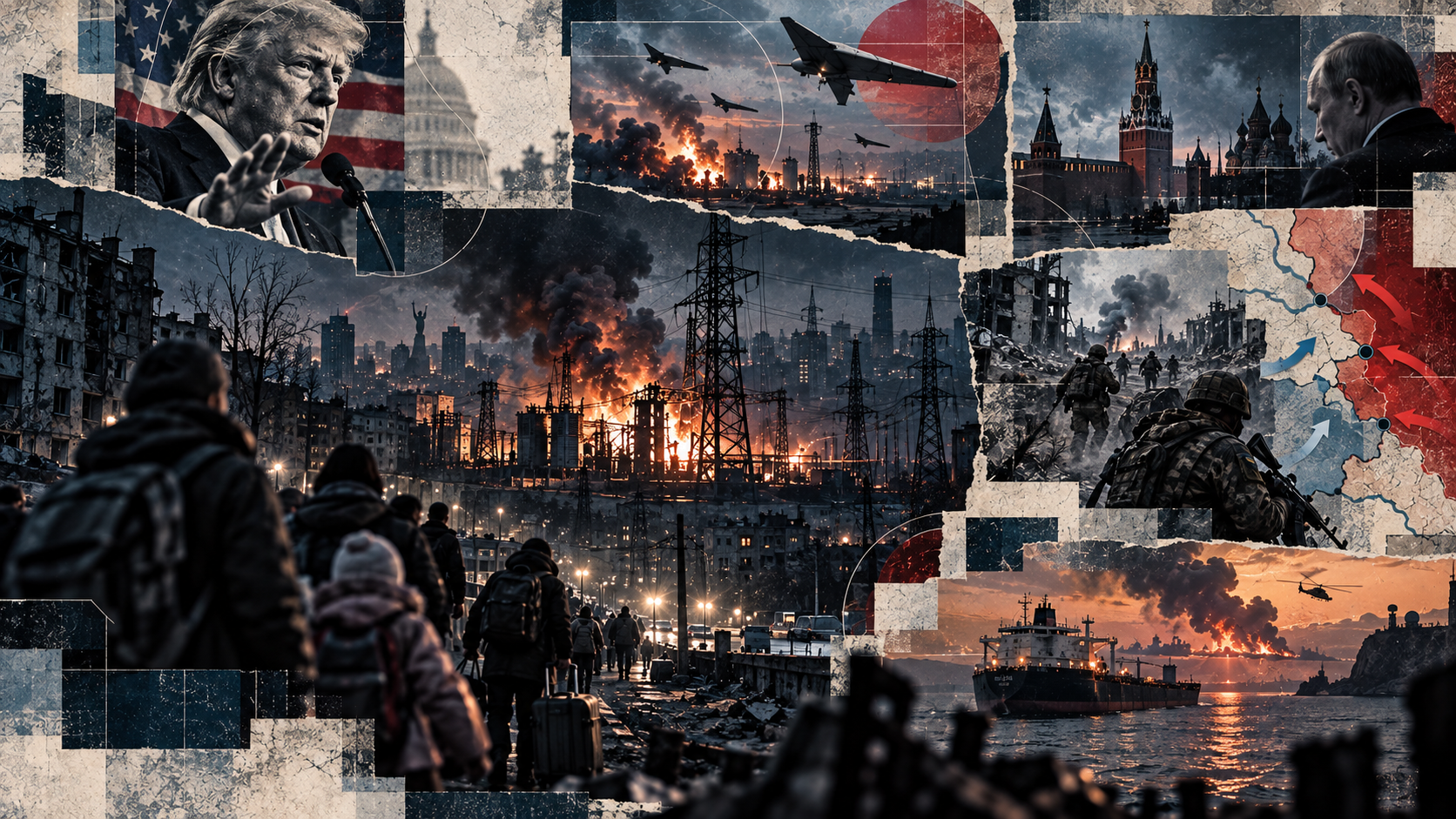
On Sunday, Trump wrote on Truth Social that there was, from that moment, an “energy ceasefire” between Russia and Ukraine, adding that both sides had agreed to it and that it must not be broken. Zelensky said the announcement “was news to him”, but that Ukraine would support a ceasefire if Russia did. According to Axios, Trump is trying to “will” a partial ceasefire into being on his own. Russia has not accepted anything of the kind, and Ukraine wants a deal that also bans attacks on power plants. Hours later, Russian strikes hit at least six Ukrainian energy targets, including targets in Kharkov.
It is not the first time. Trump announced a similar energy ceasefire on 14 September, and at that point both Moscow and Kiev said they knew nothing about it. Russia has, moreover, said the same thing repeatedly: no temporary ceasefires, whether in the air, at sea or on land. Moscow’s reasoning is that Ukraine used earlier pauses to rebuild, and that a 30-day ceasefire last year was broken.
One nuance is worth noting. The Kremlin said on Monday that “contacts are ongoing” on an energy ceasefire, and that more information would come later. That is softer than total silence, but it is no confirmation either. The conversation between Putin and Trump last week did not address any ceasefire, according to the Kremlin’s own summary, and Putin at the same time put a resumption of negotiations with Ukraine on hold.
Zelensky, for his part, replied that Ukraine will halt the refinery attacks if Russia stops attacking Ukrainian energy. It is the same offer he has made before and which Russia has rejected. Kaja Kallas said this “is not the time to ease pressure on Russia”.
Why Did Trump Announce It?
Some believe Trump is laying the groundwork to withdraw from the diesel deal by blaming Russia for breaking the ceasefire. That is probably wrong. Withdrawing would leave him vulnerable to the attack he fears most: that he is being manipulated by Putin. Nor is there any sign that criticism in the US is strong enough that he must react. Some Democrats and a handful of Republicans have protested, but none of the big names.
The most likely explanation lies in the Middle East. The Strait of Hormuz was described as reopened a few weeks ago, but that is probably because Iran let ships through in exchange for payment from the Gulf states. Now, according to reports, Iran has stepped up attacks on tankers in and around the Persian Gulf. At the same time, the Houthis have struck Riyadh’s international airport with missiles, causing civilian casualties. If this continues, Trump’s problem is easy to understand: oil prices could rise sharply when markets open on Monday, cancelling out the effect of the diesel deal. An announced ceasefire, whether real or not, can calm the markets. That fits with the way Trump has acted all year.
Kiev: Bridges Closed, Power Grid Under Pressure
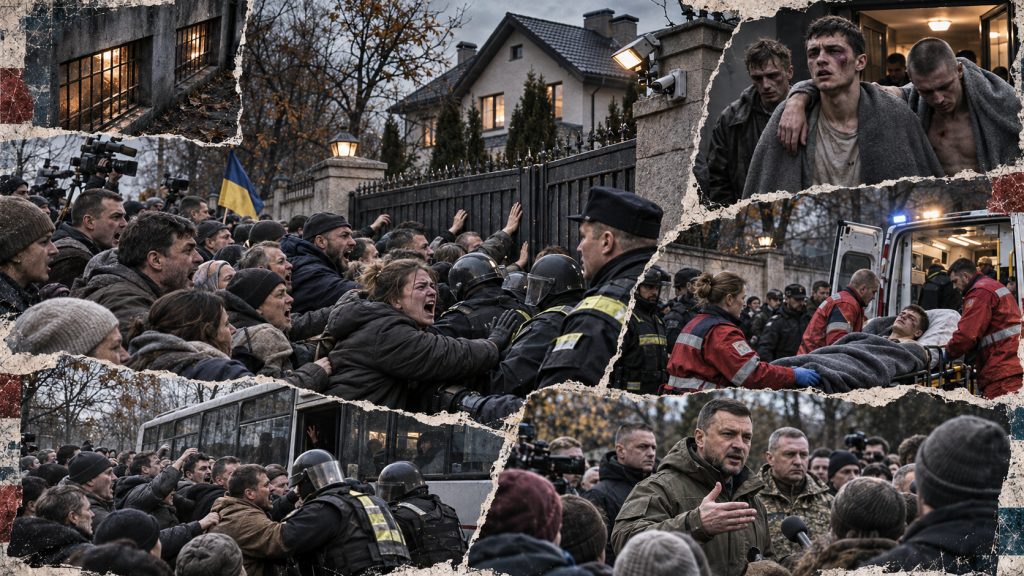
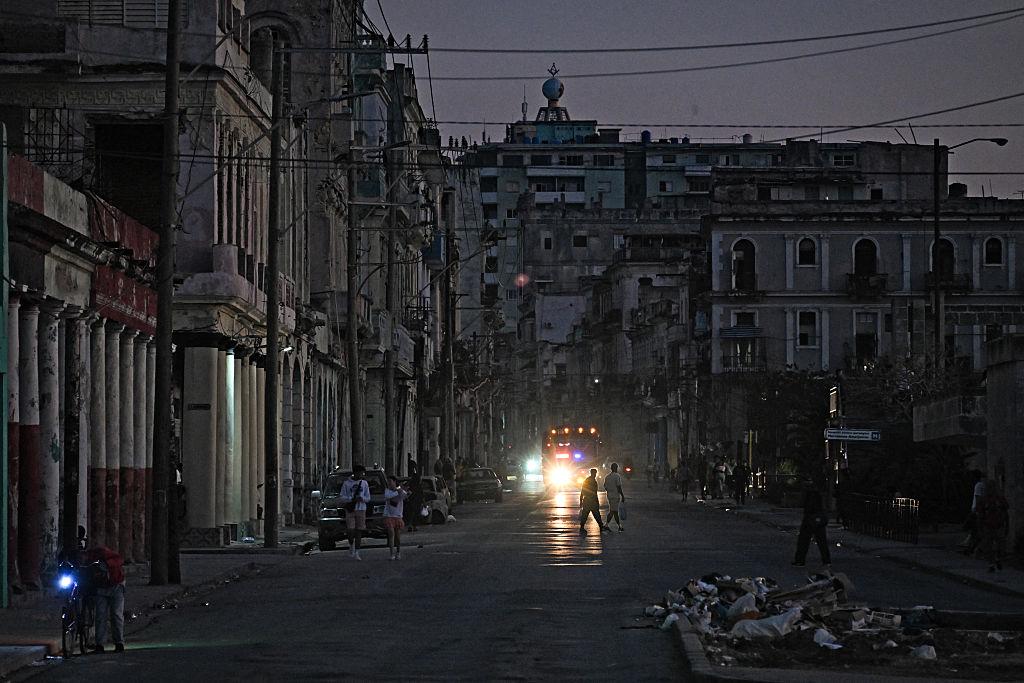
In Kiev, the bridges over the Dnieper are still closed to cars. Russia has cut several power lines, and according to reports this means the water treatment plants do not have enough power. The figure circulating is that around 70 per cent of the water and sewage system has been knocked out, but this has not been confirmed. If it is true, it is serious: without clean water and functioning sewage, the risk of disease rises quickly. Kiev’s mayor Klitschko has already advised residents to consider leaving the city temporarily, and the railway westward remains open for now.
It is striking how little of this shapes the debate. Zelensky spends much time arguing with Trump about whether a ceasefire exists and how it can be upheld, while the capital lacks water, electricity and functioning bridges. The British press is mostly occupied with criticising Trump for the diesel deal.
The Front
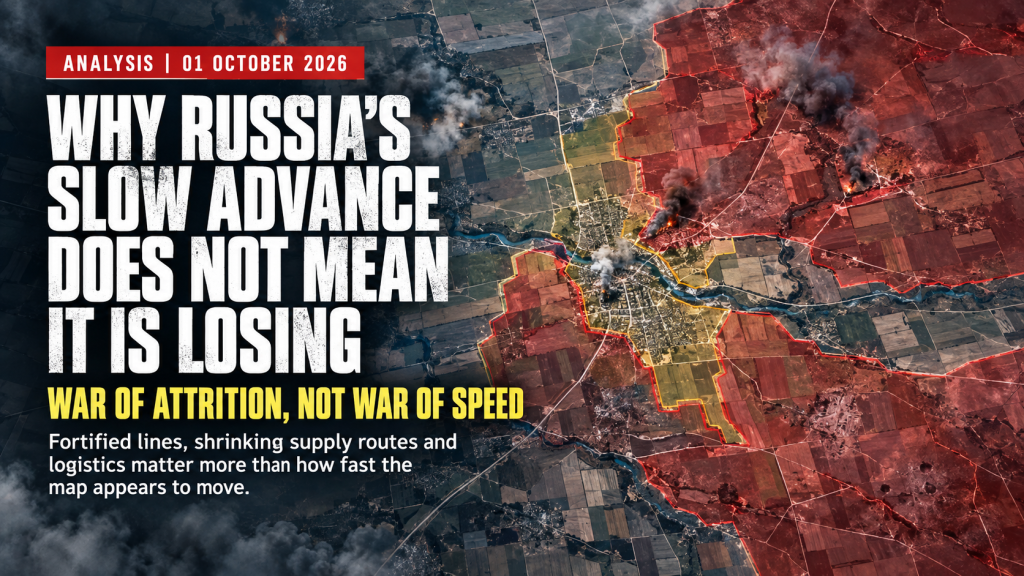
In the north-east, according to its Defence Ministry, Russia has almost cleared the cauldron east of Volchansk. Ukraine disputes that any cauldron exists, and maps from the Ukrainian side show the border areas as still Ukrainian. This is a problem in itself, since the West gets its picture of the war almost exclusively from Kiev. When Russia reports that the cauldron has been cleared, it is probably preparing the next step: pushing south towards Velikiy Burluk, and on towards Izyum and Balakleya, which form the northern arm of the pincer around Slavyansk and Kramatorsk.
At Liman, the Ukrainian offensive has stalled, and all fighting is taking place west of the Yerobets river. The Ukrainians have cleared a cluster of villages in the defensive zone in front of the main Russian lines, and suffered heavy losses doing so. At Dobropolye, everything suggests the battle is coming to an end, after Azov’s 12th Brigade was repulsed. The city’s fall will open the way for a Russian advance northwards and cut Slavyansk off from the west, with an estimated 70,000 Ukrainian soldiers in the area. The Russian air force is now bombing the village north of Orekhov rather than the town itself, which may indicate that Orekhov is under Russian control. This has not been confirmed. The bridges in Zaporozhye are more damaged than those in Kiev and unusable, which prepares the ground for a siege.
“Hybrid War” or Dirty War?
The Financial Times reported on Saturday, citing five European intelligence services, that Russia is stepping up attempts to kill executives in the European arms industry, particularly at companies that make drones. Responsibility is mainly attributed to Russian military intelligence, the GRU. As early as 2024, American and German intelligence uncovered a plot against Rheinmetall CEO Armin Papperger, and NATO later confirmed it.
In a new analysis, journalist Thomas Fazi has pointed out that the evidence of Russian involvement often disappears when individual incidents are examined more closely. Many of those convicted of sabotage have been alleged to have acted on Russian orders, but the courts have rarely presented such documentation. The term “hybrid war” is itself imprecise, and the picture that emerges when individual incidents are examined more closely is far patchier than the overall narrative suggests.
That does not mean nothing is happening. It is reasonable to assume that some Russian operations exist, and this fits better with another term: dirty war. Ukraine has waged such a war against Russia for a long time, from the attack on the Crimean Bridge in 2022, through the killing of Darya Dugina, to “Spider’s Web” against air bases last year and the attack on an Italian restaurant in Moscow a few weeks ago. The Western establishment has tolerated this. There have long been warnings that a dirty war would sooner or later reach Europe. That may be what we are now seeing the contours of.
The Middle East May Overshadow Everything
The most important story today is probably not Ukraine, but developments between Saudi Arabia and the Houthis. Alastair Crooke has written that Crown Prince Mohammed bin Salman’s consolidation of power has made the system stronger in some ways and more brittle in others, and that a bad outcome in Yemen could create unrest at home. Edward Luttwak has pointed out how fragmented the Saudi military is, partly by design to prevent a coup. Iran has reportedly offered to mediate between Riyadh and the Houthis, an offer the Saudis would be wise to accept. Should a serious crisis strike Saudi Arabia, with Mecca and Medina and a key role in global oil supply, few will care about Ukraine any longer.