Putin’s Offer: Shenzhen in November
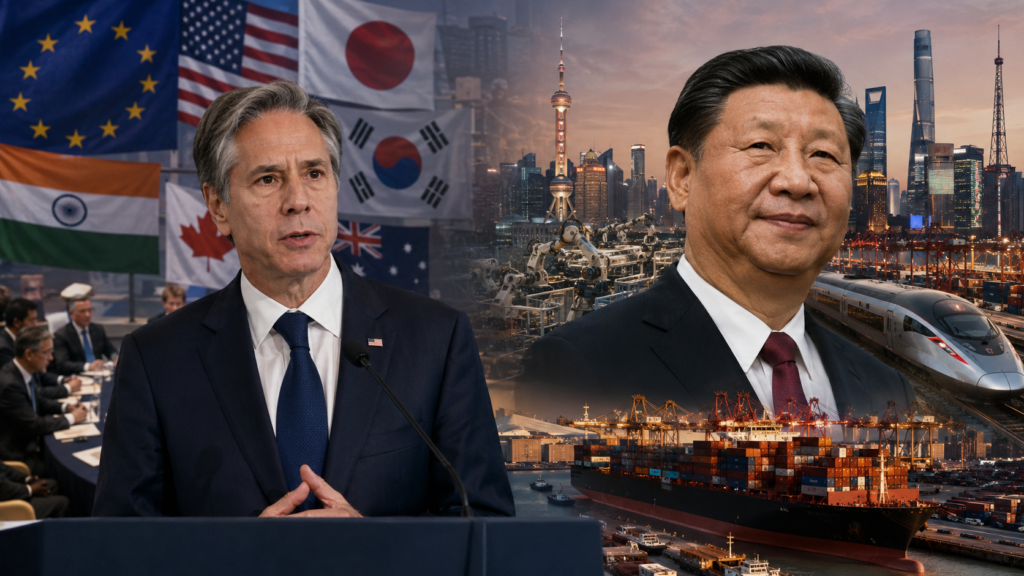
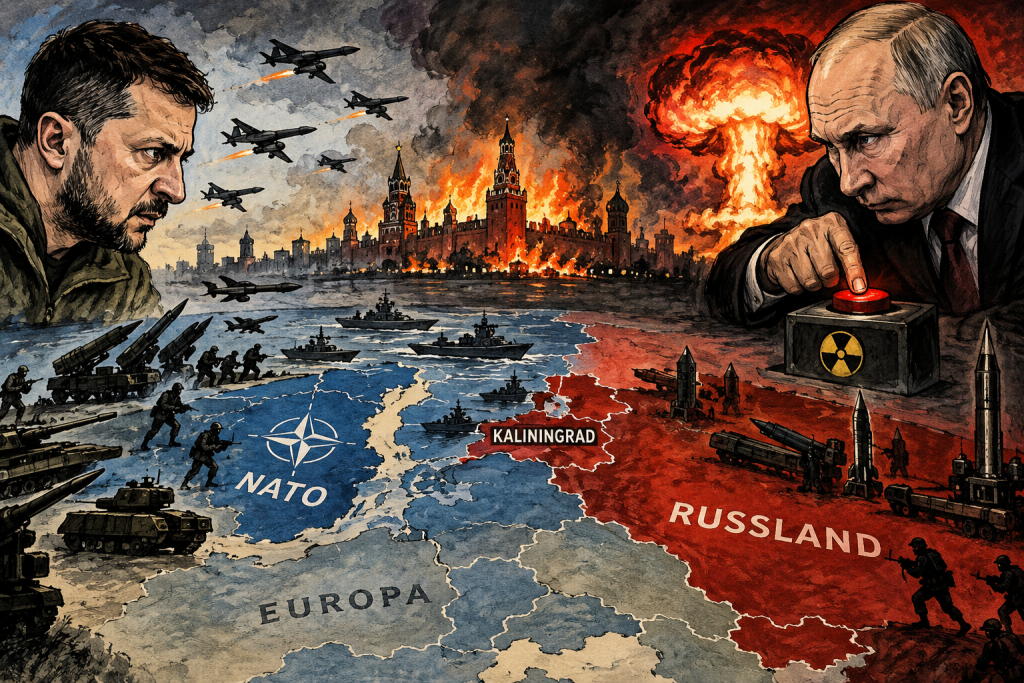
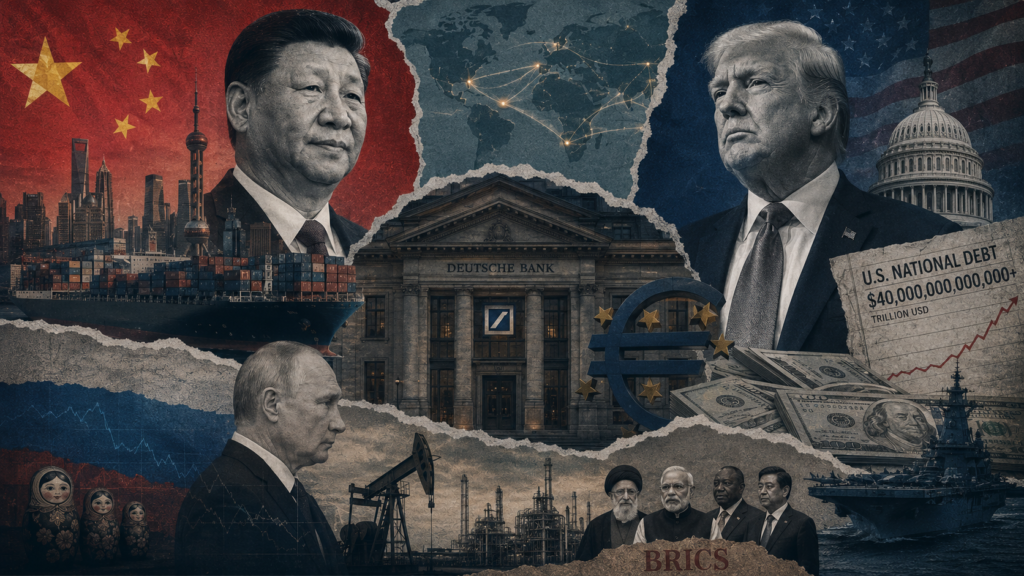
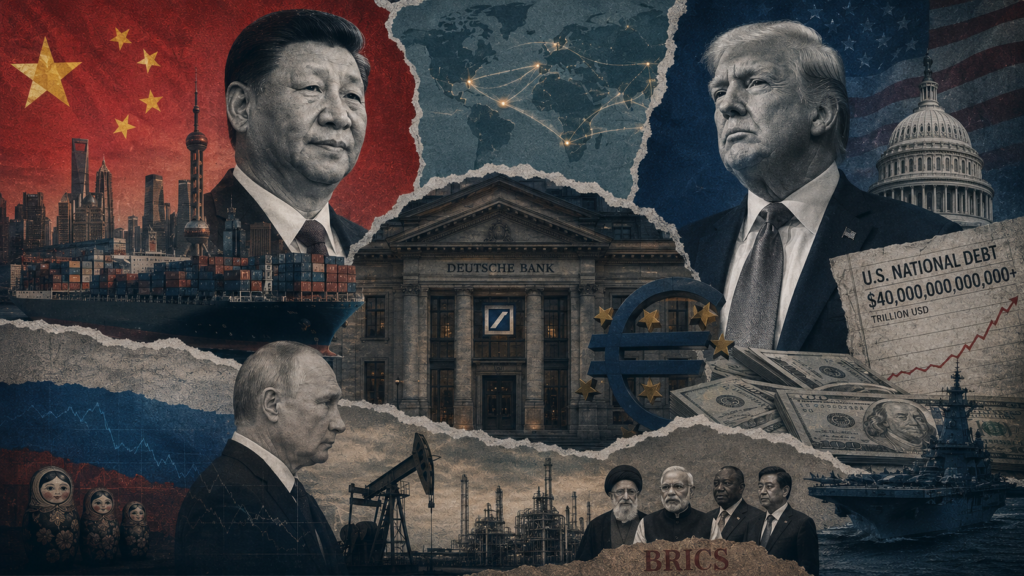
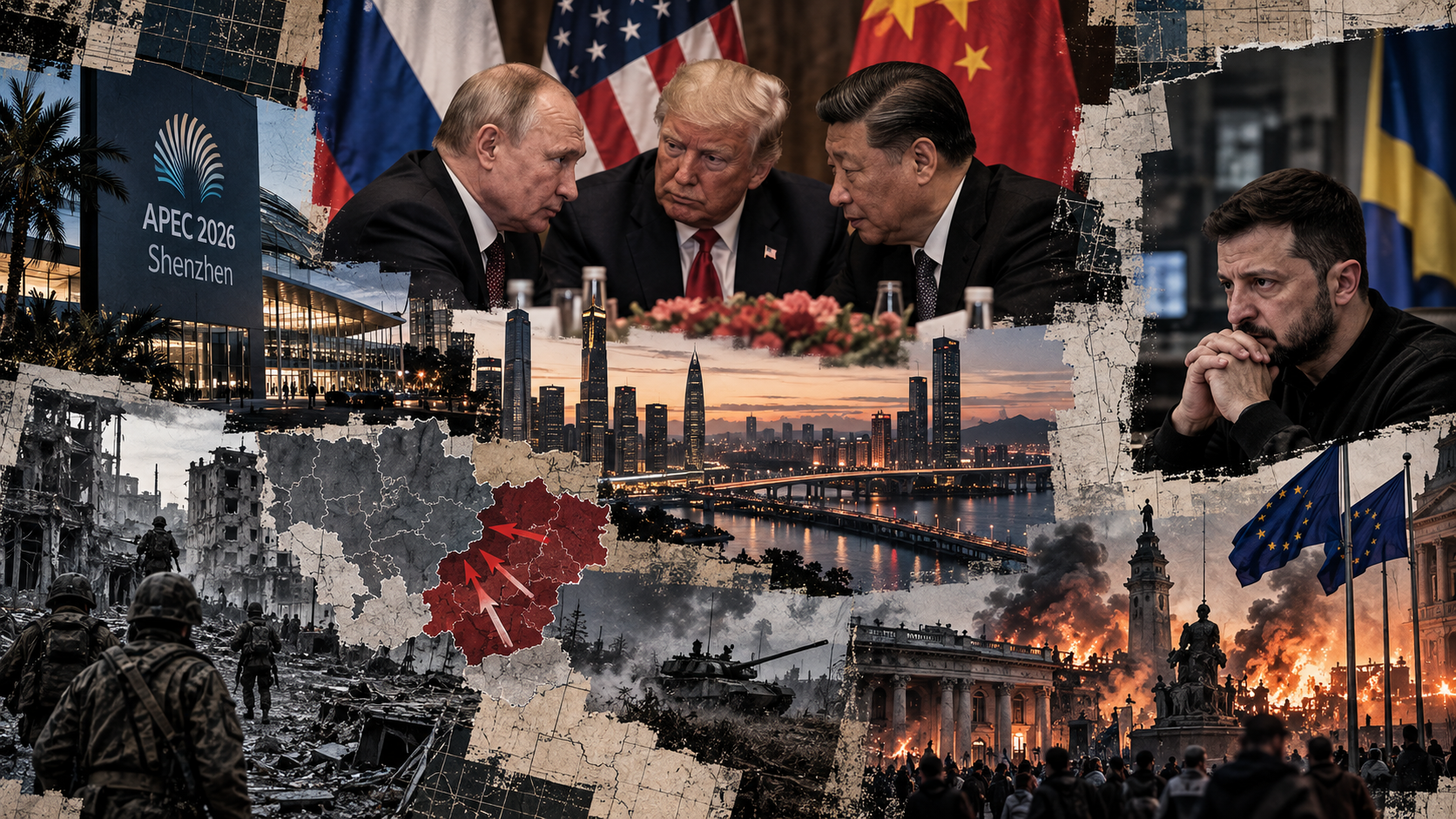
Putin has proposed a summit with Trump and Xi to end the war in Ukraine, the Wall Street Journal reports. The meeting could take place on the sidelines of the APEC summit in Shenzhen on 18–19 November, and Zelensky is not invited. The proposal is said to have been made during the phone call between Trump and Putin on 9 October, the same one that produced the diesel agreement. It was therefore put forward before the dispute over intelligence, Starlink and sanctions erupted, and has nothing to do with it. Peskov confirms that the matter is being discussed, but says there is still “no clear understanding” of the meeting or its agenda. Peskov says such a meeting is hypothetically possible. According to a senior US official, Trump has not agreed, but may be receptive. Rubio says the president is open to anything that could help end the war, while Sybiha calls such a meeting unacceptable.
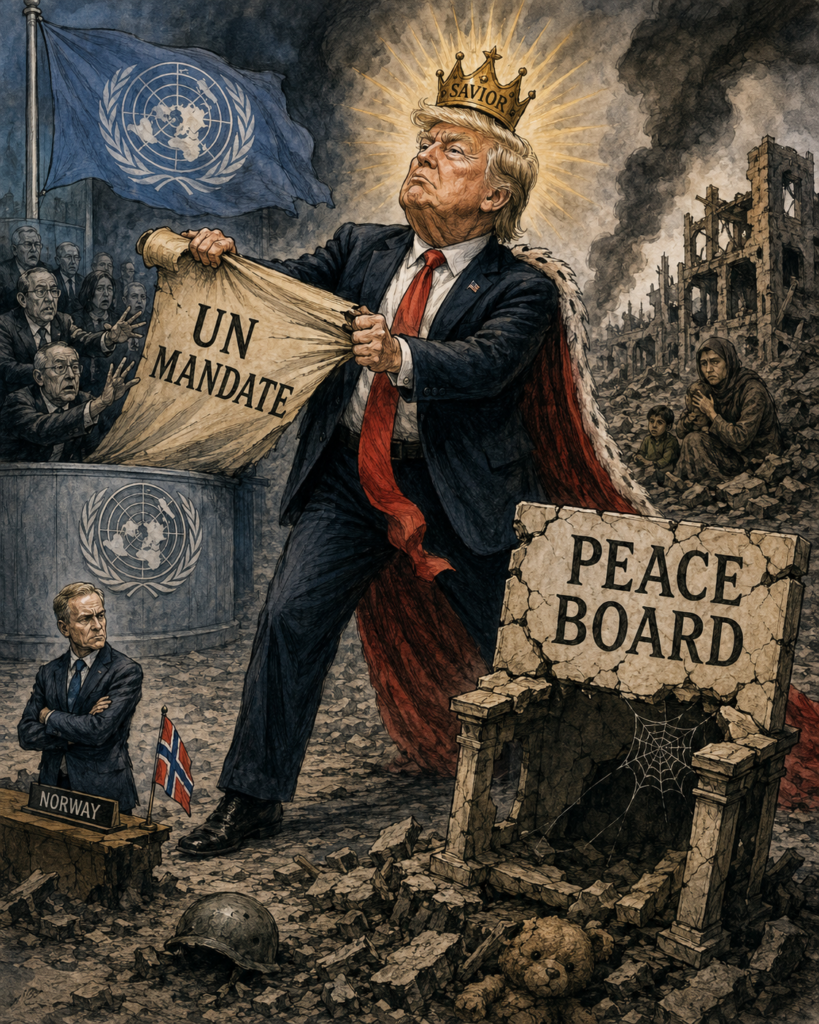
It is difficult to see why Trump would refuse. Three leaders who control the outcome of the war in the same city is an opportunity no one can afford to pass up. From Moscow’s perspective, the logic is that the war is primarily a conflict between Russia and the United States, and that Kyiv therefore has no place at the table. The fact that Europe is not invited either says more about where Europe stands. The question is whether Trump will be allowed to accept what Putin puts forward, with Washington divided over Russia. What Putin intends to propose has not been made public. A reasonable estimate is a further development of the Istanbul proposal, with Donbas no longer a negotiating point because it is likely to fall anyway, and Kherson and Zaporizhzhia going to Russia without a freeze. Demands for new leadership in Kyiv and elections may follow.
Trump Uses New Language About Zelensky
On Sunday, Trump published a lengthy post on Truth Social defending the exemption from the Graham Act. He writes that he is negotiating peace and does not want to “stupidly” drive Russia away from the negotiating table, that major progress is being made, including in ongoing hostage negotiations, and that he can sign the document later whenever he wants. He added that Russia is doing “very little” to help Iran compared with what it could be doing, and that he intends to keep it that way. Rubio describes the exemption as a 60-day pause to assess the impact on the global economy.
The final paragraph is what stands out. Trump says Zelensky does not care and probably never wanted to end the war, that he could have secured a better deal two years ago, and that his country is “in ruins”, a large part of its land is lost, the seas are gone, and the male population is small, wounded or dead. Previously, Trump tended to say that both sides were suffering. This time, he goes after Zelensky alone. His description of the situation broadly matches developments at the front, where Russian forces are advancing towards Sloviansk and Kramatorsk and Dobropillia has been reported taken. At the same time, Zelensky spoke on Sunday with Witkoff and Kushner, and says a meeting with Trump’s team could take place this week. The content of the conversation is not known. If the message is that an agreement could come within a month and that Kyiv will have to accept it, that would explain the tone.
Zelensky: “Historic Mistake”
The same day, Zelensky told NBC that it would be a “historic mistake” if the United States officially took Russia’s side, and that Ukraine would then be unable to resist. He also said that the United States had blocked intelligence sharing on ballistic missile launches for three days, and that it has now been restored. Overnight into Monday, however, he wrote that a new ballistic attack on Kyiv came in several waves, again without early warning from partners. Rubio replies that he does not know where Zelensky is getting this from.
The explanation is probably more prosaic. Ukraine does not have air defence capable of stopping such missiles, and CNN reported last week that its Patriot interceptor stockpile has been exhausted. The air force’s figures for intercepted hypersonic missiles have long been met with scepticism, and there is no longer a basis for reporting such figures. Russia has probably also moved launchers closer to the front as it gains control of the airspace there, allowing the missiles to strike faster and leaving less time to detect them. If the warnings are failing, the most likely explanation is that the missiles are not detected in time, and a warning would in any case make little difference without anything capable of shooting them down. At the same time, the dispute gives Kyiv a possible explanation to point to if the front collapses: that Ukraine did not lose, but was abandoned by the United States. Zelensky himself says sharing has been restored, while Washington denies that it was ever stopped.
Western Ukraine in Darkness
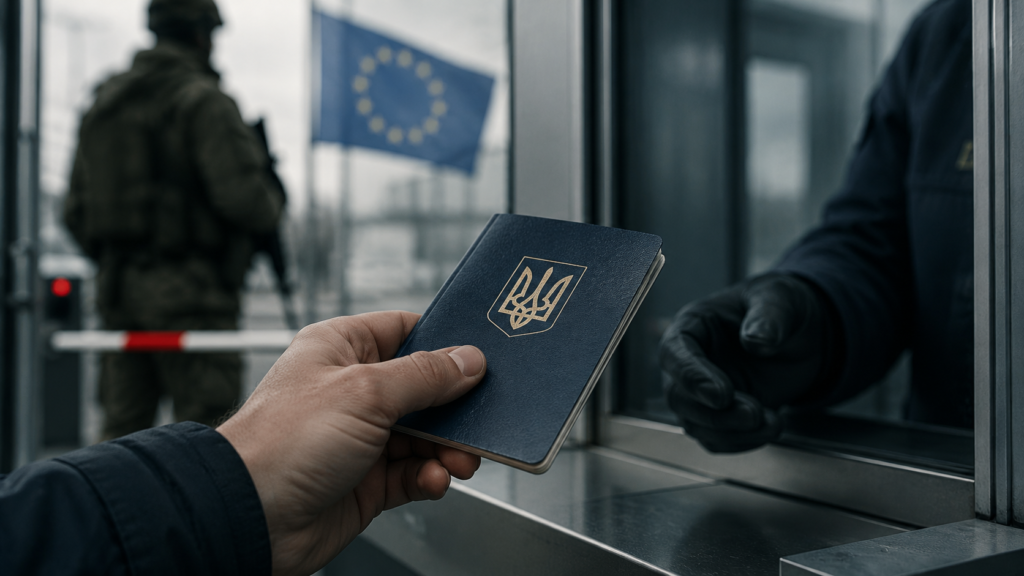
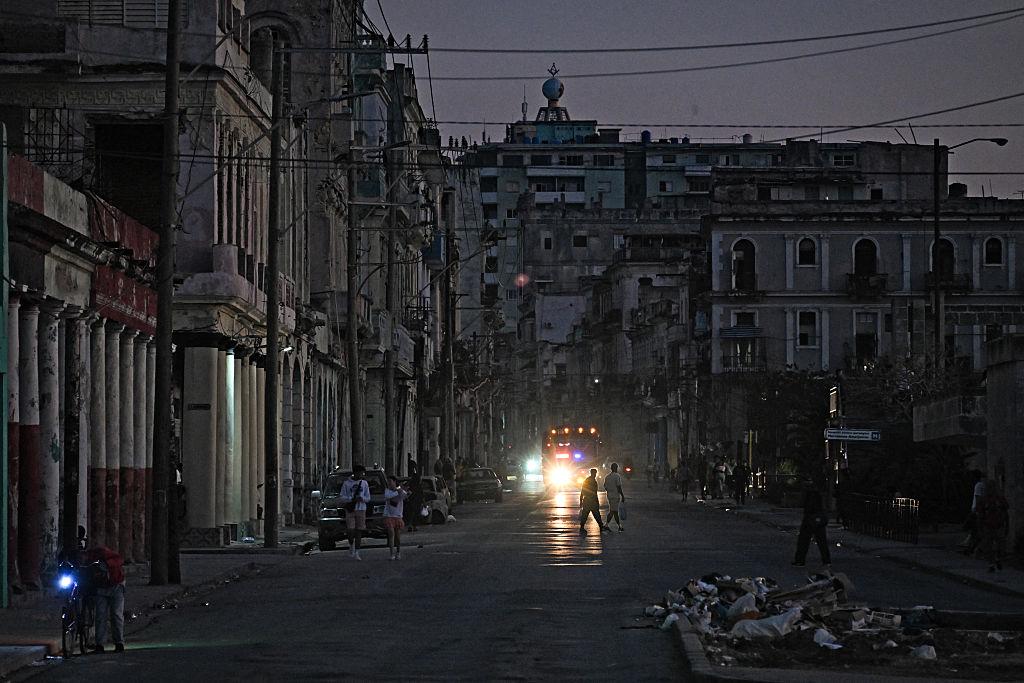
Russia has in recent days used jet-powered drones against western Ukraine on an unusual scale, resulting in prolonged power cuts in Rivne and Volyn. Much suggests that Rassvet is contributing to their guidance. ISW noted on 6 October that the company behind the system had displayed ground terminals that could increase the range of such attacks. On the Polish side, waiting times of up to 40 hours have been reported at Dorohusk, which Polish authorities link to air-raid alerts halting customs clearance. Ukraine’s border guard denies that there are large queues for passenger cars, saying the delays concern lorries.
The Drones Against St. Petersburg and Lithuania
The route taken by the drones targeting St. Petersburg on Sunday has not been made public. That same morning, a drone exploded over northern Lithuania, where President Nausėda wrote that the war is spreading to NATO and the EU’s eastern flank, without mentioning that the drone was Ukrainian. Lithuania’s defence minister says it entered from Poland, while the prime minister says there is no doubt that it came from the Polish side. Poland’s Defence Ministry rejects reports that it took off from Lithuania. Reuters notes that Ukrainian drones have repeatedly crossed NATO airspace in the Baltics in recent months. It has not been documented that this particular drone belonged to the St. Petersburg attack, but its approach from Poland points towards Ukraine rather than Russia.
Macron Travels to the Gulf
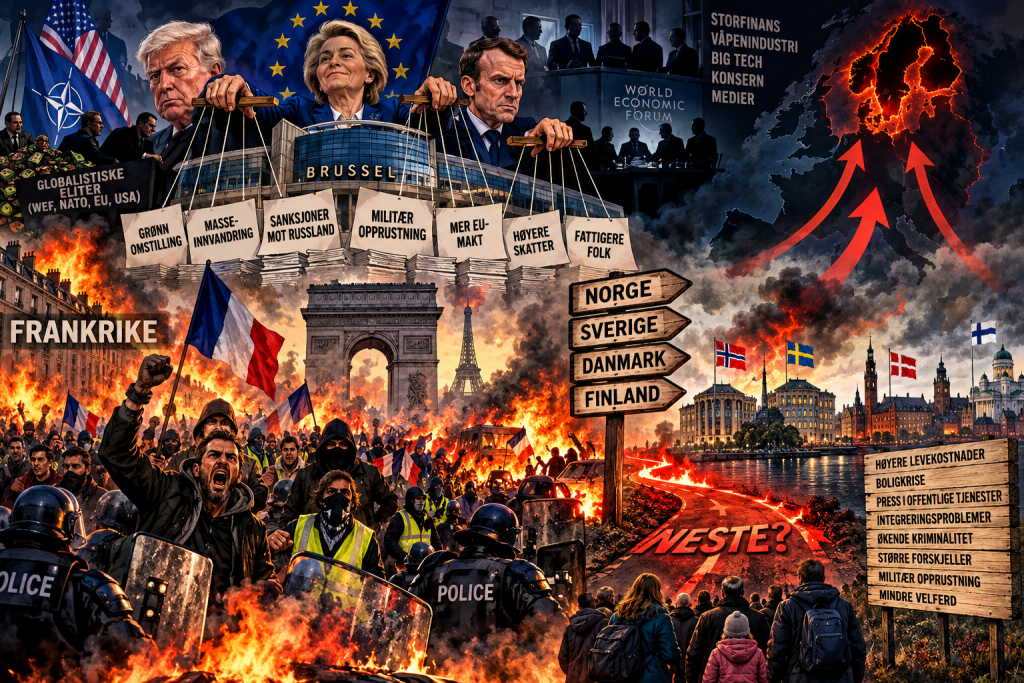
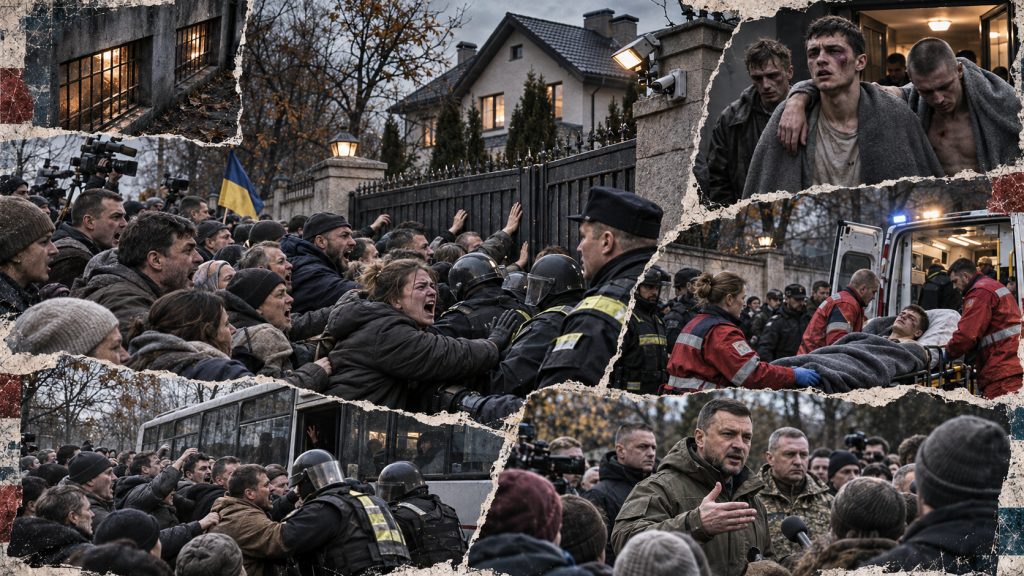
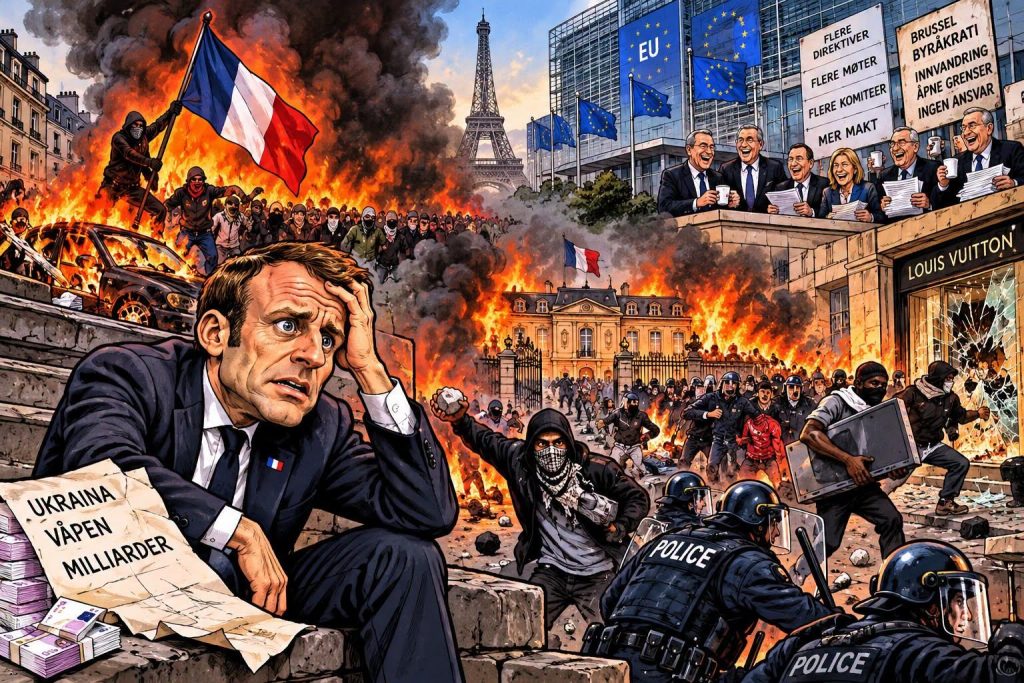
In France, Macron addressed the nation on Sunday evening after a Saturday that saw 550,000 demonstrators and more than 2,300 arrests over the weekend. He said he felt “anger and shame”, and that those who wanted to overthrow the republic would be held accountable. Local authorities may ban individual demonstrations, but a state of emergency and curfews were not announced. He asked the government to summon students, teachers and trade unions this week, and linked rising fuel prices to the conflict in the Persian Gulf, in which France is not participating. Trump had written that France was burning and blamed immigration, without Macron responding directly.
Only hours after the speech, Macron departed on a tour of Kuwait, the United Arab Emirates, Bahrain and Qatar to secure oil and diesel supplies. The trip had been planned, but the timing is poor. On Friday evening, the night before the demonstrations, he and Brigitte had attended a Céline Dion concert in Nanterre. Constitutional expert Benjamin Morel says the trip may project an image of normality, but could also appear out of touch with reality and suggest a vacuum of power. Le Pen calls the government “burnt out and disoriented”, while Mélenchon says the prime minister is “playing with fire”. Macron cannot stand for re-election, and the crisis appears to be benefiting Le Pen ahead of next year’s election.
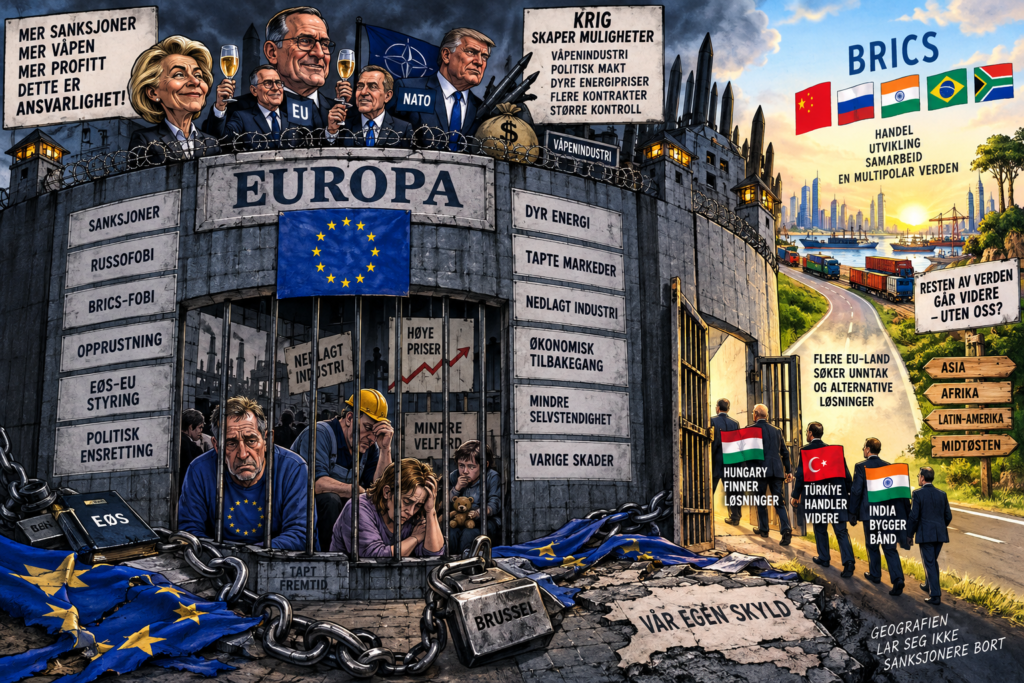
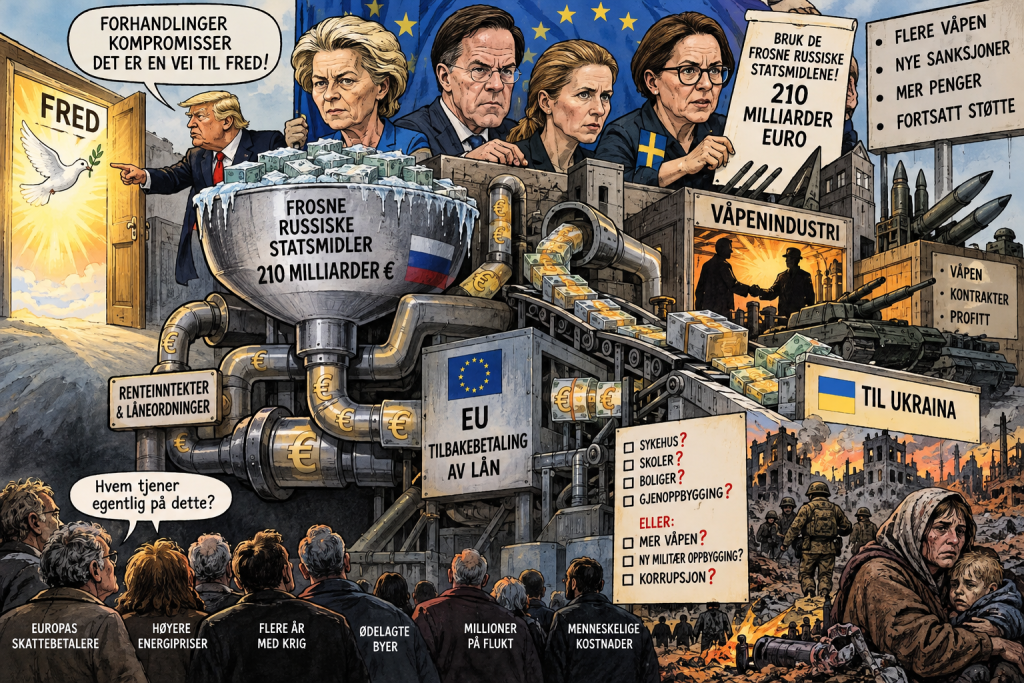
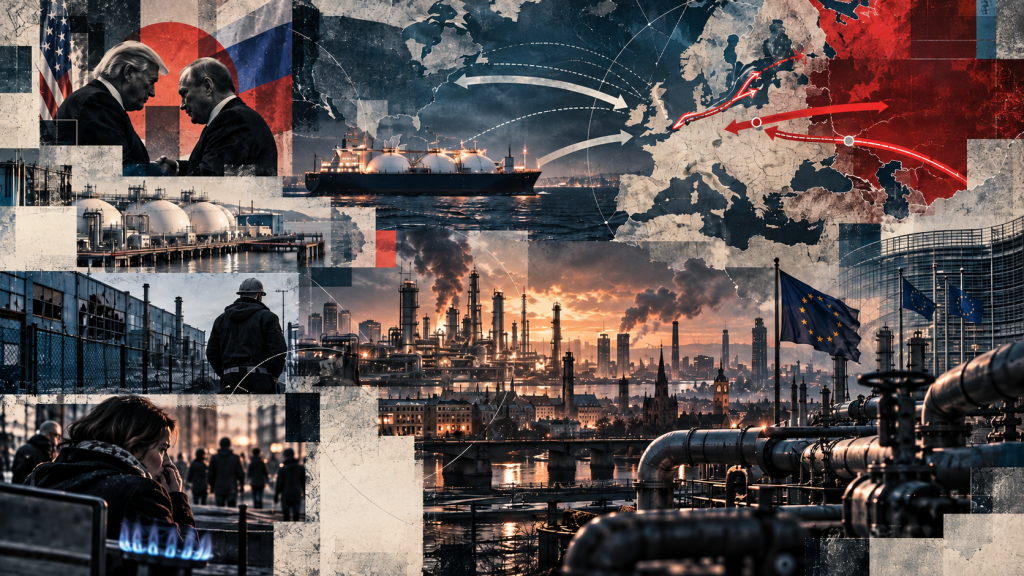
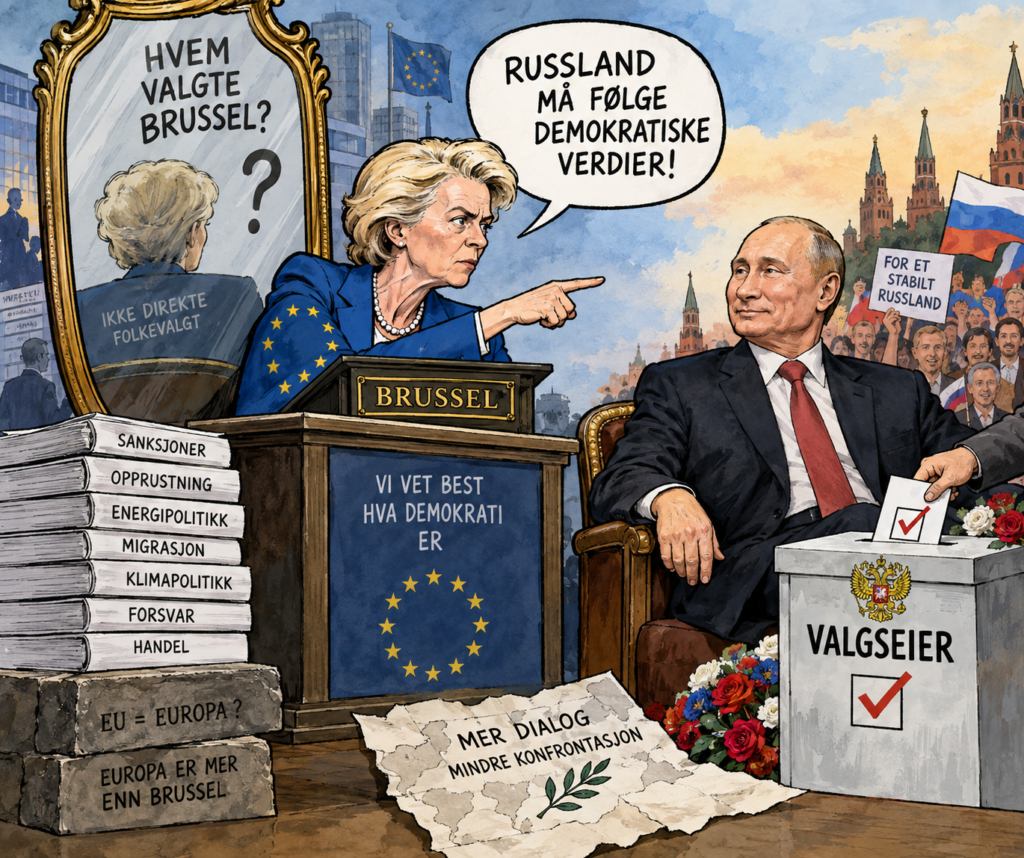
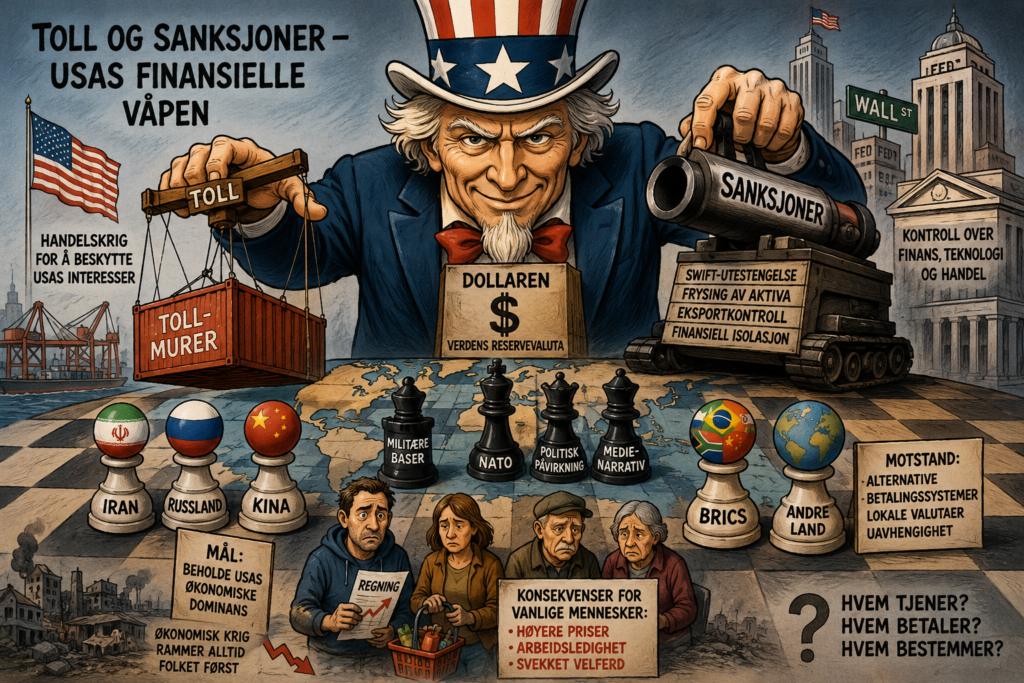
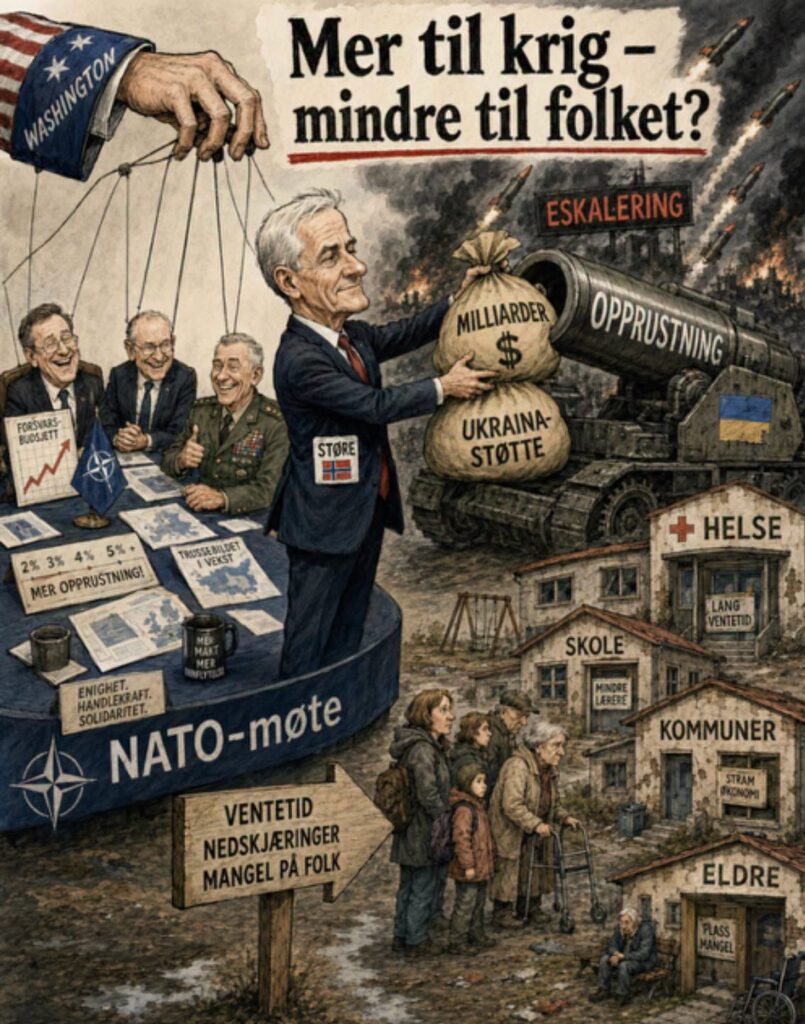
European leaders point to the Iran war, but sanctions against Russia are rarely mentioned as part of the explanation for higher prices. After several years of sanctions packages against one of the world’s largest energy exporters, the boomerang effect appears to be becoming visible, as Moscow has warned. Italian Defence Minister Crosetto told the BBC that most Italians oppose aid to Ukraine, but that the government cannot give in to public opinion that he believes is wrong and cannot give Russia any “gift”. Over the weekend, there were clashes in Milan, Turin and Bologna, where demonstrators shouted that families need more money and war needs less. Governments show little willingness to change course.
Trump and Netanyahu
Trump gave Netanyahu his “full and total support” on Sunday, nine days before Israel’s election on 27 October. According to Axios, it is the first time a US president has publicly endorsed a candidate in an Israeli election. Trump says he had always planned to give the endorsement but waited for the right moment, and writes that the United States and Netanyahu will “soon finish the job” against Iran, and that without Netanyahu the United States may have to finish the job itself. American attention is therefore tied up in the Middle East, fuel prices and the 3 November midterm elections, while Ukraine falls to the bottom of the list.