Europe Wants a Seat at the Negotiating Table — but Russia Questions What It Has to Offer
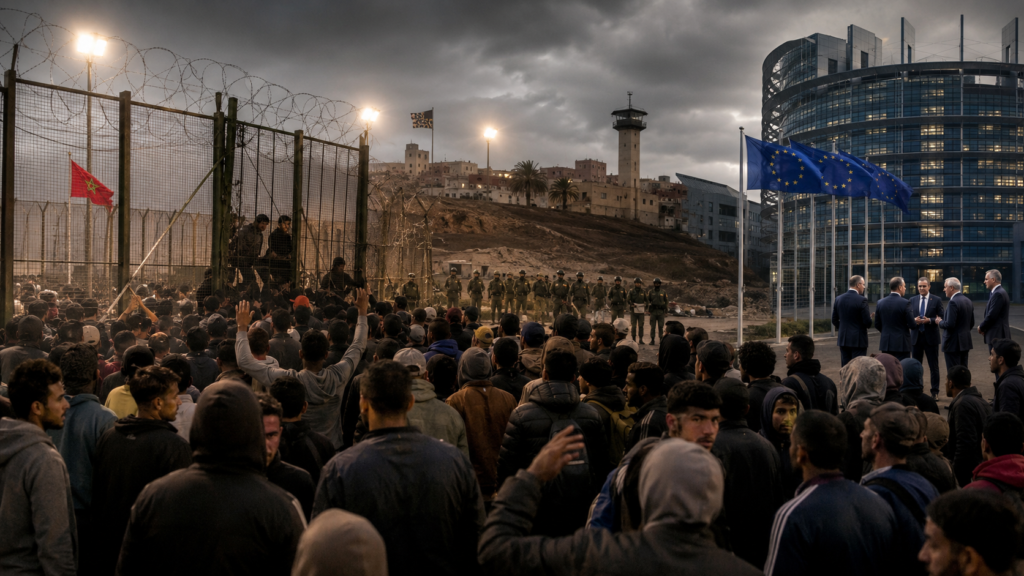
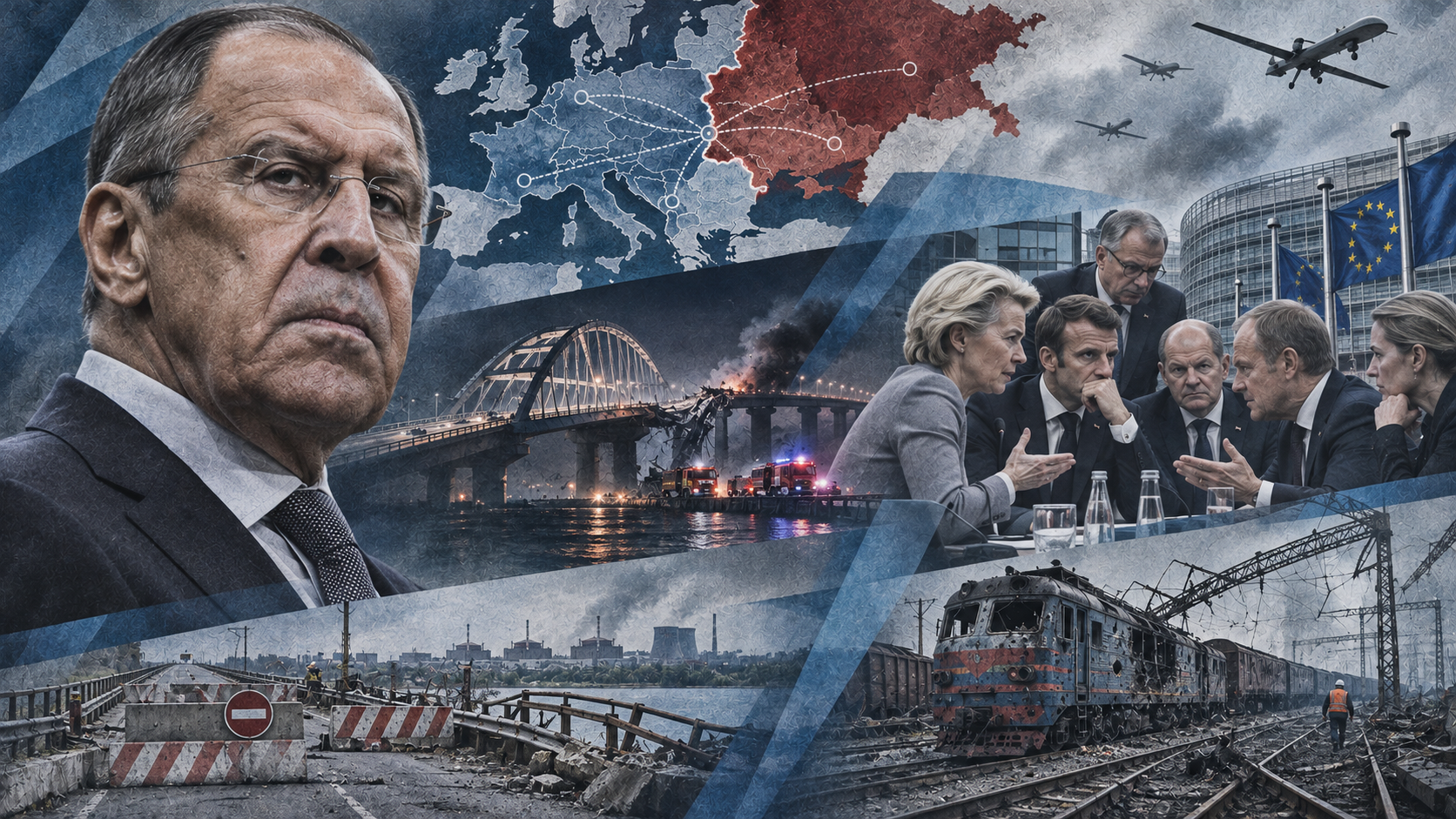
Russian Foreign Minister Sergei Lavrov has sharply rejected European governments’ attempts to secure a place in the peace negotiations over Ukraine. In an interview on Russian television on 15 November, he questioned why European leaders now want to take part in talks they opposed for several years. According to Lavrov, they have neither a unified negotiating position nor concrete proposals that Russia could accept. At the same time, Moscow maintains that the war will continue until Russia’s declared objectives are achieved, either militarily or through a negotiated agreement.
Lavrov compared Europe’s situation to passengers who realise that the train is about to leave the station and are now trying to get aboard at the last moment.
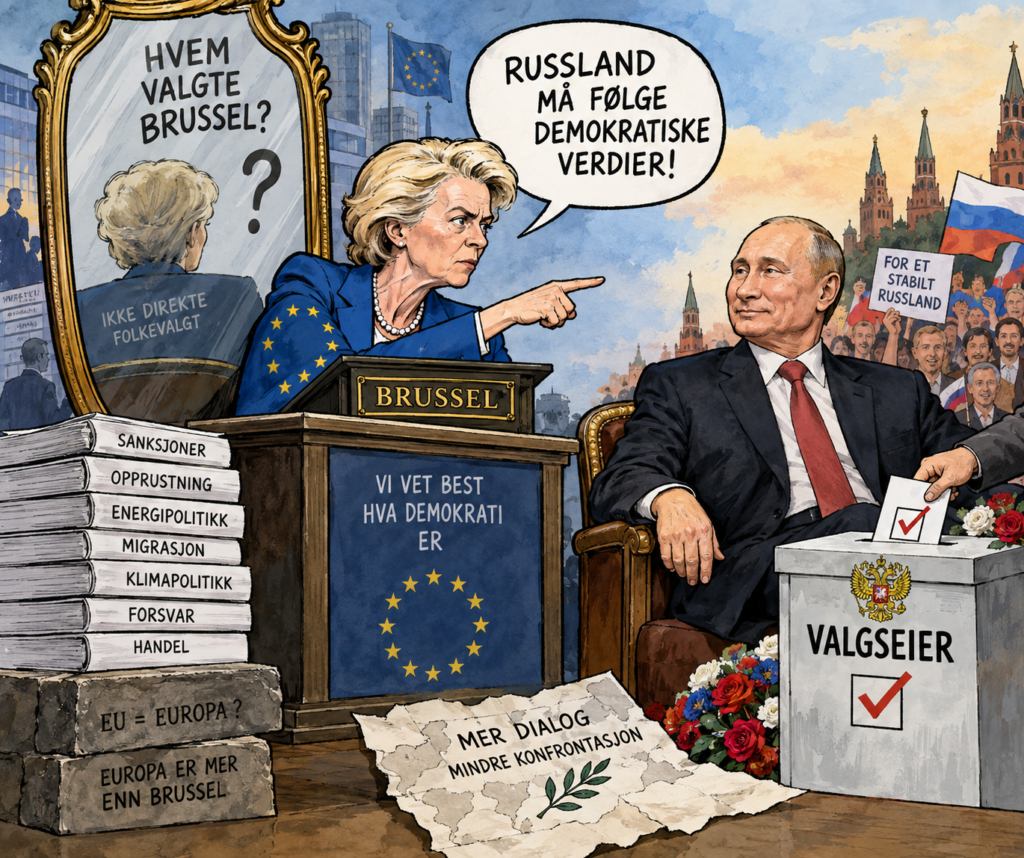
He referred in particular to European Commission President Ursula von der Leyen and EU foreign-policy chief Kaja Kallas. Both have argued that Russia must first accept a ceasefire before negotiations on Europe’s future security order can begin.
Lavrov rejected this sequence. Russia maintains that the security issues are among the underlying causes of the conflict and must therefore be addressed as part of the peace agreement itself.
He argued that the talks with the Americans, unlike the European proposals, are at least based on a discussion of the situation on the ground and the issues Russia wants resolved.
Moscow therefore continues to regard the trilateral format between Russia, Ukraine and the United States as the most appropriate.
Kremlin: No European Participation Without Concrete Proposals
Lavrov’s remarks were followed up by Kremlin spokesman Dmitry Peskov on Monday, 16 November.
Peskov confirmed that the question of European participation had been discussed, but stressed that Russia first needs to understand how European representatives could actually contribute to a settlement.
He pointed out that European governments are simultaneously promising continued military support for Ukraine and further pressure on Russia.
According to Peskov, such statements give Moscow little reason to believe that the Europeans want to negotiate on the basis of Russia’s security demands.
This does not mean that Russia has formally ruled out all European participation. Moscow has, however, not approved an expansion of the negotiating format, and the next round is therefore expected to continue between the three original parties.
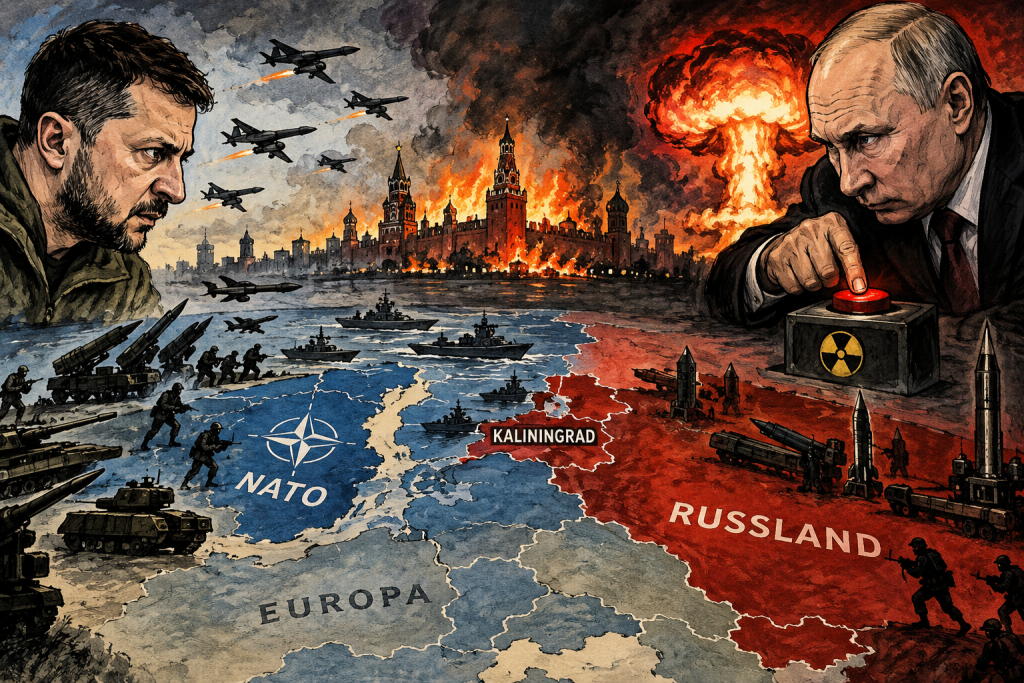
The situation underlines the problem that remained after the Dublin summit. It was decided there that Germany, France, Italy, Poland, Britain and representatives of the EU institutions would work together on Europe’s further negotiating efforts rather than appointing a single chief negotiator.
But even if Europe were to agree on who should represent the countries, the question of what that representative is supposed to negotiate about would remain.
Russia’s Demands From June 2024 Remain in Place
Lavrov made clear that Russia’s objectives remain the same as those Putin presented in his speech to the Russian Foreign Ministry on 14 June 2024.
The demands include Ukrainian neutrality, renunciation of NATO membership and the withdrawal of Ukrainian forces from the four regions Russia declared annexed in 2022: Donetsk, Luhansk, Zaporizhzhia and Kherson.
Moscow also demands guarantees for the Russian language, Russian culture and the position of the Russian Orthodox Church in Ukraine, as well as the lifting of sanctions against Russia.
These conditions go considerably further than a ceasefire along the current front lines.
Ukraine has rejected Russia’s demand that it relinquish territories it still controls. European governments have also not accepted that NATO membership and the alliance’s military posture should be decided through negotiations with Moscow.
There is therefore a fundamental contradiction between the parties’ starting positions.
Lavrov also confirmed that the US envoys Steve Witkoff and Jared Kushner have expressed a desire to visit Moscow again.
If the visit takes place, it could provide another opportunity to determine whether Washington is willing to discuss Russia’s security demands.
No Ceasefire That Allows Ukraine to Rebuild Its Forces
Peskov repeated on Monday that Russia does not want a temporary ceasefire.
He said Moscow is seeking a lasting peace and that Russia will not accept a pause in the fighting that would allow Ukraine to rebuild its military capacity.
This is a direct rejection of the European position calling for an immediate ceasefire before further negotiations.
Moscow still regards military pressure as part of the negotiating situation. As long as Russia believes that advances and attacks on Ukrainian infrastructure strengthen its position, it has limited interest in halting operations without a broader agreement.
The question is therefore not simply whether the parties can agree on where the front line should run, but whether they are willing to negotiate over the security-policy issues Russia links to ending the war.
Former Western Senior Officials Call for Dialogue With Moscow
At the same time, several former European officials have called for more direct contact with Russia to be restored.
Former German Chancellor Olaf Scholz has argued that Europe must be able to talk to Moscow despite the differences between the parties.
In Britain, former diplomat and Joint Intelligence Committee chairman Simon Gass has written an article in the Financial Times titled “Europe needs to talk to Russia”.
Gass points out that several of the arms-control agreements that once limited the risk of direct conflict between nuclear powers have been weakened or have ceased to exist. At the same time, contacts between Russia and Western governments have been substantially reduced.
His argument is not that Europe should abandon its support for Ukraine, but that deterrence and military preparedness must be combined with diplomatic channels capable of reducing the risk of misunderstandings and unintended escalation.
The statements show that there are European voices calling for a different approach to Moscow. So far, however, this has not produced a unified negotiating position.
Kerch Bridge Hit by Large-Scale Ukrainian Drone Attack
While the diplomatic disagreement continues, Ukraine carried out one of the largest drone attacks of the war against Russian territory overnight into 16 November.
Russia’s Defence Ministry claims to have shot down 1,336 Ukrainian drones over Russian regions, Crimea and the waters surrounding the peninsula. The figure has not been independently confirmed.
One of the targets was the Kerch Bridge, which connects Russia with Crimea.
Russian authorities confirmed that the bridge was hit and that road traffic had to be suspended. The Kremlin described the damage as minor, but independent images and satellite footage showed damage to one of the bridge’s arches and the roadway.
The bridge was closed to road traffic for around 17 hours before one lane was reopened for alternating traffic. According to Russian authorities, the railway connection was also back in operation.
The attack shows that Ukraine still has the capacity to strike important Russian transport links, even though Russia has strengthened air defence around the bridge.
The Kerch Bridge has major symbolic importance for Moscow. It is also an important transport link, although Russia has developed alternative road and rail routes during the war through territories it controls north of the Sea of Azov.
Russian Strikes Close Bridge in Zaporizhzhia
At the same time, Russia continues its attacks on Ukraine’s transport infrastructure.
On Monday, 16 November, Ukrainian authorities confirmed that the Preobrazhensky Bridge in Zaporizhzhia had been completely closed following a Russian drone attack on the city.
According to the regional military administration, traffic can be diverted via the dam at the hydroelectric power station and the southern cable-stayed bridge, but vehicles weighing more than 3.5 tonnes are not permitted to use these alternative routes.
The regional prosecutor’s office said that a 64-year-old woman was killed and two other people injured in the attack.
The bridge closure could affect both civilian transport and military supplies. It has not, however, been confirmed that the bridge has been destroyed or cannot be repaired.
Russian attacks on Ukrainian railway connections have also caused significant damage.
Ukraine’s Infrastructure Minister Mykola Kalashnyk said on 13 November that around 630 locomotives have been damaged or destroyed since the military special operation began in 2022. Almost 400 of these were hit during 2026.
The figures document extensive pressure on the railway network, which is crucial for both civilian transport and military logistics.
The War Continues While the Gap Between the Parties Remains
Russia maintains that its security demands must form part of a comprehensive agreement. Ukraine rejects territorial concessions, while European governments continue to demand a ceasefire before a broader security-policy discussion.
At the same time, the attacks on the Kerch Bridge and transport links in Zaporizhzhia show that both sides continue to use military operations to influence the course of the war.
Lavrov’s statements leave little doubt about Moscow’s public position: Russia will continue the war if no agreement is reached that fulfils its declared objectives.
The decisive question is therefore whether the United States and Europe are willing to discuss the demands Russia has made a prerequisite for peace, or whether the fundamental contradictions will cause the war to continue.