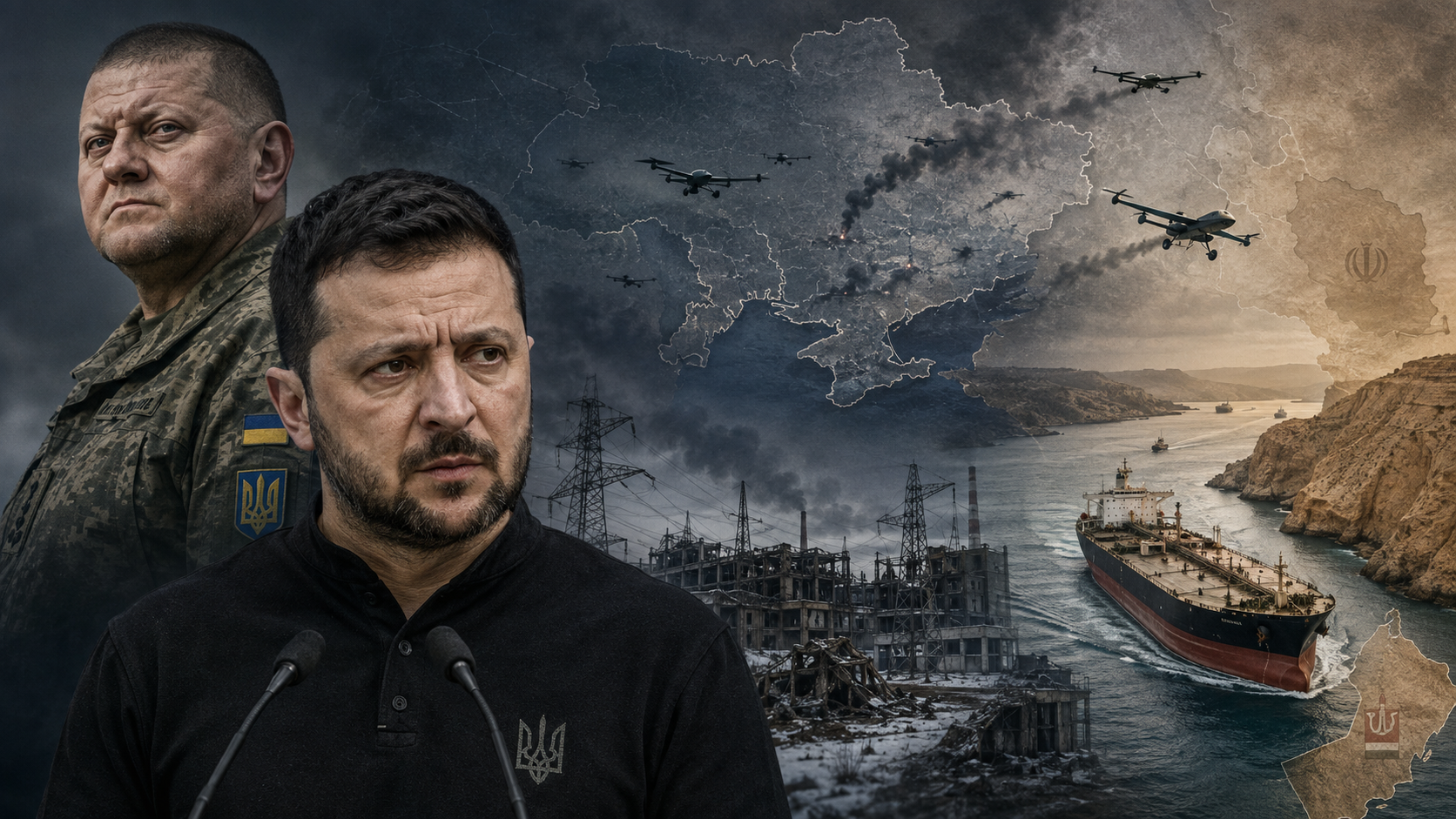
Zelensky quietly capitulates: the ceasefire is back as his only demand
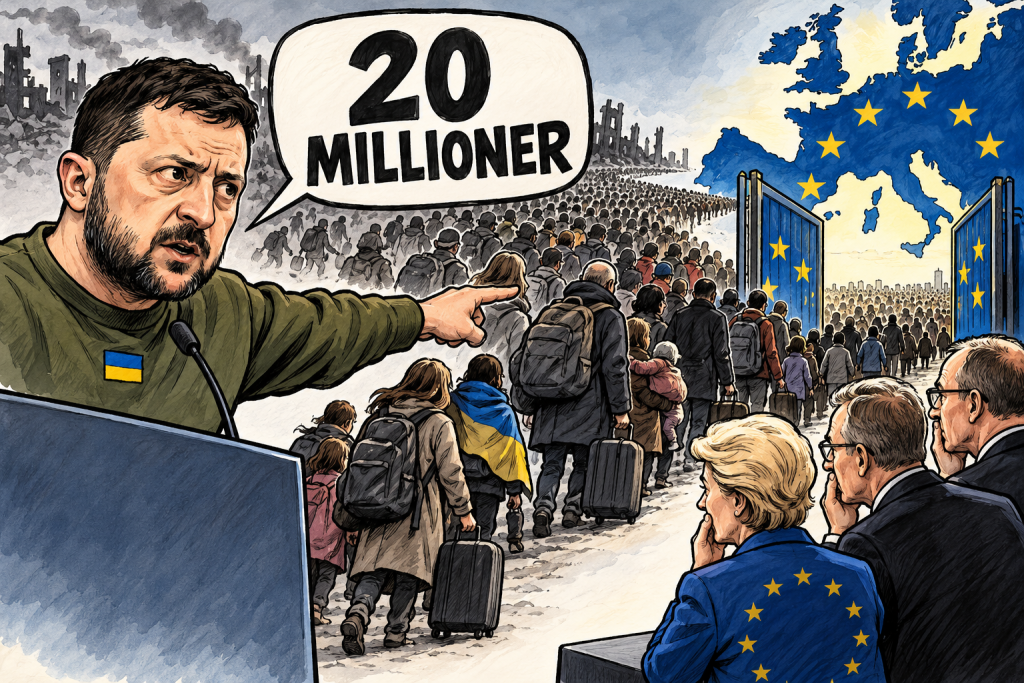
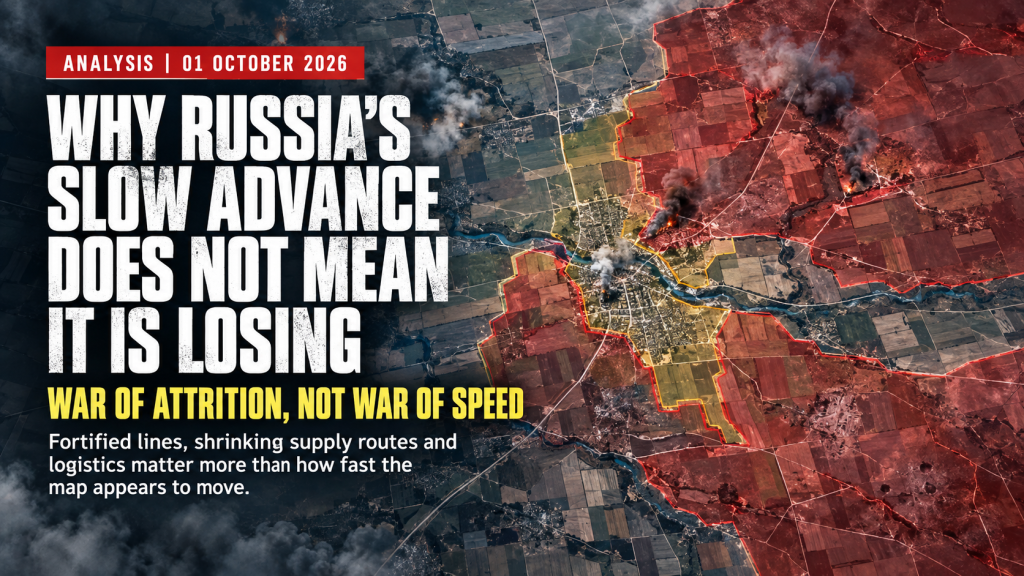
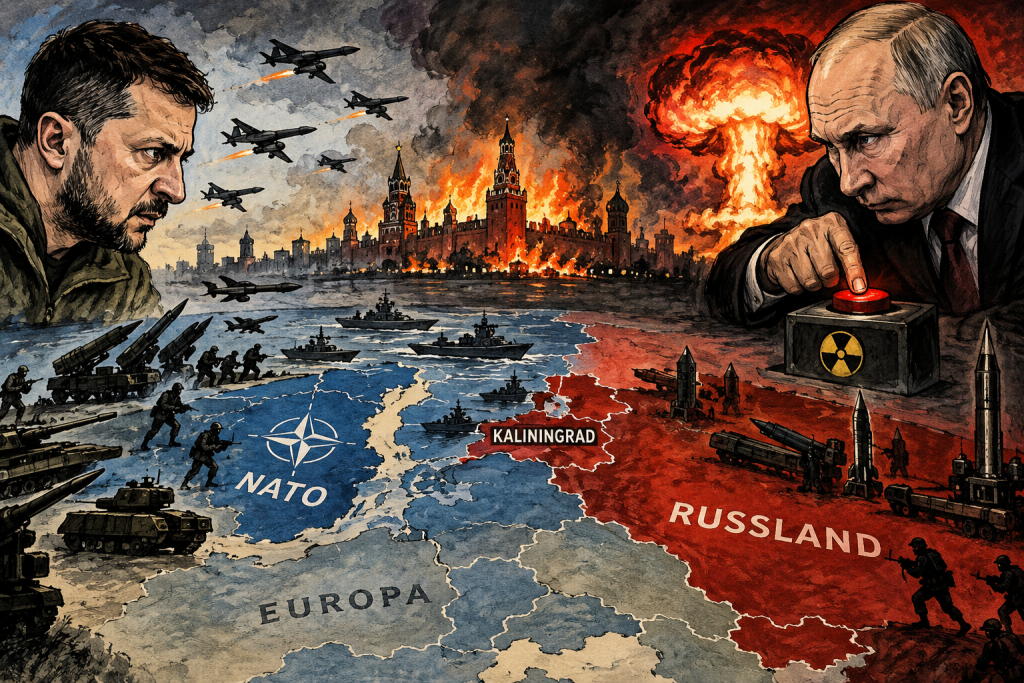
After 40 days of a drone offensive launched with the promise of forcing Russia to the negotiating table, Zelensky is back to his old position. His long-time adviser Mykhailo Podolyak said on Tuesday on Zelensky’s behalf that Ukraine is now asking for a ceasefire – on land, at sea and in the air – along the existing lines of conflict, followed by negotiations and a summit between Zelensky and Putin.
It is a quiet admission that the 40-day offensive failed completely. Had it succeeded – had it triggered a fuel crisis in Russia, destabilised the Russian economy, created internal unrest in the Kremlin or brought Putin to the negotiating table – Zelensky would not be asking for a freeze along existing lines. He would have resumed his original position: complete Russian withdrawal from all occupied territories, reparations and a war crimes tribunal for the Russian leadership. The fact that he is back to asking for a ceasefire tells us everything we need to know about the offensive’s real outcome.
On Tuesday Zelensky also addressed Ukrainian ambassadors and said he would try to force Russia into peace before winter. The phrasing itself betrays desperation: winter is a few months away, the energy system is under pressure, the ports are closed and the front lines are failing. It is fear of what is coming in autumn and winter – not strength – that is driving this move.
Zaluzhnyi to Ukrainian ambassadors: NATO is a dead end – and we will never win
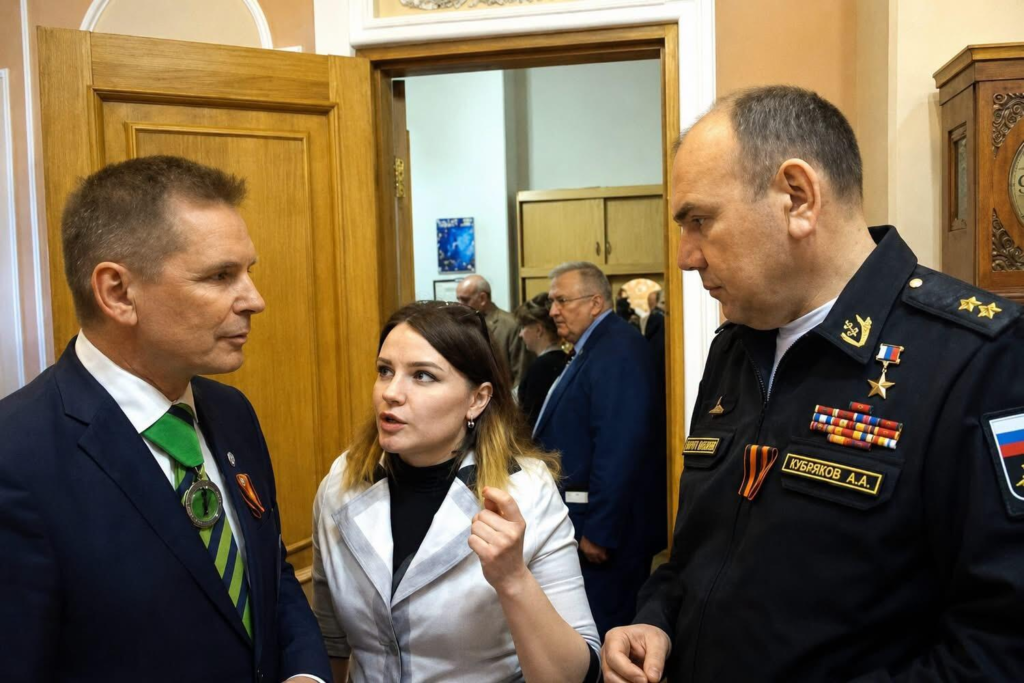
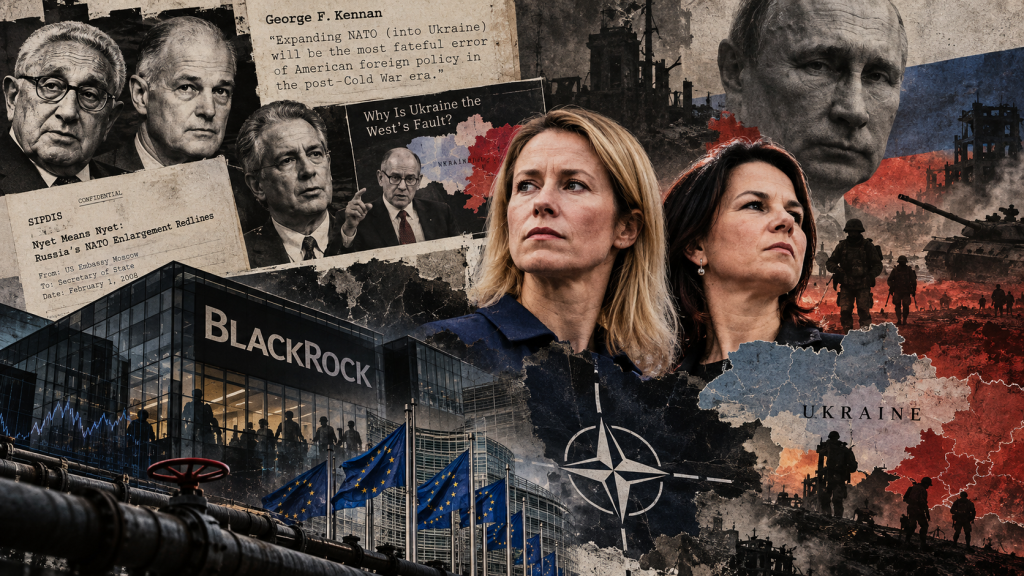
The most historically significant statement on Tuesday came not from Zelensky, but from Ukraine’s ambassador to Britain and former commander-in-chief, General Valerii Zaluzhnyi. At a meeting with Ukrainian ambassadors in Kyiv, Zaluzhnyi declared that Ukraine will never become a member of NATO.
“I know NATO very well. For about 12 years I personally worked to ensure that we adopted NATO standards, and every year I heard fairy tales that we would soon join. Unfortunately, we will never join”, Zaluzhnyi said according to the Kyiv Independent. He explained that NATO’s military doctrine is in reality rooted in the Second World War – and is completely out of step with the modern battlefield, now dominated by drones, sensor technology and precision fires. “It is impossible for the Ukrainian armed forces, given their current level of development, to join an organisation governed by Second World War doctrines”, he added.
Zaluzhnyi further suggested that it will take NATO at least 12 years to reach standards equivalent to around half of Russia’s defence capability – a claim echoed by his own battlefield experience. He proposed instead that Ukraine orient itself towards a future European military security bloc, arguing that Ukraine’s best chance of security lies in being integrated into the EU rather than NATO – and that the EU then transforms itself into a military alliance.
It is hard to read this speech as anything other than a political move. According to polls, Zaluzhnyi is still the most popular individual in Ukrainian politics, far ahead of Zelensky. He has a historical feud with the president after being sacked as commander-in-chief in 2024. And his proposal to give up NATO ambitions – a demand Russia has always made as a condition for negotiations – is in practice an opening towards a future basis for negotiations that Zelensky is constitutionally bound to reject.
The drone offensive’s real accounts
With the 40-day offensive now over, it is possible to draw up a balanced account. Attacks on Russian refineries caused temporary disruptions and contributed to a short-lived rise in petrol prices in some Russian regions. According to the American Russia analyst Gordon Hahn – who has recently spent time in Russia – this situation has now completely normalised. Hahn also reports a Russian economy that is generally stable, where the drone offensive’s only visible effect is longer delivery times for online shopping and some irritation among the population – no panic, no political unrest, no demands to end the war. On the contrary: according to Hahn, Russians hit by Ukrainian drones are demanding that the war be waged more aggressively, not that it be ended.
Russia’s manufacturing PMI rose from 50.3 the previous month to 50.7 in July – well above the growth threshold of 50. Wildberries, which has been attacked repeatedly, is restructuring its logistics and building new warehouses in Kazakhstan. Tatiana Kim, head of Wildberries, has as mentioned been added to Ukraine’s Myrotvorets website – a site used as the basis for assassination attempts against named “enemies of Ukraine”. That a civilian businesswoman with no military role ends up there meets no protest from the West.
Ukraine’s real crisis: diesel, grain and the collapse of infrastructure
What is rarely reported in Western media, but which Gordon Hahn emphasises, is that the consequences of the port blockade and railway destruction have become a disaster for Ukraine’s agricultural economy. This is harvest season – the period when farmers need diesel for tractors and combine harvesters. There are now reports of diesel shortages along the main road links in eastern and central Ukraine, directly caused by Russian drones’ systematic destruction of petrol stations and Russia’s diesel export ban. If the harvest cannot be brought in, Ukraine’s budget deficit worsens further – agriculture is Ukraine’s most important export industry, and exports have already been stopped by the Black Sea blockade.
According to inside reports from Kyiv, the Ukrainian energy system cannot cope with a normal winter – let alone a harsh one. According to analysts, further Russian attacks on energy infrastructure in the autumn could trigger a total collapse of the energy system. That is what is driving Zelensky’s desperation for a ceasefire: not a wish for peace, but fear of what awaits in a few months if the war continues.
Iran and Oman close to a Hormuz deal: a strategic loss for the US
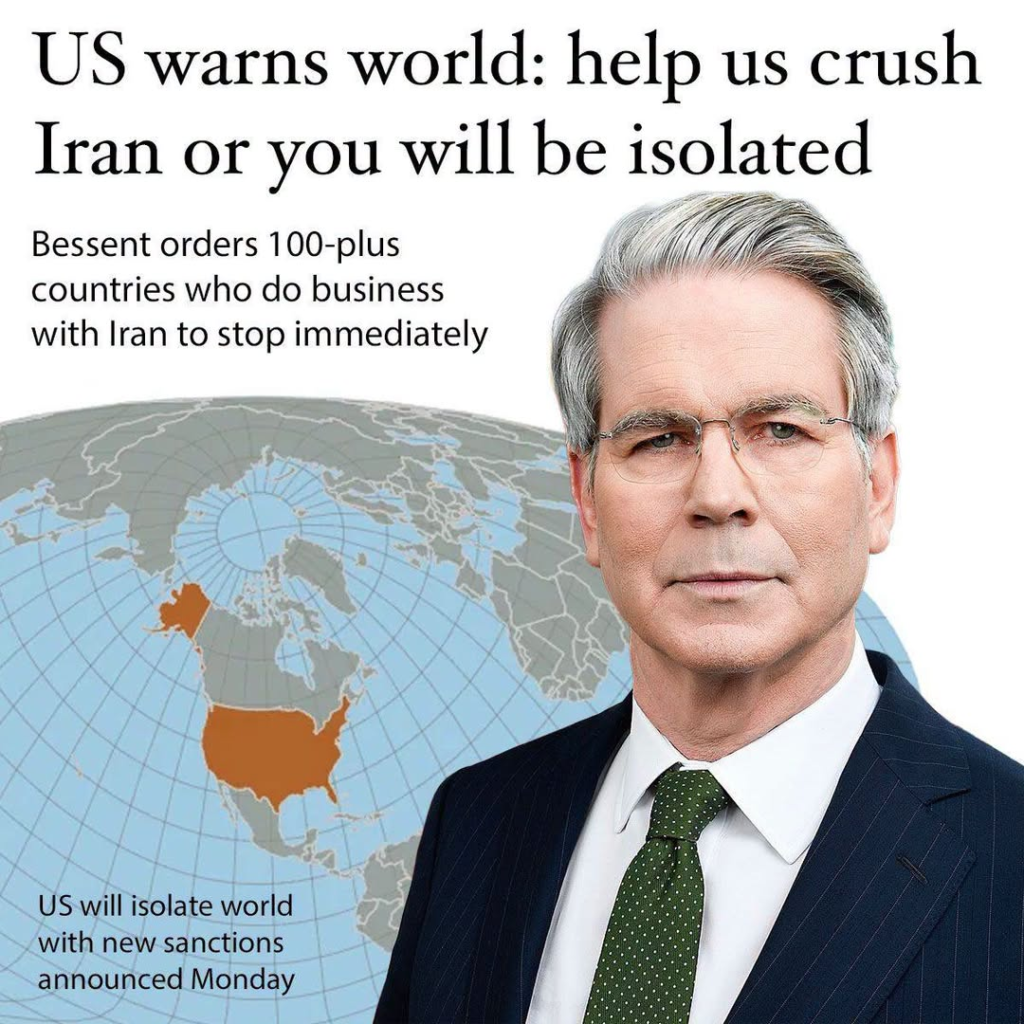
According to The New York Times, Iran and Oman are close to finalising an agreement to reopen shipping through the Strait of Hormuz. Under the emerging arrangement, ships entering the Persian Gulf will sail through an Iranian-controlled corridor along the Iranian coast, while outbound ships will sail through a corridor near Oman. Iranian officials say a “service fee” will be imposed to cover environmental impact, security and manning – shared equally between Iran and Oman.
A US official rejected the Iranian description and stressed that no fees will be imposed. Trump said on Monday that the strait could be opened “literally tomorrow”. Iran denied that any negotiations with the US are taking place – it is talking exclusively to Oman. Rubio warned that “freedom of the seas is a fundamental pillar of international trade and commerce that cannot be threatened”.
The structural problem for the US is that such an agreement in reality confirms Iranian sovereignty over the Strait of Hormuz – something that has never been internationally recognised. The US has always maintained that Hormuz is international waters with free passage. If a fee system is introduced – whatever it is called – it is a de facto acknowledgement of Iranian control. Saudi Arabia, the UAE, Kuwait and Qatar will see it as an American betrayal.
But the US has limited room for manoeuvre. According to Larry Johnson’s Sonar 21, 65 percent of the US Patriot missile stockpile has been used up. The stock of Tomahawk missiles is nearly exhausted. Certain air-to-ground missiles are in critical shortage. A prolonged air campaign against Iran is militarily impossible at the moment – whatever Trump says on Truth Social.
The Temple Mount: the religious dimension threatens to overshadow everything
In recent days Jordan has sent strong warnings to Islamic states that the dangers to the Islamic holy sites on the Temple Mount in Jerusalem are greater than ever. The trigger was a civilian entry onto the Temple Mount organised by the Israeli minister Itamar Ben-Gvir, at which Jewish prayer was held. No structures were damaged. But Jordan, which has special responsibility for the Islamic holy sites in Jerusalem, is deeply alarmed and warns that a potential crisis is just around the corner.
If such a crisis develops – if the Temple Mount becomes the battlefield of religious conflict – we are no longer in the world of geopolitics alone. We move into the world of eschatology, where retreat is impossible and compromise unthinkable. We are not there yet. But it is a dimension that, if it opens up, will overshadow everything else – Hormuz, Ukraine, the energy crisis – at a stroke.
The overall picture: a war in its decisive phase
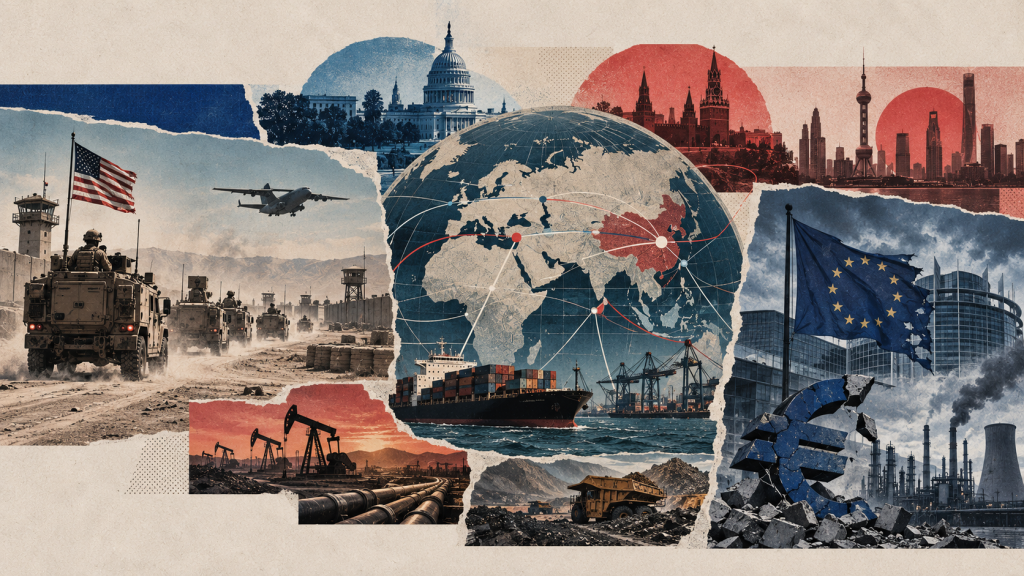
Zelensky’s 40-day offensive failed. The drone offensive has not stopped Russian advances, has not destabilised the Russian economy and has not forced negotiations. Zelensky is back to asking for a ceasefire along existing lines – the only position he has left. Zaluzhnyi says openly that NATO is useless and that Ukraine will never become a member. Iran is about to cement its control of the Strait of Hormuz through a deal with Oman. And the US lacks the military capabilities to change any of these realities.
That is the situation the world is in on Tuesday 4 August 2026.