Trump–Zelensky: A meeting without substance
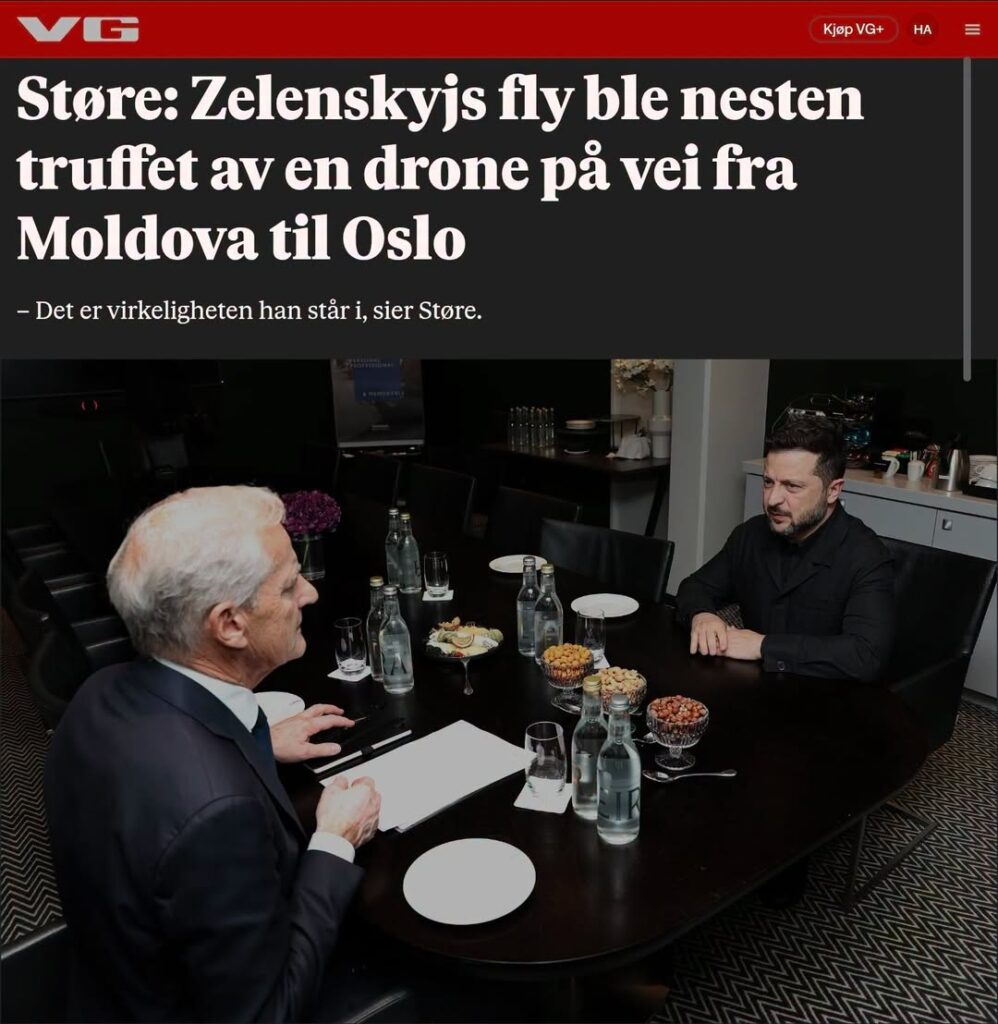
On Wednesday 29 July we are in the hours after Trump’s back-to-back meetings with Zelensky and Netanyahu. Zelensky described the meeting with Trump as long and cordial. It probably was – but length and warmth are not the same as substance. The last time the two met in the Oval Office, in February 2025, it ended in a bitter exchange. This time, after Lindsey Graham’s funeral, the tone was different. But the concrete outcome is, as far as it is possible to judge, almost non-existent.
The US is not in a position to deliver Patriot interceptors in the quantities Zelensky is asking for – the military is in internal conflict with the White House over what can be spared from already critically low stocks. Money from Washington does not appear to have been promised. What Zelensky probably takes home is political support and a warm embrace – and the news of the Senate’s progress on the sanctions law, which he watched from the Senate gallery.
The sanctions law: 86–12 – but what is it really?
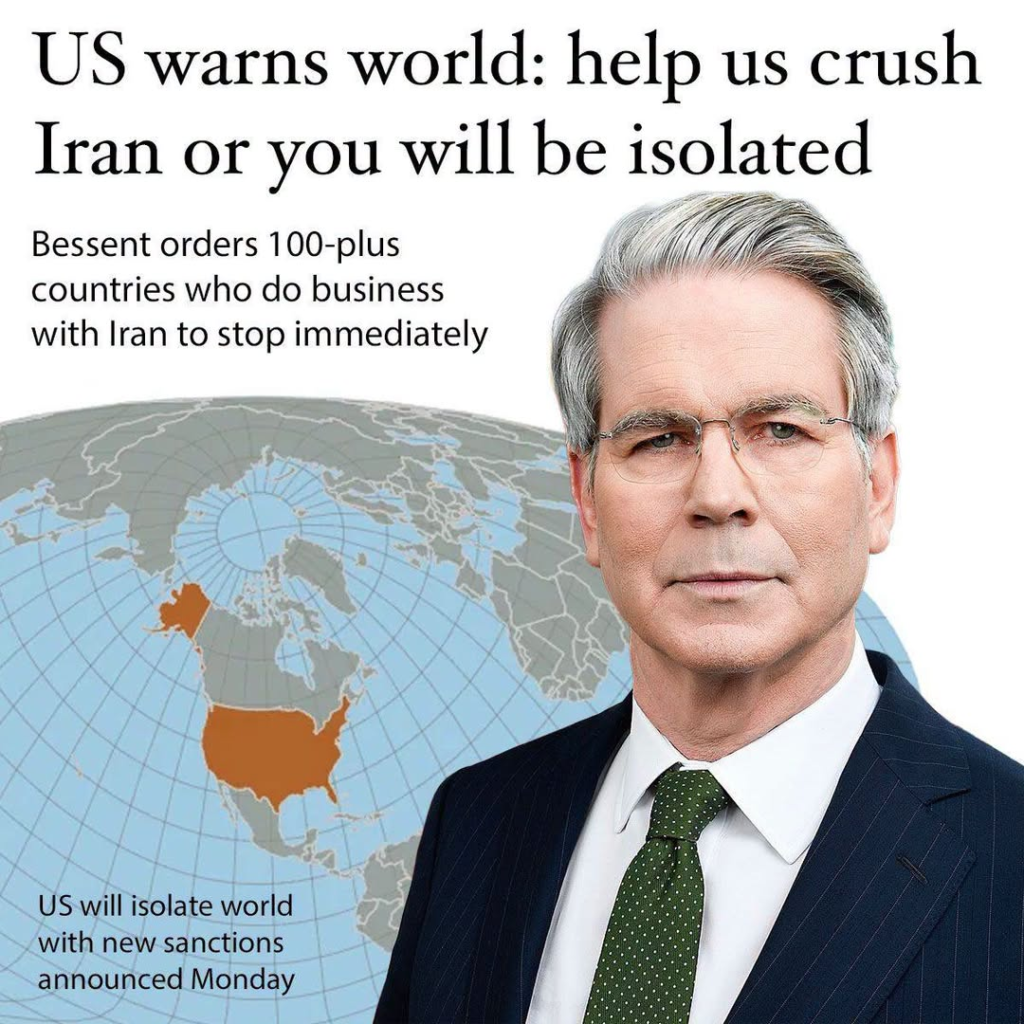
On Tuesday 28 July, the US Senate advanced the sanctions package named after the late senator in a procedural vote of 86 to 12. Only one Republican – Rand Paul of Kentucky – voted against. Zelensky sat in the Senate gallery and watched. The law has been formally renamed “The Lindsey O. Graham Sanctioning Russia and Iran Act of 2026”. It has also been expanded to include provisions on Iran.
But what is the law really? Originally, the Graham–Blumenthal bill required mandatory tariffs of up to 500 percent on countries buying Russian energy. The version that passed the procedural vote gives the president – that is, Trump – discretionary authority to impose tariffs of up to 100–200 percent on countries buying Russian oil and gas. The law also targets Russia’s “shadow fleet” of tankers used to circumvent existing sanctions.
The critical question is what the shift from mandatory to discretionary sanctions actually means. The answer is: very little that is new. The president already has broad authority to impose sanctions on countries he considers a threat to US national security – including in the form of tariffs. What the law in reality does is give Trump stronger constitutional and statutory cover for tariffs after the Supreme Court has recently curtailed the president’s tariff powers. The paradox several Democratic senators openly pointed out: is this really a Ukraine law, or is it a tariff powers law that can just as well be used against China, India and Brazil in completely different policy areas? Trump himself replied on Fox News that Graham was “militant” in his support for Ukraine – a phrase that buries an actual position in an obituary.
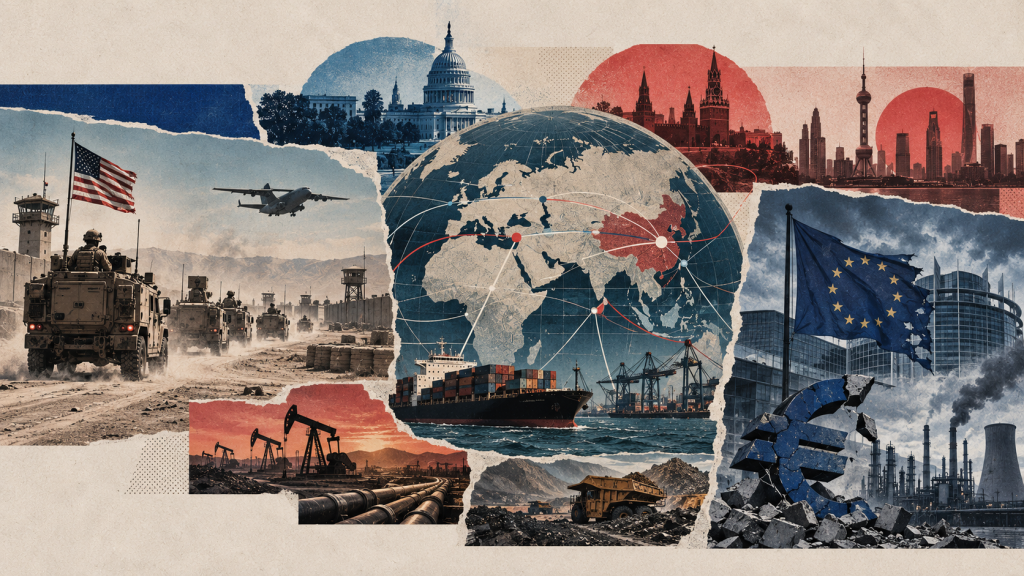
China warned against the law in sharp terms three weeks ago, saying it would not let its energy trade with Russia be affected by American threats. With the Strait of Hormuz closed, European gas storage at historic lows and a global energy shortage as the backdrop, it is hard to see Trump using such a law against China now – at the very moment when a full-scale trade war with Beijing would drive energy prices to levels that would make his political position untenable. It is possible that a future president will use the law for exactly that purpose. But that is not what Zelensky thinks he received as a gift in Washington this week.
Ukraine’s drone offensive: The official explanation does not hold
The Financial Times published an analysis this week trying to explain why there are no longer pictures of burning Russian refineries in the media: Ukraine is now attacking not the storage tanks, but the “sensitive technological parts” of the refineries – damage that is not visible but supposedly prevents production. It is an explanation that is impossible to refute directly. But it is not possible to confirm either – and it is contradicted by all available information about the Russian fuel situation, which is now stabilising. Russian authorities report falling petrol prices and normalisation of supply along more and more supply routes. Leonid Ragozin – the sharply Putin-critical, exiled Russian journalist – confirms this.
What is actually happening is more sober: Russian air defence has become so effective around refineries and other priority targets that Ukrainian drones can no longer hit them consistently. Instead, they attack what they can hit – Wildberries warehouses, a car park in Yekaterinburg, civilian buildings in Belgorod. It is the characteristic course of a drone offensive losing its operational grip: one turns to ever softer targets.
Odesa: A permanent blockade takes shape
The Russian Defence Ministry reports that during the night of 28–29 July Russian drones hit military cargo receiving facilities and fuel depots in the port of Mykolaiv, and that two dry cargo ships on the open sea east of Odesa were attacked while heading for the ports of Odesa and Chornomorsk. Ships are now attacked not only in port, but while under way. This is decisive: it means that no commercial shipping companies with insurance obligations can send ships to Ukrainian ports – whatever the cargo.
It is the ships that continue to call at Odesa despite this that reveal what they are carrying: they are not commercial operators with normal insurance arrangements. They are vessels carrying military cargo – drones, ammunition and equipment. And it is these the Russians are attacking. Odesa’s role as Ukraine’s last seaport is in practice over, and it appears it will remain so for the rest of the war.
Lavrov to TASS: Revenge is a dish best served cold
In a long interview with the Russian state news agency TASS in the wake of the Rubio meeting in Manila, Lavrov articulated what appears to be the overall state of mind of the Russian leadership at this point in the war. He acknowledged that there is strong anger in Russia – at the West, at Ukraine, at what he calls the collective West’s lies and double-dealing. But he said that decisions taken in pure anger are usually wrong decisions. The right thing is to control the anger, use it as fuel for firmness and focus, but never let it cloud clear thinking.
Revenge is a dish best served cold. It is no coincidence that Lavrov uses that expression. It is a carefully calibrated phrase from a man who knows Russia is winning a war – and who wants it to happen on Russian terms, at Russian pace, with Russian precision.
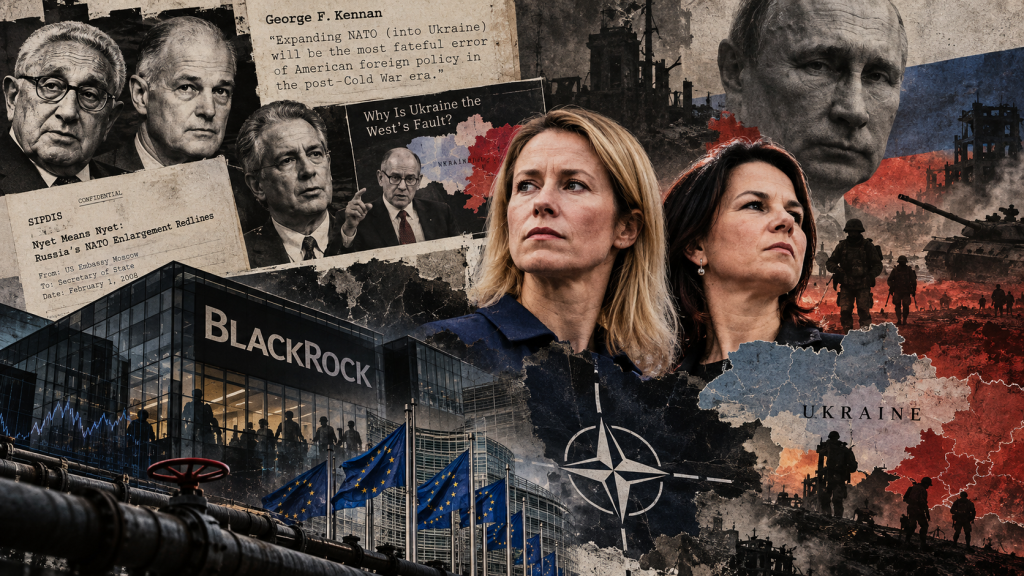
What NATO really is – and what it is becoming
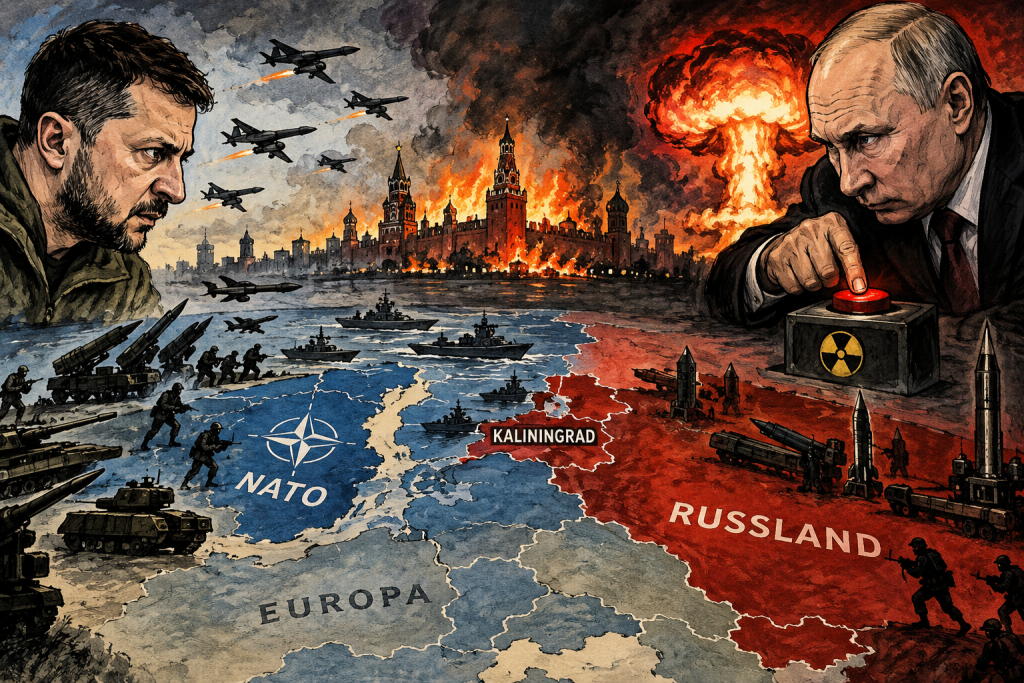
The British analyst Alastair Crooke and the American military commentator Daniel Davis published a conversation this week in which they argue that a Western defeat in Ukraine will mean the effective end of NATO. It is an argument that deserves more attention than it gets. NATO was built around a single premise: that the US, as the core of the alliance, is able to defeat Russia in a conventional war in Europe should it come to that. That premise is now under serious pressure – not only in Ukraine, but from what is being revealed in the Middle East, where the US halted its Iranian strike operations not for diplomatic reasons, but because its stocks of precision weapons are critically low. A military that cannot sustain a limited regional campaign without emptying its strategic stocks is not a military that can guarantee Europe’s security in the face of Russia.
No one in NATO will say this out loud. But they know it.